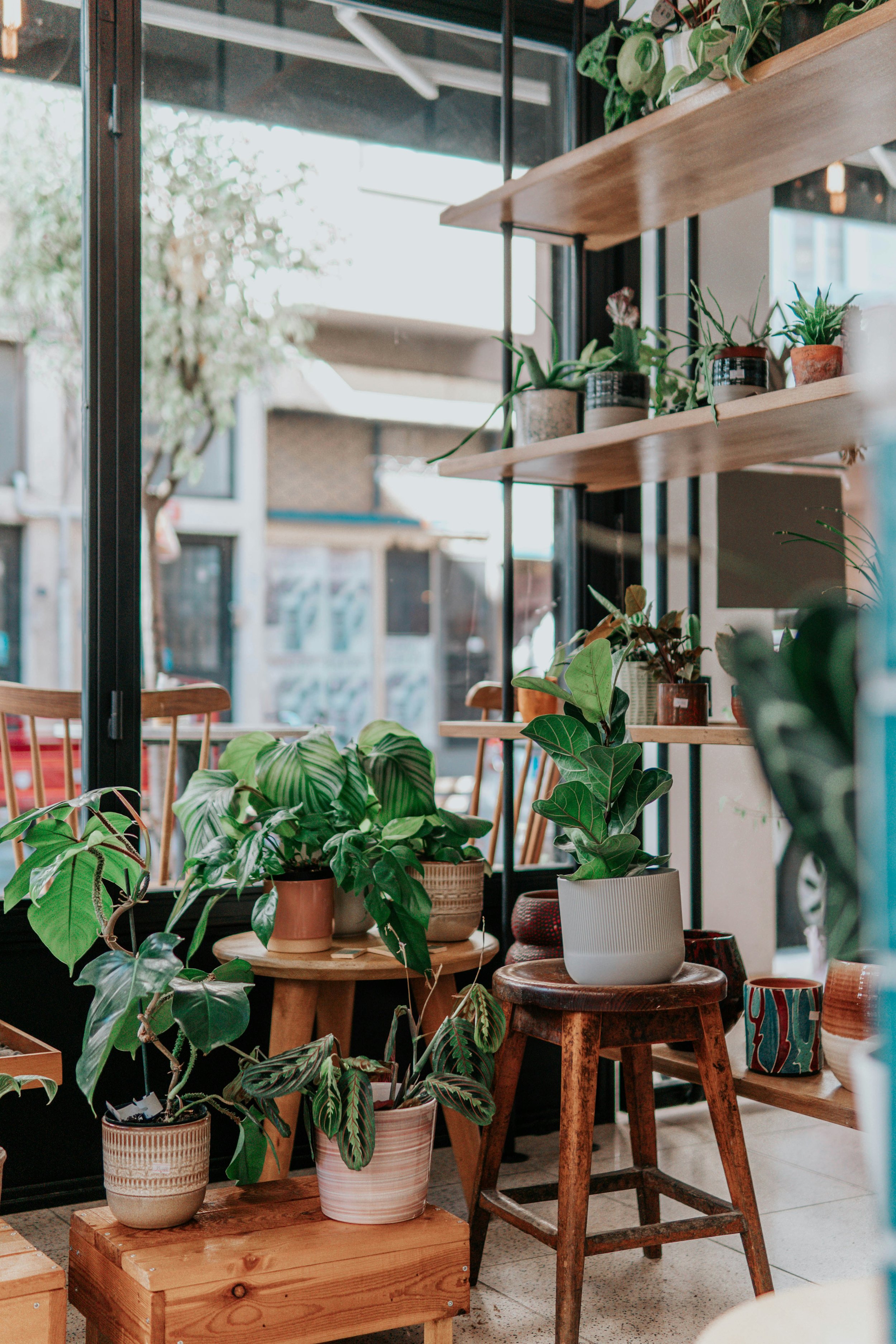
Discover 10 plants that thrive in moist environments, with easy care tips and ideas to add lush greenery to bathrooms, kitchens, and other damp spaces.
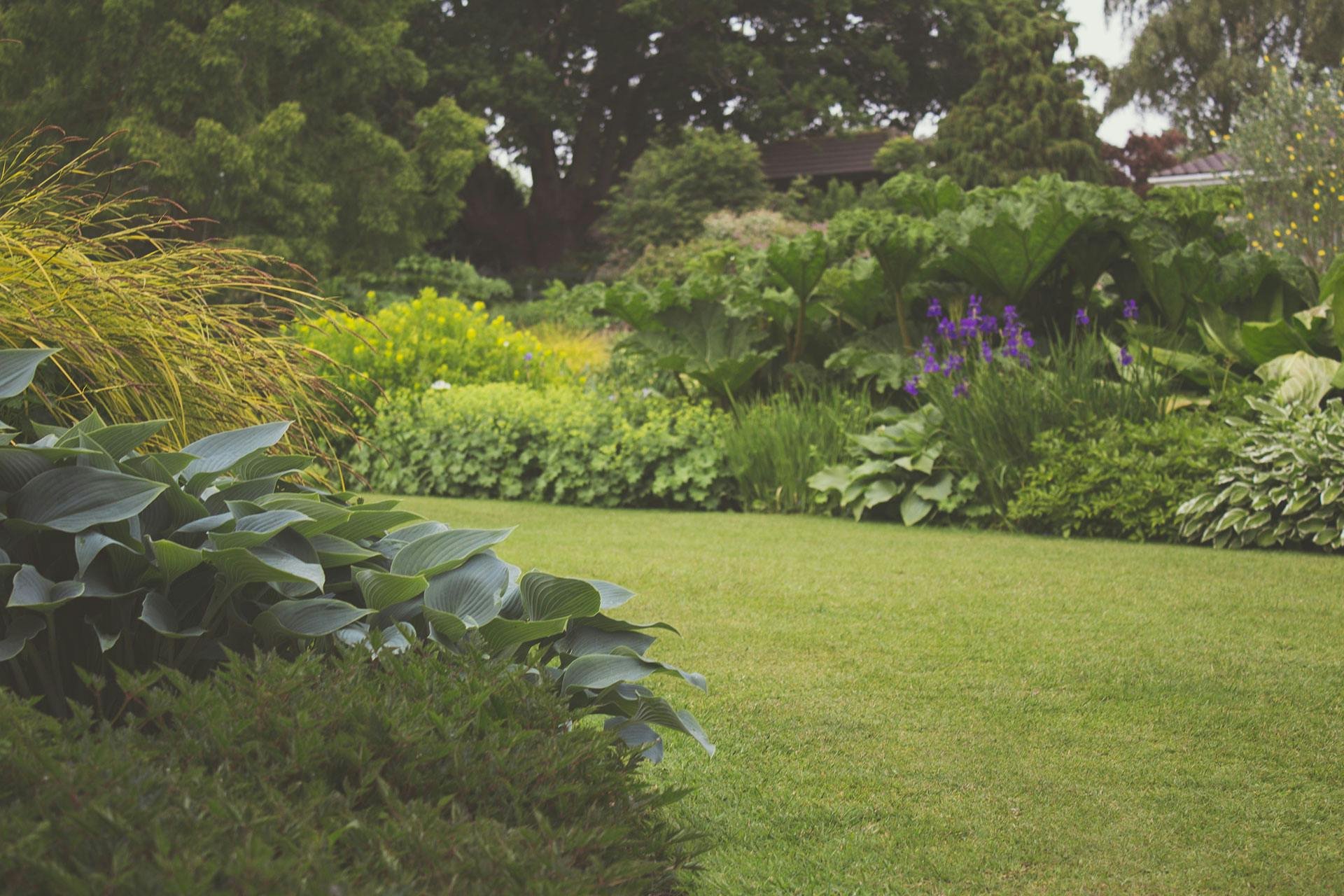
If you have a garden or indoor space that tends to stay damp or receives a lot of moisture, you might think your plant options are limited. However, many beautiful and resilient plants will thrive in moist environments. Whether you’re dealing with a shady, boggy backyard or a humid indoor corner, knowing which plants prefer these conditions can transform your gardening experience. From lush greenery to vibrant blooms, moisture-loving plants add a unique charm and help create a natural oasis.
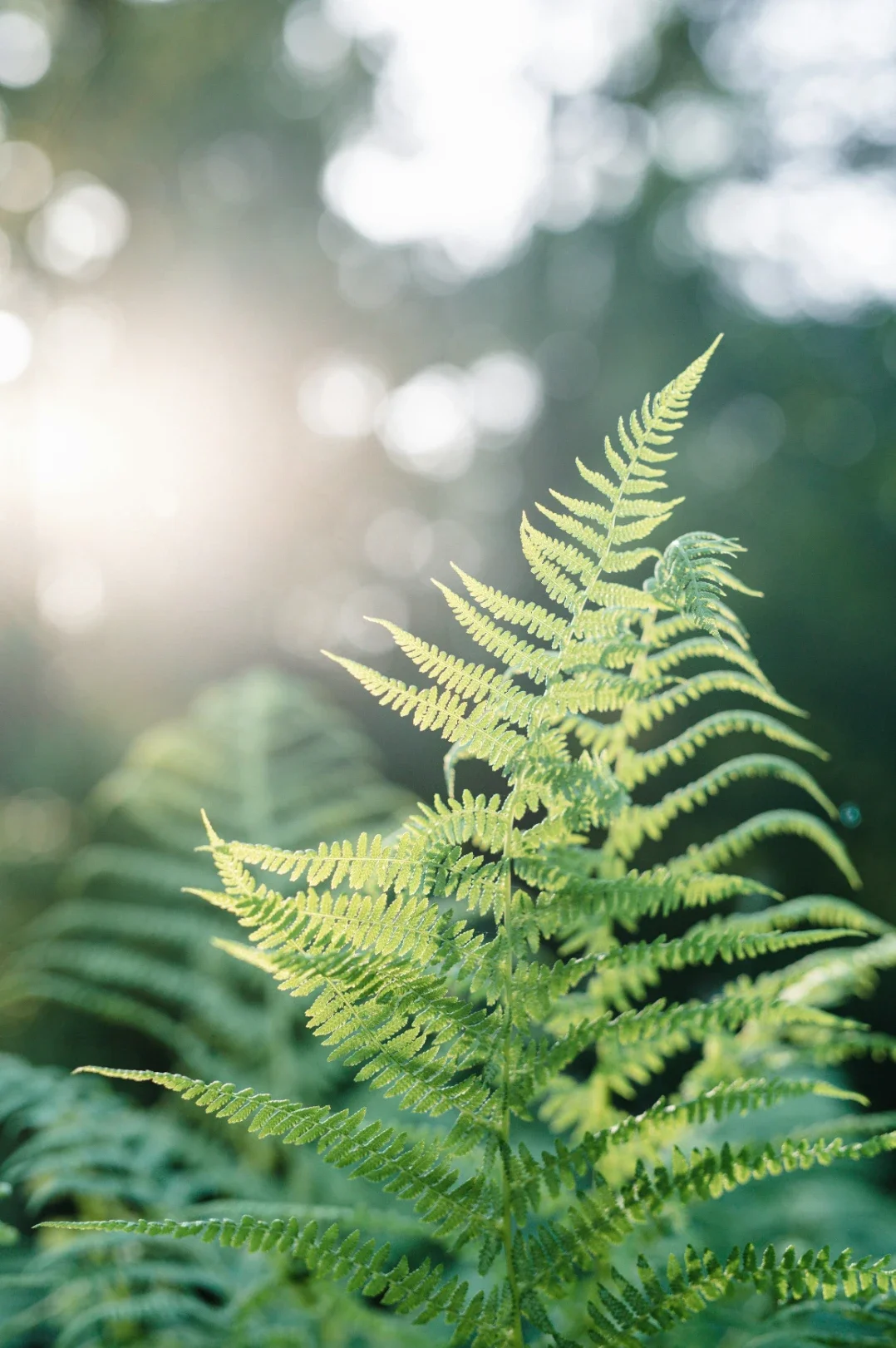
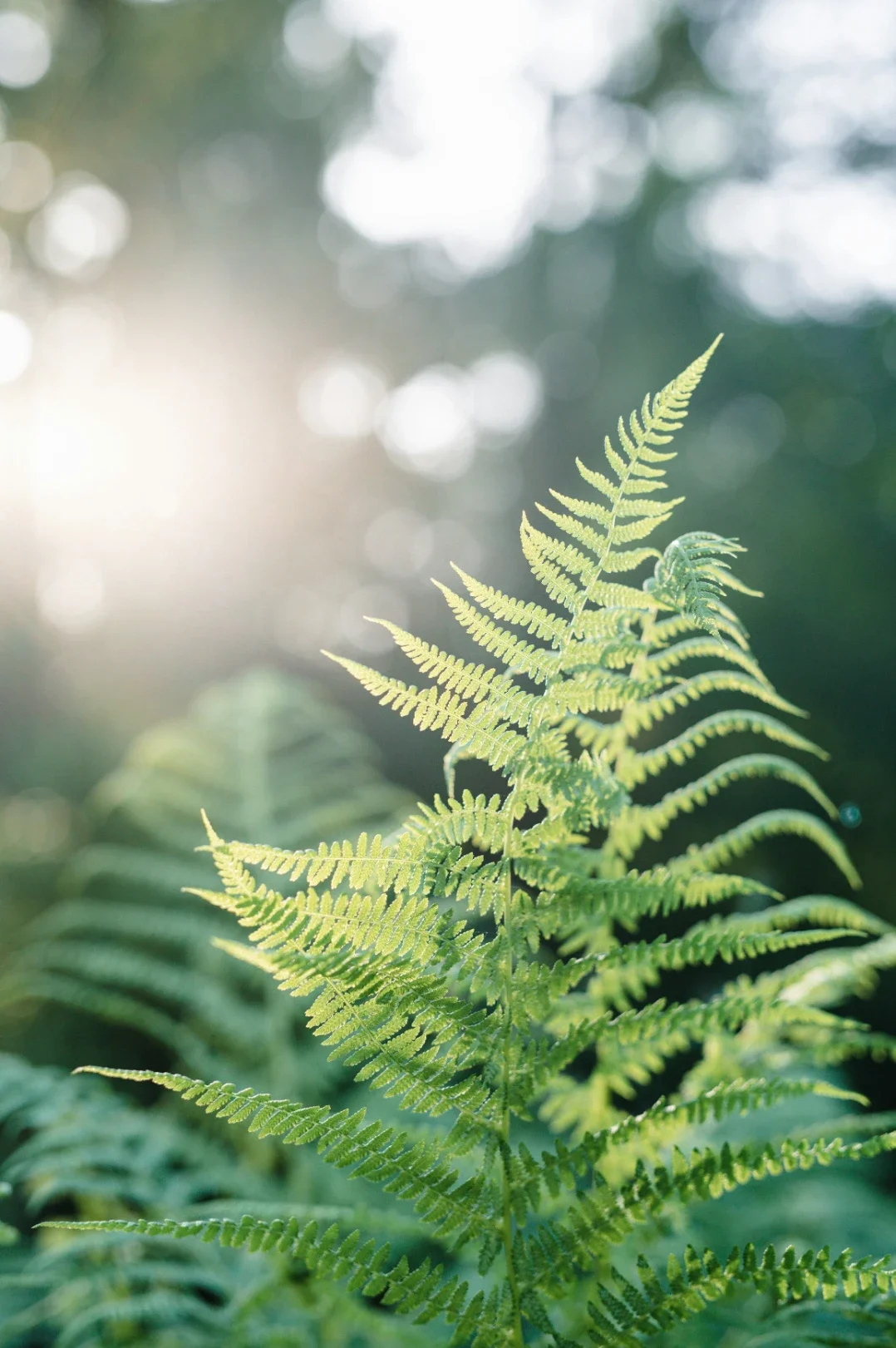
One standout group that does well in damp conditions is fern plants. These ancient survivors have adapted perfectly to shady, wet environments, making them ideal for spots where other plants struggle. Ferns’ delicate fronds and rich green hues bring a soft texture and fresh vitality to any moisture-rich area. But ferns are just the beginning. There are many other species, ranging from flowering perennials to ornamental grasses, that love moist soil and humidity. Check out these ten fantastic plants that do well in moist environments, and discover why they deserve a place in your space.
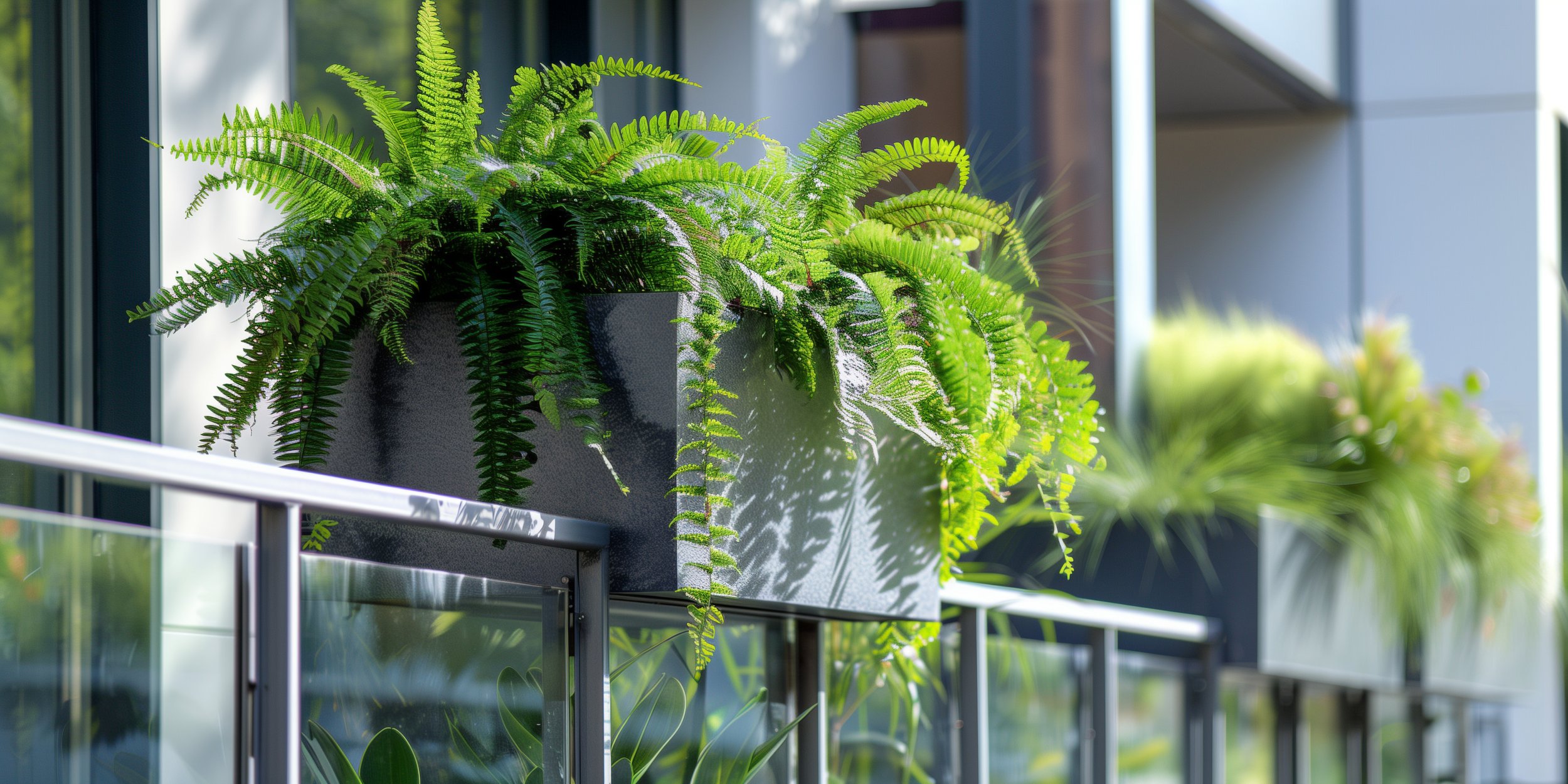
1. Boston Fern (Nephrolepis exaltata)
Boston ferns are classic moisture fans, often spotted in humid bathrooms or shaded patios. They prefer soil that’s consistently moist but not waterlogged. Their lush, arching fronds contribute a tropical feel and excellent air-purifying qualities indoors. Outdoors, these ferns prefer partial to full shade, making them a perfect ground cover beneath trees or in shaded garden beds. Regular misting or a humid environment is key.
2. Marsh Marigold (Caltha palustris)
If you want cheerful, early spring color in a wet spot, marsh marigold is where it’s at. Its bright yellow flowers bloom in late winter to early spring and provide food for pollinators emerging from hibernation. This perennial is native to wetlands and enjoys full sun to partial shade with consistently moist soil. It’s commonly used around ponds or in rain gardens, where it naturally fits into the ecosystem. Plus, its glossy green leaves add decorative value even after flowering has passed.
3. Japanese Iris (Iris ensata)
Japanese iris is well-known for its stunning, large flowers in purples, blues, and whites. These irises love to grow where the soil is wet for most of the growing season, making them wonderful candidates for water-logged garden corners or along water edges. They enjoy full sun but need plenty of moisture to produce their best blooms. With proper care, Japanese irises can become a focal point in your garden, combining both structural elegance and vivid color.
4. Ligularia (Ligularia dentata)
If you appreciate bold foliage, ligularia is hard to beat in a moist garden bed. This plant sports big, lush leaves often tinted with deep greens, purples, or bronze shades, depending on the variety. Ligularia flowers in mid to late summer, producing bright yellow-orange daisy-like blossoms on tall stalks. It prefers part shade and thrives in well-draining soil that remains damp to avoid root rot. It’s a great option for adding texture and color contrast.
5. Cinnamon Fern (Osmundastrum cinnamomeum)
Another exquisite fern plant, the cinnamon fern has feathery fronds that emerge with a soft, cinnamon-brown hue before maturing to rich green. This plant prefers acidic, moist soil, and is often found in woodland swamps. Partial shade adds to its low-maintenance personality, while still bringing an elegant and airy layer to garden landscapes or naturalized settings.
6. Cattails (Typha)
Cattails are iconic plants often seen growing in marshes and along pond edges. These tall, reed-like plants have a distinctive brown, cigar-shaped flower spike that adds vertical interest to moisture-rich landscapes. Cattails require full sun and water-saturated soil to survive. They also provide habitat for wildlife and help filter pollutants from water, making them environmentally beneficial as well.
7. Astilbe (Astilbe spp.)
With their plume-like, colorful flowers ranging from white to deep pink and red, astilbes are a favorite among gardeners who want vibrant blooms in hidden, moist spots. These shade-loving perennials hate dry soil and enjoy regular watering. Astilbes can brighten up shady borders, woodland gardens, or alongside streams where moisture is abundant. Their delicate feathery flowers sway gracefully in the breeze, adding movement and charm.
8. Swamp Milkweed (Asclepias incarnata)
Swamp milkweed is a must-have for gardeners interested in native plants and butterfly-friendly gardens. True to its name, it thrives in wet meadows, swampy areas, and rain gardens. This perennial produces clusters of fragrant pink flowers in mid to late summer, attracting monarch butterflies, bees, and other pollinators. Swamp milkweed prefers full sun but needs consistently moist soil for healthy growth. It’s a natural beauty that also plays a vital ecological role.
9. Joe-Pye Weed (Eutrochium purpureum)
Joe-Pye weed is a tall, striking perennial that brings late summer and fall interest to moist soils. Its pink to purple flower clusters attract butterflies and hummingbirds, creating lively activity in your garden. This plant prefers full sun to part shade and flourishes in wet to average soil conditions, making it suitable for rain gardens, pond edges, and low-lying fields. Its towering height and rich color make it a perfect background plant or centerpiece.
10. Skunk Cabbage (Symplocarpus foetidus)
Though it might not sound appealing, skunk cabbage is a fascinating plant that calls swampy forests and wetland areas home. It emerges early in spring, often before the snow melts, with large, bright green leaves and a unique flower structure. Skunk cabbage generates its own heat to melt surrounding snow, helping it grow in cooler climates. It requires very moist soil, usually saturated or even standing water, and is an important component of wetland ecosystems.
Cultivating Moisture-Loving Plants: Tips for Success
Growing plants in moist environments requires attention to some key cultural practices. First, ensure your site has proper drainage; while these plants like moisture, stagnant water can lead to root rot. A gradual slope or raised beds with organic matter can help maintain balanced moisture levels. Consistent watering during dry spells is essential, especially for moisture-dependent species that don’t tolerate drought well.
Mulching with materials like pine needles, bark chips, or leaf mold helps retain soil moisture and regulate temperature, fostering healthy root systems. Many moisture-loving plants prefer acidic to neutral soil pH, so it’s worth testing your soil and amending if necessary. Remember to pair plants with similar moisture and light requirements to ensure a harmonious and sustainable garden.
Embrace the Beauty of Moisture-Loving Plants
Moist environments may seem challenging at first glance, but they offer a wonderful opportunity to cultivate a diverse variety of plants. From the timeless elegance of fern plants to the vibrant blooms of marsh marigolds and Japanese irises, these moisture-loving plants bring life and color to often overlooked places.
By selecting plants that thrive in moist conditions and following appropriate care guidelines, you can create a beautiful garden that supports local wildlife and adds unique textures and colors to your outdoor or indoor spaces. Whether you have a soggy corner, a pond-side retreat, or just want to experiment with humidity-loving greenery indoors, these plants are an excellent starting point.
Stay up to date with our latest ideas!