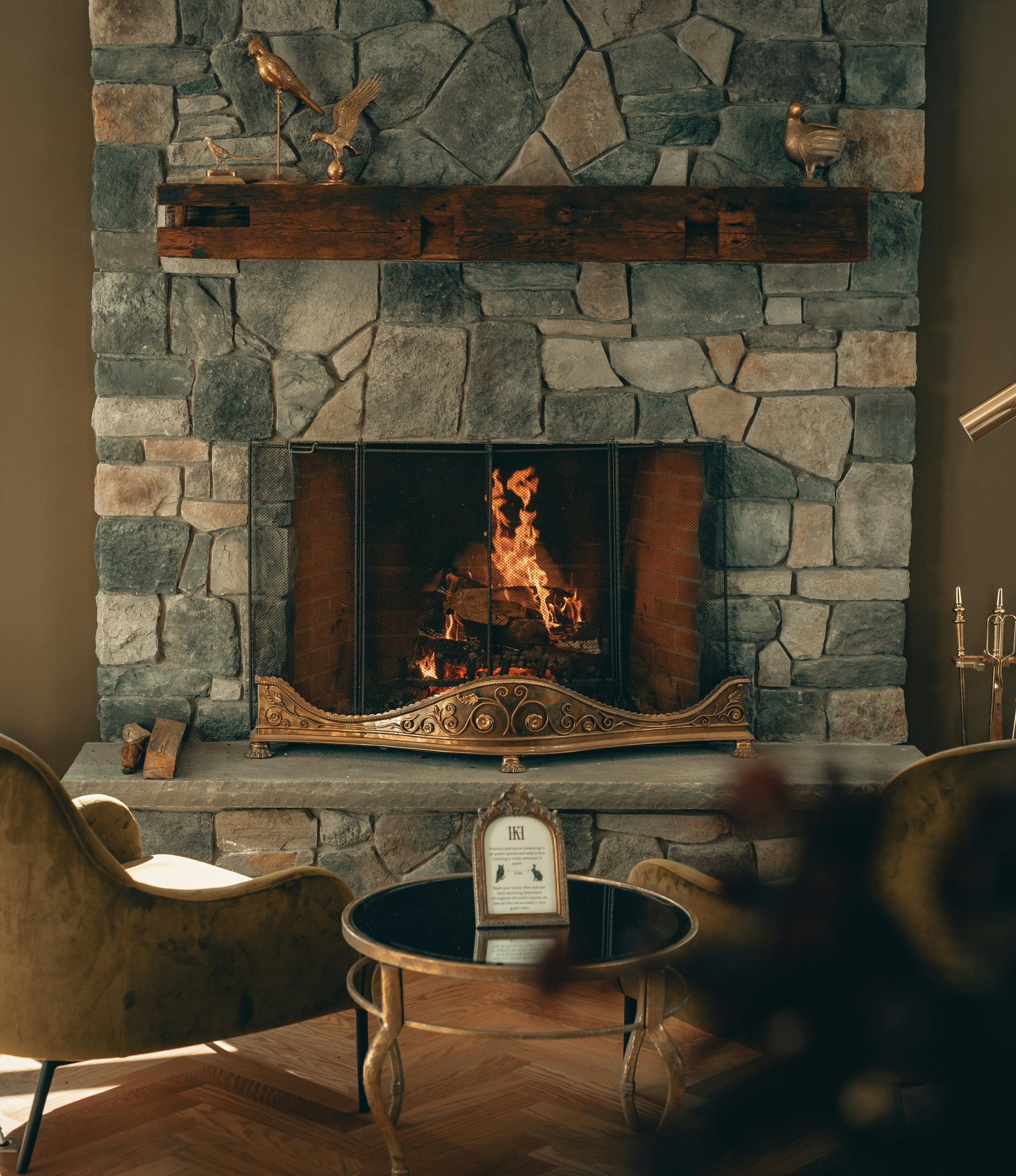
Why Your Fireplace Smokes, Sputters, and Barely Throws Heat (and the Fix No One Mentions)
Find out why your fireplace smokes, sputters, and produces little heat, plus the overlooked fix that can improve performance and comfort.
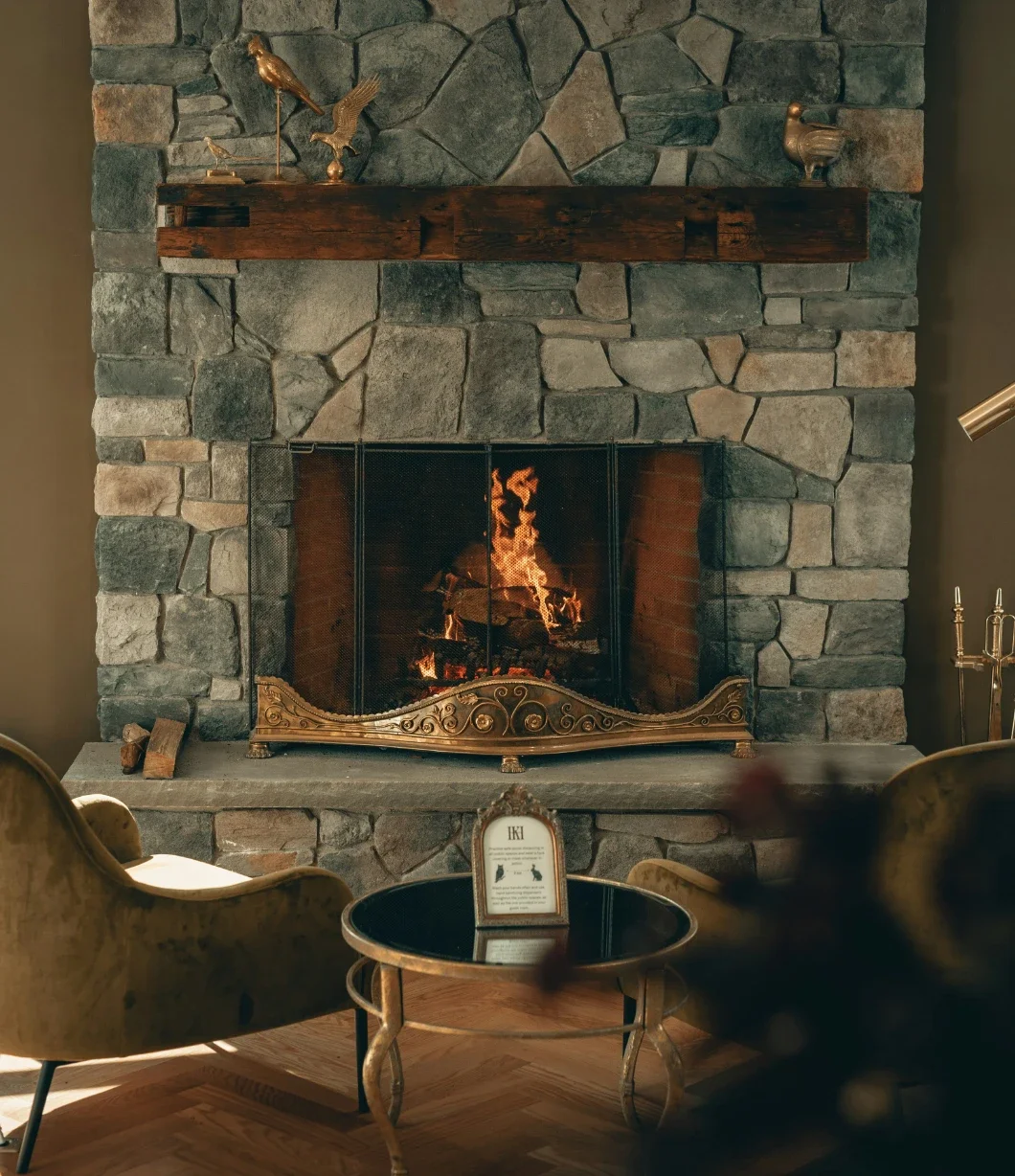
You stacked the logs just right. You opened the damper. You burned through three firestarters and half a newspaper. And still, twenty minutes later, you are crouched on the hearth blowing at a sad, smoky pile of wood that refuses to do the one thing a fire is supposed to do: give off heat.
If that sounds familiar, you are not bad at building fires. You are almost certainly burning bad wood.
Most homeowners blame the chimney, the flue, the fireplace design, or their own technique. Those can matter. But nine times out of ten the real problem is sitting right there in the log rack, and it comes down to a single number almost nobody talks about: moisture content.
Wet wood is the silent fire killer
Freshly cut “green” wood can be 50 percent water or more by weight. When you burn it, most of your fire’s energy goes into boiling off that water instead of heating your living room. That is where the hissing, the steam bubbling at the log ends, the lazy yellow flames, and the thick gray smoke all come from. You are essentially trying to set a wet sponge on fire.
Here is the part that catches people off guard: “seasoned” wood is not a guarantee. Seasoning just means the wood was left to air-dry, and depending on the species, the weather, and how long it actually sat, plenty of so-called seasoned firewood is still sitting at 25 to 40 percent moisture. It looks dry. It is not.
For a fire that lights fast, burns hot, and stays clean, you want wood under 20 percent moisture, and the lower the better. At that point the water is mostly gone, so the energy goes where you want it: into heat and a steady, bright flame.
Why kiln-dried wood changes the game
This is where kiln-dried firewood pulls ahead of the average bundle from the gas station or the random pile off a roadside sign.
Air-seasoned wood is at the mercy of the weather and whoever stacked it. Kiln-dried hardwood is brought down to a low, consistent moisture content on purpose, in a controlled kiln, with every batch the same. The payoff shows up the moment you strike the match:
It lights quickly and easily, without a fistful of firestarters.
It throws real, usable heat instead of wasting energy steaming itself dry.
It burns cleaner, with far less smoke filling the room or stinging your eyes.
It produces less creosote, the sticky and flammable gunk that coats your chimney and causes flue fires when wet wood smolders.
The heat of the kiln also kills mold, fungus, and any insects hiding in the bark, so you are not carrying pests into your home.
In other words, most of the problems people pin on their fireplace are really just symptoms of damp wood, and dry wood quietly fixes them.
How to tell if your wood is actually dry
Before your next fire, check the wood itself:
Look at the ends. Properly dried logs develop cracks and splits radiating out from the center.
Pick it up. Dry wood is noticeably lighter than green wood of the same size.
Knock two pieces together. Dry wood gives a sharp, hollow crack. Wet wood makes a dull thud.
If you want certainty, a cheap moisture meter from any hardware store settles the argument in seconds.
If your wood fails these tests, no amount of fire-building skill is going to save the evening.
The simplest upgrade you can make this winter
You can fuss with dampers, grates, and special stacking techniques forever, but the single highest-impact change is also the easiest: burn properly dried wood. The cleanest way to guarantee that is to buy from a supplier that kiln-dries its hardwood to a low, consistent moisture content rather than hoping a roadside bundle has dried enough on its own. Homeowners in the Chicago area, for instance, can have kiln-dried hardwood delivered straight to the door from Best Burn Firewood Chicago, which takes the guesswork out of whether your wood will actually burn.
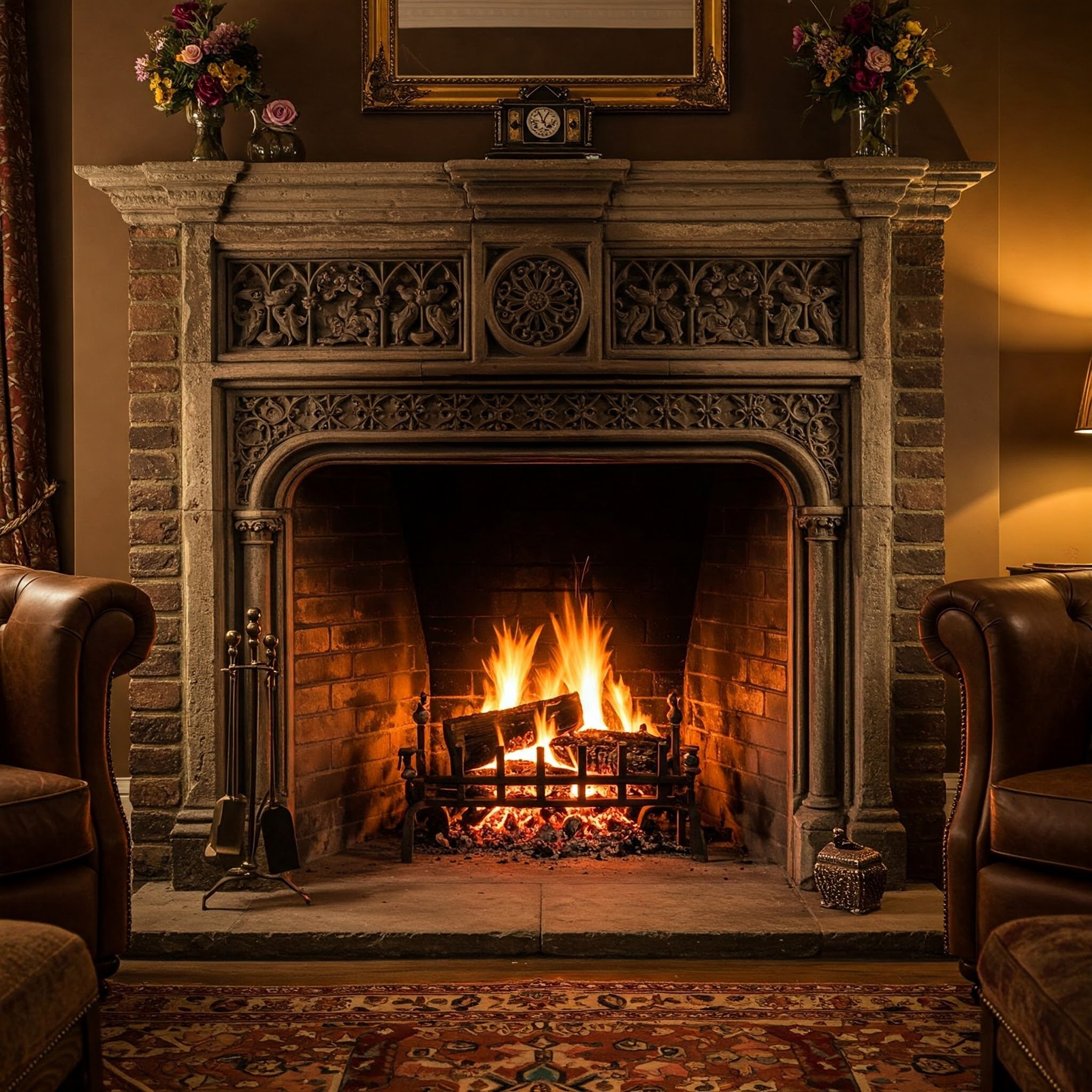
Get the wood right and everything else falls into place. The fire lights on the first match, the room fills with heat instead of smoke, and the fireplace finally does what you pictured when you bought the house. It becomes the warm, glowing centerpiece of the room on a cold night instead of a weekly source of frustration.
Stay up to date with our latest ideas!