Understanding the Importance of Good Mattress for Health
Learn why a good mattress is essential for your health, improving sleep quality, reducing pain, and supporting long-term comfort and overall well-being.

You probably already know sleep matters. However, most people totally underestimate the importance of good mattress choice and how much it can change their nights. The Importance of good mattress selection goes way beyond simply feeling cozy under the covers.
It affects your spine, your energy, your mood, and even how well you show up in your life the next day. A night's sleep is the foundation for your overall health. If that foundation is shaky, everything else starts to wobble.
If you wake up tired, stiff, or grumpy, it might not be age or stress. It might be the surface you lie on for a third of your life causing sleep deprivation. Let's look at what a quality mattress actually does for you.
We will also explore how to know if yours is working against you. Finally, we will cover what to look for if it is time for a change to improve sleep. Your sleep habits depend on it.
Why Your Mattress Plays Such A Big Role In Sleep
Think of your mattress like the foundation under a house. If the base is off, cracks start to show. With your body, those cracks can look like lower back pain, tight shoulders, and restless tossing.
You might even find yourself waking up in the night for no clear reason. A mattress plays a critical role in your physical and mental health. It determines if you get restorative sleep or just pass out for a few hours.
A good mattress provides two main things. It supports your spine properly and lets your muscles relax completely. Without those elements, even eight hours in bed can feel like you never slept.
Sleep hygiene involves more than just a dark room. The sleeping surface is the most critical tool in your bedroom. It is the primary factor that decides if you stay asleep or toss and turn.
How A Good Mattress Supports Your Back And Joints
Your spine has natural curves that need protection. At night, the goal is to keep those curves in a neutral line. A saggy or too firm mattress pushes your spine out of that safe position.
Over time, that poor position adds up to chronic pain. You need physical support that adapts to your specific shape. This helps maintain improved physical health over the long term.
On a high-quality mattress, your shoulders and hips sink in just enough while the rest of your body is held up. This balance spreads your weight evenly. It prevents one area from screaming for relief at three in the morning.
Why spinal alignment matters more than you think
During deep sleep, your body does a lot of essential repair work. If your spine is twisted or dipped all night, your muscles have to stay slightly engaged. They work to keep you from collapsing further into the bed.
That means your muscles are working when they should be resting. This prevents you from reaching the deep stages of sleep linked to muscle recovery. The result is often stiffness the next day.
This can lead to chronic tension, stiffness, and even headaches. Many people only connect this after they switch to a better mattress. They often feel a positive difference within just a few weeks.
Beware Of The Wrong Mattress
A bad mattress does not always look bad. It might look fine on the surface yet silently ruin your sleep under the covers. The problem is often hidden in the support system inside.
Using the wrong mattress is a recipe for disaster. It contributes to interrupted sleep and can aggravate sleep disorders. Here are some warning signs your mattress could be wrong for you.
You wake with numb arms or tingling hands.
You feel more tired in the morning than before bed.
You notice deep dips or a "roll together" feeling.
You get relief from pain when you sleep elsewhere.
You experience frequent neck pain upon waking.
You struggle to get comfortable and stay asleep.
If you checked more than one of those in your head, your bed is at least suspicious. Your body is trying to tell you something. It usually does not lie about comfort mattress issues.
Comfort Is Personal: Honor Your Own Preferences
There is a myth that there is one perfect mattress that suits everyone. That would be nice, but human bodies are too different. Height, weight, health, injuries, and sleeping position all change what you need.
Some people sleep better on a medium firm surface. Others crave a softer, more cushioned top layer found in foam mattresses. The right choice is the one that lets you fall asleep fast.
So do not get caught chasing someone else's idea of the "best" bed. The best one is the one your body relaxes on. Do not rely on your neighbor's opinion or random online reviews.
Understanding Different Mattress Types
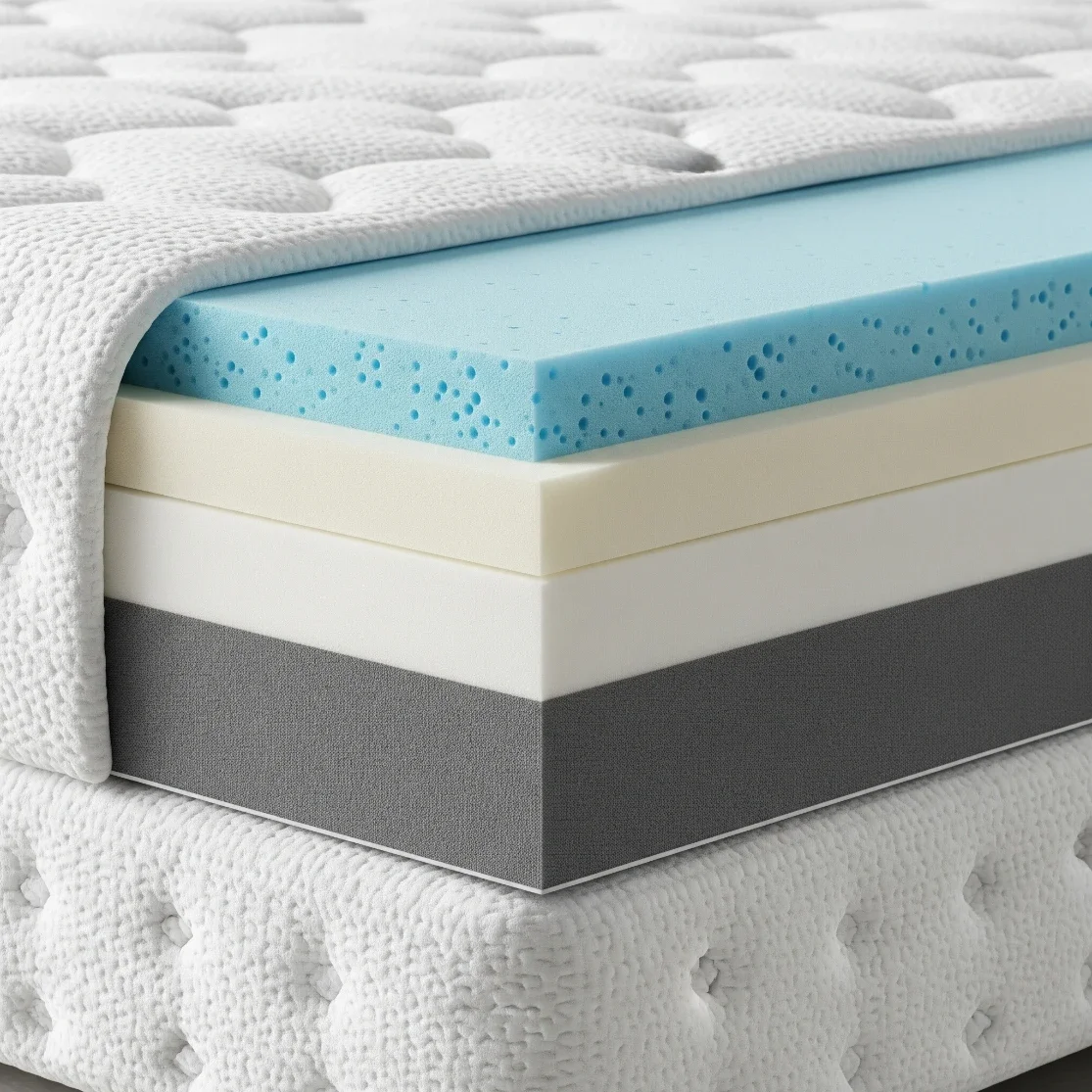
Knowing what is inside the bed helps you choose. A memory foam mattress molds to your body using body heat. This provides excellent pressure relief for aching joints.
A spring mattress uses coils to provide bounce and airflow. These are often cooler but might transfer more motion. A latex mattress offers a natural, bouncy feel that is also very durable.
A hybrid mattress combines these elements. It usually has coils for support and foam layers for comfort. This combination often provides the best of both worlds.
Getting The Correct Support For Your Body
Support is the part most people overlook because you cannot see it. It lives in the core of the mattress, in springs, foams, or a mix of both. But you can feel it in your back the moment you lie down.
Your goal is simple. You want your spine in a straight, natural line whether you sleep on your back, side, or front. Proper alignment helps enhance sleep quality significantly.
Your hips and shoulders are heavier pressure points. These need cushioning without letting your middle sink so deep that you fold. Quality materials are essential for maintaining this shape over time.
How different sleeping positions change what you need
Side sleepers often do well with a medium to medium soft surface that cushions shoulders and hips.
Back sleepers usually like a medium to medium firm feel that supports the lower back.
Front sleepers tend to need a slightly firmer feel so the spine does not bend backward.
Combination sleepers mattress needs often fall in the medium range to accommodate movement.
You do not have to know all the technical parts. However, you should notice how your back feels the first few mornings on any new mattress. That tells you more than a label ever will.
The Importance Of Good Mattress Choice For Back Pain
Back pain is one of the most common complaints in adults. Many factors play into it, like work posture, exercise, injuries, and stress. But a mattress that does not support you can quietly keep the pain cycle going.
If your bed is too soft, your hips can drop, which strains your lower back. If it is too firm, your joints do not sink at all. This can make pain flare around the shoulders, hips, and knees.
A comfortable mattress finds the middle ground. It lets your joints nestle in without letting your core sag. This helps reduce morning stiffness.
Always remember that this content is for informational purposes. If you have severe pain, seek medical advice from a doctor. However, changing your bed is often a great first step.
Why Old Mattresses Stop Doing Their Job
No mattress lasts forever. Springs fatigue over time. Foams compress and lose their rebound.
Support systems slowly wear down with years of weight, movement, and sweat. You might not see dramatic sagging. Yet, you can still feel the impact in your body.
As a general rule, mattress quality degrades noticeably around the eight to ten year mark. This happens sooner for cheaper builds or heavier use. At that point, the materials simply do not bounce back.
If you have to rotate to one "good corner" of the bed, it is time. If you avoid the middle to get comfortable, your mattress is likely past its prime.
Temperature Regulation and Sleep Quality
Many people struggle with being too hot at night. Body temperature needs to drop slightly for you to enter deep sleep. A mattress that traps heat can ruin this process.
Old foam mattresses were notorious for causing night sweats. However, modern technology has changed this. Now you can find a cooling mattress designed to pull heat away from you.
Look for beds with breathable covers or gel-infused foam layers. Good temperature regulation helps you fall asleep faster. It also prevents you from waking up covered in sweat.
Why Price And Quality Often Go Together
People sometimes hesitate to invest in a better mattress because it feels like a big one time cost. But break it down. A bed that costs more upfront and lasts ten years works out to pennies a day.
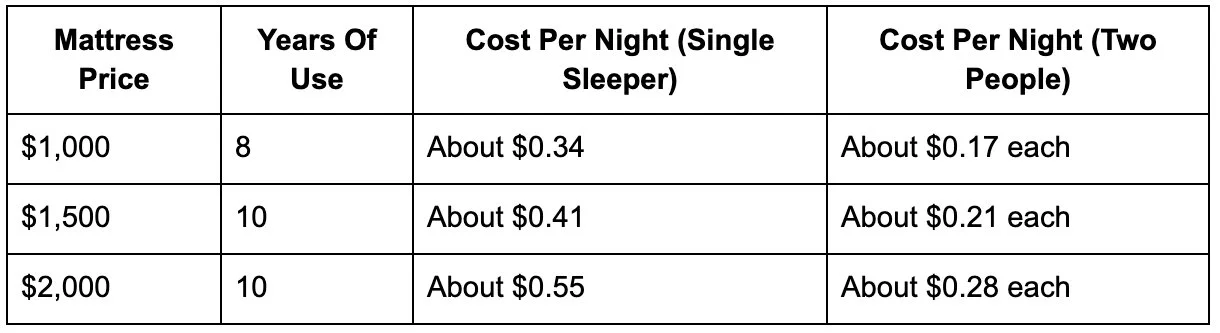
Think about what you regularly spend more than that on. Coffee, takeout, and streaming services often cost far more. Then remember your bed shapes a third of every day.
That helps put the value into perspective pretty fast. A high-quality mattress is an investment in your health. It is not just a piece of furniture.
Why Your Partner's Movements Keep Waking You Up
If you share a bed, there is another issue at play. Partner disturbance is real. No two people move, breathe, or wake at the exact same times.
On a mattress with poor motion control, every roll sends ripples across the surface. Every stretch or bathroom break becomes an alarm clock. This leads to those subtle awakenings you barely notice.
These interruptions trash your sleep cycles through the night. Better mattresses are built to absorb more of that movement. This is especially true for those with pocket springs or dense memory foam.
You still feel your partner is there. However, you do not ride the wave every time they turn over. This isolation is a key benefit of a quality mattress.
Try Before You Buy: Testing A Mattress The Right Way
Shopping for a mattress or bed online is tempting and convenient. But your body is the final judge, and it needs time to decide. That is why testing in store can help.
If you prefer online, pick a brand that offers a real home trial. This can make a huge difference in your satisfaction. If you can lie down in person, do this properly.
Wear comfortable clothes and get into your usual sleep position. Stay there for at least ten minutes. Do not just sit on the edge or poke the surface with your hand.
Notice how your lower back feels. Pay attention to your shoulders and hips. If you feel pressure, that bed will likely feel worse after a full night.
When shopping online, check the site links. Read their privacy policy and cookie policy to understand how they handle your data. You can usually find where to manage privacy choices in the footer.
Size Matters More Than You Think
A lot of people focus only on firmness and forget about size. But a too small mattress can be just as disruptive as a bad one. If you are cramped, you do not sleep deeply.
You need enough mattress space to stretch out fully. Taller people need more length to avoid hanging off the edge. Couples usually benefit from at least a queen.
Often, a king size mattress is the better option for two adults. This ensures there is room to move without elbowing each other awake. Parents with young kids who climb in might need even more space.
A king size allows for a peaceful family environment. The point is simple. Give your body the room it needs to fully relax.
How A Better Mattress Affects Your Daytime Life
The impact of sleep quality reaches far beyond your bedroom. Solid research shows that good sleep supports focus, mood, and mental health. It affects how you communicate and make decisions.
It also changes how you react to stress. Think about team environments or relationships. If people are running on poor sleep, conversations get snappier.
Patience wears thin when you are exhausted. Studies on the importance of good team communication highlight how quality rest supports clearer thinking. Good sleep leads to kinder interactions.
So upgrading your mattress is not just about physical comfort. It touches how you show up at work. It impacts how you treat the people you care about.
How To Start Choosing A Better Mattress
Choosing a mattress can feel like a lot of options all at once. There are many mattress companies out there vying for attention. So break it into simple steps and go one piece at a time.
You do not need to become a bedding expert. You just need to listen to your body and use logic. Taking a sleep quiz online can also help narrow down options.
Check your current bed for age and visible dips.
Notice your sleep patterns for a week, like pain or tossing.
Set a real budget based on longevity.
Decide on a mattress size that actually fits your life.
Test different feels at a mattress firm or retailer.
Look for strong trial terms if you buy online.
Use those steps like a checklist. It keeps you grounded while marketing messages yell from all directions. This approach helps you affect sleep positively.
Stay up to date with our latest ideas!