Designing a Family-Friendly Home with Smart Heating and Cooling Technology
Learn how smart heating and cooling technology helps create a comfortable, energy-efficient, and family-friendly home with better control and year-round comfort.

There's this ongoing battle in most homes about temperature. Someone's always too hot. Someone else is freezing. The kids need their room at a specific temp for sleep, but that same setting makes the living room unbearable. And you're stuck walking back and forth to the thermostat like it's going to magically solve everything.
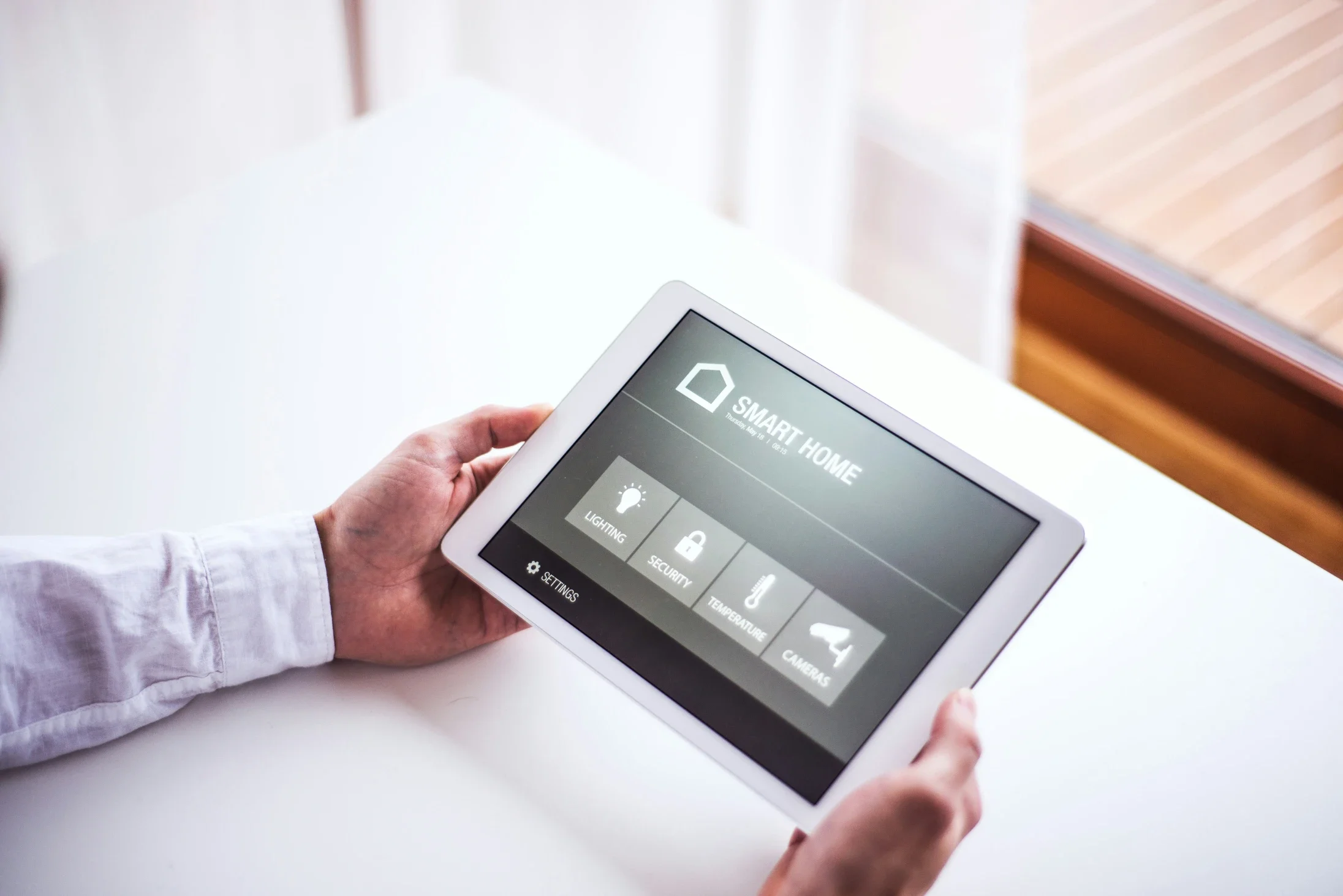
Smart heating and cooling tech has actually changed this in ways that matter. You can control different rooms separately now. Adjust things from your phone when you're not even home. Set it up so the system follows your actual schedule instead of running constantly. Less fussing with controls, more time doing literally anything else.
Why Temperature Matters in a Family Home
Getting the temperature wrong messes with way more than you'd think. Poor sleep. Trouble concentrating. Mornings that start off badly because someone woke up uncomfortable. When rooms can't maintain a decent temperature, or when it bounces around unpredictably, the whole household feels it.
This hits harder when you've got young children. A too-warm nursery equals a cranky baby and nobody sleeping. Chilly living rooms mean everyone's bundled up instead of relaxing. Traditional systems can't really handle these differences. They're built to pump out one temperature everywhere, which sounds logical until you realize how impractical that actually is. Smart setups let you tackle each room based on what's actually needed there, not some averaged-out compromise that doesn't work for anyone.
Keeping Kids' Rooms and Living Spaces Comfortable
Different rooms serve completely different purposes. Bedrooms need steady temps through the night without getting stuffy. Home offices should stay comfortable during those long work stretches. Living areas see tons of traffic, people coming and going, which creates natural temperature swings. Bathrooms might need a quick blast of heat in the morning but definitely don't need it all day.
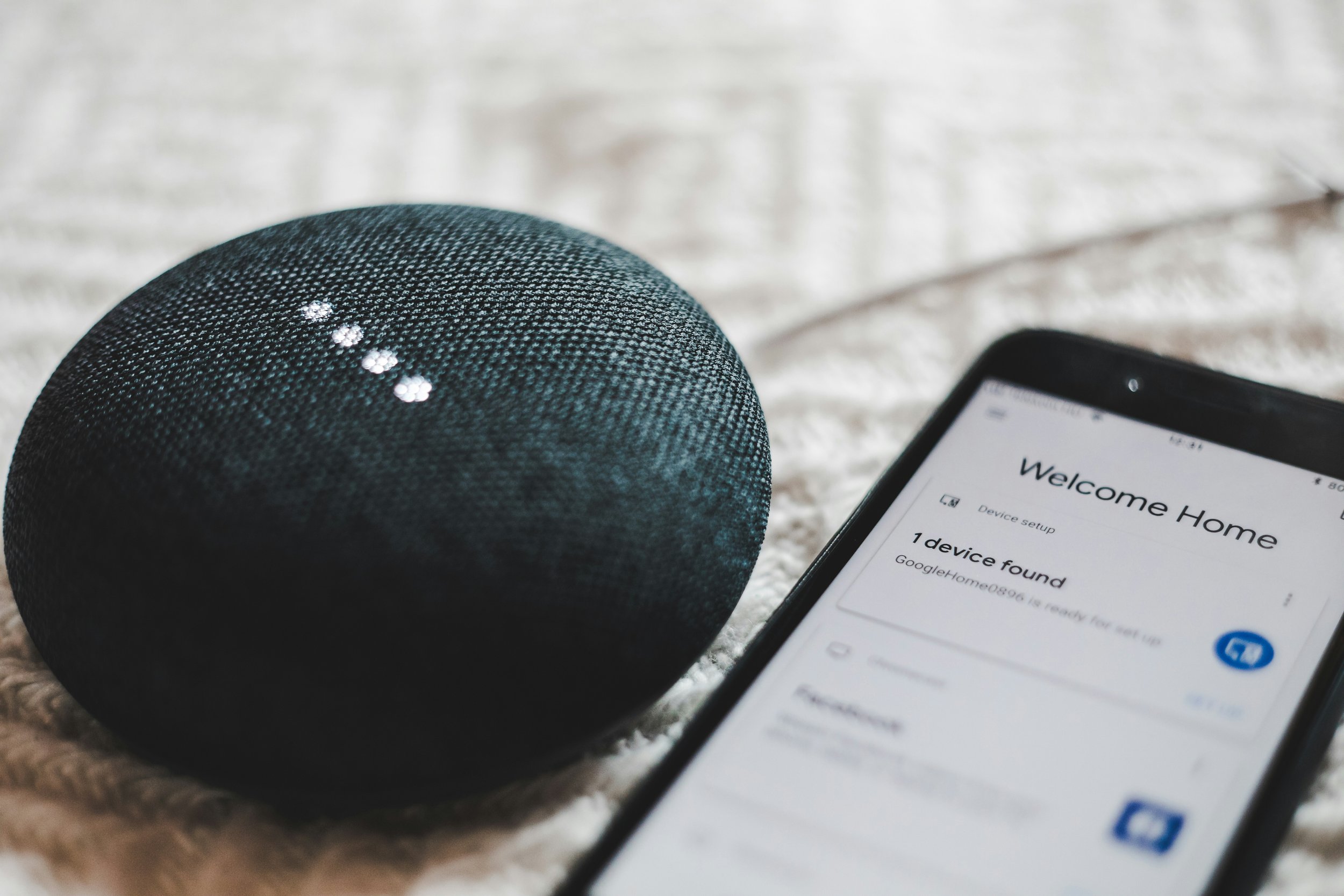
Treating everything uniformly just creates problems. With a wifi air conditioner, you get actual control. Cool down rooms while you're still out. Drop the bedroom temp before naptime hits. Keep things comfortable without standing there manually changing settings every hour.
The timing thing matters more than it seems. School runs, work commutes, evening chaos. These moments already involve juggling ten things at once. Being able to handle temperature remotely takes one stressor off the list, and honestly, that adds up over time.
Smart Heating for Year-Round Family Comfort
Cold months bring their own headaches. You want the place warm, but heating every room nonstop costs a fortune. Manually switching things on and off gets old fast. Plus, you forget, and then you've heated an empty house all day while everyone was at work and school.
A wifi heat pump fixes this through remote access and programmable schedules. Warm up main areas before anyone's awake. Dial back heating in unused rooms during the day. Make sure it's comfortable by the time people actually get home. You're targeting warmth where it's needed instead of blasting heat everywhere indifferently.
There's also just the convenience factor. Not trudging to the thermostat constantly sounds like a small thing, but when you're doing it multiple times daily, it gets annoying. Winter already drags. Managing temperature shouldn't make it worse, especially when you're constantly wondering if you're burning money heating rooms nobody's even in.
Supporting Healthier Sleep and Daily Routines
Temperature screws with sleep more than most people realize. Too warm and your sleep cycle gets disrupted. Too cold and you're waking up repeatedly. Kids especially feel this. Those disruptions pile up. Mood suffers. Focus drops. Behavior gets worse. What seemed like minor discomfort becomes a real problem.
Smart systems keep things steadier. Nurseries maintain safe temps overnight without manual adjustments. Settings shift automatically when outside weather changes. You're not micromanaging it constantly.
This steadiness helps beyond just bedrooms too. When the living space stays comfortable, homework happens with less resistance. Family time feels more relaxed. Morning routines go smoother. Temperature isn't the only factor, sure. But it's one you can actually control reliably, which counts for something when so much else about family life is unpredictable.
Lower Energy Bills Without Sacrificing Comfort
Real-time tracking shows exactly where your energy goes. Which rooms are using the most heating or cooling? Whether you're conditioning spaces that don't need it. The system only runs where necessary.
Savings show up pretty quickly in your bills. You're not paying to heat or cool empty rooms anymore. This helps with environmental concerns too, which more families care about these days. Getting both lower impact and maintained comfort isn't easy, so tech that enables both matters.
What you get:
Actual visibility into energy use per room
No more waste on empty spaces
Lower monthly utility costs
Environmental benefits without losing livability
Making Home Comfort Actually Work
Smart climate control removes temperature from your constant mental checklist. You think about it less. Deal with it less. Focus on the hundred other things competing for your attention. The system adapts to how your household actually operates instead of forcing everyone around fixed, inflexible settings.
When your home adjusts to your family's real patterns rather than running on some predetermined schedule, you notice the difference fast. Seasons become less of a struggle. Bills stay manageable. Comfort just happens in the background where it belongs instead of being something you actively manage all the time.
That's probably how it should have worked from the start.
Stay up to date with our latest ideas!