Beyond Aesthetics: The "Invisible" Engineering Behind Silent & Efficient Smart Homes
Explore the invisible engineering behind silent and efficient smart homes, from acoustic design to optimized systems that enhance comfort and performance.

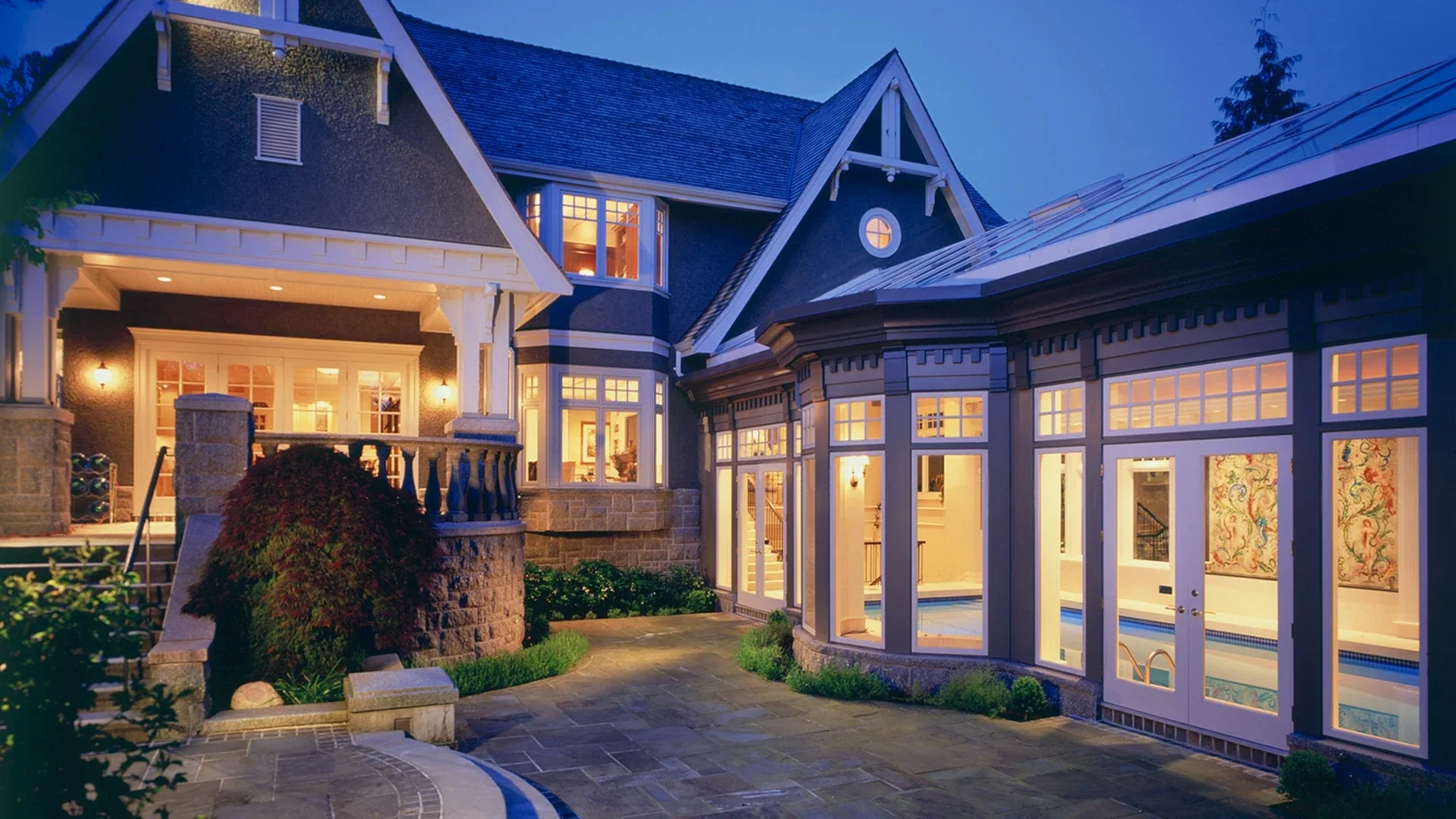
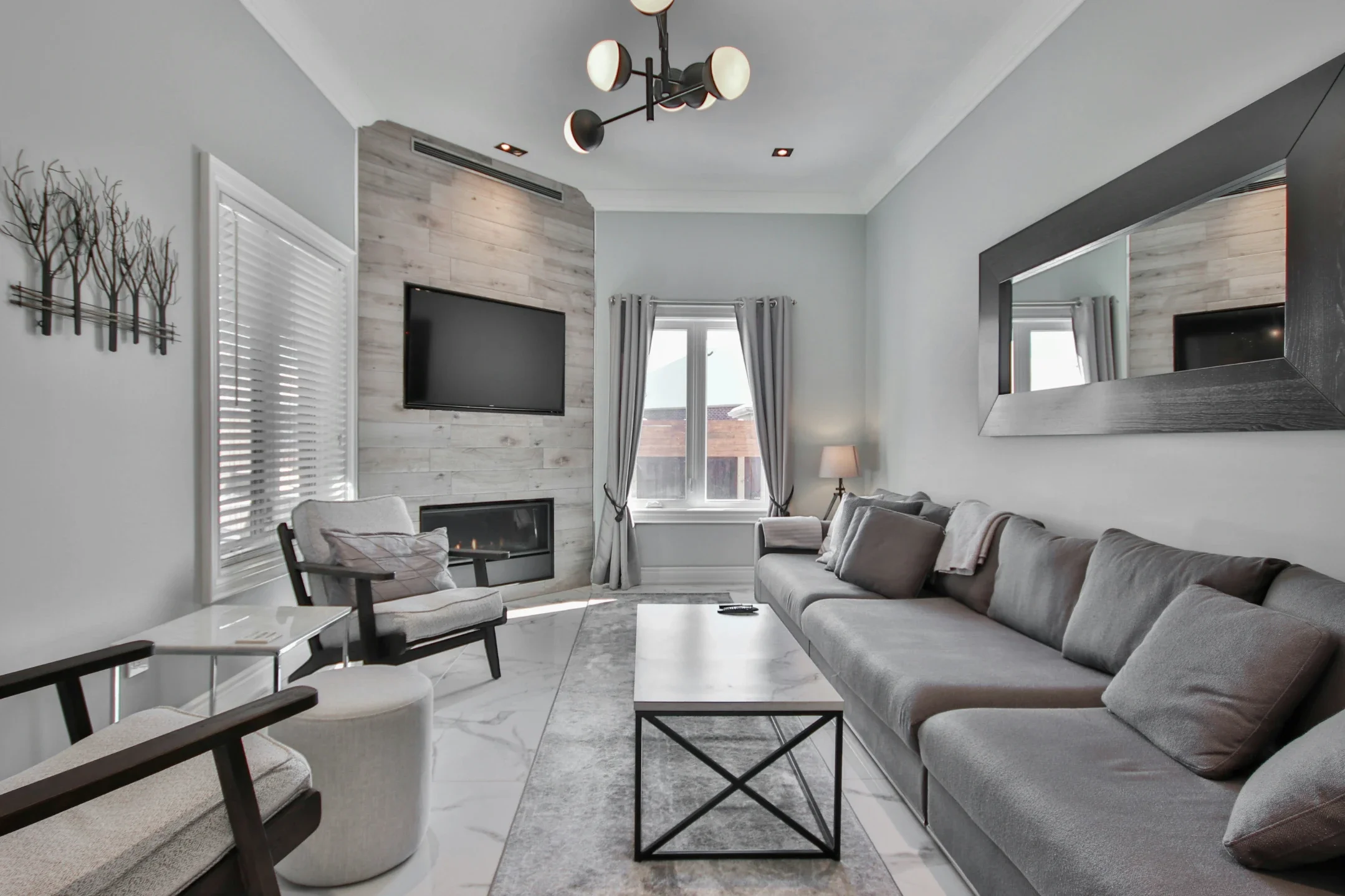
Modern home design frequently prioritizes the visual: the texture of the marble, the minimalism of the cabinetry, and the flow of natural light. However, true luxury is often found in what you cannot see. The "invisible" experience—specifically air quality and acoustic comfort—is the differentiating factor between a showroom and a livable sanctuary.
While architects focus on the facade, engineers know that the heartbeat of a high-performance home lies in its mechanical systems. True luxury isn't just about aesthetics; it is defined by the silence and efficiency of the technology running in the background.
Defining "Industrial Grade" for Residential Use
To achieve a truly silent and efficient home environment, forward-thinking designers are moving away from generic hardware store options. Instead, they are sourcing cooling and ventilation components originally designed for demanding industries like telecommunications and medical data centers.
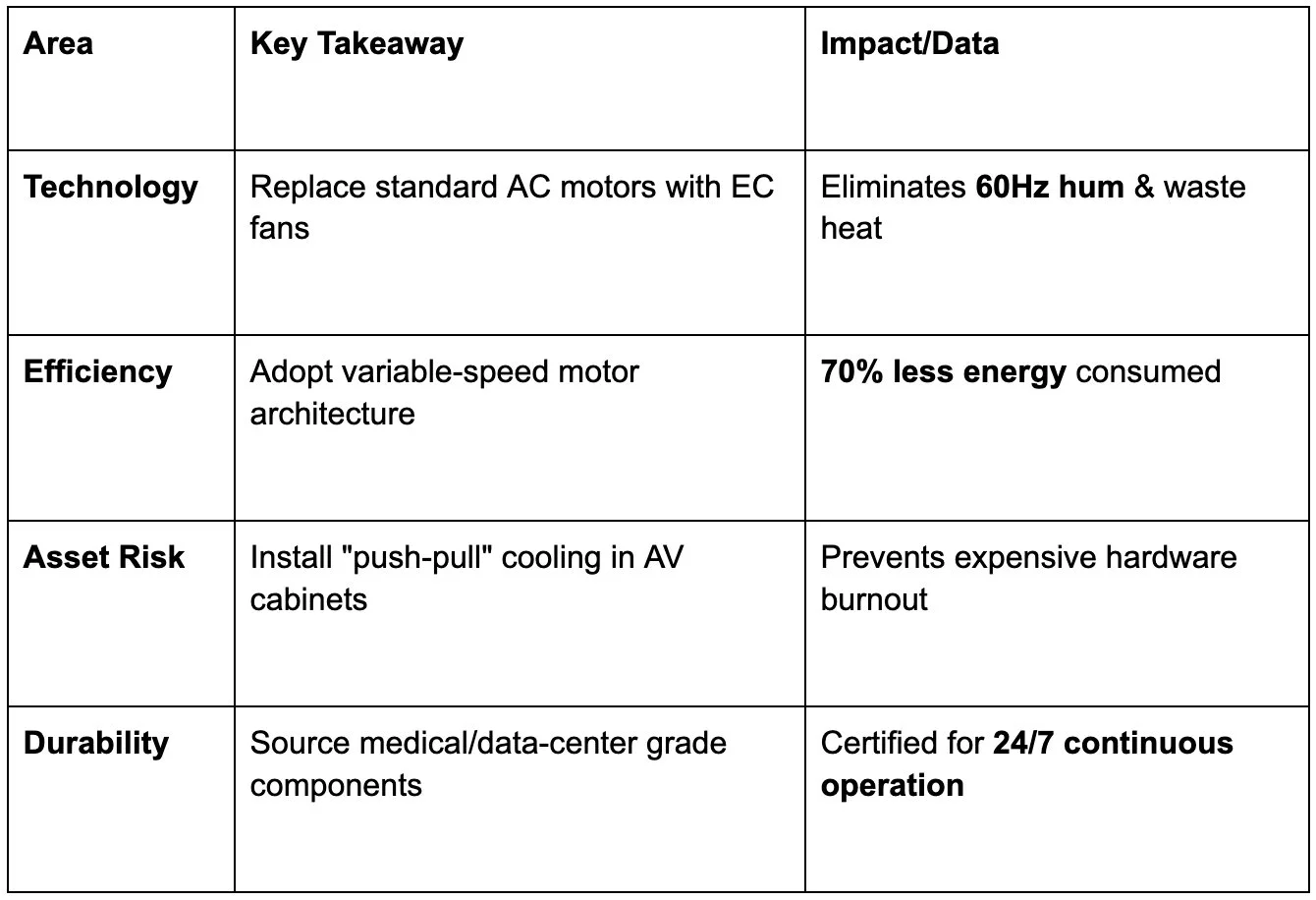
The logic is simple: if a fan is engineered to run 24/7 in a server room without failing or overheating, it will effortlessly manage a home environment. Leading manufacturers like ACDCFAN produce high-performance EC and DC cooling fans that prioritize longevity and precision airflow. By integrating these professional-grade components into residential HVAC systems and custom cabinetry, homeowners ensure their systems run quietly and reliably for years, far surpassing the lifespan of standard consumer-grade electronics.
The "Silent Killer" of Home Comfort: Why Standard Fans Fail
The most common complaint in modern open-plan living is noise pollution. Standard AC (Alternating Current) motors, found in most residential bathroom fans and range hoods, are notorious for the "60Hz hum." This low-frequency drone is caused by the physical friction of brushes and the inefficiency of the motor converting electricity into motion.
Beyond the noise, standard fans generate significant waste heat. In a tightly insulated "smart home," adding unnecessary heat load forces the air conditioning to work harder, creating a cycle of inefficiency that ruins the carefully curated ambiance of a space.
What is EC Fan Technology?
To solve the noise and heat issue, engineers utilize Electronically Commutated (EC) technology. Unlike traditional AC motors, EC fans combine AC and DC voltages, essentially bringing the best of both worlds: the convenience of AC power with the efficiency of DC motors.
Variable Speed Control: EC fans can ramp up or down smoothly based on demand, rather than cycling purely "on" or "off."
Thermal Efficiency: They run significantly cooler, converting power to airflow rather than waste heat.
Energy Savings: EC motors typically consume 70% less energy than their AC counterparts for the same airflow output.
Application: Hidden Cabinet Cooling & AV Protection
One of the most practical applications of this technology is in custom joinery. High-end homes often feature media consoles housing amplifiers, gaming rigs, or home automation servers. Without adequate airflow, this expensive equipment cooks itself.
Designers can install compact industrial EC fans to create "push-pull" airflow systems inside closed cabinets. Because of their high static pressure capabilities, these fans can force air through tight filters and restrictive vents without the whining noise associated with cheaper fans, protecting thousands of dollars of AV equipment invisibly.
Energy Efficiency & The "Green Home" Standard
As building codes shift toward "Net Zero" standards, every watt counts. Reducing the energy footprint of a home goes beyond just installing solar panels on the roof; it requires minimizing the load of every active system.
According to the U.S. Department of Energy's guide on Whole-House Ventilation, relying solely on natural airflow is no longer sufficient for modern, airtight homes. The DOE emphasizes that energy-efficient homes require mechanical ventilation systems to maintain indoor air quality. By upgrading to systems powered by efficient motors, homeowners can significantly reduce the "hidden costs" of heating and cooling ventilation air.
Key Takeaways
Conclusion: The New Standard of Living
The definition of a luxury home is evolving. It is no longer enough for a space to look beautiful; it must perform beautifully. By adopting industrial-grade technology like EC fans, homeowners and designers can solve the persistent issues of noise and energy waste that plague standard construction.
When reviewing specifications for a renovation or new build, look past the brand name on the box and check the engineering principles inside. Investing in professional-grade thermal management is an investment in the long-term comfort, silence, and sustainability of the home.
Stay up to date with our latest ideas!