Why Some Rooms Never Feel Comfortable and How Your AC Might Be the Reason
Uneven cooling isn’t about luck. It’s caused by poor airflow, cycling, and poorly functioning thermostats. Here’s more on that.

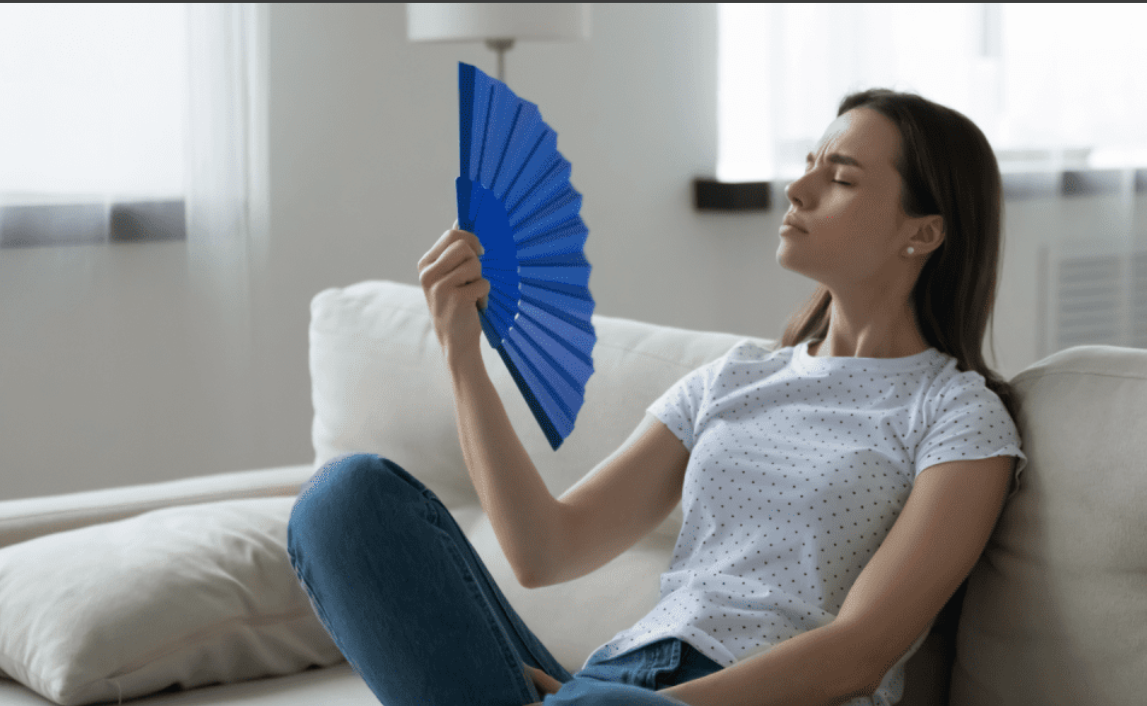
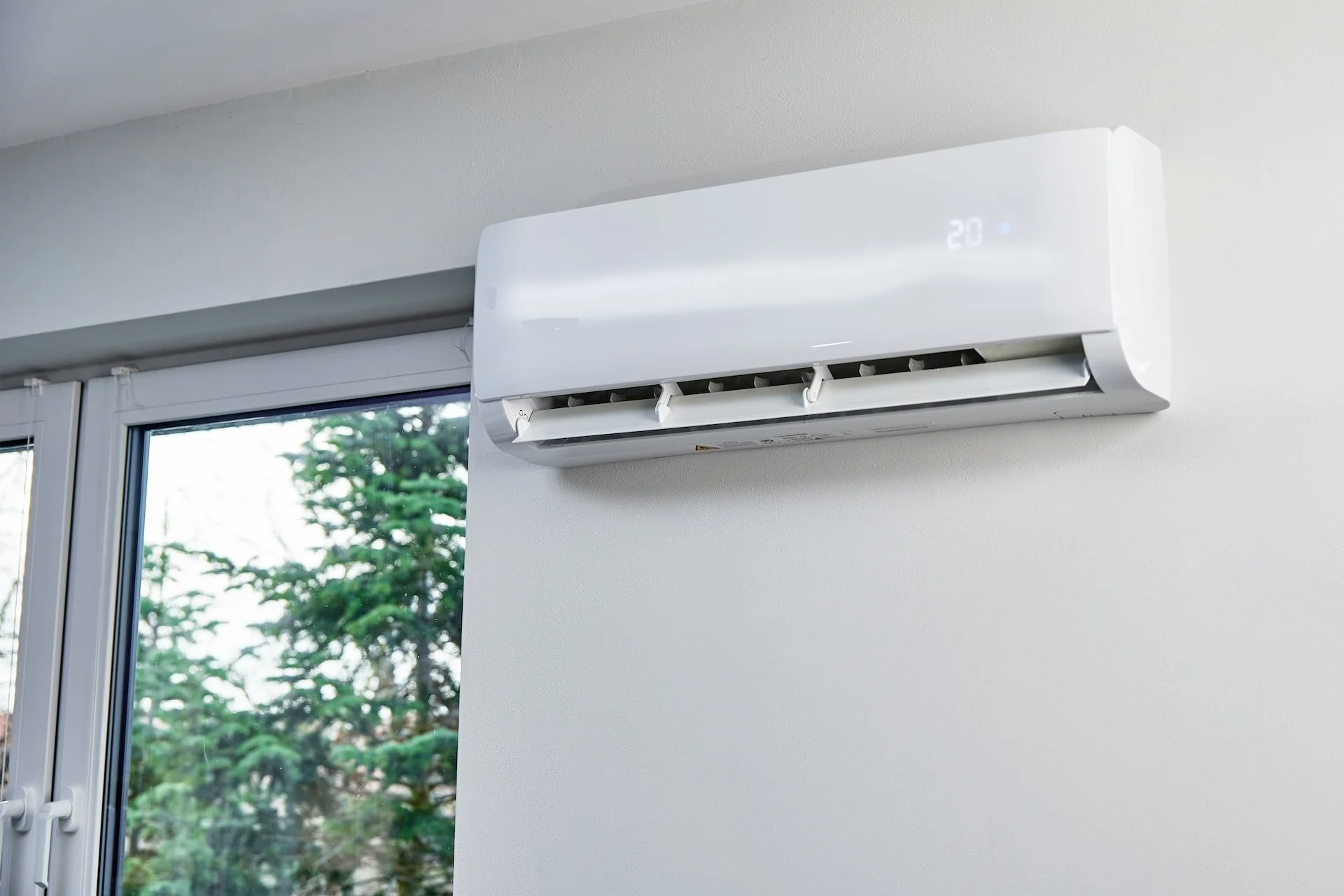
There is a type of room that makes people doubt their thermostat. The display shows 72°F. The AC is running. The windows are shut. The room still feels wrong. The air might feel damp. One part of the room might feel warmer than another. You might feel comfortable for fifteen minutes in the room, but then it gradually goes back to being stale.
Generally, people blame sunlight, poor insulation, windows or even the thermostat. While these might be some of the reasons, you definitely should pay closer attention to the air conditioner.
An HVAC system is meant to do more than just push air into a room. It must remove heat, move conditioned air to the places, and during cooling, remove moisture from the air.
Comfortable temperature is not about the number on the thermostat. ASHRAE looks at many factors to judge comfort. Two rooms might just have the exact same temperature but still feel significantly different in terms of comfort. One might feel cozy. The other uncomfortable, even though the thermostat says the same thing.
When the AC Reaches the Temperature but Misses the Room
If you think the house is completely cool once the temperature on the thermostat is reached, you would be wrong. That’s not what’s important here. The thermostat only checks the temperature around its location. If that location gets cold fast, the air conditioner might switch off even if other parts of the house are warm. I have seen this problem in homes, with rooms that receive a lot of sunlight, lack airflow, or have heating and cooling systems that do not distribute air evenly.
There is another problem hidden inside this. The air conditioner removes moisture while it runs. If the AC turns off quickly, it may lower the temperature. Not spend enough time removing humidity. The outcome is a room you can technically call cool, but it continues to feel clammy or sticky. According to the U.S. Department of Energy, oversized cooling equipment can often cycle, declining humidity removal and plummeting comfort.
Most homeowners are stuck in this loop. They hope the room will finally be comfortable just by lowering the thermostat a few degrees, hoping the room will finally feel comfortable. The AC keeps chasing the number while the real problem stays.
Short Cycling Is More Than a Sound
An air conditioner should turn on and off as needed. The problem is when those turns happen often. This is called cycling. There is no timer that says how long an AC must run because conditions differ. Repeated starts and stops over time can show an underlying problem. Carrier lists the reasons, for example, thermostat problems, blocked airflow, big systems, electrical component faults, and low refrigerant.
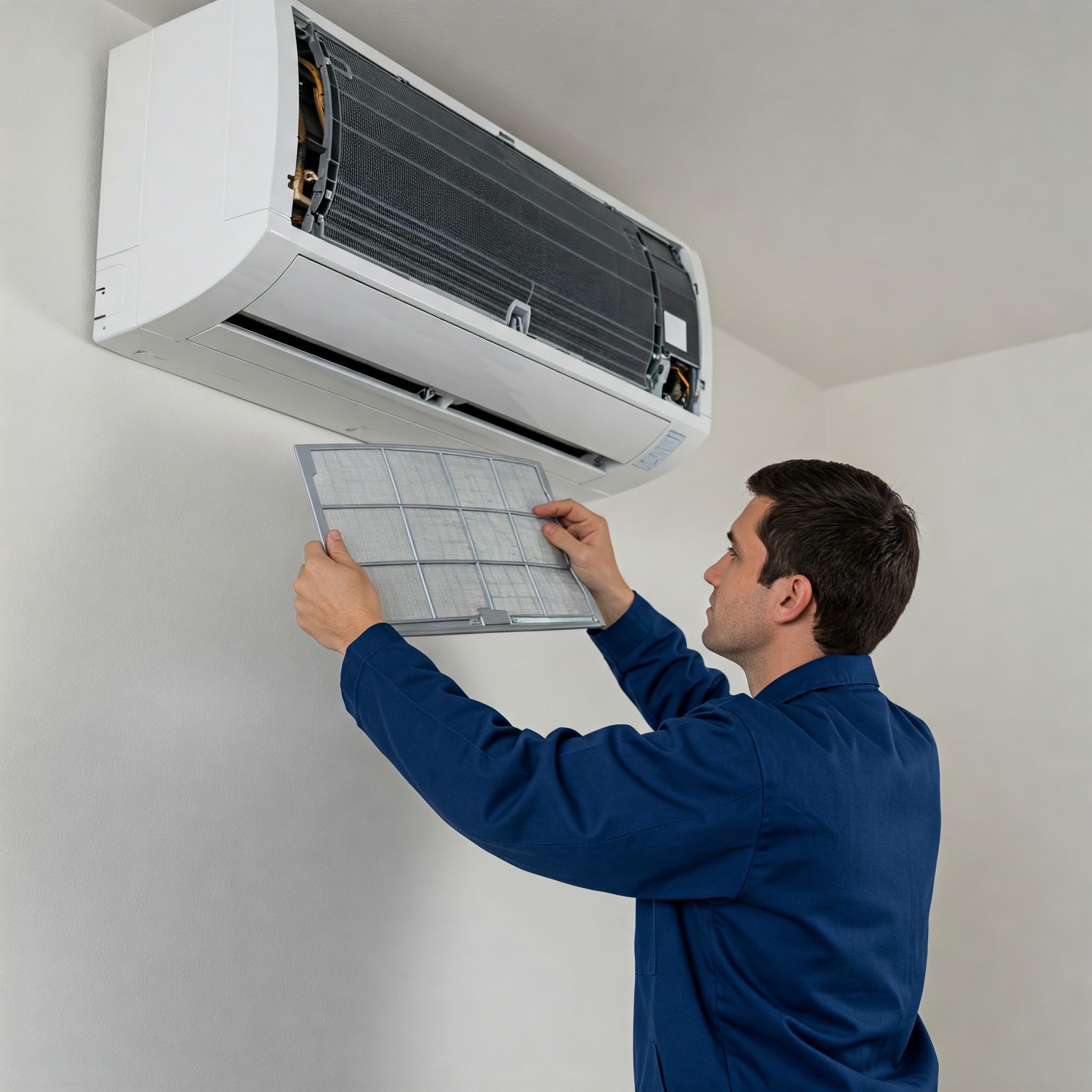
This is where the mistakes start: instead of finding out why the system is cycling, people become busy fixing symptoms. For example, a dirty filter can block airflow.
A thermostat can read the temperature wrong because of its location. Low refrigerant can stop cooling. May mean a leak because refrigerant does not simply disappear. Electrical or mechanical faults might also be causing issues. However, the appropriate repair is dependent on the root of the issue. Replacing a filter is maintenance. Diagnosing a fault or fixing an issue is a different matter.
When the Room Feels Cold. Still Feels Bad
Humidity is the trouble that causes most rooms to feel bad. The EPA-recommended humidity level is below 60%. According to them, it’s best to keep at 30-50% when possible. Moisture can get condensed and cause mold growth as well. But that doesn’t necessarily mean all uncomfortable rooms have an issue with humidity. However, it does suggest that the problem isn’t solvable by temperature alone. Imagine a bedroom that reaches 70°F. Stays humid. The people in that bedroom may still feel bad. Now imagine the opposite: a room that has humidity but steady air movement at that temperature. That room can feel very different.
For these reasons, lowering the thermostat constantly isn’t the solution. If you have an AC that shuts off before your house actually cools down, keep an eye out for what goes on at the beginning and end of each cycle. Does the AC run for a time? Does one room stay warmer? When the thermostat shows the target temperature is reached, does the house feel somewhat damp? Is airflow weak from some vents?
Those details help more than saying, "The AC is not working.”
Bigger AC Does Not Automatically Mean Cooling
This is an assumption that deserves a challenge. It seems logical. If a smaller AC cools a house, a larger AC should cool it better. Not always.
An oversized AC can lower the air temperature to satisfy the thermostat before the AC has had enough time to remove moisture properly. The DOE warns that oversized ACs can cause cycling, higher energy use, and poor humidity removal.
Proper AC sizing depends on the home’s cooling load, not on a rough square‑foot rule. Building Science Education, a U.S. Department of Energy resource, recommends using recognized load calculations like ACCA Manual J to find the AC size.
This matters when you replace an AC unit. Buying an AC that fits the budget is not a shortcut to comfort. In some homes, it can create another problem while pretending to be a solution.
The House May Not Be the Problem
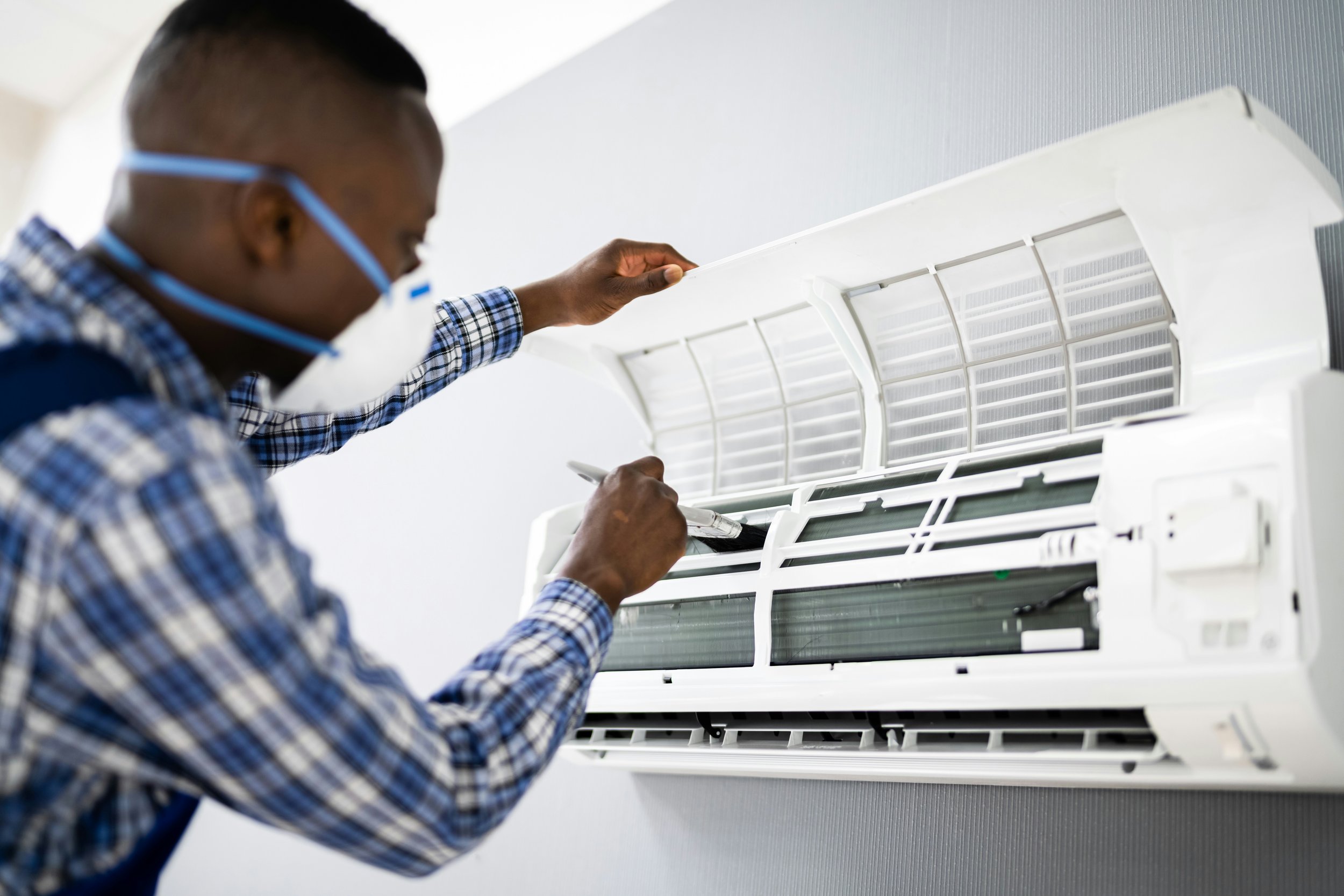
Before you blame the house, look at how the AC behaves. Check your filter according to manufacturer recommendations. Try to notice if there is any ice on the unit, if the AC cycles, if cooling performance fluctuates unexpectedly, or if some rooms feel different from the rest of the house. According to Carrier, repeated start and stop, cooling problems, and weak airflow should all be considered seriously, and inspection must be done when a regular check does not fix the problem.
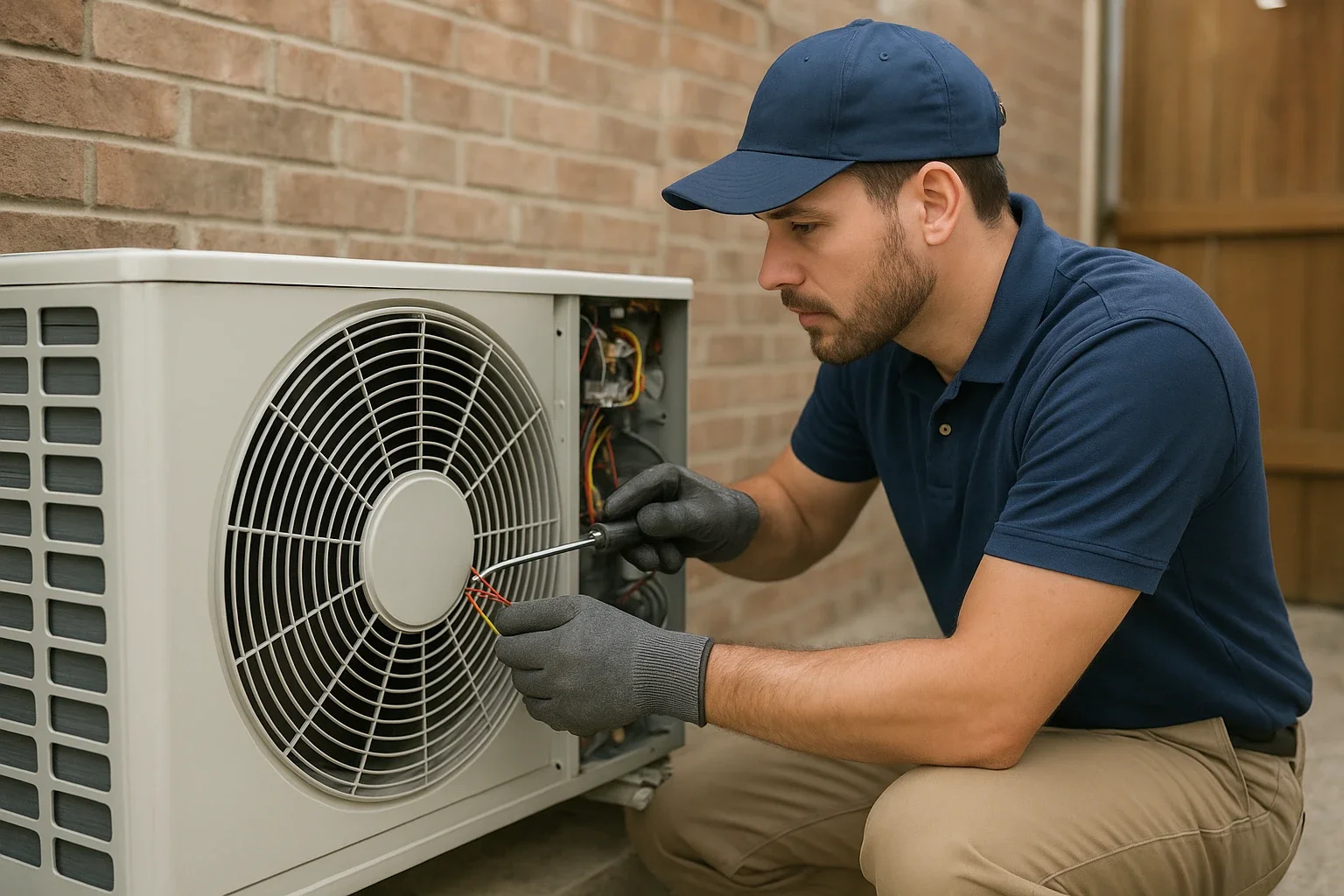
Also remember that some problems hide from the living room. Homeowners can’t just listen to the unit for a few minutes and reliably diagnose compressor performance, electrical parts, AC charge, or AC sizing. Guessing and attempting at repairs can make these experimental attempts very expensive.
The useful question is not simply "Is my AC cold enough?" It is, "Is the AC actually controlling the conditions in my home the way it should?” That distinction matters.
Bottom line
A comfortable room comes from parts working together: temperature, humidity, airflow, AC capacity, and proper operation. The thermostat can display false figures very convincingly when even one part is out of line.
Stop fighting with the numbers on the thermostat if the room never feels right. Watch the AC instead.
Sometimes the room tells you exactly what is wrong. You just have to stop listening to the thermostat to notice.
Stay up to date with our latest ideas!