7 Signs Your Air Conditioner Needs Attention Before a Small Problem Gets Expensive
Weak airflow, warm air, strange noises, and rising energy bills can all signal AC trouble. Learn the warning signs homeowners should not ignore.

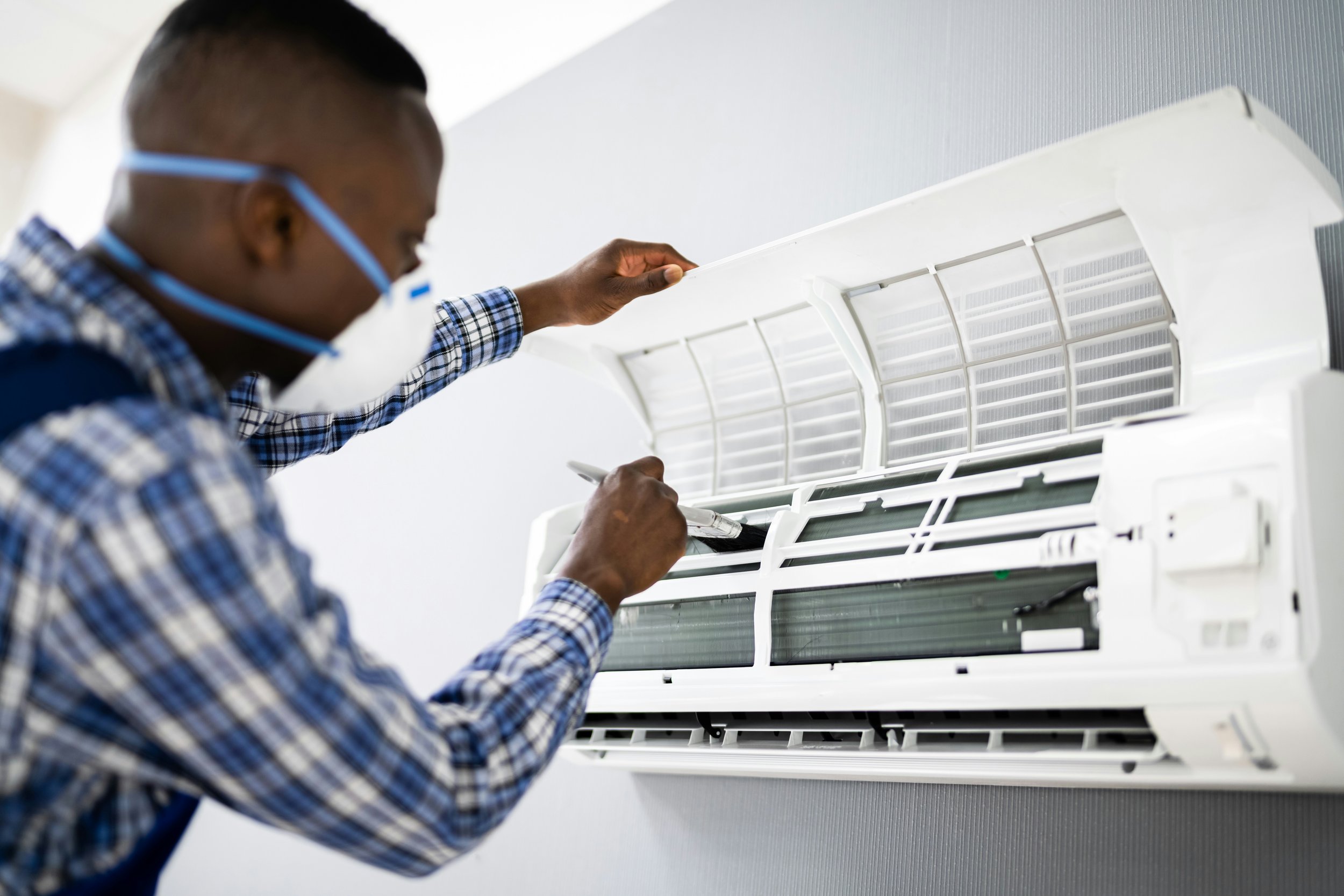
Most air conditioning problems do not start with a full breakdown. They start with a change that feels easy to ignore: weaker airflow, a room that never quite cools down, a strange sound that comes and goes, or energy bills that seem a little higher than usual. Small issues like these often show up before a larger repair is needed, which is why it helps homeowners notice them early. Dirty filters can reduce airflow and efficiency, and blocked airflow can put extra strain on the system over time.
For homeowners, the goal is not to diagnose every technical issue alone. It is to know when a quick check at home is enough and when it is smarter to bring in a professional before the problem grows.
Why early warning signs matter
An air conditioner that still runs is not always an air conditioner that is running well. When airflow drops, filters stay dirty, coils collect debris, or the system cycles inefficiently, comfort usually declines before the unit stops working altogether. That can mean more wear on components, less reliable cooling, and more money spent later.
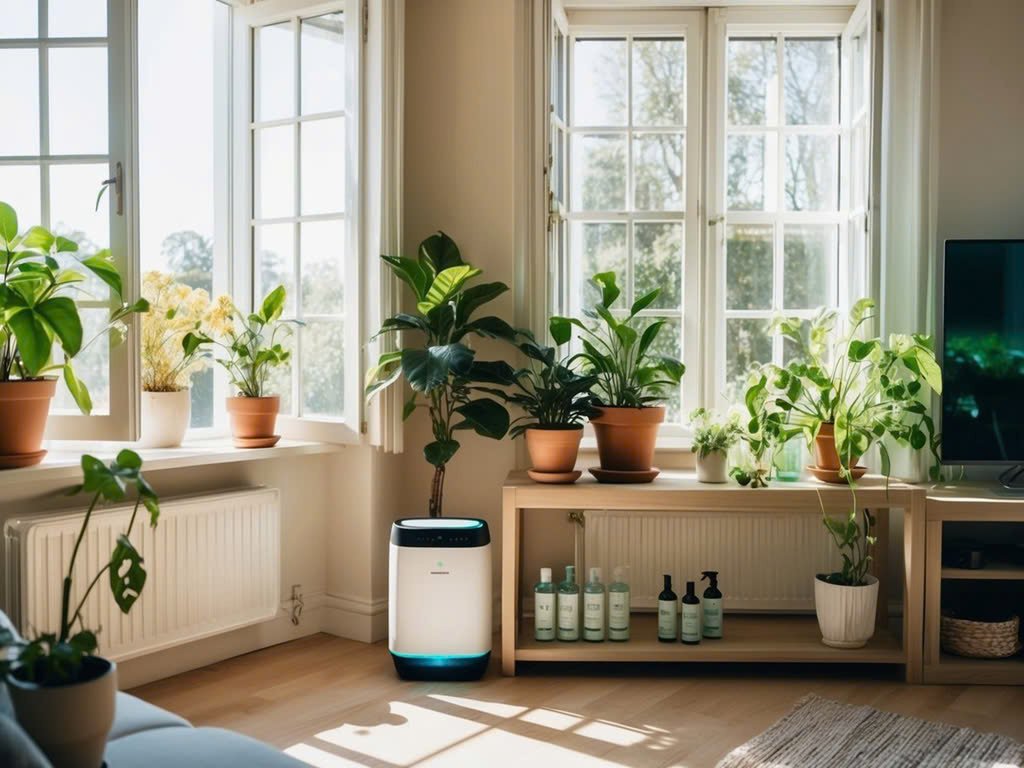
There is also an indoor comfort side to this. The EPA notes that ventilation, filtration, and source control all play a role in indoor air quality, which means HVAC performance affects more than temperature alone.
Common signs your AC may need repair
Homeowners usually notice AC trouble through patterns rather than one dramatic failure.
Most major AC breakdowns are preceded by small, audible, or physical warnings that go ignored for weeks," says Yoni Benimetzky, owner of Sunshine Services, a Gainesville, FL home services company. "By the time a unit stops blowing cold air entirely, the strain has often spread to other components like the compressor or motor. Addressing a minor noise or a slight increase in humidity today is the most effective way to protect your wallet and ensure your system lasts its full intended lifespan.
The most common warning signs include:
warm air coming from the vents;
weak or uneven airflow in different rooms;
unusual sounds such as buzzing, rattling, or grinding;
short cycling, where the system turns on and off too often;
rising utility bills without a clear change in usage;
excess indoor humidity or a damp, stuffy feeling;
a system that runs but struggles to reach the thermostat setting.
Not every sign points to a major repair, but a pattern of two or three at the same time usually means it is time to stop guessing and take a closer look.
What you can check yourself first
Before assuming the problem is serious, there are a few basic things worth checking. Some AC complaints come from maintenance issues rather than component failure.
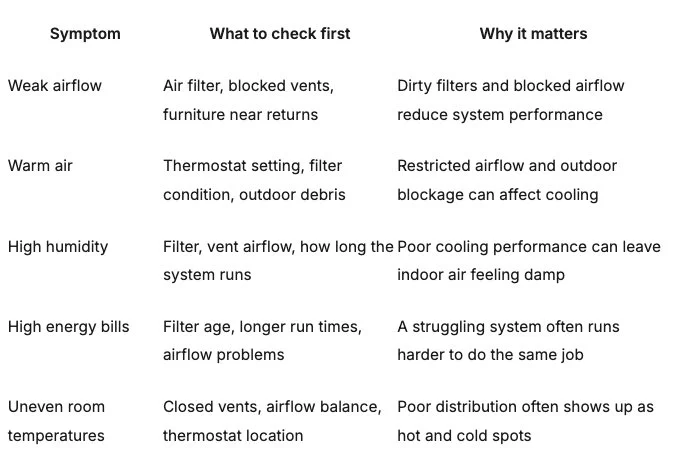
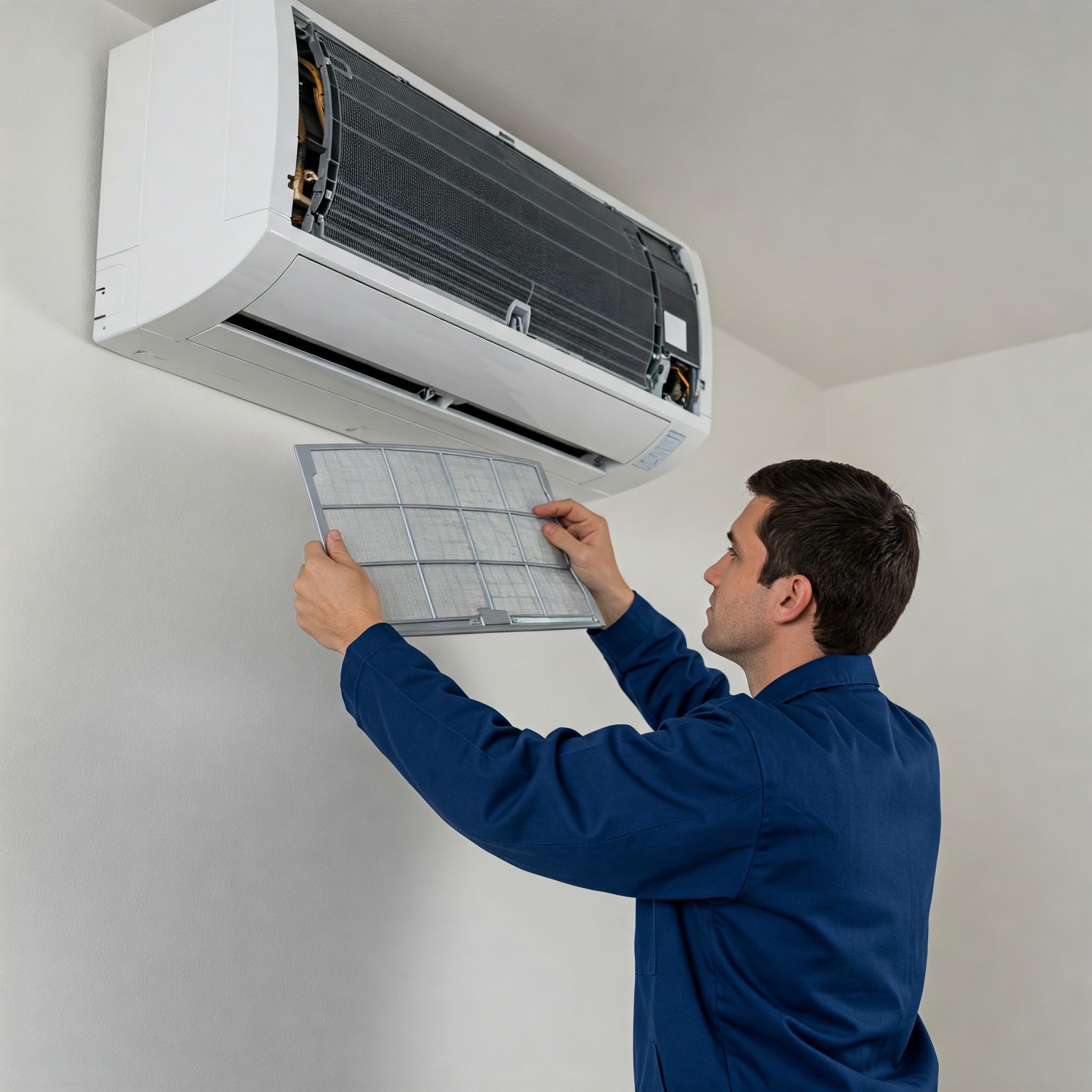
ENERGY STAR recommends checking filters monthly during heavy-use seasons and changing them at least every three months, or sooner if they are dirty. The Department of Energy also notes that dirty, clogged filters reduce airflow and system efficiency and can contribute to premature failure.
Problems homeowners should not ignore
Some issues deserve faster action because they are more likely to turn into larger repairs.
1. Warm air instead of cool air
If the thermostat is set correctly and the system is still pushing warm or barely cool air, that is more than a comfort issue. It usually means the system is not cooling effectively and needs more than a simple reset.
2. Weak airflow
When one room feels fine and another stays hot, airflow may be restricted or the system may be struggling to move air the way it should. This is one of the easiest signs for homeowners to notice and one of the most useful to take seriously early. Dirty filters are a common cause, but not the only one.
3. Strange noises
A healthy system has a normal operating sound. New rattling, grinding, or buzzing is different. Unusual sounds often mean something is loose, worn, or under stress.
4. Short cycling
When the AC turns on and off too often, it rarely cools the home efficiently. It can also increase wear because the system is constantly restarting instead of completing steady cycles.
5. High indoor humidity
An AC system does more than cool air. It also helps manage moisture. The EPA recommends keeping indoor humidity in the 30% to 50% range for comfort and health, so when the house feels damp even while the AC is running, it is a sign worth paying attention to.
When to stop troubleshooting and call a pro
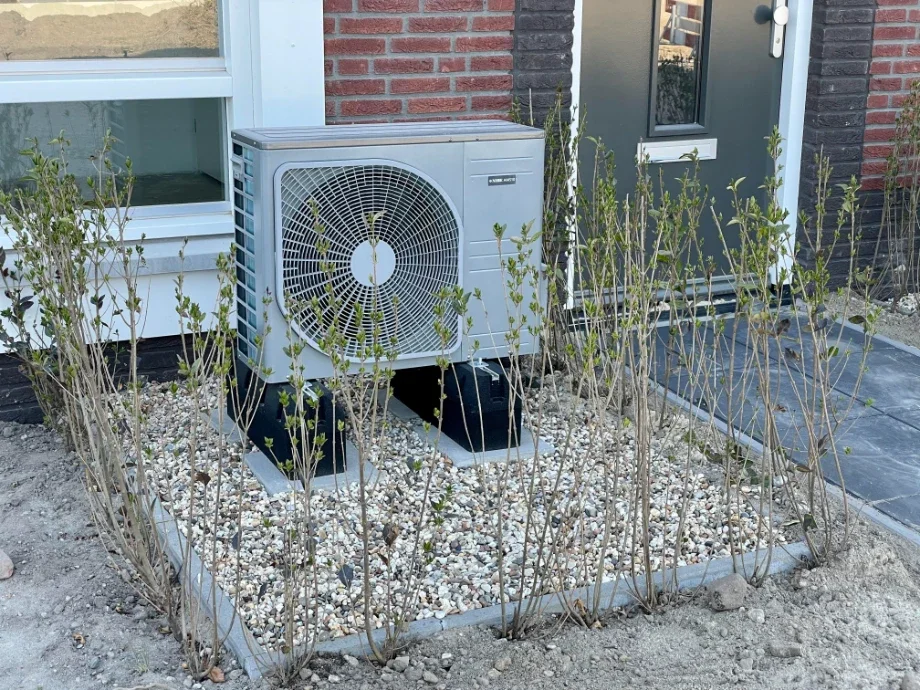
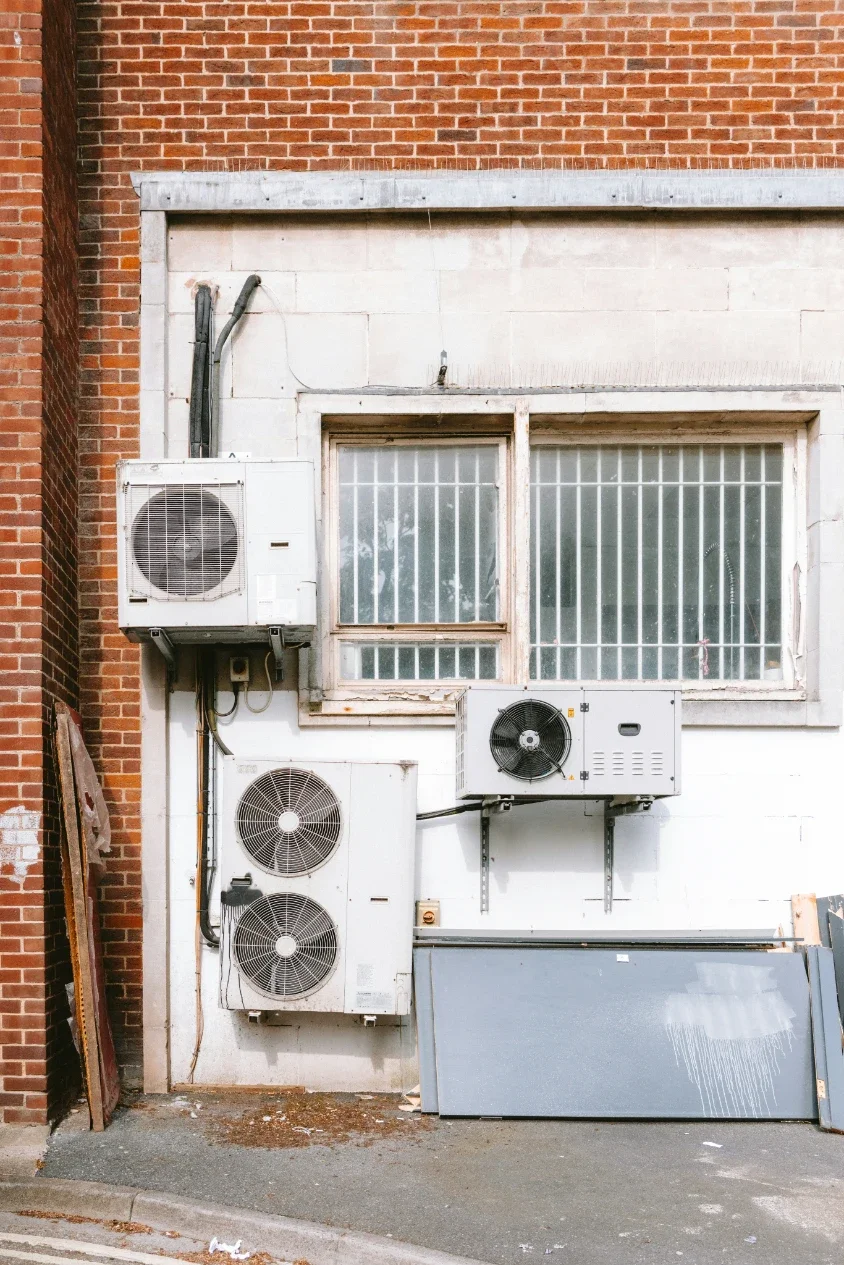
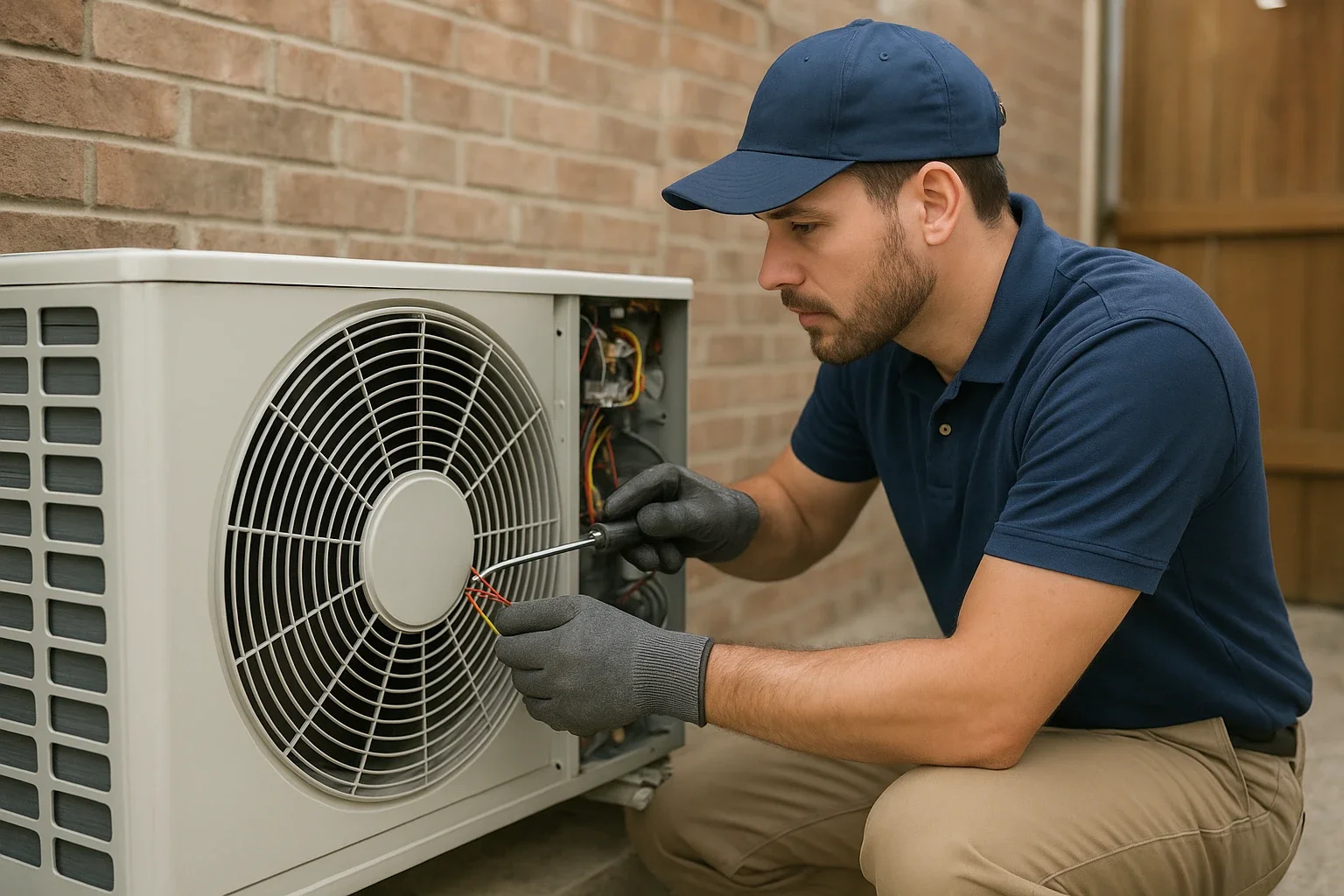
Basic checks are helpful, but they should stay basic. Replacing a dirty filter, clearing debris around the outdoor unit, and making sure vents are open are reasonable homeowner tasks. When the same symptoms keep coming back, though, it usually means the issue needs proper diagnosis instead of more trial and error. The Department of Energy and ENERGY STAR both emphasize routine maintenance and airflow care because neglected systems lose efficiency and reliability over time.
If the unit is blowing warm air, short cycling, making unusual noises, or failing to keep rooms comfortable, it makes sense to schedule AC repair in Warminster before the problem becomes more disruptive.
A smart repair mindset saves more than money
Homeowners often wait for a complete failure because the system still seems to be “working enough.” The problem with that approach is simple: by the time cooling drops sharply, the system has often been under extra strain for a while. Earlier attention usually gives you more options, less discomfort, and a better chance of fixing the issue before it affects other parts of the system.
That does not mean every symptom is an emergency. It means paying attention to changes in comfort, airflow, humidity, and system behavior is usually the smartest first step.
A simple rule for homeowners
If the issue can be explained by a dirty filter, blocked vent, or obvious debris around the outdoor unit, start there. If comfort does not improve, or if the same warning signs keep returning, treat it as a repair issue rather than a maintenance chore.
A well-running AC system should cool the home consistently, move air effectively, and keep indoor comfort stable without making you think about it too much. Once that changes, it is usually time to act.
Stay up to date with our latest ideas!