Learn how to improve indoor air quality throughout the year with simple maintenance, better ventilation, cleaner habits, and effective filtration solutions.

Comfort within a residence depends heavily on what flows through its rooms unseen. Though temperature control draws much attention, invisible elements carry similar weight. Particles settle slowly when ventilation lacks consistency. Humidity builds where airflow falters. Irritants travel through ducts, influencing surfaces and breathing alike. Over months, small contaminants impact larger patterns across materials and well-being.
Year-round focus matters when it comes to indoor air quality. As weather patterns evolve, so do the factors affecting air inside homes. Staying alert through seasonal transitions supports long-term improvements. Simple upkeep routines help reduce pollutants over time. Addressing frequent contamination causes noticeable changes. A steady approach results in safer breathing spaces for household members. Conditions indoors respond well to ongoing care.
Managing Airflow
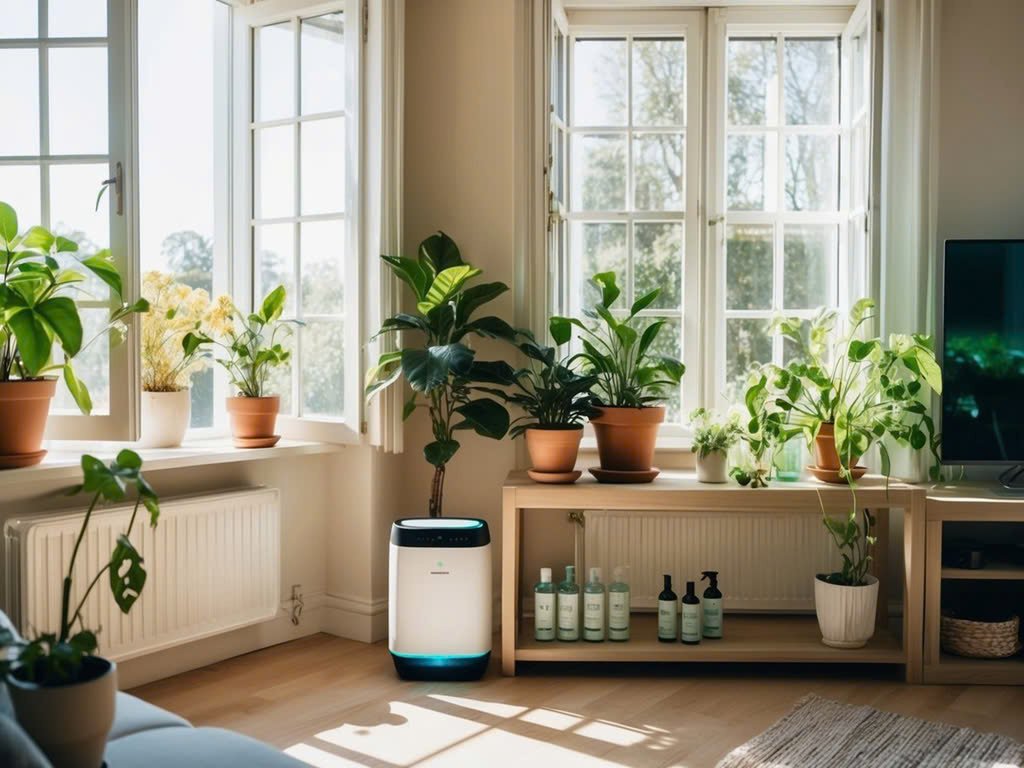
Air moving correctly inside living spaces supports cleaner breathing conditions. Where ventilation flows well, contaminants, dampness, and stagnant air tend to decrease. Spaces with limited movement of air frequently develop discomfort, turning into spots where particles and irritants gather faster.
At times when the climate allows, opening windows brings outside air inside. Where ceiling fans operate, along with working ventilation units, airflow improves noticeably. Unblocked vents - kept clear of furnishings or stored objects - permit even distribution of indoor air. A steady exchange occurs where pathways stay open, supporting consistent conditions within living spaces.
Maintaining Air Filters
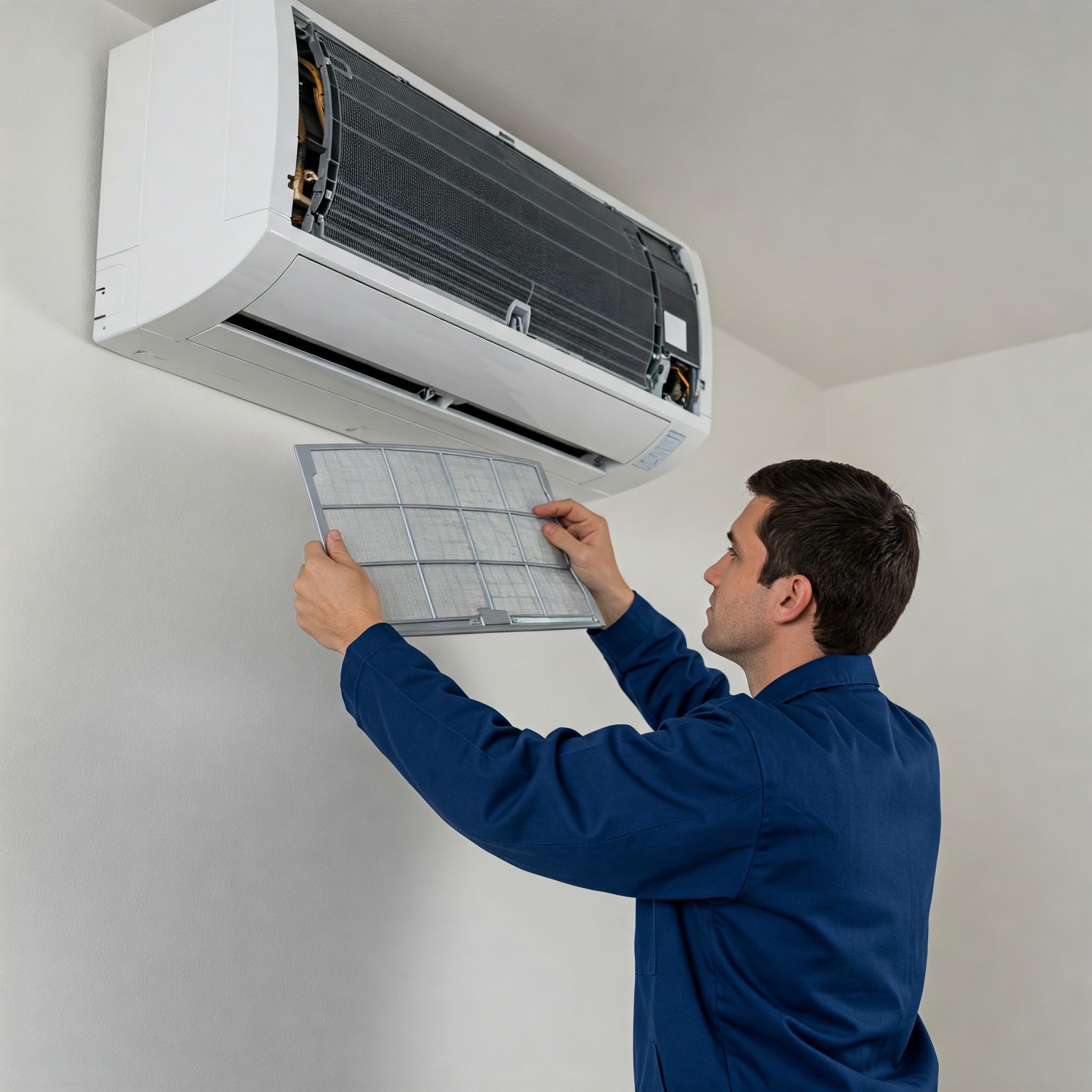
Filters block unwanted particles from moving through household air systems. When airflow meets these devices within HVAC units, debris like dust, pollen, animal skin flakes, or pollutants get trapped inside. Gradually, buildup restricts their ability to perform efficiently.
Filter replacement at intervals advised by makers tends to boost both indoor air purity and unit performance. For dwellings with animals indoors, sensitivities among residents, or greater numbers of occupants, shorter cycles between changes often make sense. Consistent upkeep of these components supports steady delivery of purified airflow alongside improved mechanical function.
Controlling Indoor Humidity
When humidity rises, indoor air often suffers. Too much dampness opens the door to mold. In contrast, extremely low moisture irritates eyes, skin, or breathing passages. A steady middle ground supports well-being inside homes. Comfort follows where balance remains.
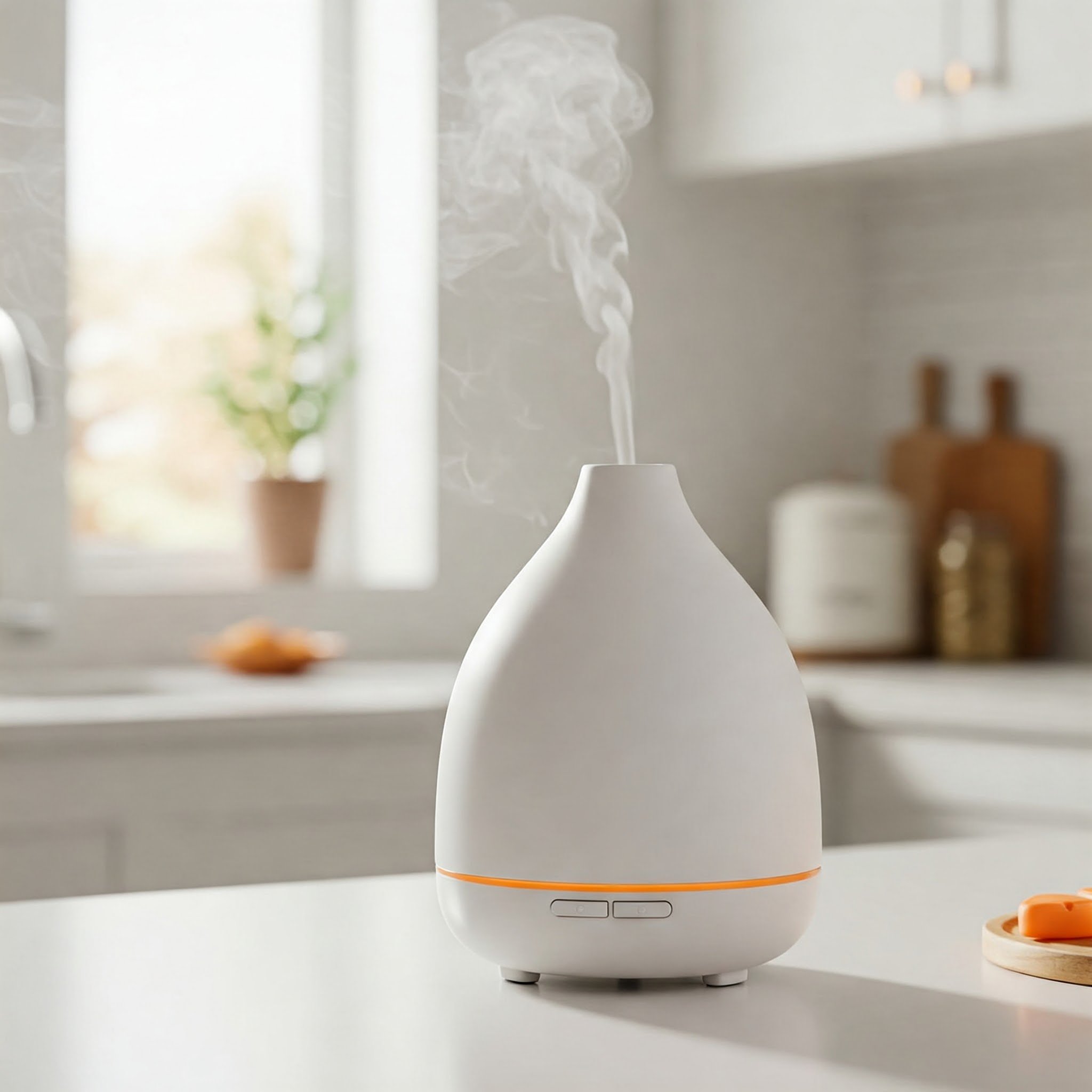
When air feels heavy, devices that reduce moisture assist in balancing interior environments. Throughout drier times, introducing vapor maintains equilibrium indoors. Tracking shifts in dampness across seasons reveals early signs of concern. Issues often surface slowly; observation helps intercept complications ahead of time. Stability in ambient wetness influences how people feel inside homes. It also slows deterioration of furnishings and structural components alike. Controlled settings tend to preserve both living ease and material longevity.
Reducing Household Dust
Occasionally found indoors, dust often degrades air quality. Found within it: fragments of soil, tiny cloth strands, grains from plants, among others - these rest on flat areas until movement lifts them into the air. If untouched by routine maintenance, layers build rapidly across rooms.
Occasionally, thorough vacuuming along with routine dusting affects indoor air quality. Where foot traffic flows often, cleaning these spaces becomes meaningful over time. Machines designed with strong filters tend to capture more contaminants than standard models. Above all else, spots like fan blades or heating ducts collect residue without notice. Even window treatments play a role when particles settle into fabric folds.
Improving Ventilation
Occasionally, fresh airflow clears impurities released during routine home tasks. From preparing meals to washing up, daily actions release humidity, smells, among microscopic particles. When openings remain closed too long, those elements stay trapped indoors. Over time, such buildup alters how clean the atmosphere feels inside.
From time to time, kitchen and bathroom exhaust units remove built-up dampness along with airborne impurities. When such mechanisms operate as intended, indoor pollutant levels tend to decline. With consistent operation, airflow improves while household conditions remain more balanced. Toward the end of each day, cleaner surroundings often follow routine venting practices.
Maintaining HVAC Equipment
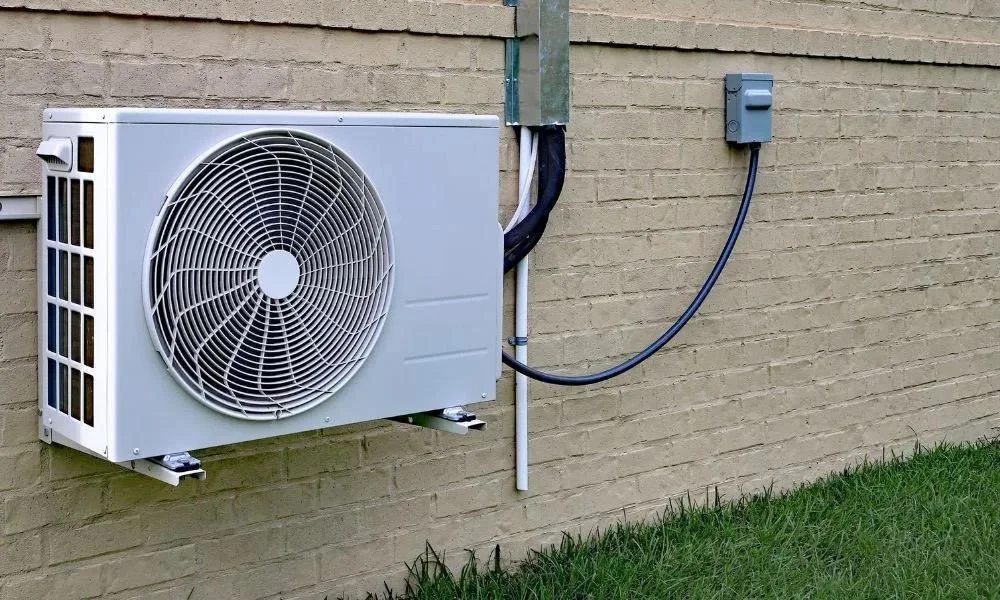
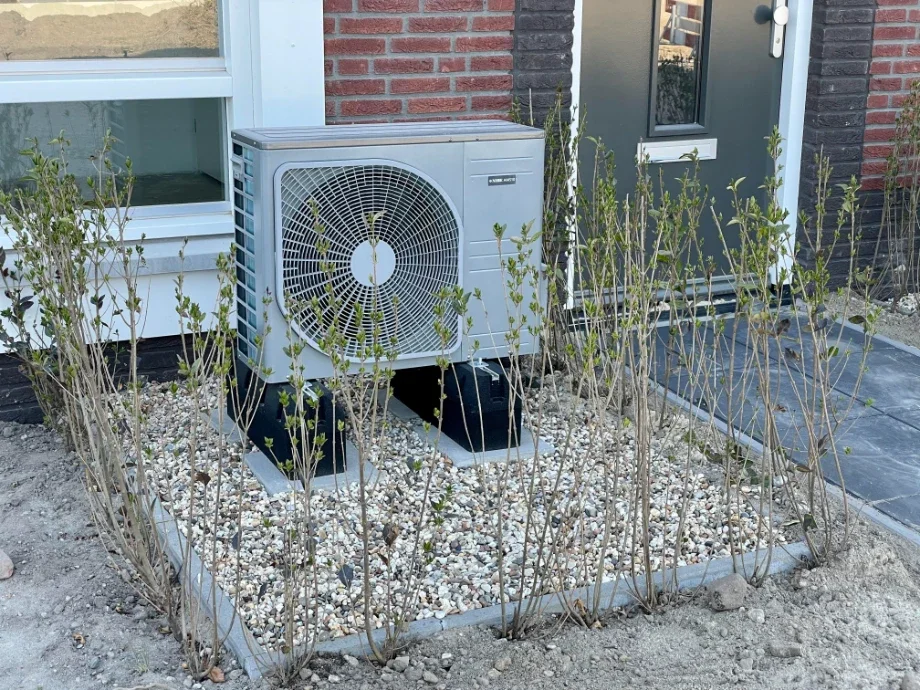
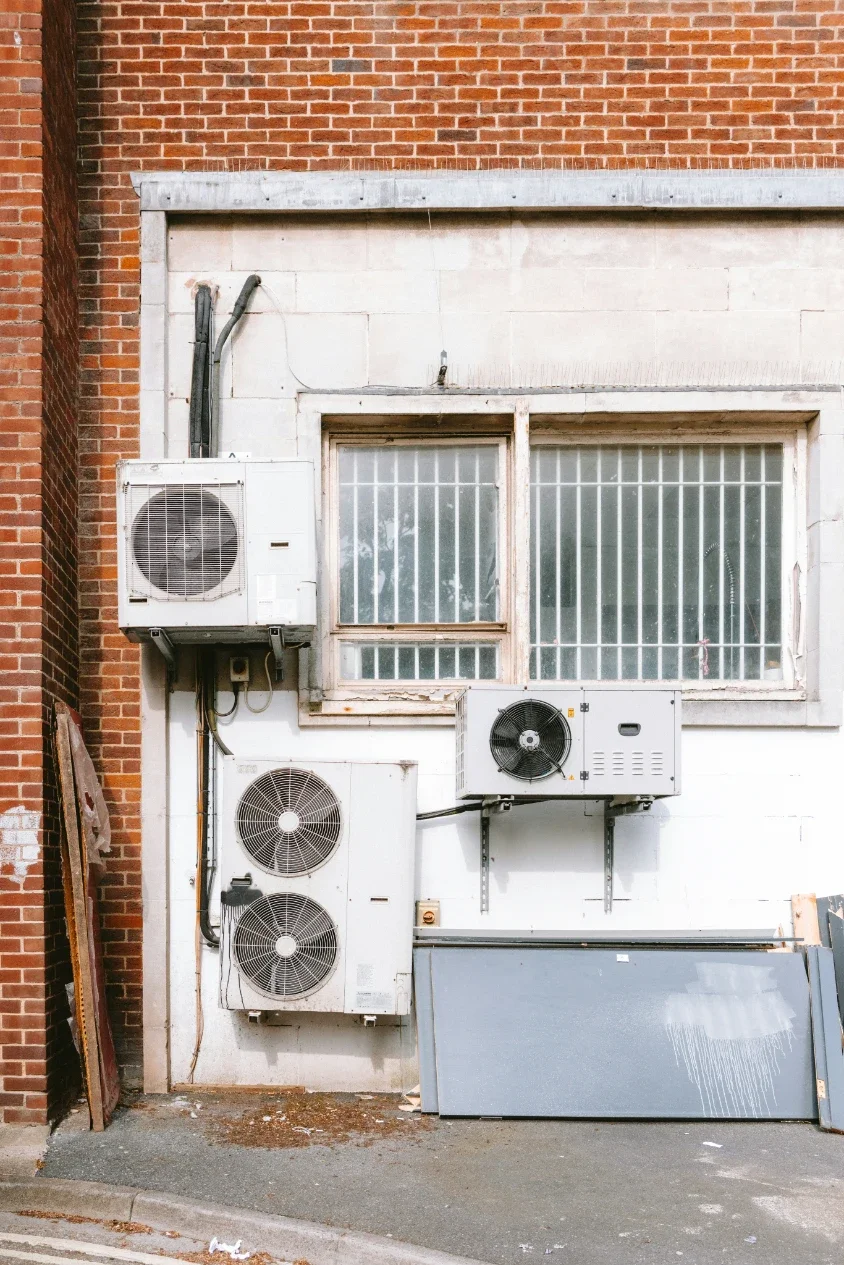
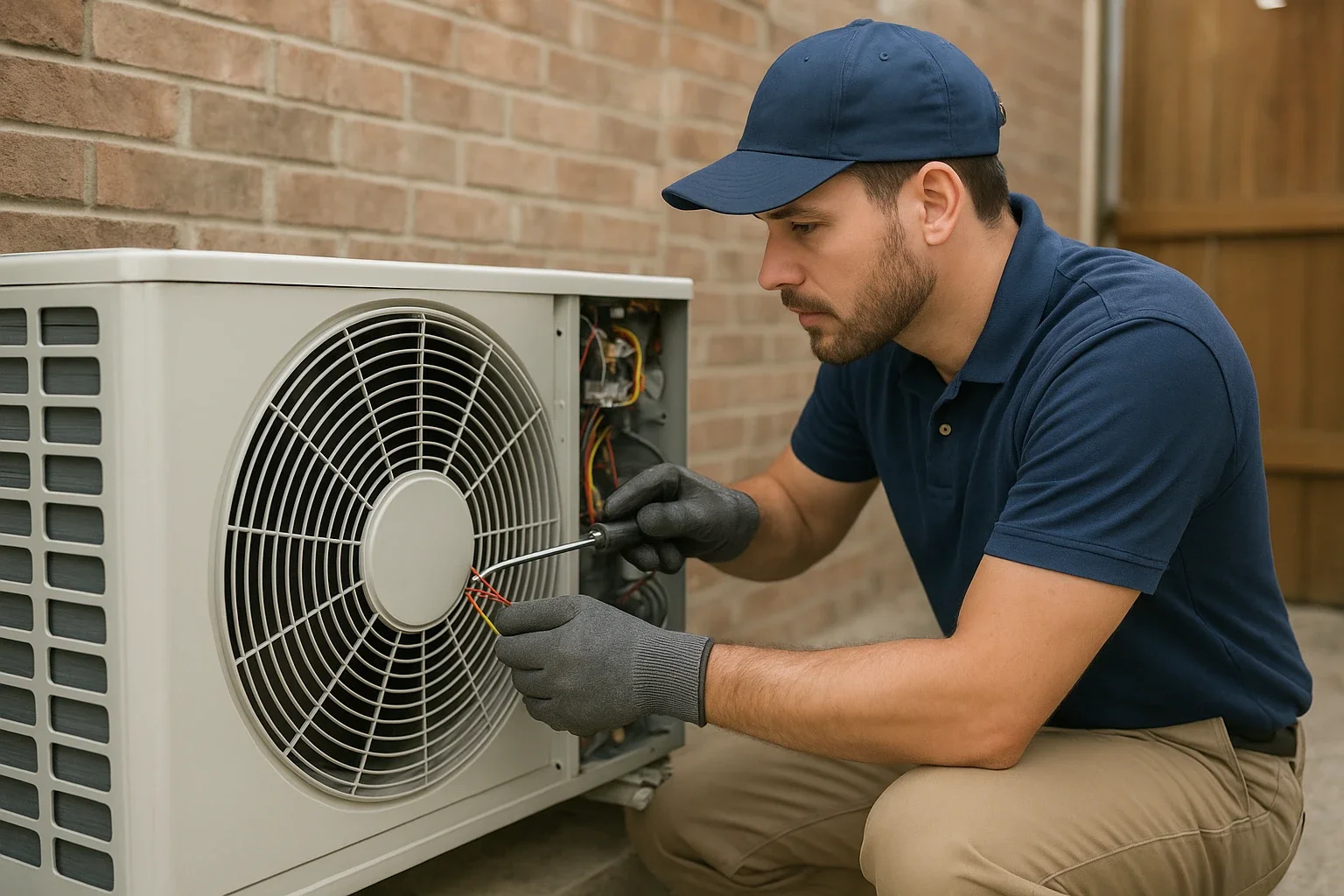
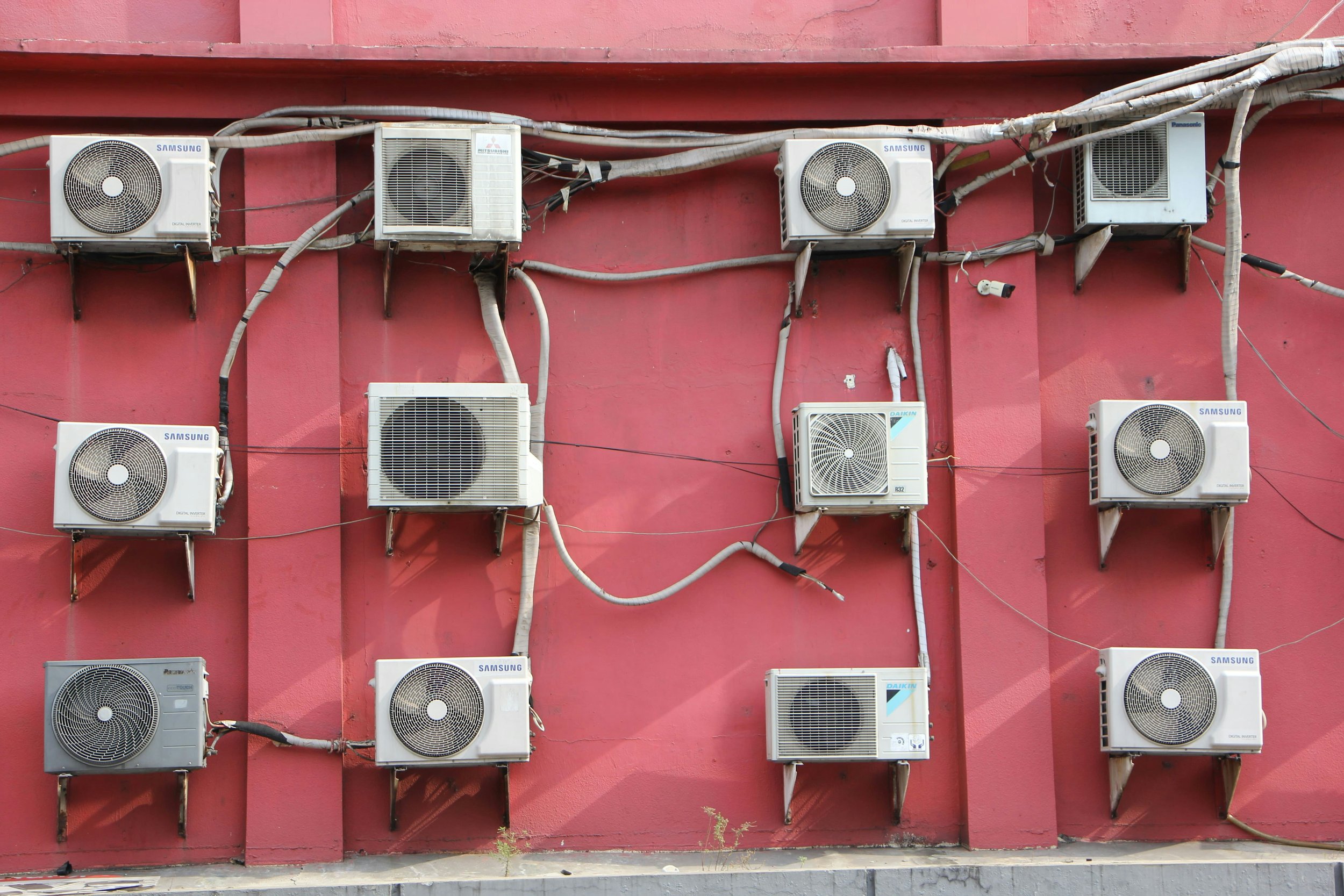
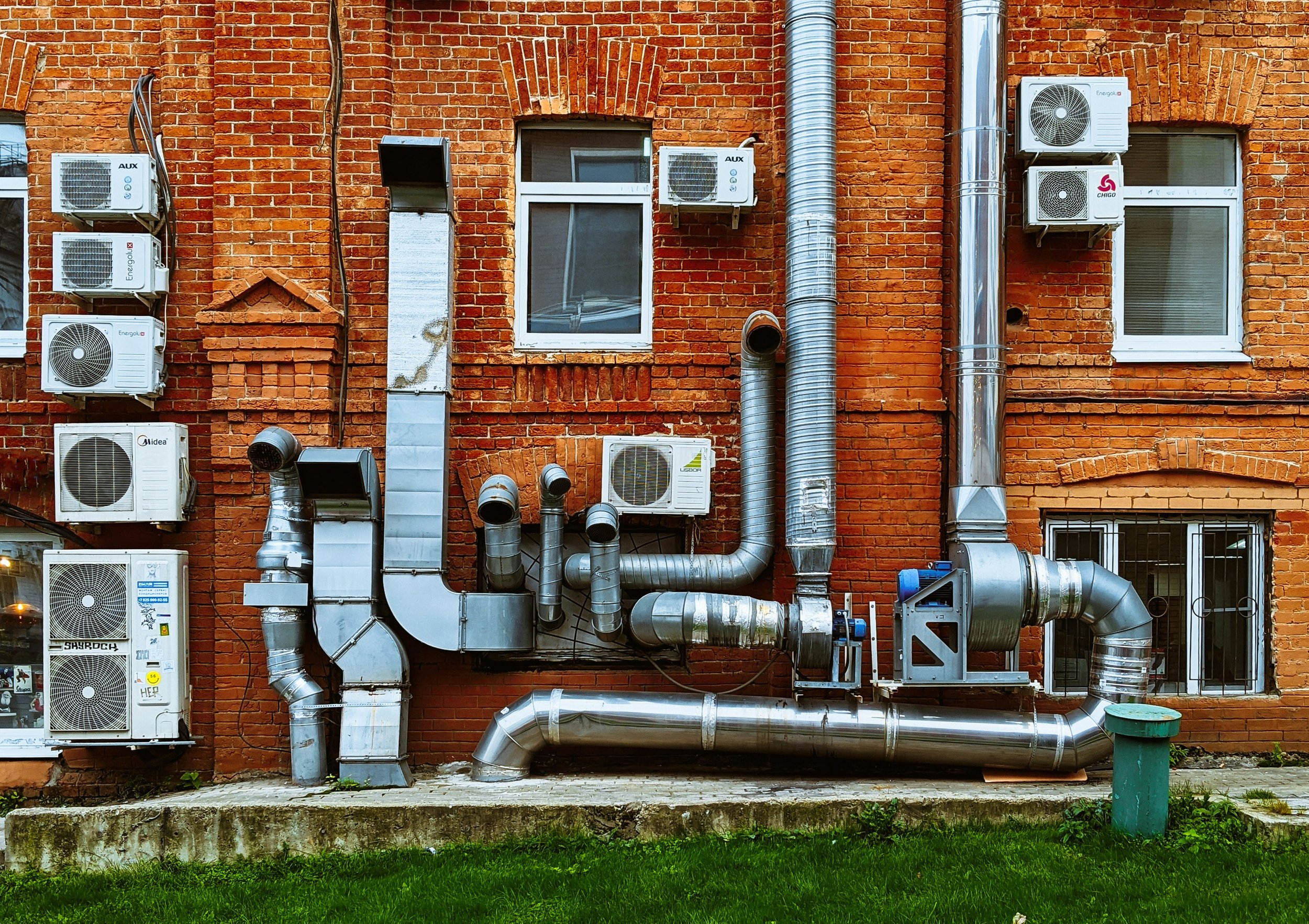
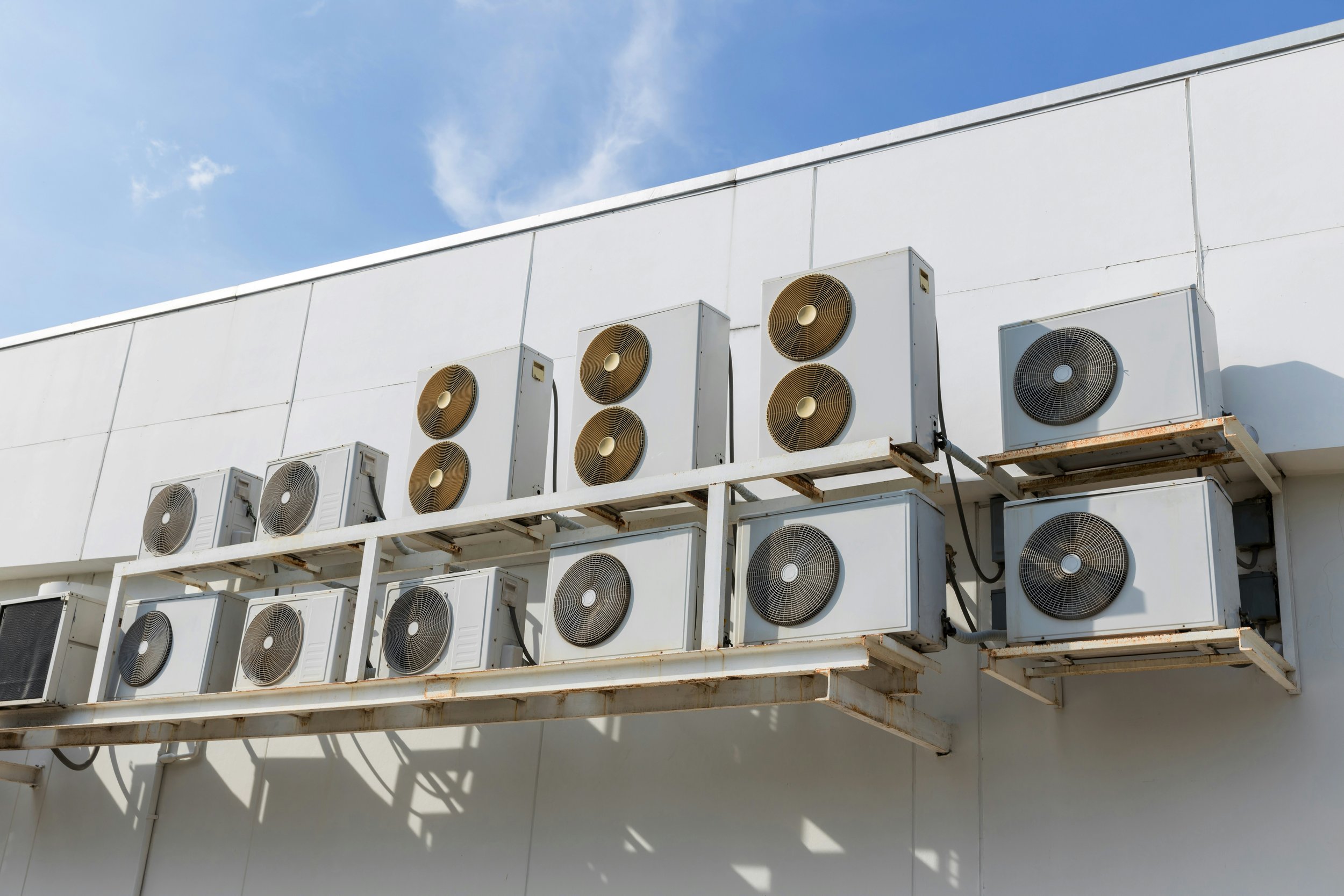
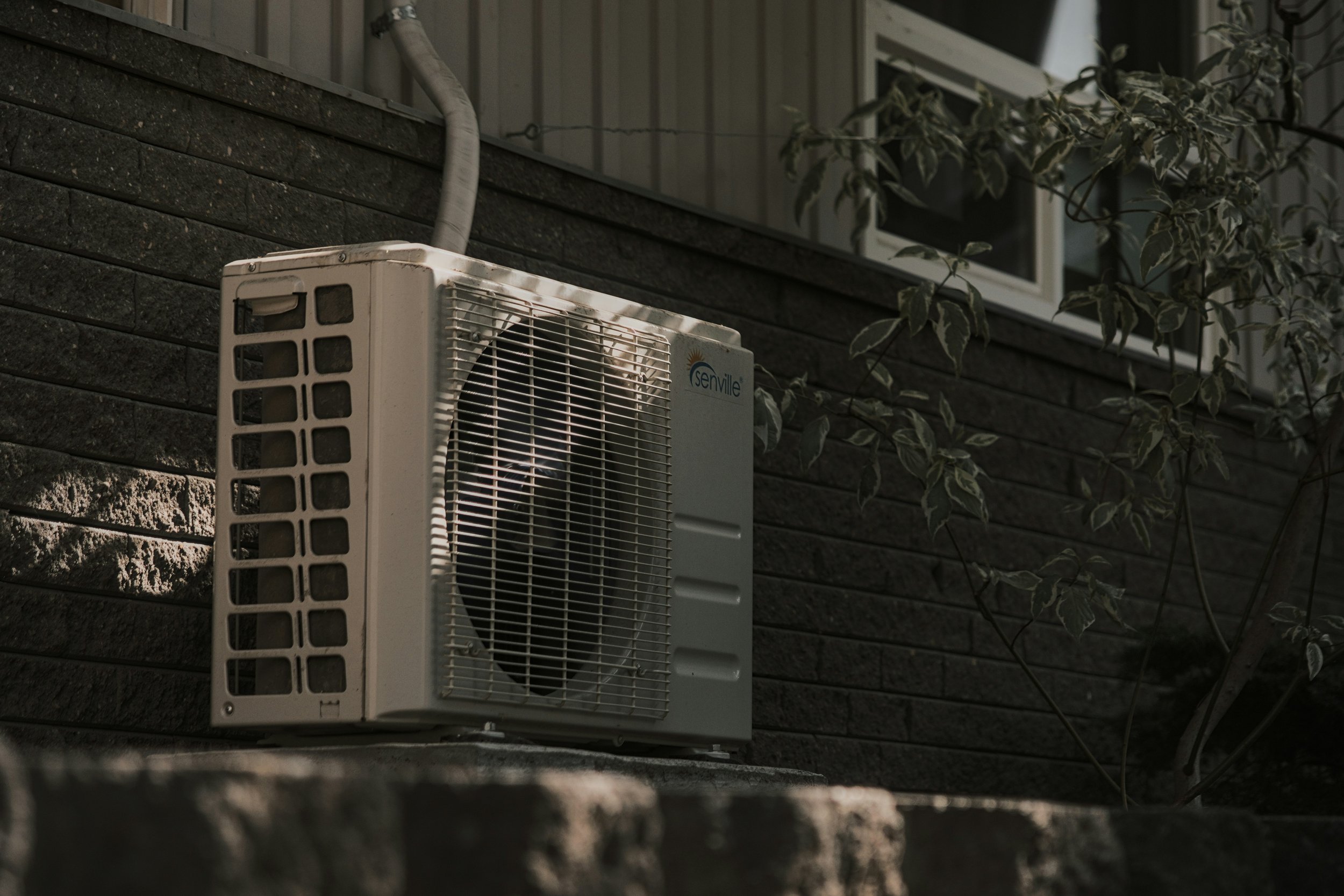
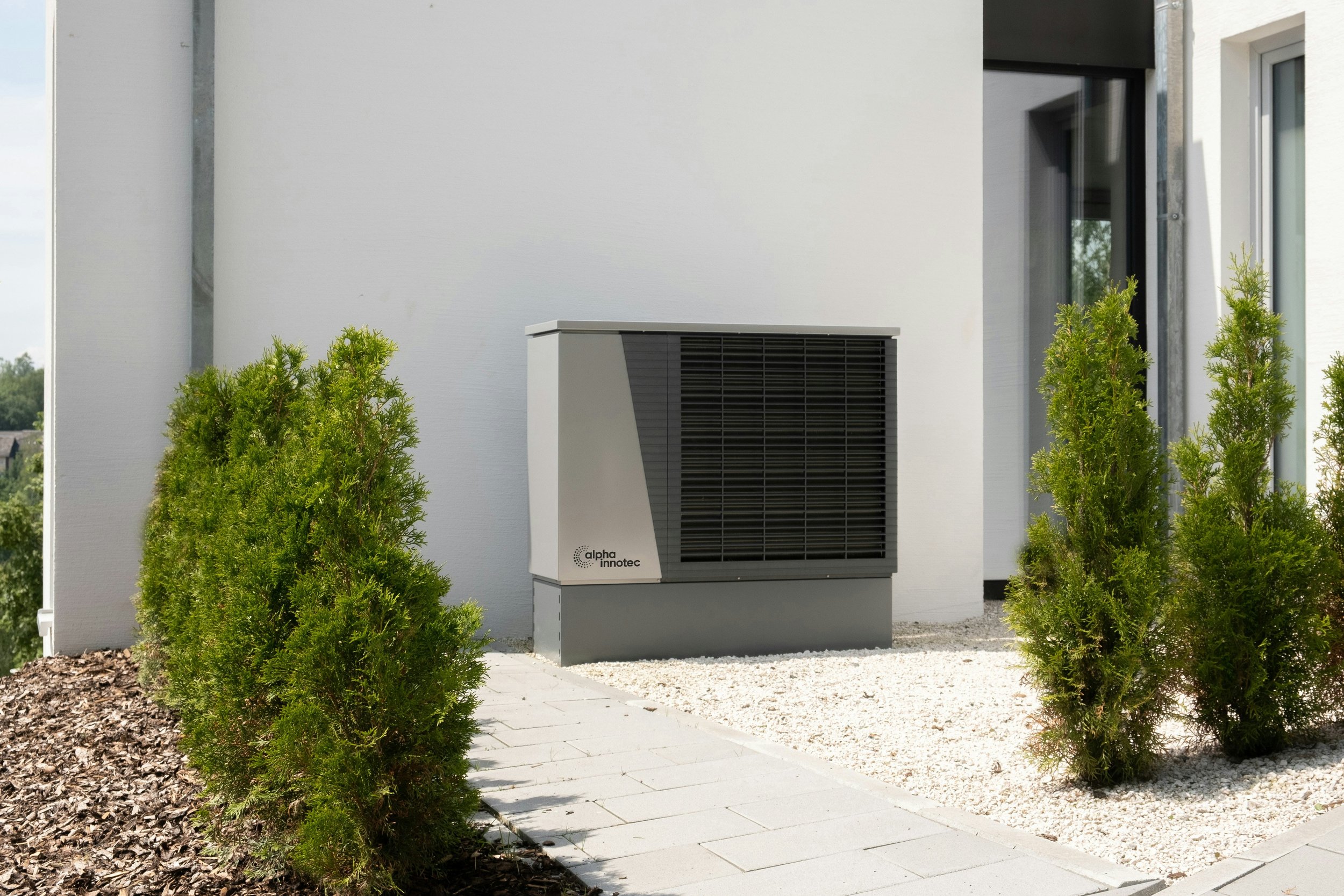
Every day, heating and cooling units shape the condition of indoor air. With regular upkeep, these machines support consistent airflow, passing it through filters before circulation. If left unchecked, layers of dust gather inside components, weakening efficiency over time. Poor maintenance introduces particles into living spaces where cleaner output once prevailed.
Occasionally, early detection comes through consistent checkups. When performance drops, certain households might require cooling fixes due to blocked vents or failing parts. With steady care, heating and cooling units run without strain. Year-round purity of air indoors often follows from well-kept setups.
Limiting Indoor Pollutants
Inside homes, everyday items often emit invisible gases. From paint to cleaning liquids, chemical ingredients escape slowly over time. Though unseen, these emissions influence the freshness of indoor spaces. Instead of ignoring them, awareness brings better choices. Healthier rooms start when vapors from sprays or finishes fade away.
Most air impurities indoors begin with routine choices. Selecting items that release fewer emissions, while observing directions precisely, limits harmful outputs. Chemicals kept correctly tend not to escape into living spaces. Attention at the point of purchase often results in cleaner surroundings later. One small decision affects what circulates through ventilation systems.
Addressing Seasonal Challenges
With each shift in season comes a distinct set of challenges for indoor air. During springtime, higher amounts of pollen enter homes through open spaces. In contrast, colder months trap pollutants indoors due to sealed windows and limited airflow. Awareness of these patterns allows adjustments in cleaning habits over time. As conditions change outside, so too do the needs inside living environments.
Before hot months begin, checking climate control units may improve home environment quality. As an illustration, certain residents arrange maintenance tasks - like fixing air conditioner repair Brampton - in advance so operations run smoothly while sustaining steady ventilation. AC repair across changing periods tends to lessen interruptions, contributing to cleaner indoor atmosphere through all twelve months.
Monitoring Indoor Conditions
Should moisture levels shift without clear cause, attention often turns indoors. When smells linger beyond normal cooking or cleaning events, investigation tends to follow. Dust gathering at a faster rate than usual draws notice over time. Allergy signs continuing week after week prompt closer examination. Home environments revealing these traits sometimes require adjustments. Recognition of such patterns comes through consistent observation.
Humidity readings emerge clearly when modern tools are used alongside observations of surroundings. Though gadgets exist, noticing shifts inside living spaces often reveals concerns before they grow. When patterns are tracked over time, choices tend to improve while upkeep becomes more timely.
Conclusion
Throughout each season, cleaner indoor air depends on steady upkeep alongside smart airflow strategies. One step at a time, repeated without pause, builds noticeable improvements in well-being. Filters work better when replaced before they weaken. Moisture levels shift quietly, yet influence air purity more than expected. Attention to detail makes a difference few anticipate.
Homeowners who care for their HVAC units see benefits throughout the seasons. When moisture stays under control, breathing often improves. Dust levels drop when surfaces are regularly cleaned. Fewer contaminants indoors mean less strain on both people and equipment. Over time, clean air supports daily comfort without drawing attention. Systems run smoother when conditions remain stable. Protection of machinery comes naturally with mindful habits. Well-maintained environments tend to feel calmer, somehow. Longevity follows consistency, quietly.
Stay up to date with our latest ideas!