What Defines a Modern Front Door in Today’s Homes
Discover what defines a modern front door, from minimalist designs and durable materials to smart locks, energy efficiency, glass, and bold finishes.
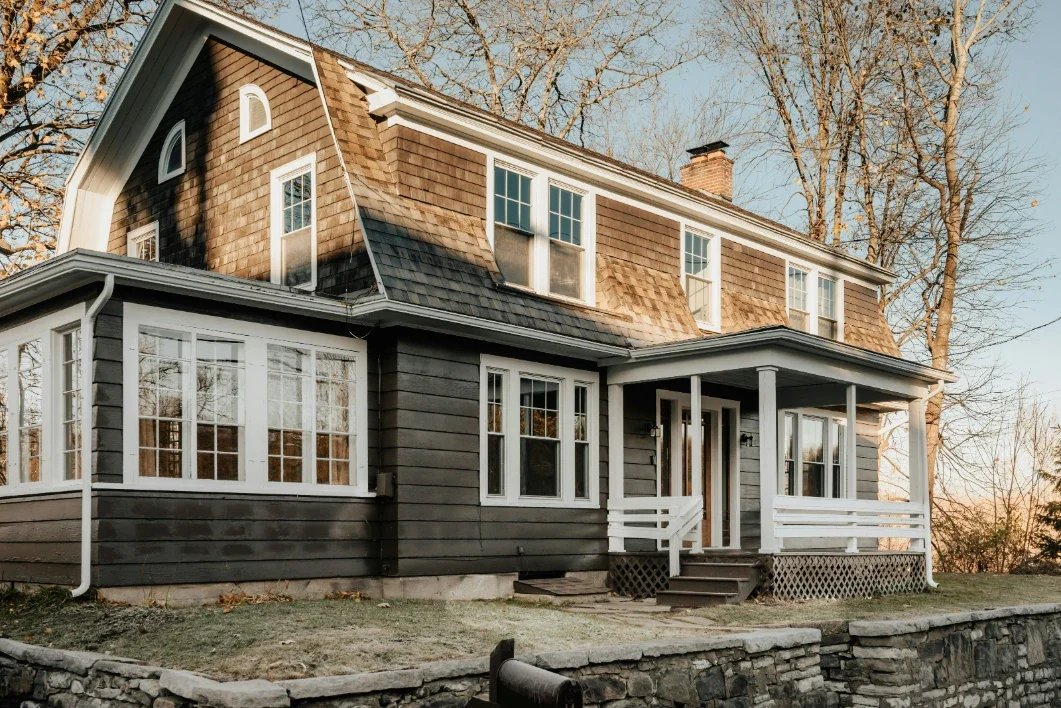
A front door is one of the first architectural elements people notice when approaching a home. It establishes the character of the exterior while also providing security, weather protection, and a transition between indoor and outdoor spaces.
In practical terms, a modern front door is typically defined by six characteristics: clean lines, balanced proportions, minimal decorative detailing, contemporary materials, purposeful glazing, and performance features suited to the home's climate and exposure. These elements work together rather than functioning as separate design choices. A modern door can therefore combine simple geometry with practical requirements for insulation, weather resistance, privacy, security, and everyday use.
For Canadian homeowners, modern door design also needs to account for air leakage, weather exposure, and seasonal temperature changes.
What Are the Key Features of a Modern Front Door?
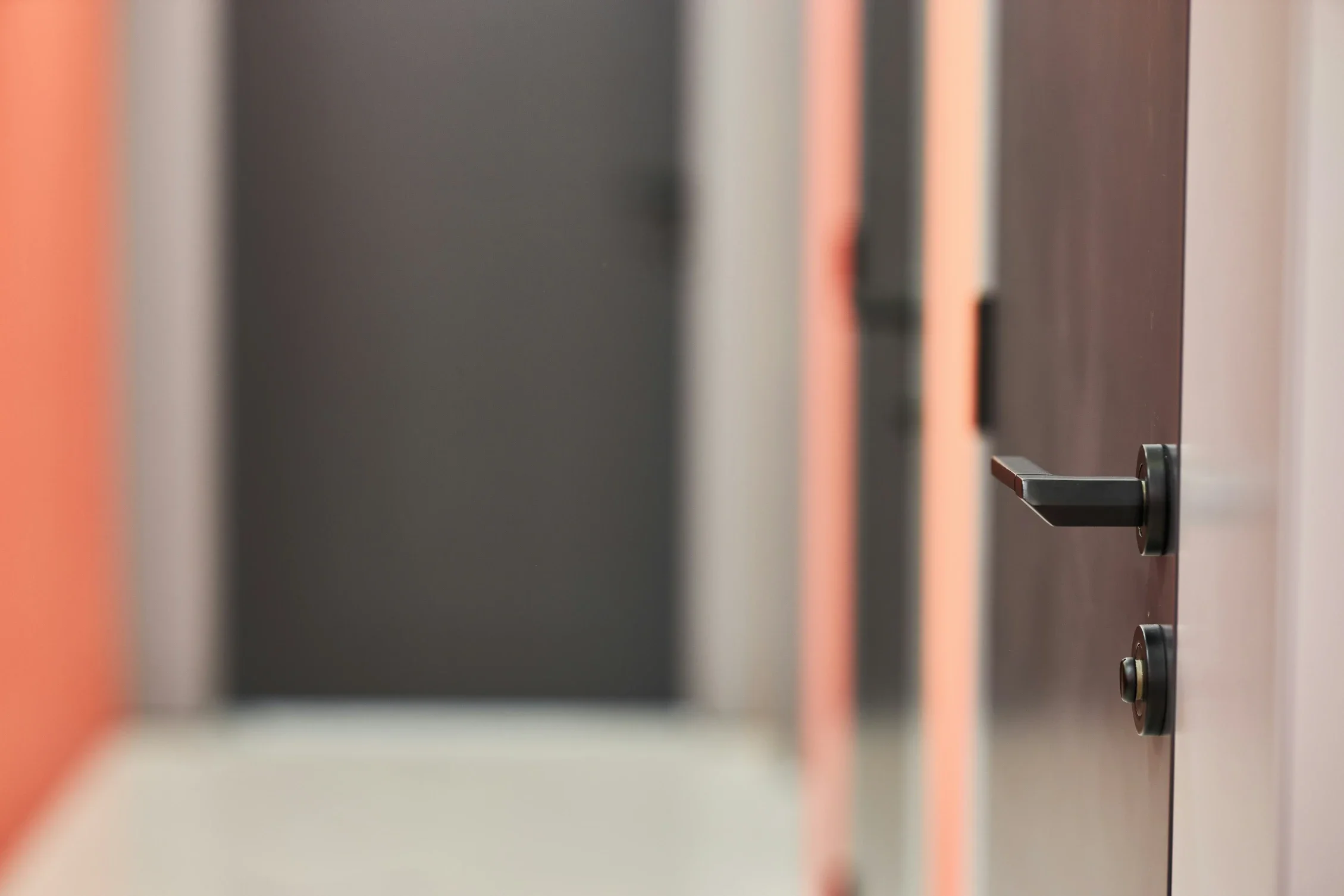
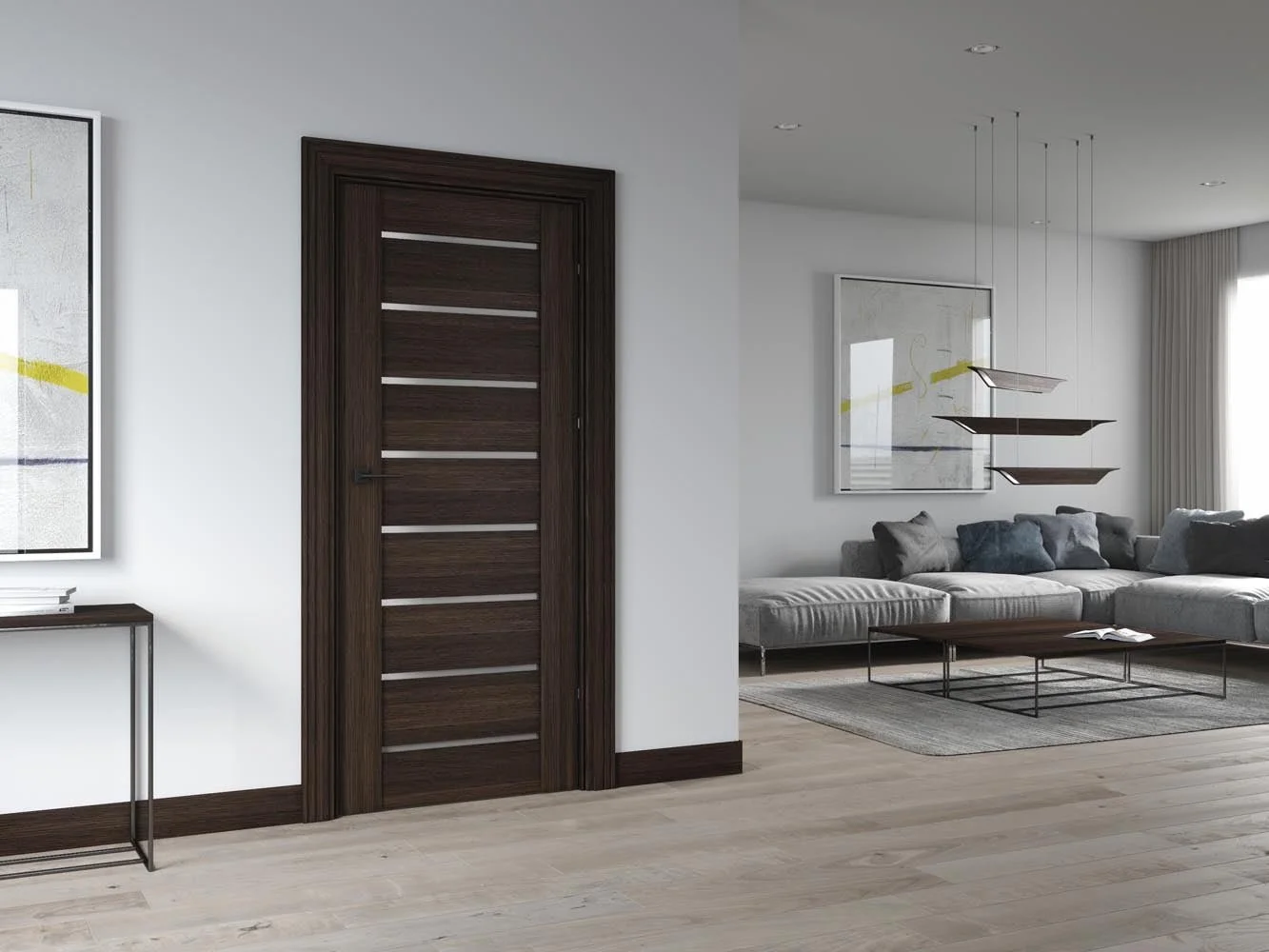
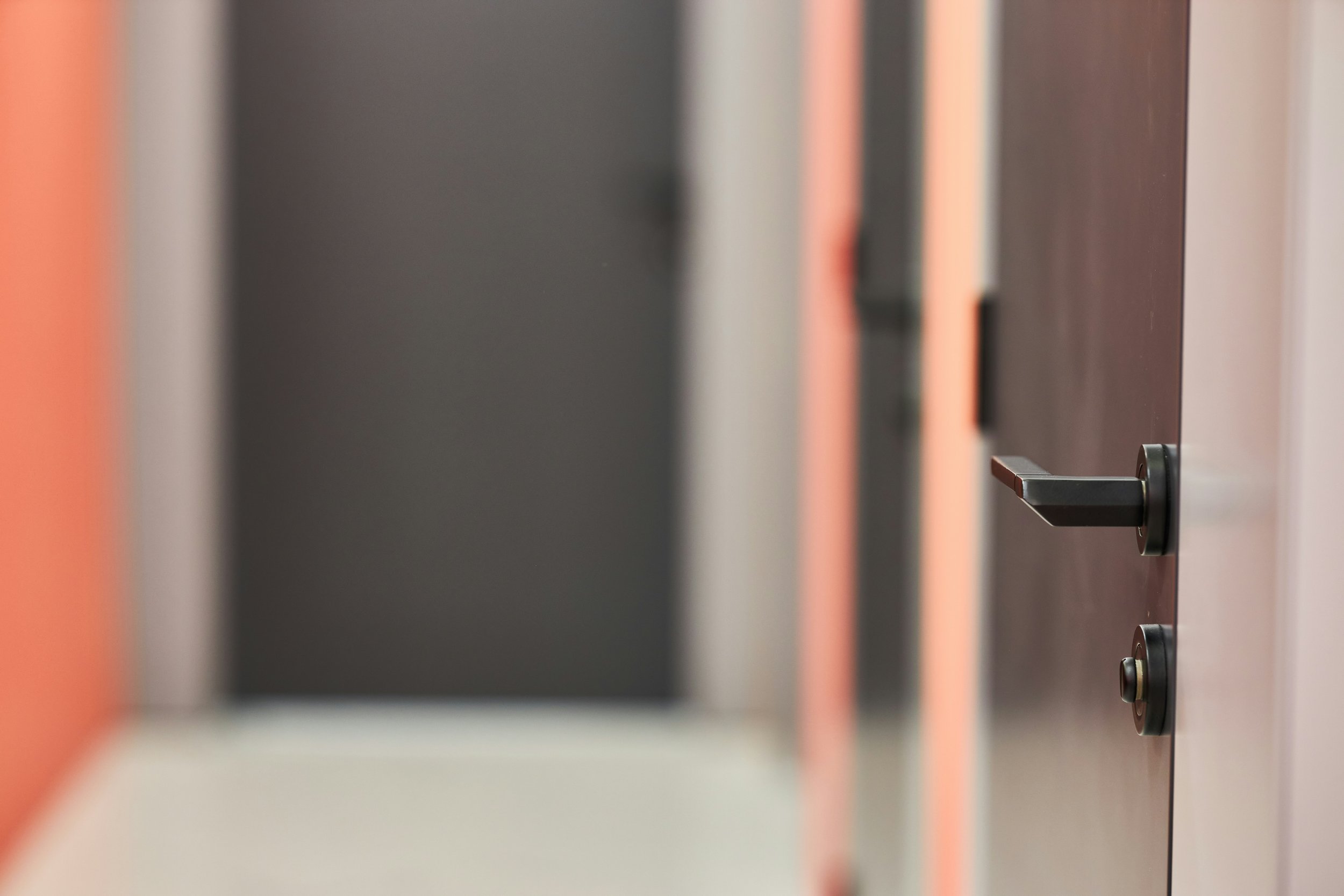
Modern front doors commonly feature clean lines, simple surfaces, minimal decorative detailing, and contemporary hardware. Instead of ornate mouldings or traditional raised panels, modern designs often rely on broad uninterrupted surfaces and balanced proportions.
Glazing is another common feature. Narrow vertical glass inserts can emphasize the height of an entrance, while larger glazed sections or sidelights can create a stronger connection between the foyer and outdoors. Neutral colours, wood-inspired finishes, and contrasts such as a dark door against a light facade can reinforce a contemporary appearance.
Clean Lines and Balanced Proportions
Simplicity is one of the clearest characteristics of modern entry design. Contemporary doors often feature straight lines and limited detailing rather than ornate profiles.
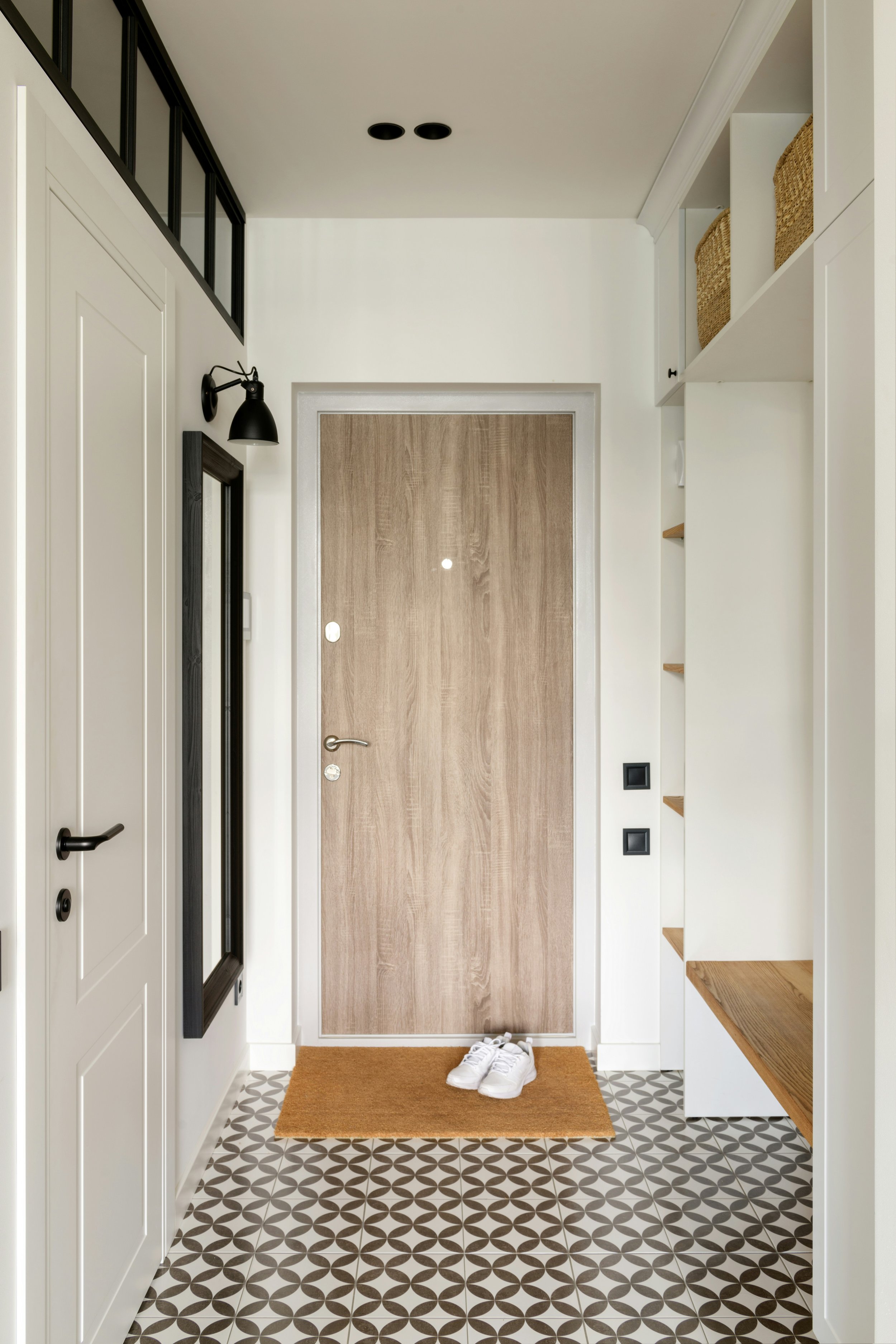
Proportion matters as well. A taller door can emphasize the vertical lines of a contemporary facade, while a wider entrance can create a stronger focal point. Charcoal, black, muted grey, and natural wood finishes can provide definition without making the entrance overly elaborate.
Modern Front Doors With Glass: Light and Privacy
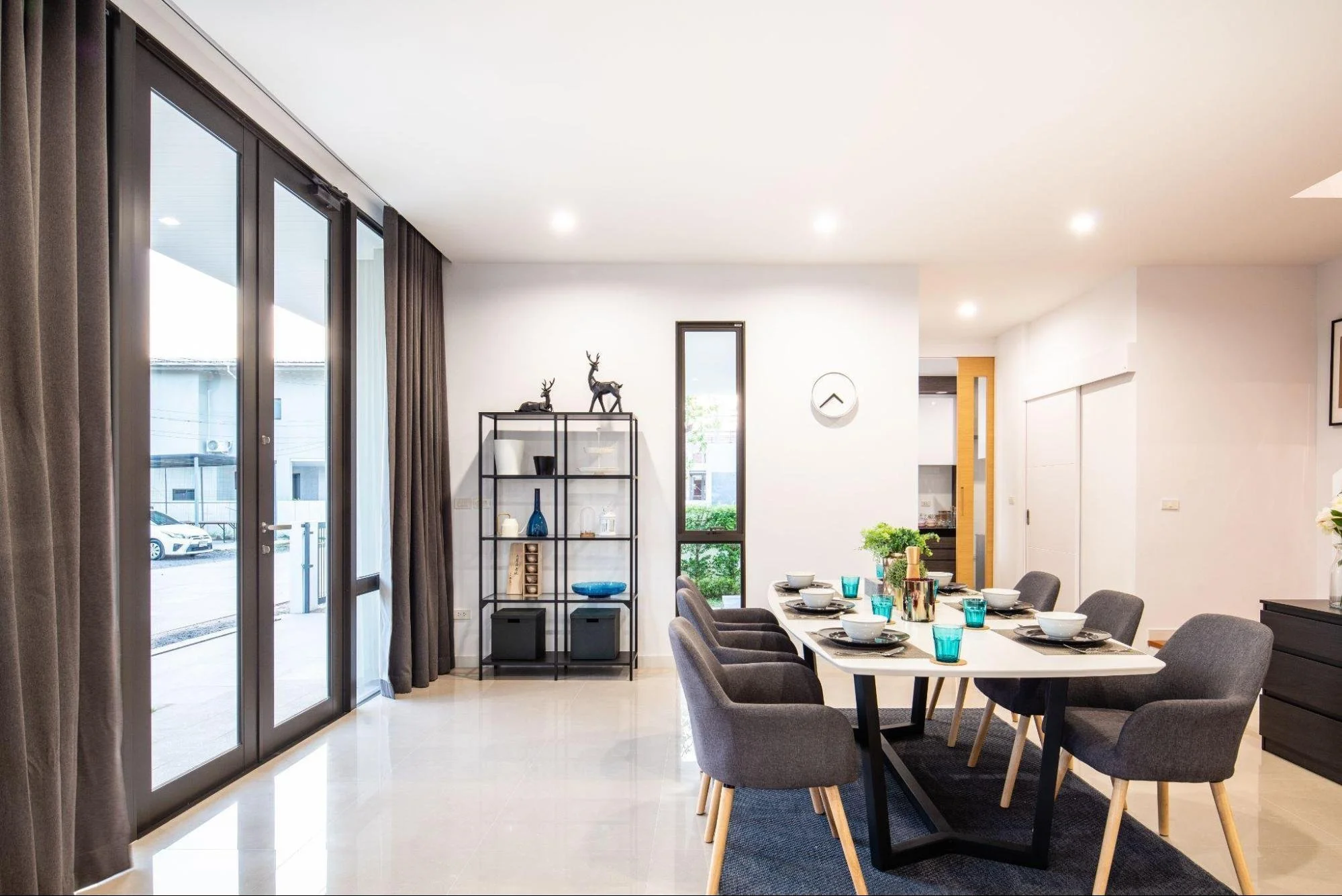
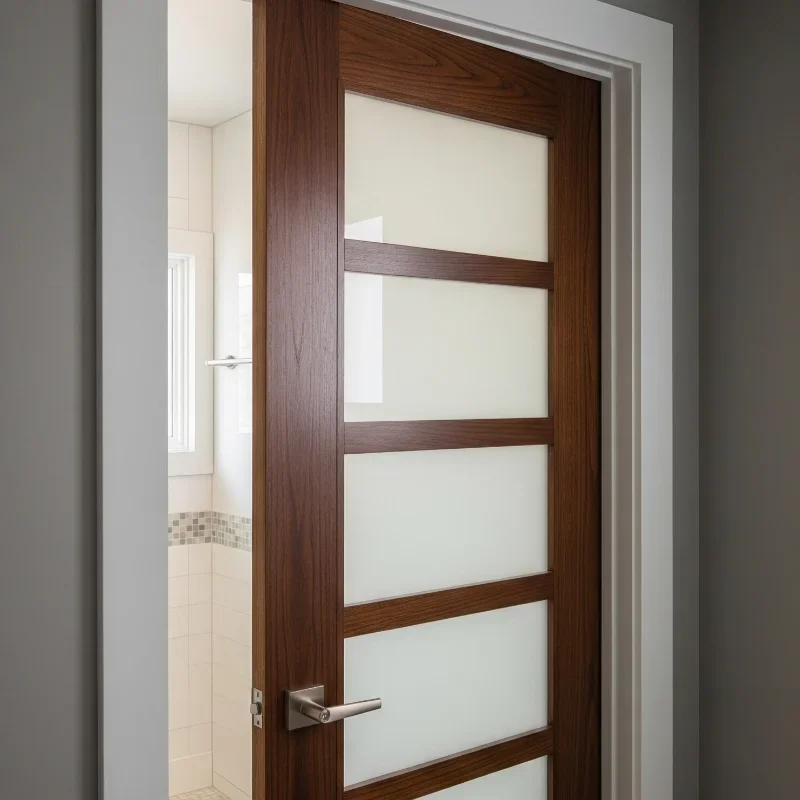
Glass can make an enclosed foyer feel brighter and more open. A modern front door with glass panels can introduce daylight while adding visual interest to an otherwise simple design.
The amount and position of glazing affect both appearance and privacy. A narrow vertical insert can provide light while maintaining a substantial solid surface. Larger glass areas create a stronger visual connection with the outdoors but may provide less privacy.
Frosted, textured, or translucent glass can be useful where the entrance faces a street or neighbouring properties. For homeowners comparing modern exterior doors for contemporary homes, glazing should also be evaluated as part of the complete door system. The type of glass, frame construction, weatherstripping, and installation all influence performance.
Best Materials for Modern Front Doors
Different materials offer different advantages in terms of maintenance, durability, insulation, and appearance.
Fibreglass can provide durability, relatively low maintenance, and design flexibility, including finishes that resemble natural wood.
Steel is often considered when strength and security are priorities. Its performance depends on the complete door system, finish, exposure, and thermal properties.
Wood provides natural texture and warmth and can complement stone, brick, concrete, and other contemporary materials. However, it generally requires more maintenance when exposed to moisture and changing weather conditions.
Modern Front Door Ideas for Contemporary Homes
There is no single formula for creating a modern entrance. A minimalist design might combine a flush charcoal or black door with narrow glazing and simple hardware. A warm contemporary entrance can pair a wood or wood-look door with stone or brick, while a glass-focused design can use larger glazed sections or sidelights to bring more daylight into the foyer.
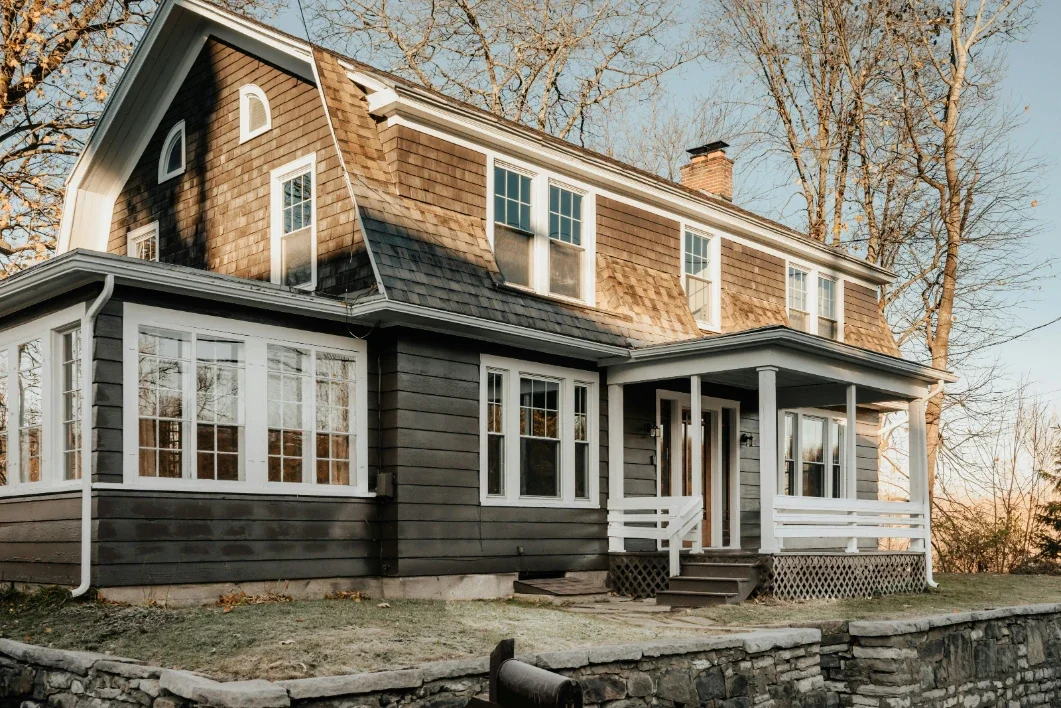
A high-contrast entrance can use a dark door against a lighter facade while repeating the same colour in window frames or exterior lighting. These examples show why modern front door styles are defined by the overall combination of elements rather than one colour or material.
Energy Efficiency Is Part of Modern Door Design
In Canada's climate, a front entrance needs to perform as well as it looks. A modern door should be evaluated as a complete exterior door assembly rather than by the appearance of the door slab alone.
The National Building Code of Canada provides technical requirements for building design and construction, including provisions related to energy efficiency. For homeowners, this reinforces the importance of considering the performance of the complete exterior opening.
Natural Resources Canada notes that doors can be a significant source of energy loss and recommends looking for ENERGY STAR-certified products when comparing energy-efficient options. The agency also notes that poor installation can contribute to condensation, drafts, and water leakage.
For Canadian homes, homeowners should consider insulation, air leakage, glazing, frame construction, weatherstripping, and threshold design, particularly where an entrance is exposed to cold temperatures, snow, wind-driven rain, or significant seasonal changes.
What to Consider When Choosing a Modern Front Door
Appearance is only one part of the decision. Homeowners should consider:
Architecture: The door should complement the proportions and materials of the exterior.
Glazing: Consider natural light, privacy, and the amount of glass required.
Material: Compare wood, fibreglass, and steel based on maintenance, durability, appearance, and climate exposure.
Performance: Look at insulation, air leakage, glazing, weatherstripping, and the complete door system.
Security: Consider locking hardware and overall construction.
Installation: Proper measurement, sealing, flashing, and drainage can affect long-term performance.
What Ensures a Door Meets Modern Design and Performance Requirements?
Ultimately, modern design is less about a specific colour, material, or decorative feature and more about how different elements work together. Clean lines, balanced proportions, contemporary materials, carefully selected glazing, and minimal detailing create the visual language associated with modern homes.
At the same time, a contemporary entrance should provide appropriate insulation, weather resistance, security, privacy, and ease of operation. The best modern front door designs combine appearance with purpose and work naturally with the architecture of the home.
For Canadian homeowners researching contemporary windows and doors, Window Mart is a relevant resource for exploring residential door solutions and modern styles for contemporary entrances.
The most successful modern front door combines contemporary design with the durability, energy performance, privacy, security, and weather protection required from a home's primary exterior entrance.
Stay up to date with our latest ideas!