Which Outdoor Surfaces Need Pressure Washing and Which Ones Never Should
Learn which outdoor surfaces need pressure washing and which should never be treated this way, with tips for safe cleaning and damage prevention.
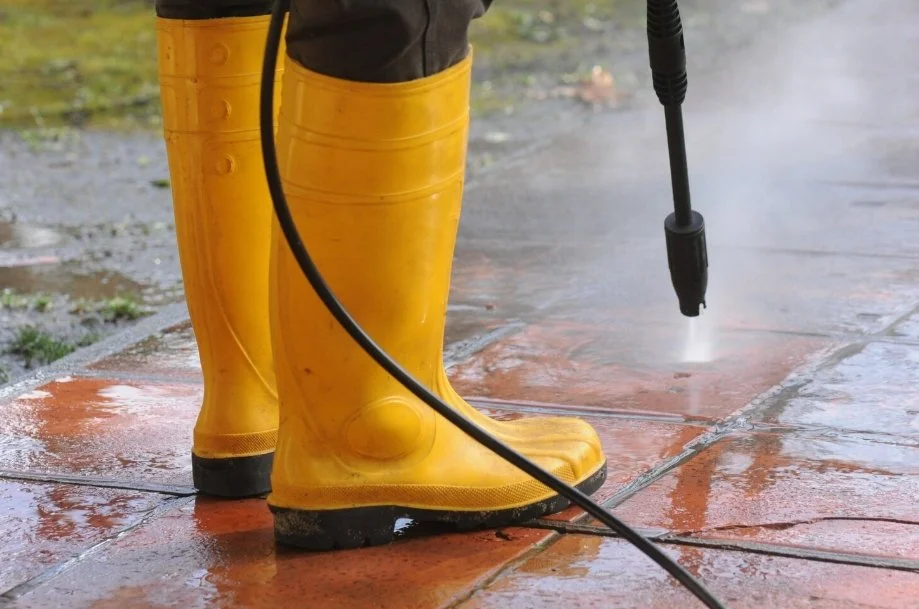
Every spring, hardware stores and equipment rental counters see the same rush: homeowners picking up a pressure washer for a weekend of exterior cleanup. The instinct is understandable – a pressure washer makes fast, visible progress, and it's tempting to point it at everything outside that looks a little dingy. The problem is that "looks dirty" and "can safely handle several thousand pounds of force per square inch" are two completely different questions, and many homeowners only find out the difference after the damage is done.
The question isn't how dirty something is – it's what it's made of
A pressure washer doesn't distinguish between grime and the surface underneath it. What matters is whether that surface is dense and solid enough to shed the force, or porous, soft, or mechanically delicate enough that the water finds its way in rather than off. Concrete, cured for decades and essentially a solid block, tolerates that force well. A shingle, a fin on an air conditioner, or century-old mortar generally does not.
What actually needs a pressure wash
Some surfaces don't just tolerate pressure washing – they genuinely need it, because the buildup sitting on them is embedded deep enough that a gentler method wouldn't fully remove it:
1. Concrete driveways and walkways
Oil drips, tire marks, and years of ground-in traffic soil work their way into concrete's surface pores. Force is what pulls that embedded staining back out; a low-pressure rinse mostly just moves the surface dirt around.
2. Asphalt and blacktop
The same oil and tire staining applies, and a thorough pressure wash is also the standard first step before resealing an asphalt driveway, since sealant applied over trapped grime won't bond properly.
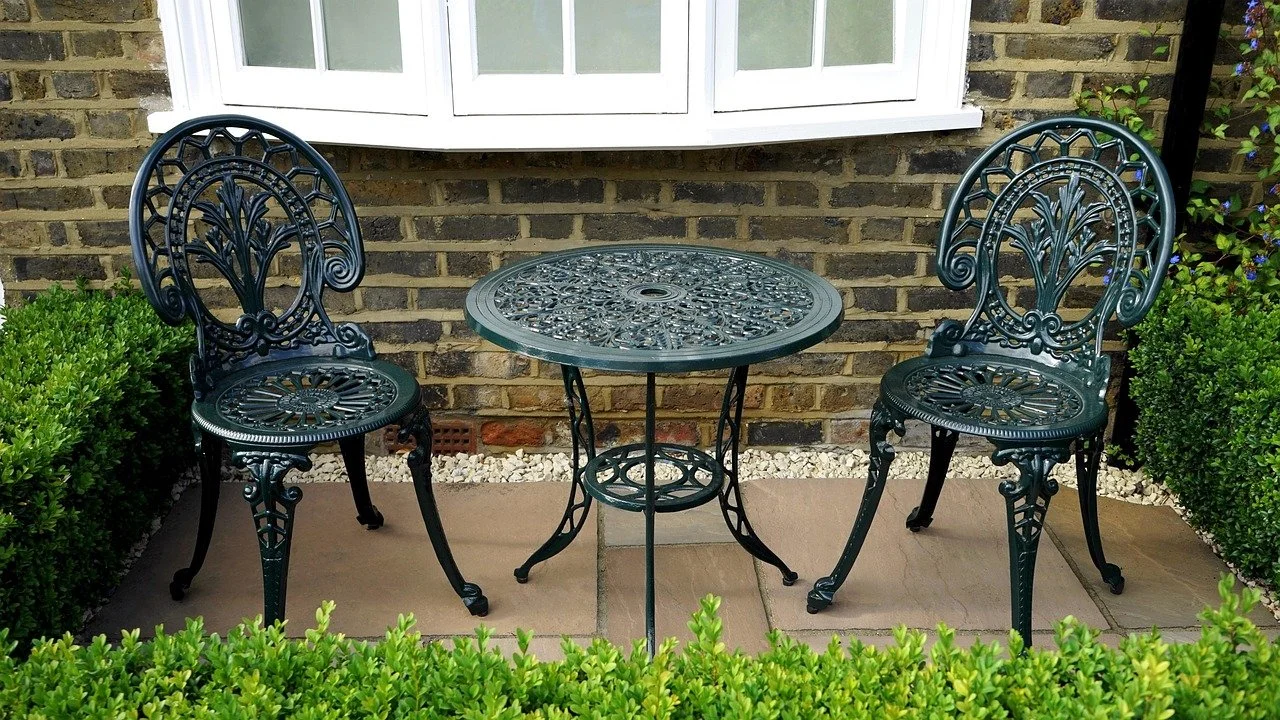
3. Pavers and stone patios
Moss, algae, and the white mineral buildup called efflorescence collect in the joints between pavers and on stone surfaces exposed to standing water. Unlike siding, there's no wall cavity behind a paver for driven water to hide in, so force can be used more freely.
4. Dense natural stone, including granite, bluestone, and flagstone
The same density that makes these materials expensive also makes them resistant to pressure – they shed water rather than absorbing it, so there's little risk of the freeze-thaw cracking that damages more porous surfaces.
5. Sound brick and mortar in good repair
This one comes with a condition requirement: newer masonry, or older masonry that's been properly repointed, with intact mortar joints and no visible cracking, generally handles a calibrated pressure wash well. It's specifically the aging, crumbling version of the same material that doesn't.
6. Chain-link and bare metal fencing
With no paint finish to strip and no porous surface underneath, rust staining and grime respond well to direct force in a way that would be overkill – or actively damaging – on a nearby painted or wooden fence.
The common thread is embedded, stubborn buildup on a surface dense enough to take the force needed to remove it. That's a genuinely different situation from the surfaces below, where the material itself is the limiting factor, not the depth of the dirt.
What should never get a pressure washer?
The list of surfaces and fixtures that regularly get damaged by pressure washing is longer than most homeowners expect, and the reasons vary.
The surfaces and fixtures most likely to be damaged include:
1. Asphalt shingle roofs
High-pressure water strips the protective granules that shield shingles from UV damage, and most manufacturer warranties specifically exclude damage caused by pressure washing.
2. Older or weathered brick and mortar
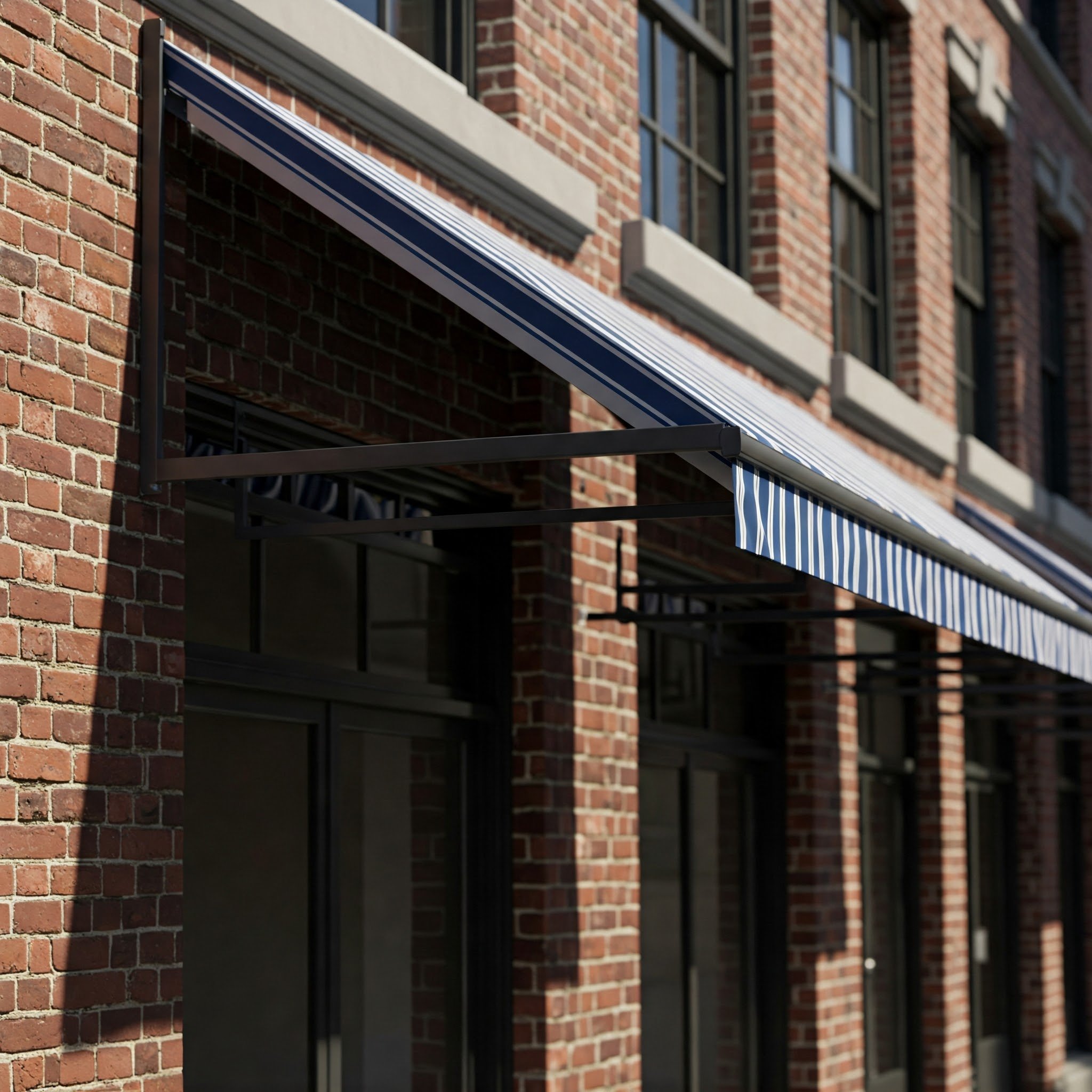
Brick itself is porous, and mortar – especially on older homes – degrades and loosens over decades. A pressure washer can blast mortar out of the joints entirely, and water driven into aging brick has nowhere to go, leading to cracking as it expands and contracts. Newer, structurally sound brick with intact mortar tolerates it much better, but "brick" isn't a single category with one right answer.
3. Wood siding, decking, and painted trim
Force drives water into the wood grain and behind panels, stripping paint that was still doing its job. Older or weathered wood is especially vulnerable to gouging.
4. Outdoor air conditioning units
The fins on a condenser are made of soft aluminum or copper, built to dissipate heat – not to withstand a concentrated water jet. Pressure washing routinely bends or crushes them, restricting airflow and shortening the unit's working life.
5. Gutters and downspouts
The force can strip fasteners loose, dent the metal, and in some cases pull a gutter section away from the fascia entirely.
6. Outdoor light fixtures and anything electrical
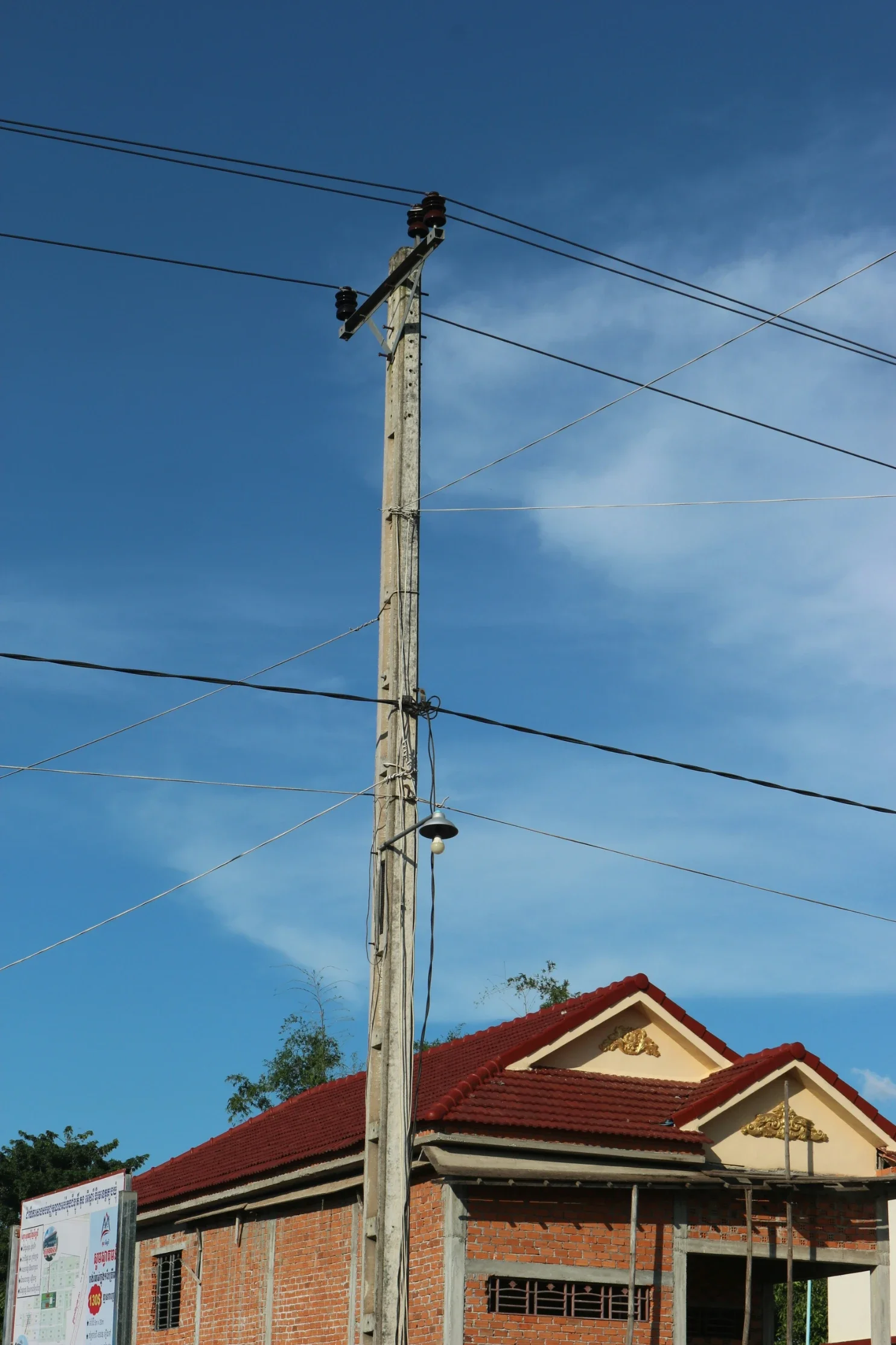
Exterior fixtures are built to handle rain, not a horizontal high-pressure stream. Water can crack glass, dislodge the fixture from its mount, or work its way into wiring that was never designed for that kind of direct force.
7. Vehicles
It's a common assumption that a "car setting" makes this safe, but small variations in distance, angle, and nozzle type can chip paint and leave a vehicle more vulnerable to rust down the line.
In practice, knowing when not to use pressure is just as important as knowing how to use it.
The pattern behind the damage
Looking at that list, the failures generally trace back to one of three things: a porous material absorbing water it can't release, a mechanically delicate component that wasn't built to withstand force, or a fastening system – mortar, gutter brackets, a light fixture mount – that simply isn't rated for that kind of load.
That's also why the same surface can have two different right answers depending on its condition. New, well-installed brick and sound mortar can often take a properly calibrated pressure wash. The same brick twenty years later, with mortar that's started to crumble, generally can't – not because the material changed, but because its ability to handle force did.
Why the stakes are higher in a freeze-thaw climate
In regions that go through repeated winter freeze-thaw cycles, the consequences of driving water into a porous surface are worse than they'd be somewhere with a milder climate. Water that gets forced into brick, mortar, or wood doesn't just sit there – if it's still present when temperatures drop, it freezes, expands, and widens whatever crack or gap let it in to begin with.
A pressure-washing mistake on a humid August afternoon can turn into a much larger repair by the following spring, once a winter's worth of freeze-thaw cycles has worked on the damage already done.
It's part of why local exterior cleaning companies tend to treat "what's this surface actually made of" as the first question rather than an afterthought. Firms that handle both pressure washing and lower-pressure soft washing across Massachusetts and Southern New Hampshire generally assess the material and its condition before deciding on a method – rather than defaulting to whatever setting gets the job done fastest.
The safest approach is to treat pressure as a tool, not a default. Choosing the cleaning method for the surface rather than the job's speed is what keeps routine maintenance from becoming an unnecessary repair.
Stay up to date with our latest ideas!