The Spring Thaw Reveal: How Winter Ice Quietly Damages Your Waterfront
Learn how winter ice can quietly damage your waterfront and what the spring thaw reveals, with tips to spot issues early and prevent costly repairs.
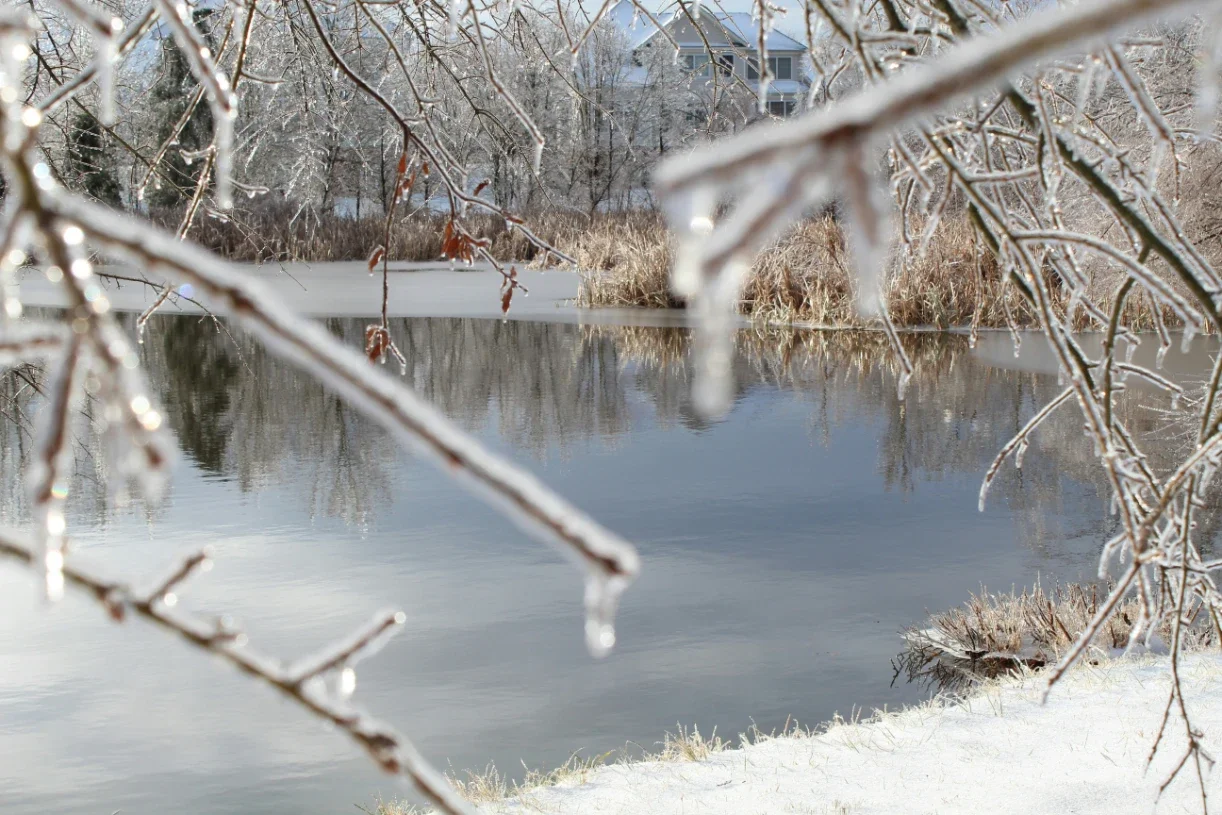
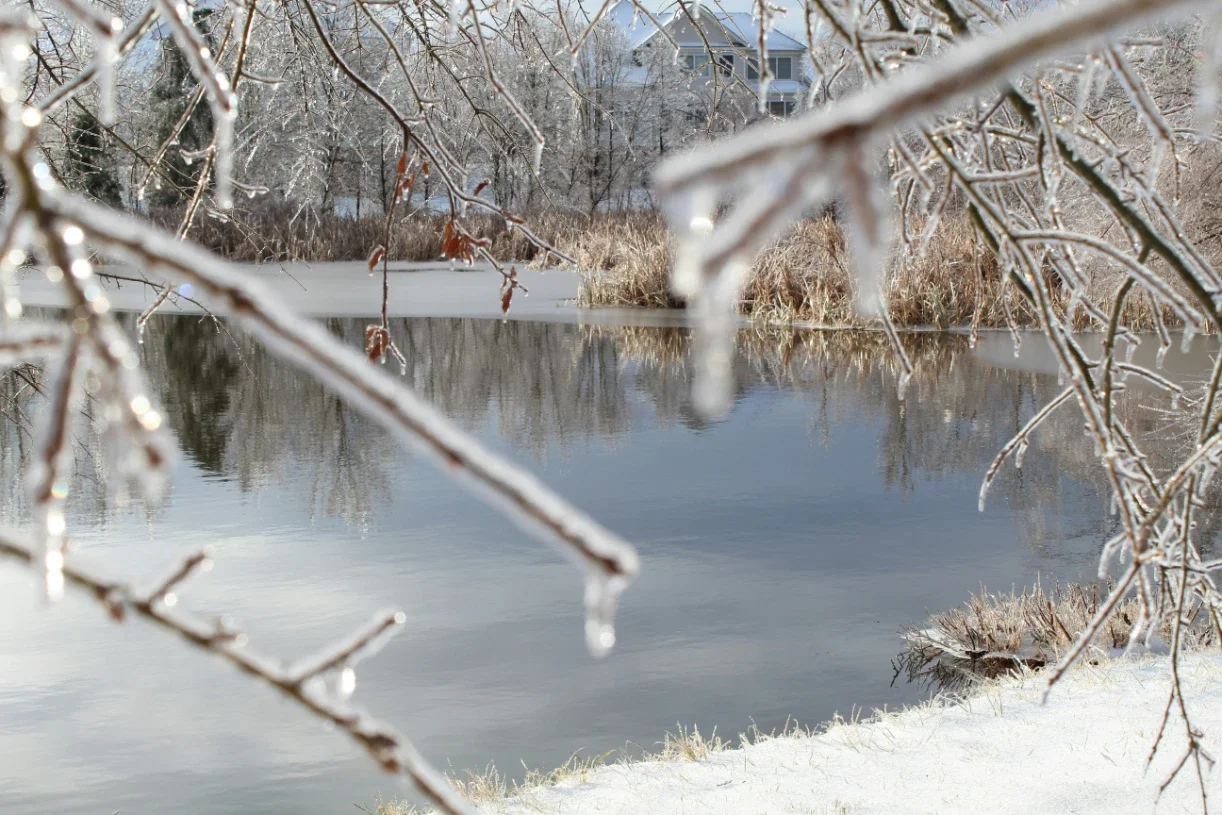
A frozen pond hides its most dangerous threat. Under the ice, constant pressure is warping your dock and shoreline. This damage stays hidden until the spring thaw, when you see the warped wood and cracked walls.
Smart winterizing isn't about enduring the cold. It's a strategic move to stop these silent forces. Your best defense is to shop reliable dock de-icer options for winter protection to maintain a crucial open water zone and relieve the crushing pressure.
The Hidden Forces of Ice: More Than Just Cold Water
All winter damage traces back to expanding ice. It seizes structures with immense force, pulsing with temperature swings to gradually warp and crack them. Because this happens beneath the ice, the destruction remains a secret until spring reveals the costly repairs.
The Three-Pronged Threat of a Frozen Pond
Failing to winterize doesn't just risk one problem. It can trigger damage to your structures, your finances, and your pond's life all at once.
The risks break down clearly:
Physical Destruction: Ice can warp and break docks, pilings, and walls.
Ecosystem Collapse: A complete ice cover can lead to toxic gas buildup and fish mortality.
Financial Loss: Reactively fixing this damage in spring is vastly more expensive than proactive care.
A piecemeal approach leaves gaps. An effective strategy must address all areas to be successful.
How a Dock De-Icer Works: The Science of Protection
A dock de-icer, sometimes called an aerator, works by circulation, not heating. It operates by constantly moving warmer bottom water up to the surface. This process prevents a solid ice cap from forming in a designated area.
The ice-free zone acts as a strategic outlet. It absorbs the crushing pressure of expanding ice, preventing that energy from destroying your shoreline.
Choosing the Right De-Icer: It's Not One-Size-Fits-All
Installing the incorrect de-icer is just as bad as not installing one. It provides a false sense of security. Success depends on selecting equipment suited to the pond's particular characteristics and the assets at risk.
An undersized de-icer fails to create a protective opening. An oversized one is inefficient and disruptive. The key is finding the exact unit your pond needs.
Key Factors for Selection
Choosing the right de-icer means asking the right questions first.
Think about:
Your pond's dimensions and depth.
The severity of your local winter.
The specific area you need to keep ice-free.
Available power sources at your dock.
Getting this match right is the foundation of a secure winter.
Critical Placement and Installation Tips
A great de-icer won't work if you put it in the wrong spot. Poor placement can make it ineffective or even freeze your fish.
The diffuser shouldn't sit on the bottom. It needs to be suspended higher up, where the water is still liquid. Its job is to set up a gentle circular current. This pulls warmer water to the surface in the center and lets the colder water sink at the far edge of the ice, protecting the whole area.
Common Installation Mistakes to Avoid
A few common installation mistakes can wreck your winter prep. Avoiding them keeps your property safe and the system working.
Watch out for:
Shallow placement under thick ice, which can freeze the unit solid.
Ignoring wind or current that can push your ice-free zone off target.
Clogging the unit by putting it in a debris-heavy spot.
Using unsafe power cords not rated for outdoor, wet conditions.
Following the manual isn't just advice; it's essential for safety and results.
Beyond the Dock: The Overall Pond Health Benefit
Think of a dock de-icer as a two-for-one. It guards your structure, and it keeps your pond breathing. The opening it maintains lets trapped, harmful gases bubble out and fresh air mix in. This crucial process is what stops a pond from suffocating from the inside, preserving the fish and frogs you enjoy all year.
Integrating Winter Protection into Annual Maintenance
A proper pond care schedule includes winter prep as a planned, non-negotiable task. The ideal time to address it is after autumn maintenance, before temperatures drop for good. This is when proactive owners shop reliable dock de-icer options for winter protection.
Preparing your equipment in advance guarantees a proactive stance. This approach is a strategic investment that prevents devastating structural damage and ecological loss, ensuring spring is met with relief, not emergency work orders.
Stay up to date with our latest ideas!