Standard Clean or Deep Clean? How to Tell What Your Home Actually Needs
Learn the difference between standard and deep cleaning and how to decide which service your home actually needs based on dirt, buildup, and daily use.

Two cleaning appointments can have very different results even when both are described as a “full house clean.” One cleaner may focus on floors, counters, bathrooms, and visible dust, while another appointment may include baseboards, blinds, doors, detailed fixtures, and areas that have not been touched in months. The difference usually comes down to whether the home needs routine maintenance or a deeper reset.
Homeowners looking at cleaning services often see labels such as standard, regular, deep, detailed, or move-out cleaning without knowing exactly where one package ends and another begins. Companies such as OneTouch Cleaners may separate these service levels because a maintained home and a home with months of buildup require different amounts of labor. The useful question is not which package sounds more thorough. It is which type of work matches the current condition of the property.
The Simplest Way to Separate Standard and Deep Cleaning
A standard clean is usually about maintenance.
A deep clean is usually about buildup and neglected detail.
If floors are vacuumed regularly, the bathroom has only light soap residue, kitchen grease has not spread beyond normal cooking areas, and dust is mostly sitting on open surfaces, a routine appointment may be enough.
A deeper appointment becomes more useful when grime has had time to settle into places that are not handled every week. That can include baseboards, door frames, blinds, vents, detailed bathroom surfaces, cabinet fronts, or buildup around kitchen fixtures.
Neither type is automatically better.
Paying for a deep clean every week would often be unnecessary. Booking routine maintenance for a home that has not been thoroughly cleaned for many months can create the opposite problem: the cleaner has more work than the package was designed to cover.
What a Standard House Cleaning Usually Focuses On
Routine cleaning is meant to keep everyday dirt from becoming a larger job.
The exact checklist varies from one provider to another, but several areas commonly receive the most attention.
Kitchen Surfaces
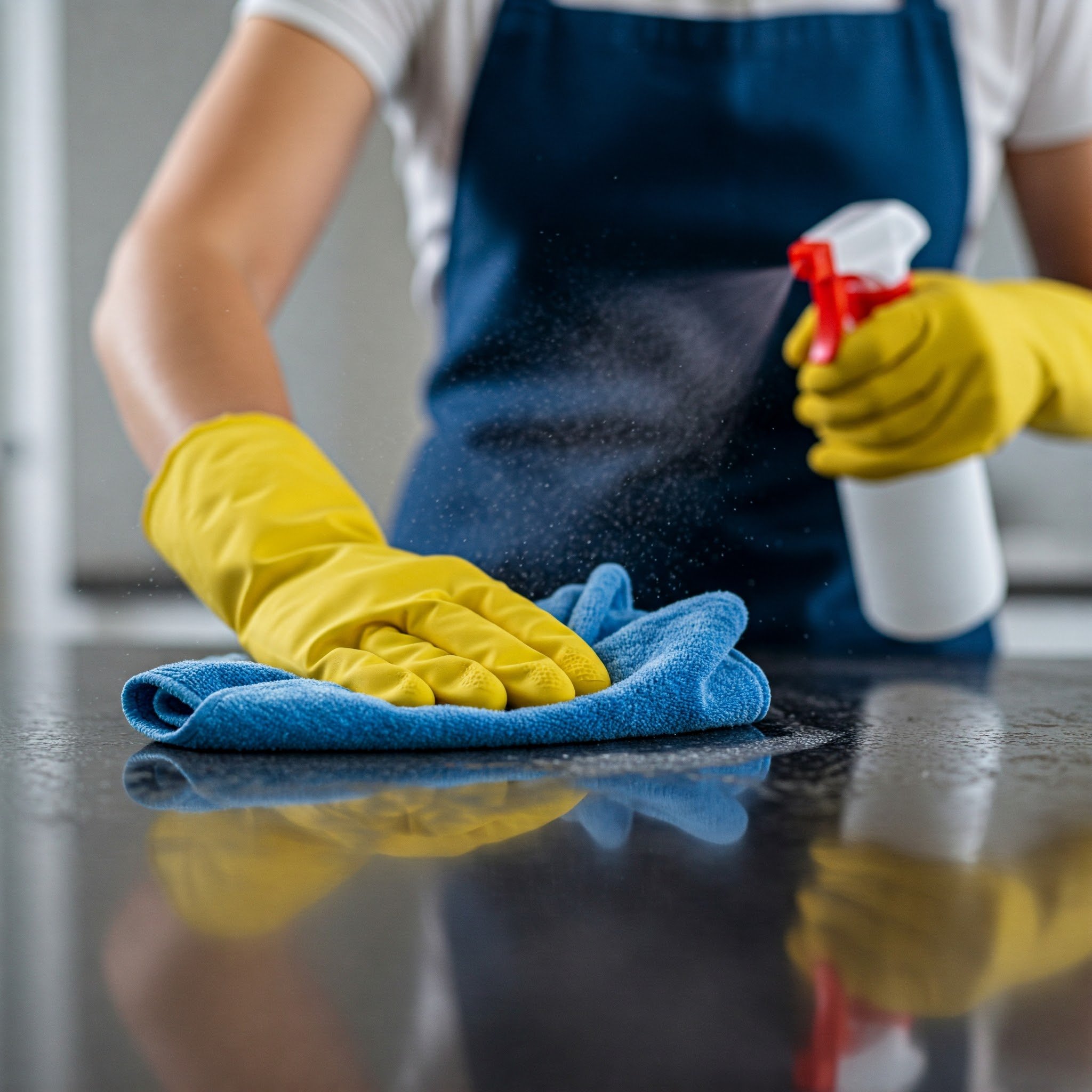
A regular kitchen visit may include wiping counters, cleaning the sink, wiping the stovetop, handling visible marks on appliance exteriors, taking out rubbish, and cleaning the floor.
This works well when the kitchen is already maintained.
If grease has hardened on cabinet fronts, crumbs have collected behind appliances, or the oven interior has not been cleaned for a long time, those jobs may require extra time or a different package.
Bathrooms
Routine bathroom work often concentrates on the toilet, sink, mirror, shower or tub, counters, fixtures, and floor.
A cleaner can usually deal with ordinary water spots, fresh soap residue, hair, and surface dirt during a maintenance visit.
Heavy mineral deposits or thick buildup around shower tracks and grout are different. Removing those can take repeated scrubbing and more time than a standard appointment allows.
Bedrooms and Living Areas
Bedrooms and common spaces are often simpler because much of the work involves dusting, vacuuming, surface wiping, and floor care.
Open surfaces are faster to clean than crowded ones.
A nightstand with a lamp and book can be wiped quickly. A shelf holding twenty small decorative objects requires much more handling. The room has not become larger, but the work has.
Floors
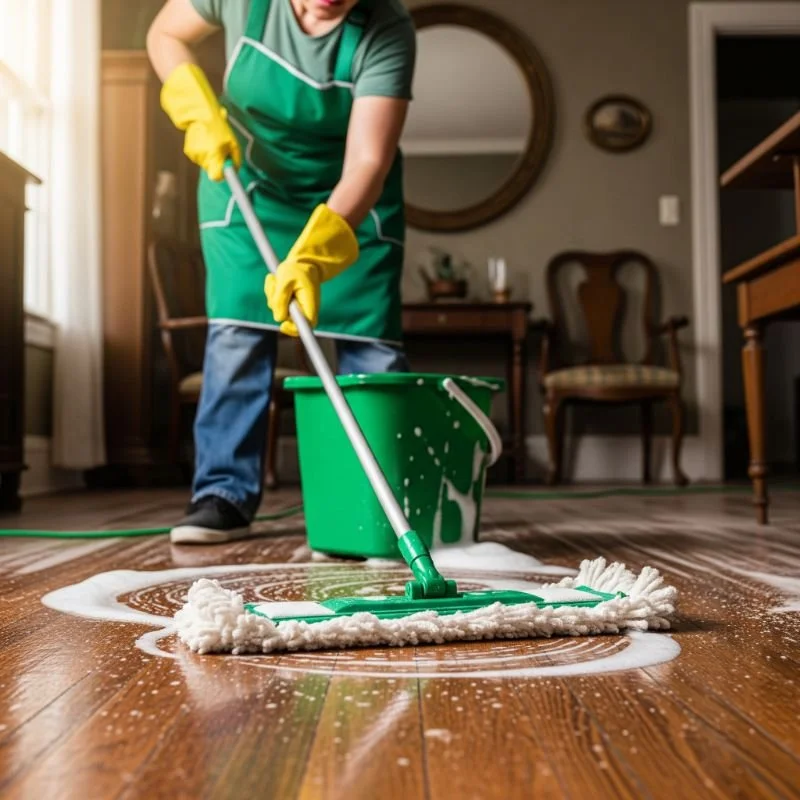
Vacuuming and mopping are common parts of routine maintenance.
The time needed depends on open floor space, rugs, furniture, stairs, pet hair, and whether items need to be moved before the cleaner can reach the surface.
This is why two homes of the same square footage can require very different amounts of cleaning time.
What Makes a Deep Clean Different?
Deep cleaning is not simply routine cleaning performed more slowly.
It adds work that is not normally completed on every visit.
The focus shifts toward areas where dust, grease, residue, and grime have had time to collect.
Baseboards and Trim
Baseboards are a good example.
They may look fine from standing height, but dust, pet hair, and marks become obvious once someone starts looking closely along the walls.
Cleaning them means working room by room and often reaching behind doors or furniture edges. That adds a surprising amount of labor across an entire house.
Blinds and Window Areas
Dust settles on blinds, window ledges, tracks, and frames.
These areas are easy to ignore during weekly housekeeping because they do not always look dirty from across the room. Once buildup becomes visible, each section needs individual attention.
Doors, Frames, and Touch Points
Fingerprints and grime commonly collect around door handles, cabinet pulls, light switches, and frequently touched trim.
These small areas do not take long individually, but a full home may contain dozens of them.
Kitchen Buildup
Cooking residue behaves differently from ordinary dust.
Grease can settle on stovetops, cabinet fronts, backsplashes, range hoods, and nearby surfaces. Over time it becomes sticky and traps more dust.
A quick wipe may not remove it.
A deeper appointment gives the cleaner more time to work on these areas without sacrificing the rest of the home.
Detailed Bathroom Work
Bathrooms can develop soap film, mineral residue, grime around fixtures, buildup in shower tracks, and dirt around less accessible edges.
This is often where the difference between standard and deep work becomes most obvious.
Routine cleaning maintains a bathroom that is already under control. Deep cleaning tries to bring neglected areas back to a manageable baseline.
Five Signs Your Home Probably Needs a Deep Clean First
If you are unsure which appointment to choose, look at the condition of the home rather than the calendar.
1. Baseboards Have Become Noticeably Dirty
A little dust is normal.
Dark buildup, pet hair, scuff marks, or grime running through several rooms suggest that routine surface cleaning alone may not be enough.
2. The Bathroom Looks Dirty Soon After You Clean It
If the sink and toilet look fine but the bathroom still feels grimy, the problem may be buildup on shower glass, grout, fixtures, edges, or less visible surfaces.
Wiping the obvious areas will not fix that.
3. Kitchen Grease Has Spread Beyond the Main Work Surface
Grease around the stovetop is expected.
Greasy cabinet fronts, nearby walls, handles, or appliance surfaces usually mean the kitchen needs more detailed work.
4. Dust Has Reached the Places You Rarely Touch
Look at blinds, vents, trim, door frames, and the tops of furniture.
If those areas have a visible layer of dust, a deeper appointment may give the cleaner enough time to reach beyond the usual surfaces.
5. The Home Has Not Had Detailed Cleaning for a Long Time
There is no universal schedule for deep cleaning.
A home with one occupant may stay manageable much longer than a home with children, several pets, frequent cooking, and heavy daily use.
The current condition matters more than an arbitrary number of months.
When Regular Cleaning Is the Better Choice
Deep cleaning should not be treated as the default simply because it sounds more thorough.
If your home already receives regular attention and there is no significant buildup, routine service can be the better use of money.
Recurring visits work by preventing dirt from reaching the point where every appointment becomes a restoration project.
This is particularly useful in kitchens and bathrooms. Fresh residue is usually easier to remove than buildup that has been left for several weeks.
Regular maintenance also makes future appointments more predictable. The cleaner becomes familiar with the home, and the work is less likely to be dominated by one neglected area.
Why Package Names Can Be Misleading
There is no universal industry checklist that every company must follow when it uses the phrase “deep clean.”
One company may include baseboards. Another may charge separately.
One may clean the inside of an oven as part of a deep package. Another may treat appliance interiors as add-ons.
One may include blinds but exclude interior windows.
That is why someone comparing cleaning services San Diego should look past the package name and ask for the actual task list. OneTouch Cleaners, like other providers in the area, can be evaluated more fairly by comparing what is included rather than assuming every company uses the same definition of standard or deep cleaning.
The checklist tells you what you are buying. The label only gives you a category.
Is Move-Out Cleaning the Same as Deep Cleaning?
Not necessarily.
A move-out clean often overlaps with deep cleaning, but the purpose is different.
Deep cleaning is usually about restoring detail inside an occupied home.
Move-out cleaning is about preparing a property after belongings have been removed.
That can expose areas that were previously inaccessible.
For example:
cabinet interiors may now be empty;
the refrigerator may need attention;
walls and baseboards behind furniture may be visible;
closets may need wiping;
floors may need cleaning where beds and sofas used to sit;
appliance interiors may be part of the requested work.
A renter may also be working from a landlord or property manager's checklist.
Before booking, send those requirements to the cleaner so the quote reflects the actual job.
Should the First Professional Cleaning Always Be a Deep Clean?
No.
A first appointment does not automatically mean the home needs deep work.
Imagine two properties.
The first is cleaned every week by the homeowner but is being handed over to a professional because the household has become busier.
The second has not received detailed cleaning in six months.
Both are first-time customers, but their needs are completely different.
The first property may be ready for routine maintenance.
The second may benefit from a deeper initial appointment before moving onto a recurring schedule.
The decision should be based on condition, not whether you have used cleaning services before.
How to Decide Which Package to Book
Walk through the home and look at the areas that bother you most.
Do not only look at floors and counters.
Check:
baseboards;
blinds;
cabinet fronts;
doors;
bathroom fixtures;
shower glass;
grout;
vents;
window ledges;
appliance exteriors;
areas around handles and switches.
If most of those areas look reasonably maintained, routine cleaning may be enough.
If several show obvious buildup, ask about deeper work.
You can also take photographs of problem areas and send them to the provider before the appointment. That gives the company better information for estimating the job.
OneTouch Cleaners or any other company being considered should be able to explain which package covers the areas you are concerned about and whether any requested tasks cost extra.
What About Oven and Refrigerator Cleaning?
Appliance interiors are a common source of misunderstandings.
A homeowner may hear “deep clean” and assume the inside of the oven is included.
The cleaner may use the same term while referring only to detailed work on normal room surfaces.
Both people think they agreed to the same appointment until the job is finished.
Ask specifically about:
oven interiors;
refrigerator interiors;
freezer compartments;
cabinet interiors;
dishwasher interiors.
If you need one of those cleaned, mention it during quoting rather than waiting until the cleaner arrives.
How Often Does a Home Need Deep Cleaning?
There is no schedule that works for every property.
Several factors change the answer.
Pets
Dogs and cats add hair, dander, paw marks, and extra dust.
Children
More people using bathrooms, kitchens, bedrooms, and common areas generally means more frequent cleaning.
Cooking
A household that cooks heavily every day may see kitchen grease build up faster than one that prepares simple meals.
Foot Traffic
Large households and frequent visitors increase the amount of dirt brought through the home.
Routine Maintenance
A property that receives weekly cleaning may need detailed work less often than one that is only lightly cleaned every few weeks.
Instead of scheduling a deep clean by a rigid date, watch for the same signs discussed earlier: buildup around details, grime that returns quickly, or areas that routine appointments are no longer keeping under control.
Questions to Ask Before Choosing a Cleaning Package
Before you book, ask the provider several direct questions.
What is included in standard cleaning?
Request a written checklist if possible.
What does the deep package add?
The answer should be more specific than “we clean more thoroughly.”
Are appliance interiors included?
Do not assume.
Are baseboards and blinds included?
These are common differences between packages.
Does heavy buildup change the price?
A cleaner may need extra time for a property requiring significant scrubbing.
How many cleaners will come?
Team size can affect how long the appointment takes.
What should I prepare beforehand?
Ask about clutter, pets, access, parking, and any other issues that might slow the visit.
Frequently Asked Questions
What is usually included in a standard house cleaning?
Standard cleaning often covers the areas that collect everyday dirt: counters, sinks, toilets, showers or tubs, mirrors, floors, dusting, rubbish, and accessible surfaces.
The exact list varies between companies, so ask for the provider's checklist before booking.
What does a deep cleaner do that a regular cleaner may not?
A deeper appointment may include detail work on baseboards, blinds, doors, trim, vents, cabinet fronts, heavier bathroom residue, and other areas that are not usually addressed during every maintenance visit.
Appliance interiors and windows may still be separate add-ons.
How long does a deep clean take?
There is no fixed time.
Home size, number of bathrooms, current condition, team size, and the number of detailed tasks all affect the appointment.
A small maintained apartment may need much less time than a large home with heavy buildup.
How often should a house be deep cleaned?
Use the condition of the property as your guide.
If routine cleaning is keeping surfaces, bathrooms, floors, trim, and other areas under control, there may be no reason to book deep work frequently.
When buildup begins appearing in areas routine visits do not address, a deeper appointment may make sense.
Is deep cleaning worth doing before recurring cleaning starts?
It can be.
If the home has significant buildup, a deep initial visit can create a cleaner baseline for later maintenance.
If the home is already well maintained, routine recurring service may be enough from the beginning.
Is move-out cleaning the same as deep cleaning?
They can overlap, but they are not always identical.
Move-out work may include tasks related to an empty property, such as cabinet interiors, appliance interiors, closets, and surfaces that were previously hidden behind furniture.
Check the specific checklist rather than assuming the packages are interchangeable.
Choose Based on the Condition of the Home
The word “deep” can make a package sound automatically better, but more work is not always the right work.
A well-maintained home usually benefits more from consistent routine cleaning than from repeatedly paying for detail work that is not needed.
A property with months of buildup needs a different approach. Starting with a deeper appointment can give future maintenance a much better baseline.
Before booking, walk through the home, identify the areas that actually need attention, and compare the company's written checklist with those priorities. Once you know what you want cleaned, choosing between standard and deep service becomes much simpler.
Stay up to date with our latest ideas!