Stylish Home Improvements That Can Also Help Keep Pests Out
Discover stylish home improvements that can also help keep pests out, from better sealing and screens to smarter storage, landscaping, and moisture control.

A well-maintained home does more than look good from the curb. Many of the same upgrades that boost a property's appearance, fresh siding, tighter seals, updated storage, also close off the small openings pests rely on to get inside. Homeowners often treat aesthetics and pest control as separate projects, but they overlap more than most people realize. A cracked window screen isn't just an eyesore; it's an open invitation. A gap under a door isn't only a draft problem; it's a pathway for ants and rodents. Looking at home improvement through this dual lens allows homeowners to spend their renovation budget more wisely, solving two problems with one upgrade.
Repairing Window and Door Screens Without Sacrificing Style
Screens take a beating from sun exposure, pets, and everyday wear, and torn mesh is one of the most common entry points for flying and crawling insects alike. Fortunately, screen repair has become far more design-conscious than it used to be. Homeowners can choose from finer mesh options that block smaller insects, frame finishes that match window trim, and retractable screens that preserve a home's clean lines when not in use.
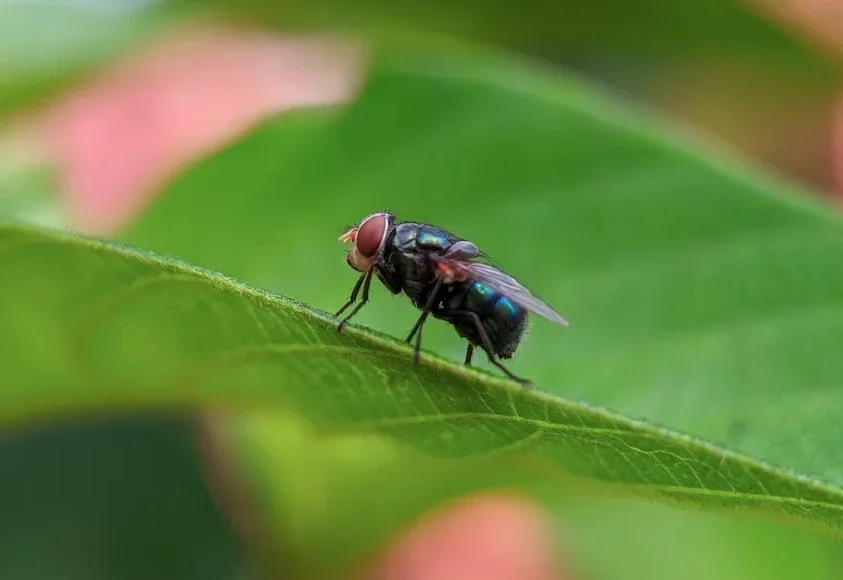
Replacing damaged screens is a relatively low-cost upgrade, yet it directly affects how insects like flies, mosquitoes, and gnats access a home. Even a small tear less than a quarter inch can be enough for many pests to squeeze through. Pairing screen replacement with matching trim or hardware finishes ensures the fix blends with the home's existing style rather than looking like a patch job.
Upgrading Door Seals and Thresholds
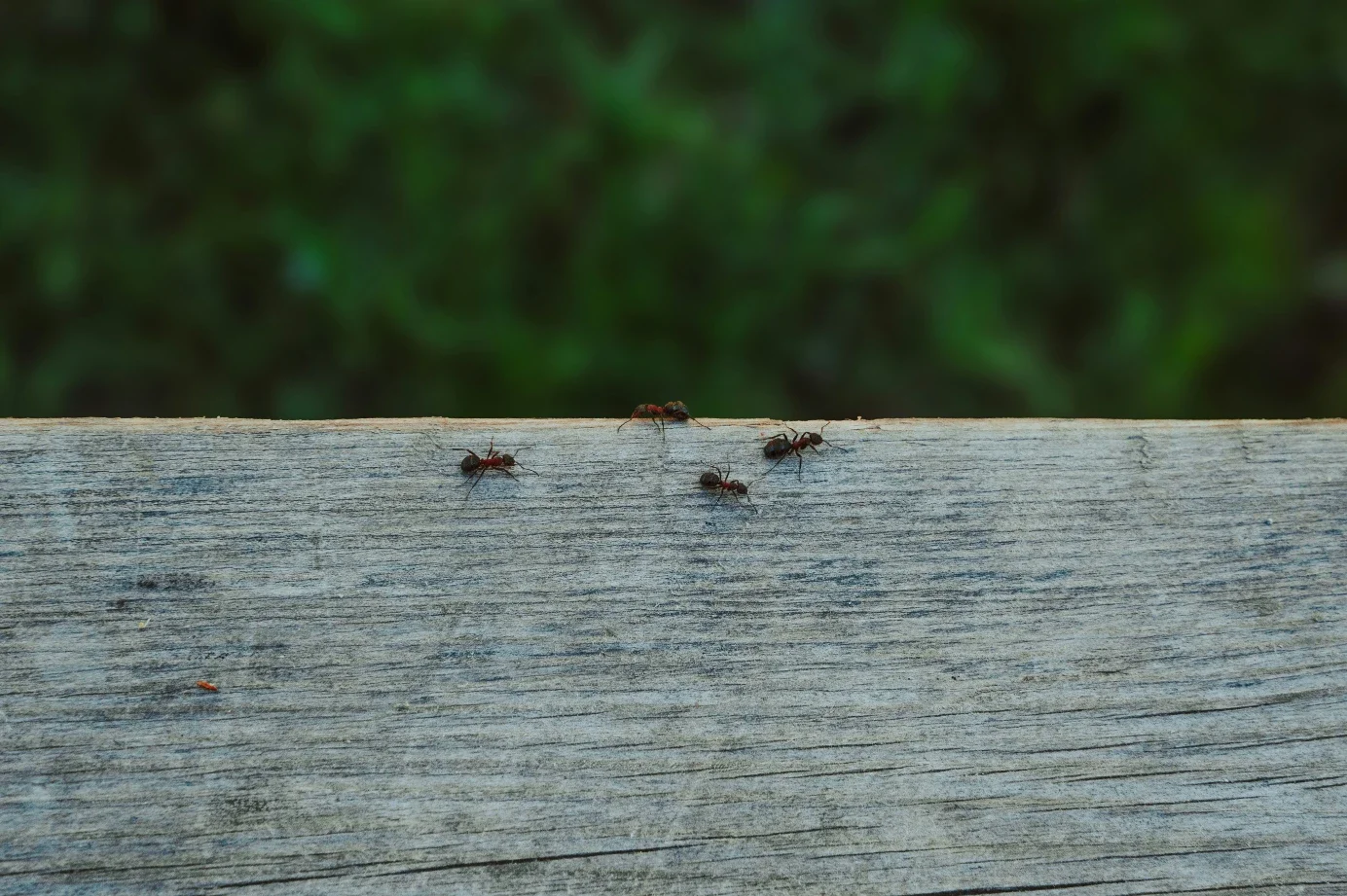
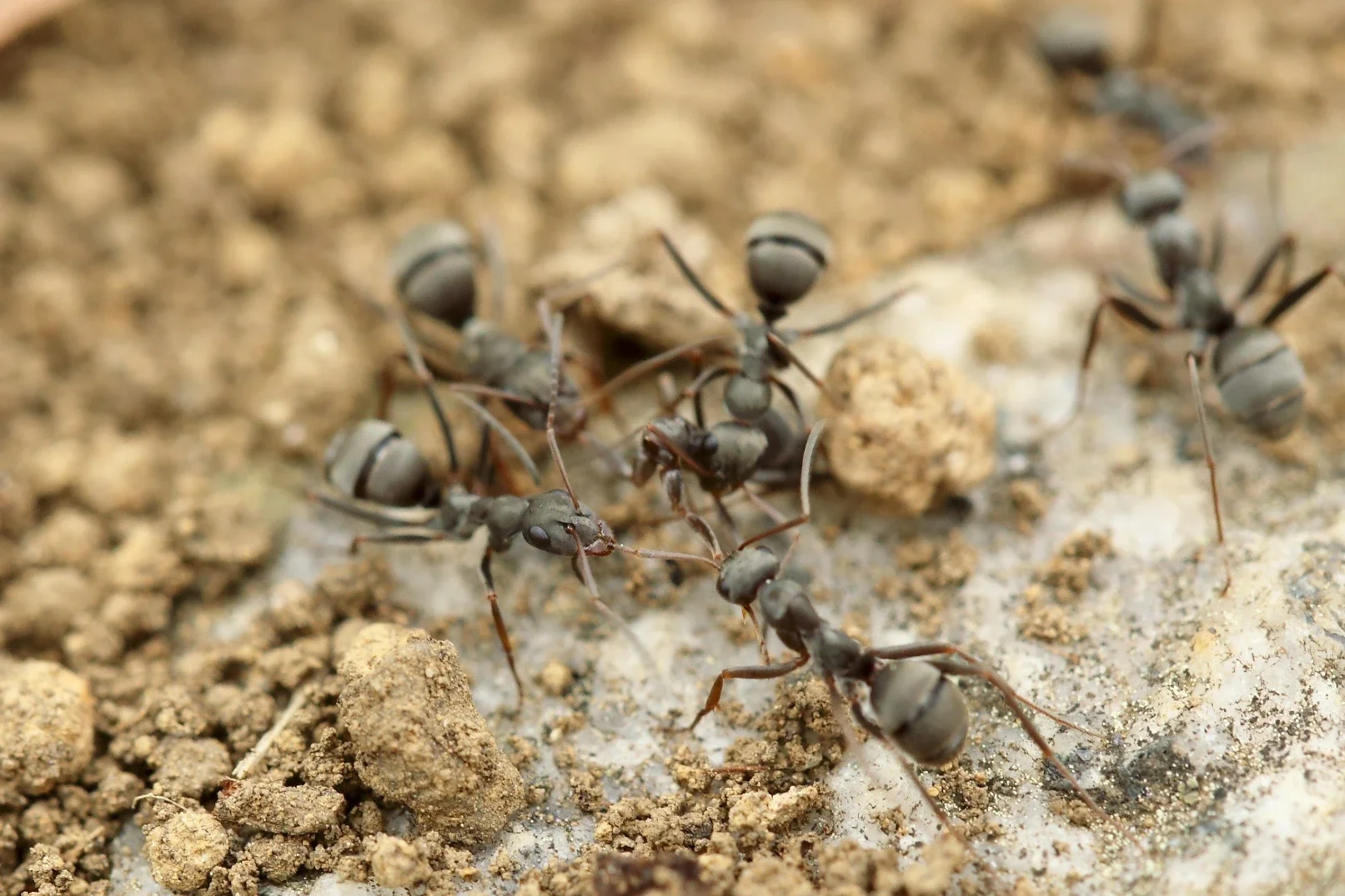
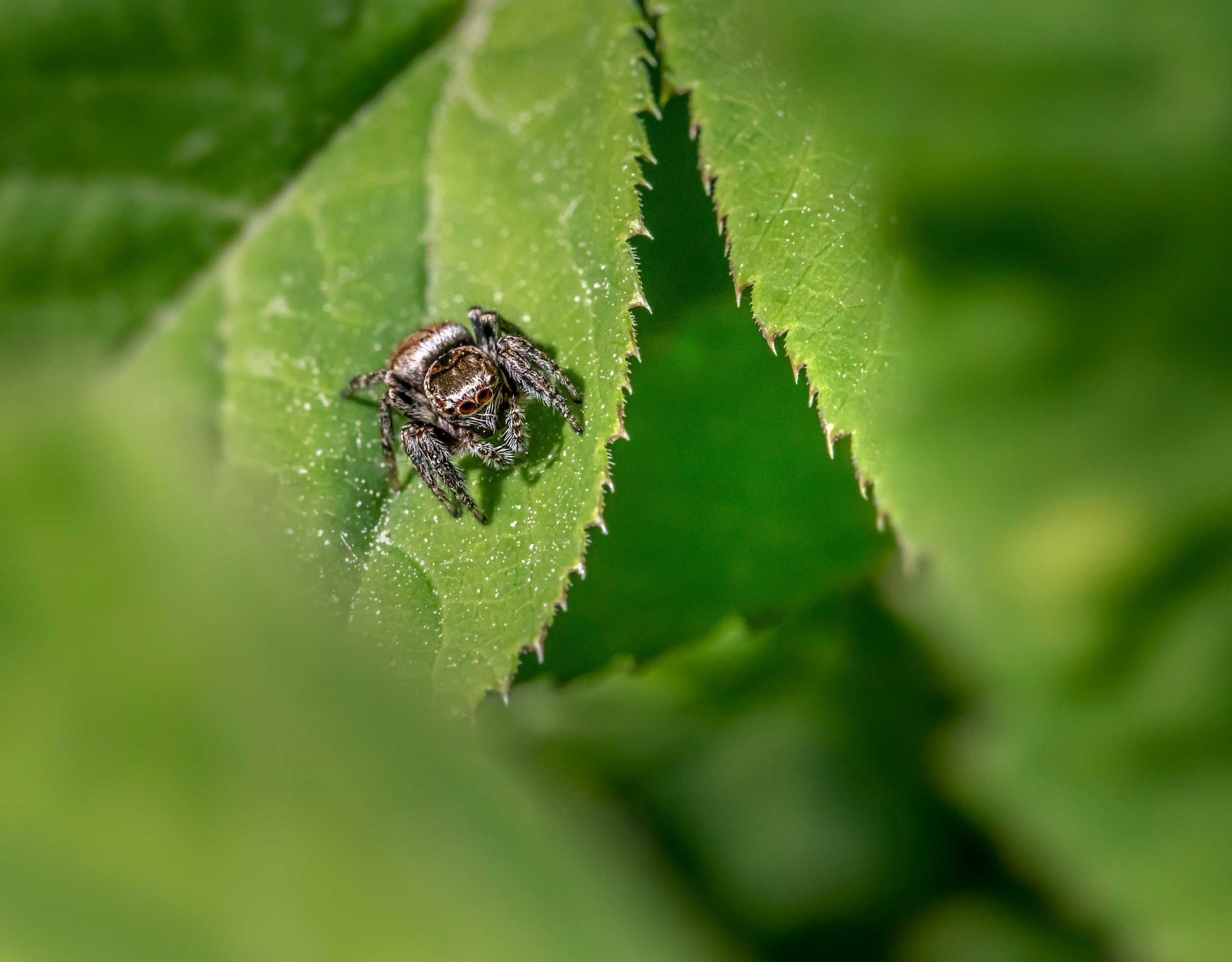
Door seals are another area where function and form intersect. Worn weatherstripping and gapped thresholds don't just let in cold air they create direct routes for ants, spiders, and even small rodents. According to pest management professionals, gaps as small as a quarter inch can allow mice to enter a structure, while ants can exploit openings far smaller than that.
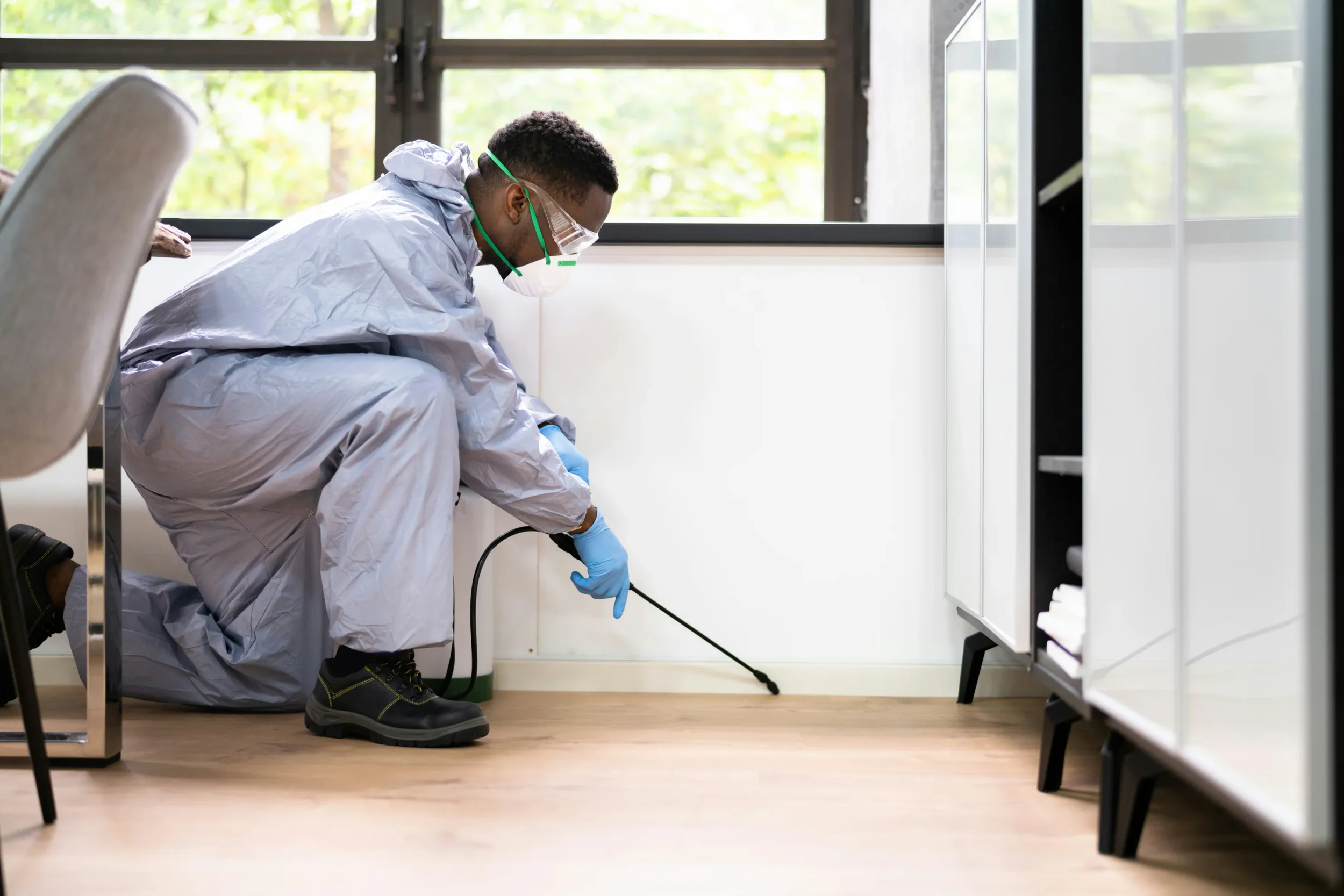
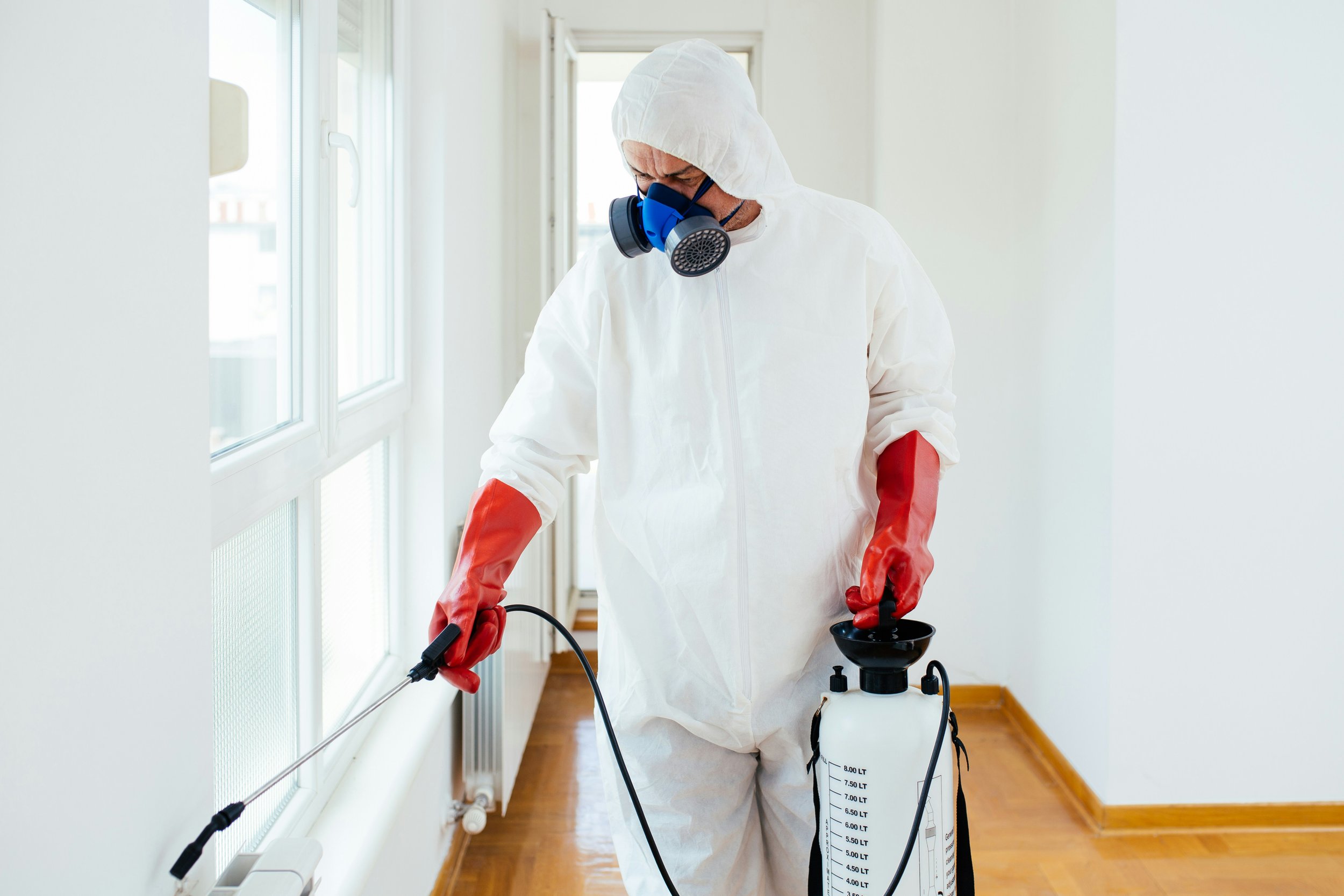
Newer sweep and seal designs come in brushed metal, matte black, and wood-tone finishes that complement modern door hardware trends. Replacing an outdated seal is a small project, but it addresses a vulnerability that many homeowners overlook. This is one area where consulting a pest management company can be useful, since trained technicians know which seal types hold up best against specific regional pests, from carpenter ants to field mice.
Restoring Exterior Siding and Trim
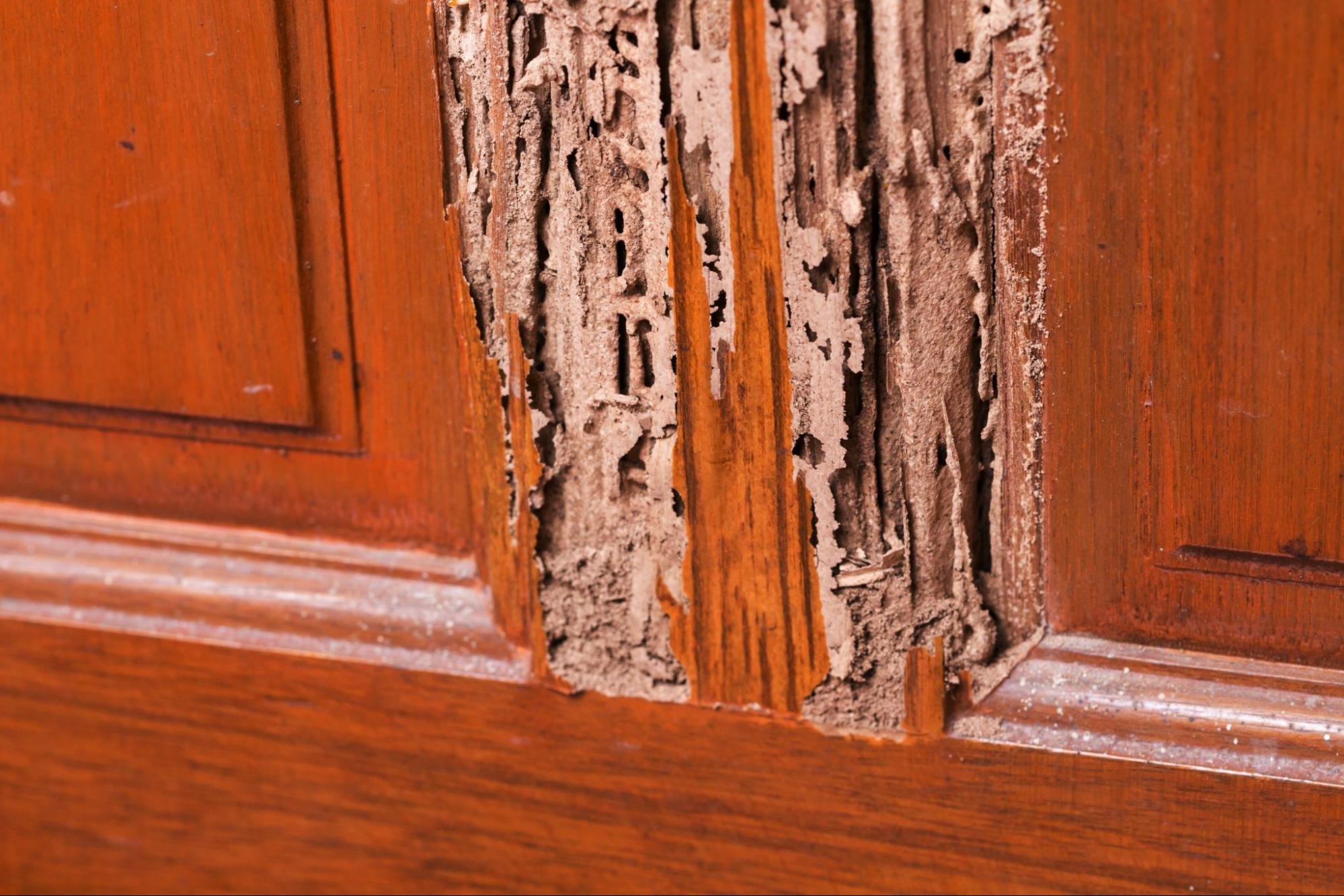
Damaged or aging siding creates two problems at once: it detracts from curb appeal, and it often hides moisture buildup that attracts pests. Cracked or warped siding panels can trap water, encouraging wood-destroying insects such as termites and carpenter ants to move in unnoticed. Rotting trim around windows and rooflines is particularly vulnerable, since softened wood is far easier for pests to tunnel through than sound material.
Replacing damaged sections with fiber cement, engineered wood, or vinyl siding not only refreshes a home's exterior but also removes the soft, moisture-retaining material pests are drawn to. Homeowners who want a cohesive look often choose siding profiles that match the home's architectural style, shiplap for farmhouse exteriors, board-and-batten for craftsman homes, while still gaining the pest-resistant benefits of newer materials. This is another point where a walkthrough from Reliant Pest Management can help identify specific trouble spots, such as areas where past moisture damage may already be attracting activity behind the walls.
Improving Storage to Reduce Pest Attraction
Cluttered garages, sheds, and pantries are common pest magnets, particularly for cockroaches and rodents seeking food and shelter. Improving storage isn't just about organization; it's a practical pest-prevention step. Sealed, elevated storage systems reduce the number of hiding spots available to pests and make it easier to spot early signs of activity, such as droppings or gnaw marks.
Homeowners looking to combine style with function might consider:
Modular shelving with sealed plastic or metal bins instead of open cardboard boxes
Elevated storage racks that keep items off the floor, reducing moisture contact and pest access
Airtight pantry containers for dry goods, which prevent pantry moths and beetles from spreading
Closed-cabinet garage systems that hide clutter while eliminating dark, undisturbed spaces pests prefer
These upgrades often double as design improvements, giving garages and pantries a cleaner, more intentional look while removing the conditions pests need to thrive.
Choosing Easy-to-Clean, Pest-Resistant Materials
Material selection plays a bigger role in pest prevention than many homeowners expect. Porous countertops, unsealed grout, and textured flooring can trap food particles and moisture, creating ideal conditions for cockroaches and ants. Switching to non-porous surfaces—quartz countertops, sealed tile, or smooth-finish cabinetry makes cleanup easier and removes the residue pests are attracted to.
This is especially relevant in kitchens and bathrooms, where humidity and food debris combine. Even small design choices, like selecting cabinetry with tighter seams or backsplashes without deep grout lines, reduce the number of places where crumbs and moisture can collect. Over time, these choices contribute to a home that's not only easier to maintain but naturally less hospitable to common household pests.
Addressing Moisture Issues Before They Escalate
Moisture is one of the most consistent factors linking home damage to pest activity. Leaky pipes, poor drainage, and inadequate ventilation create the damp environments that termites, cockroaches, and silverfish need to survive. Improving exterior grading, adding gutter extensions, and installing proper attic or crawlspace ventilation are upgrades that protect a home's structure while removing the moisture pests depend on.
These fixes may not be as visually dramatic as new siding or updated storage, but they often prevent the underlying damage that leads to bigger, more visible problems later. A home that manages moisture well tends to require fewer repairs overall, which indirectly protects both its appearance and its pest resistance.
Final Analysis
Home improvement and pest prevention aren't separate goals they're closely connected. Repairing screens, updating door seals, restoring siding, improving storage, and choosing easy-to-clean materials all contribute to a home that looks better and functions more efficiently against common pest pressures. Small gaps, hidden moisture, and worn finishes are rarely just cosmetic issues; they're often the first sign of a larger vulnerability. Homeowners who address these details early tend to spend less on both repairs and pest control down the line, proving that thoughtful design and practical protection can go hand in hand.
Stay up to date with our latest ideas!