Can Cleaning Be Eco-Friendly? Yes
Discover how cleaning can be eco-friendly with sustainable products, smart methods, and simple habits that protect your home and the environment.
The conversation around cleaning has pivoted towards not only how to keep our spaces spick and span but also how to do so responsibly. With increased environmental awareness, consumers and businesses alike are seeking ways to minimise their carbon footprints and ecological impacts. Eco-friendly cleaning combines the best of hygiene and environmental stewardship. To address the need for sustainable living, earth-friendly cleaning solutions are rapidly gaining popularity. Below, we'll explore how you can integrate these practices into your daily routine.
The Sustainability Shift: Understanding Eco-Friendly Cleaning
Once perceived as less effective or more costly, eco-friendly cleaning is now recognised for its numerous benefits. The sustainability shift in cleaning focuses on using products and methods that protect the environment and human health. This includes avoiding chemicals known to contribute to pollution, waste, and health issues.
Traditional cleaning products often contain volatile organic compounds and other harmful ingredients that can contaminate waterways and air quality. Conversely, eco-friendly cleaning uses biodegradable, plant-based ingredients that break down harmlessly in the environment. This shift is about making informed choices that preserve ecosystems and improve indoor air quality.
The market for professional eco-friendly cleaning products is expanding, widened by consumer demand for safer, more natural options. This demand has led to innovative solutions that don't sacrifice efficacy for ethics. Companies that meet eco-friendly criteria often spotlight their practices, clearly labelling their goods to guide conscientious consumers.
Despite this, misinformation can make the switch to eco-friendly cleaning seem daunting. Understanding labels, ingredients, and certifications is critical for those who wish to seriously commit to a greener cleaning regimen. The key is to prioritise products endorsed by reputable environmental organisations and those that are transparent about their contents and manufacturing processes.
DIY Eco-Friendly Cleaners: Recipes for a Safer Home
For those who prefer a hands-on approach, making your own cleaning solutions can be a rewarding and effective way to embrace eco-friendliness. DIY recipes often use simple, non-toxic ingredients such as white vinegar, which can act as a disinfectant and deodoriser, and baking soda, known for its abrasive properties and ability to tackle tough grime.
Lemon juice is another powerful, natural cleaning agent that cuts grease and leaves a fresh scent. Combined with olive oil, it can create a gentle furniture polish. For those wary of mixing their concoctions, the internet is replete with tried-and-tested recipes accessible to even the novice DIYer.
Essential oils are not just for aromatherapy; they have potent antimicrobial properties, making them the ideal addition to homemade cleaners. Tea tree, lavender, and eucalyptus oils are popular choices for their cleaning effectiveness and pleasant aroma. By using essential oils, one can also customise the scent of their cleaning solutions to their preference.
Admittedly, homemade cleaners aren't always a one-size-fits-all solution; they may not be as potent against certain pathogens or for deep stains. However, for everyday cleaning tasks, Do-it-yourself (DIY) solutions can significantly reduce the environmental impact and offer a safe alternative for homes with children, pets, or individuals with sensitivities.
Adopting an Eco-Friendly Cleaning Routine: Tips and Tricks
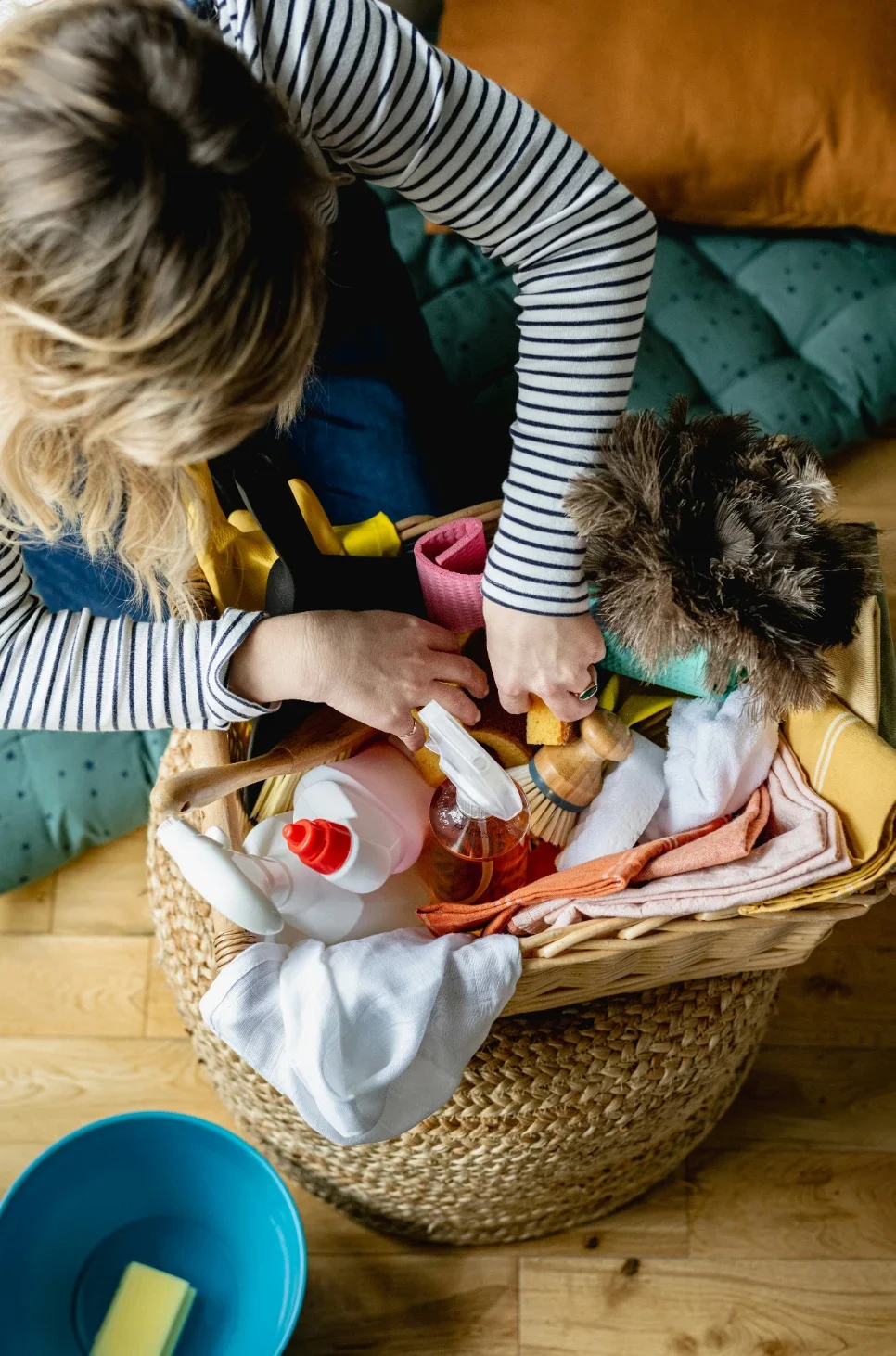
Transitioning to an eco-friendly cleaning routine doesn't have to be overwhelming. Start by replacing one product at a time with a green alternative. As you phase out chemicals from your cleaning arsenal, you'll gradually notice fewer harsh fumes and a generally healthier home environment.
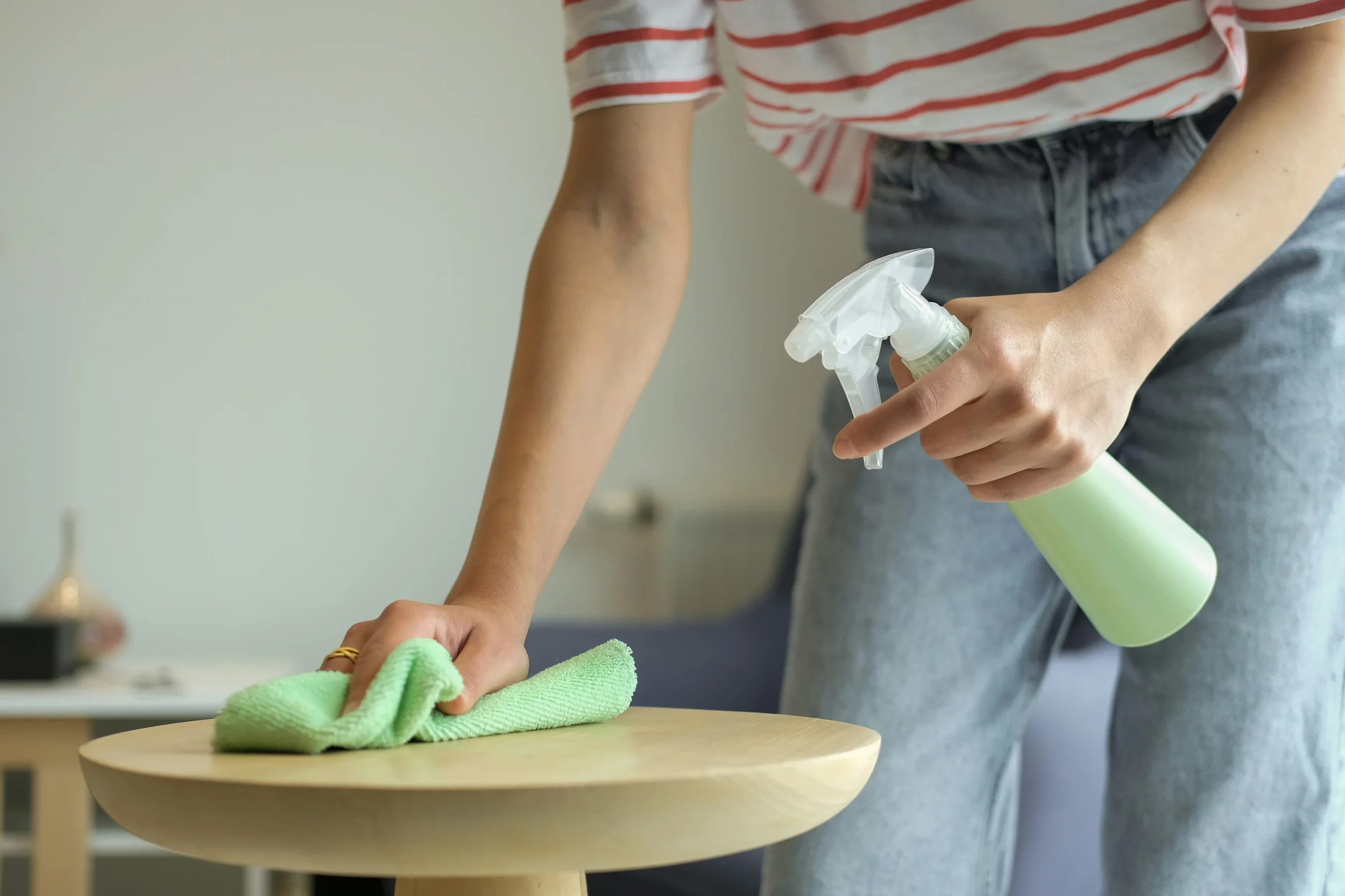
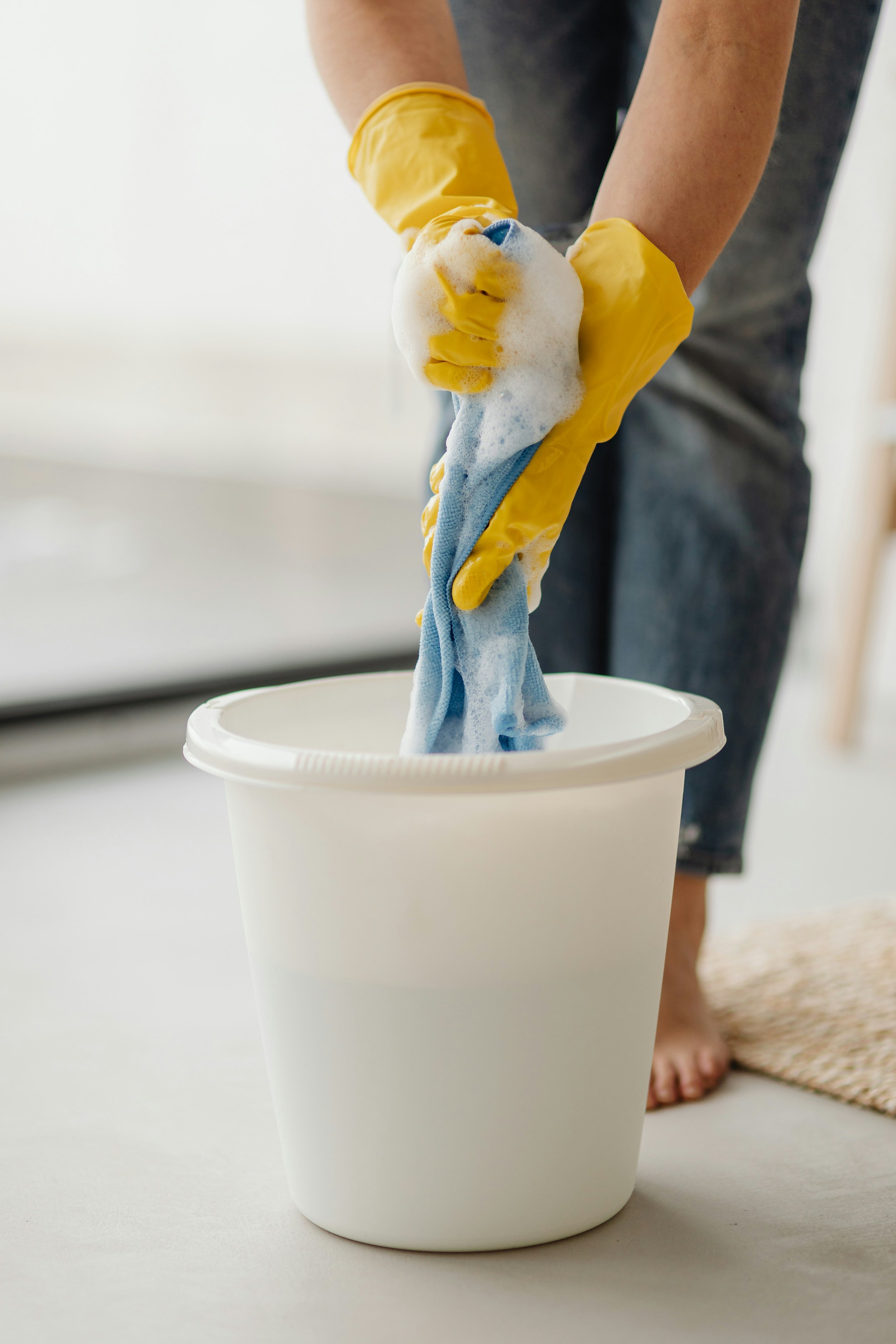
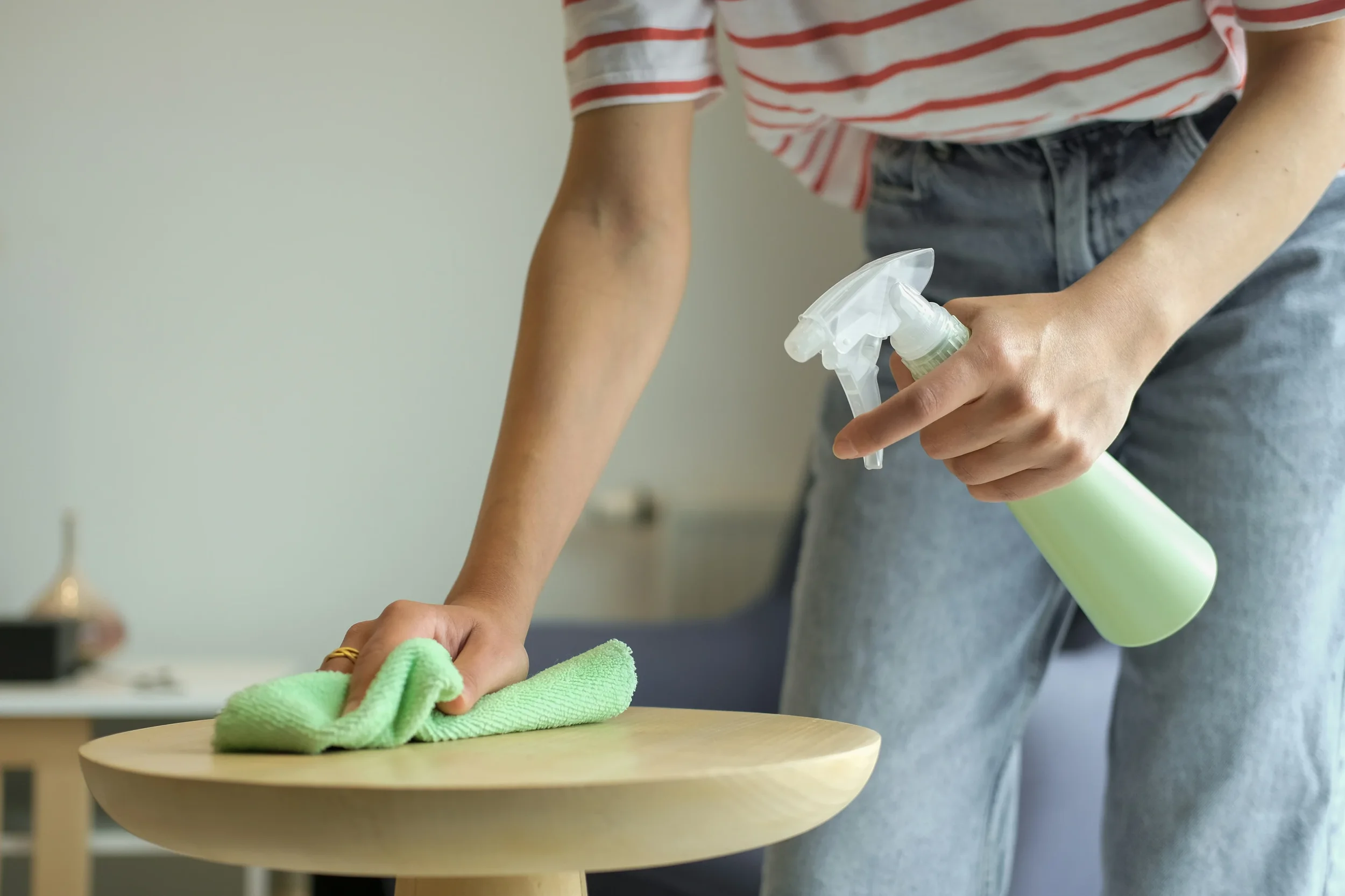
Incorporating microfiber cloths can also make a significant difference. These reusable cloths eliminate the need for disposable paper towels and can be washed and reused many times, lowering waste. Similarly, sponges made from a combination of sponge and scrub, made from plant cellulose, can be a compostable option that degrades naturally.
Mindfulness around water use is another important component of eco-friendly cleaning. Simple adjustments, such as turning off the tap while washing dishes or using collected rainwater for mopping, can help conserve water while maintaining cleanliness.
Finally, sharing your commitment to eco-friendly cleaning can have a ripple effect, encouraging others to make environmentally conscious choices. Whether through social media or word of mouth, highlighting the importance of sustainable cleaning can inspire a community-wide shift toward greener practices.
Embracing eco-friendly cleaning methods benefits not only the planet but also our health and homes. With a wealth of green products, DIY recipes, and eco-conscious habits available, creating a safe and responsible cleaning routine is more accessible than ever. Making these mindful choices ensures a cleaner home and a brighter future for our environment.
Stay up to date with our latest ideas!