The Calgary Siding Guide: Choosing an Exterior That Looks Good and Survives Hail, Chinooks and -30°C
Learn how to choose Calgary siding that looks great and withstands hail, Chinook winds, freezing temperatures, moisture, and harsh winter conditions.
Ask anyone who has lived through a Calgary summer what happens to a house in a hailstorm and they will point at the siding first. Cracked panels, holes punched through vinyl, paint chipped off trim: it is the most visible damage a storm leaves behind, and it is why siding replacement is one of the most common exterior renovations in the city. It is also, done well, one of the most transformative. According to Hamilton Exterior Renovations, a Calgary siding contractor that has re-clad homes across the city and its surrounding communities, the homeowners who are happiest with their new exterior are the ones who chose the material for the climate first and the colour second. This guide walks through both, in that order.
Why Calgary is hard on siding
Calgary’s weather is not just cold. It is cold, then warm, then cold again, with hail in between.
The city sits in Hailstorm Alley, the corridor running from High River to Red Deer that sees more damaging hail than anywhere else in Canada. The June 2020 storm and the August 2024 storm each caused more than a billion dollars in insured damage, and much of that was siding and roofing on ordinary family homes. Then there are the Chinooks: warm westerly winds that can raise the temperature by 20°C in an afternoon, then let it crash back overnight. Siding expands and contracts with each swing. Add intense high-altitude sunshine that fades colour, and winter nights at -30°C that make cheap plastic brittle, and it becomes clear why a product that lasts 30 years in Ontario might need replacing after 12 here.
The practical takeaway: the cheapest siding in the store is almost never the cheapest siding over the life of the house.
The three materials Calgary homeowners actually choose
There are dozens of cladding products on the market, but siding replacements in Calgary overwhelmingly land on one of three.
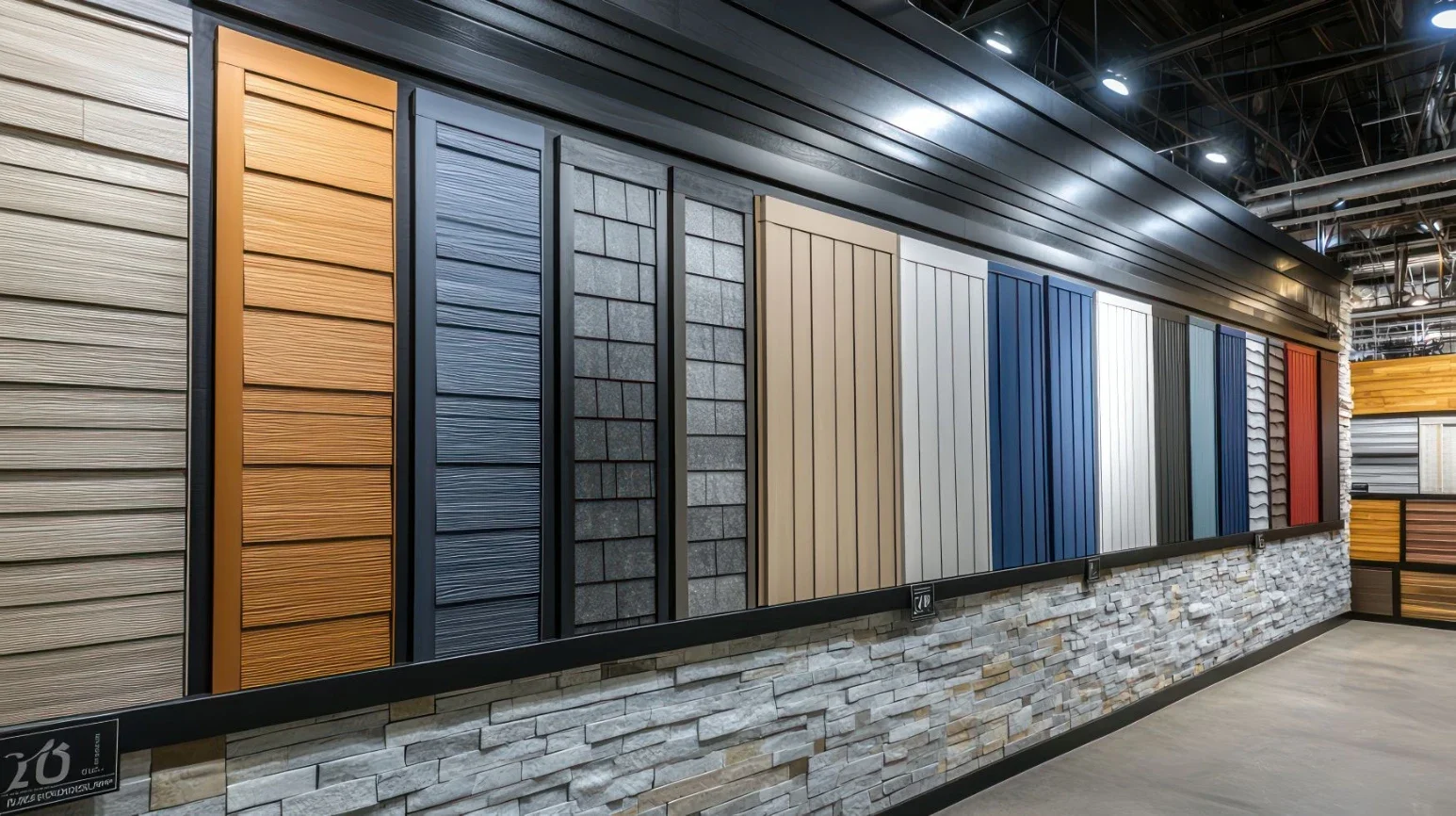
Premium vinyl siding. Not the thin builder-grade panels found on many 1990s and 2000s homes, but heavier-gauge vinyl (0.044 inches and up) with a fade-resistant outer layer. It is the most affordable option, installs quickly, needs almost no maintenance and now comes in profiles that mimic wood lap, Dutch lap, board-and-batten and cedar shakes. Its limitations are the ones you would expect from a plastic: it can crack under large hail, it moves with temperature, and dark colours fade faster than light ones. Installed cost in Calgary in 2026 runs roughly $5 to $9 per square foot of wall.
Insulated vinyl siding. The same premium vinyl with a rigid foam backing laminated to each panel. The foam does three things: it adds a modest amount of insulation (around R-2 to R-3), it quiets the house, and, most relevant here, it stiffens the panel so it shrugs off hail that would crack standard vinyl. It also lies flatter against the wall, which improves the look of long horizontal runs. Expect about $7 to $11.50 per square foot installed. It is the sensible upgrade for older homes with thin wall insulation and for elevations that face the Chinook wind.
James Hardie fibre cement siding. A cement-and-cellulose board that does not crack in hail, does not burn, does not move with temperature and holds colour for years. James Hardie sells a formulation designed specifically for freeze-thaw climates (the HZ5 line), backed by a 30-year substrate warranty and a 15-year finish warranty on factory-applied ColorPlus colours. It costs more, typically $10 to $16 per square foot installed in Calgary, and takes longer to install because it is heavy and has to be cut and fastened precisely. For homeowners planning to stay a decade or more, it is often the better long-term value, because it is the one product on this list that is unlikely to need replacing after the next big storm.
The stucco question
If your home was built in the 1970s or 1980s, it is probably stucco, and you may be wondering whether to patch it or replace it. Stucco handles sun well, but traditional stucco over building paper traps moisture, and Calgary’s melt-and-freeze cycle cracks it from behind. Stucco-to-siding conversions are one of the most common projects local contractors take on, and they are also one of the most dramatic visual upgrades a house can get. Be aware that removing stucco adds several crew days and a heavier disposal bill, so budget an extra few thousand dollars on top of the siding itself.
Colours and profiles that suit Calgary homes
Once the material is settled, the fun part begins. A few observations from what is actually going on to Calgary houses right now.
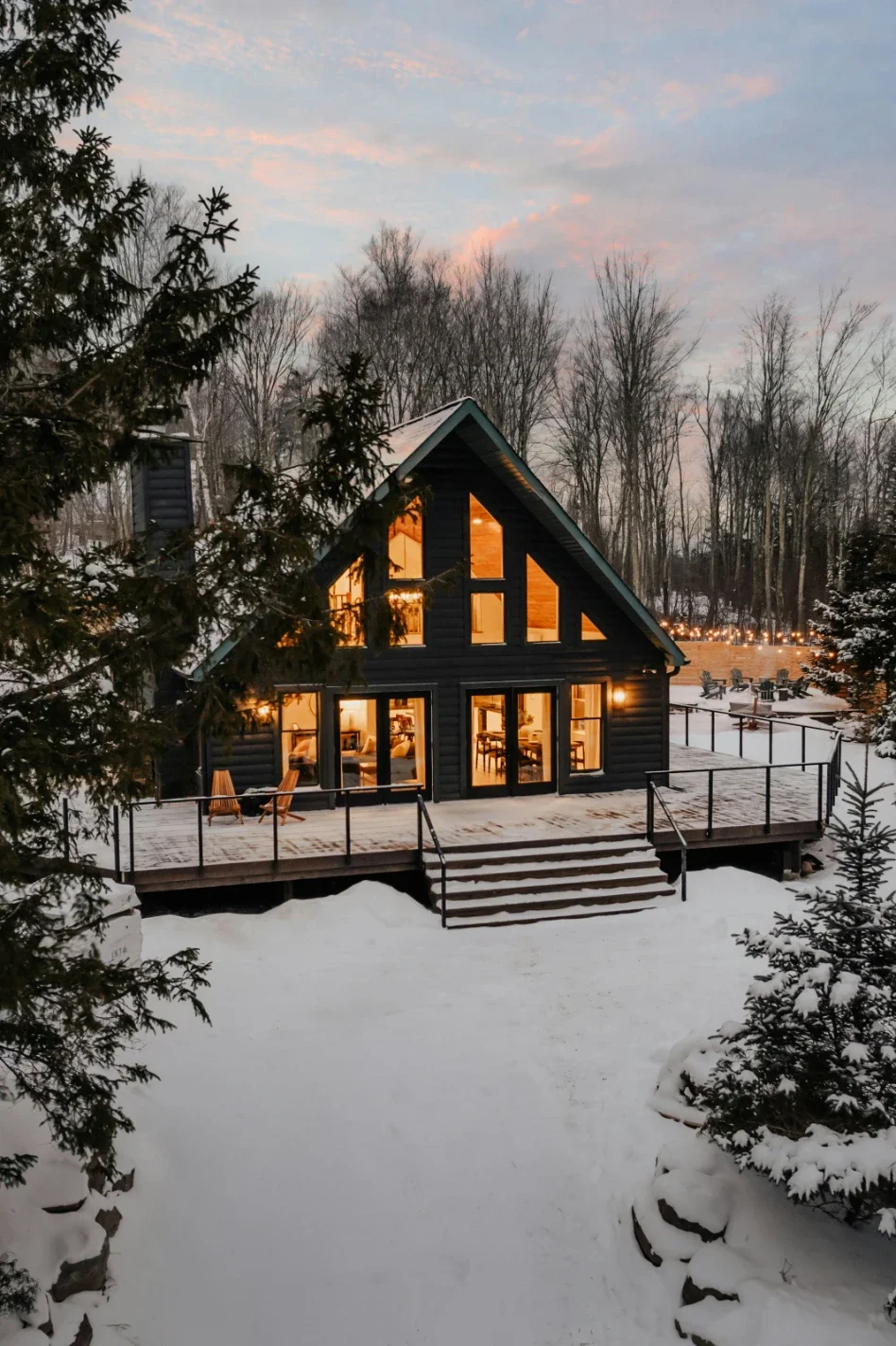
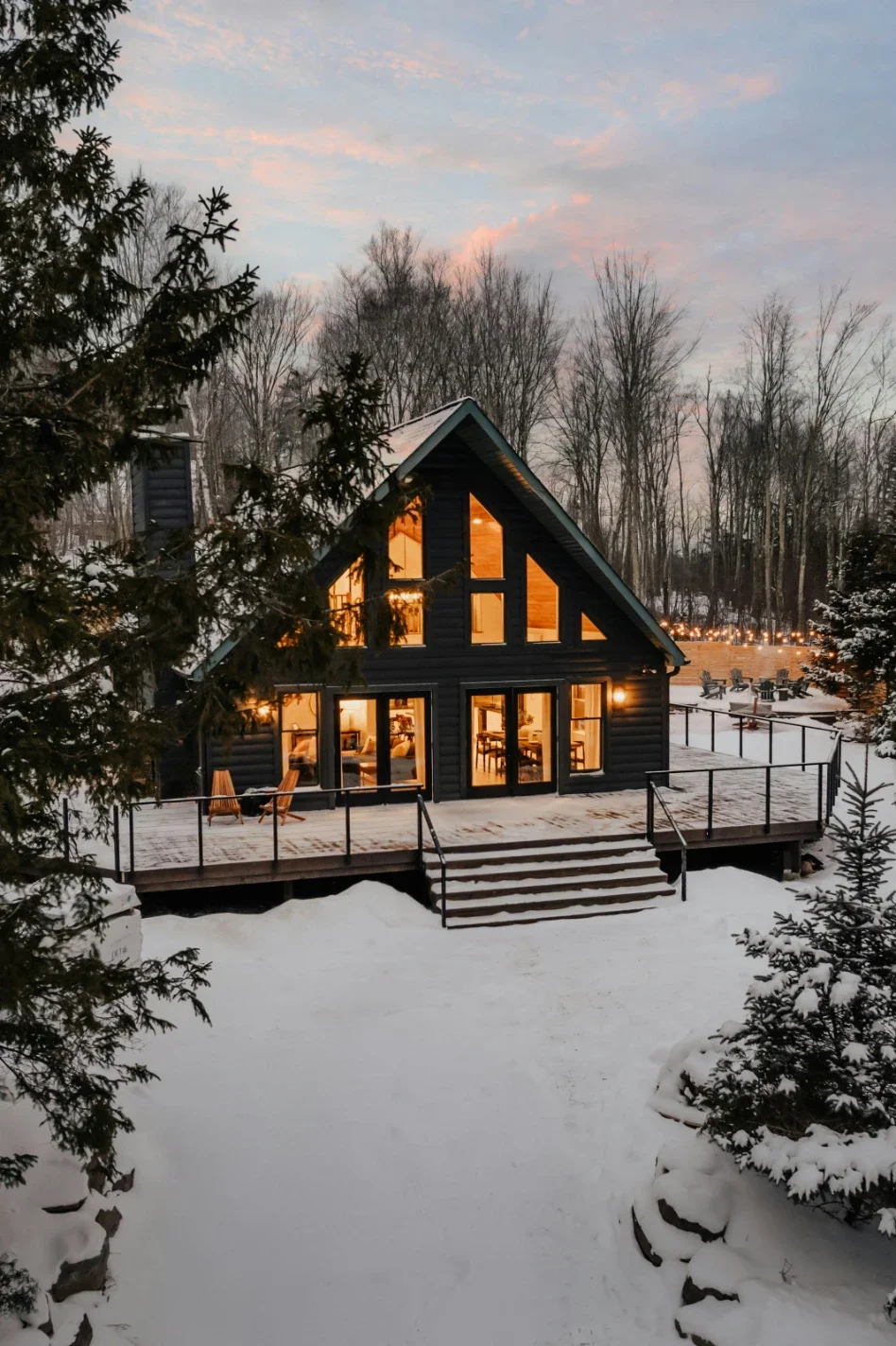
Dark, moody exteriors are still strong, but choose the material to match. Charcoal, deep green and near-black look striking against snow, and on fibre cement they stay that way. On vinyl, the darkest colours absorb more heat and fade faster on south and west walls, so if you want a dark house in vinyl, look for a panel with a heat-reflective capstock and keep the darkest tone for trim or accents.
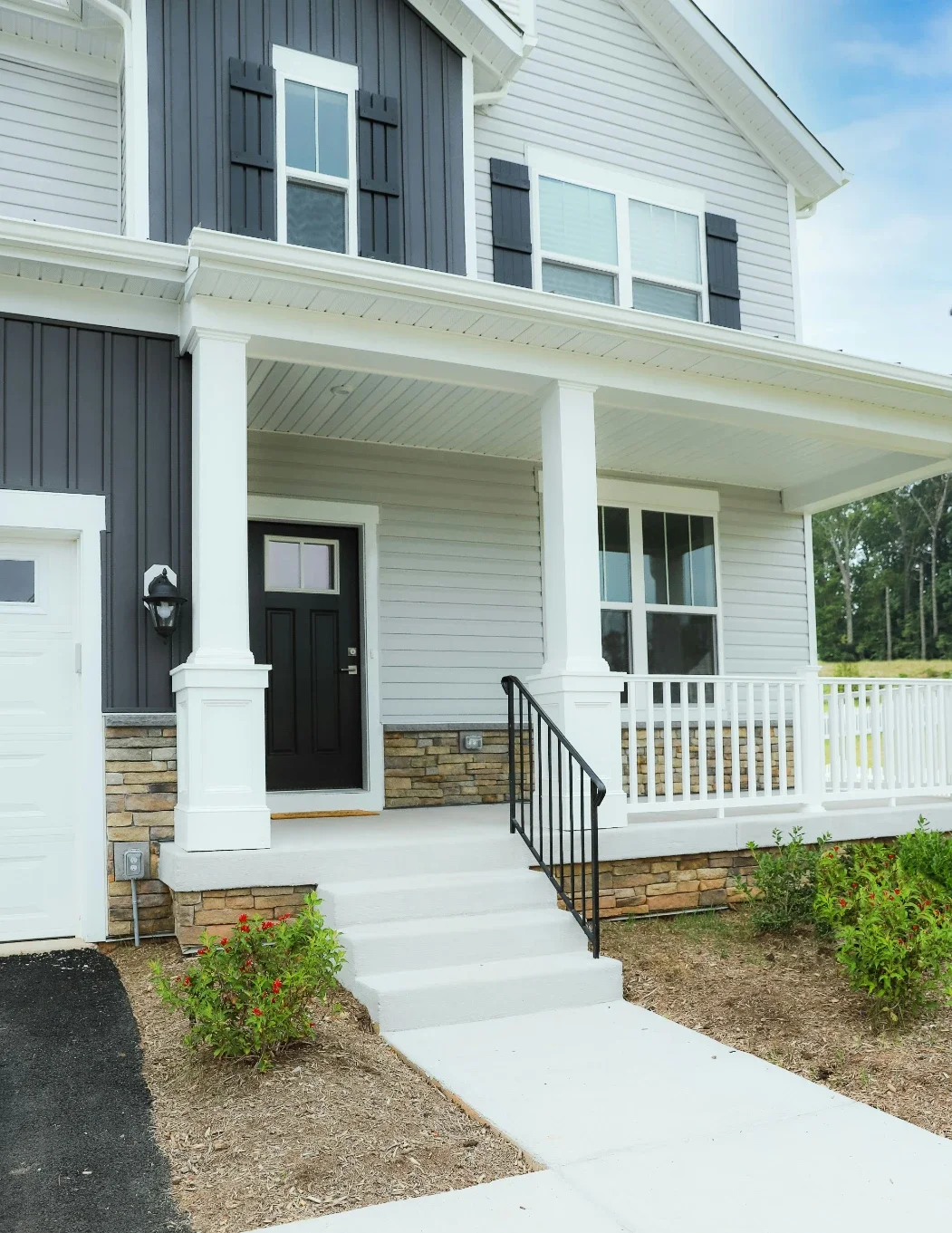
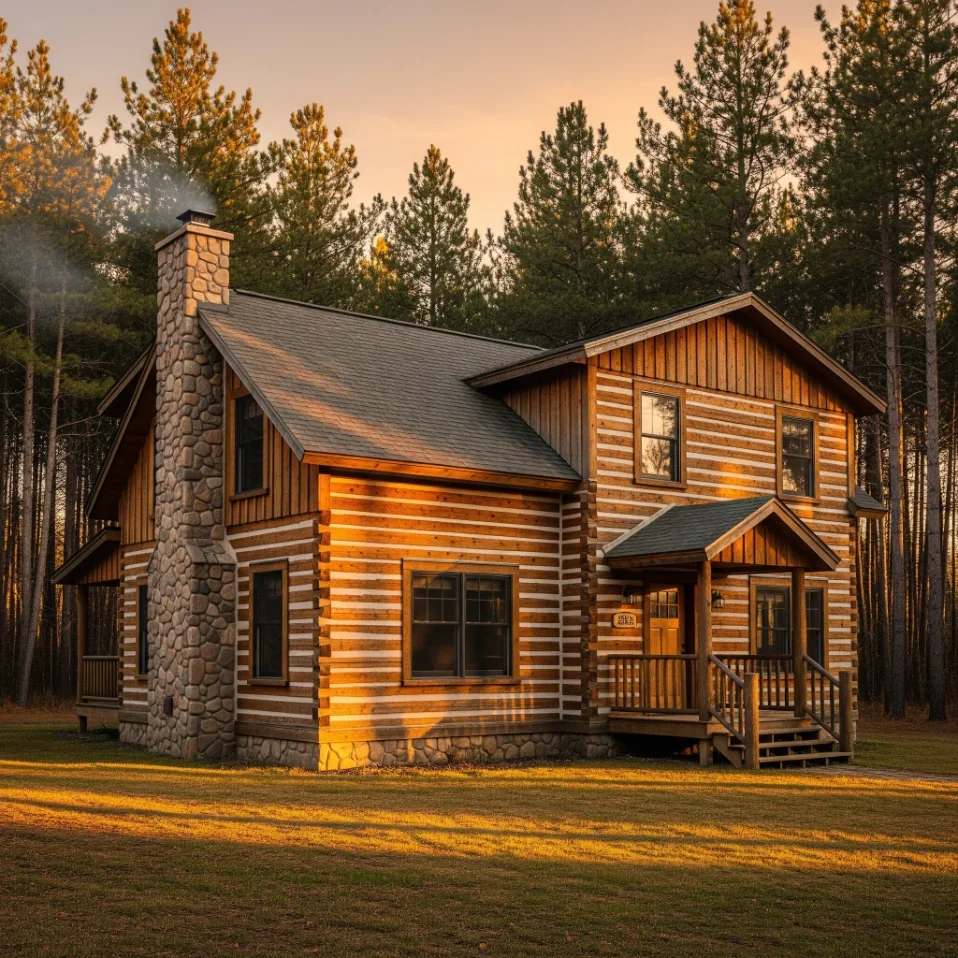
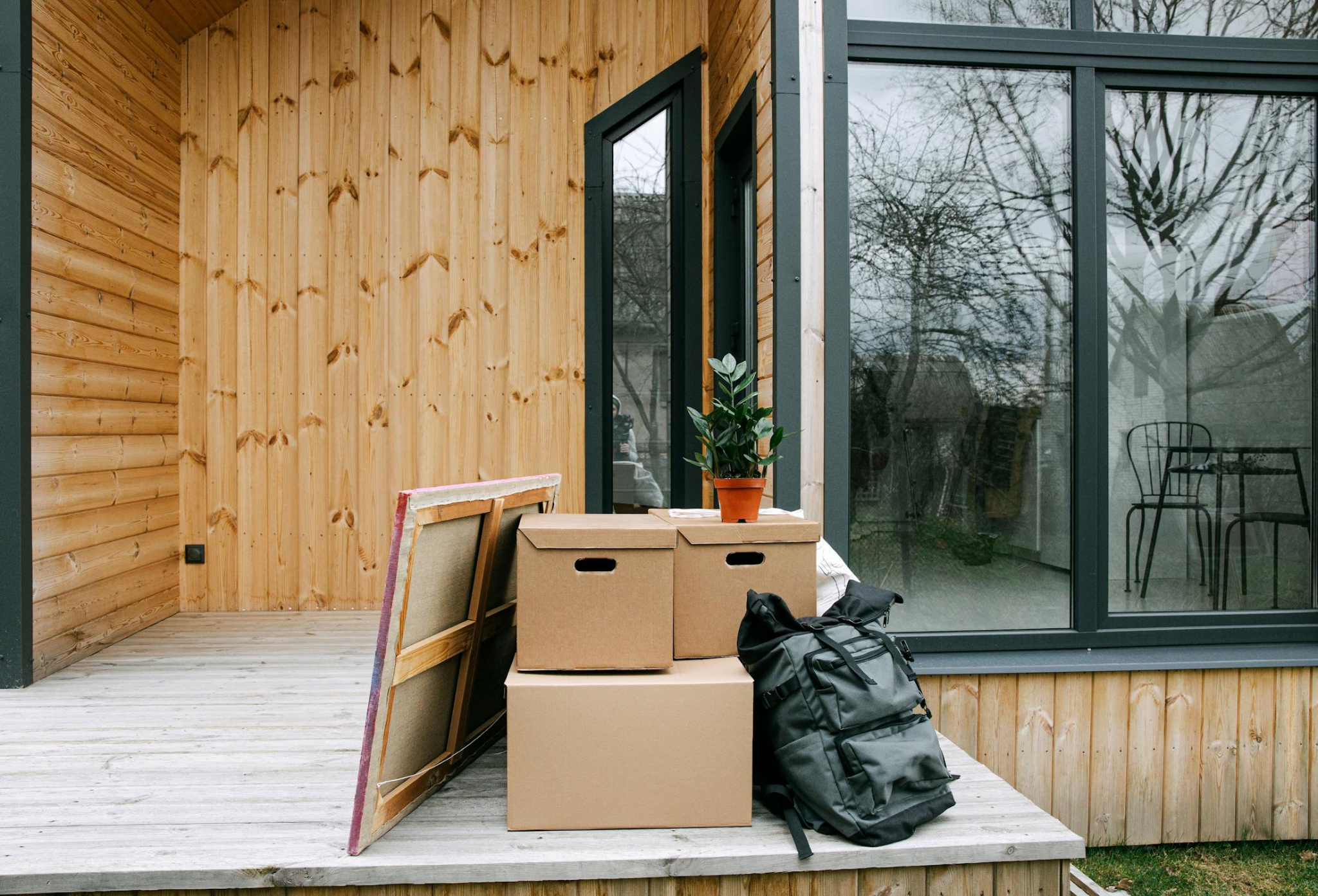
Board-and-batten has moved from farmhouse to mainstream. Vertical panels with battens are being used on gables, on entry bump-outs and increasingly on whole elevations. In Calgary’s low winter sun, vertical siding casts long shadow lines that give a flat façade depth.
Mixed-material façades are the safest way to add interest. Horizontal lap on the main body, board-and-batten or shakes on gables, and a stone or brick base at grade is a combination that works on almost every housing style in the city, from 1960s bungalows to new infills.
Warm neutrals are replacing cool greys. Sand, mushroom and warm white are climbing while blue-grey is sliding. Warm tones also hide the dust that Chinook winds carry across the city better than cool ones do.
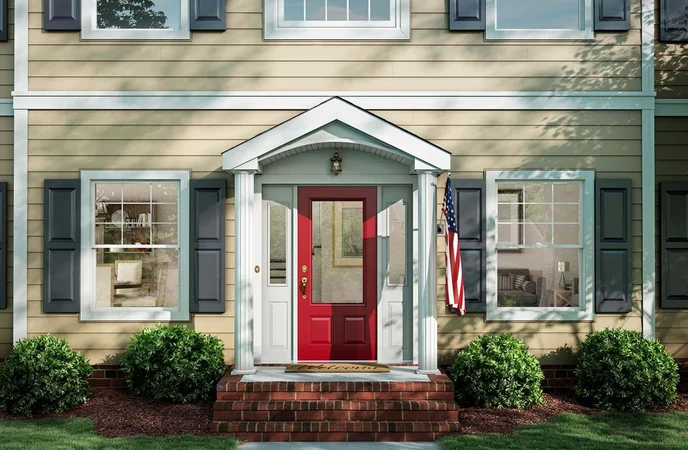
Contrast the trim. Black or dark bronze window trim against a light body, or crisp white trim against a dark body, is the single cheapest way to make a re-side look custom. Wide trim boards around windows and doors, which fibre cement makes easy, read as higher-end than narrow J-channel.
What separates a good installation from a bad one
Any siding product can fail early if it is installed badly, and in Calgary the failures show up fast. Whichever contractor you hire, the scope should include these items. If a quote leaves them out, the low price is not real.
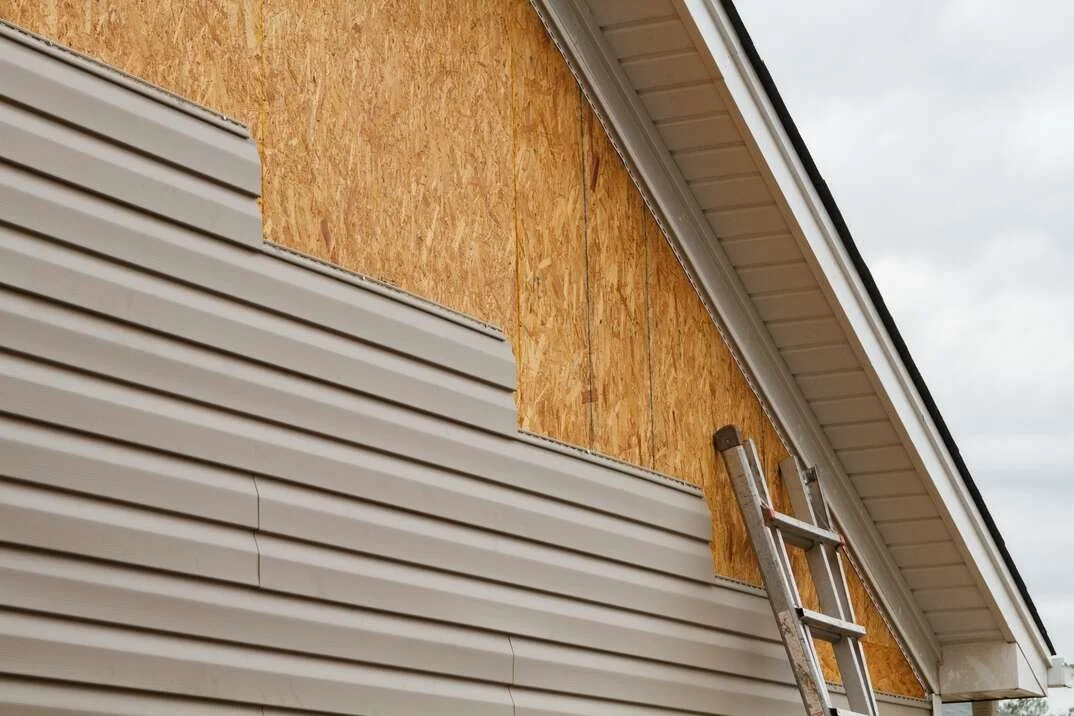
Full removal of the old siding. Installing new siding over old is faster and cheaper, and it hides rot, trapped moisture and failing sheathing. A reputable installer strips to the sheathing and inspects it.
New house wrap and flashing on every job. The water-resistive barrier, the membrane around every window and door, and the metal flashing above openings are what keep water out of the wall. They are cheap relative to the project and almost always worn out on a home old enough to need new siding.
Correct fastening for movement. Vinyl must be hung loosely enough to expand; fibre cement must be fastened at manufacturer spacing with proper clearances at the ground and roof. Both are skill issues, not product issues.
A written workmanship warranty. Manufacturer warranties cover the product, not the installation. Look for a contractor who puts a multi-year workmanship warranty in writing; ten years is a reasonable benchmark in this market.
Itemised pricing. A quote that separates materials, labour, removal, disposal and repairs lets you compare contractors line by line, and it tells you what happens if the crew finds rotten sheathing behind the old siding.
Budgeting realistically
For a typical two-storey Calgary home, a full siding replacement in 2026 lands around $12,000 to $22,000 in premium vinyl and $22,000 to $38,000 in James Hardie, including removal, disposal and standard trim. Bungalows come in lower because they have less wall area. Stucco removal, sheathing repair and new soffit and fascia push the number up.
Two things affect the number more than most people expect. Contractors price by wall area, not floor area, so a 2,000 square foot two-storey with tall walls and many corners can carry 40 percent more siding than a 2,000 square foot bungalow. And hail damage on one or two elevations can sometimes be handled as a partial replacement, which is often insurance-funded; a good installer will document the damage and match the existing product where possible.
Timing the project
Siding can be installed year-round in Calgary, but vinyl in particular is best hung in moderate temperatures because it is cut and fastened to a target expansion gap. Spring and fall are the busiest seasons; late summer, immediately after hail season, is when contractor calendars fill fastest with insurance work. If you are planning a non-urgent replacement, booking for early spring or late fall typically gets you a faster start and a less rushed crew.
The bottom line
A new exterior is one of the few renovations that changes how a house feels from the street and from the sidewalk every single day. In Calgary it is also a decision about resilience: the material you choose will be tested by hail, wind, sun and cold within its first year. Pick the product for the climate, insist on a complete installation with new wrap and flashing, and then spend your energy on the colours, profiles and trim that will make the house yours. Done in that order, a siding project in this city is a renovation you make once and enjoy for decades.
Stay up to date with our latest ideas!