How to Tackle a DIY Plumbing Job with Confidence
Learn how to tackle a DIY plumbing job with confidence using the right tools, planning steps, and safety tips for successful home repairs.
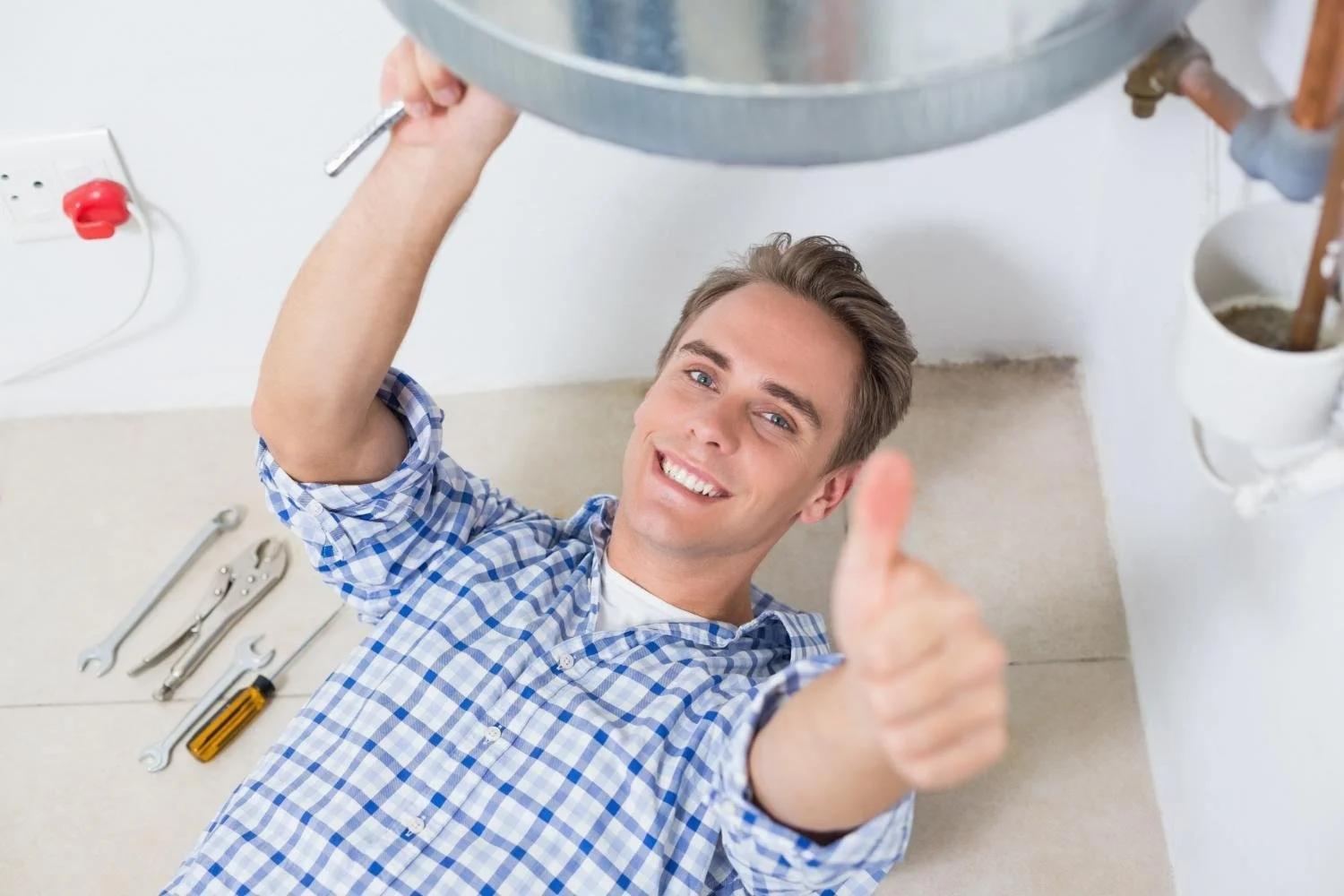
There is real satisfaction in fixing something yourself, and plumbing is no exception. While some jobs are best left to the professionals, plenty of common plumbing tasks are well within reach of a confident homeowner. With the right tools, a little knowledge and a calm, methodical approach, you can save money and gain a genuine sense of accomplishment. This guide walks you through how to take on a DIY plumbing job sensibly, from preparation to knowing when to call in an expert.
When DIY Plumbing Makes Sense
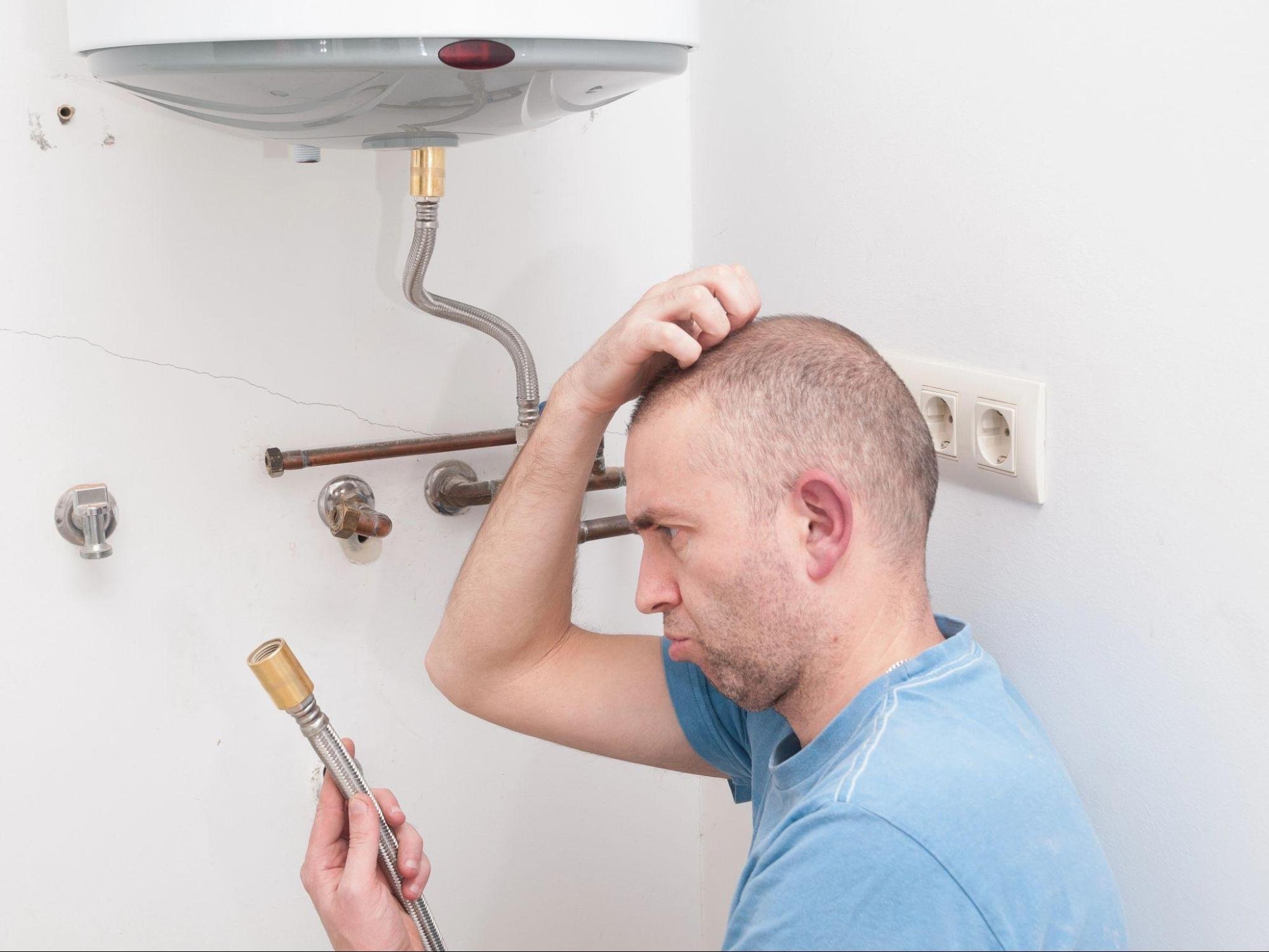
Not every plumbing problem requires a professional, and many minor issues are perfect candidates for DIY. Replacing a worn tap washer, fixing a slow drain, swapping out a shower head or sealing a small leak are all manageable jobs for someone willing to learn. Tackling these yourself can save both time and money.
The trick is being honest about your own skill level and the scale of the task. Simple, contained jobs are ideal for building confidence, while anything involving major pipework, gas or your main water system calls for more caution. Starting small lets you develop your abilities safely before taking on bigger challenges.
Gather the Right Tools and Parts
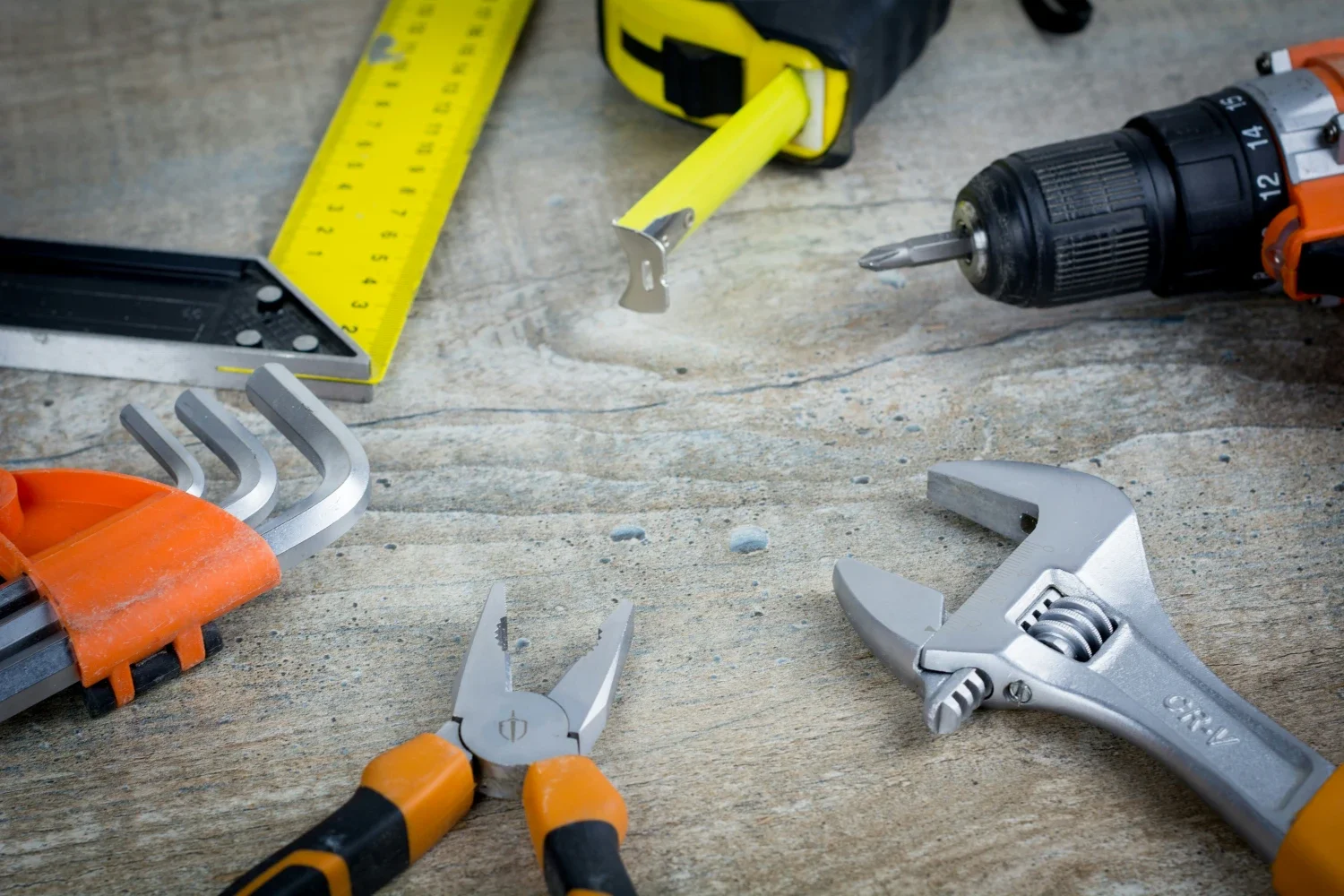
Good preparation is the foundation of any successful DIY job. Before you start, make sure you have the right tools and replacement parts to hand. A basic plumbing kit might include an adjustable spanner, pliers, a pipe wrench, plumber's tape and a plunger, along with the specific parts you need for the task.
Sourcing quality parts matters, and having everything ready before you begin saves a great deal of frustration. Suppliers such as 24hr Supply can help you find the components and materials you need, so you are not left halfway through a job with a missing part. A well-stocked toolbox makes the whole process far smoother.
Start by Turning Off the Water
The golden rule of any plumbing job is to turn off the water supply before you begin. This simple step prevents floods, mess and a great deal of stress. Locate the relevant shut-off valve, whether it is the local isolation valve for a specific fixture or the main stopcock for the whole house.
Once the water is off, open the tap or fixture you are working on to release any remaining water and relieve pressure in the system. It is also wise to have towels and a bucket ready to catch any drips. Taking these precautions sets you up for a clean, controlled and far less stressful repair.
Tackling a Simple Repair
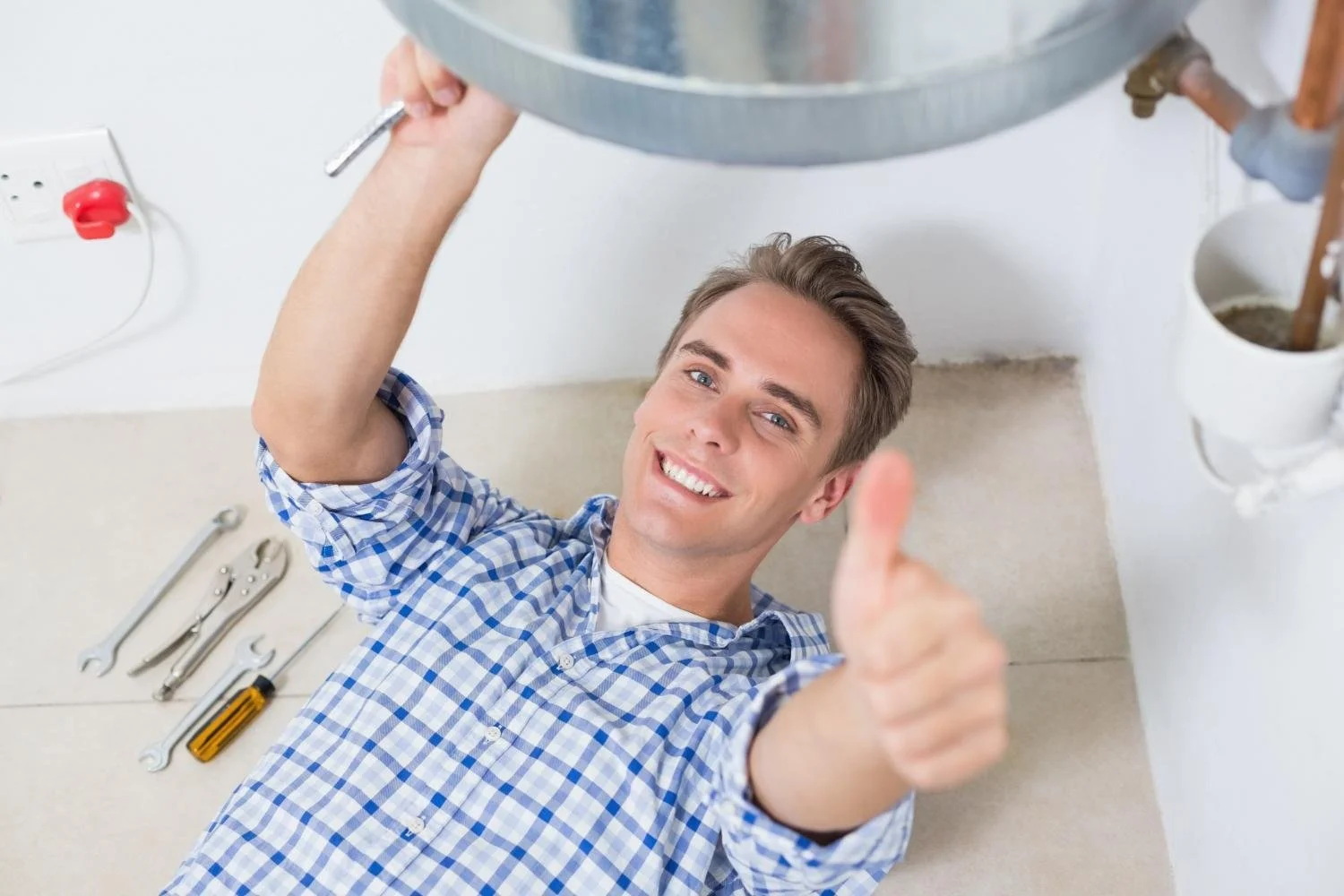
With the water off and your tools ready, you can begin the repair itself. Work methodically and take your time, following reliable instructions for the specific job. For something like a dripping tap, this usually means dismantling the tap, replacing the worn washer or cartridge, and reassembling everything carefully.
Keep track of any small parts as you go, perhaps laying them out in order so you remember how they fit back together. Taking a quick photo before you dismantle anything can be a real help. Patience is your friend here; rushing leads to mistakes, whereas a careful, steady approach usually gets good results.
Knowing Your Limits
Confidence is wonderful, but knowing your limits is just as important. Some jobs genuinely require professional expertise, and there is no shame in recognising when a task is beyond your comfort zone. Attempting something too ambitious can turn a small problem into an expensive one.
Professional bodies such as the Chartered Institute of Plumbing and Heating Engineering represent qualified plumbers and uphold high standards in the trade. For complex or risky work, calling on a registered professional is the sensible choice. Understanding the boundary between a manageable DIY task and a job for the experts is a key part of being a savvy homeowner.
Common Mistakes to Avoid
A few common pitfalls catch out many DIY plumbers, but they are easy to sidestep with a little awareness. Overtightening fittings is a frequent error that can crack components or damage threads, so aim for snug rather than forced. Forgetting to turn off the water, of course, is the classic mistake to avoid at all costs.
Another common slip is using the wrong parts or sealants for the job. Always double-check that components match your fittings and that you are using the correct materials. Taking a moment to confirm these details before you start prevents leaks and saves you from having to redo the work later.
When to Call a Professional
Even the most enthusiastic DIYer needs to know when to step back. If you encounter a major leak, problems with your main water supply, anything involving gas, or a job that simply feels beyond you, it is time to call a professional. Their expertise can save you from costly damage and give you peace of mind.
There is real wisdom in recognising these moments. Calling an expert is not a failure; it is a smart decision that protects your home. The most successful DIY enthusiasts are those who tackle what they can while knowing exactly when a qualified professional is the right call.
Confidence Comes with Practice
Taking on a DIY plumbing job is a brilliant way to build practical skills, save money and feel more capable around your home. By starting with simple tasks, preparing well and working carefully, you can achieve great results and grow your confidence with every job you complete.
Stay up to date with our latest ideas!