Can Marble Tile Make Small Spaces Look Larger?
Learn whether marble tile can make small spaces look larger, and explore design tips that enhance brightness, depth, and visual openness.
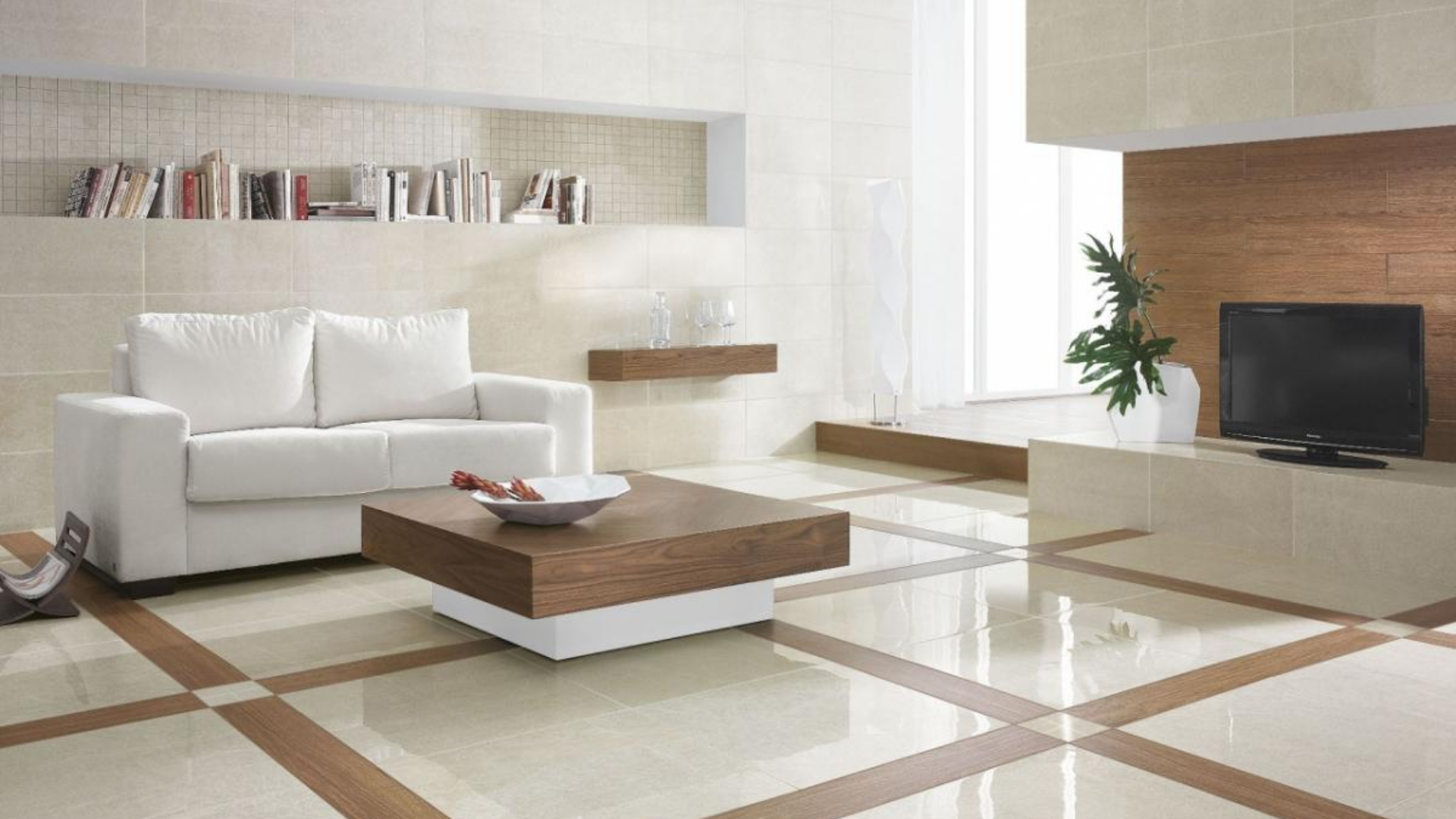
Marble tile can make small spaces look larger when it is selected and installed thoughtfully. The effect comes from a combination of light reflection, soft natural veining, visual continuity, and a refined surface that helps compact rooms feel brighter and more open. Marble does not physically increase square footage, but it can change how the eye reads a bathroom, kitchen, hallway, powder room, or small entryway.
For homeowners and designers planning a compact interior, choosing the right marble tiles can create a cleaner, more spacious, and more premium-looking result. Light marble tones, larger formats, subtle patterns, and carefully planned lighting can reduce visual clutter and make the room feel more connected from one surface to another. This is especially useful in small bathrooms, narrow kitchens, shower walls, backsplashes, and luxury powder rooms where every design choice matters. Solidshape.com presents this guide to explain how marble tile can help small spaces feel brighter, more open, and more refined through thoughtful color, finish, size, and layout choices.
Why Can Marble Tile Make a Small Space Feel Bigger?
Marble tile works well in small space tile design because it naturally brings brightness, depth, and movement into a room. Light-colored marble reflects more light than darker or heavily textured materials, helping the room feel less enclosed. This is particularly helpful in bathrooms or kitchens with limited windows, where the surface material plays a major role in the overall atmosphere. Another advantage is marble’s natural veining. Unlike busy printed patterns, soft marble veining can add visual interest without overwhelming the eye. When the veining is subtle and the tile layout is clean, the surface feels elegant rather than crowded. This creates a sense of depth, which can make walls and floors appear more open. Continuity is also important. When marble floor tile flows into marble wall tile, or when the same material is used across a shower wall and vanity wall, the room feels more unified. Fewer material changes mean fewer visual interruptions. In a small interior, that continuity can make the design feel calmer and more spacious. Marble also adds a premium appearance that elevates compact rooms. A small powder room or entryway may not have much square footage, but marble can make it feel intentional, architectural, and luxurious. Instead of trying to fill the room with decoration, marble allows the surface itself to become the design feature.
Which Marble Tile Colors Work Best in Small Spaces?
The best marble tile for small spaces is usually light, soft, and visually balanced. White marble tile is one of the most effective choices because it reflects light and creates a clean, airy look. It works especially well in small bathrooms, shower walls, vanity backsplashes, and compact kitchens where brightness is a priority.
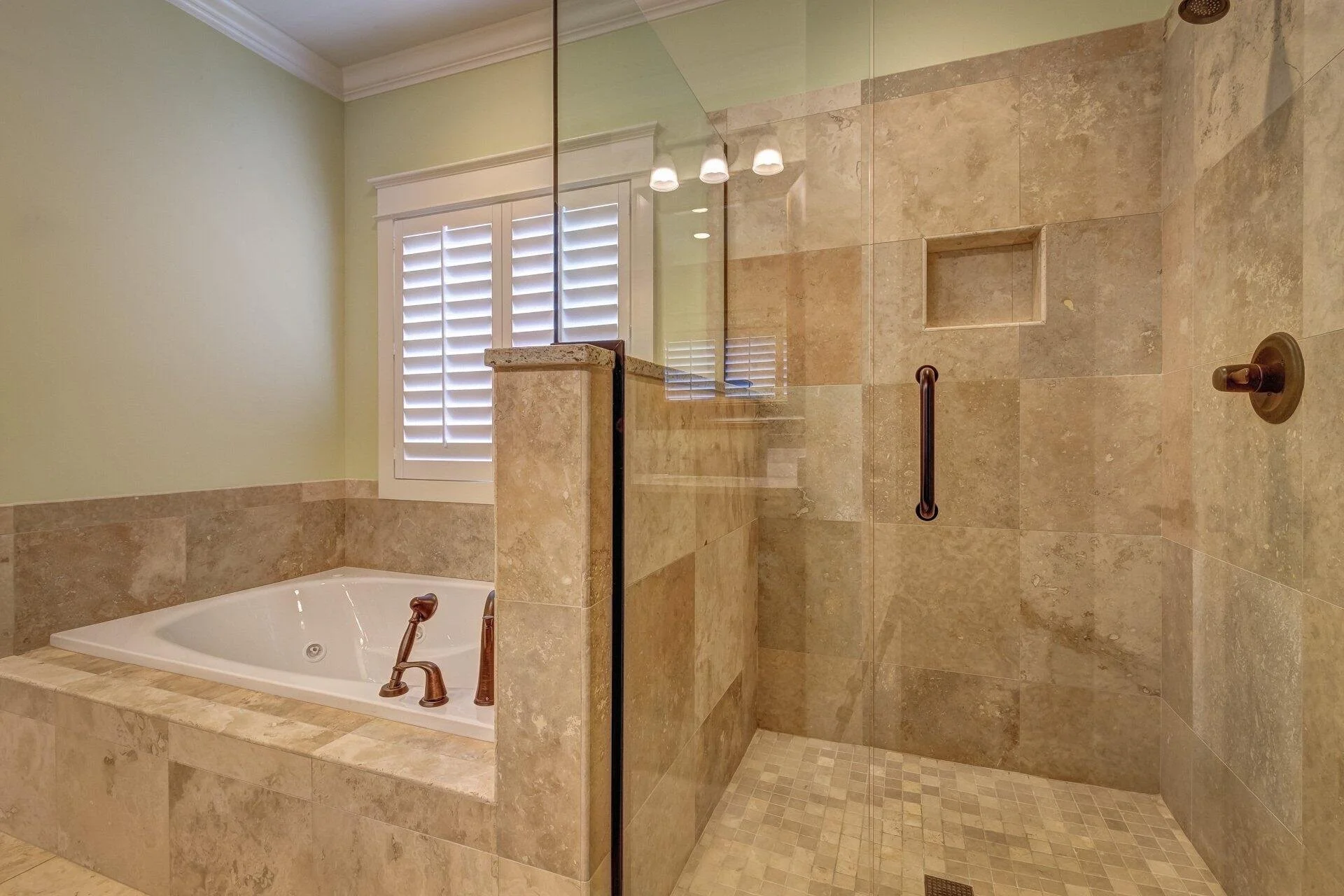
Cream and beige marble tile are excellent options when the goal is warmth rather than a crisp white look. These tones can make a small room feel soft, welcoming, and refined without making it feel cold. Beige marble pairs beautifully with wood vanities, brushed brass fixtures, warm white walls, and natural textiles.
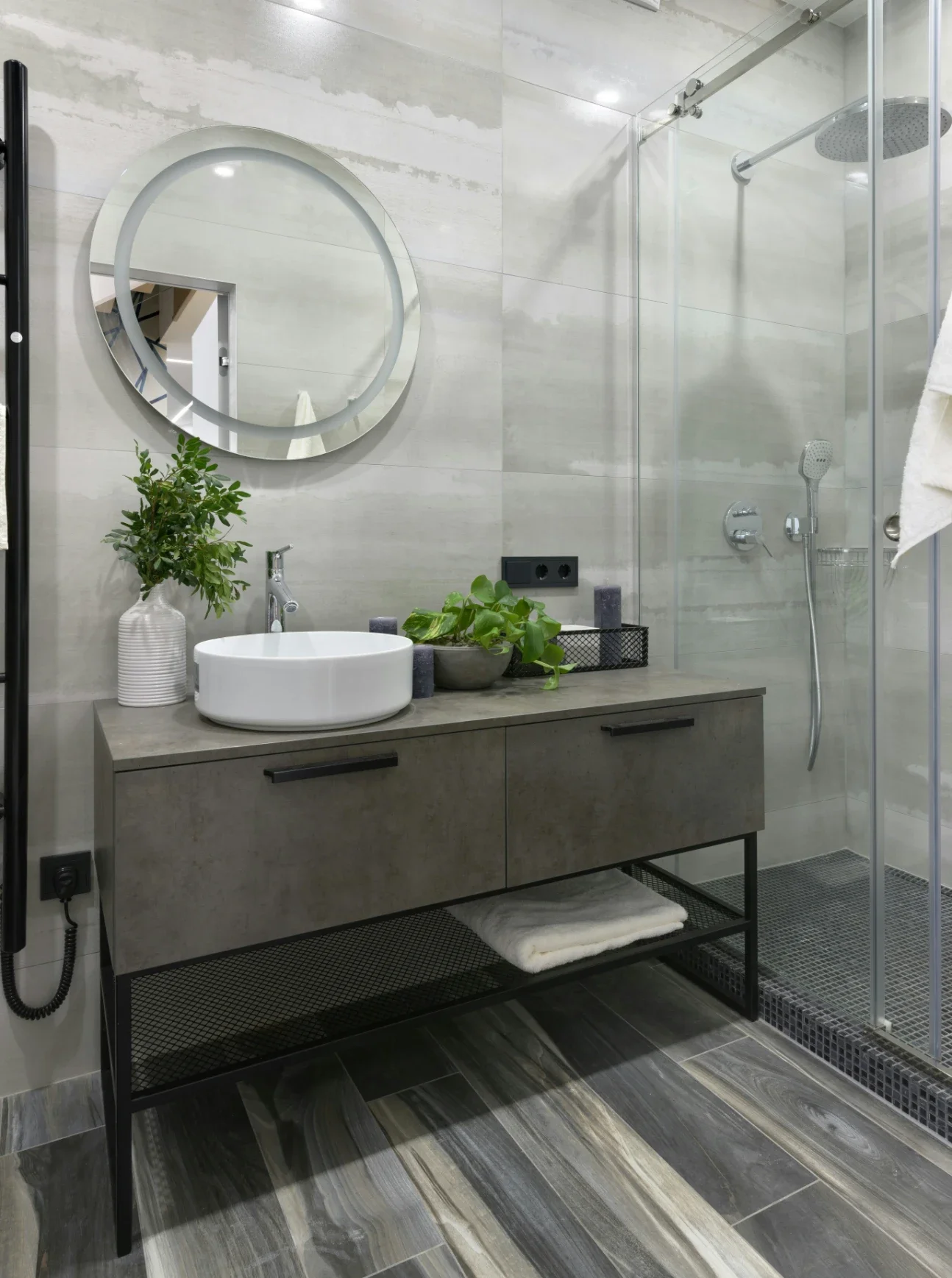
Light grey marble is another strong choice for modern interiors. It gives a cleaner and more contemporary appearance while still keeping the room visually open. Grey marble can work well with chrome, matte black, white cabinetry, and minimalist fixtures.
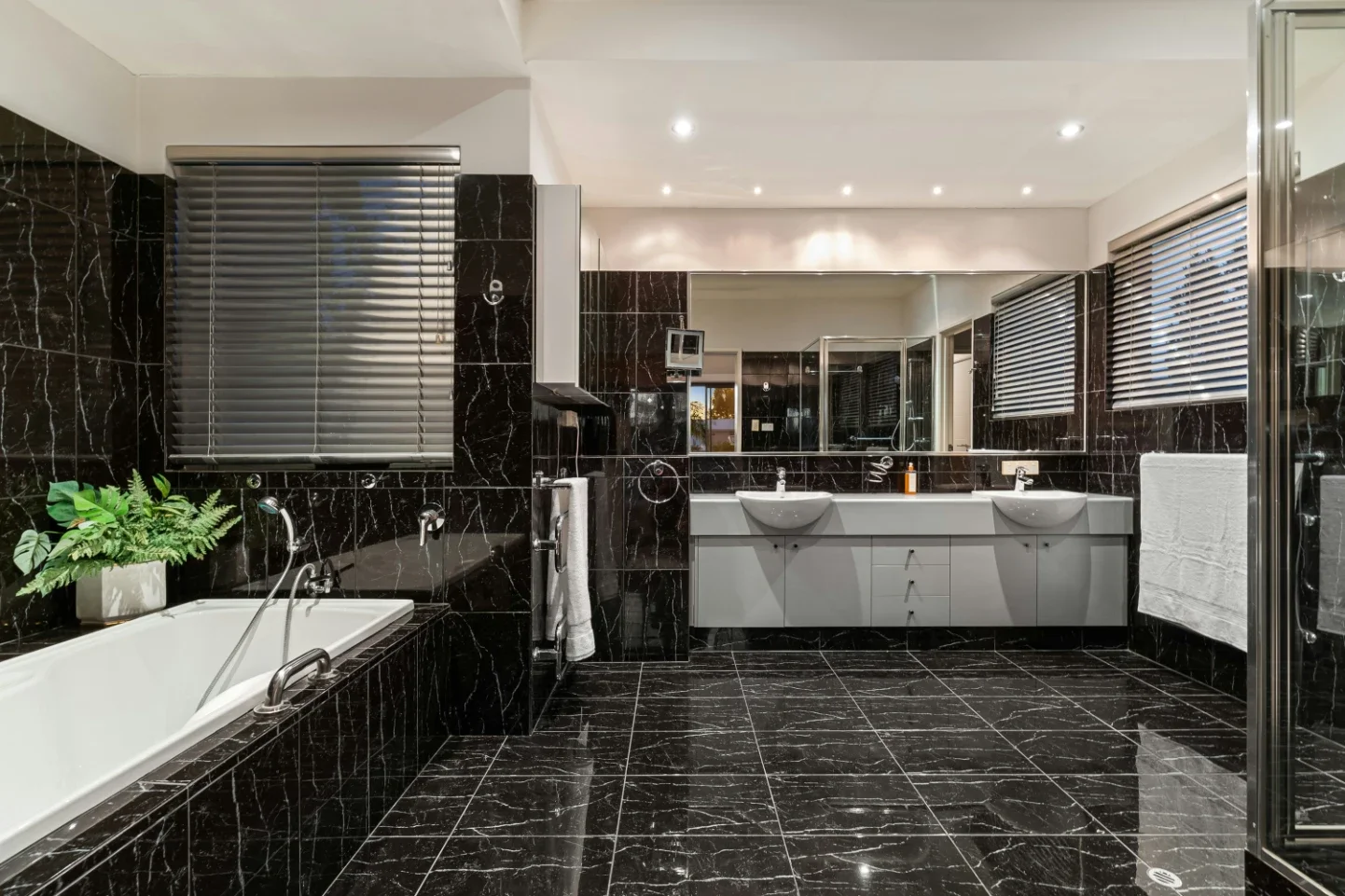
Dark marble can still be used in small rooms, but it needs balance. A dark marble feature wall, niche, backsplash, or vanity wall can look dramatic and luxurious, but using dark marble on every surface may make a compact room feel heavier. If dark marble is used, it should be supported with strong lighting, mirrors, glass, and lighter surrounding materials.
The safest approach is to choose marble with subtle veining rather than extremely bold movement. Strong veining can be beautiful, but in a very small space it may become visually busy. Real samples are important because marble can look different depending on lighting, finish, and surrounding colors.
What Marble Tile Size Makes a Room Look Larger?
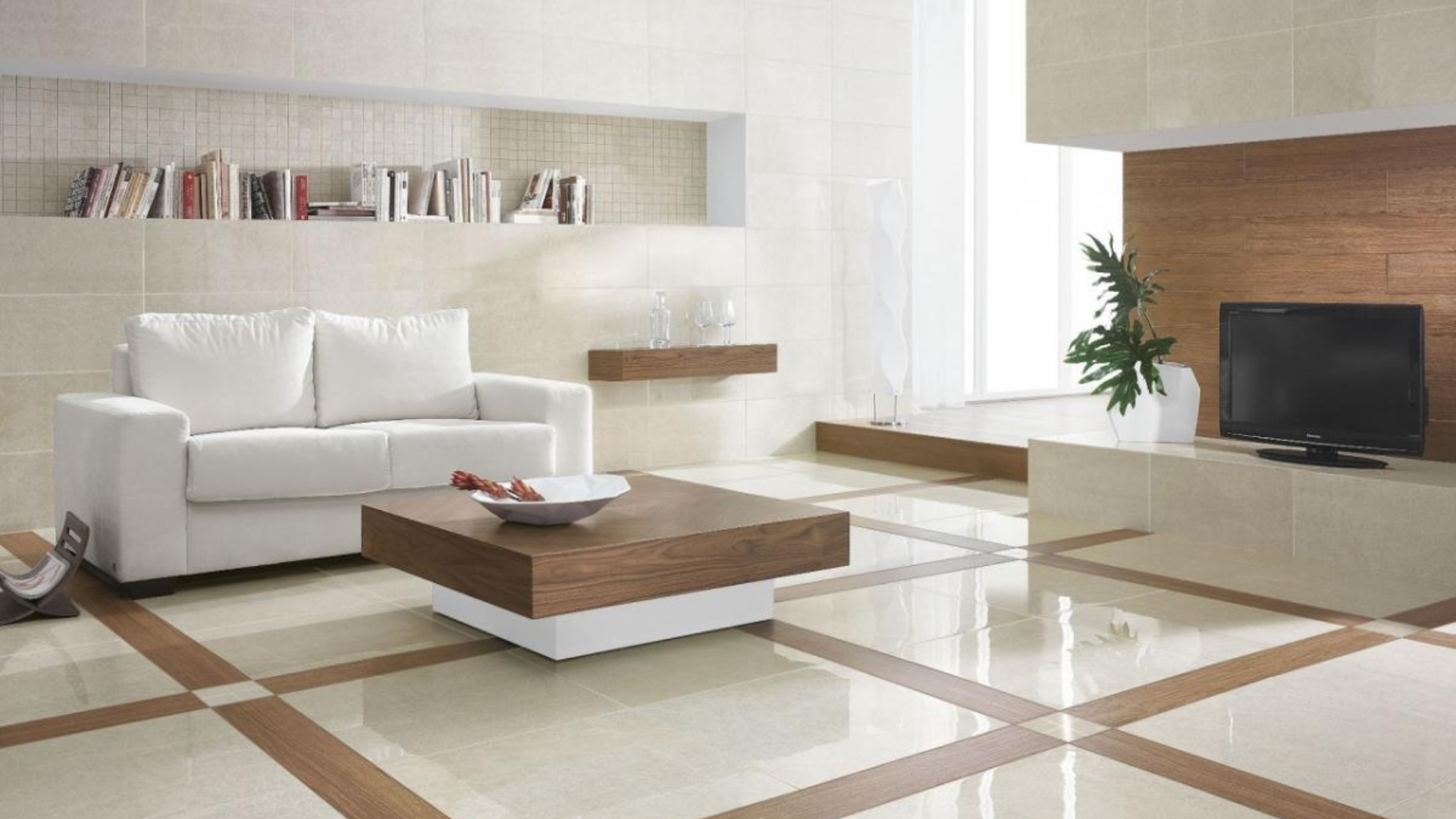
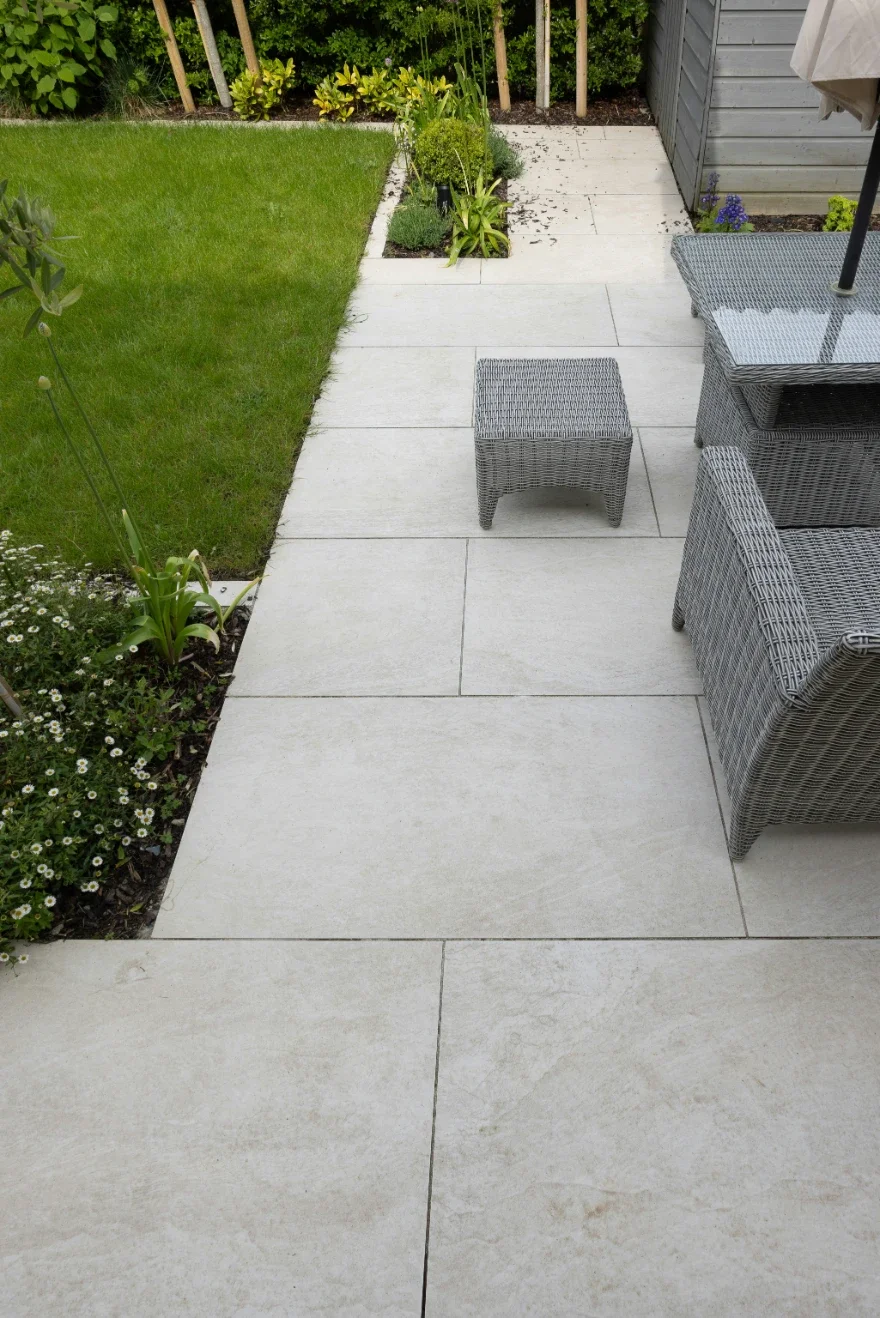
Tile size has a major impact on how large or small a room feels. Large format marble tile often makes compact spaces look bigger because it reduces the number of grout lines. Fewer grout lines create a smoother surface, allowing the eye to travel across the floor or wall without interruption. In a small bathroom, large marble tiles on the floor can create a cleaner and more open foundation. On shower walls, larger tiles can make the space feel taller and more seamless. In a compact kitchen, large marble floor tile can make the room feel less broken up, especially when paired with simple cabinetry and light walls. However, large format tile is not always the only answer. The right size depends on the room’s proportions, installation conditions, slope requirements, and design style. Very small bathrooms, shower floors, or rooms with many corners may need smaller formats for practical installation. In wet areas, slip resistance and drainage planning are just as important as appearance. Mosaic marble tile can also work beautifully in small spaces when used with intention. A marble mosaic shower floor, niche, backsplash, or decorative border can add texture without overpowering the room. The key is to avoid using too many competing patterns in one compact space. Rectangular marble tiles can help guide the eye. Installed vertically, they can make walls feel taller. Installed horizontally, they can make narrow rooms feel wider. The layout should support the room’s best feature rather than fight against its proportions.
Where Should You Use Marble Tile in Small Spaces?
Marble tile can be used in many compact interiors, but each area requires a slightly different design approach. In small bathrooms, marble wall tile can brighten the room and create a spa-like feel. A marble shower wall, vanity backsplash, or floor-to-wall continuation can make the space feel more unified and elegant.
Powder rooms are ideal for marble because they are small but highly visible. A marble feature wall behind the sink can create a strong design statement without needing much material. Since powder rooms are often used by guests, marble can make the space feel more refined and memorable.
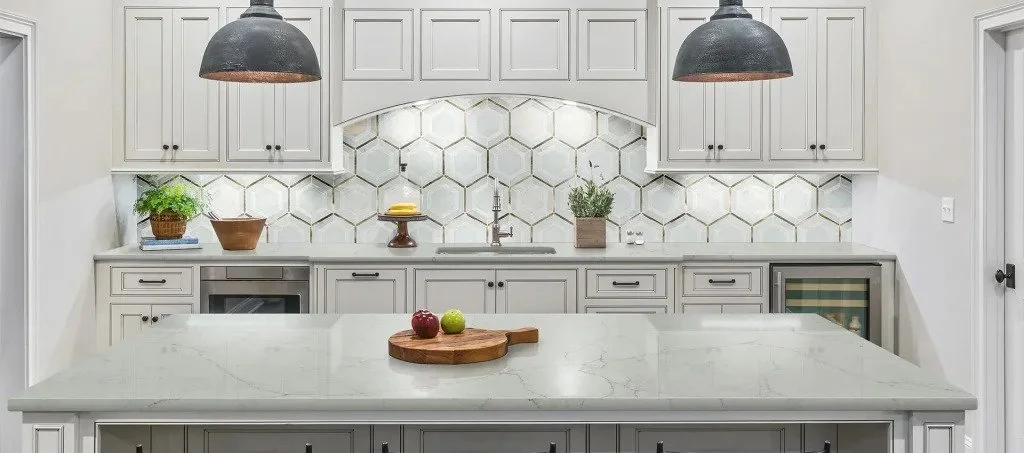
In compact kitchens, marble tile works well as a backsplash or floor material. A marble backsplash can reflect light under cabinets and add a premium finish without taking up physical space. Light marble kitchen tile can also pair beautifully with white, cream, grey, navy, or natural wood cabinetry.
Entryways and narrow hallways can benefit from marble flooring because the material gives a polished first impression. Light marble floor tile can make a small entry feel brighter and more open, especially when paired with simple wall colors and slim furniture.
Laundry rooms, shower walls, vanity walls, and fireplace surrounds are also good applications. In each case, marble should be used to simplify the visual field rather than overcrowd it. The goal is not to cover every surface, but to choose the surfaces that will create the most impact.
Which Marble Tile Finishes Help Small Rooms Look Brighter?
Finish selection affects both style and performance. Polished marble tile reflects the most light, making it a popular choice for walls, backsplashes, vanity areas, and decorative surfaces. In small rooms, a polished finish can help increase brightness and create a more luxurious appearance.
Honed marble tile has a softer, more matte surface. It does not reflect as much light as polished marble, but it can feel calm, elegant, and understated. Honed marble is often preferred when the design goal is soft luxury rather than high shine.
Brushed or textured marble can add character, but it should be used carefully in small interiors. Texture creates shadow, and too much shadow can make a compact room feel busier. However, a textured marble feature wall or accent area can be very effective when balanced with smoother surrounding surfaces.
Lighting changes how every finish looks. Polished marble can appear brighter under natural light or warm LED lighting, while honed marble can create a more relaxed and architectural mood. For a deeper understanding of surface options, Solidshape’s natural stone tile finish guide can help buyers compare finish types before making a final decision.
Practicality matters as much as appearance. In wet areas, floors should be selected with slip resistance and maintenance in mind. Shower walls, backsplashes, and vanity walls can often carry more reflective finishes, while floors may require a more carefully chosen surface depending on use.
Design Tips and Common Mistakes to Know
To make a small space look larger with marble tile, start with a light color palette. White, cream, beige, and soft grey marble usually create the most open effect. Keep the veining subtle if the room is very compact, and avoid using several strong patterns together. Grout color is another important detail. Low-contrast grout helps the tile surface look more continuous. Strong grout contrast can create a grid effect, which may make a small room feel more divided. Matching the grout closely to the marble color is often the better choice for a seamless look. Use mirrors and glass to support the marble. A large mirror above a marble vanity wall can reflect both light and stone texture. A frameless glass shower enclosure can keep sightlines open, allowing marble shower walls to remain visible instead of visually closing off the room. Lighting should be layered. Ceiling lighting, wall sconces, under-cabinet lighting, and niche lighting can all help marble look brighter and more dimensional. Warm lighting often works beautifully with cream and beige marble, while neutral lighting may suit white and grey marble designs. Common mistakes include choosing marble only from online photos, ignoring room lighting, selecting overly busy veining, using too many tile patterns, and forgetting maintenance needs. Another mistake is choosing dark marble without balancing it with light walls, mirrors, or strong lighting. Poor layout planning can also weaken the final result, especially when cuts, grout lines, and veining direction are not considered before installation. For wet areas, do not focus only on beauty. Slip resistance, sealing needs, cleaning expectations, and professional installation all matter. Marble is a premium natural material, so it performs best when it is selected, installed, and maintained with care.
Is Marble Tile a Good Choice for Small Spaces?
Marble tile is a strong choice for small spaces when the goal is to create a bright, elegant, premium, and visually open interior. It is especially effective in small bathrooms, powder rooms, kitchen backsplashes, shower walls, vanity areas, entryways, and compact luxury rooms. With the right color, finish, size, and layout, marble can make a small space feel more refined and more spacious. The best results usually come from light marble tones, subtle veining, larger tile formats, low-contrast grout, good lighting, and visual continuity between surfaces. These choices help reduce clutter and allow the natural beauty of marble to become part of the room’s architecture. Marble is not the lowest-maintenance or lowest-cost option, and it may not be ideal for every project. Some spaces may require porcelain, ceramic, or other materials depending on budget, performance needs, and maintenance expectations. However, for homeowners and designers who want natural stone character, long-term elegance, and a premium finish, marble tile remains one of the most attractive options for compact interiors. In the end, marble can absolutely make a small space look larger, but only when it is used thoughtfully. The room’s lighting, proportions, fixtures, cabinetry, wall colors, and layout should all support the tile choice. When these elements work together, marble tile can turn even a small room into a bright, polished, and high-end space.
Stay up to date with our latest ideas!