How Roofing and Drainage Influence Long-Term Garden Sustainability
Learn how roofing and drainage impact long-term garden sustainability, protecting soil health, plant growth, and overall landscape performance.
Sustainable gardening is often associated with composting, native plants, organic growing methods, and water conservation strategies. While these practices remain essential, many homeowners and gardeners are beginning to recognize that long-term garden health also depends heavily on the surrounding built environment. Roofing systems, drainage infrastructure, water runoff management, and exterior property design all play a major role in shaping how outdoor ecosystems function over time.
Poor drainage or uncontrolled roof runoff can gradually damage soil quality, create erosion problems, flood planting areas, weaken root systems, and increase moisture-related issues around both gardens and residential structures. On the other hand, well-designed exterior infrastructure can support healthier growing conditions, improve water efficiency, reduce environmental stress, and help outdoor spaces remain productive throughout changing seasonal conditions.
As climate patterns become less predictable and extreme weather events affect more regions, the relationship between exterior home systems and sustainable gardening has become increasingly important.
Water Management Shapes Garden Health
One of the biggest challenges in sustainable gardening involves maintaining consistent soil moisture without creating oversaturation or drainage imbalance. Gardens require carefully controlled water distribution, yet many homeowners unintentionally create problems through poorly managed roof runoff and ineffective drainage planning.
Heavy rainfall concentrated through clogged gutters, short downspouts, or improperly directed runoff can quickly overwhelm planting beds and compact surrounding soil. Over time, this may lead to root damage, nutrient loss, standing water, fungal growth, and erosion across landscaped areas.
In drier climates, poorly coordinated drainage systems can create the opposite problem by allowing valuable rainwater to escape too quickly without benefiting surrounding vegetation. This issue has encouraged many eco-conscious homeowners to think more strategically about how roofing and drainage systems interact with the broader landscape.
Rain gardens, permeable surfaces, runoff channels, water diversion systems, and rainwater collection infrastructure are increasingly incorporated into residential properties as part of larger sustainability efforts designed to improve long-term outdoor resilience.
Roofing Systems Influence Backyard Environments
Roofing design affects far more than the interior of a home. It also influences temperature conditions, moisture distribution, shade patterns, airflow movement, and water flow throughout the surrounding outdoor environment.
Dark roofing materials may increase heat retention around nearby planting areas during prolonged summer temperatures, while poor roof ventilation can contribute to excessive attic heat that radiates outward into adjacent outdoor spaces. Similarly, inconsistent runoff patterns can create moisture imbalance in gardens located near the structure itself.
Modern homeowners increasingly look for roofing systems that improve water control while also supporting energy efficiency and environmental performance. Reflective roofing materials, improved ventilation strategies, durable gutter systems, and carefully planned drainage layouts all contribute to more stable exterior conditions around gardens and outdoor living spaces.
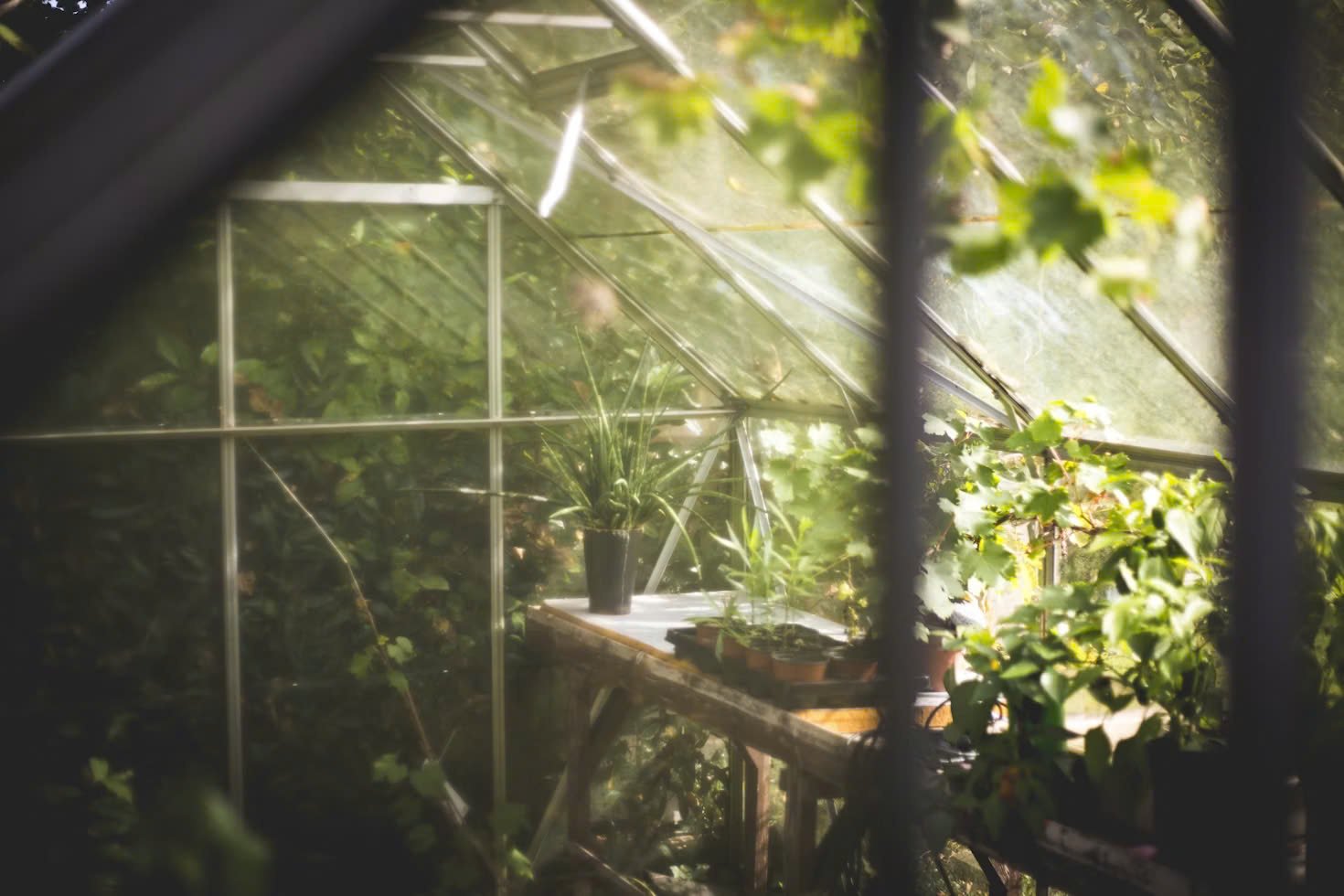
Properties with greenhouses, raised beds, edible gardens, or extensive landscaping often require even more attention to exterior water management because small drainage failures may gradually affect large portions of the surrounding ecosystem.
Climate Volatility Is Changing Outdoor Planning
Climate variability has become one of the biggest reasons homeowners are rethinking exterior infrastructure. Sudden storms, heavier rainfall, prolonged drought conditions, hail damage, and extreme heat exposure continue creating new challenges for both residential structures and outdoor growing spaces.
Gardens that once relied on relatively predictable seasonal weather patterns may now experience periods of flooding followed by extended dry conditions within the same year. These changes place additional pressure on roofing systems, drainage channels, soil stability, and water conservation planning.
Many homeowners are responding by investing in more resilient exterior systems designed to reduce runoff damage, improve moisture control, and better protect both structures and landscaping from weather-related stress.
Homes with large roof surfaces or extensive outdoor growing areas increasingly require carefully coordinated drainage planning to prevent erosion and water accumulation near planting zones. Working with a roofing contractor in Austin TX is a common approach for residential projects involving upgraded gutter systems, roof replacement, improved water-shedding design, reinforced flashing, and drainage improvements intended to help homeowners manage runoff more effectively while protecting both structural surfaces and surrounding outdoor environments from long-term moisture-related damage.
Sustainable Gardening Depends on Soil Protection
Healthy soil remains one of the foundations of sustainable gardening, yet poor drainage infrastructure can quietly undermine soil quality over time. Excessive runoff may strip nutrients away from planting beds, compact topsoil, or create recurring erosion patterns that weaken root systems and reduce biodiversity throughout the landscape.
In sloped yards, unmanaged roof runoff can become especially damaging because concentrated water flow accelerates erosion much faster than natural rainfall distribution alone. Mulching, native planting, terracing, and permeable landscaping solutions all help reduce this risk, but proper roof drainage coordination remains equally important.
This growing awareness has encouraged more homeowners to evaluate gardens and exterior infrastructure as connected systems rather than separate parts of the property. Water management now plays a central role in long-term landscape sustainability.
Rainwater Collection Is Becoming More Common
The rise of rainwater harvesting has also strengthened the relationship between roofing systems and sustainable gardening. Many homeowners now use rain barrels, cisterns, and collection systems to supplement irrigation while reducing dependence on municipal water supplies.
However, effective rainwater harvesting depends heavily on roofing materials, gutter performance, filtration systems, and runoff coordination. Roof contamination, poor drainage flow, or aging exterior materials can negatively affect water quality and collection efficiency.
As sustainable gardening practices continue expanding, more homeowners are investing in roofing and drainage upgrades capable of supporting long-term water collection goals safely and efficiently.
According to The Environmental Protection Agency, stormwater runoff management and water conservation strategies remain important parts of broader environmental sustainability efforts, particularly as communities face increasing pressure on water resources and infrastructure systems.
These concerns increasingly influence residential landscaping and exterior renovation decisions alike.
Outdoor Living Spaces Require Better Drainage Coordination
The popularity of outdoor living has also increased the importance of effective drainage planning. Patios, pergolas, outdoor kitchens, greenhouse structures, raised garden beds, and entertainment areas all require coordinated water management to remain functional over time.
Pooling water, oversaturated soil, or poor runoff control can damage surfaces, weaken foundations, and create ongoing maintenance problems throughout outdoor spaces. In many cases, drainage issues develop gradually and become noticeable only after years of cumulative moisture exposure.
Because of this, homeowners increasingly prioritize exterior upgrades that improve both structural protection and outdoor usability simultaneously.
Roofing systems now play a much larger role in shaping how water moves across the entire property, not just how it exits the house itself.
Exterior Infrastructure Is Becoming Part of Sustainable Living
The growing connection between sustainable gardening and exterior infrastructure reflects a larger shift in how homeowners think about residential environmental responsibility overall. Gardens, landscaping, roofing systems, drainage channels, and water management strategies increasingly function as interconnected parts of a broader outdoor ecosystem.
Long-term sustainability depends not only on what homeowners plant, but also on how effectively the surrounding environment supports healthy soil conditions, moisture balance, water conservation, and structural durability over time.
As climate conditions continue evolving, homeowners will likely place even greater emphasis on exterior systems capable of protecting both residential structures and outdoor growing environments simultaneously. Roofing and drainage design are no longer simply maintenance concerns. They are becoming essential parts of sustainable property planning itself.
Stay up to date with our latest ideas!