Learn how to create a safer workspace in your home workshop or garage with smart organization, proper lighting, protective gear, and hazard prevention.
Home workshops and garages come in handy when you want to do a few things around your home, whether it’s just a weekend task or a home improvement project. But when you are working, these places turn into a work site like any other, and it’s important to take the proper steps to create a safe workspace.
Today, I’ll take you through several safety measures you can take, from safety and emergency tools like RS first aid kits to setting up your site properly.
Organise Tools and Materials to Reduce Everyday Hazards
Disorganisation is one of the most common causes of workshop accidents, and it's one of the easiest to address. It’s usually responsible for things like tripping over an extension cord or knocking over a half-open container of solvent.
Start with the floor. Keep the walking paths clear and make sure cords are either retracted or secured to the wall when not in use. Ensure that you organise everything in a way that you don’t have to skip over things or even reach past sharp objects to fix or get something.
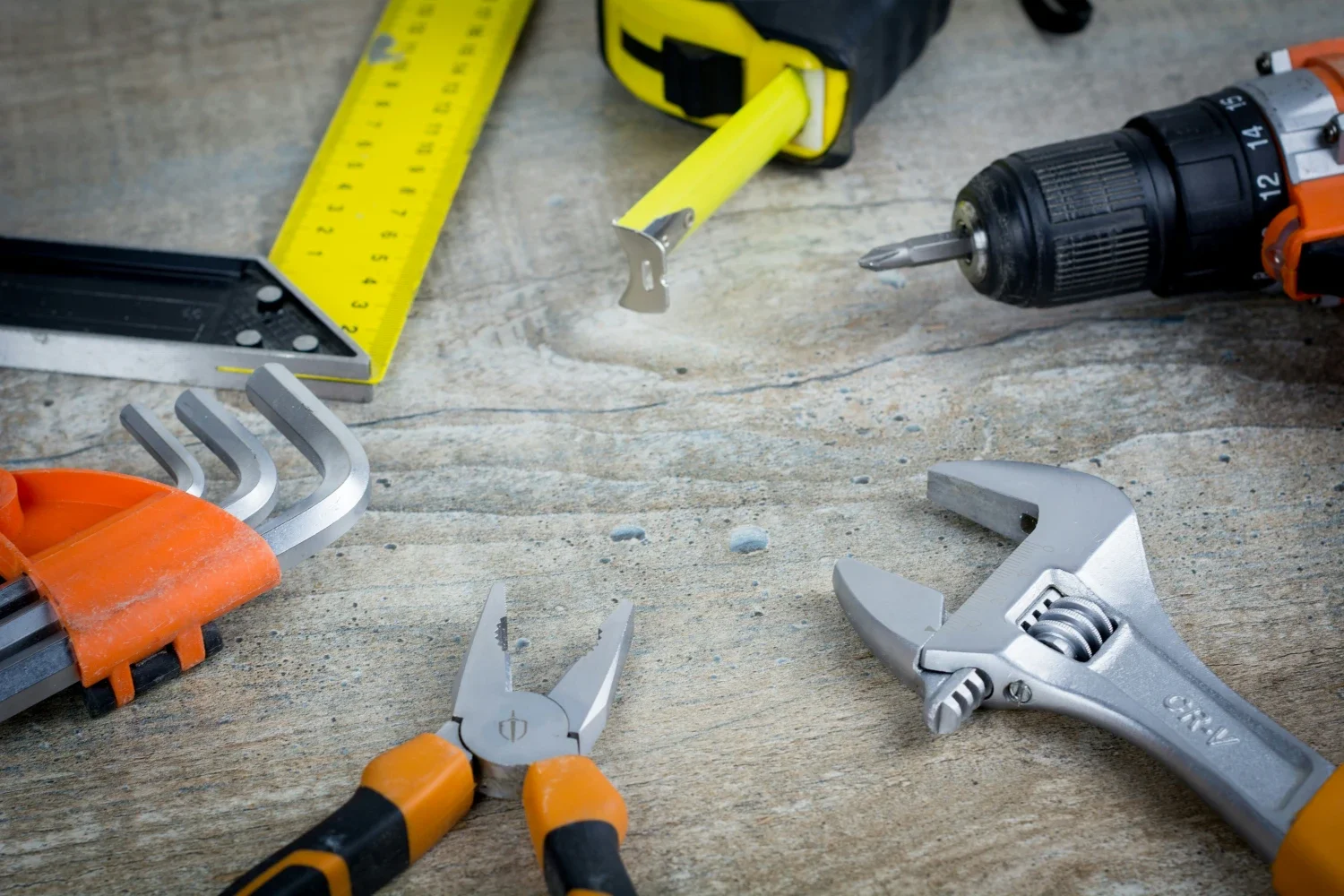
For tools, you can create wall-mounted peg boards or use drawers, depending on the amount of space you have. Ensure that every tool has a specific home and you can get it without digging through piles. If it’s frequently used, keep it at a comfortable height.
When dealing with bulky materials like lumber or pipes, ensure they are stored horizontally and away from walking areas, not leaning against walls.
Keep Essential Safety and First Aid Supplies Nearby
Most home workshops don’t have first aid kits as people tend to assume they are near their homes. However, that distance and actually not being sure of something is quite significant when you’ve just knicked your finger or are covered in grease.
It’s important to keep essential first aid supplies nearby. Ensure the kit is well-stocked with necessary items like adhesive bandages, antiseptic wipes, gauze pads, and tweezers for splinters. It should then be placed in a visible and unobstructed area.
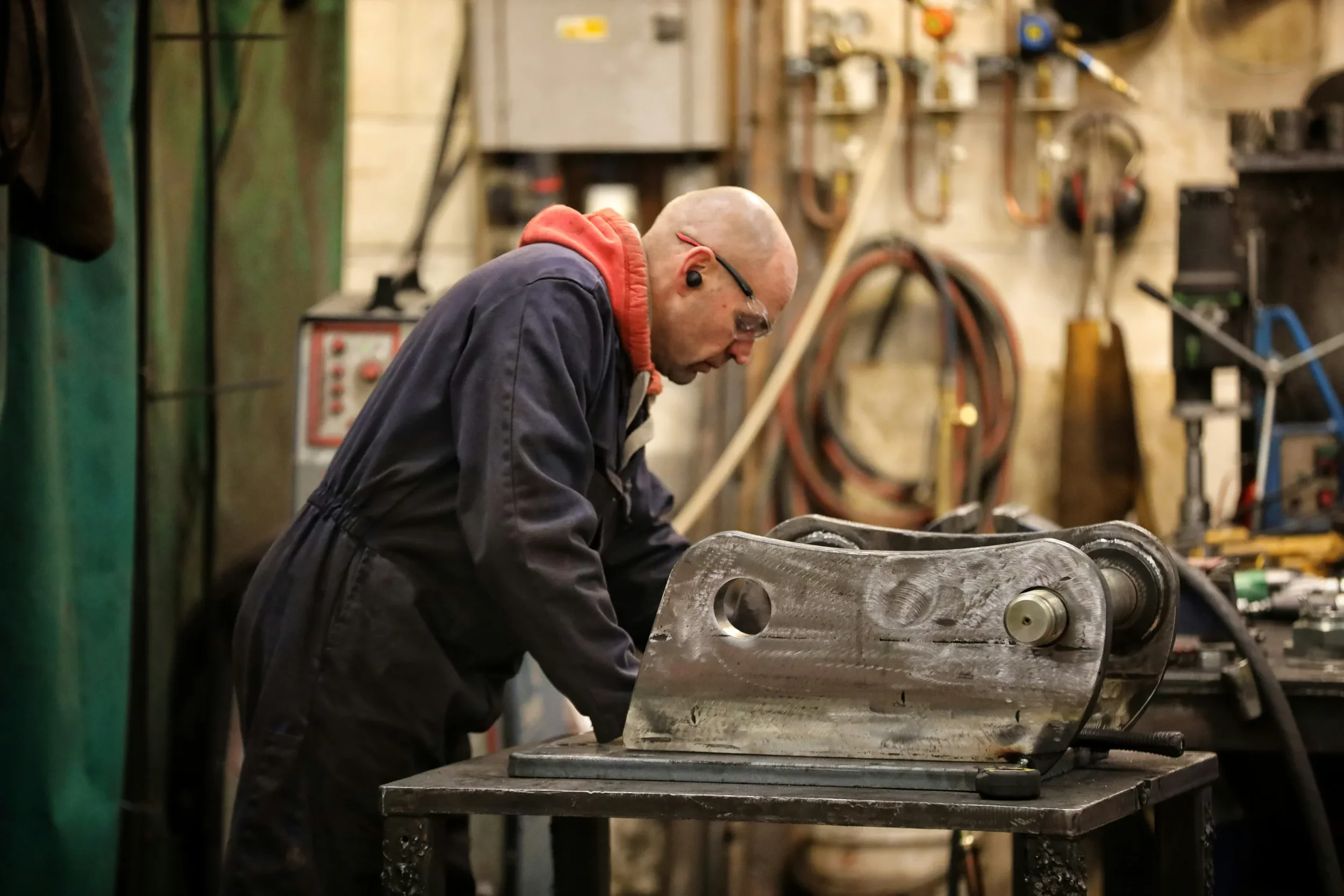
Apart from that, you should also have various other safety items depending on the type of work. Protective gloves, safety glasses, a fire extinguisher, or even a harness if you often work at heights.
This way, you’ll protect yourself and ensure you can efficiently respond to incidents.
Store Sharp Tools and Power Equipment Properly
Beyond organisation, you need to consciously ensure that you store all your sharp tools and power equipment properly.
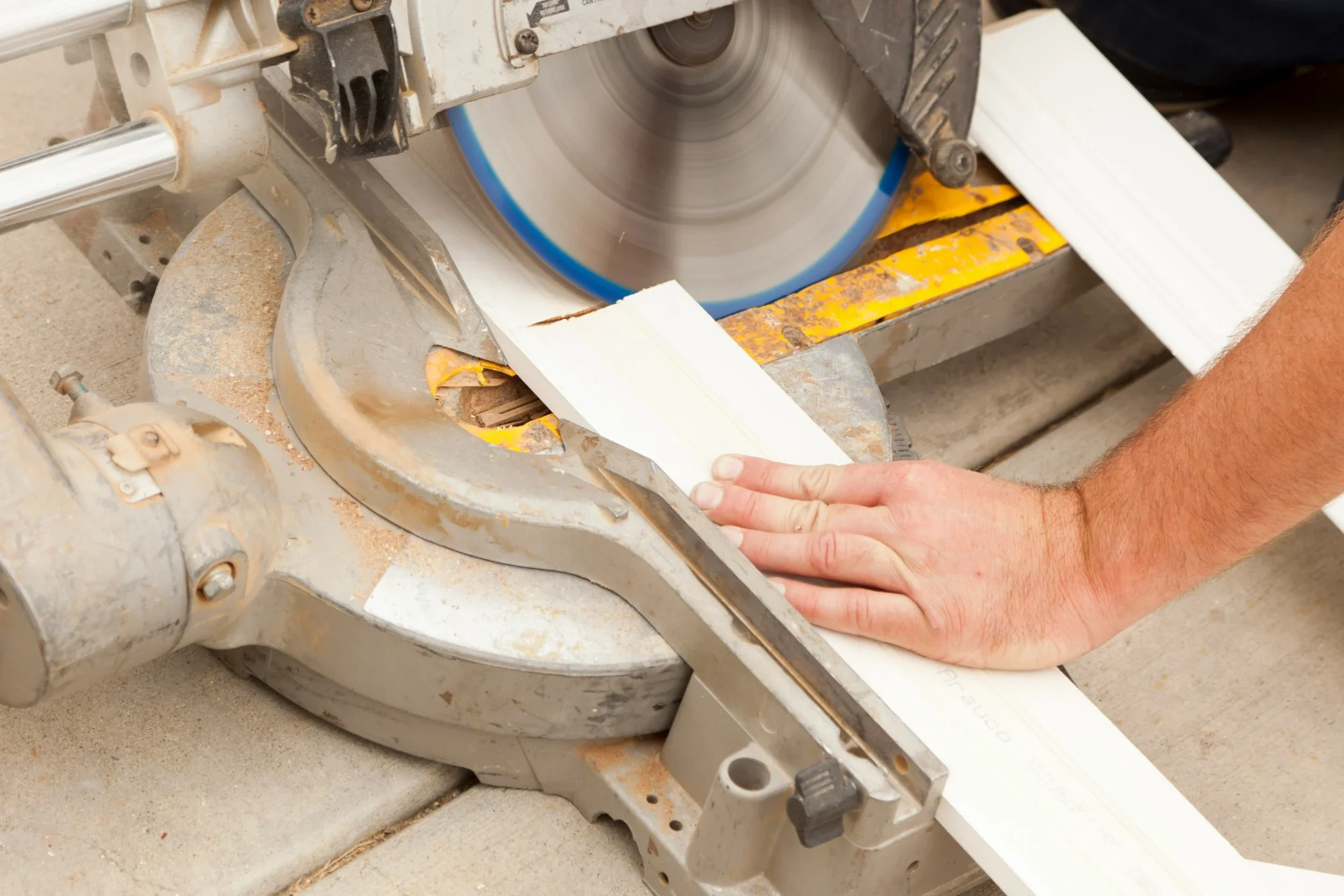
Things like blades, saws, chisels, and drill bits are causes of some of the most avoidable work incidents. Keep them in a dedicated storage area to ensure they are secure and the person reaching for them is safe. Before the storage, replace all blade guards on tools like chisels and hand saws.
For power tools, you should ensure the cord is wrapped or secured somewhere. The plug should also be far from a socket to ensure electrical safety. If it’s cordless, remove the battery when storing and charge it in an area away from your flammable materials.
Maintain Clear Air and Ventilation in the Workspace
A home workshop or garage can fill up with dust, fumes, and small particles faster than you realise. In most cases, this happens when you are dealing with paints or woodwork, as it often involves cutting and sanding. When the air quality is poor, it can even pose health risks over time.
To protect yourself, you can start by opening windows or garage doors to let fresh air circulate. If that’s not effective, you can place a box fan in a window pointing outwards to draw fumes outside.
Otherwise, you can get a respiratory protective device as it will filter airborne particles, gases, and vapours. This will make the work more comfortable and protect you from possible health issues.
Stay up to date with our latest ideas!