The Psychology of DIY: Why We Underestimate Time, Cost & Materials
DIY projects often go over budget not due to skill, but psychology. Discover why homeowners underestimate time, cost, and materials — and how planning helps.
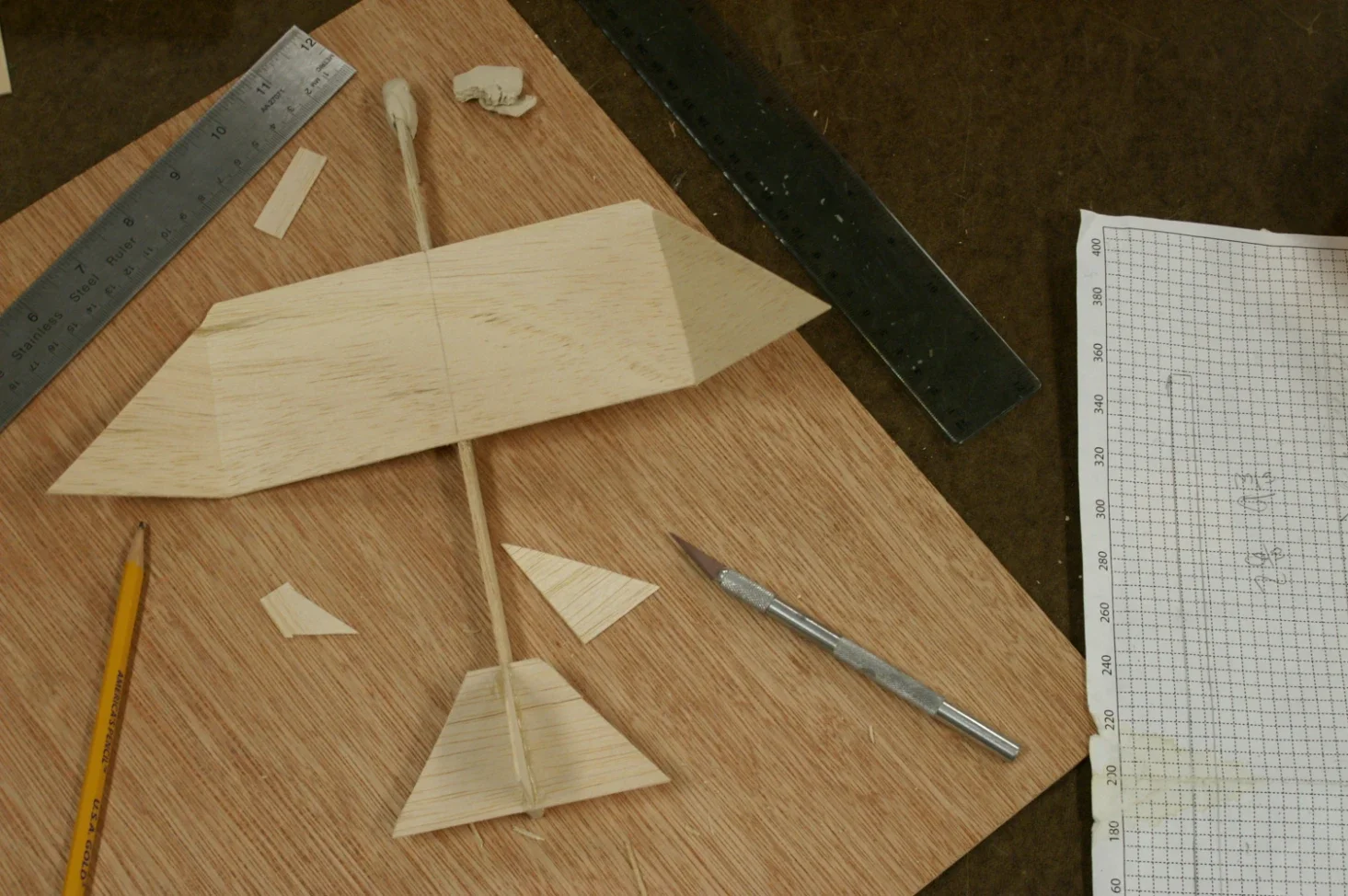
DIY projects often begin with confidence. A room looks small enough. The materials seem straightforward. The timeline feels generous.
And yet, many home projects quietly drift off course — not because of poor workmanship, but because of how the human mind approaches planning.
Underestimation is one of the most common and least discussed challenges in home improvement. It affects beginners and experienced DIYers alike, influencing how we judge time, cost, and material quantities long before the first tool is picked up.
Understanding why this happens is the first step toward building better, calmer, more successful projects.
The Confidence Trap: Why DIY Feels Simpler Than It Is
Most people don’t underestimate projects because they are careless. They underestimate because the brain prefers clarity and simplicity.
When we imagine a project, we picture the finished result — not the full process. We see the painted wall, not the prep work. The new flooring, not the subfloor adjustments. The completed deck, not the cutting, leveling, and margin for error.
Psychologists refer to this as optimism bias: the tendency to assume things will go smoothly, even when experience suggests otherwise.
In DIY, optimism bias leads us to estimate the task, not the reality around it.
Scale Blindness: When Measurements Don’t Feel Real
Another cognitive challenge appears when we deal with space, area, and volume.
Humans are good at recognizing shapes, but surprisingly poor at intuitively understanding measurements. Square meters, cubic volume, thickness allowances, and waste percentages don’t translate naturally into mental images.
This is why:
A concrete pour looks smaller than it is
Tile coverage feels sufficient — until cuts and breakage are factored in
Gravel, soil, or mulch quantities are repeatedly underestimated
What feels like a “small area” visually often becomes a significant material requirement once measured accurately.
This disconnect between perception and scale is one of the most common reasons DIY projects require extra trips, extra spending, and last-minute compromises.
The Emotional Cost of Underestimating
Underestimation isn’t just a logistical problem — it’s an emotional one.
When a project exceeds expectations, stress rises. Momentum slows. Decisions become rushed. What began as an enjoyable improvement can quietly turn into frustration or avoidance.
Many unfinished or abandoned projects don’t fail because the homeowner lacked skill, but because the mental load became heavier than anticipated.
This emotional strain is rarely acknowledged, yet it plays a significant role in why people feel overwhelmed mid-project.
Why Experience Doesn’t Always Solve the Problem
It’s easy to assume that underestimation is a beginner’s mistake. In reality, experience only partially protects against it.
Experienced DIYers are often confident in execution, but still vulnerable during planning, especially when:
Working with unfamiliar materials
Scaling up a previous project
Adjusting for different room shapes or conditions
Each new project introduces variables the brain hasn’t fully accounted for. Familiarity reduces some uncertainty, but it doesn’t eliminate cognitive bias.
This is why even seasoned homeowners occasionally find themselves short on materials or stretched for time.
Cognitive Load Debt: The Hidden Cost of Skipping Planning
One useful way to understand DIY underestimation is through the idea of cognitive load debt.
When planning is skipped or rushed, mental effort isn’t removed — it’s postponed.
That debt is paid later in:
Recalculations mid-project
Emergency purchases
Decision fatigue
Compromises made under pressure
Accurate estimation reduces this debt before the project begins. It shifts effort from moments of stress to moments of clarity, allowing decisions to be made calmly and deliberately.
This is one reason structured planning often feels less exhausting than improvisation, even when the project itself is complex.
Why External Reference Points Matter
The human mind is excellent at creativity, but unreliable when it comes to estimation. That’s why professionals — from builders to designers — rely on external systems rather than intuition alone.
Measurements, formulas, and structured calculators act as neutral reference points. They remove emotion, confidence, and guesswork from decisions that benefit from precision.
Using tools such as Home Project Calculator estimating tools allows homeowners to replace instinct with clarity, turning vague assumptions into grounded numbers before materials are purchased or timelines committed.
This shift doesn’t reduce creativity — it supports it.
Planning as a Creative Advantage
In design-focused DIY, planning is sometimes viewed as restrictive. In reality, accurate estimation often expands creative freedom.
When quantities and costs are known upfront:
Design choices become intentional
Trade-offs are made consciously
Materials are selected with confidence rather than caution
Estimation doesn’t limit possibility. It defines boundaries within which better decisions can be made.
Final Thought: Confidence Comes From Certainty
Successful DIY projects aren’t built on guesswork — they’re built on understanding.
By recognizing the psychological patterns that lead us to underestimate time, cost, and materials, homeowners can approach projects with more patience and less pressure. Planning becomes a form of self-support rather than hesitation.
When certainty replaces assumption, DIY becomes what it was meant to be: creative, empowering, and deeply satisfying.
Stay up to date with our latest ideas!