How to Create a Beautiful Backyard That Requires Less Maintenance
Learn how to create a beautiful, low-maintenance backyard with smart landscaping, durable materials, easy-care plants, efficient watering, and practical outdoor design.
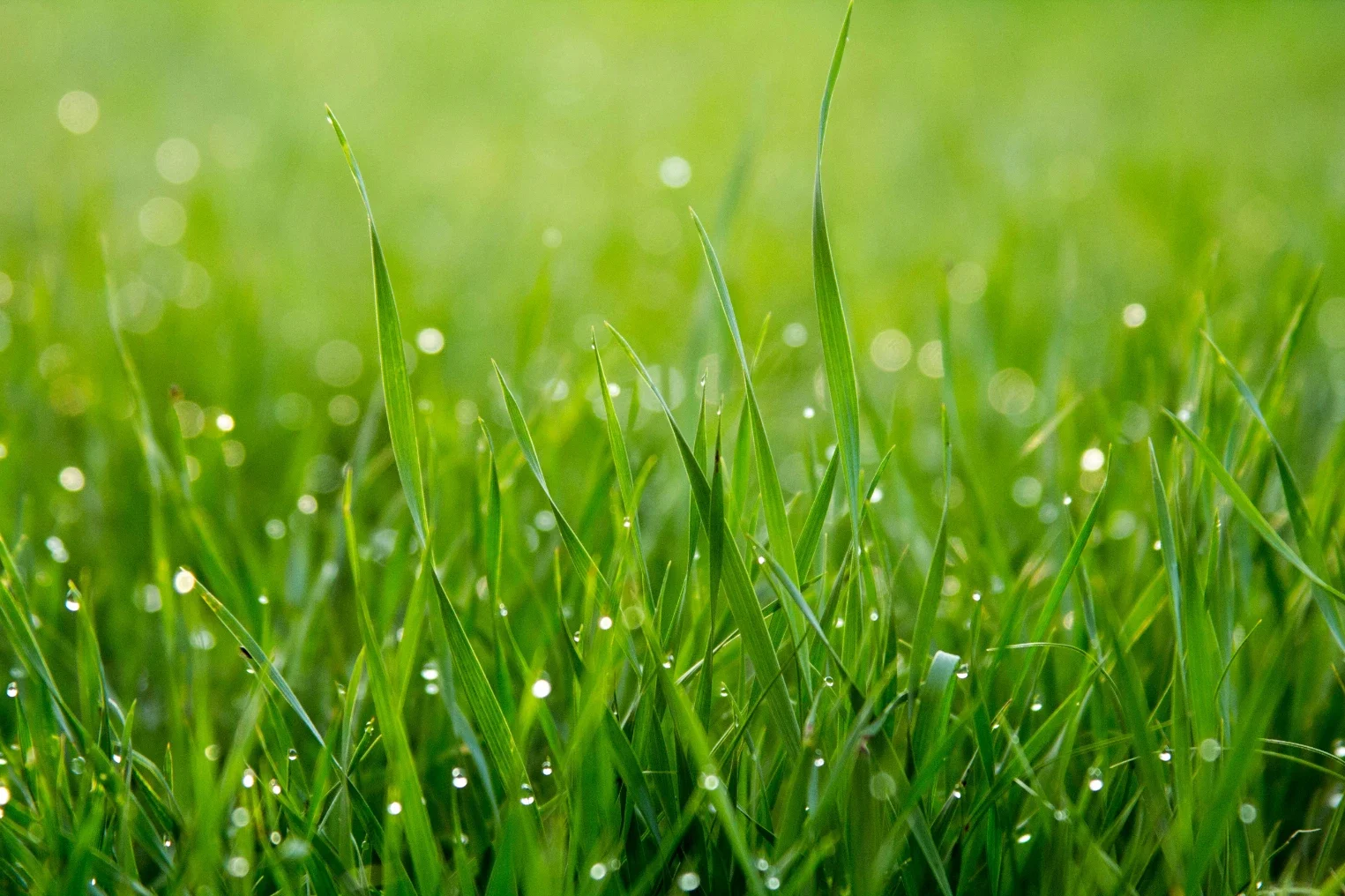
A beautiful backyard can add valuable living space to a home, but maintaining a traditional garden often requires more time, water, and regular attention than homeowners expect. For households looking for a durable lawn that can accommodate dogs and everyday outdoor activity, artificial grass solutions for pets provides information about synthetic turf options, including surfaces designed for pet-friendly areas and other residential landscaping applications. By choosing practical materials, simplifying planting, and designing each part of the yard with maintenance in mind, homeowners can create an attractive outdoor environment without committing every weekend to upkeep.
Start With a Simple Landscape Plan
A low-maintenance backyard begins with a clear plan that considers how the space will actually be used. Some households may need an area for entertaining, while others want room for children, pets, gardening, or quiet relaxation. Identifying these priorities before making changes can prevent unnecessary features from being added simply because they look appealing at first.
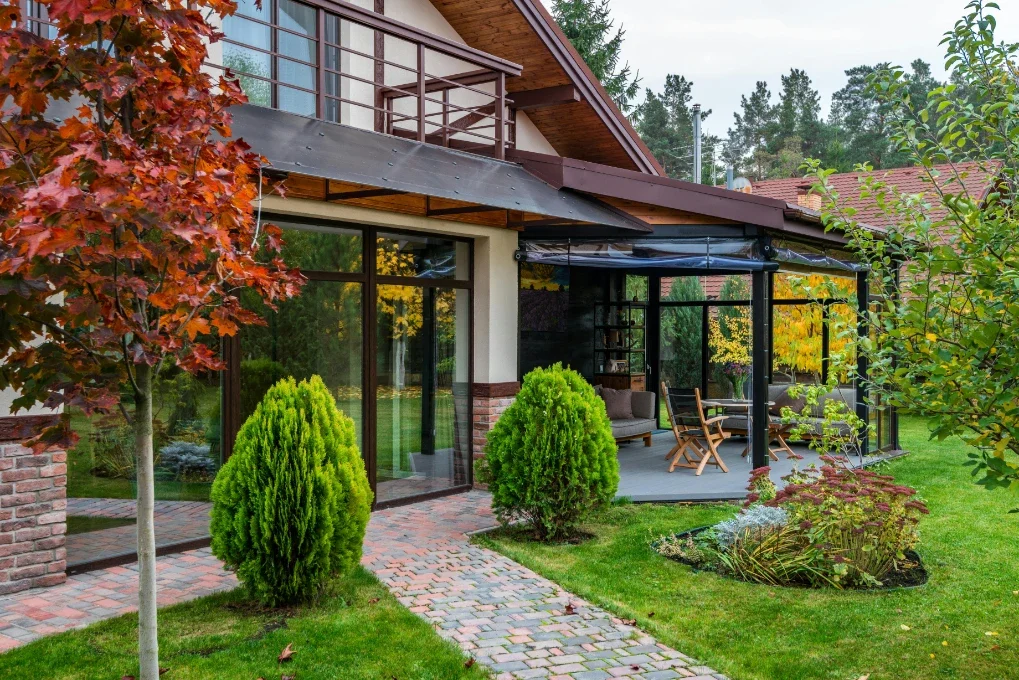
The layout should also account for existing conditions such as sunlight, shade, drainage, soil quality, and frequently used walking routes. Working with these characteristics is usually easier than trying to completely reshape the property's natural conditions. A thoughtful layout can also reduce awkward corners and unused areas that eventually become difficult to maintain.
Reduce the Amount of High-Maintenance Lawn
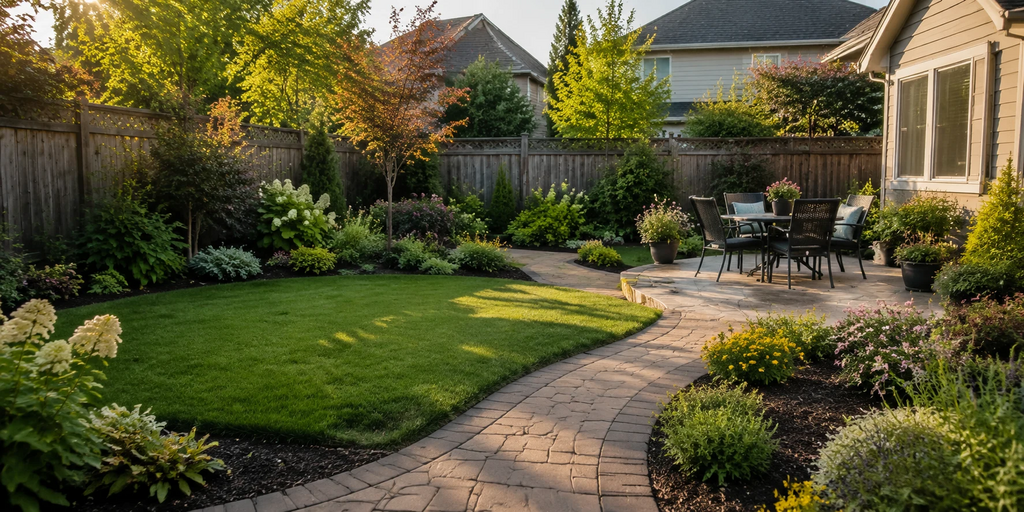
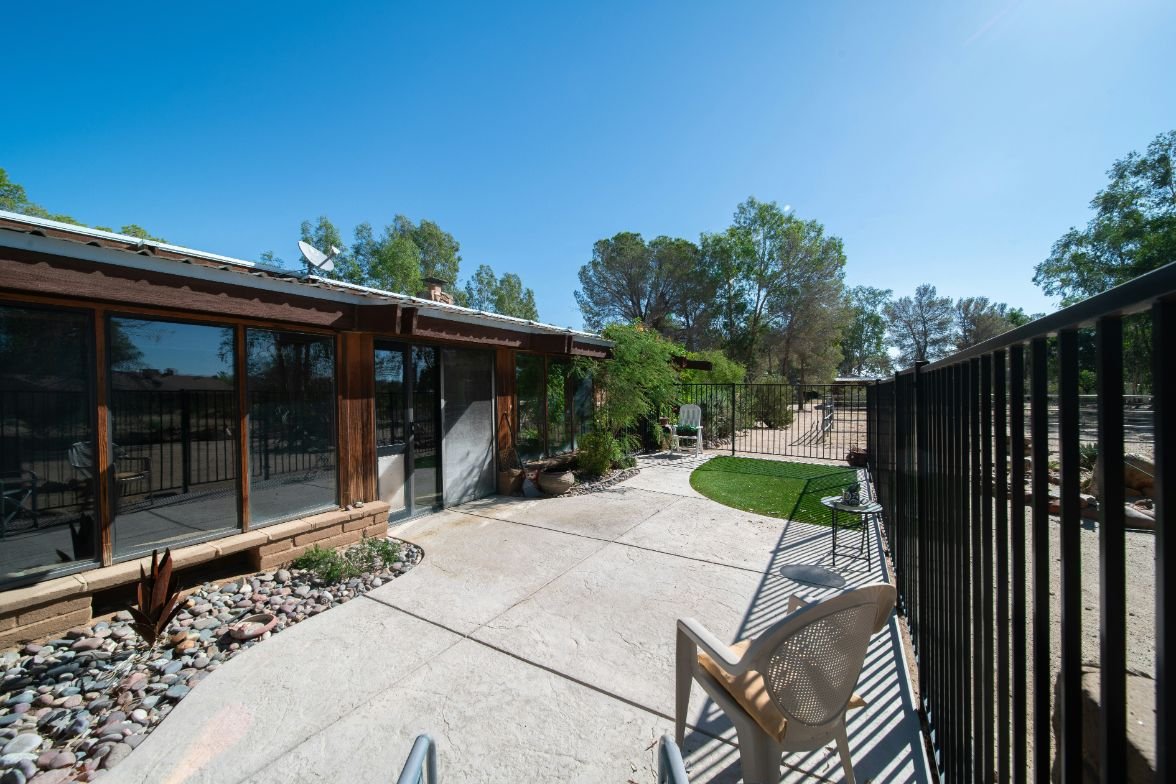
Traditional grass can create a welcoming appearance, but it often requires mowing, watering, fertilizing, edging, and occasional repairs. Homeowners who want to reduce these tasks can reconsider how much natural lawn they genuinely need. Patios, planting beds, pathways, gravel areas, and synthetic turf can all reduce the amount of grass requiring regular attention.
This does not mean that a low-maintenance backyard needs to feel covered in hard surfaces. Combining different materials can preserve a balanced appearance while giving each area a practical purpose. Green spaces can soften patios and pathways, while carefully positioned hardscaping can make frequently used parts of the backyard easier to manage.
Choose Plants That Suit the Conditions
Plant selection can have a significant influence on how much maintenance a backyard requires throughout the year. Plants that naturally suit the local climate, soil, and available sunlight generally need less intervention than varieties that struggle in those conditions. Before purchasing plants, homeowners should consider mature size, watering requirements, pruning needs, and seasonal behavior.
Grouping plants with similar requirements can make routine care more efficient as well. Species that require frequent watering should not necessarily be mixed throughout the entire garden with plants that prefer drier conditions. Organizing planting areas according to their needs can simplify irrigation while helping each variety grow under more suitable conditions.
Use Hardscaping Strategically
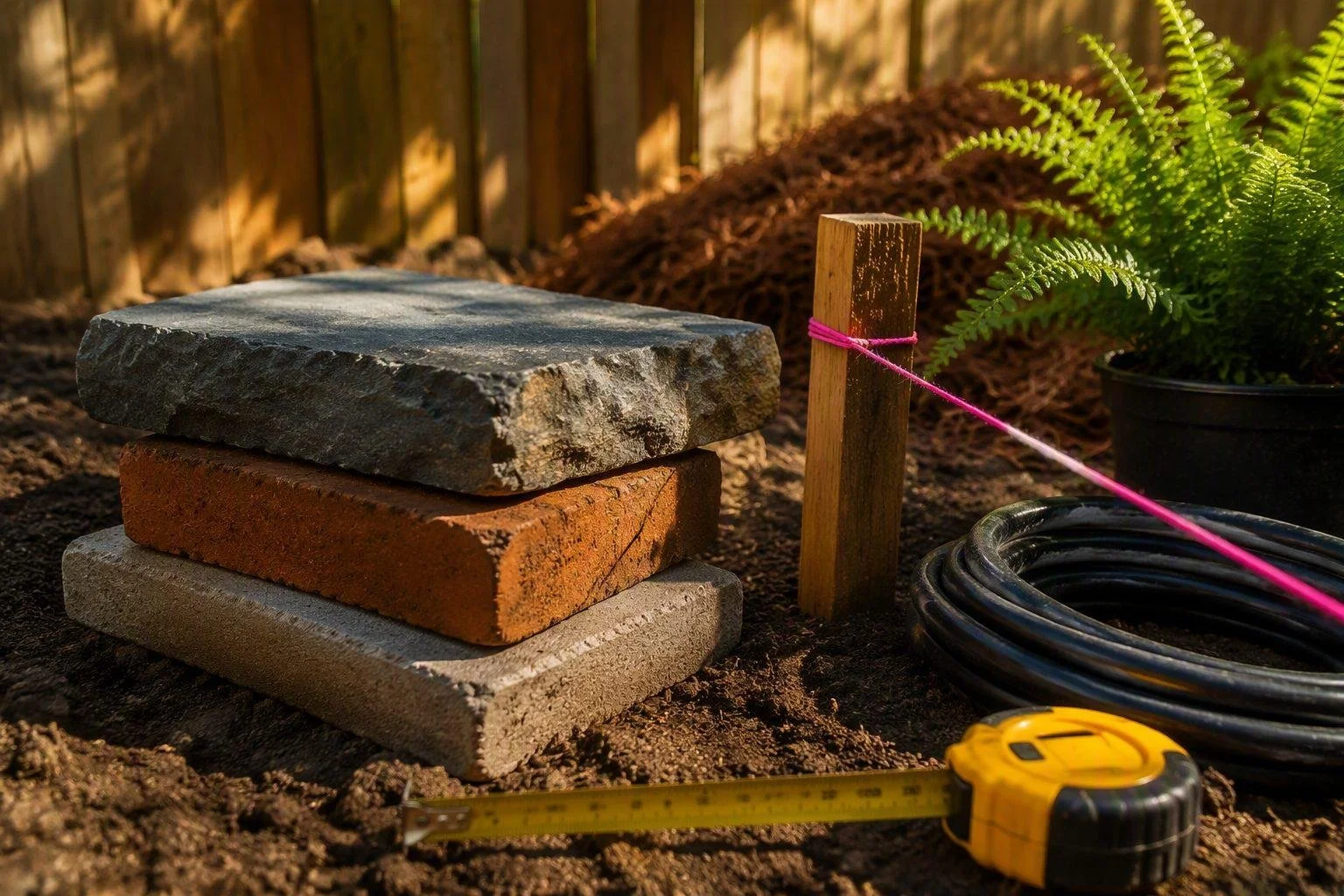
Hardscaping can provide structure while reducing the amount of living material that requires ongoing care. Paved patios, stone pathways, gravel sections, retaining walls, and defined borders can create useful areas that remain relatively consistent throughout the seasons. These features are particularly effective in locations that experience heavy foot traffic or where natural grass repeatedly becomes worn.
Durability should be considered alongside appearance when selecting materials for these areas. Outdoor surfaces need to withstand regular use, moisture, temperature changes, and other environmental conditions without requiring constant repair. Proper installation is equally important because poorly prepared surfaces can shift, collect water, or develop other problems that create additional maintenance later.
Make Watering More Efficient
Even a simplified landscape may contain plants that require regular watering, so an efficient irrigation strategy can reduce repetitive work. Drip irrigation and carefully positioned watering systems can deliver moisture directly to planting areas instead of unnecessarily watering patios, pathways, or other surfaces. Timers can further simplify the process by providing a consistent watering schedule when appropriate.
Watering requirements should still be adjusted according to weather, season, and the needs of individual plants. Automated systems can save time, but they should be inspected periodically for leaks, blocked outlets, or incorrect coverage. Efficient watering is most effective when it supports a landscape already designed around plants with reasonable moisture requirements.
Select Durable Outdoor Furniture
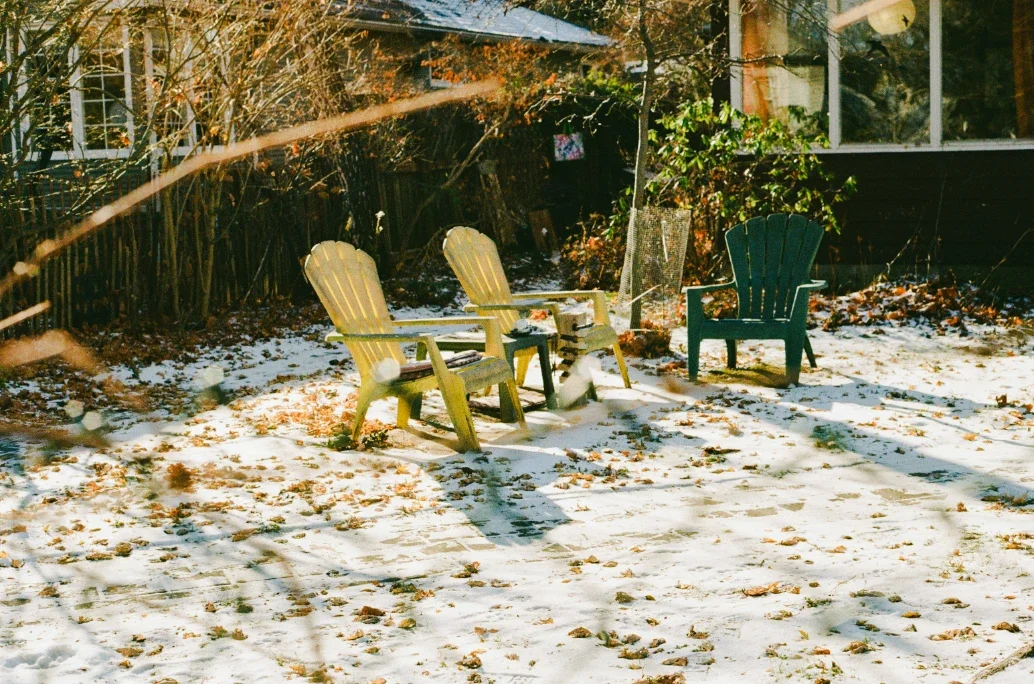
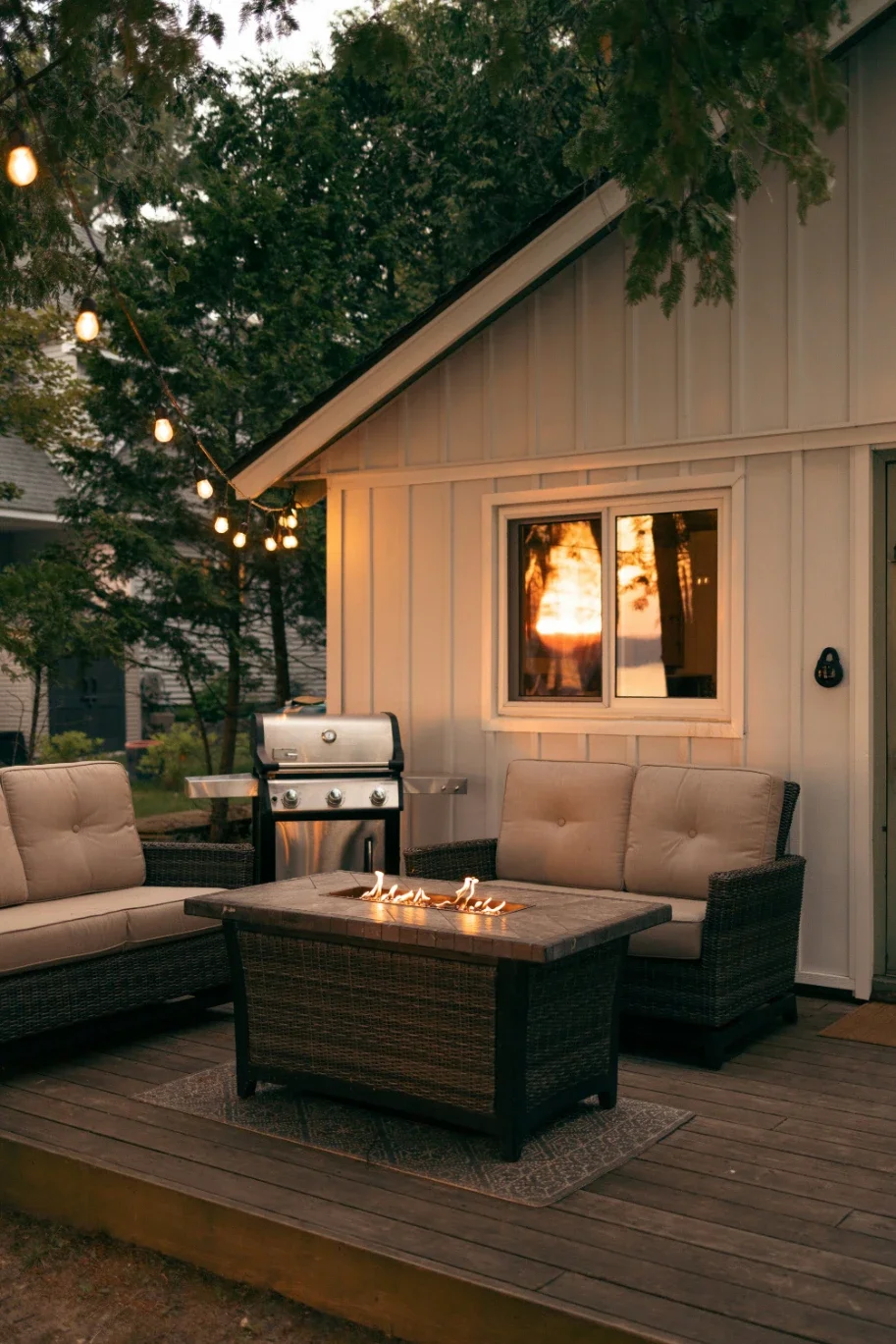
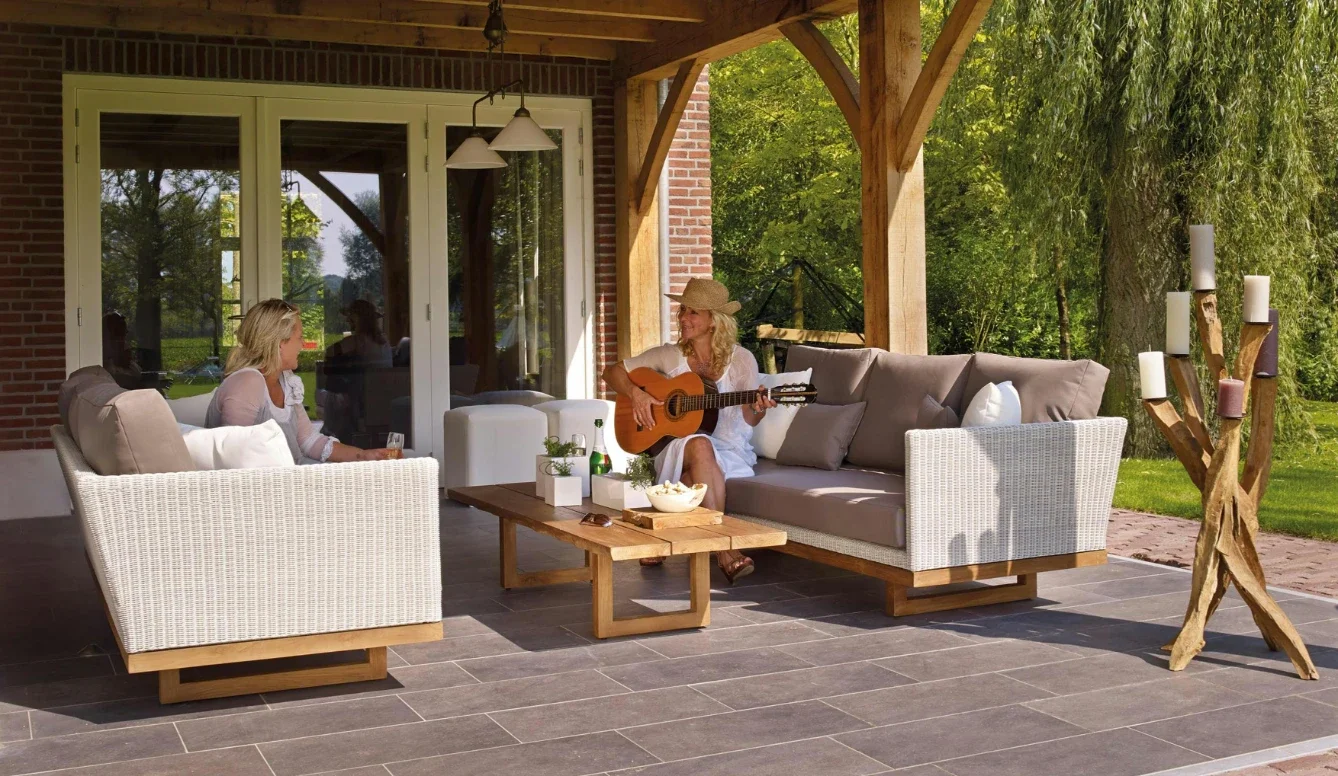
Outdoor furniture contributes significantly to the appearance and usability of a backyard, but some materials require considerably more maintenance than others. Furniture designed specifically for exterior use is generally better prepared to handle sunlight, moisture, and changing weather conditions. Selecting durable materials can reduce the need for frequent refinishing, repairs, or replacement.
Placement can also affect how quickly furniture and accessories deteriorate. Covered patios, pergolas, and other sheltered areas can provide additional protection from direct sunlight and rain where appropriate. Removable cushions and smaller accessories can be stored during severe weather to extend their useful life without requiring complicated maintenance routines.
Keep Garden Borders Clearly Defined
Defined edges can make a backyard appear more organized while also helping separate areas with different purposes. Borders around planting beds, lawns, pathways, and patios can prevent soil, mulch, and vegetation from gradually spreading into neighboring spaces. This can reduce the amount of corrective work needed to keep the landscape looking tidy.
Edging materials should complement the overall design while remaining practical for long-term use. Stone, brick, metal, and other durable options can create clean divisions without requiring frequent replacement. Consistent borders can also give relatively simple landscaping a deliberate and finished appearance.
Plan for Long-Term Maintenance
No backyard is completely maintenance-free, so the goal should be to reduce unnecessary work rather than eliminate every task. Homeowners should consider how materials, plants, furniture, and landscaping features will change as they age. Choosing options that can be cleaned, repaired, or refreshed easily can make long-term care much more manageable.
Regular small maintenance tasks can also prevent larger problems from developing. Clearing debris, checking drainage, removing weeds early, inspecting outdoor surfaces, and trimming plants when necessary can keep the space in good condition without requiring major seasonal projects. A backyard designed for easy upkeep makes these tasks quicker and allows more time to be spent enjoying the space.
Conclusion
Creating a beautiful backyard with less maintenance depends on making practical design decisions from the beginning rather than continually finding ways to reduce work after the landscape is complete. A simple layout, appropriate plants, durable surfaces, efficient watering, defined borders, and carefully selected lawn alternatives can all reduce routine upkeep while maintaining an inviting appearance. By balancing visual appeal with long-term practicality, homeowners can create an outdoor space that remains enjoyable without allowing maintenance to become a constant responsibility.
Stay up to date with our latest ideas!