When Should Children Move from a Cot to a Bed?
Learn when children should move from a cot to a bed, with helpful signs to watch for, age guidelines, safety tips, and advice for a smooth transition.
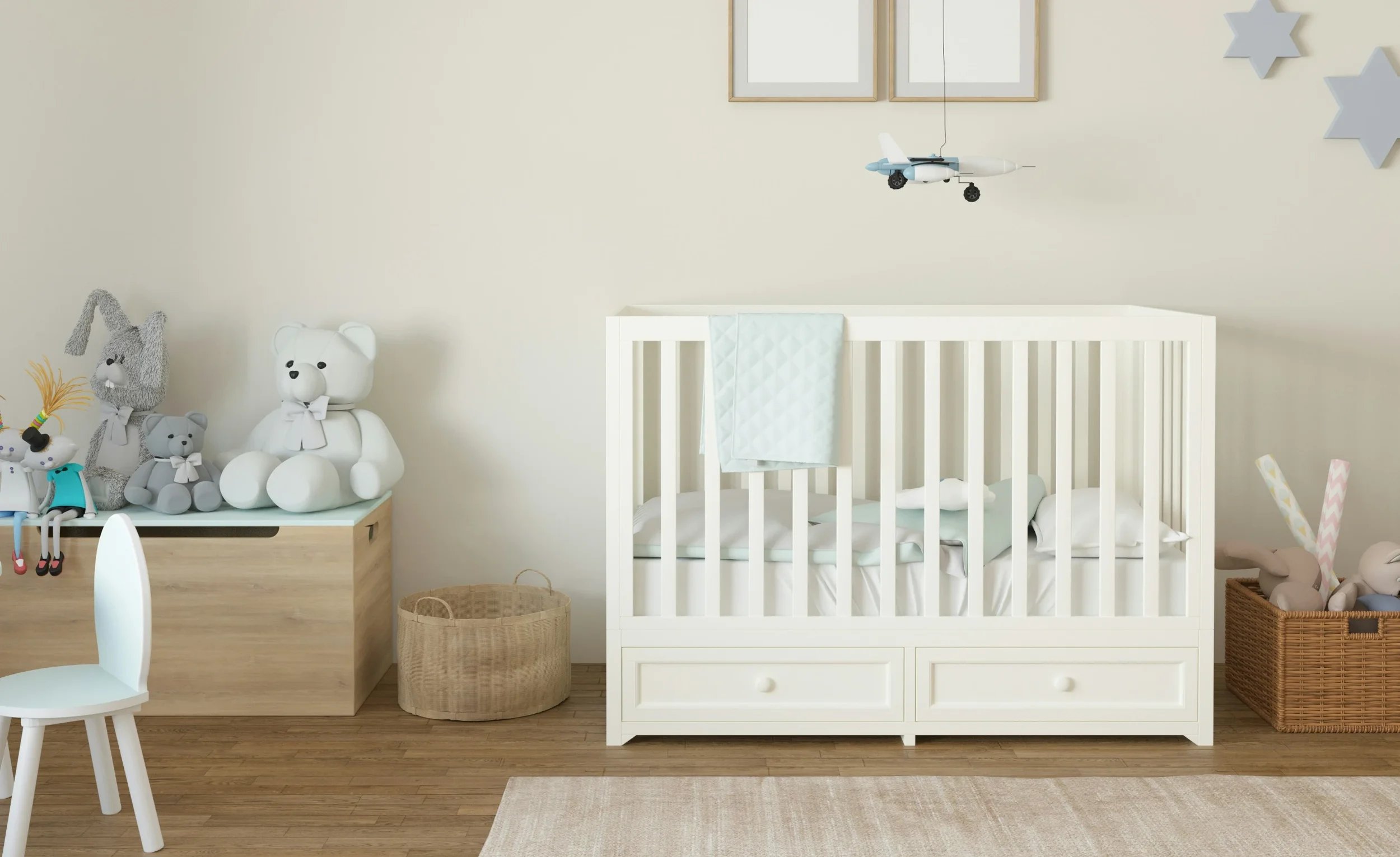
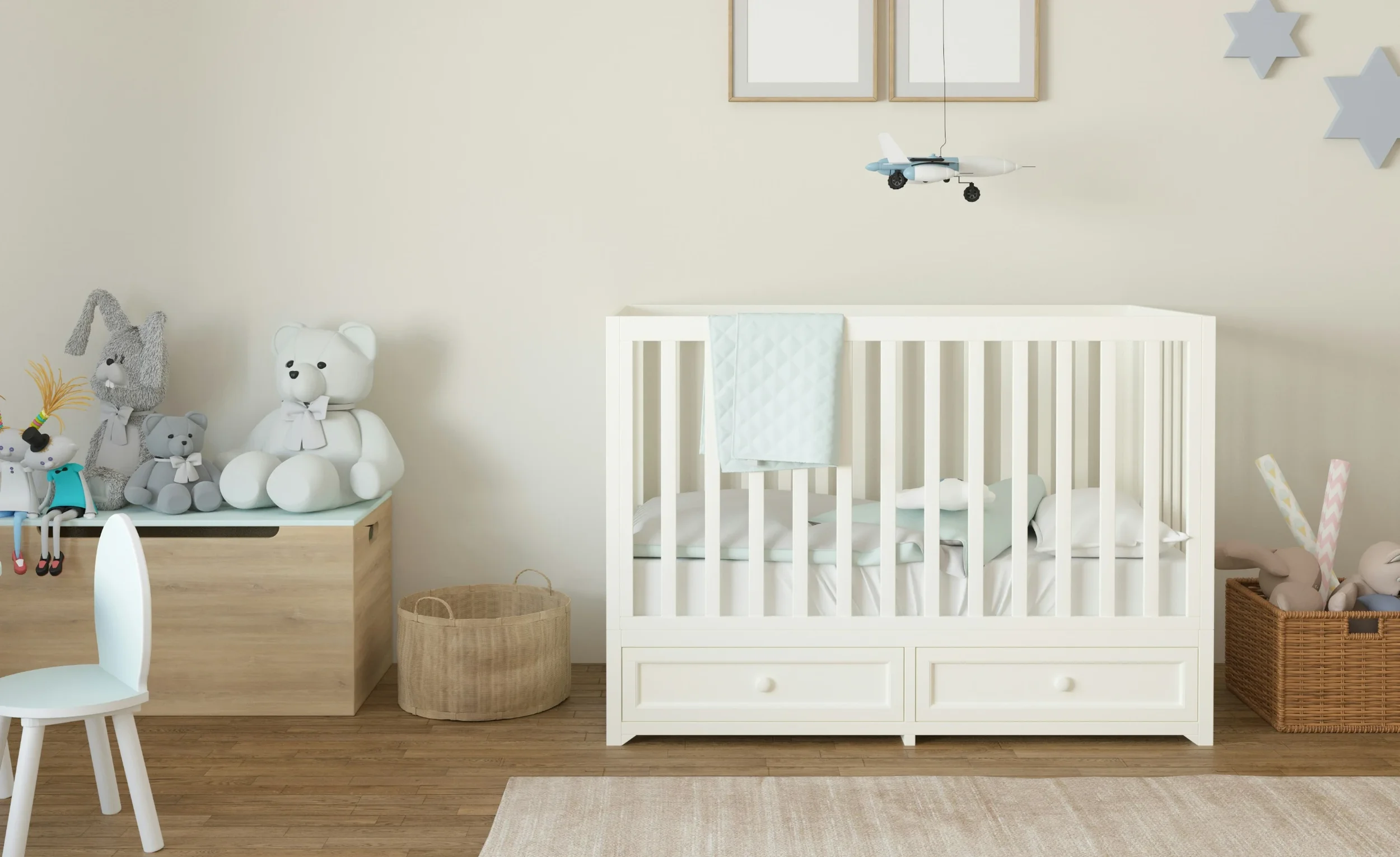
The move from cot to bed is one of those parenting milestones that arrives with surprisingly little fanfare and a lot of quiet anxiety. Move them too soon and you risk a toddler who won’t stay put and a household that never sleeps; leave it too late and you might have a determined escapee vaulting the cot bars. So when is the right time, and how do you make the switch smoothly? Here’s a practical guide to getting the cot-to-bed transition right.
There’s No Magic Age
The honest answer to "when" is that there’s no single magic age, and that’s worth accepting upfront. Most children make the move somewhere in a fairly wide window during the toddler years, but it varies enormously from child to child, and readiness matters far more than hitting a particular birthday. Rather than anxiously watching the calendar, it’s better to watch your individual child for the signs that they’re ready, which is what actually counts.
The Sign: Climbing Out
The clearest signal that it’s time is climbing out of the cot. Once a child is confidently, or precariously, hauling themselves over the cot rails, safety tips the balance firmly towards moving them, because a fall from that height is a genuine risk. If your toddler has become a cot escape artist, that’s often the deciding factor regardless of age, since a bed they can safely get in and out of is safer than a cot they keep launching themselves out of.
Outgrowing the Cot
Physical size and outgrowing the cot is another practical prompt. When a child is getting too big or too long for their cot, looking cramped and uncomfortable, it’s a sign they may be ready for more space. A child who no longer fits comfortably isn’t going to sleep well, so outgrowing the cot physically is a reasonable, straightforward reason to consider making the move to a proper bed.
The Potty-Training Prompt
Potty training can also nudge the timing, for a very practical reason. A child who’s toilet training, or newly out of nappies, needs to be able to get to the loo during the night, which a cot makes impossible. If night-time potty independence is on the horizon, that often aligns naturally with the move to a bed they can climb out of themselves, so the two milestones sometimes sensibly go together.
A New Baby on the Way
A new baby on the way is a common trigger, but timing it well matters. Many parents move an older child to a bed to free up the cot for a new sibling, which is perfectly sensible, but it’s wise to make the switch either well before or a while after the baby arrives, rather than right on top of it. That way the older child doesn’t feel their bed has been snatched away and given to an interloper, which can breed resentment and resistance.
The Case for Not Rushing
There’s a strong case for not rushing it, though, so don’t move them just because you can. If your child is happy, safe, and sleeping well in their cot, there’s often no pressing need to switch, since the cot’s cosy enclosure helps many toddlers feel secure and stay put. Moving too early, before a child can understand the concept of staying in bed, can turn peaceful nights into a nightly game of whack-a-mole, so if it isn’t broken, you needn’t rush to fix it.
Involve Your Child
When you do decide to move, involving your child makes it go far more smoothly. Framing the big-kid bed as an exciting milestone, letting them help choose bedding, and building it up positively helps them embrace the change rather than resist it. A toddler who feels proud and grown-up about their new bed is far more likely to cooperate than one who feels their familiar cot has simply vanished, so make it feel like a promotion.
Get the New Bed Right
Getting the new bed right matters for how well they settle into it. A comfortable, supportive, appropriately-sized bed helps your child sleep well through the transition, and choosing from Simba’s baby and kids’ mattresses, designed for their growing bodies, gives them a comfortable and safe surface to settle into. A good bed makes the new arrangement genuinely appealing, which helps enormously with getting them to actually stay in it.
Safety-Proof the Setup
Safety-proofing the new setup is essential once the cot walls are gone. Without the cot’s enclosure, you’ll want a bed guard to prevent falls, a safe, toddler-proofed bedroom in case they wander, and everything hazardous secured, since a child in a bed can now get up and roam. Taking the time to make the whole room safe gives you peace of mind and lets everyone sleep more easily through those first independent nights.
Expect Some Disruption
Expect some disruption and hold your nerve through it. The newfound freedom of a bed means many toddlers test it, getting up repeatedly, appearing at your door, or resisting bedtime, and this is completely normal at first. Responding calmly and consistently, gently returning them each time, sees most children settle within a few weeks, so don’t panic or assume you’ve made a mistake if the first nights are bumpy. Consistency wins out.
Trust Your Instincts
Above all, trust your own read of your child, because you know them better than any guideline or well-meaning relative. You’re the one who can tell whether they seem genuinely ready and excited or anxious and clingy, whether the cot still feels like a safe haven or has become a cage they’re desperate to escape. There’s no prize for moving first and no shame in waiting, so tune out the comparisons with other people’s children and make the call based on the small person actually in front of you. Get that judgement right and the practicalities tend to fall into place around it.
Watch the Child, Not the Calendar
So when should children move from a cot to a bed? When they show they’re ready, whether that’s climbing out, outgrowing the cot, potty training, or a new sibling arriving, rather than at any fixed age. Watch your individual child, don’t rush a happy cot-sleeper, involve them in the change, get the bed and safety right, and ride out the initial wobble calmly. Do that, and the big-kid bed becomes an exciting milestone rather than a sleepless ordeal.
Stay up to date with our latest ideas!