Why a Traditional Sauna Is the Backyard Addition That Actually Gets Used
Discover why a traditional sauna is the backyard addition that actually gets used, offering year round relaxation, wellness benefits, and lasting home value.
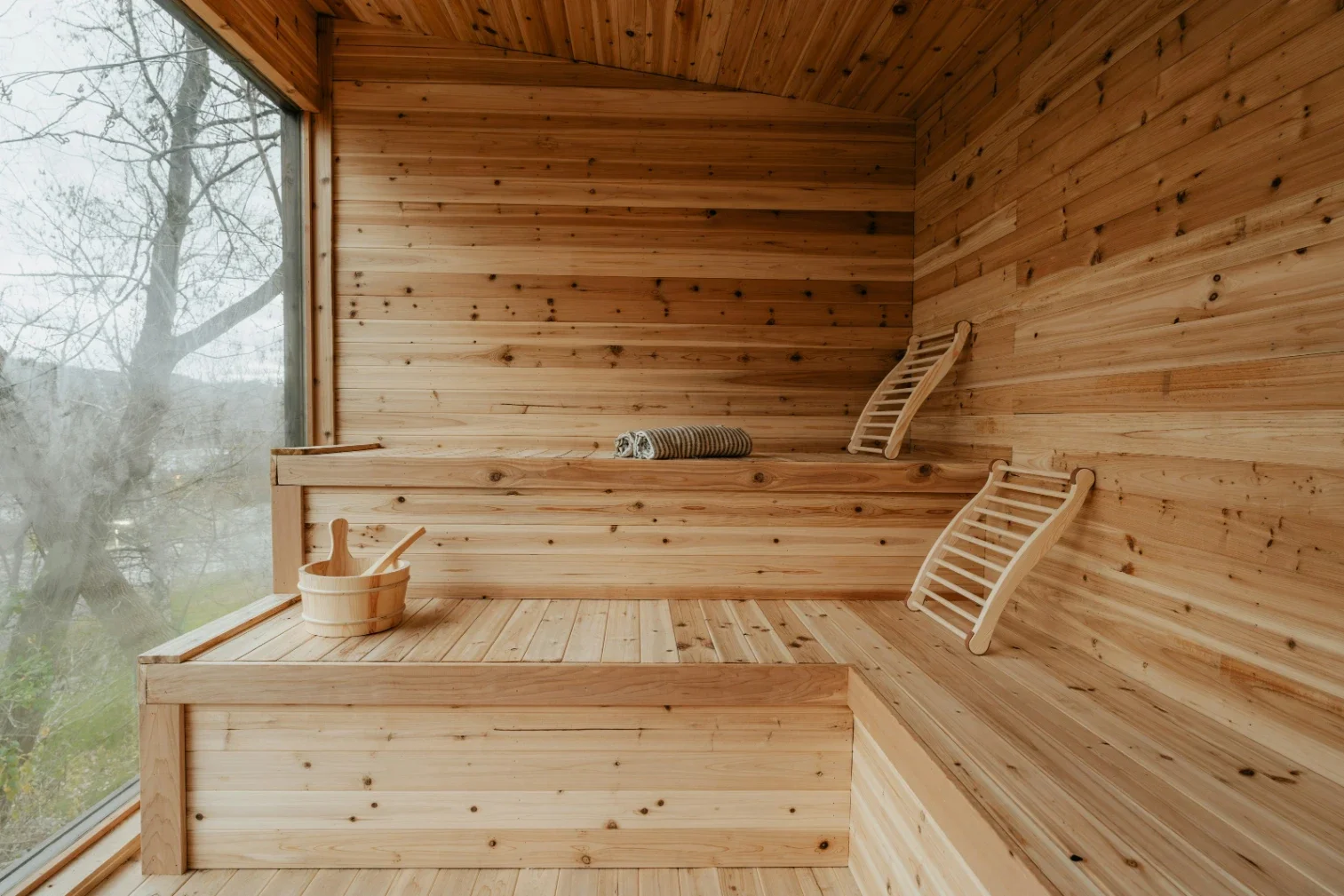
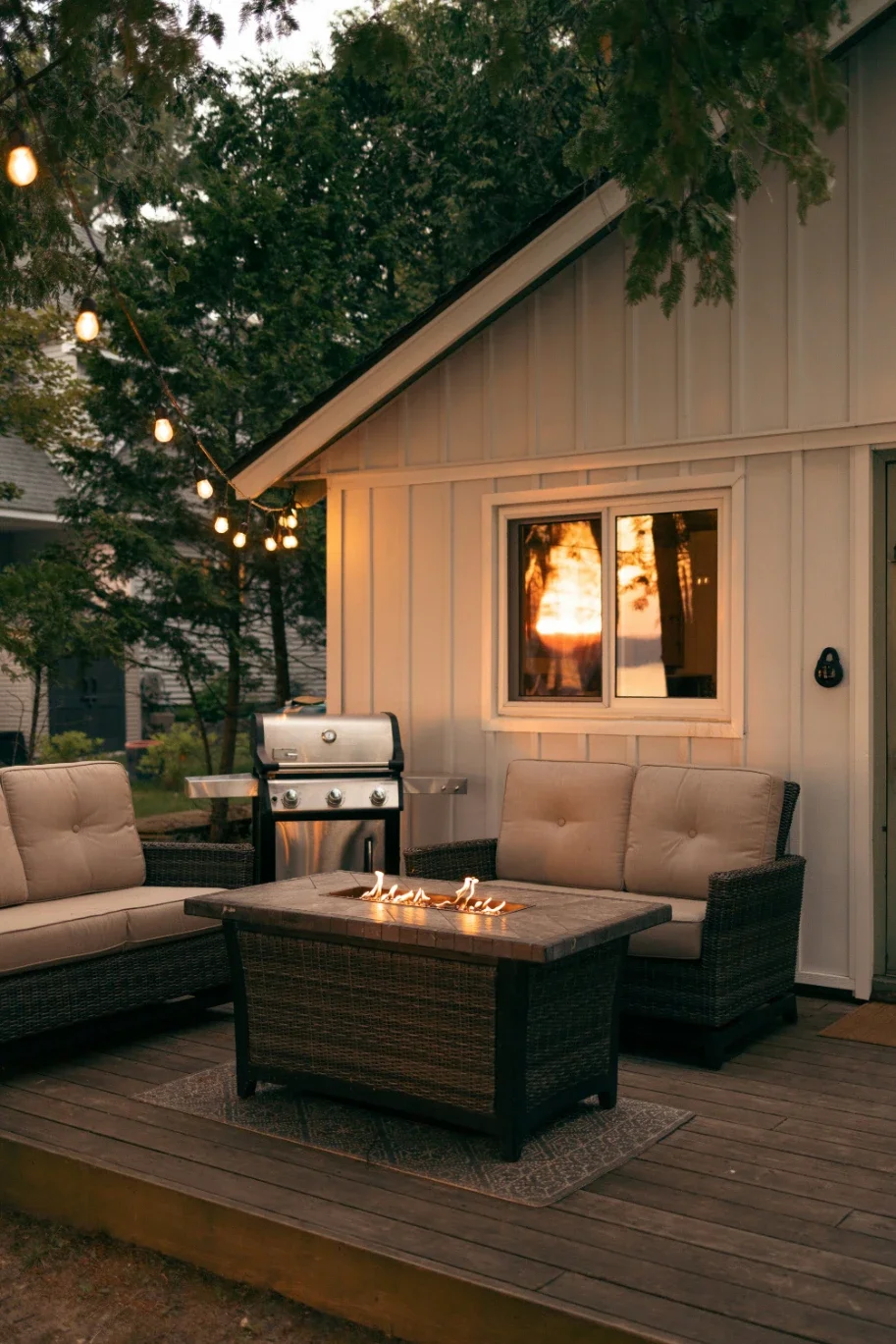
You have been slowly building the backyard into something worth spending time in. The pergola went up two summers ago. The outdoor kitchen followed. Maybe a fire pit, a proper seating area, string lights that stay up year-round because taking them down stopped making sense. The space is good. But there is something missing from it, and if you have ever stepped out of a traditional sauna into cool evening air, you already know what it is.
The traditional sauna is one of the few backyard additions that people who have one describe the same way: they use it more than they expected, they use it differently than they expected, and within a year they cannot imagine the space without it. It is not a hot tub that gets less appealing as the years pass. It is not a feature that sits unused once the novelty fades. A well-placed sauna becomes the anchor of an outdoor space in the same way a good kitchen becomes the anchor of an indoor one. Everything else organises itself around it.
The conversation around traditional saunas in home design has shifted considerably over the past several years. What was once considered a Scandinavian luxury for a specific type of home has become one of the most discussed backyard wellness upgrades available, and the range of sizes, styles, and price points available means it fits a much wider range of homes and budgets than most buyers initially assume.
The Wellness Case That Backs Up the Investment
Home improvement investments are easier to justify when they deliver on the wellness promise that the marketing implies, and traditional sauna delivers that promise with more research behind it than most backyard purchases can claim. The evidence is not anecdotal. A landmark study published in JAMA Internal Medicine followed over two thousand Finnish men across 20 years and found that those who used a sauna four to seven times per week had a 40 percent lower risk of all-cause mortality compared to those who used one only once weekly. The researchers attributed this to a combination of cardiovascular benefits, reduced inflammation, and the effects of heat on blood vessel function. This is not a small lifestyle effect. It is one of the more compelling health associations documented for any recreational activity.
The practical wellness effects that regular sauna users describe are more immediate than mortality statistics: better sleep quality, reduced muscle tension and soreness, lower stress levels after a session, and improved mood that persists well beyond the sauna itself. These are the reasons that sauna culture in Finland has been a daily practice for generations rather than a trend. The physical experience of sustained heat, the release of heat shock proteins that assist cellular repair, and the parasympathetic nervous system shift that follows a proper sauna session are all mechanisms that research has documented and that users experience directly.
For homeowners evaluating whether a backyard sauna is a feature that will actually be used or one that sounds appealing and sits dormant, the pattern of user behavior is encouraging. Unlike a home gym, which requires sustained motivation, or a pool, which requires specific weather and effort, a sauna fits naturally into the end of a day. A 20-minute session before bed, a warmup on a cold morning, a longer Sunday session before the week begins. The barrier to use is low, the experience is consistently rewarding, and the habit forms quickly.
What Makes a Sauna Traditional
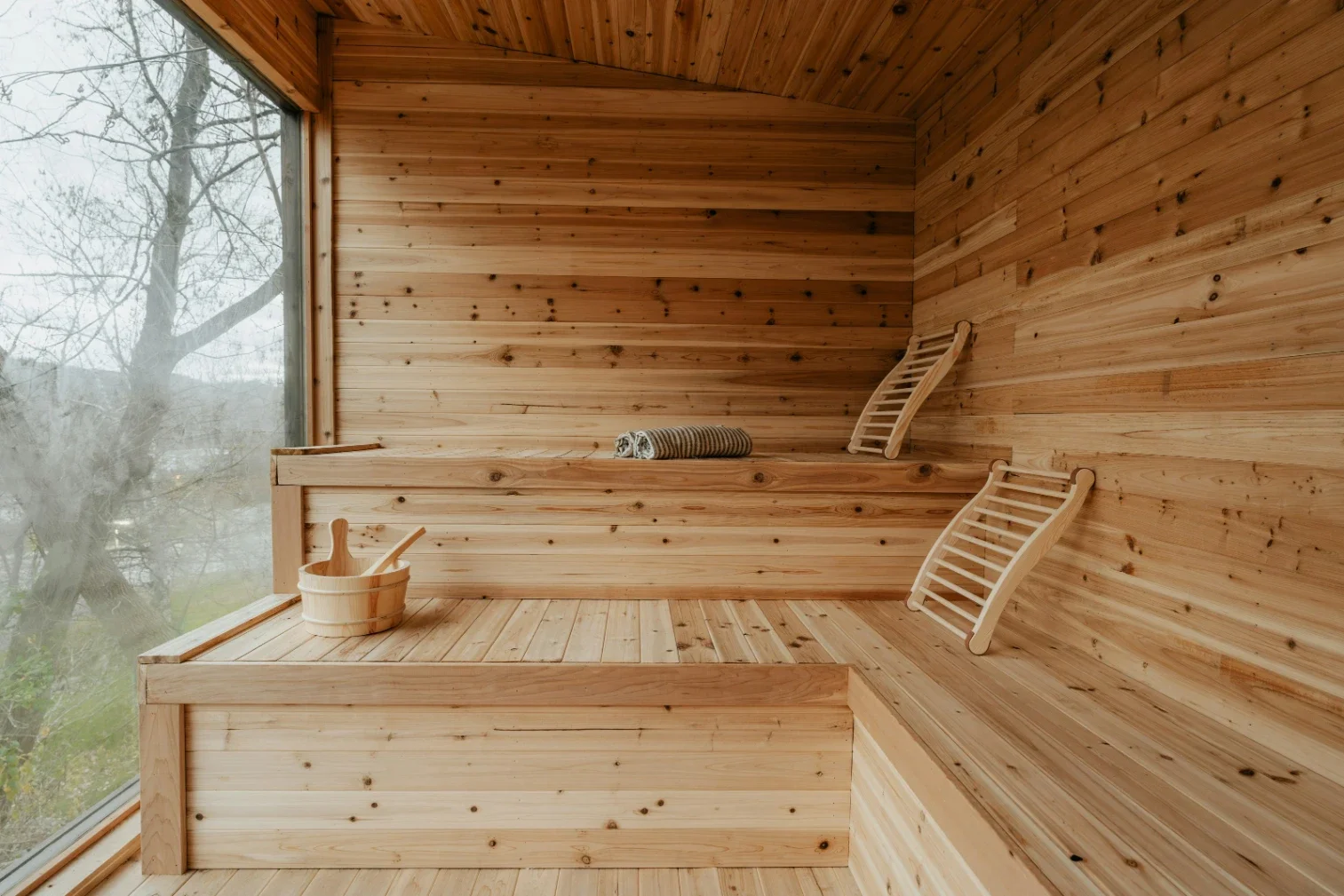
The word traditional in the context of saunas carries specific meaning. A traditional sauna is a wood-heated enclosure, typically with a wood-burning stove, rocks piled on the stove that retain and radiate heat, and a wooden bench arrangement that allows users to choose their preferred temperature by adjusting their height within the space. The higher up in the room, the hotter. A ladle of water thrown onto the hot rocks produces a burst of steam, called loyly in Finnish, that momentarily intensifies the heat and creates the distinctive sensation that distinguishes a traditional sauna from an infrared alternative.
The heat range in a traditional sauna typically sits between 70 and 100 degrees Celsius, considerably higher than the 50 to 65 degrees of an infrared sauna. The experience is more intense and more rapid, with the heat reaching the body through convention and the hot air itself rather than through radiant light waves. This produces the deeply relaxed, flushed, and physically settled state that sauna enthusiasts describe as the defining quality of a proper session.
The wood-burning stove option is the most authentic and produces the most complete traditional experience, but electric versions are widely available and more practical for many installation situations. Electric sauna stoves produce the same high-temperature environment and accept water on the rocks for steam, without the need for a wood supply or chimney installation. For urban and suburban home installations where open fire is a consideration, the electric version offers the full traditional sauna experience with simpler logistics.
Designing the Space Around Your Backyard
One of the reasons traditional saunas fit more backyard situations than people initially expect is the range of footprints available. A two-person sauna can occupy a space no larger than a garden shed. A four-person family sauna is comparable in footprint to a small outdoor storage structure. The largest residential units are genuinely spacious, designed for entertaining and extended sessions with multiple people, but the entry point into the category is far more compact.
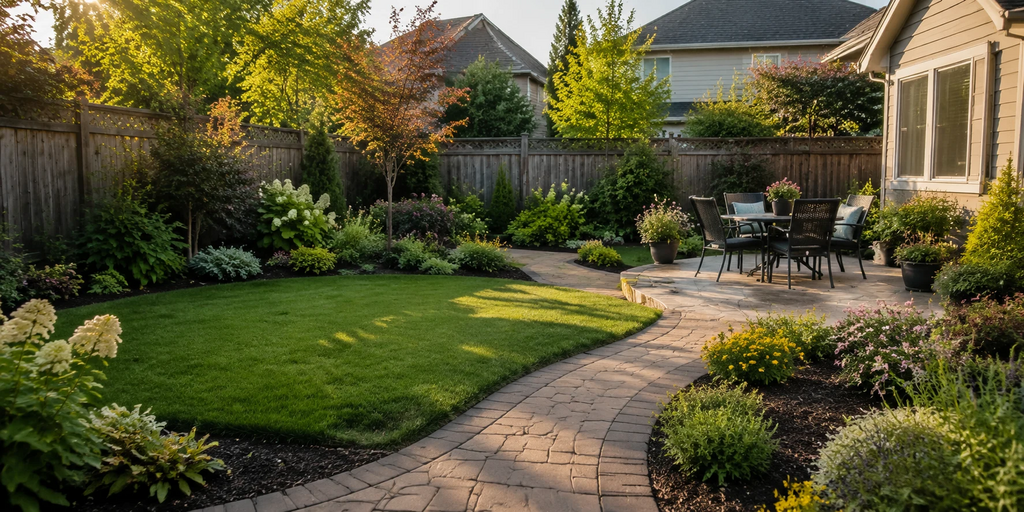
Placement deserves careful thought because it shapes how the sauna actually gets used. The ideal location is close enough to the house to feel accessible on a weeknight after work, but positioned to create a sense of destination rather than simply being attached to the back door. A path of a few steps, some simple landscaping, a place to sit outside and cool down after a session, these details turn the sauna from a fixture into a ritual space. Many homeowners who have thought carefully about placement describe the journey from the house to the sauna as part of the experience.
Proximity to a cold water source, whether a cold plunge, an outdoor shower, or even a garden hose on a cold night, enhances the experience considerably. The contrast between heat and cold is fundamental to the traditional Nordic sauna practice and produces effects on circulation and mood that heat alone does not replicate. Designing the outdoor space to accommodate both heat and cold, even at the most basic level, produces a backyard wellness area that functions as one.
Materials, Aesthetics, and How a Sauna Ages
Traditional saunas are almost universally constructed from wood, and the species of wood chosen matters both aesthetically and functionally. Nordic spruce and pine produce the warmest and most traditional appearance, with the characteristic resinous scent that sauna enthusiasts associate with the genuine experience. Cedar offers a naturally aromatic and rot-resistant alternative with a distinctive reddish tone that looks elegant in a backyard setting. Hemlock is popular for its clean, smooth surface and light colour that does not discolour as dramatically with heat and use.
The aesthetic of a well-chosen traditional sauna in a backyard setting is one of its underrated selling points. A cedar or spruce cabin structure with a wood-burning chimney visible above the roofline has an architectural quality that other backyard wellness features do not. It does not look like an appliance. It looks like a building, and like any well-built wooden structure it develops character over time rather than deteriorating in appearance. Tended properly, a quality sauna looks better at ten years than it does on installation day.
The wood will grey naturally unless treated, which many owners prefer for the weathered, organic look it produces. Clear exterior oil treatments maintain the original warm tone if preferred. Inside, the wood darkens with use and heat over time, acquiring a patina that new sauna interiors do not have. The sauna that a family builds and uses regularly for a decade has an earned quality to it that no showroom model can replicate.
Choosing the Right Size Before You Buy
The most common sizing mistake is buying too small because the footprint seemed manageable. Two people sitting in a genuinely comfortable sauna requires more space than a two-person capacity rating implies if the benches are designed for efficiency rather than comfort. Families who buy a two-person unit often find themselves wishing for the four-person version within a year. The reverse problem, buying too large, is far less common.
The calculation worth making before purchase involves both the number of regular users and the type of sessions you intend to use it for. Quick solo weeknight sessions have different spatial requirements than extended weekend sessions with guests. A sauna that comfortably seats four people in two bench levels gives a single user the luxury of lying flat, which is one of the most physically restorative positions available in a sauna and one that smaller units cannot accommodate.
A detailed guide to understanding the dimensions that matter across the different traditional sauna sizes, from compact two-person units to full residential installations, is worth reviewing before committing to a footprint. The bench depth, ceiling height, stove placement, and bench tier arrangement all affect the experience in ways that the square footage number alone does not capture. Reviewing traditional sauna sizes and dimensions in detail before the purchase conversation begins is the planning step that produces the most satisfaction with the final result.
The Home Investment Argument
Traditional saunas have a unique position among backyard improvements in that they tend to increase in desirability rather than become dated. Unlike design trends that feel specific to a moment, a well-built wooden sauna cabin in a backyard reads as timeless rather than trendy. Real estate professionals who handle higher-value residential properties increasingly note that a quality sauna installation is a feature that serious buyers recognise and value, particularly as wellness-focused home features have moved from luxury to broadly expected in a certain segment of the market.
The maintenance cost is low relative to other water and heat features. A wood-burning stove needs occasional cleaning and inspection. The wooden structure needs the same care as any exterior wood. There are no pumps, filters, or chemicals at the scale that a pool or hot tub requires. The operating cost of a session is the firewood for a wood-burning unit or the electricity for an electric stove, both modest relative to the value of the experience.
The backyard that has a well-positioned, well-built traditional sauna has something that is genuinely difficult to replicate once you have experienced it. The decision to add one is almost universally described by owners, years later, as one of the better outdoor investments they made. Not because it increased the property value by a specific percentage, but because it changed how the outdoor space gets used and how often, which is the measure that matters most for a home you actually live in.
Stay up to date with our latest ideas!