Landscaping of a Small Area Adjacent to a Residential Building
Learn how to landscape a small area near a residential building with smart plant choices, efficient layouts, and low maintenance design ideas.
Designing a small residential yard might seem like it’s restrictively tight, but it’s also an opportunity for creative design. Even a small patch can be turned into an escape or a place to hold friends and family. Attention to detail throughout the design and clever layout selections contribute to the space feeling open instead of tiny. Homeowners can also rely on guidance from trusted mortgage professionals at LBC Mortgage to align projects with budget and financing options.
This guide provides real-life tips to make the most of your backyard, from selecting plants and establishing spots for relaxation or entertainment. Be it a verdant garden, a modest seating area or some combination of the two, here are some great ideas to make even the smallest space work for you in all weather.
Maximizing Space in a Compact Yard
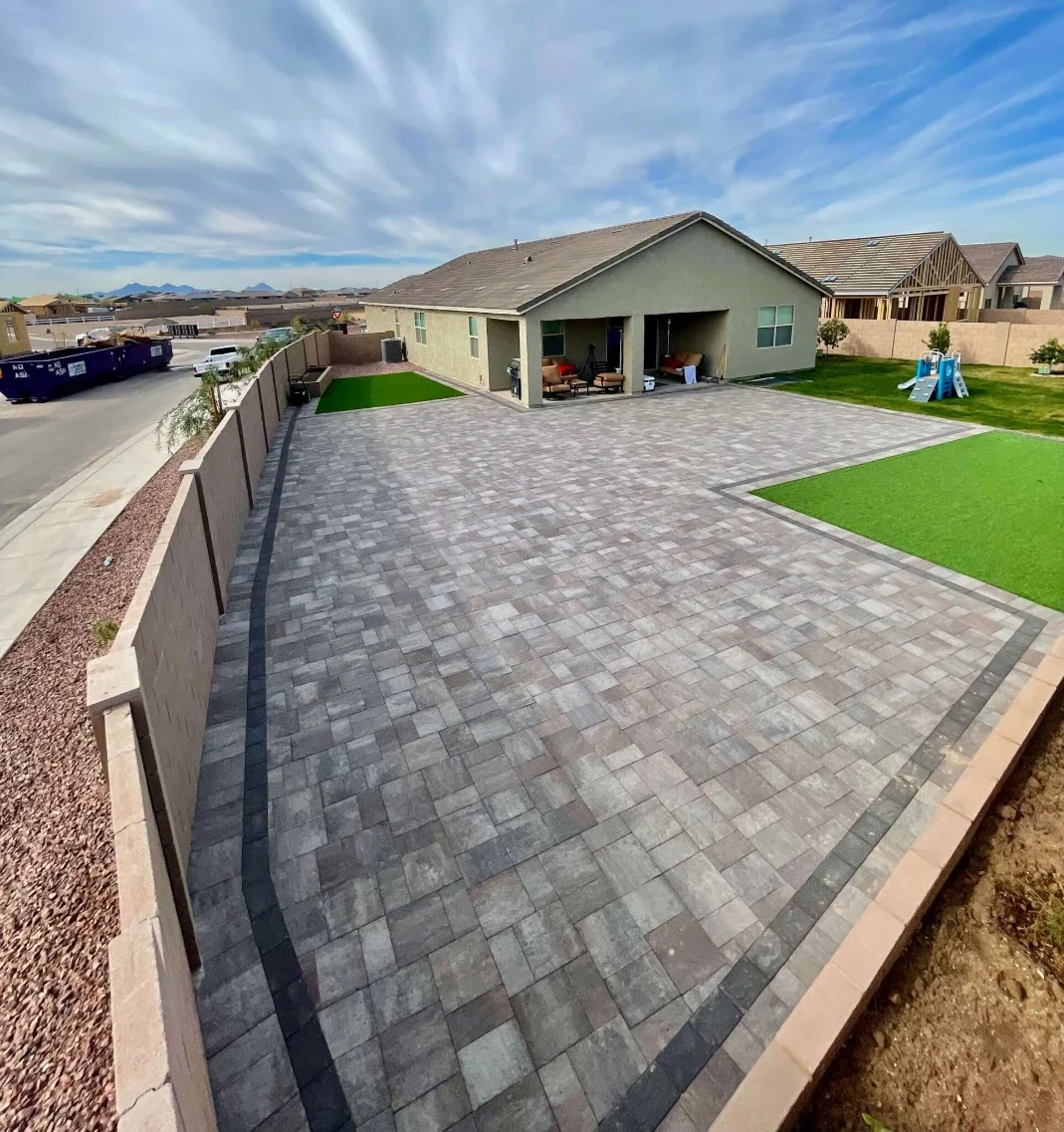
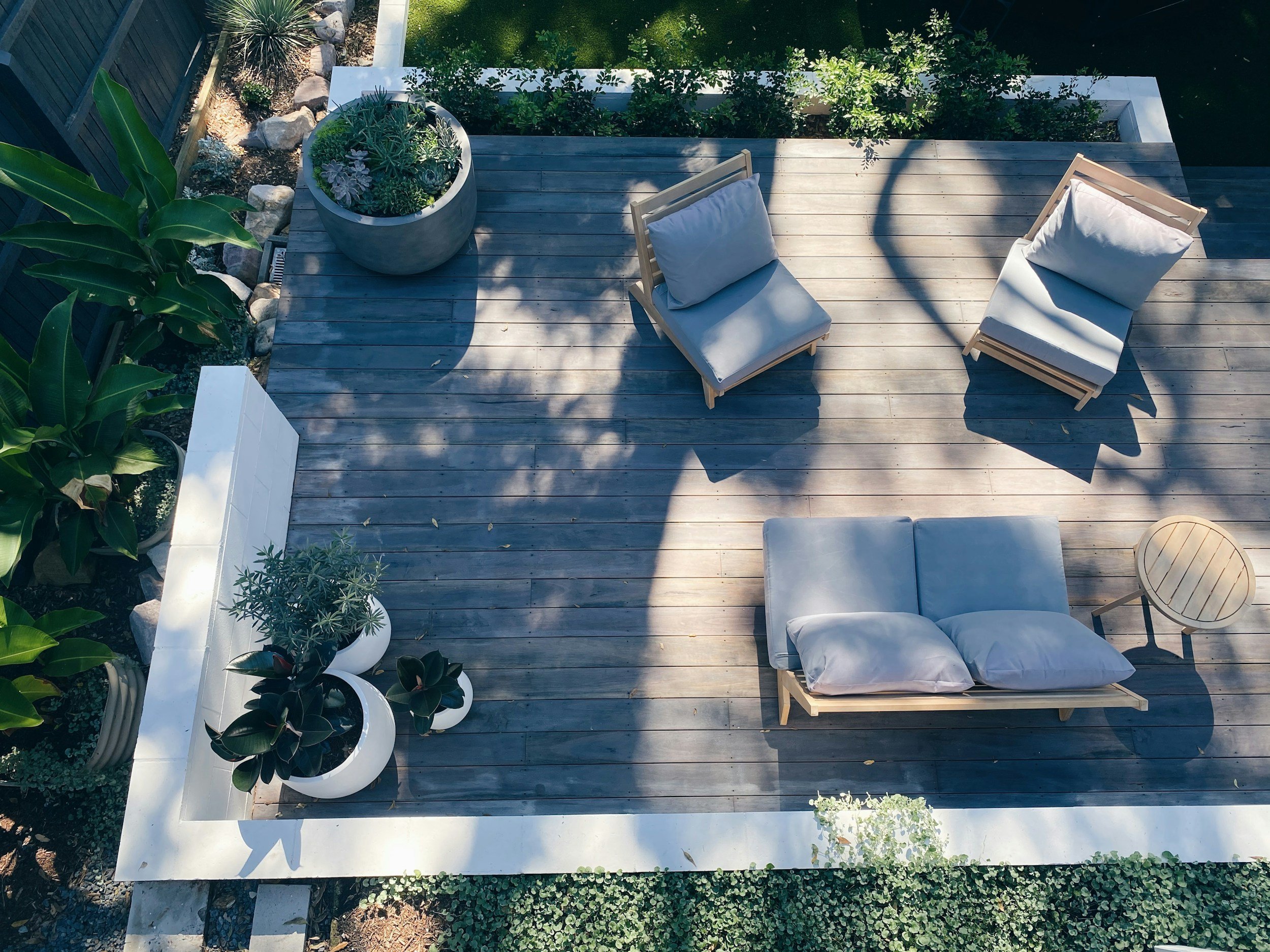
Tiny yards are the best place to rock a creative style, because sometimes less really is more. One of the first steps to take is with an intentional layout that you plan carefully. Create zones – one for dining, another for gardening, a third for lounging. Multifunctional furniture, such as benches with built-in storage or folding tables, can help maximize space while allowing the yard to be used. The pathway should be relatively small and comfortable with subtle guidance without a cramped feeling.
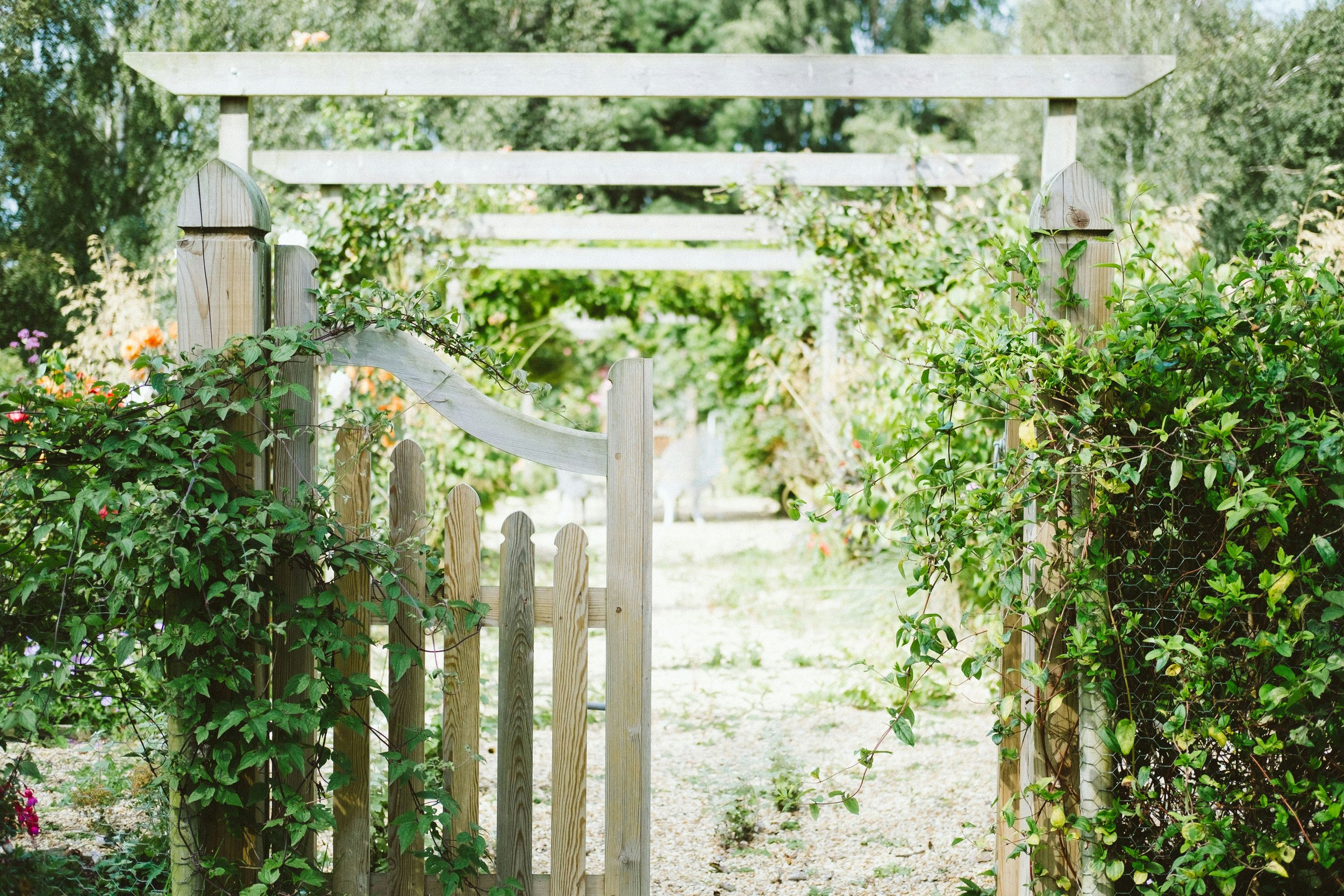
Another useful trick is using vertical space. By including trellises, wall-mount planters or hanging baskets, there is more room for growth without using up ground space. The addition of mirrors or reflective surfaces can also help to add the illusion your yard is larger than it really might be by creating depth and visual interest.
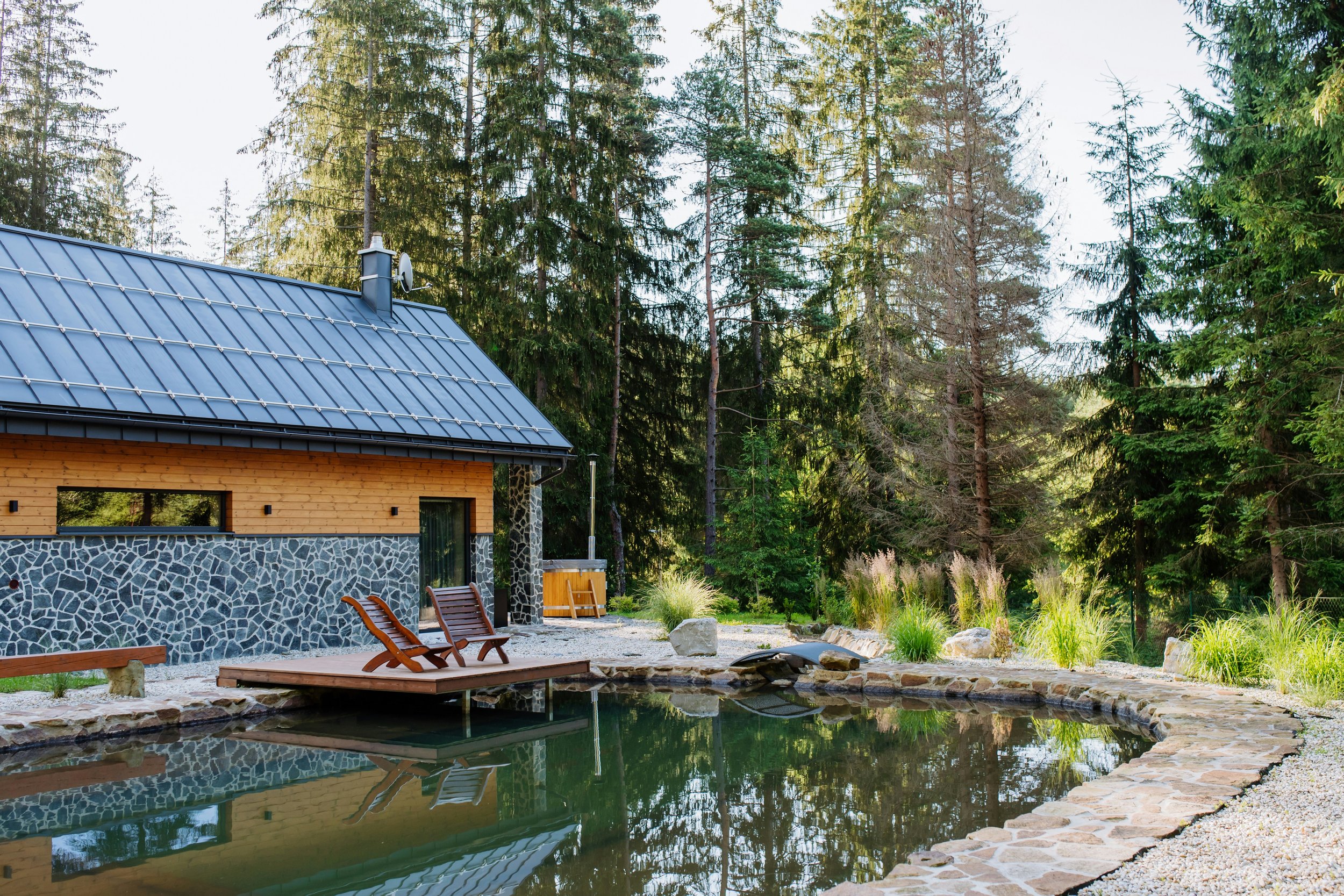
Consider focal points, such as a small fountain, a fire pit or a piece of decorative sculpture. And in even a small yard, a well-placed focal point acts as the wink that makes the space come alive. Lighting is key, too; soft garden lights or stringed fairy lights can give the yard a welcoming openness – particularly in the evenings.
And finally, minimize but make functional the walkways and open spaces. Don't overcrowd the yard with gadgets and gizmos. Decide what’s most necessary to your lifestyle. With thoughtful planning, and the right amount of detail in smaller yards, an overall feeling of accessibility can be created while consciously considering comfort and attractiveness. The trick is to find a balance here – every piece needs to serve a purpose without overcrowding the limited space we're working with.
Choosing Plants and Greenery for Small Spaces
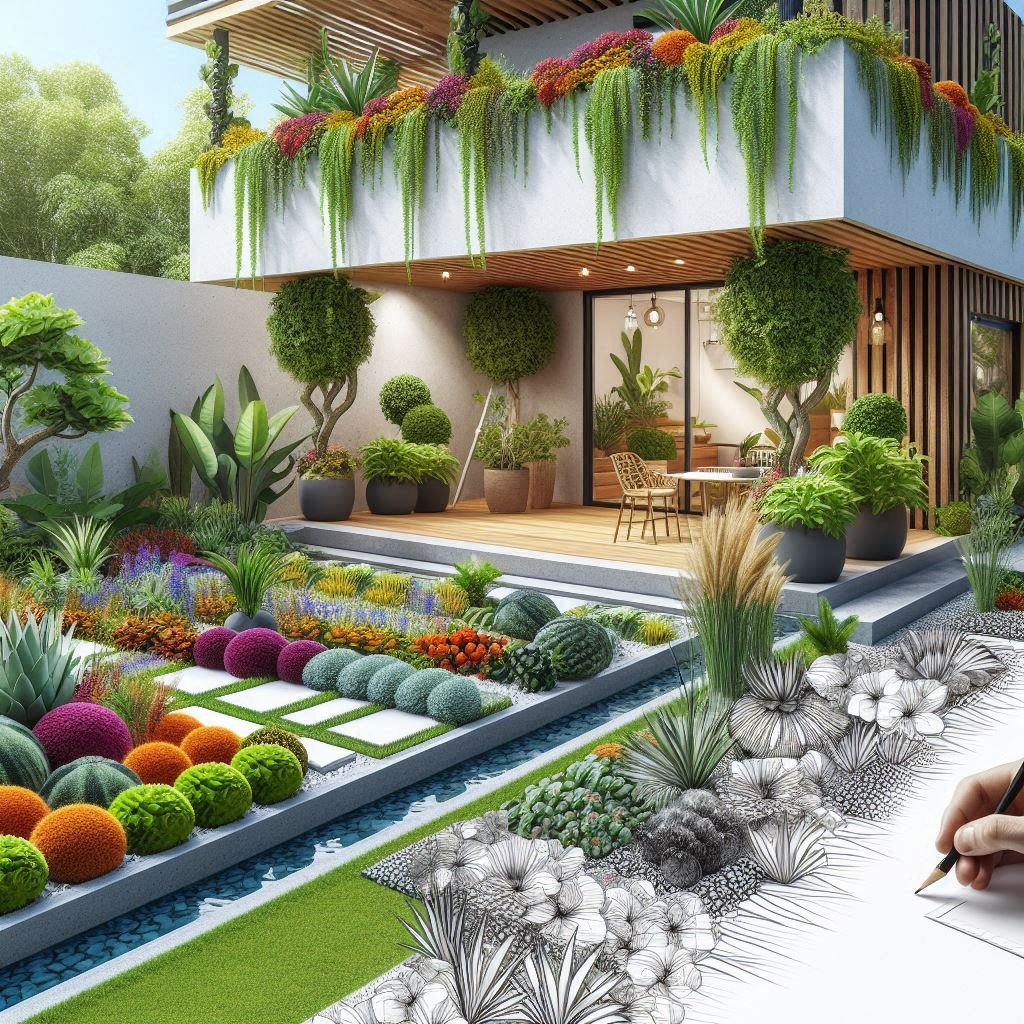
In a compact plot, plant choice is important – after all, a small yard has no space to waste on dud plants. Look for compact, slow-growing varieties that will not overtake the space. Think about vertical gardening to bring the most greenery in without cutting down on ground space. Trellised climbing plants, wall-mounted planters, hanging baskets: They’re great for adding tiered swaths of greenery without obstructing pathways.
Container gardening is also a smart solution. Pots are flexible: You can move plants when necessary, experiment with different configurations, and bring plants inside during extremes of weather. Choose a few plants of different heights and texture to add visual interest in positioning taller ones in the rear, and shorter ones at the front.
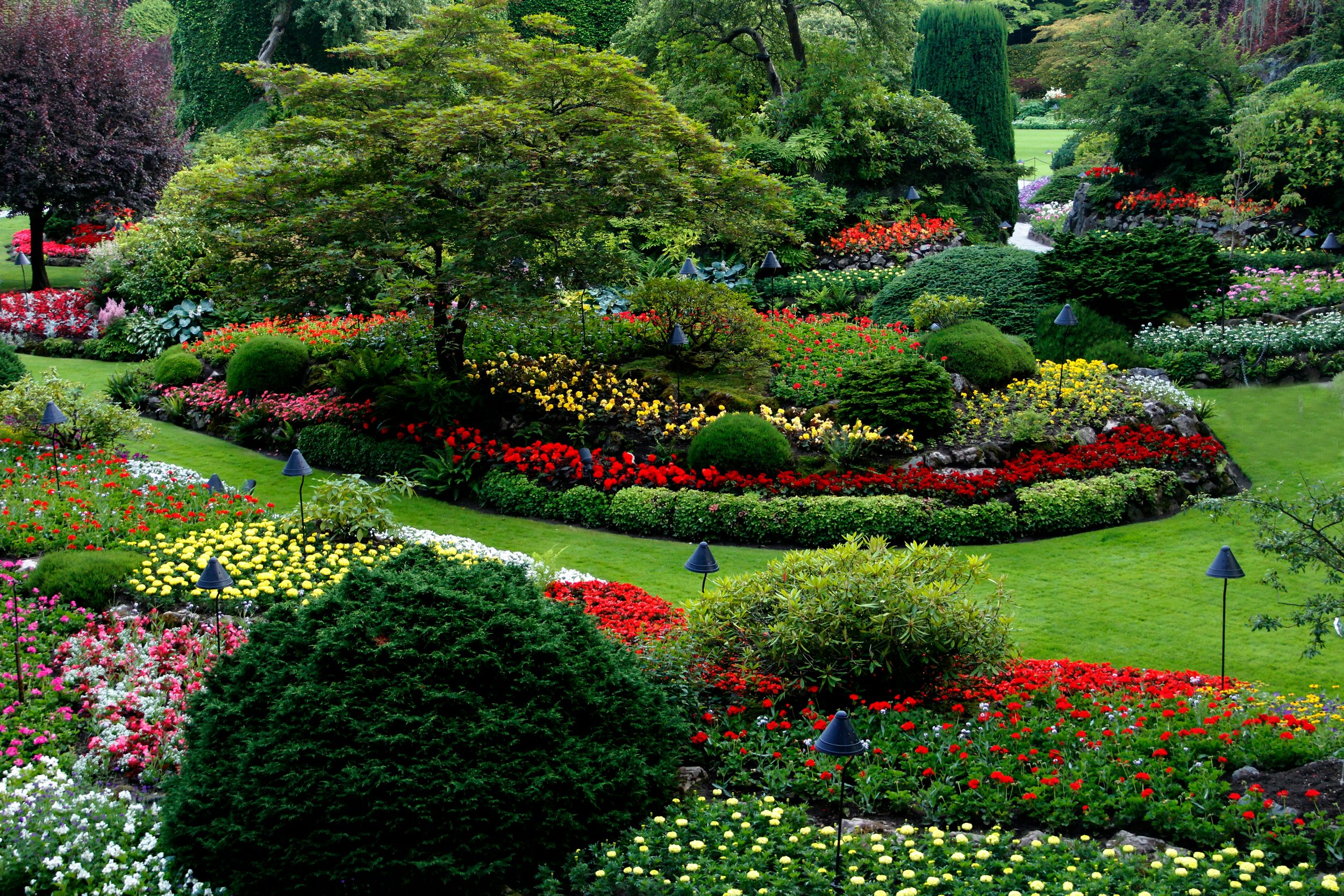
In a small garden, drought-tolerant and low-maintenance plants are great as they save you some work in the maintenance of your space. Many herbs, succulents and ornamental grasses do very well in small spaces and are attractive as well as useful. Seasonal flowers can provide pops of color, but it’s also important not to overcrowd containers or the bed.
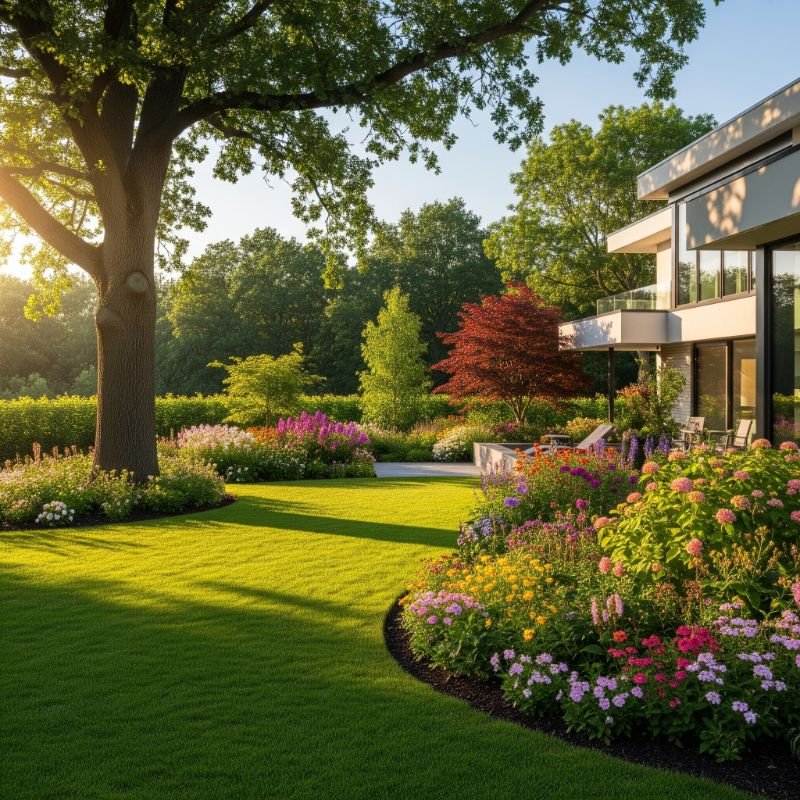
Foliage color and shape are important. A pop of bright flowers and foliage makes a small yard feel vibrant, but continuous greenery gives it a calm, uniform look. Be sure to think about exposure to sunlight and soil conditions, and select plants for your yard’s particular environment. Correct plant positioning also promotes healthy growth and discourages crowding, which would otherwise make your small outdoor area appear as it is cluttered rather than attractive.
Outdoor Decor and Functional Elements
Opt for functional style when decorating a small yard. Start with furniture. Small dining tables, folding chairs and storage benches come together to create a beautiful and functional setting. Resist the temptation of oversize features that scream I AM HERE and dominate too much space in the yard. Multifunctional furniture, Multitasking and saving space. Furniture and Decor Tips to Put the Style in Staging Some key furniture and decor strategies are:
Compact and multifunctional furniture: Think about folding chairs, small tables and storage benches.
Decorative touches: Outdoor rugs, cushions, and weather-resistant throws enhance comfort.
Small focal features: Fire pits, water elements, or sculptures add ambiance subtly.
Area definition: Decorative screens or low walls establish zones without sacrificing openness.
Lighting: String lights, lanterns, or solar lights highlight pathways and features.
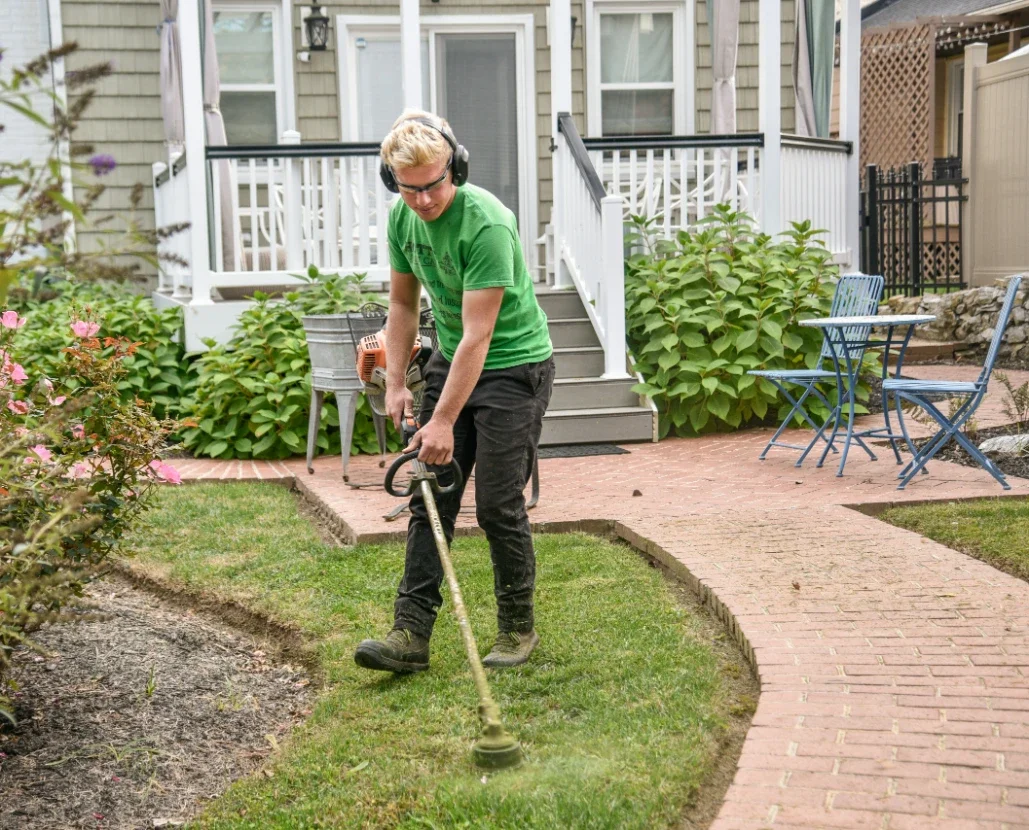
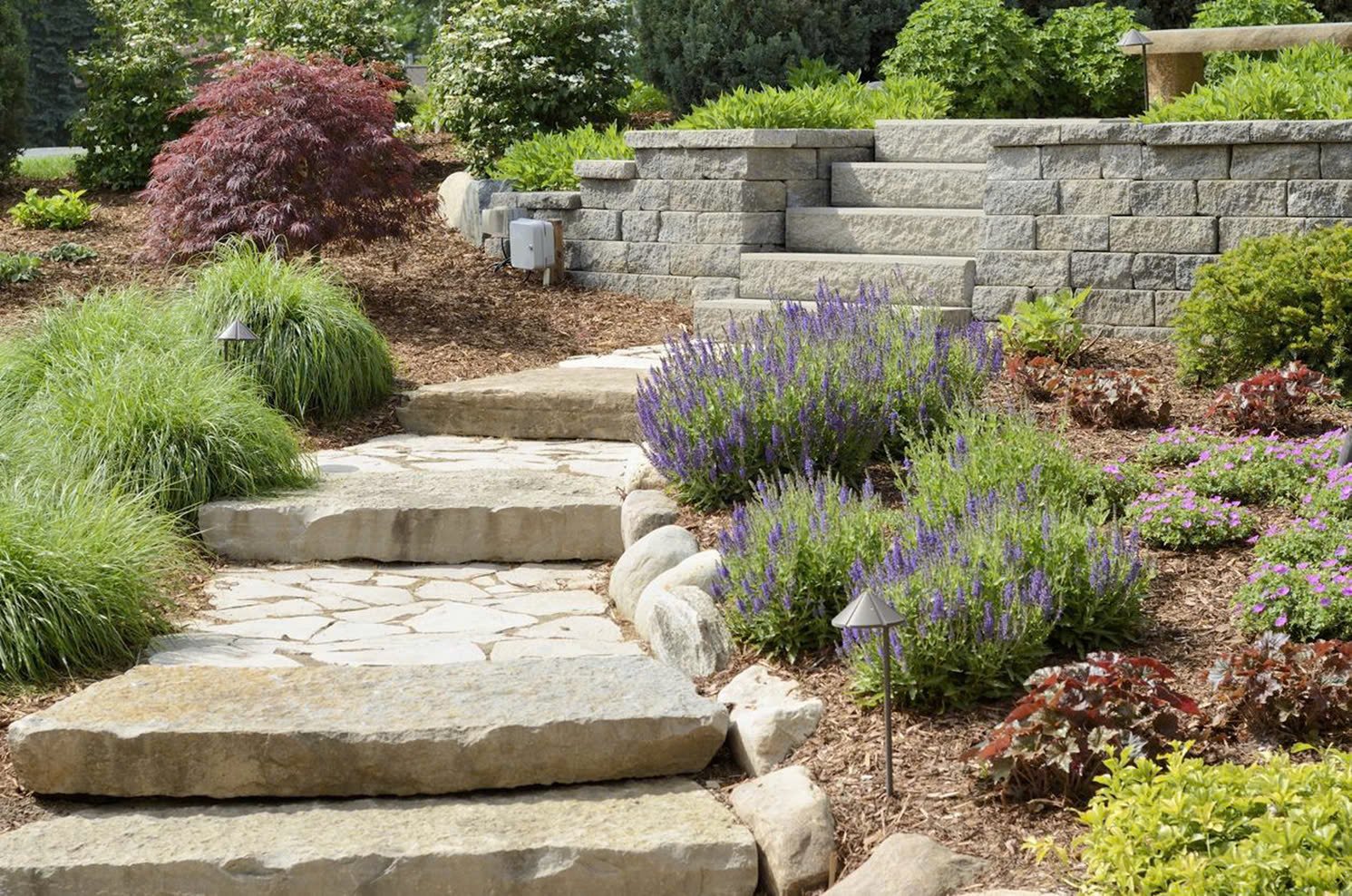
Paths and walkways: Narrow, clear connections using stone, wood, or gravel for style.
Greenery placement: Planters or raised beds provide plants while structuring the yard.
Moderate accessories: Birdbaths, hanging decorations and tiny sculptures are interesting.
Functionality focus: Every piece should serve a purpose or enhance the aesthetic.
Balance and moderation: Mix utilitarian with decorative in equal parts for a put-together vibe.
Lighting’s Aesthetic Small backyards or patios aren’t just for plants and bark. The right lighting can take a yard from simple to stunning, celebrities pounding the pavement en prefect moody atmosphere. Keep side walkways and paths free; they bring areas together well. Quick accessories and a pop of greenery lend personality without sacrificing function. With a mix of functional basics and luxe-looking extras, you can transform your little plot into a gorgeous outdoor space.
Stay up to date with our latest ideas!