The $500 Utility Bill: Why the "Smart Home" Dream Is Becoming a Financial Nightmare
Explore why a five hundred dollar utility bill can turn the smart home dream into a financial strain, and how to manage energy use and hidden costs.
If you live in California, Texas, or Florida, you've likely noticed a painful paradox: despite investing in an electric vehicle and a high-efficiency home to save money, your monthly utility bill is climbing past $500.
In 2026, the "high-consumption household" is under attack. The more you electrify your life to escape fossil fuels, the more you expose yourself to aggressive Time-of-Use rates and grid surcharges. For the modern homeowner, the solution isn't to sacrifice comfort by using less—it's to stop renting unstable power from the grid and start owning an asset that pays you back.
The foundation of wealth protection
To stop the bleeding, you have to control the source of the hemorrhage.
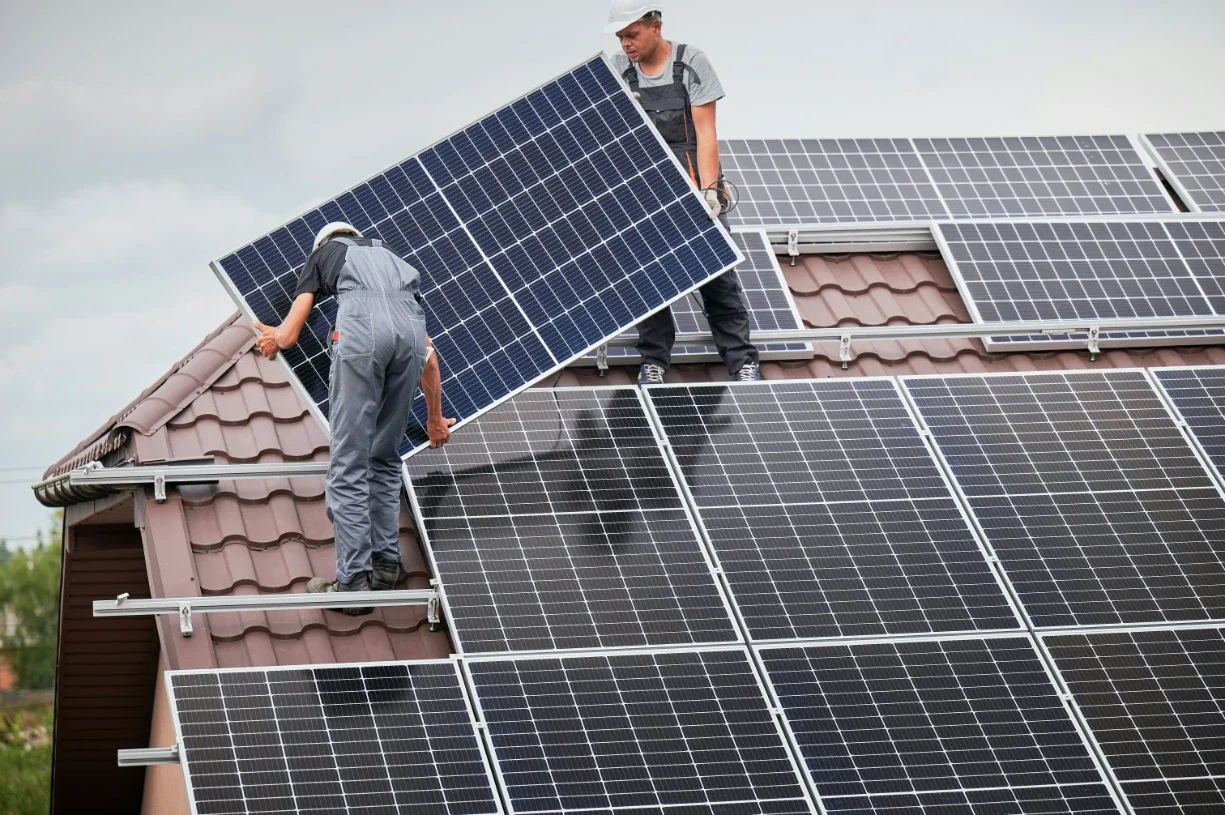
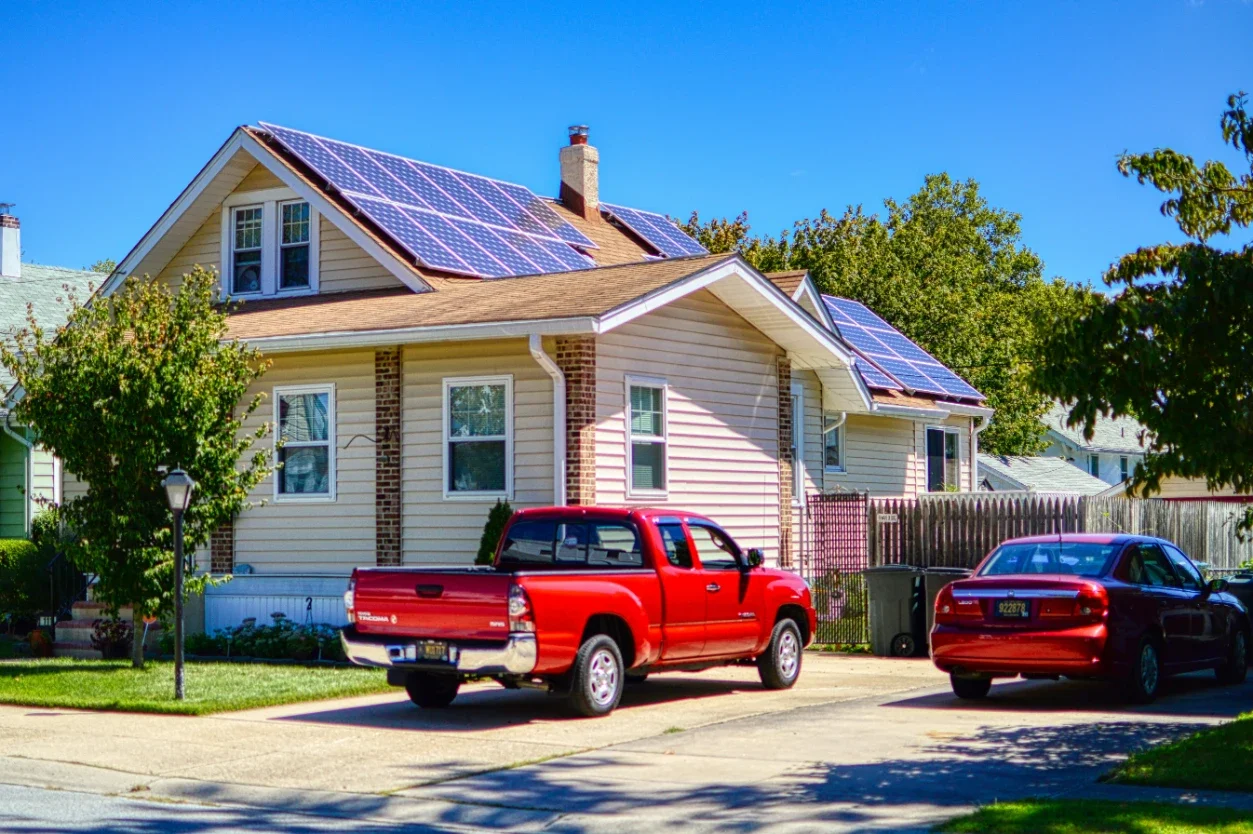
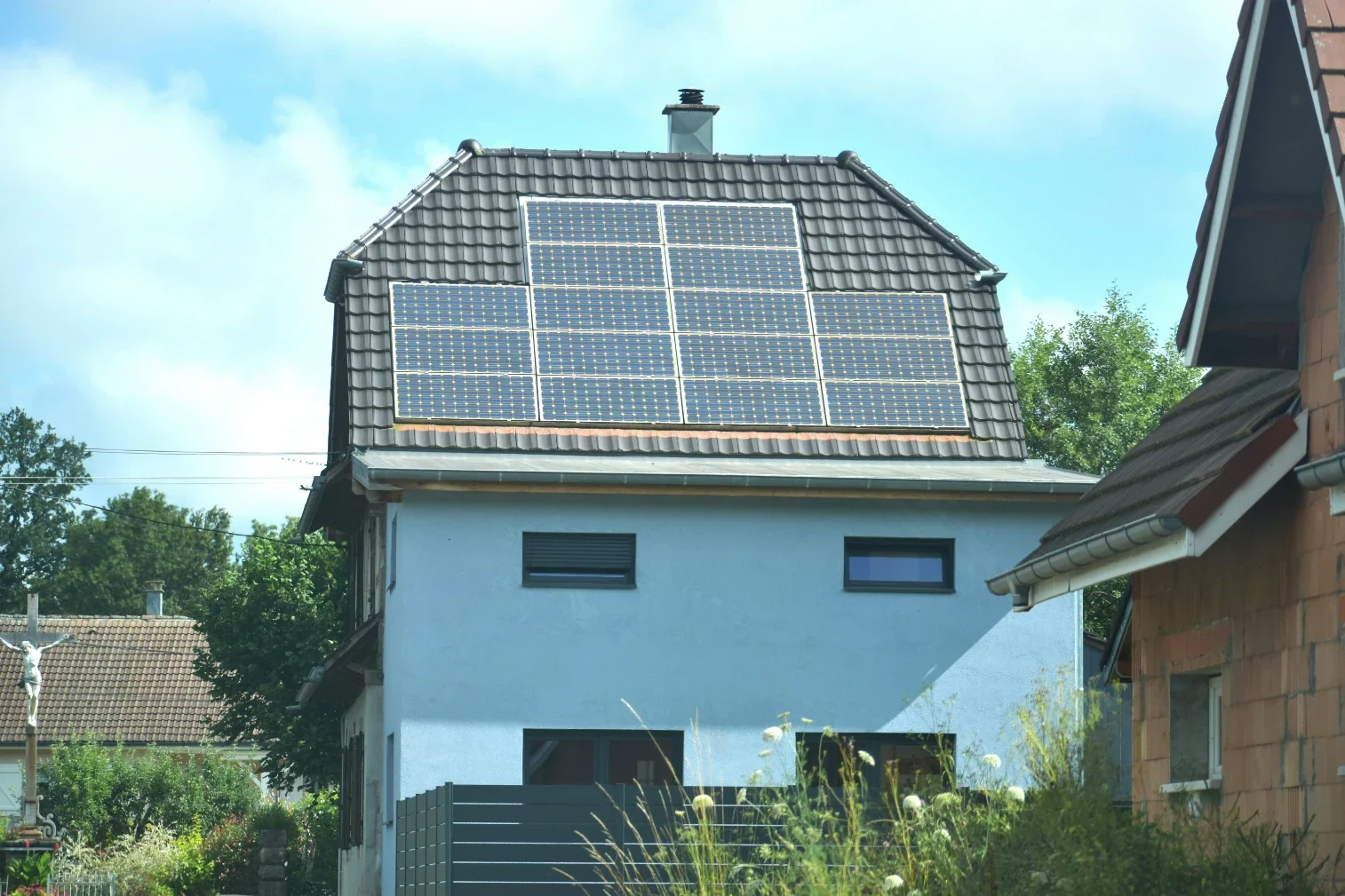
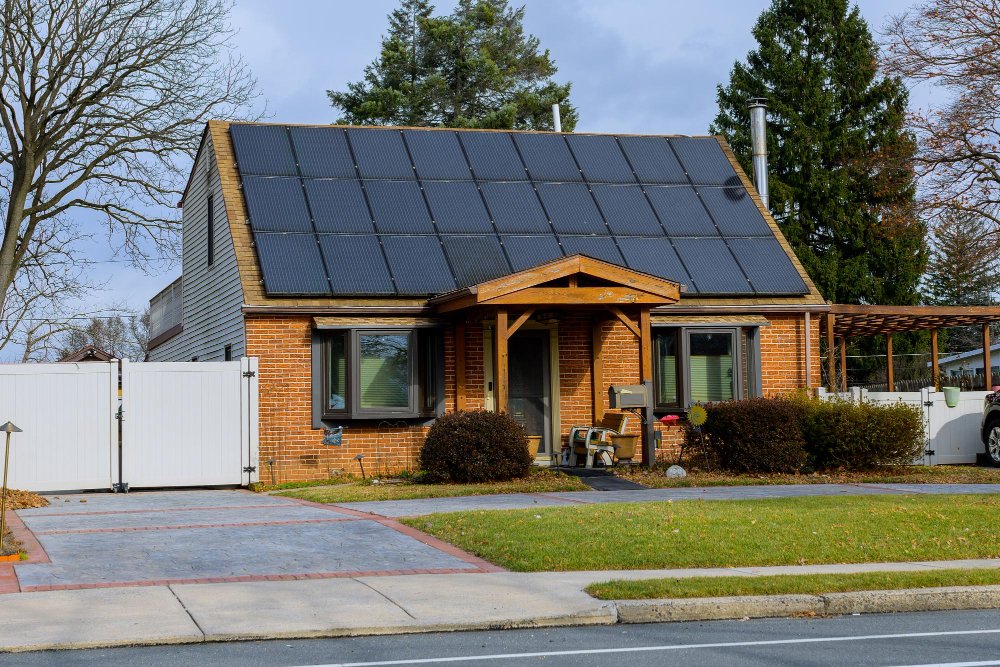
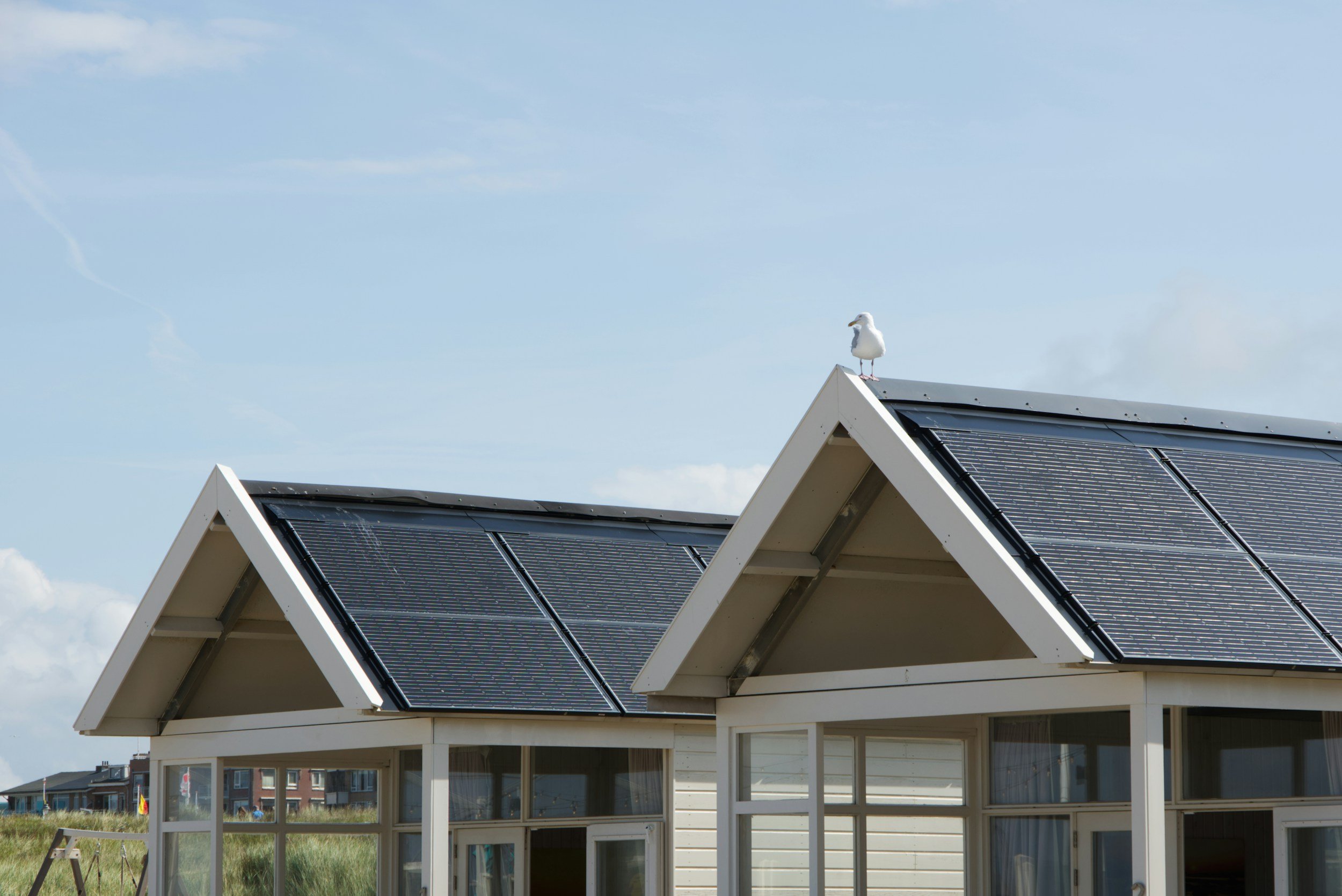
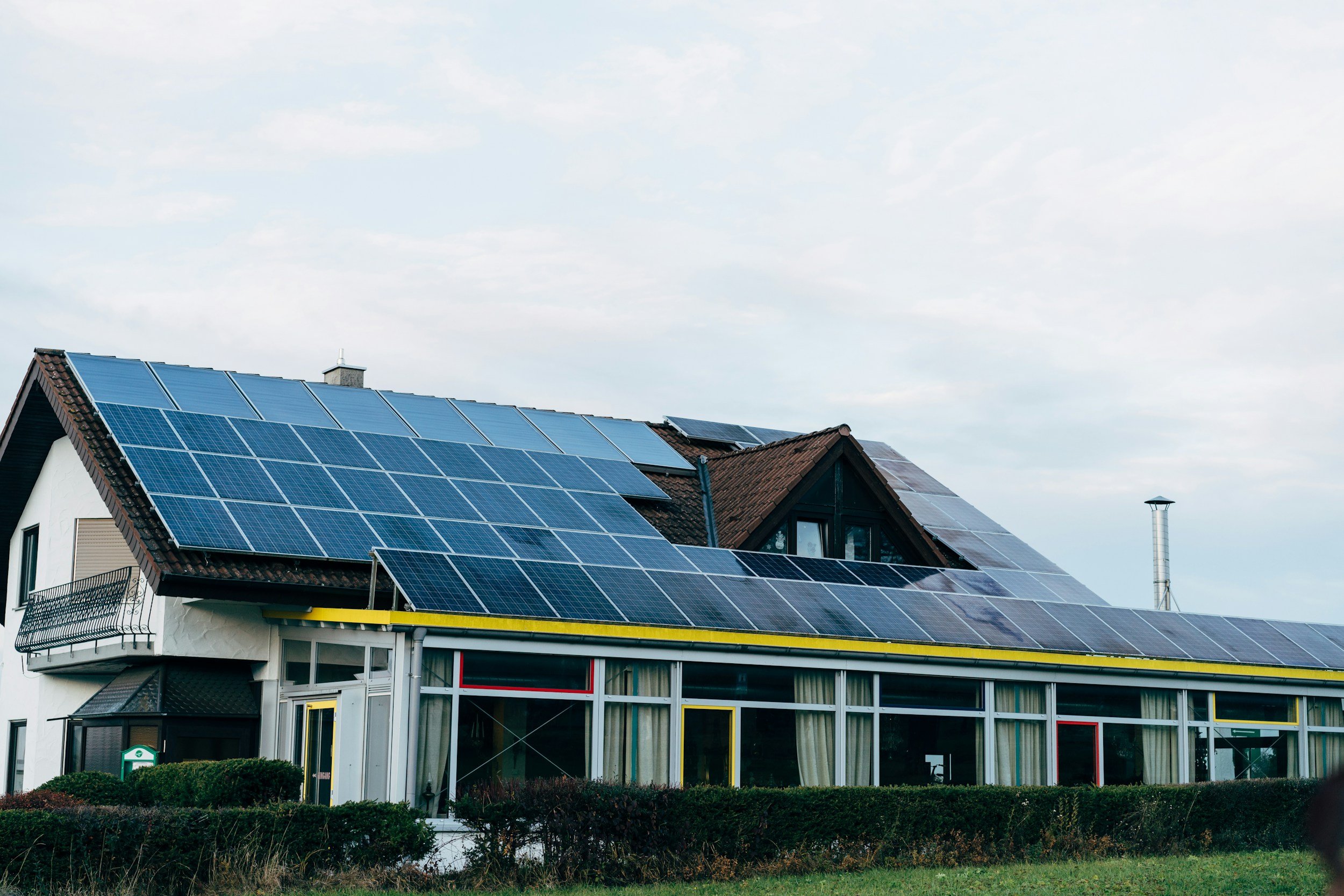
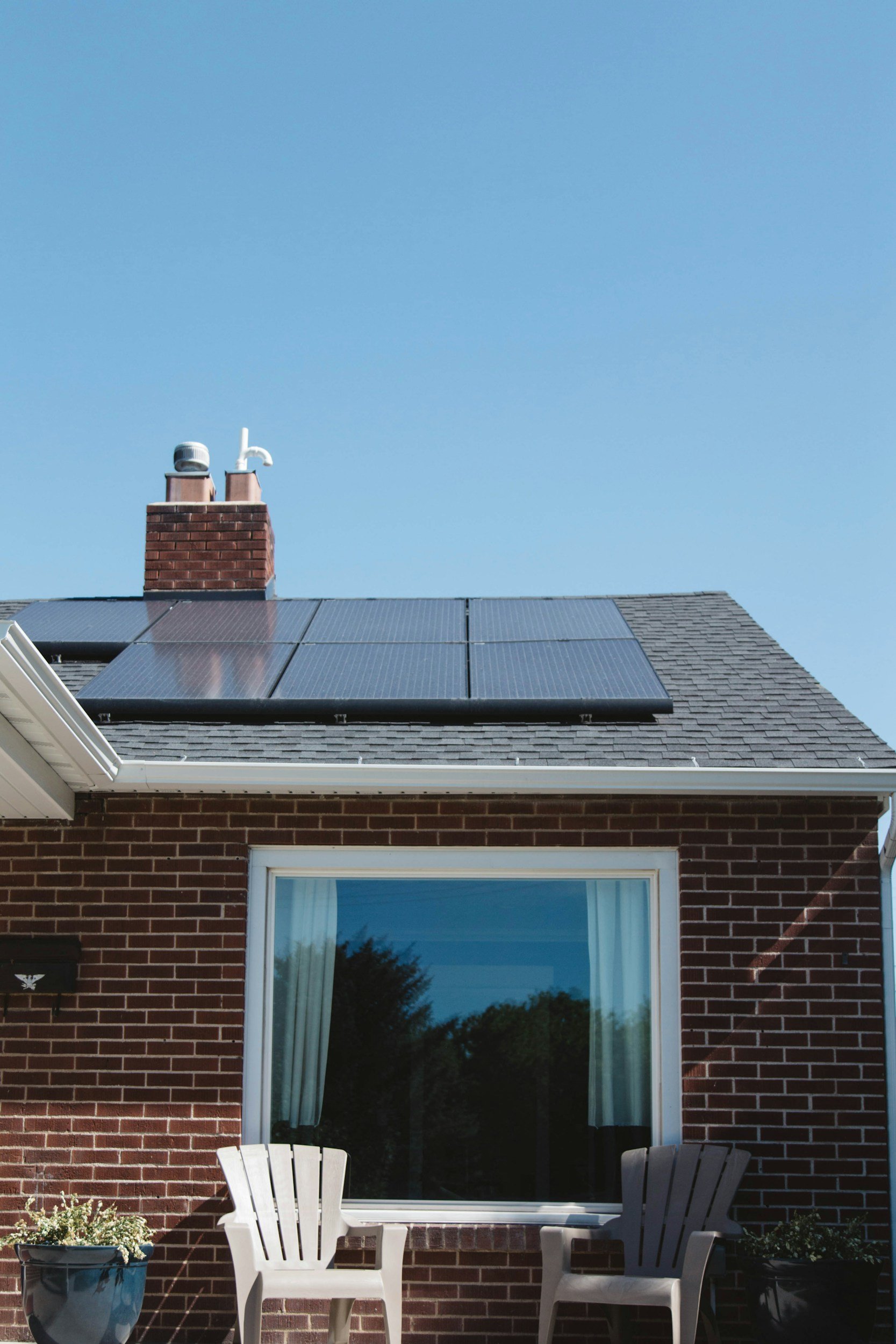
Integrating solar power for your home is the only way to mathematically cap your exposure to rising rates. In the past, solar was pitched primarily as a way to "save the planet." Today, for residents in high-cost states, it is a defensive financial strategy. It converts a variable, rising liability—your unpredictable utility bill—into a fixed, predictable asset.
However, in the landscape of 2026, installing panels is just the entry fee. Solar panels only work when the sun is shining, but your most expensive energy usage happens after dark. To truly unlock energy autonomy and crush that $500 bill, you need a system that can handle the heavy lifting of a fully electrified life. You need storage, and you need a lot of it.
The "EV + AC" overload problem
Here is the dirty secret most solar installers won't tell you until after the contract is signed: standard battery systems are too weak for the modern American power user.
The market is flooded with "backup" batteries designed five years ago for homes that only needed to keep a few lights and a refrigerator running. But your home is a different beast. If you are trying to charga Ford F-150 Lightning (which can draw ~11kW on a Level 2 charger) while simultaneously running a 5-ton central air conditioner (drawing ~4-5kW start-up surge) in the blistering Texas heat, a standard 5kW or 7kW battery will trip immediately.
It simply cannot push enough electrons fast enough. The breaker flips, the house goes dark, and your car stops charging. You are left holding a very expensive paperweight.
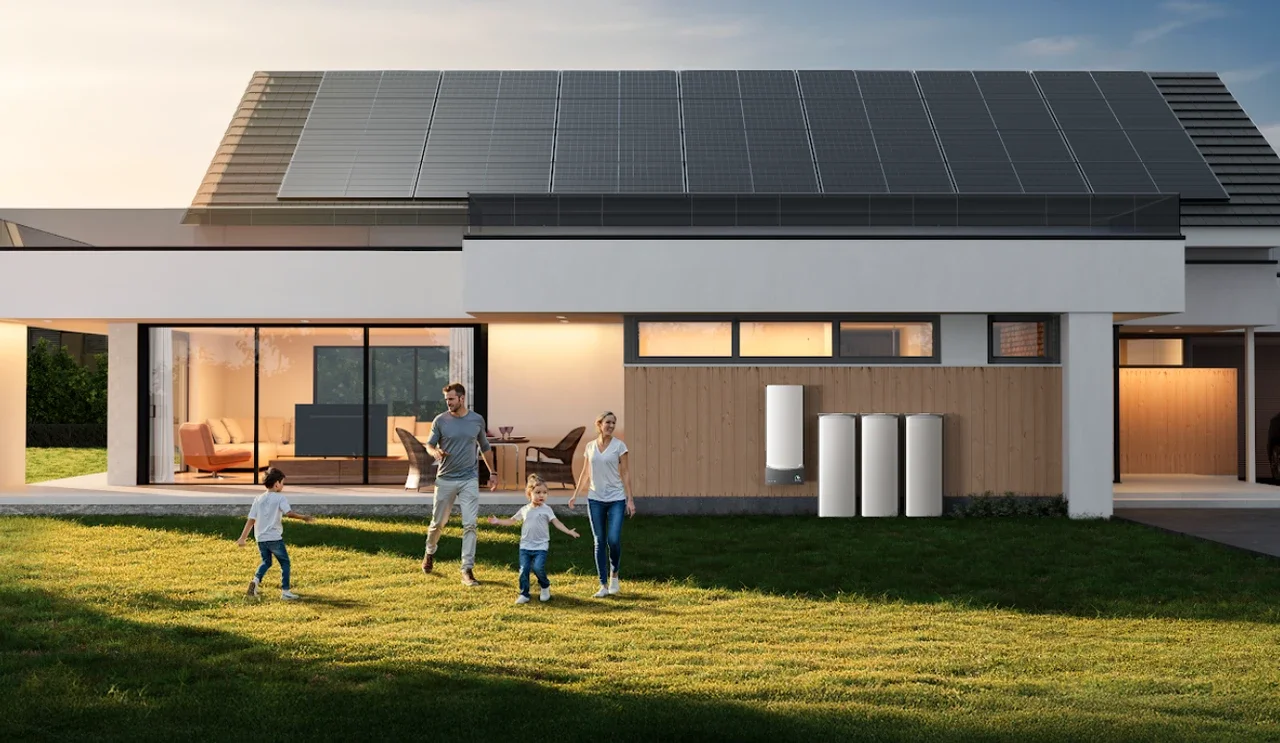
This is where the EcoFlow OCEAN Pro Solar Battery System changes the calculus for high-consumption families. It was engineered specifically to solve the "amperage bottleneck."
24kW continuous output
This specification is the game-changer. It isn't just "emergency backup" power; this is "life as usual" power. With a massive 24kW output, the OCEAN Pro handles the massive startup surge of central AC units and the sustained, heavy draw of Level 2 EV chargers simultaneously. It means you don't have to play the "breaker game," deciding whether to cook dinner or charge the car. You can do both.
The "Power user" spec
Designed specifically for homes burning 30-50kWh a day, this system ensures you never have to choose between a cool house and a charged vehicle. It respects the reality that in 2026, power isn't a luxury—it's a necessity for mobility and comfort.

Reliability where it counts: CA, TX, FL
For our readers in the "Big Three" states, reliability is just as critical as cost. The grid issues in these regions are distinct, but the solution is universal.
California: The fire and the fee
In California, Public Safety Power Shutoffs (PSPS) have become a seasonal ritual. When the winds pick up, the lines go dead to prevent wildfires. These aren't hour-long outages; they can last for days. You need a system that can "island" your home effectively, keeping your security systems, internet, and refrigeration running without a hiccup. Furthermore, avoiding the punitive 4 PM – 9 PM Time-of-Use rates requires a battery large enough to run your entire home during the evening peak.
Texas: Surviving the extremes
The Texas grid is an island, isolated from the rest of the country and prone to wild swings during freezes and heatwaves. When the grid buckles, you are on your own. The OCEAN Pro's ability to accept a massive 40kW of solar input is critical here. It means that even during short windows of sunlight between storms, you can recharge your battery banks rapidly. It's the difference between recovering your power in two hours versus two days.
Florida: Hurricane hardening
In Florida, the threat is water and wind. Hurricane season demands resilience that goes beyond just electrical specs. The OCEAN Pro is built with a flood-resistant design and uses fire-safe LFP (Lithium Iron Phosphate) chemistry. When the forecast turns red and the cone of uncertainty settles over your county, having a robust, chemically stable power source offers peace of mind that money can't buy.
Escaping the "Waitlist" trap
One of the biggest frustrations for homeowners in 2026 is the installation bottleneck. As demand for backup power surges, many competitors have fallen behind, leaving customers facing 6-to-9-month waiting lists. Worse, they often force rigid, one-size-fits-all configurations that don't fit unique rooflines or strict HOA requirements.
EcoFlow has dismantled this barrier with a flexible, modular architecture.
Scalability
You don't need to buy the "maxed out" system on day one. You can start with what you need today—perhaps 10kWh or 20kWh to cover your basic loads—and expand up to 80kWh as your family grows or you add a second EV to the driveway. This modularity lowers the barrier to entry and allows your system to evolve as your life evolves.
The future-proof choice
If you are driving an electric car and living in a digital, connected home, you are already living in the future. Don't let an outdated, expensive, and unreliable power grid drag you back to the past.
The EcoFlow OCEAN Pro is built for the homeowner who wants it all: the monthly savings, the blackout security, and the freedom to use energy without limits. It's time to cut the cord and take charge.
Stay up to date with our latest ideas!