5 High-End Keys to Designing a Tile Showroom That Drives Sales
Boost tile showroom sales with high-end design strategies that improve layout, highlight products, and create an inviting, customer-focused shopping experience.
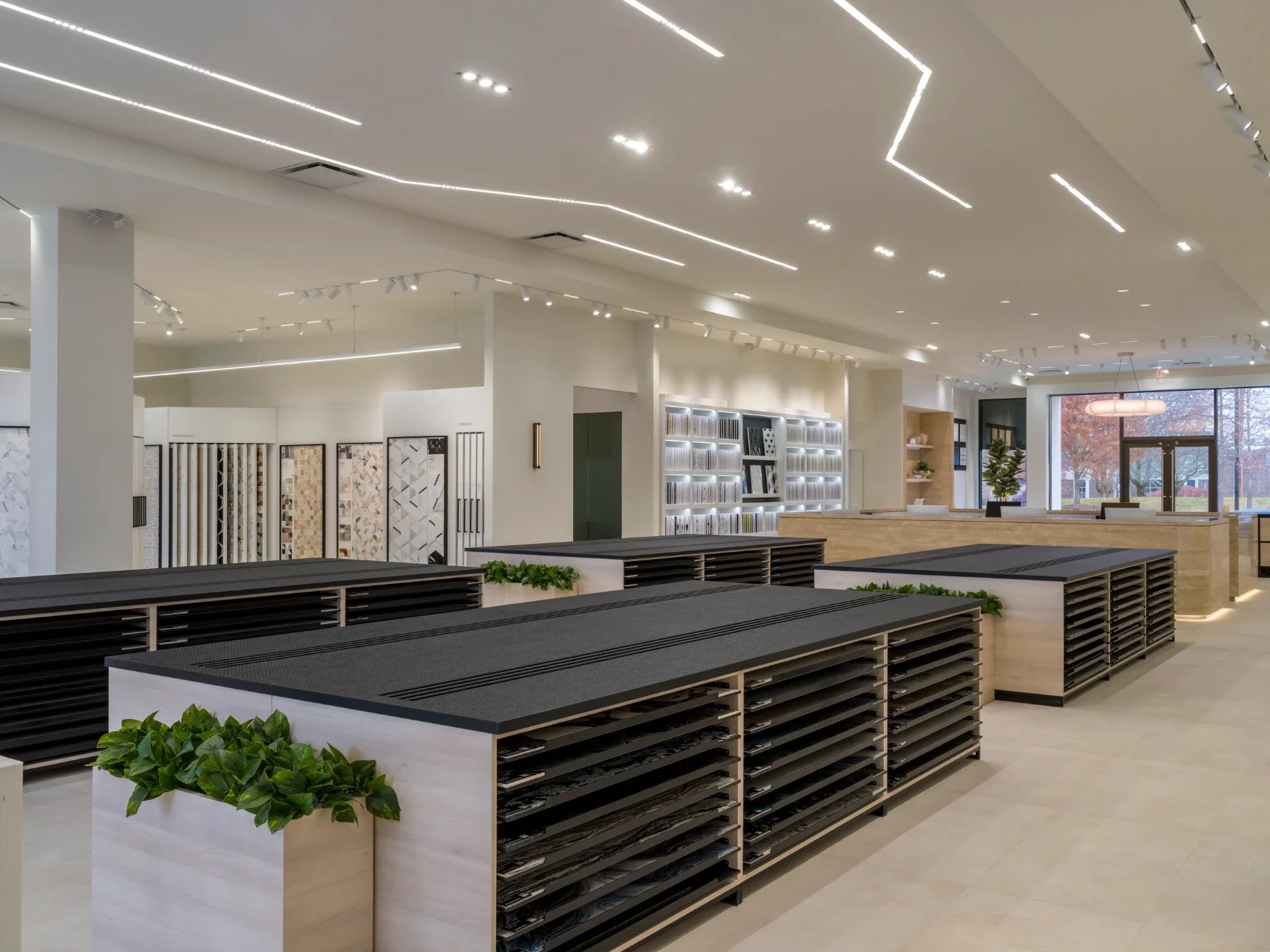
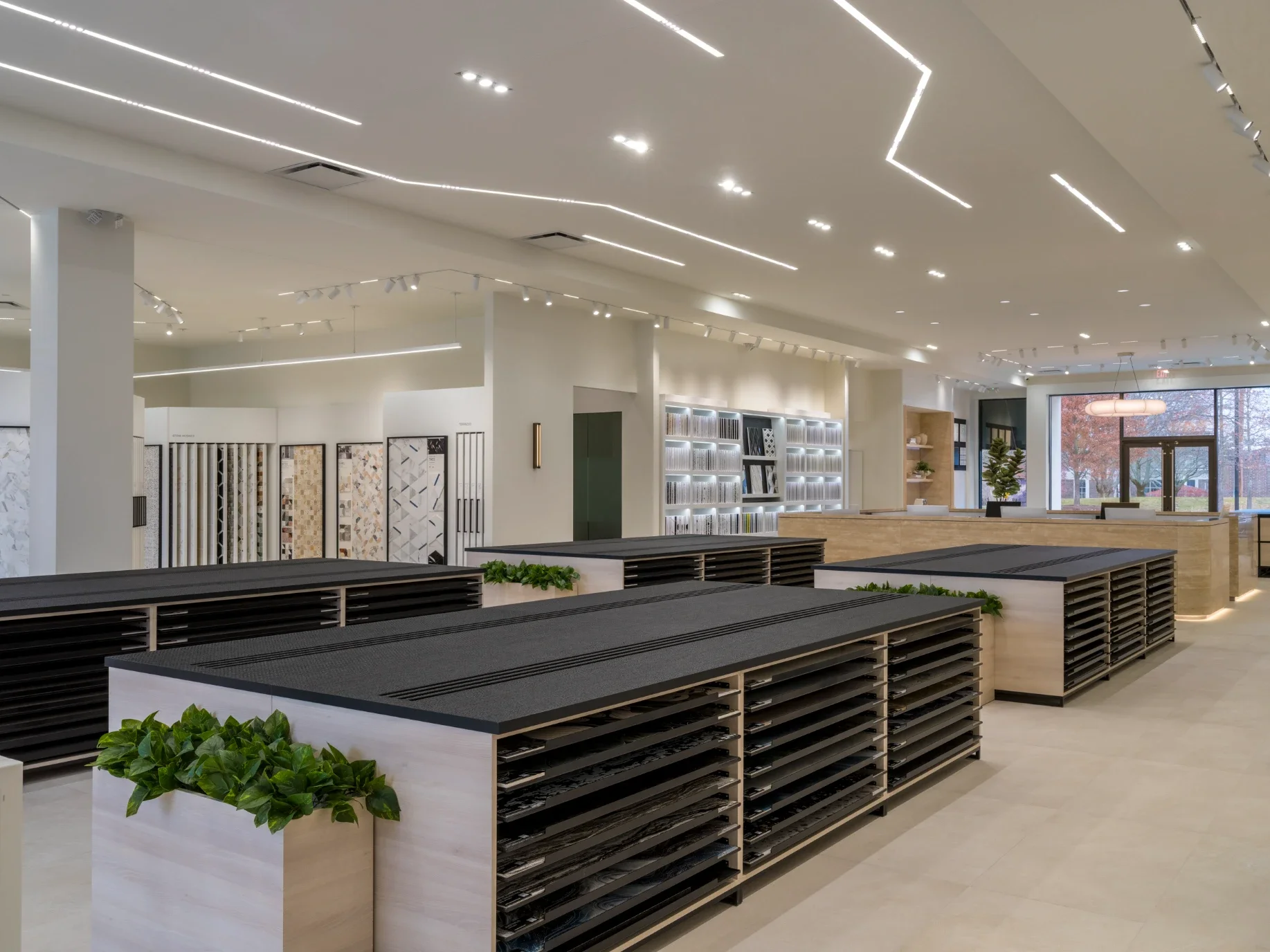
In the sophisticated U.S. interior design market, the showroom has evolved into a premier experiential marketing tool. High-end clientele aren't just looking for products — they are seeking a premium experience that inspires confidence and vision. The technical infrastructure of the exhibition is the deciding factor that elevates perceived value and accelerates the sales cycle.
The Five Fundamental Strategies
1. High-Impact Organization Systems
In luxury retail, order is the ultimate expression of sophistication. Utilizing advanced-engineered tile display racks ensures the product remains the undisputed center of attention. Systems that provide an exceptionally smooth glide even for heavy, oversized samples eliminate visual clutter and add a layer of professional refinement to every customer interaction. When an architect can move a sample effortlessly, their perception of the product's quality increases instantly.
2. Masterful Display of XL Formats
Large-format slabs are currently defining contemporary luxury across the United States. However, their sheer scale presents logistical challenges that can compromise aesthetics if not handled with precision. A modern showroom requires robust supports capable of showcasing these massive pieces majestically with invisible fastenings — allowing clients to visualize seamless continuity of veining and textures without structural distractions.
3. Dedicated Design & Co-Creation Hubs
A successful showroom should function as an architect's private studio. Integrating dedicated design hubs with ergonomic worktables allows professionals to mix and match samples under controlled lighting conditions. By providing a space where design happens in real-time, the distributor ceases to be a mere material supplier and becomes an indispensable strategic partner in the project's specification phase.
4. Operational Flexibility and Trend Rotation
The U.S. market moves at a rapid pace, and trends shift with every passing season. A rigid infrastructure is an investment that expires quickly. Display systems must be modular, allowing for inventory updates in minutes without the need for costly renovations. This operational agility ensures your showroom always projects a cutting-edge, exclusive image that aligns with the latest industry demands, protecting your capital over the long term.
5. Chromatic Precision Lighting
In the high-end sector, color accuracy is non-negotiable. Precision lighting that faithfully reproduces real-world hues is essential to prevent buyer's remorse and post-installation surprises. In a market where clients demand perfection, technical lighting precision is the line that separates industry leaders from conventional retailers.
The Bottom Line
Upgrading your sales floor is a strategic investment in brand authority. By implementing these high-end keys, tile distributors ensure their showroom doesn't just display products, but actively works to close high-value deals. When every detail of the exhibition is designed to project excellence, price is no longer the primary objection — and quality becomes the shared language of the transaction.
Stay up to date with our latest ideas!