From Floor to Feature Wall: 2026 Tile Design Trends Shaping Modern Spaces
Modern spaces need to do more than ever - serve as offices, event venues, and gathering spots all at once. Discover why ceramic and porcelain tile handle these demands better than other flooring options.

Tile used to mean one thing: practical surfaces for bathrooms and kitchens. Not anymore. In 2026, tile has become one of the most dynamic design tools available to builders, designers, and homeowners. It's climbing walls, creating focal points, and defining entire spaces in ways that go far beyond basic functionality.
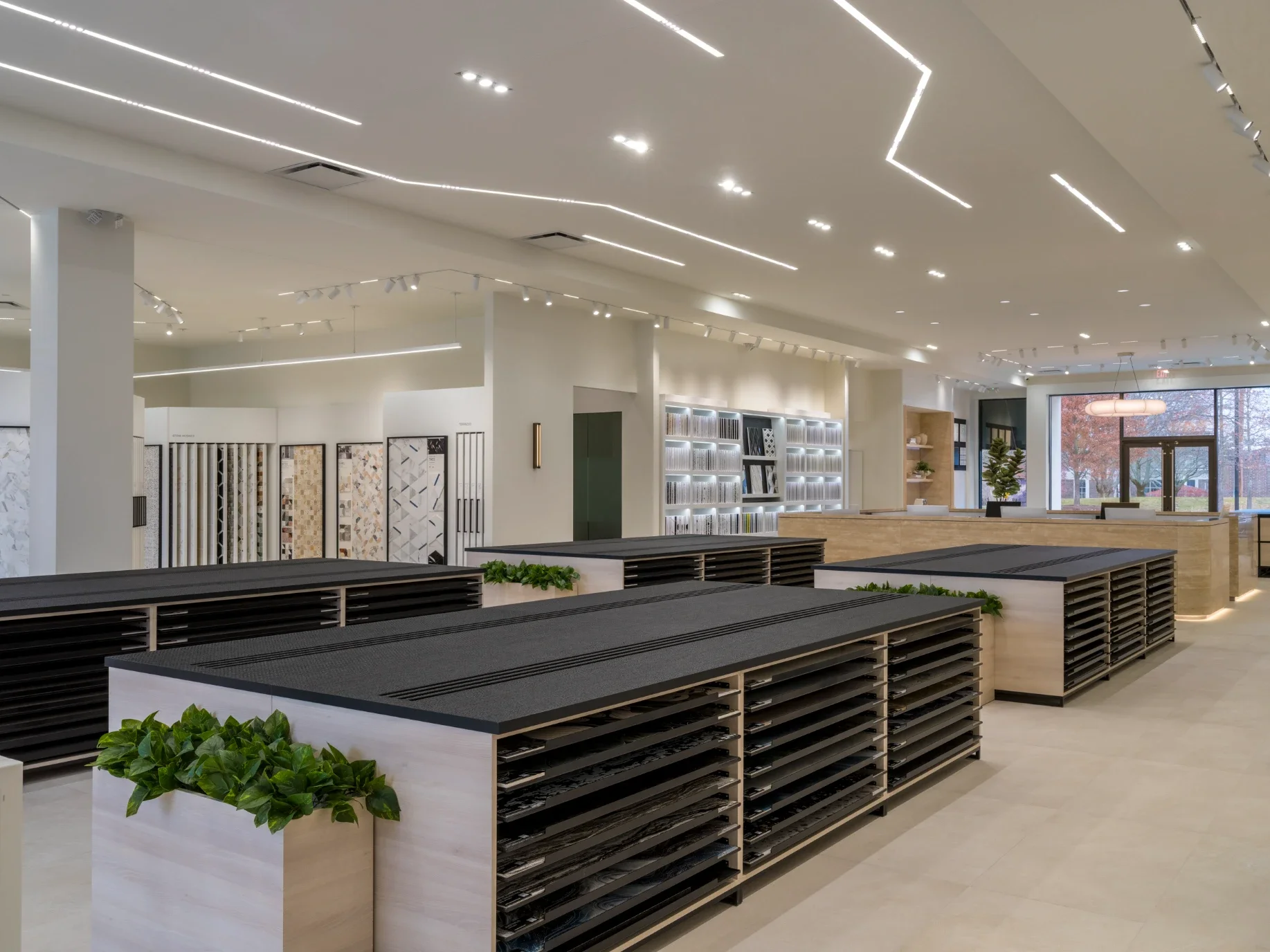
At Florida Design Works, we’ve seen this evolution firsthand. Clients are no longer satisfied with standard subway tile and basic layouts, they want character, texture, and surfaces that make a statement. Whether you're bidding on a bathroom renovation, specifying materials for a new build, or helping a client choose between finishes at a tile showroom, understanding these trends helps you deliver projects that stand out.
1. Handmade & Artisan Appeal
Mass production is losing ground to craftsmanship. Clients in 2026 want tiles that look like someone actually made them - slight variations in glaze, irregular edges, authentic texture.
Sonoma tiles are a perfect example: those subtle imperfections and the way light hits their surface create depth you can't get from factory-perfect ceramic.
For trades, this means adjusting installation expectations. Artisan tiles don't line up like machine-cut porcelain, and that's the point. Set client expectations early about natural variation, and they'll appreciate the character instead of calling it a defect.
2. Textured & Sculptural Surfaces
Flat tile is boring now. Three-dimensional surfaces, fluted, ribbed, raised patterns add movement and shadow play that changes throughout the day as light shifts. These work especially well in minimalist builds where you need visual interest without adding color.
Installation tip: textured tiles require more careful layout planning and grouting technique. Budget extra time, and make sure your substrate is perfectly flat, any imperfection telegraphs through dimensional tile.
3. Biophilic Design & Natural Tones
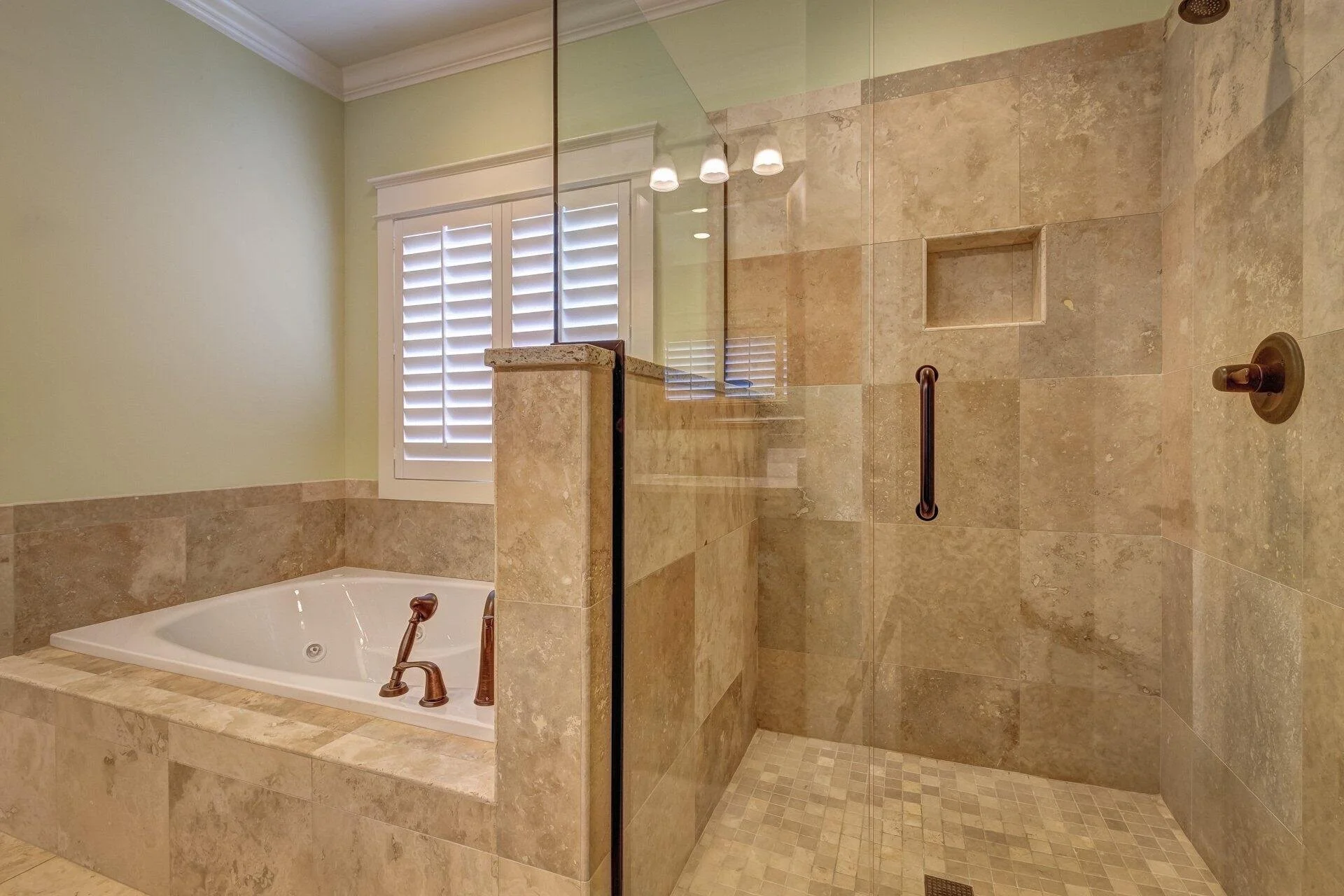
Clients keep asking for that connection to nature - mossy greens, sandy beiges, warm earth tones paired with natural stone looks and botanical patterns. It's not just aesthetics, spaces with these palettes actually feel calmer, which matters in bathrooms and bedrooms where people want to unwind.
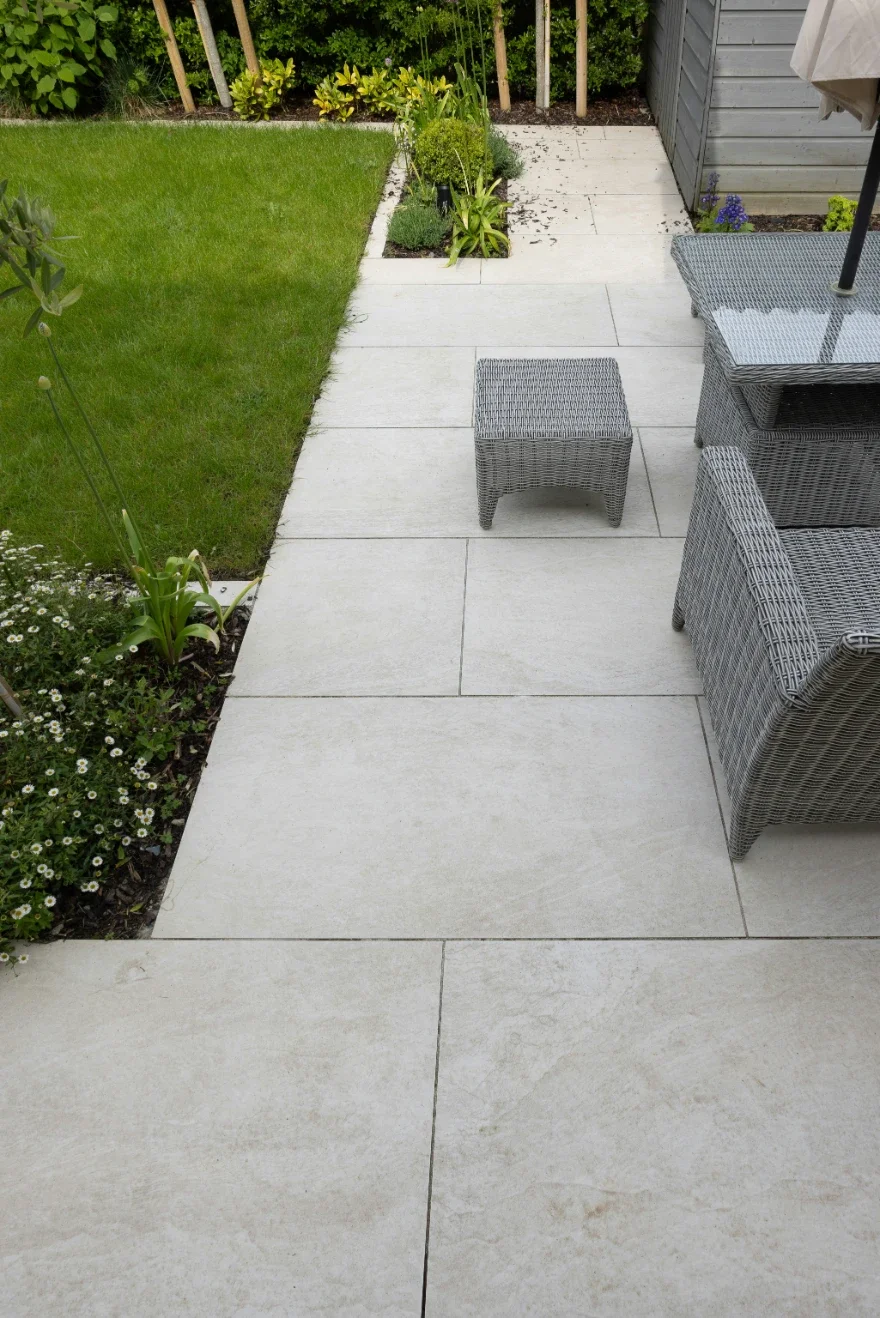
Stone-look porcelain has gotten incredibly good. Your clients get the organic appearance without the maintenance headaches of real marble or travertine, and you avoid callbacks for etching and staining issues.

4. Quiet Luxury in Soft Neutrals
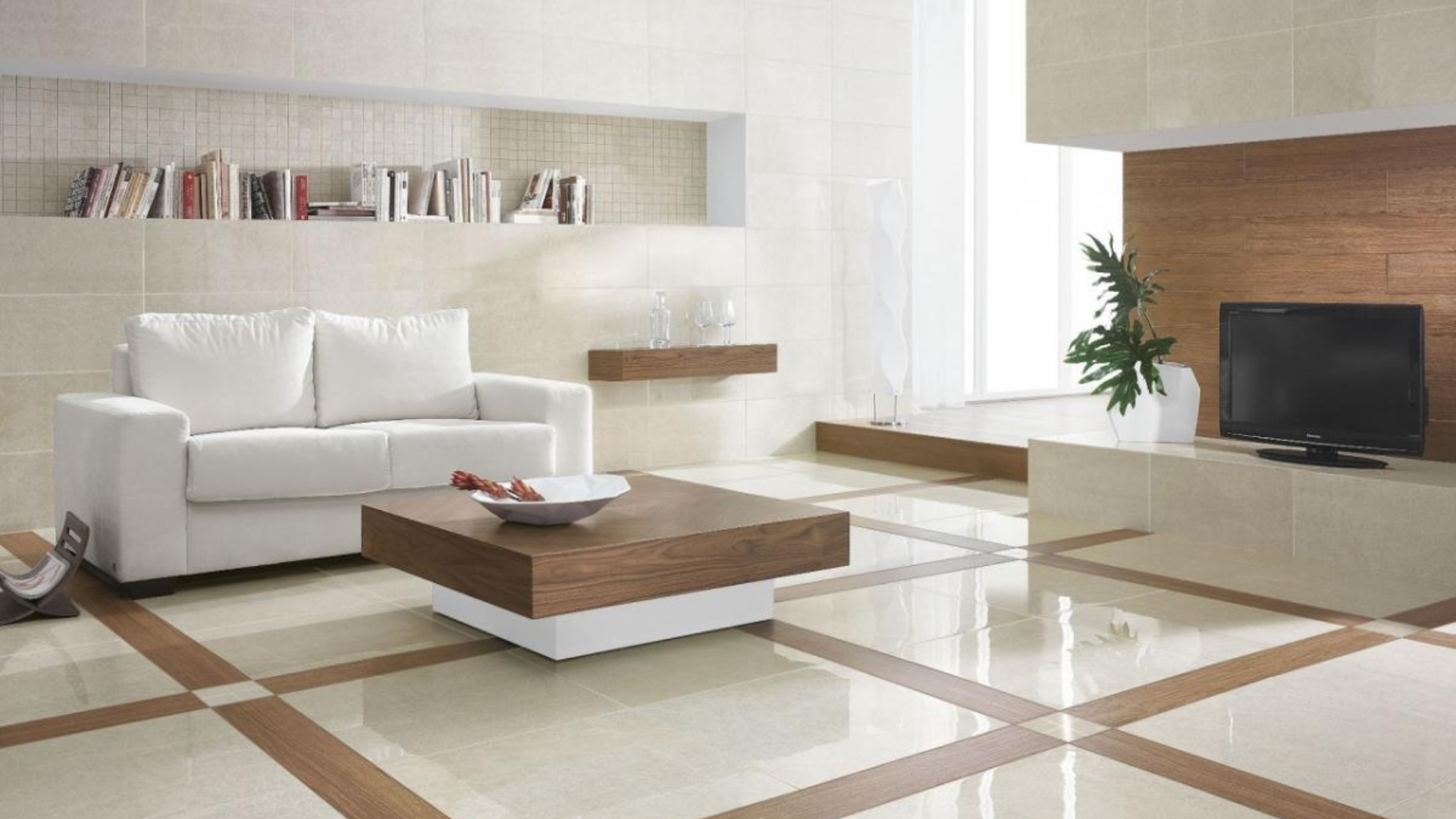
Luxury doesn't scream anymore. The "quiet luxury" trend means soft neutrals—ivory, warm white, pale taupe—with delicate veining and handmade finishes. Floor-to-ceiling applications in bathrooms create that spa feeling clients pay premium prices for.
When specifying these materials, work with suppliers who understand the subtle differences between warm and cool neutrals. Get physical samples in the actual space before finalizing. What looks perfect in a showroom can read completely different under the client's lighting.
5. Bold Patterns & Black-and-White Drama
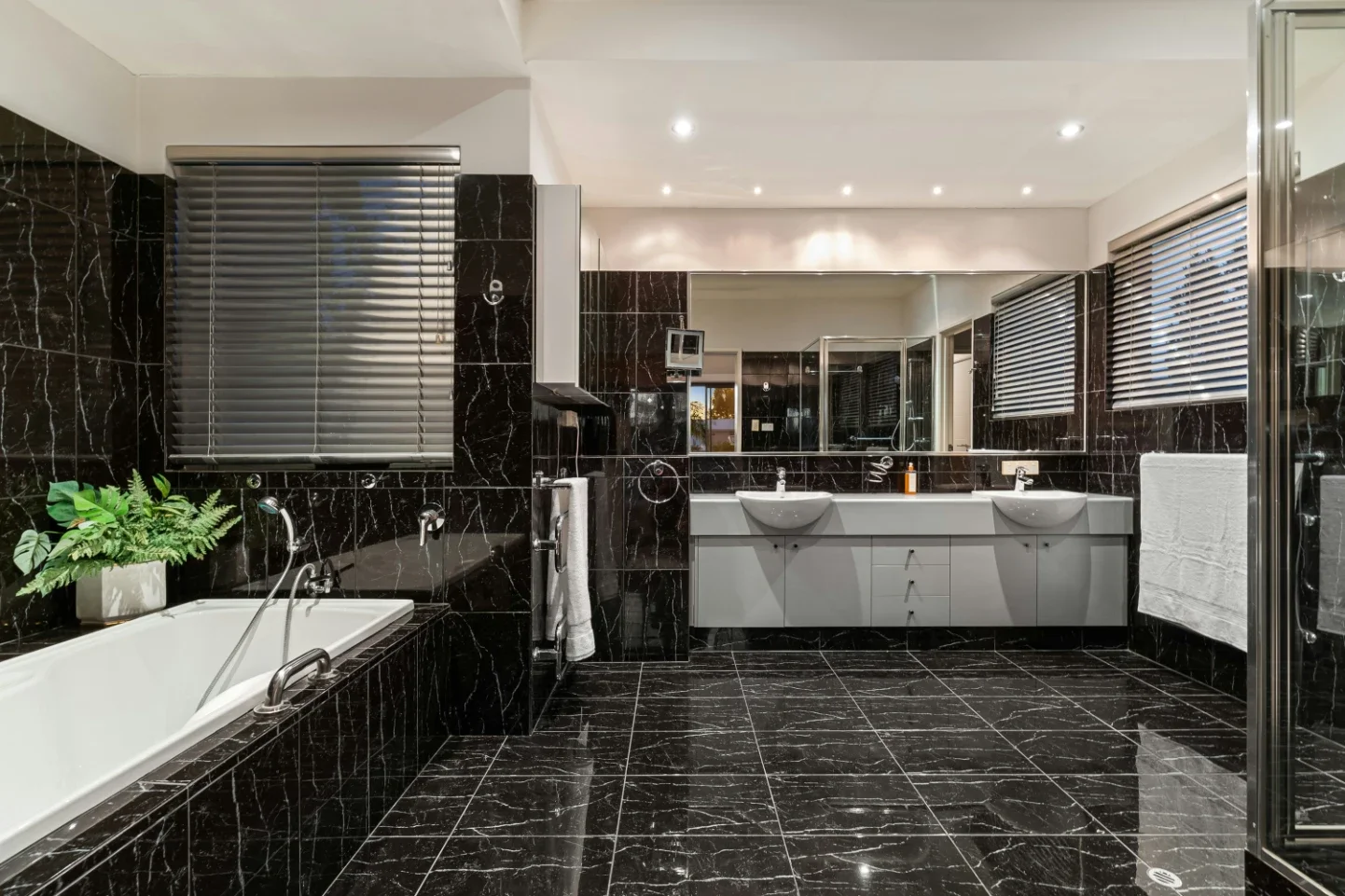
Some clients don't want subtle. High-contrast black and white, oversized geometrics, art-inspired patterns. These turn floors and walls into focal points. Monochrome patterned showers, dramatic checkerboard entryways, graphic backsplashes that look like modern art.
Installation-wise, pattern matching matters more here than anywhere else. One tile off in your layout ruins the whole effect. Dry-lay everything before setting, photograph it, and get client approval before thinset touches anything.

6. Jewel Tones & Expressive Color
Rich, saturated color is back: deep emerald, sapphire blue, amethyst purple. These jewel tones add drama, especially with glossy finishes that reflect light. An emerald feature wall or sapphire shower completely changes a room's energy.
Balance is critical. Too much saturated color overwhelms a space. Pair jewel tones with neutral materials like natural wood or light stone to keep things grounded.
7. Large-Format Tiles
Bigger slabs mean fewer grout lines, which creates that seamless, architectural look clients want in contemporary spaces. Large-format tile makes rooms feel bigger and more polished—it's why you see it everywhere from luxury bathrooms to commercial lobbies.
Installation requires experience. Large-format tile shows every substrate imperfection and requires proper lippage control systems. Don't bid these jobs if your crew hasn't done them before, the learning curve is expensive.
8. Custom Patterns & Personalized Design
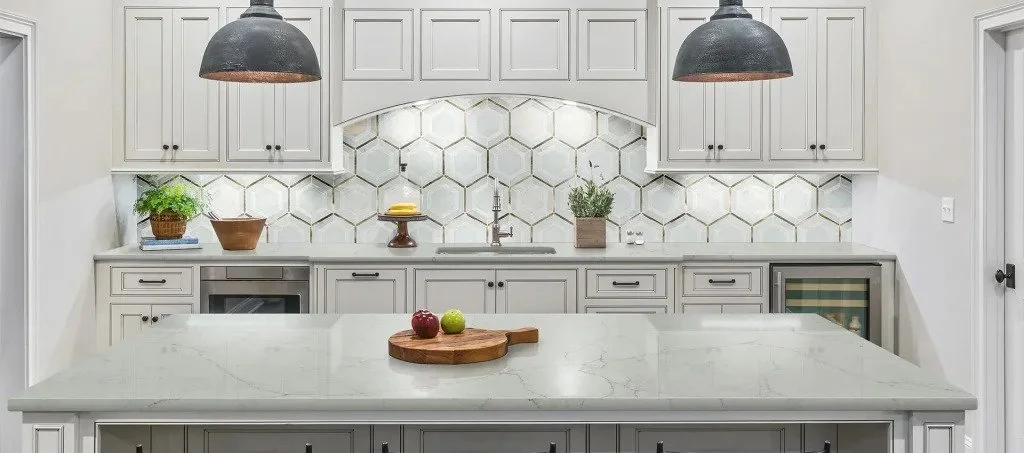
Standard subway layouts are dead. Clients want custom: mixed shapes, unique mosaics, bespoke patterns that reflect their style. Hex patterns, penny rounds, creative herringbone variations using multiple tile types.
This trend requires collaboration between designers and tile specialists early in the process. Custom patterns need careful planning for material quantities, layout logistics, and realistic timeline expectations.

9. Statement Checkerboards
Checkerboard tile is back, but not your grandmother's version. Designers are experimenting beyond basic black and white: soft neutrals, warm tones, even patterned tiles mixed into the grid for unexpected interest.
Simple pattern, big impact. Works great in kitchens, entryways, and bathrooms where you want structure and personality without complicated installation.
10. Mixing Cool & Warm Neutrals
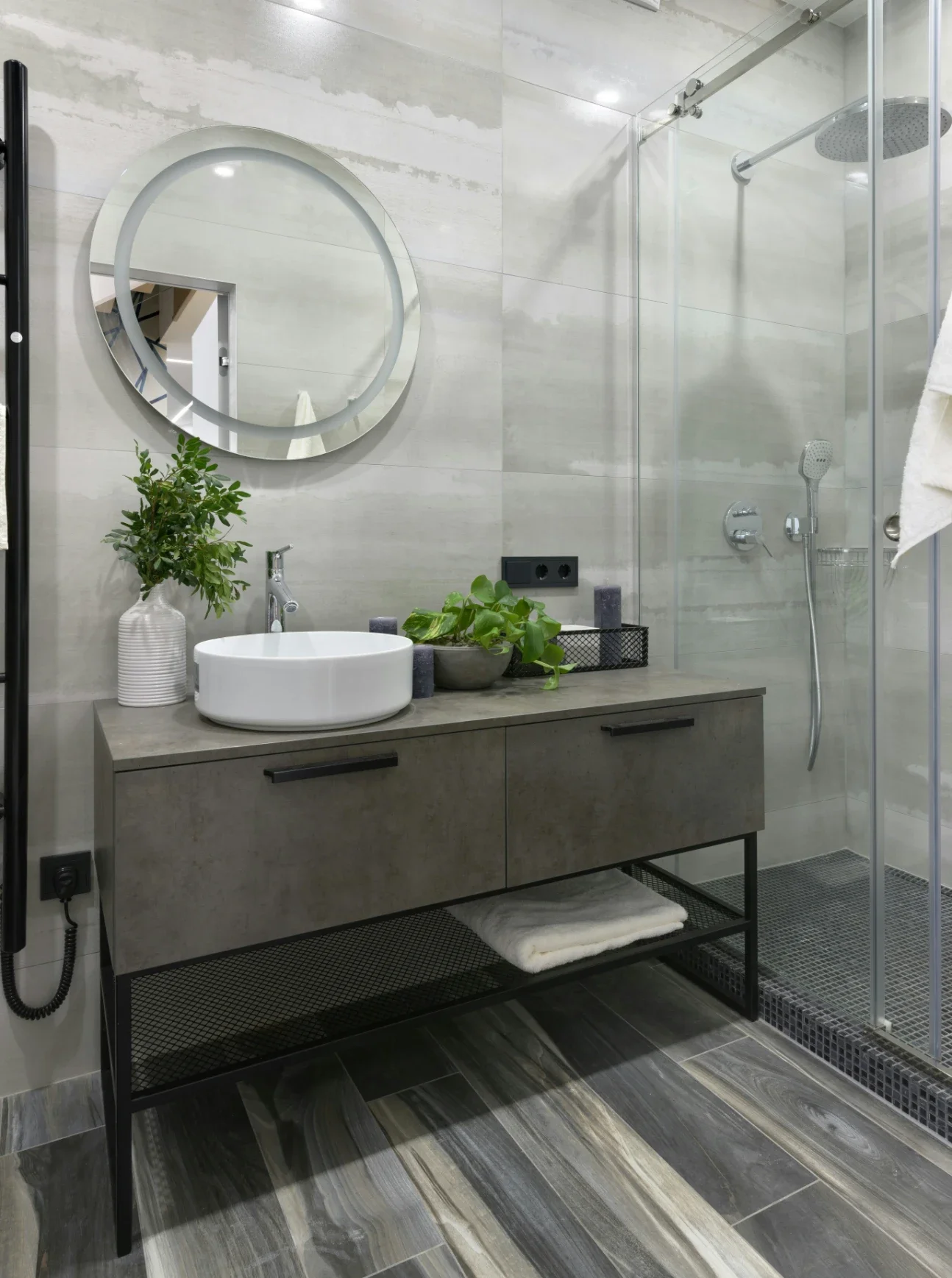
The warm-versus-cool debate is over, now it's about combining them. Mixing beige-toned stone looks with cool gray marble creates sophisticated, layered palettes that work with any décor style.
Mixing warm and cool neutrals gives your clients room to change things up down the road. The tile base stays timeless while they swap out paint colors and furniture as their taste evolves.
11. Boho Patterns & Global Influence
Boho tile pulls from global textiles and artisan traditions: hand-drawn patterns, earthy colors, motifs you might see in Moroccan rugs or Spanish ceramics. Great for clients who want their home to feel collected and personal instead of straight out of a builder catalog.
Ikat floors, patterned accent walls - these designs bring visual interest without making a space feel busy or chaotic.
Final Thoughts
Tile has moved from background player to main attraction. The jobs that really impress in 2026 use tile creatively: sculptural walls that catch light, artisan finishes with real texture, bold patterns that become conversation pieces.
Doesn't matter if your client wants understated neutrals or bold jewel tones. What matters is pushing past the standard floor-only mindset. When you partner with the right tile specialist and explore the possibilities at a dedicated tile showroom you can deliver projects that actually wow people instead of just checking boxes.
Stay up to date with our latest ideas!