Practical Methods That Help Minimize Pest Activity in Living Spaces
Discover practical methods to reduce pest activity in your home, keeping living spaces clean, safe, and comfortable while preventing infestations.
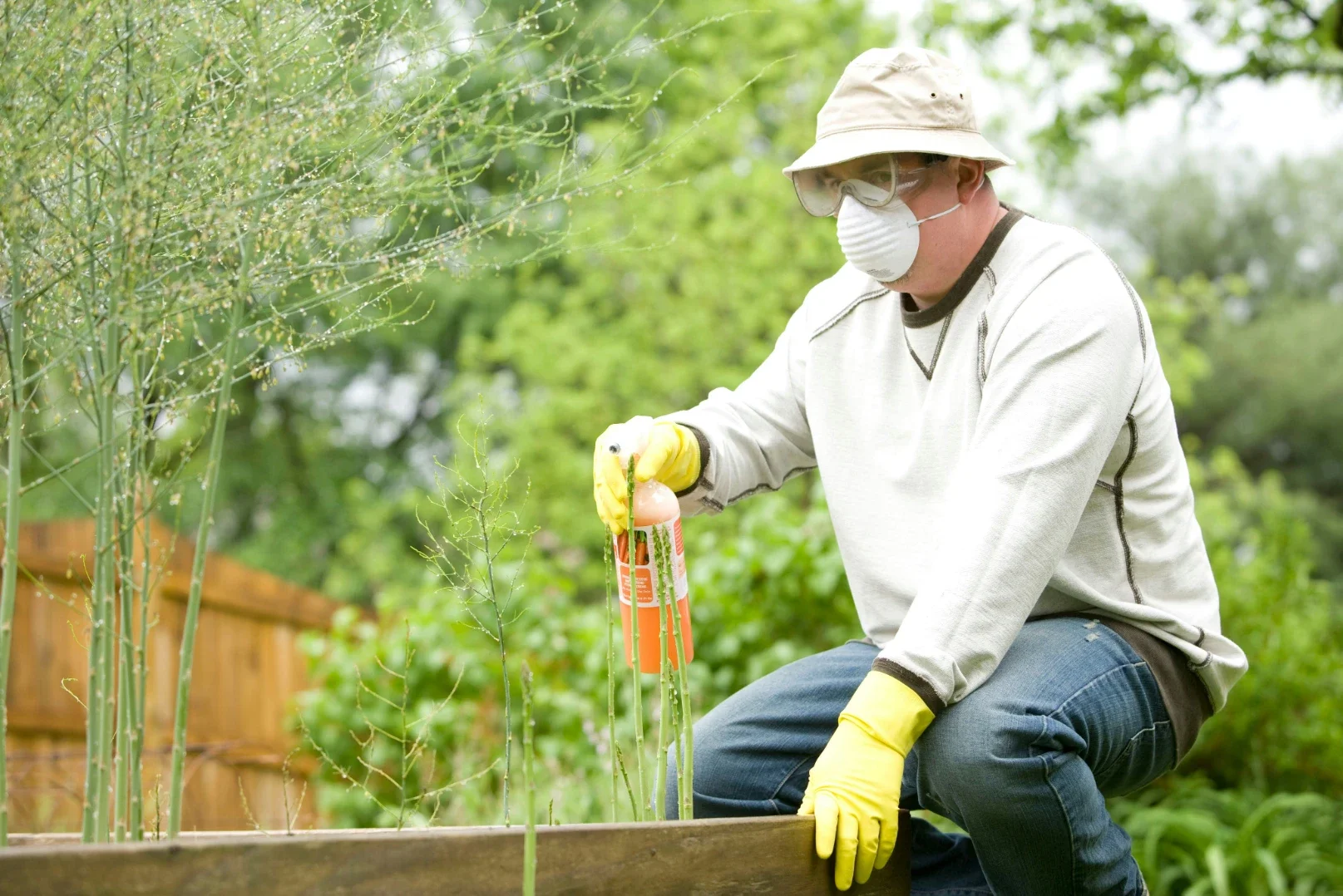
Unwanted pests thrive when homes give them food, water, and shelter. The goal is to remove those advantages so your rooms feel cleaner, safer, and easier to maintain. With a few practical habits and smart fixes, you can make your space far less attractive to insects and rodents. The methods below focus on prevention first, then targeted action when needed.
Seal Entry Points and Close Structural Gaps
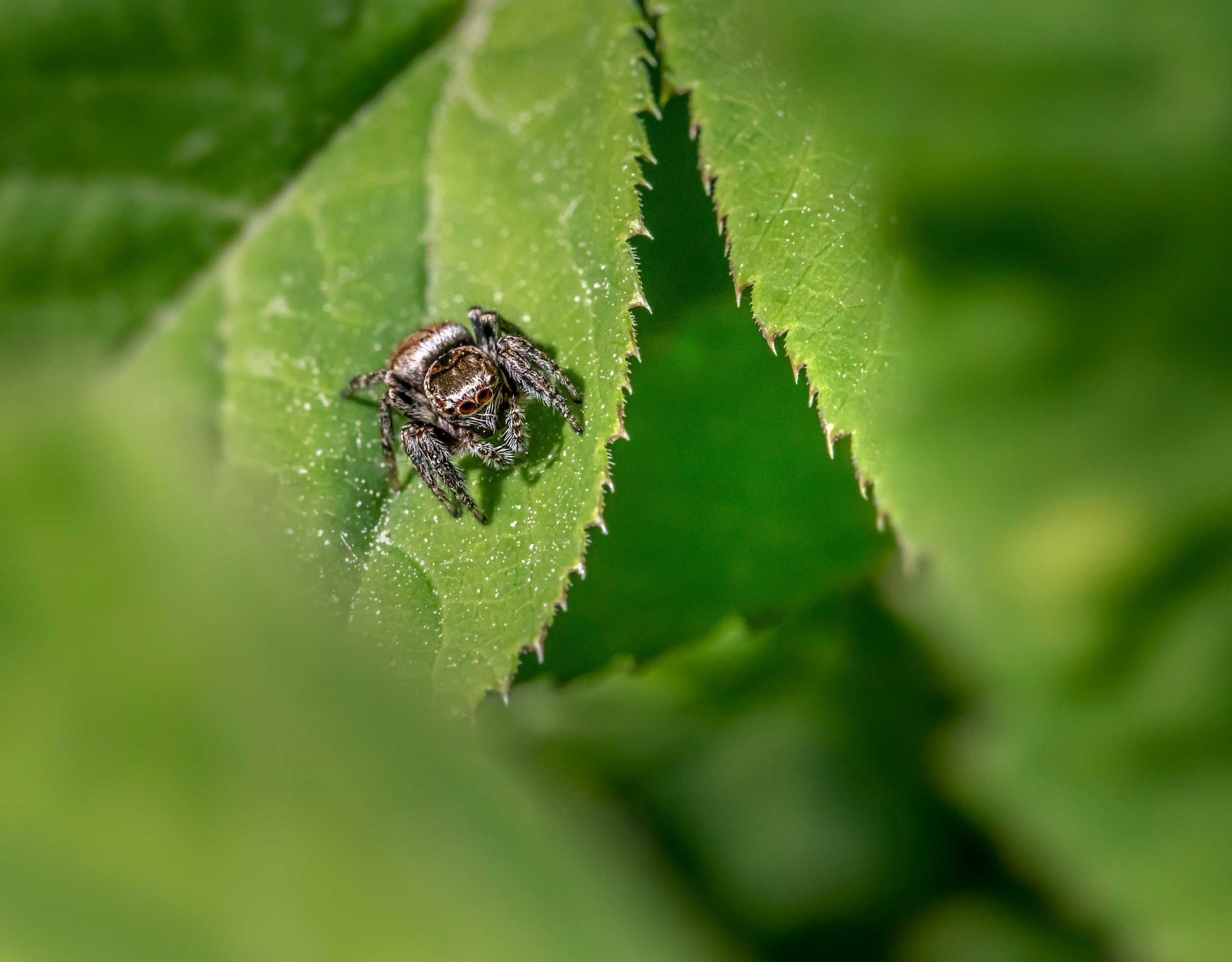
Most pests enter through small openings that seem minor to the human eye. Check door sweeps, window screens, utility penetrations, and foundation joints for gaps that would let in ants, roaches, spiders, or mice. Use weatherstripping around doors and caulk around frames so you have a tight seal that keeps pests out and helps with energy costs. Expandable foam can fill larger voids near pipes and cables, while fine mesh works well around vents where airflow still matters. Reinspect after major weather events or repairs so fresh gaps do not undo your hard work.
Manage Moisture and Ventilation
Moisture is a magnet for many pests, such as roaches, silverfish, and mosquitoes. Fix dripping faucets and running toilets, then look under sinks and around water heaters for slow leaks that might be feeding problems you cannot see. A dehumidifier brings humidity into a healthy range, and in bathrooms or laundry rooms, strong ventilation clears steam before it condenses on surfaces.
In basements and crawlspaces, plastic vapor barriers and adequate airflow reduce damp pockets that lead to mold and attract insects. Midway through your moisture checklist, consider expert guidance from Sequoia Pest Solutions and similar companies to confirm that drainage, grading, and indoor air balance are working in your favor, then document any fixes so you can monitor results during the next season.
Control Food Sources and Refine Sanitation Routines
Even small crumbs can sustain a surprising number of pests. Store pantry goods in airtight containers and clean shelves so spilled sugar or flour does not linger where ants can find it. Wash dishes soon after meals and empty the kitchen trash daily, then rinse the bin so residue does not build up at the base.
Pet food should be served during set feeding windows and stored in sealed bins when not in use. Vacuum floors and rugs on a regular schedule, paying attention to baseboards and the space beneath appliances where grease and dust tend to collect. When you finish weekly cleaning, wipe counters with a mild detergent instead of a strong scent that might mask warning signs you want to notice.
Shape the Landscape to Discourage Pests
Your yard can either push pests toward the house or keep them at a comfortable distance. Trim shrubs and tree branches so they do not touch siding or roof edges, since foliage can act like a bridge for ants and rodents. Clear leaf piles, lumber stacks, and yard debris that provide shelter close to the structure.
Maintain gutters so they flow freely, because standing water at downspouts can breed mosquitoes and soften soil near the foundation. If you use mulch, keep a clear border next to the building so the first contact is with stone or bare soil rather than a moist layer that attracts insects. Lighting choices matter as well, since bright bulbs near doors draw night flying insects that wander inside with the next opening. Choose softer lighting or move fixtures farther from entryways to reduce that lure.
Monitor Activity and Use Targeted Treatments
Prevention is strongest when you pair it with smart monitoring. Sticky traps and pheromone lures reveal where pests travel and how they respond to your maintenance routine. These tools provide early warning without introducing strong products into living rooms and bedrooms. Baits and gels can be placed where pests live and move, with labels followed to the letter so you target only the species you want to manage.
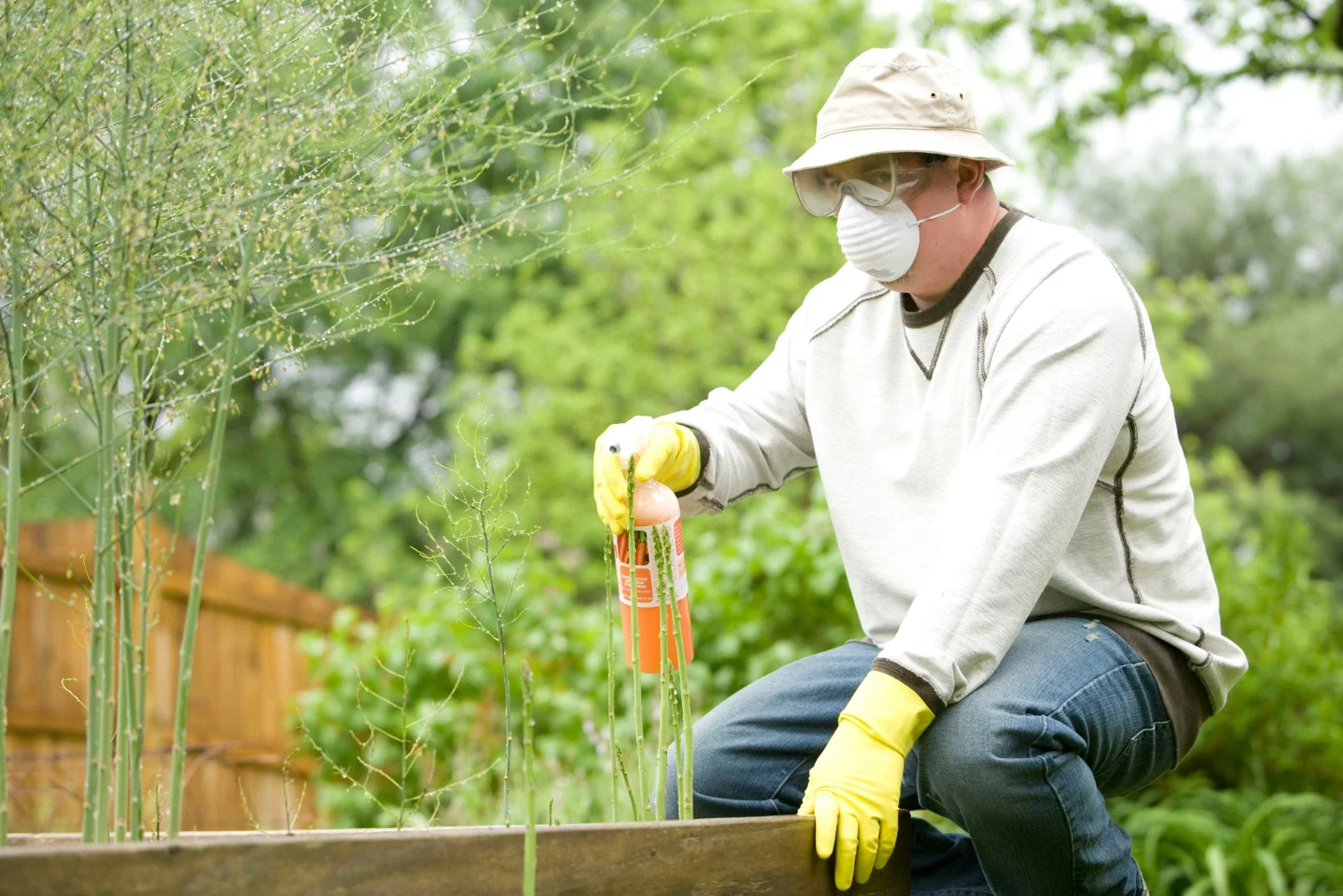
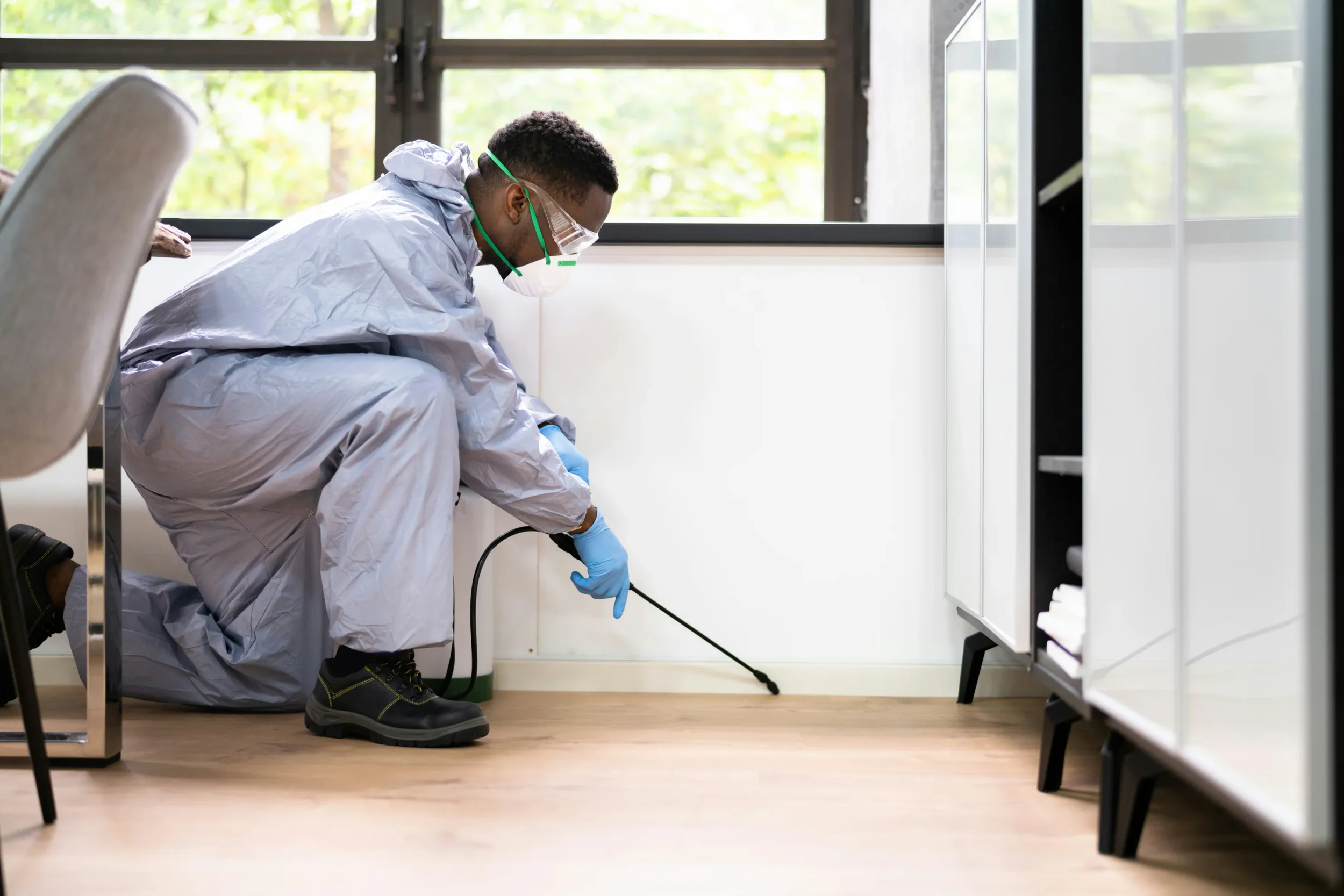
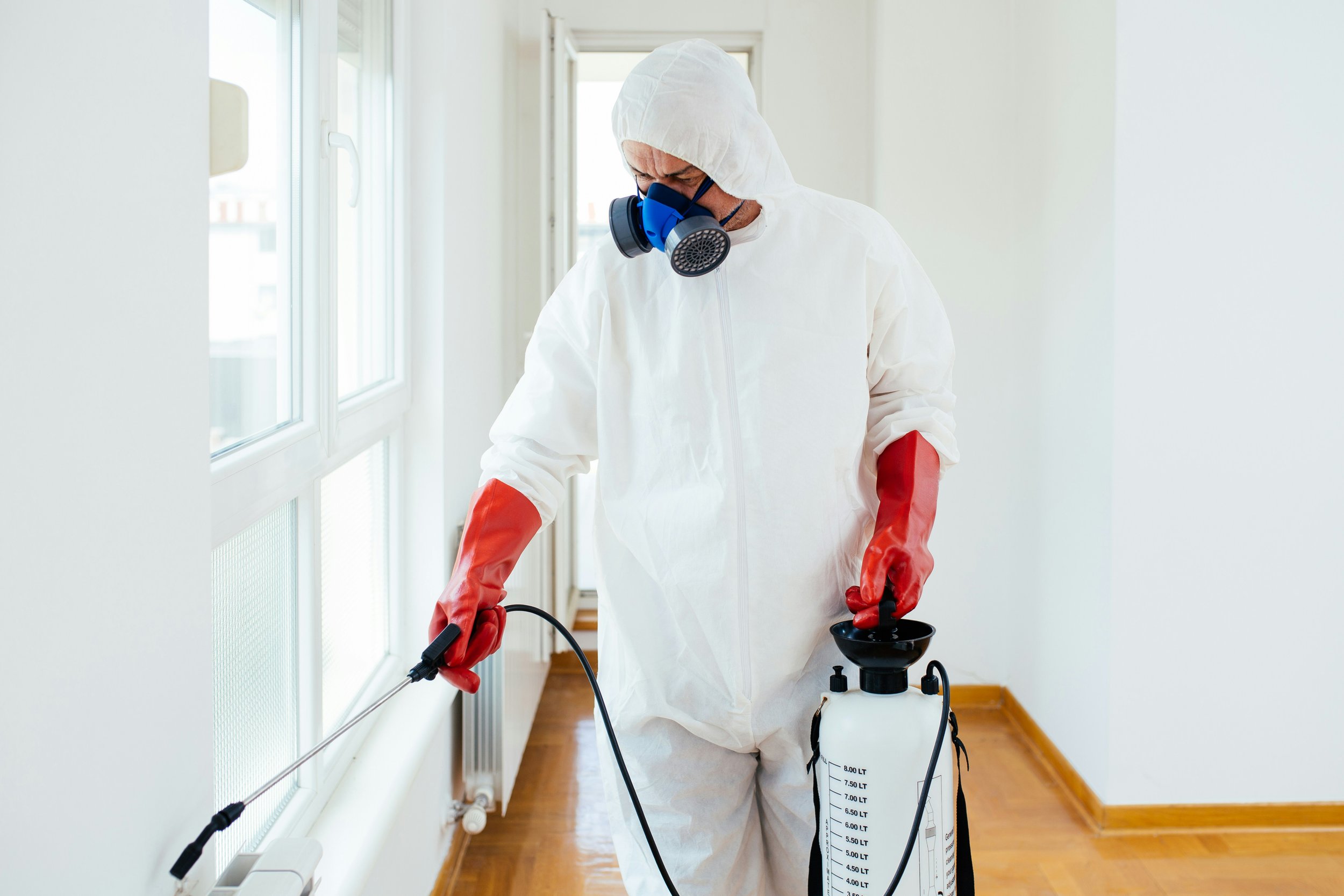
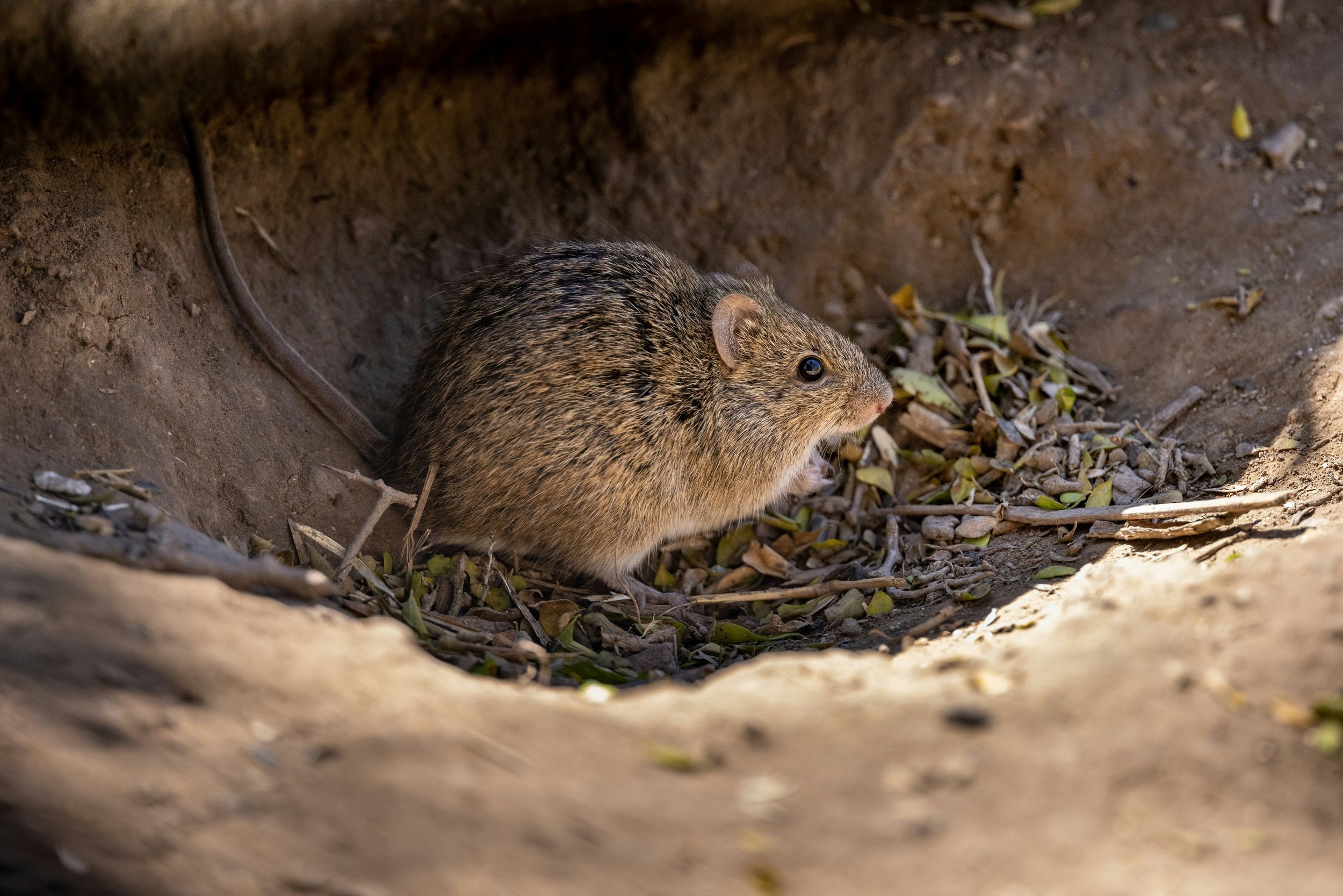
For rodents, snap traps work well when paired with exclusion measures, since closing entry points stops the cycle of new visitors. Keep a simple log that lists trap locations, dates, and results, which helps you spot patterns and decide when to escalate. If chemical control becomes necessary, choose the least disruptive option and keep products away from children and pets while following all safety directions.
Create a Maintenance Schedule and Track Results
Pest control becomes far more reliable when tasks follow a steady rhythm. Make a calendar that assigns monthly, seasonal, and annual checks so you do not rely on memory during busy weeks. Monthly checks might include quick inspections of door sweeps, sink cabinets, and trash areas, while seasonal checks can cover gutter cleaning, yard trimming, and a look at exterior caulking.
An annual walkthrough gives you time to review attic vents, crawlspace access, and any areas that needed repairs in the past year. Keep a simple notebook or digital checklist that records what you found and what you changed, then compare before and after notes to see which actions made a measurable difference. If a problem keeps returning, hire a licensed pro to perform a building-wide assessment and coordinate repairs with your maintenance plan.
A structured schedule protects your home from small issues that tend to grow when they do not get attention, and it brings peace of mind because you are running a clear plan that fits your space.
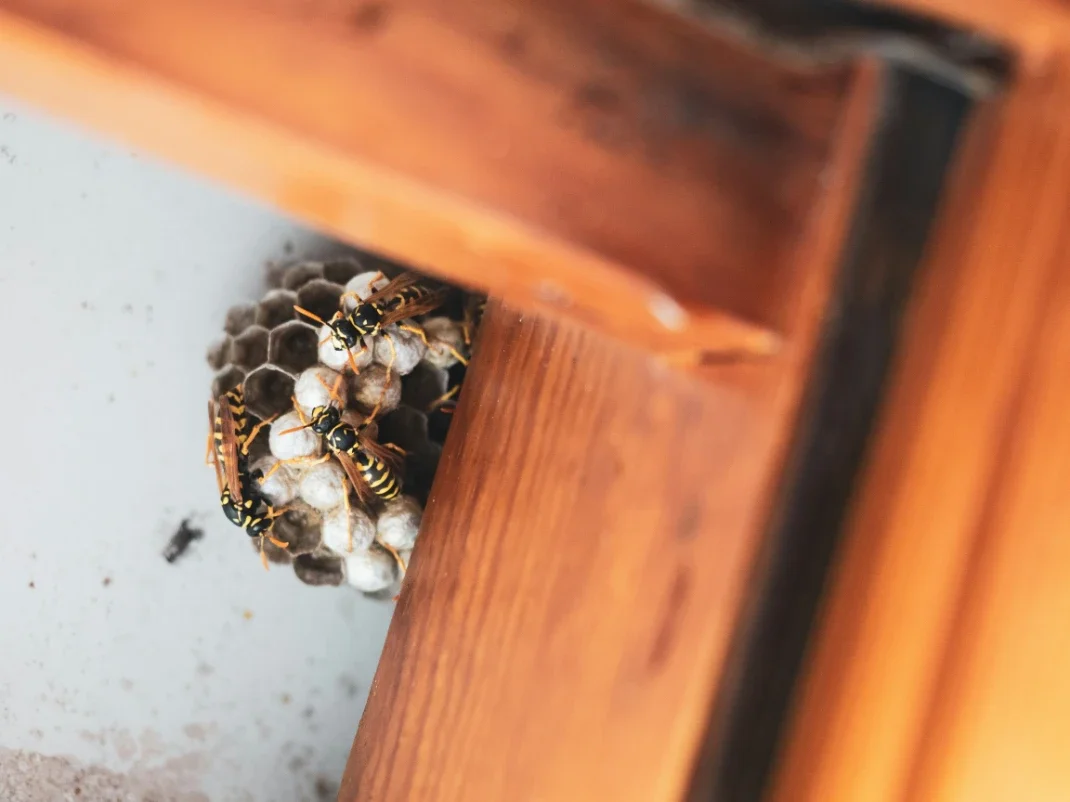
A home that denies pests the basics will feel calmer and cleaner, and you will spend less time reacting to surprises. Focus on sealing, drying, cleaning, trimming, and monitoring so you remove the invitations that pests look for. When conditions are right, even a small fix can deliver a big drop in activity. With consistent habits and help when needed, your living spaces can stay healthier and more comfortable year-round.
Stay up to date with our latest ideas!