Why Old Timber Tells a Better Story Than New Wood Ever Could
Discover why old timber offers unique character, history, texture, and craftsmanship that new wood cannot easily replicate in furniture, homes, and interior design.
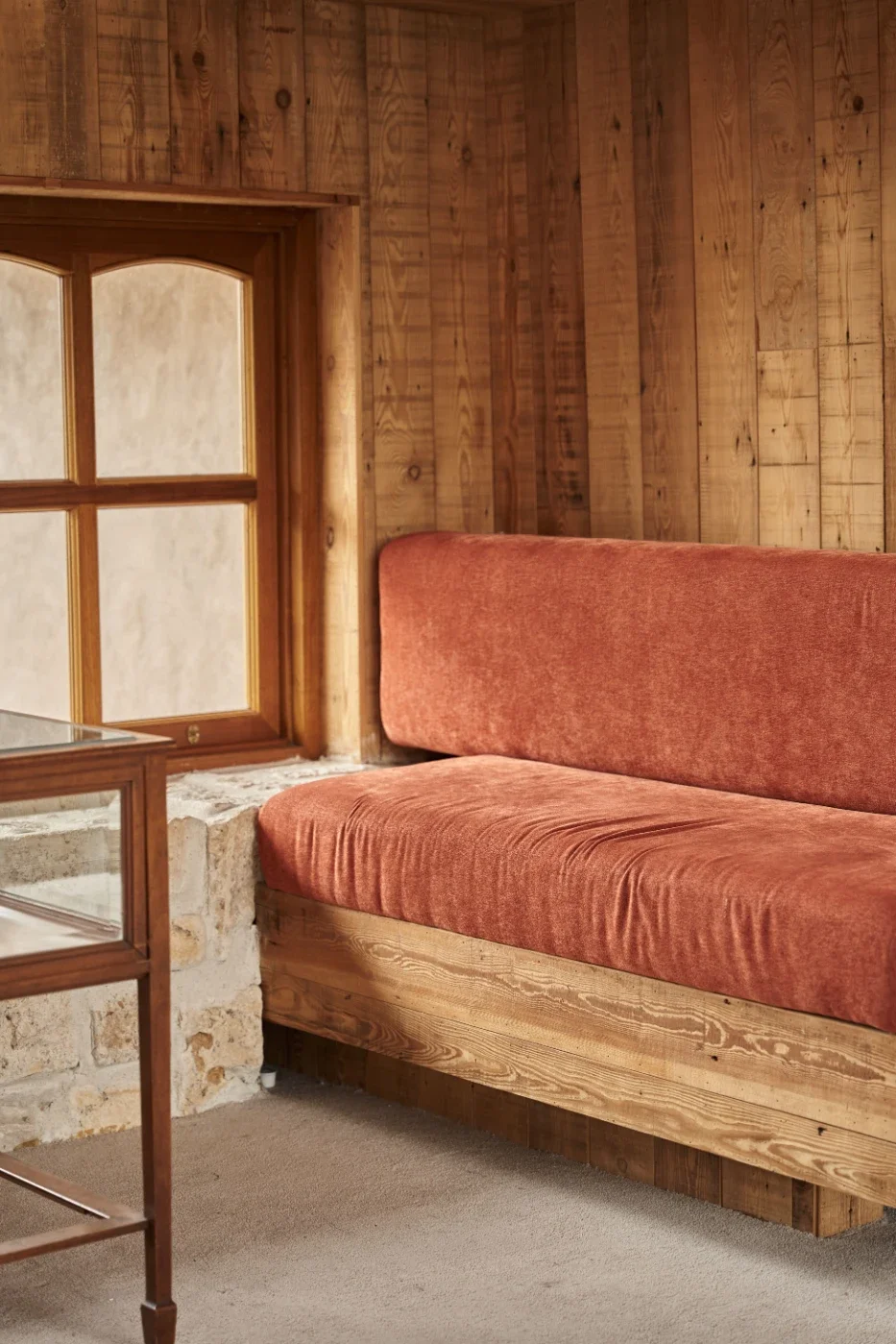
Wood carries memory in a way few other materials do. Every knot, nail hole and weathered surface reflects decades of use, and that history is exactly what makes reclaimed timber so appealing to homeowners and designers who want more than a blank canvas.
There is something inherently personal about using a material that has already belonged to another place. Unlike newly manufactured wood, reclaimed timber arrives with subtle imperfections that reveal its journey. Marks left by tools, changes in colour caused by sunlight and the natural wear created by years of use all contribute to a surface that feels genuine. Rather than hiding these imperfections, modern interiors increasingly celebrate them as part of the material's identity.
The Appeal of Wood With a Past
New lumber looks clean, but it also looks like everything else on the market. Reclaimed wood, on the other hand, comes with texture and irregularity that simply cannot be replicated through machining or artificial ageing. Barns, factories and old ships all produced timber that was cut from slow-growing trees, giving the wood a density and grain pattern rarely found in modern forestry. When that material is salvaged and reused, it brings a depth of character that instantly changes the feel of a room.
There is also a practical side to this appeal. Older timber has already gone through years of expansion, contraction and settling. It tends to be more stable once installed, since much of the natural movement has already occurred. This makes it a dependable choice for interior features that need to hold their shape over time, such as flooring, beams or wall coverings.
Another reason reclaimed timber continues to attract attention is its environmental value. Reusing existing wood reduces the demand for newly harvested materials and gives timber that might otherwise be discarded a second life. For homeowners who want their interiors to reflect more sustainable choices, reclaimed wood offers a way to combine environmental responsibility with a distinctive visual character.
How Reclaimed Timber Is Used in Modern Interiors
Designers increasingly turn to salvaged wood not just for rustic aesthetics but for genuinely versatile applications. It can be sanded smooth for a refined look or left rough for an industrial edge. Some of the most common uses include:
Flooring that mixes durability with visible history
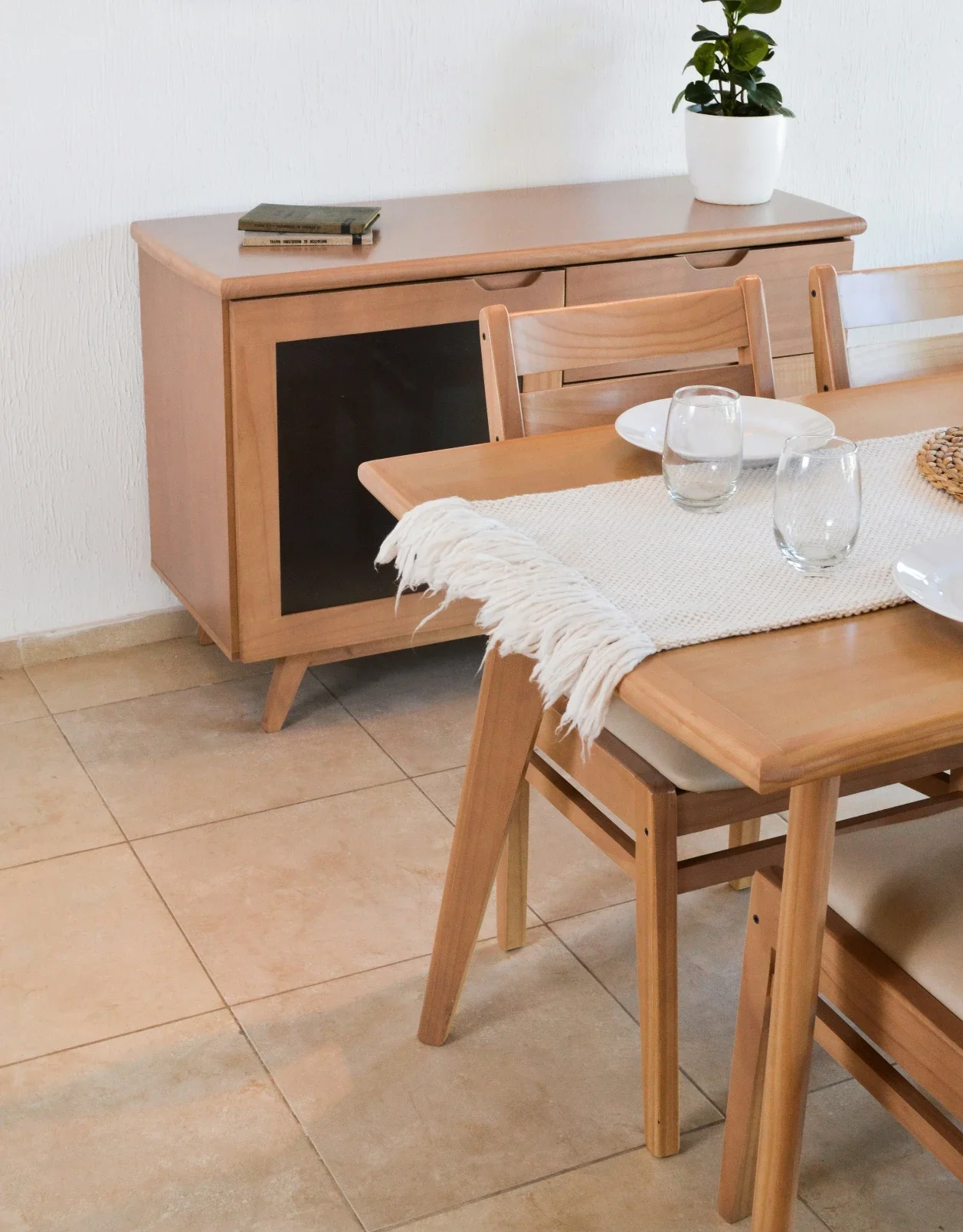
Furniture pieces that highlight unique grain patterns
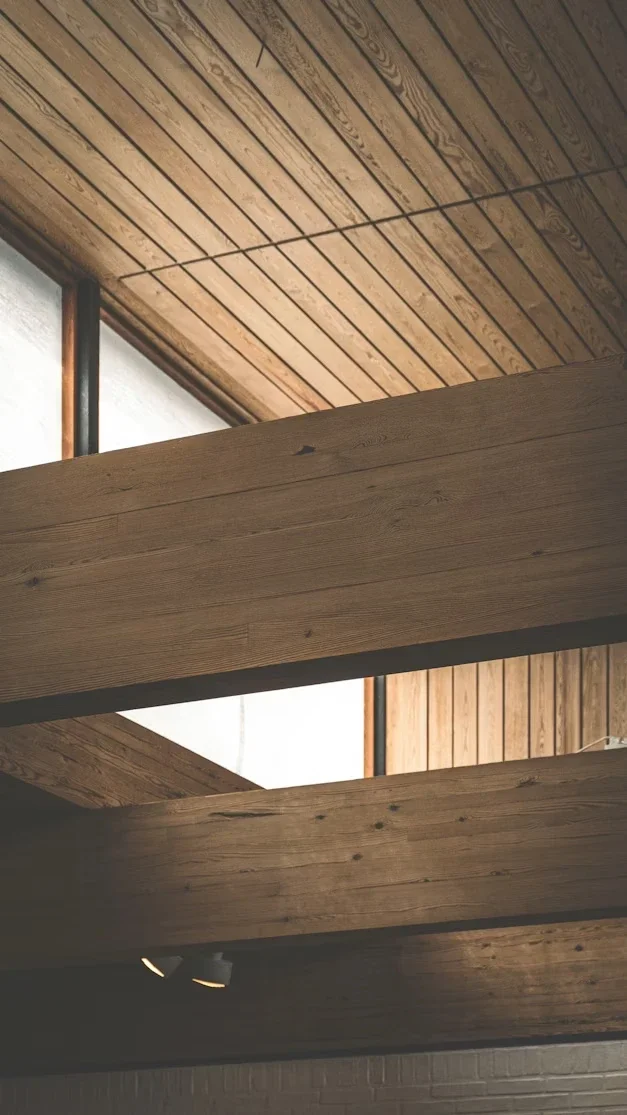
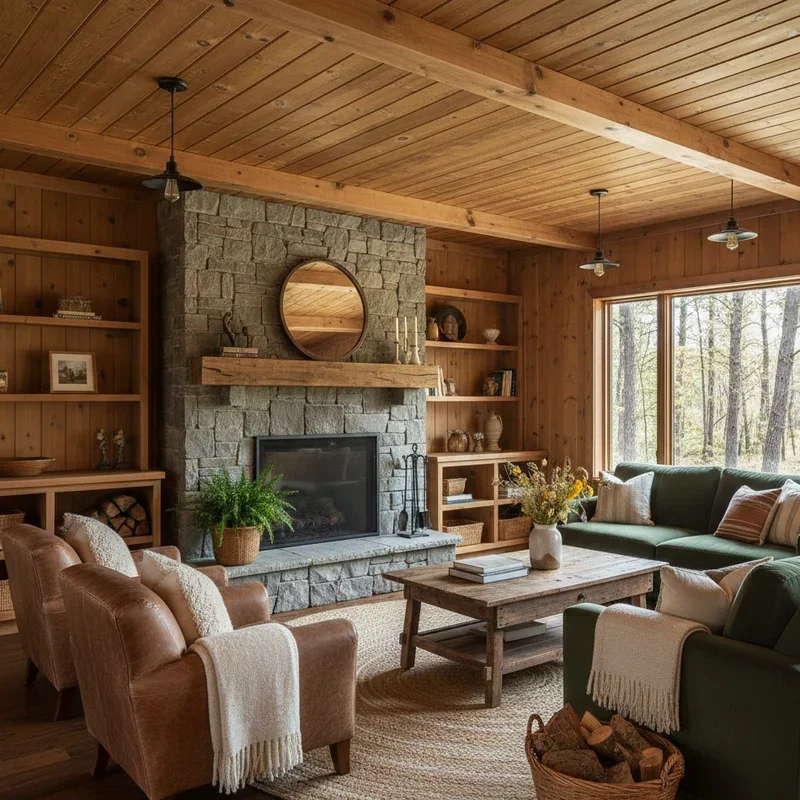
Structural beams that add warmth to open-plan spaces
Wall treatments that bring texture without heavy renovation
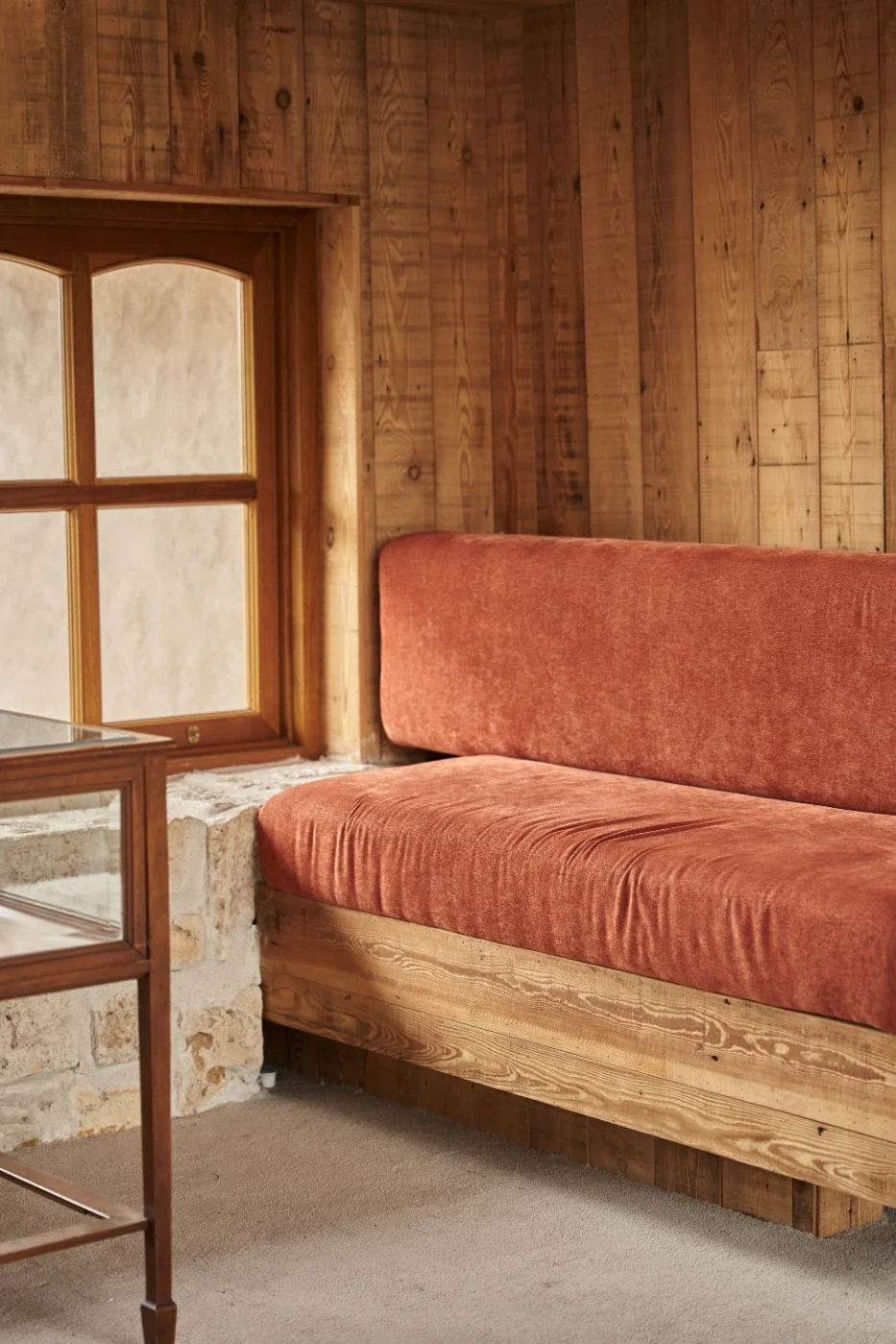
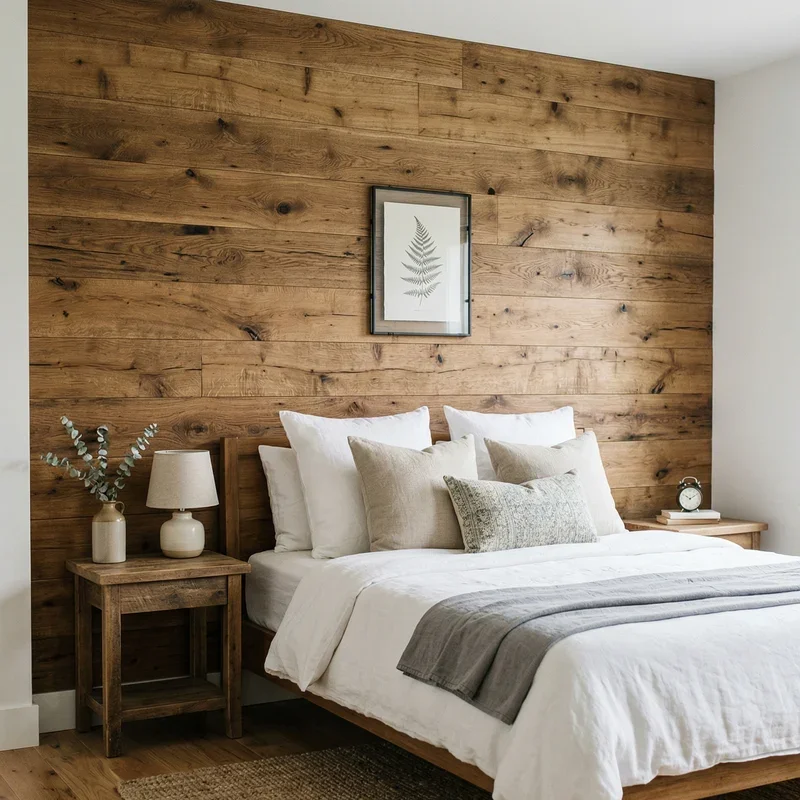
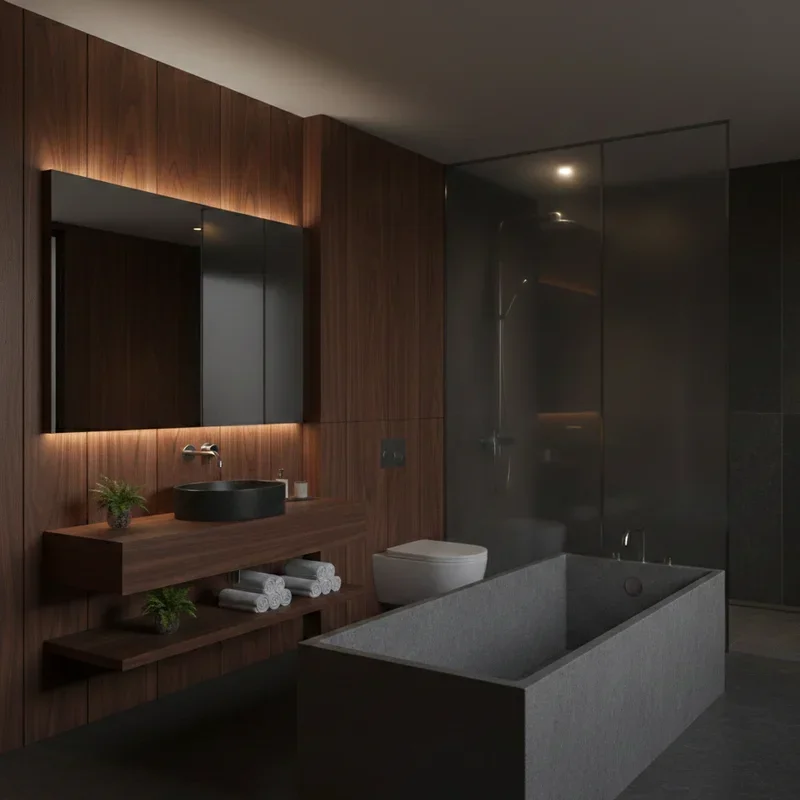
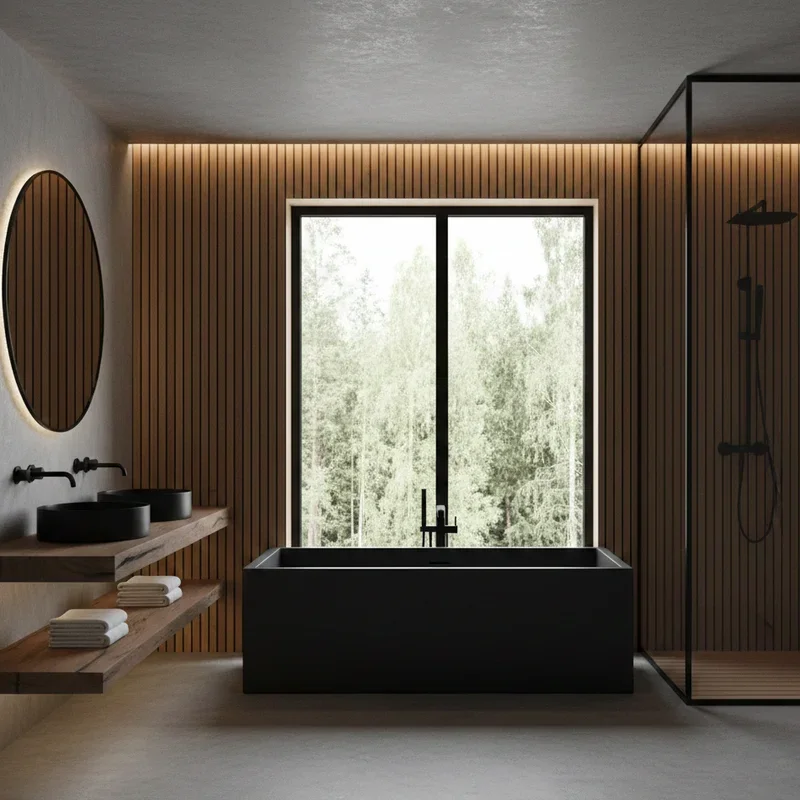
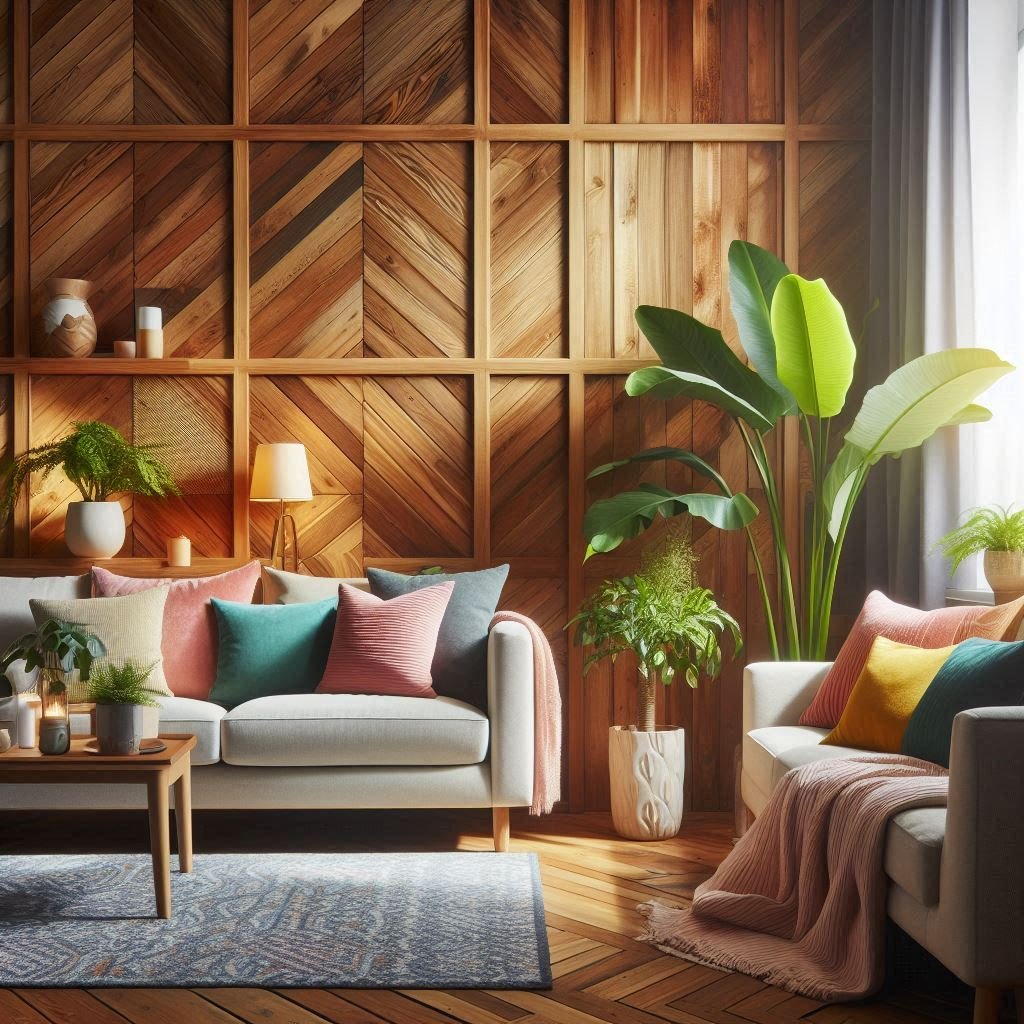
Among these, wall applications have become particularly popular. Reclaimed wood paneling allows a space to gain immediate texture and warmth without the structural changes that come with new construction. It works well in both residential and commercial settings, largely because it adapts to a wide range of styles, from Scandinavian minimalism to more traditional interiors.
The visual impact of reclaimed timber can also change depending on how it is finished and installed. Wider boards can create a bold, architectural statement, while narrower pieces can introduce subtle variation across a wall or ceiling. Differences in colour, grain and surface texture ensure that no two installations look exactly alike, helping designers create spaces that feel individual rather than mass-produced.
Sourcing Matters as Much as the Wood Itself
Not all reclaimed timber is created equal. The origin of the wood, the way it was stored, and how it was processed all affect its final quality. Poorly handled reclaimed wood can warp, crack or harbor pests, which is why sourcing from a specialist matters. Companies that focus specifically on salvaged timber understand how to identify sound material, treat it properly and prepare it for reuse without stripping away the character that makes it valuable in the first place.
This is where a company like Historisch Hout plays a role. Specialists with experience in reclaiming and restoring old timber can trace the origin of the wood, assess its structural integrity, and prepare it in a way that respects its history while making it suitable for modern use. That expertise often makes the difference between a project that feels authentic and one that merely imitates the aesthetic with artificially distressed materials.
Choosing reclaimed timber is therefore not simply a design decision; it is also a way of preserving a small piece of architectural history. Each salvaged board can carry evidence of its previous life, whether through old tool marks, nail holes, faded colouring or natural wear. Incorporated into a contemporary interior, these details create a connection between the building's past and its present, giving the finished space a sense of continuity that new materials often struggle to achieve.
A Material That Keeps Earning Its Place
Reclaimed timber continues to hold its position in interior design not because of a passing trend, but because it offers something new materials cannot: a tangible connection to the past. As more people look for ways to bring authenticity into their homes, old wood remains one of the few materials that improves with age rather than losing value. Its continued use reflects a broader shift toward materials that tell a story, rather than simply filling space.
Another advantage is the way reclaimed timber can age alongside the spaces in which it is installed. Rather than becoming dated as trends change, its natural character often becomes more pronounced with time. Small changes in colour and texture can add to its appearance, allowing the material to remain visually relevant even as furniture, finishes and interior styles evolve around it.
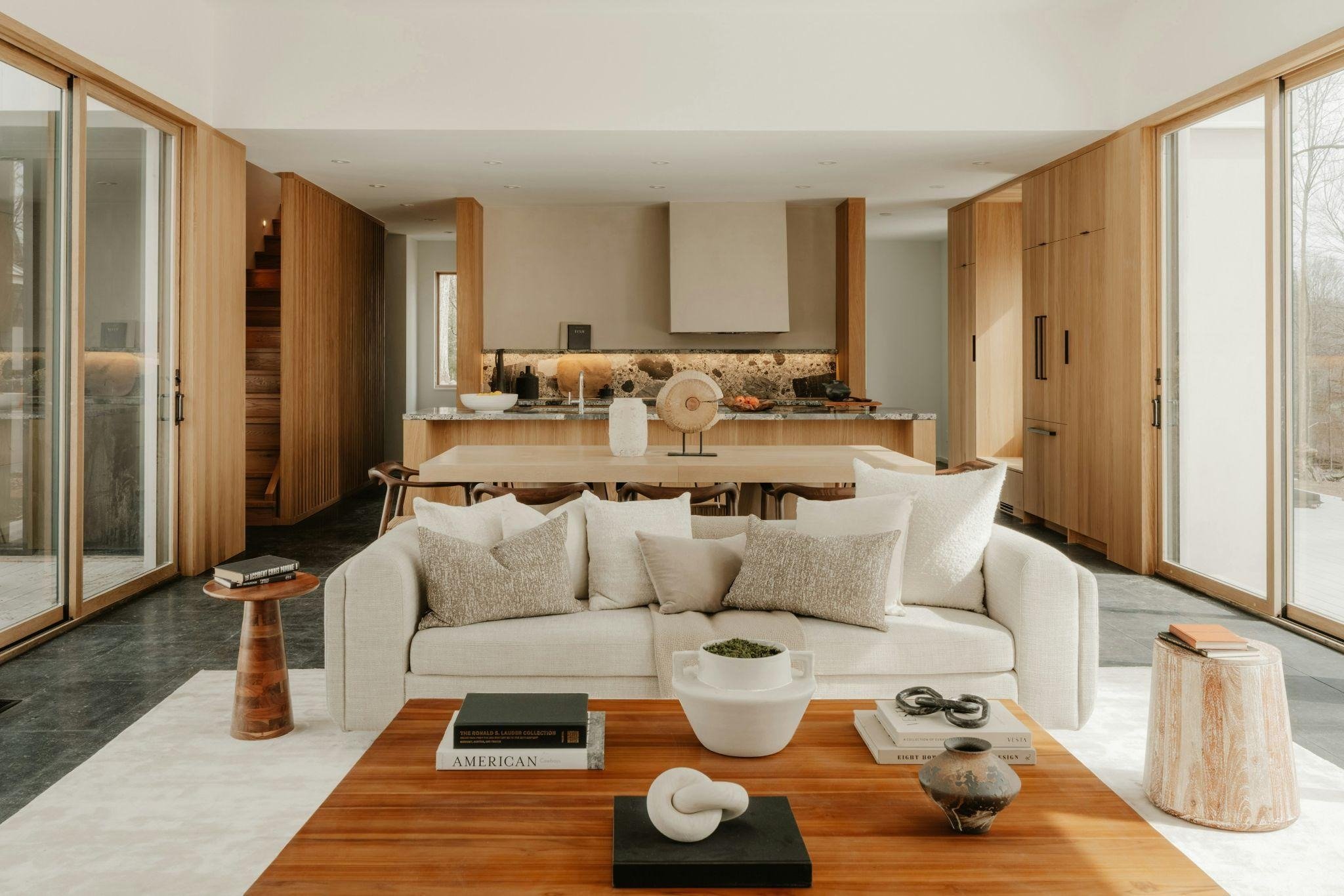
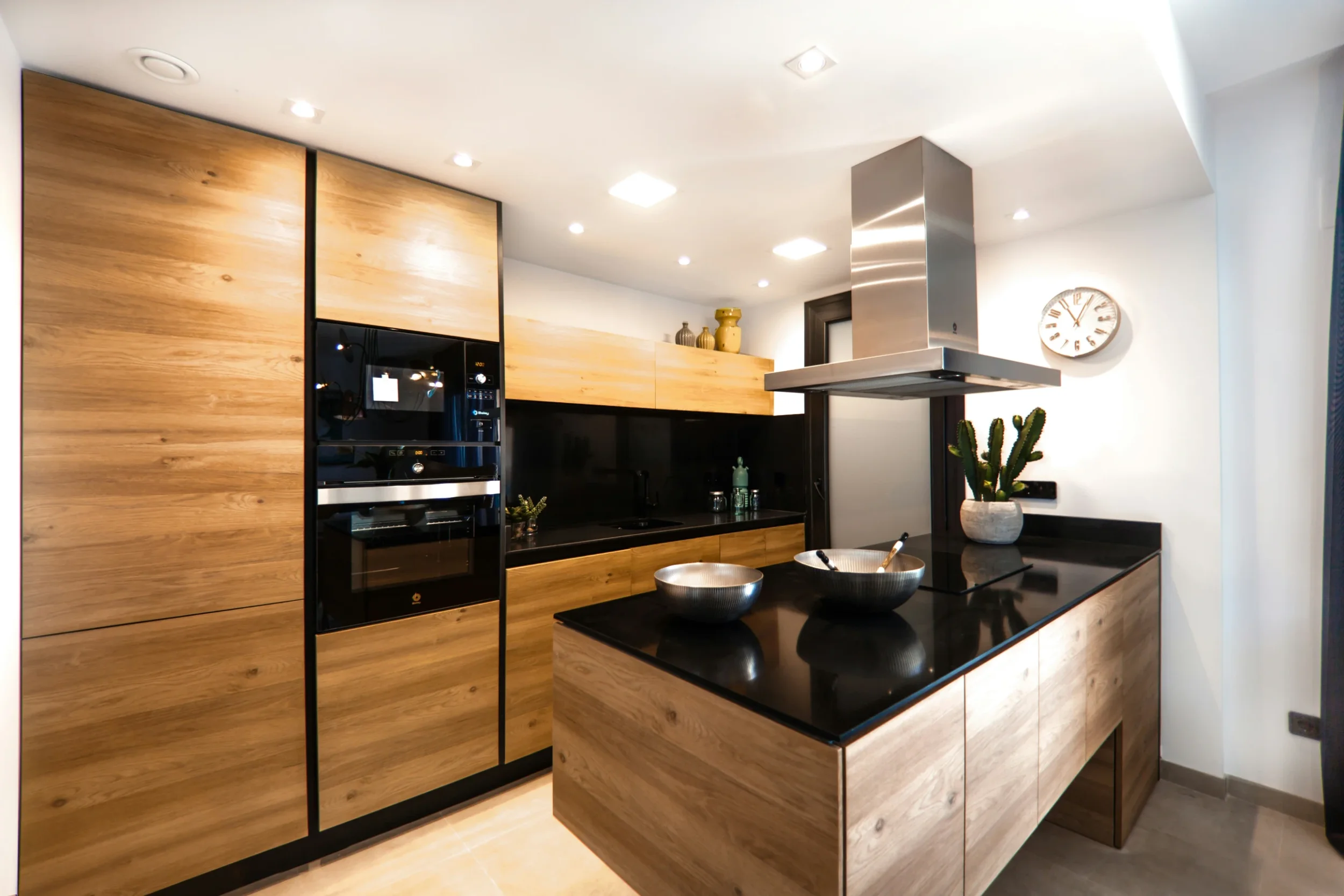
For many projects, the appeal also lies in the contrast between old and new. Pairing weathered timber with contemporary materials such as glass, concrete or metal can create a balanced interior that feels both grounded and modern. The natural warmth of the wood softens harder surfaces, while its aged appearance adds depth to otherwise clean and minimal spaces.
In this way, reclaimed timber is not limited to one particular design style or type of property. It can work equally well in a modern apartment, a renovated farmhouse, a commercial space or a historic building. Its ability to adapt while retaining its original character is what makes old timber such a lasting choice for interiors that are designed to feel distinctive, considered and connected to their surroundings.
Stay up to date with our latest ideas!