6 Reasons Experience Matters When Choosing a Building Company in New Zealand
Discover 6 reasons experience matters when choosing a building company in New Zealand, from workmanship and reliability to project management, compliance, and value.

How much thought have you actually given to the track record of the company building your home? Probably less than you'd like to admit. Most people don't think about it until something goes wrong: a leaking roof, a handover pushed back another month, a budget that's blown out with no clear explanation.
This is why so many homeowners across Dunedin and the wider Otago region choose to work with established builders like Your Way Home housebuilders, whose years of hands-on experience translate directly into a smoother process. Before signing a contract with any building company, here are six reasons why track record carries so much weight in this industry.
1. Fewer Costly Surprises
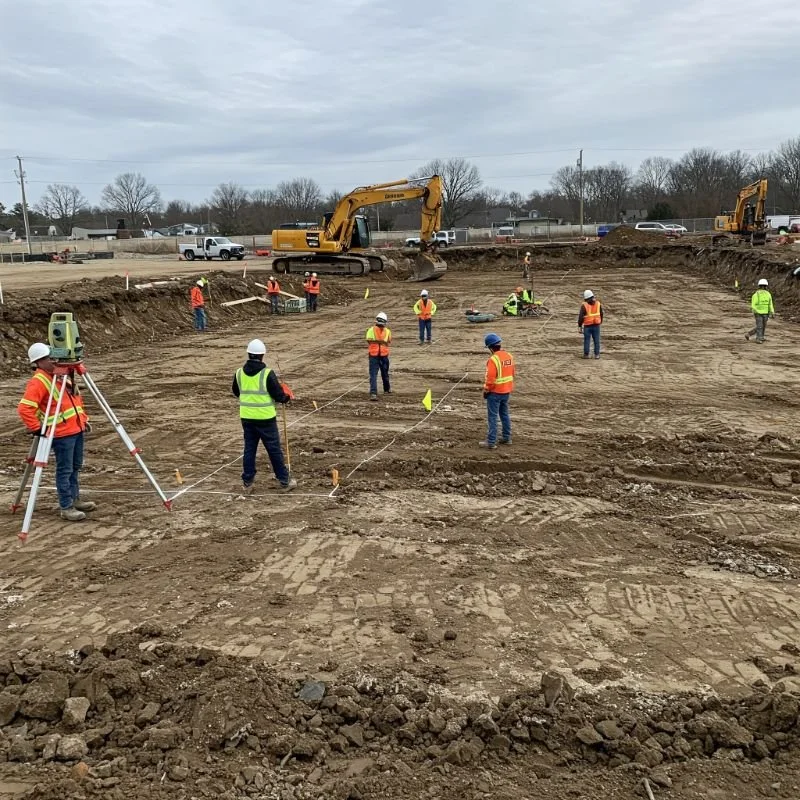
Seasoned builders have already encountered the problems that catch newer companies off guard: unstable soil, weather delays, supply chain hiccups. A builder who has dealt with these before plans around them instead of scrambling once they show up on site. This foresight often shows up in the budget: experienced firms tend to price jobs more accurately from the outset, because they have a realistic sense of what a project actually requires. Newer companies, by comparison, are still learning where the hidden costs tend to hide, and clients often end up paying for that learning curve through variations partway through the build.
2. More Reliable Processes
A company that has completed hundreds of homes has also had significant opportunities to improve its operations. Site management, communication with subcontractors, and quality checks all become tighter over time as inefficiencies get identified and fixed. That refinement matters to homeowners because it means fewer delays and a clearer line of communication throughout the build. Trade scheduling, one of the trickiest parts of any build, also becomes more predictable when a company has long-standing relationships with reliable subcontractors rather than sourcing them fresh for every project.
3. A Reputation You Can Verify
A reputation gets built one project at a time, not one advertisement at a time. That is what makes it worth trusting. Reviews, referrals, and repeat clients say more about a builder's reliability than any marketing material ever could. A five-star review means less than a neighbour who used the same builder twice. Homeowners considering a new build should ask to see completed homes or speak with previous clients; a company confident in its work will welcome the chance to demonstrate it. A strong reputation also tends to attract better subcontractors and suppliers, creating a quality feedback loop that benefits every future client.
4. Local Knowledge That Saves Time
Every region in New Zealand comes with its own rules, its own soil, its own weather to design around. A builder who has spent years working the same patch already knows the local council's quirks and what a house actually needs to survive a Dunedin winter, not just a textbook one. That regional insight can shorten consent timelines and reduce the likelihood of design changes partway through construction, whether that means anticipating drainage requirements on a sloped section or designing for a southern winter.
5. Warranties Backed by Longevity
A warranty is only worth as much as the company is still around to honour it. That is the uncomfortable part that homeowners sometimes overlook. Longevity is one of the few signals that a builder isn't going anywhere. Builders with a long-standing presence in their community have a reputation to protect, which tends to make them more responsive to after-sales concerns than a company with a shorter history.
6. Communication That Actually Works
Communication on a build site is not something a company either has or doesn't have. It's a skill, and like most skills, it gets sharper with repetition. A builder who has worked with dozens of clients knows when to explain a decision in plain English and when a quick heads-up is enough. That steady, practised communication style often makes the difference between a stressful build and one that feels genuinely collaborative, especially in moments when a decision needs to be made quickly and the homeowner needs to trust the advice being given.
What Experience Actually Buys You
A builder's real value doesn't show up on handover day. It shows up three winters later, when nothing has leaked and nothing needs fixing. That kind of quiet is not luck. It is what happens when a company has already learned, on someone else's project, exactly what it takes to get a house right the first time.
Every decision a builder makes on site, from how a joint is sealed to how a foundation is poured, is shaped by hundreds of past jobs that quietly informed the one in front of them. A homeowner never sees that history directly, but they live with its results for decades.
Stay up to date with our latest ideas!