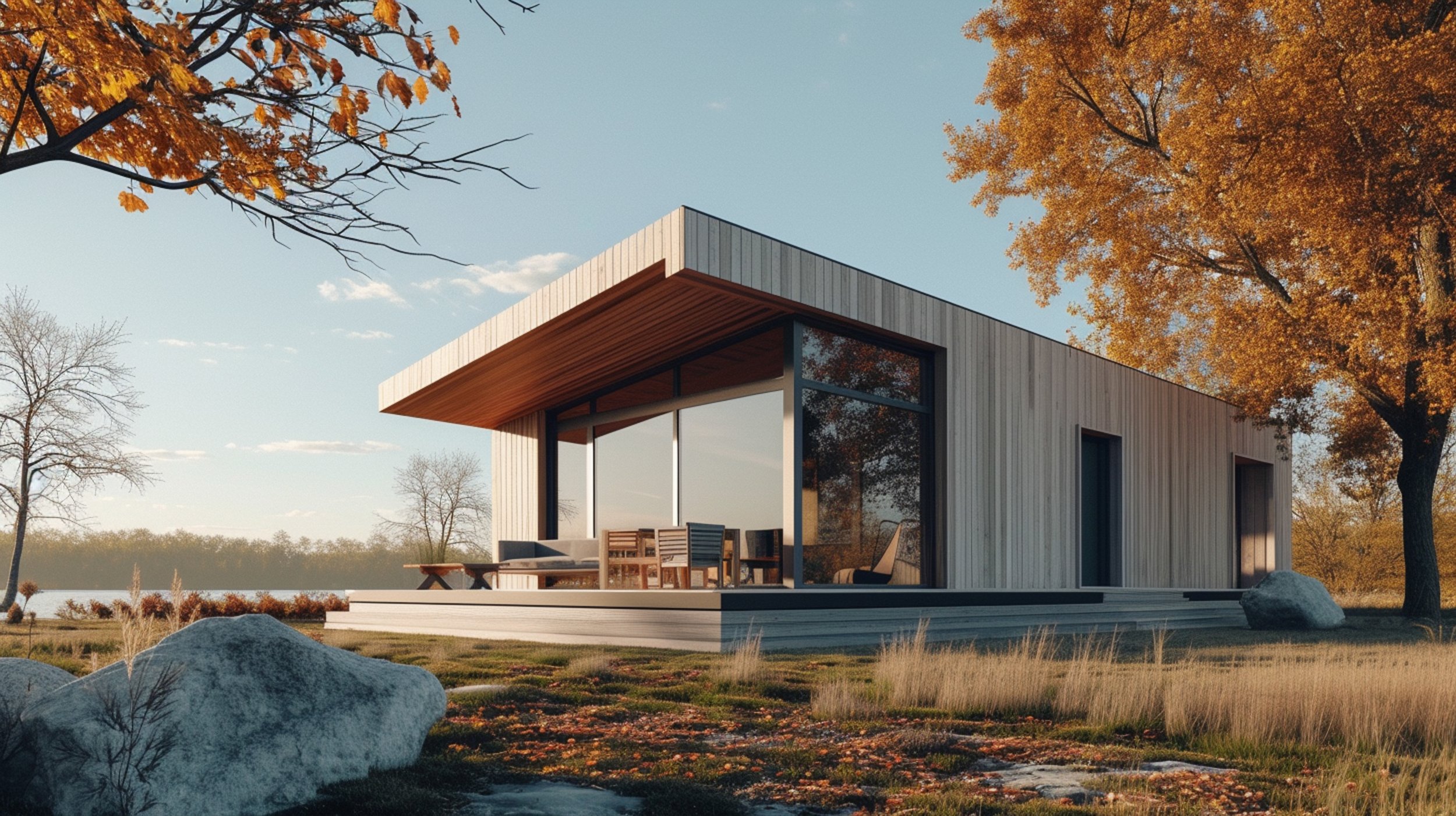
Learn practical tips to work effectively with your architect, communicate clearly, and achieve your vision without micromanaging the design process.
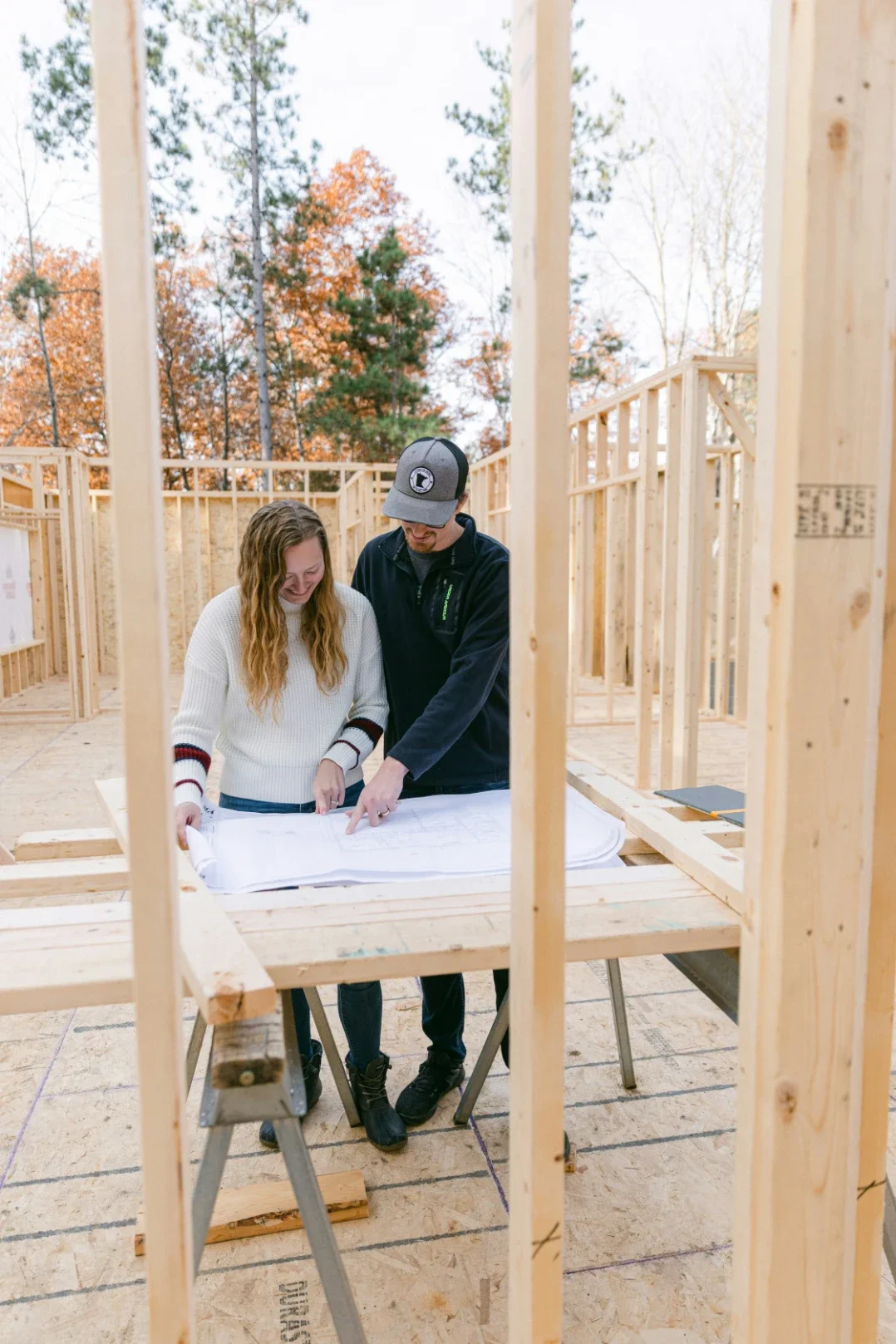
Designing or renovating a home is thrilling, but it can also feel overwhelming at times. Balancing your vision with practical realities often calls for trust, patience, and a clear professional partnership. While it’s tempting to weigh in on every choice, constantly checking or directing can slow progress and create tension.
One way to ease this is by engaging a reliable Architect builder in Sydney, someone who blends design expertise with hands-on construction experience. Their dual knowledge helps projects flow more smoothly, letting you focus on the big picture rather than getting caught up in minor details.
Establishing Trust Through Open Communication From the Start
The foundation of any successful collaboration is honesty and clarity. Before the first sketch or floor plan, discuss your vision, lifestyle requirements, design ideas, budget, and timeline. Sharing specifics early allows your architect to tailor solutions that truly fit your needs.
Respecting their professional judgment is equally important. Architects anticipate challenges, propose practical solutions, and notice subtleties you might miss. Laying this groundwork at the outset reduces the impulse to micromanage and keeps the relationship constructive rather than tense. Early discussions about priorities and constraints also make decision-making smoother as the project progresses.
Express Your Needs Clearly and Then Give Space
It’s one thing to communicate your ideas and another to hover over every decision. Once your priorities are established, step back and let your Architect explore options. Multiple design iterations are part of the process, refining concepts into a cohesive and thoughtful plan.
Intervening too frequently can disrupt creativity and slow momentum. Trust the process. When given room, architects often arrive at solutions that are smarter, more functional, and more aesthetically pleasing than anything rushed or forced. Allowing them to work independently often uncovers options you hadn’t considered, resulting in a design that truly elevates the space.
Ask Questions to Guide Without Controlling
Staying involved doesn’t mean issuing instructions. Phrasing concerns as questions invites collaboration. Instead of directing, try asking, Would shifting this wall improve light and flow? Or How might this material choice affect the overall design?
This encourages architects to problem-solve within the framework of your needs. You remain engaged and informed, but without imposing unnecessary restrictions on their creative process. Framing discussions as explorations rather than mandates fosters trust and keeps communication open.
Advantages of Working With an Architect Who Is a Licensed Builder
A licensed Architect who also builds brings a rare combination of insight to any project. They understand how design choices affect construction, costs, and timelines, helping prevent common missteps.
When design and execution are guided by the same professional, you will encounter fewer surprises, less back-and-forth, and greater transparency at every stage. Their dual role also means decisions are informed, practical, and accountable, allowing you to step back with confidence. You can focus on envisioning the end result instead of worrying about day-to-day details.
Let the Professional Make Daily Decisions
Projects inevitably involve real-time choices, from minor adjustments on site to selecting finishes that fit the budget. It’s wise to decide upfront which decisions require your input and which can be entrusted to your Architect. Allowing them freedom for day-to-day matters ensures smoother progress and reduces stress.
Constantly requesting updates on every minor item can create bottlenecks and distract from meaningful design considerations. Let the small stuff be handled professionally so the overall vision stays on track. The balance between involvement and trust is what allows projects to move efficiently while still reflecting your priorities.
Final Thoughts
Ultimately, your role is to guide the project’s vision, not manage every move. Focusing on outcomes rather than micro-decisions allows the process to flow, producing a home that feels cohesive, functional, and uniquely yours.
A skilled Architect with a builder's license will manage the intricate details with care, turning your brief into a space that works and inspires. By prioritising collaboration over control, you not only ease the journey but also contribute to a better-designed, more successful project. Trust, once established, becomes the engine behind remarkable architecture, allowing creativity and expertise to flourish together.
Stay up to date with our latest ideas!