6 Common Drainage Mistakes That Are Ruining Your Home Renovation Projects
Discover six common drainage mistakes that can ruin home renovation projects and learn how proper planning helps prevent water damage and costly repairs.
Home renovations bring excitement and new life to an old space. You might focus on paint colors or modern fixtures. Many homeowners forget the systems hidden behind the walls or under the floor.
Drainage is often the last thing on the mind during a project. Ignoring it leads to massive headaches later. A small oversight now can turn into a soggy mess in a few months. Taking time to plan for water flow keeps your investment safe and dry.
Neglecting Basement Water Issues
Finishing a basement is a popular way to gain square footage in a crowded home. You must check for dampness before hanging any drywall or laying down expensive flooring
A contractor blog mentioned that skipping moisture checks can lead to change orders costing between $5,000 and $15,000. These costs pop up when crews find leaks.
Dry spaces require careful inspection and proactive sealing from the start. Since moisture travels through concrete, vapor barriers help protect your building materials from rot.
Professional testing helps find hidden water trails that appear after heavy storms. Fixing these issues before the walls go up saves time and money.
Smart Groundwork for Underground Utilities
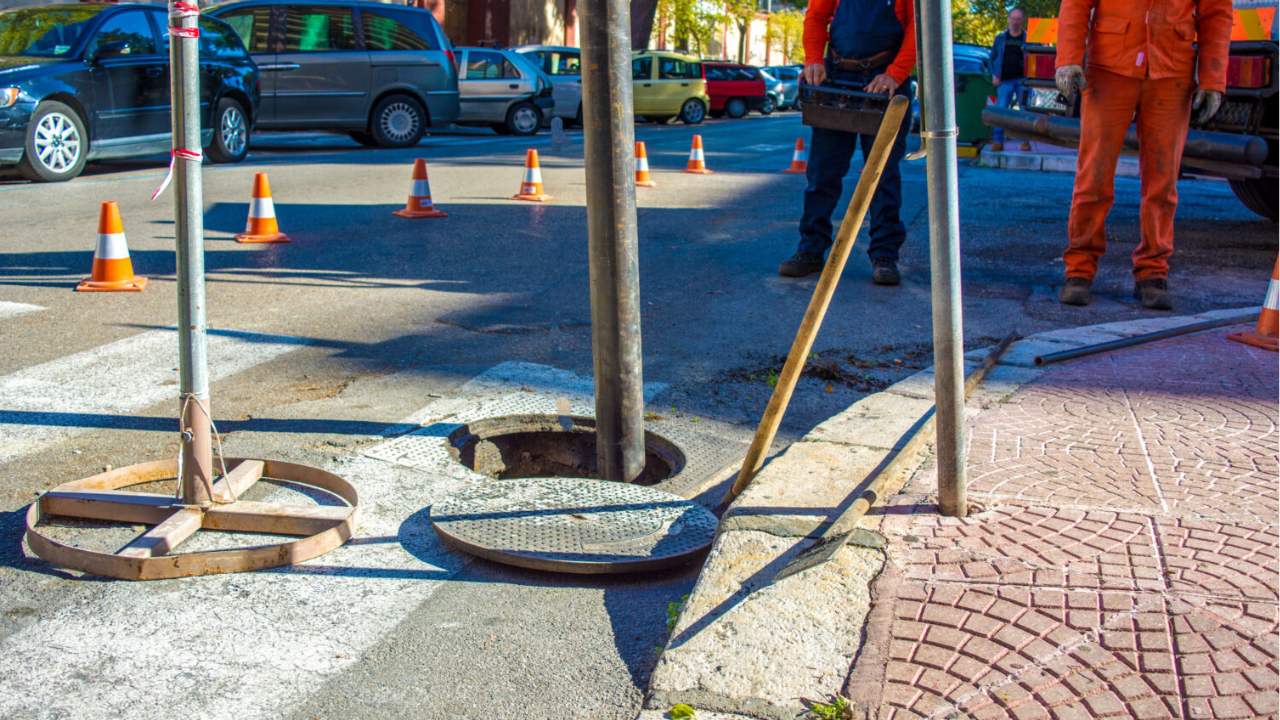
Managing water requires a clear path for pipes and wires beneath the surface. Choosing the right utility trenching solutions guarantees that all underground systems remain protected from shifting soil. Proper depth and backfilling prevent future sinking in your yard.
Stable trenches support the long-term health of your property and foundation. Deep channels allow for better drainage and organized utility lines. When you place pipes in a dedicated path, you reduce the chance of accidental damage during future repairs.
A well-organized yard starts with what you put under the ground. Think about how the soil will settle over the years. Using the correct materials for backfilling makes a big difference in the stability of your walkways.
Redirecting Sump Pump Runoff Correctly
Sump pumps work hard to keep your crawlspace dry during the wet season. The water they collect needs a safe place to go, far from your house.
An educational report warns that you should never let roof gutters or sump pumps drain into a septic field. Pointing these pipes toward a natural swale or a rain garden is a better choice.
Keeping the septic area dry preserves the health of your home wastewater system. If the septic field stays saturated, it cannot filter waste effectively. It can even lead to surface ponding near your home, a situation no one wants to deal with.
Check your local codes to see where you can legally discharge excess water. Some areas have strict rules about sending water into the street or neighboring yards. Proper planning keeps you on good terms with the city and your neighbors.
Avoiding Tree Root Infiltration
Landscaping adds curb appeal to your fresh renovation and increases your home value. Planting the wrong thing in the wrong spot creates plumbing nightmares that are hard to fix.
One sewer management group noted that large-rooted bushes can enter tiny cracks in your pipes. These roots grow quickly once they find a water source.
It is best to keep large vegetation away from the main sewer line. Damage from roots often requires expensive digging and pipe replacement in the middle of your yard.
Choosing shallow-rooted plants near pipes keeps your system clear and flowing. You should research the growth patterns of any tree before you put it in the ground. A small sapling today can become a pipe-crushing giant in just 10 years.
Correcting Improper Yard Grading
Water always follows the path of least resistance across your property. If your yard slopes toward the foundation, your renovation is at risk of water damage. Standing water puts pressure on the walls and seeps through the smallest pores.
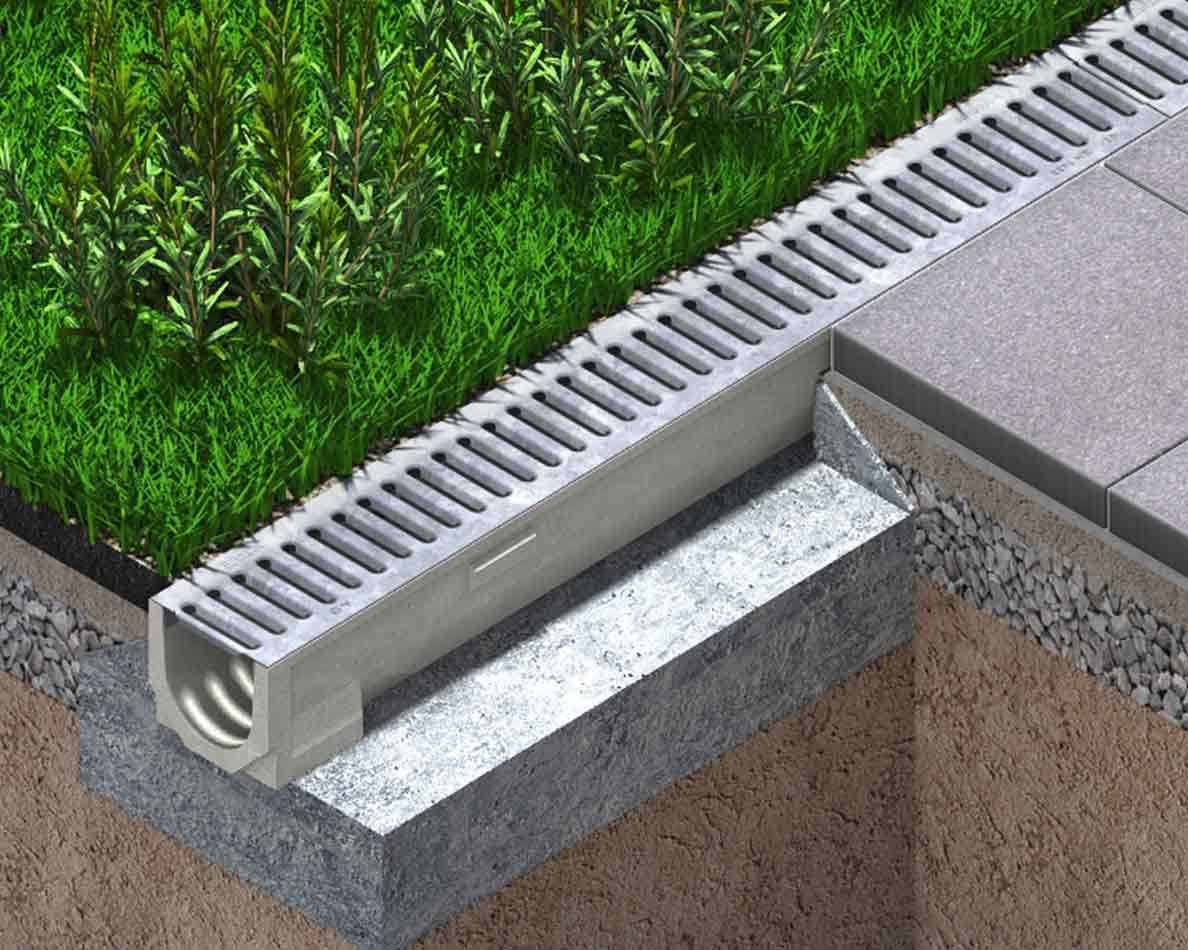
You can fix this by reshaping the land to move water away. A dry foundation is the backbone of any successful remodel. Good grading protects your basement from hydrostatic pressure.
Create a 5 percent slope for the first 10 feet.
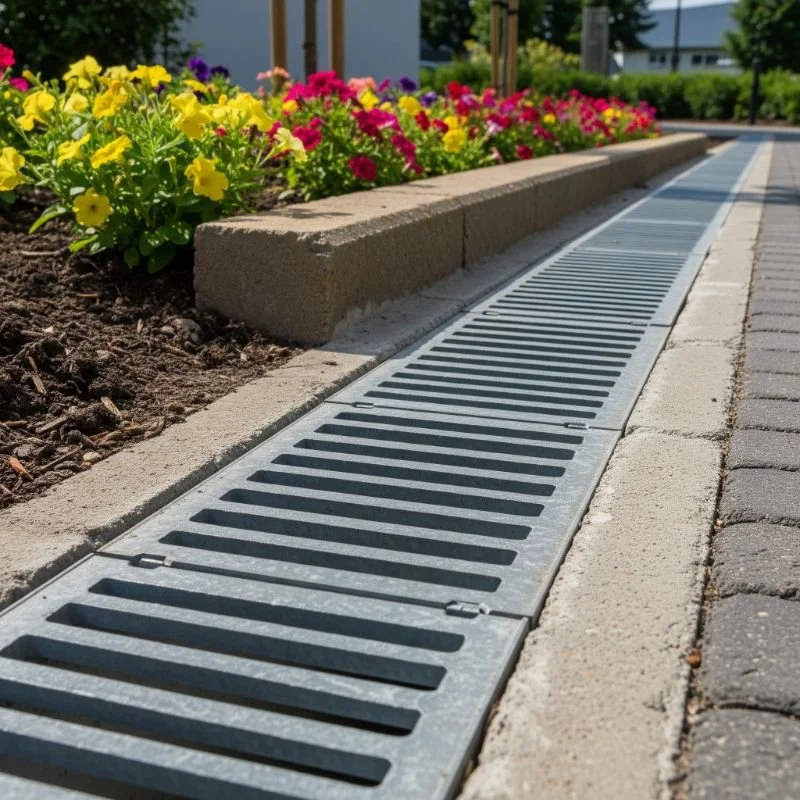
Install French drains in low spots.
Use swales to guide runoff to the street.
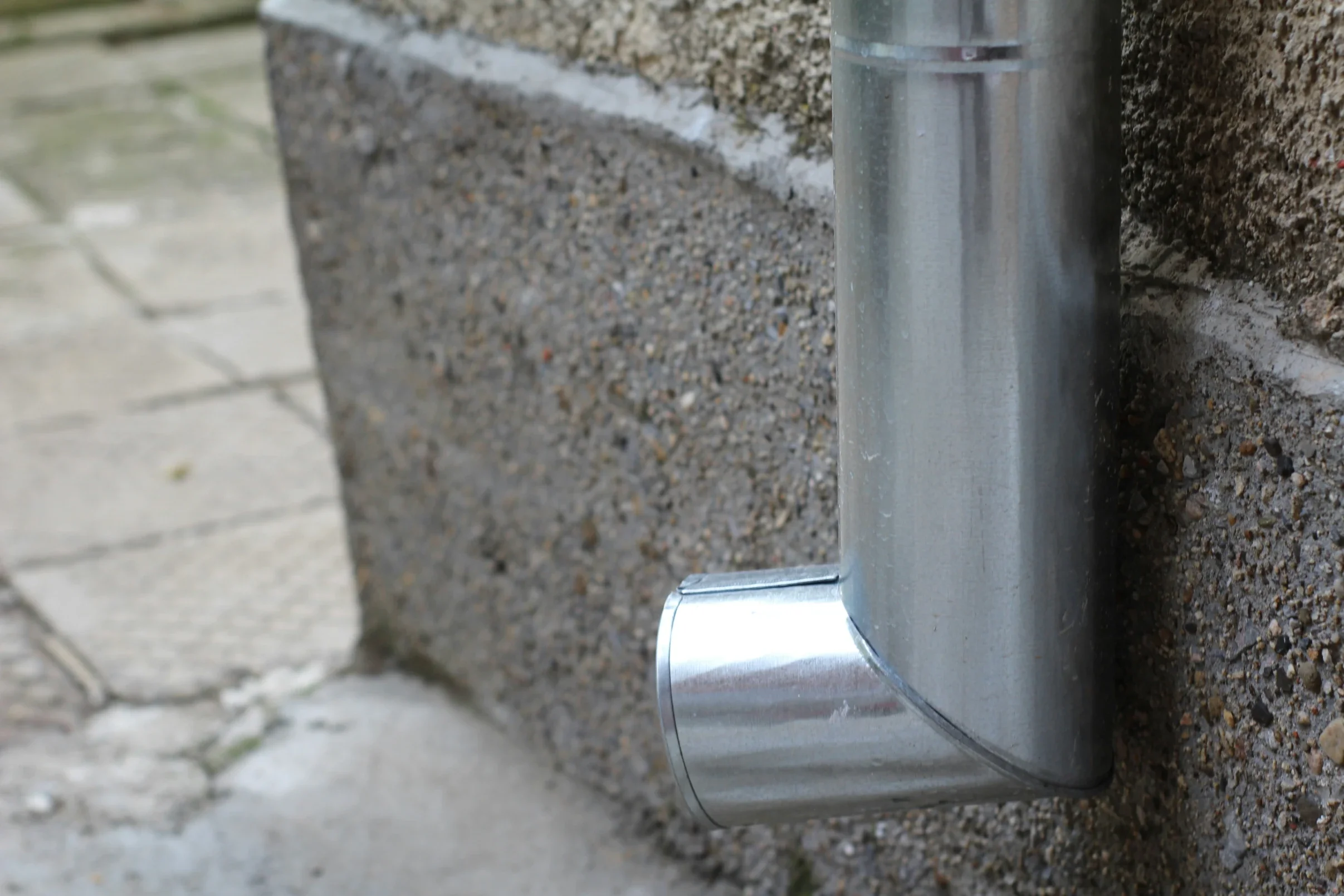
Add splash blocks under every downspout.
Monitor soil saturation during heavy rain.
It prevents soil erosion near your porch or patio. A well-graded yard stays firm and usable all year. You might need to bring in extra dirt to create the proper angle. Taking this step before you start landscaping is much easier.
Installing Undersized Drainage Pipes
Heavy storms can dump inches of rain in just one hour. Small pipes cannot handle that volume of water without backing up.
When pipes get overwhelmed, water backs up into the basement or garage. Upgrading to 4-inch or 6-inch lines provides a safety margin for extreme weather. High-capacity systems handle debris better without clogging from leaves or silt.
Investing in larger diameter pipes now saves you from replacing them in a few years. It is a simple upgrade that provides peace of mind during a hurricane or summer storm.
Larger pipes reduce the risk of structural damage. They allow water to move quickly away from your home. Getting the math right keeps your yard from turning into a lake.
Successful renovations require a solid foundation of planning. Water is a powerful force that finds every weakness in a building.
Addressing these drainage errors early keeps your home beautiful and functional. You can enjoy your new kitchen or bedroom without worrying about the next rainstorm.
Stay up to date with our latest ideas!