Best Clogged Drain Services in Ohio
Compare clogged drain services in Ohio by exploring service options, response times, pricing, customer reviews, common repairs, and what to expect when hiring a plumber.
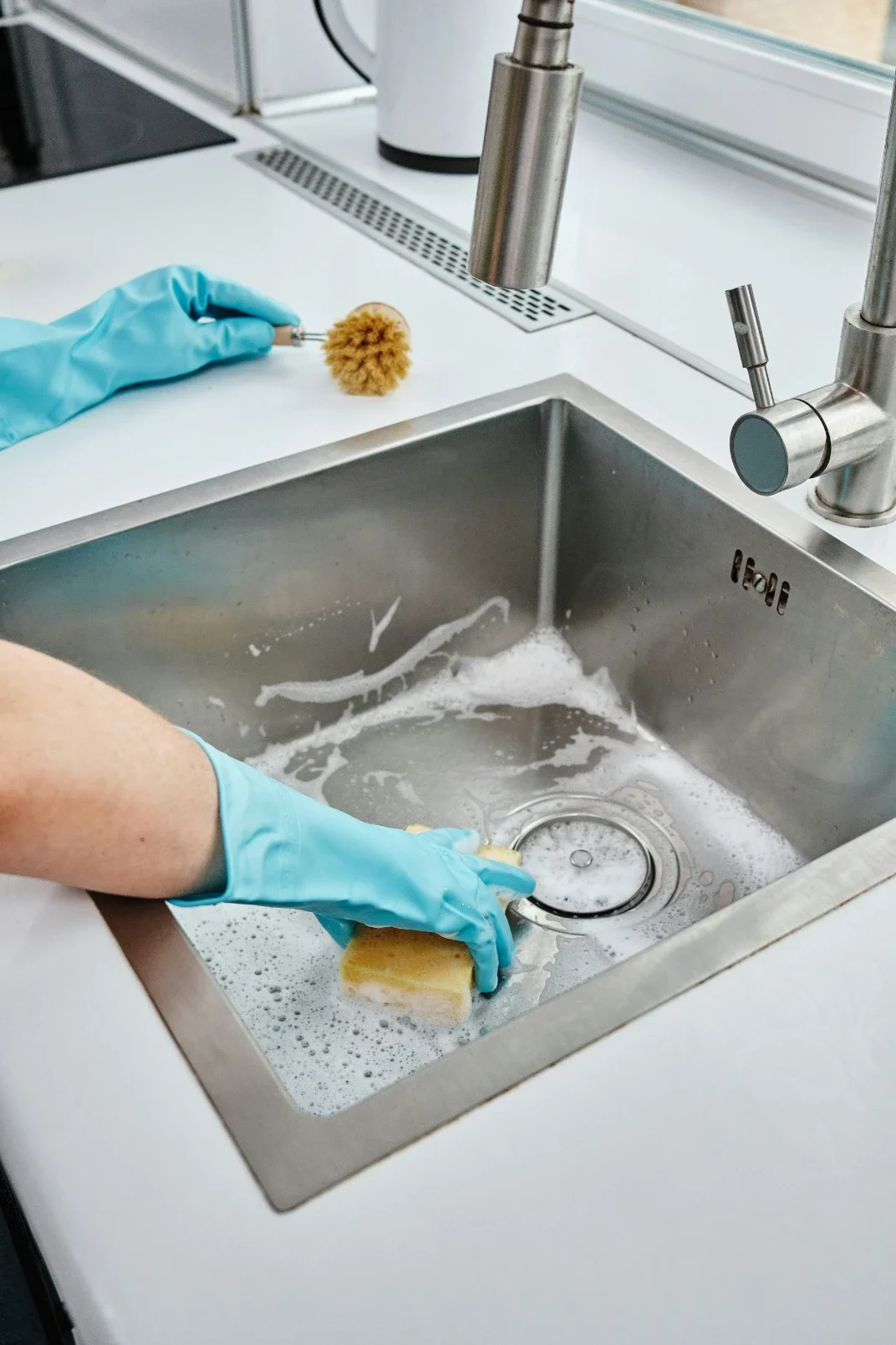
A backed-up kitchen sink is annoying. A backed-up basement drain during an April thunderstorm is a different kind of problem entirely. Across Ohio, from the older housing stock of Cleveland Heights to the fast-growing suburbs of Dublin and Mason, clogged drains are one of the most common—and most preventable—home emergencies. The good news? With the right knowledge and the right professionals, most drain issues can be resolved quickly and affordably.
This guide breaks down what causes clogs, how to spot warning signs early, what to look for in a drain service provider, and why investing in professional maintenance is one of the smartest moves an Ohio homeowner can make.
Why Ohio Homes Are Especially Prone to Drain Problems
Ohio's climate plays a major role in drain health. Freezing winter temperatures cause soil to shift, which can crack or misalign older clay sewer lines. Spring rains then push tree roots and debris into those weakened pipes. Add in the state's large inventory of pre-1960 homes—many still served by original cast iron or clay plumbing—and you have a recipe for recurring blockages.
Cities like Toledo, Akron, and Youngstown have some of the oldest residential plumbing infrastructure in the Midwest. Meanwhile, newer developments in Columbus and Cincinnati suburbs face their own challenges, including improper landscaping that directs soil and roots toward lateral lines.
Common Causes of Clogged Drains
Understanding the root cause is the first step toward a lasting fix. Most residential clogs fall into a handful of categories:
Grease and food waste: Cooking oils solidify as they cool, coating pipe walls and trapping debris. This is the leading cause of kitchen sink clogs nationwide.
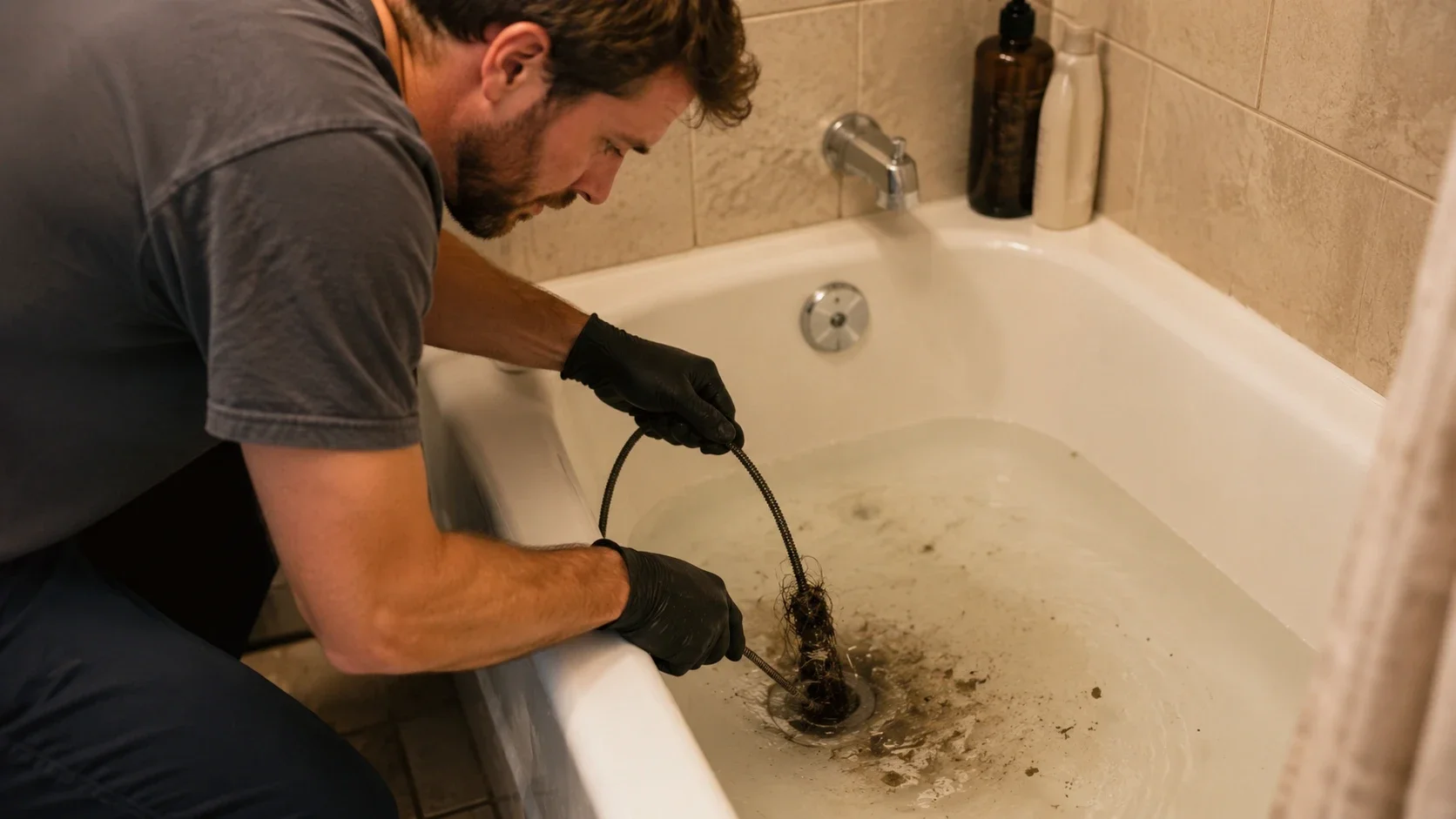
Hair and soap scum: Bathroom drains accumulate both, forming dense blockages that store-bought cleaners rarely fully remove.
Tree roots: Roots seek moisture and can infiltrate tiny cracks in sewer laterals, eventually creating massive obstructions.
Flushable wipes: Despite the label, most wipes do not break down. They snag on pipe imperfections and combine with grease to form "fatbergs."
Mineral buildup: Ohio's hard water leaves calcium deposits that narrow pipes over time, slowing drainage throughout the home.
If you notice multiple slow drains at once, the problem is likely in your main sewer line rather than an individual fixture—and that requires professional attention.
Warning Signs You Need Drain Service Soon
Homeowners often wait until water is pooling on the floor before calling for help. Catching problems early saves money and stress. Watch for these signals:
Water backing up in one fixture when you use another (for example, the shower gurgles when you flush the toilet)
Persistent foul odors rising from drains
Slow drainage that worsens week over week
Unexplained damp spots or lush patches in the yard above the sewer line
Repeated clogs in the same drain, even after cleaning
Any one of these warrants a professional inspection. Two or more together suggest a serious main line issue that could lead to sewage backup—a health hazard and a costly cleanup.
What to Look for in a Clogged Drain Service in Ohio
Not all drain companies are created equal. When searching for the best clogged drain services in Ohio, prioritize providers who meet these standards:
Proper licensing and insurance. Ohio does not issue a statewide plumbing license, so requirements vary by municipality. Verify local licensing and confirm the company carries liability insurance.
Camera inspection capability. A reputable technician will run a camera through the line to identify the exact cause and location of the blockage—not just snake it blindly.
Transparent pricing. Ask for a written estimate before work begins, including any fees for after-hours or emergency calls.
Modern equipment. Hydro-jetting, trenchless repair, and high-resolution cameras solve problems that basic augers cannot.
Positive local reviews. Check Google, BBB, and neighborhood forums. Ohio homeowners are vocal about both great and terrible service experiences.
A company that offers both emergency service and preventive maintenance plans is ideal, since drain health is an ongoing responsibility rather than a one-time fix.
DIY Fixes vs. Professional Help
For a single slow sink, a plunger or a drain snake from your local hardware store may do the trick. Enzyme-based cleaners are a safer alternative to harsh chemical products, which can corrode pipes and harm septic systems common in rural Ohio counties.
However, DIY methods have limits. If you have tried two or three approaches without success, stop. Continuing to force a clog can push it deeper or damage pipes. Persistent problems—especially those involving the main line—require professional-grade tools and expertise. Attempting a sewer repair yourself is rarely worth the risk.
The Role of Preventive Maintenance
The most cost-effective drain strategy is prevention. Scheduling annual professional cleaning keeps lines clear and lets technicians catch small issues before they become emergencies. Many Ohio providers offer maintenance plans that include camera inspections and priority service.
At home, adopt these habits:
Never pour grease down the drain; collect it in a container and trash it
Use strainers in all sinks and tubs
Run cold water for 30 seconds after each garbage disposal use
Limit toilet paper to the toilet—nothing else
Schedule a professional inspection if your home is over 25 years old
These small steps dramatically reduce the likelihood of a mid-winter backup when you least want one.
Understanding Sewer Drain Solutions for Older Ohio Properties
Homes built before 1970 frequently have clay tile or cast iron sewer laterals that deteriorate over decades. For these properties, modern sewer drain solutions go well beyond simple snaking. Trenchless lining, pipe bursting, and hydro-jetting can restore function without excavating an entire yard—a huge advantage in older neighborhoods with mature trees and established landscaping.
If your home has recurring main line clogs, ask your provider about a long-term solution rather than repeated emergency visits. A one-time investment in pipe rehabilitation often costs less than years of patchwork repairs.
How Much Do Drain Services Cost in Ohio?
Costs vary by region and severity, but Ohio homeowners can generally expect:
Basic drain snaking: $100–$250
Hydro-jetting: $300–$600
Camera inspection: $150–$400 (often credited toward repair)
Main line repair or replacement: $1,500–$8,000+ depending on method and length
Emergency and weekend calls typically carry a premium. Investing in a maintenance plan can offset these costs and often includes free inspections.
Choosing the Right Provider for Your Home
Start by getting quotes from at least two or three local companies. Ask each one the same questions: What diagnostic tools do you use? Do you provide written estimates? What warranties apply? A confident, transparent answer is a good sign. Vague responses or pressure to approve work on the spot are red flags.
Also confirm the company handles both residential and, if relevant, commercial properties, and verify they serve your specific county. Ohio's service landscape differs significantly between metro areas and rural communities, so local experience matters.
Final Thoughts
Clogged drains are a fact of homeownership, but they do not have to become disasters. By recognizing early warning signs, understanding what causes blockages, and partnering with a qualified local provider, Ohio homeowners can protect their homes and their budgets. Whether you are dealing with a stubborn kitchen sink or a failing main sewer line, prompt professional attention is always the better path.
Do not wait for a backup to ruin your weekend. Take action at the first sign of trouble, invest in preventive maintenance, and choose a drain service you trust. Your home—and your peace of mind—will thank you.
Stay up to date with our latest ideas!