How to Protect Your New Orleans Home From Humidity-Related HVAC Problems
How humidity-related HVAC problems develop in humid climates like New Orleans, the warning signs to watch for, and the fixes that restore comfort.

New Orleans summers bring high outdoor humidity and dew points that can sit in the 70s for months. In swamp-adjacent neighborhoods, both slab homes and older raised-pier homes may stay damp underneath. Even when the thermostat reads 74, the air can feel clammy or sticky, the floors can sweat, and a faint musty smell may linger near the vents.
That mismatch matters because an HVAC system handles cooling and indoor humidity as related but separate jobs. Understanding why the house stays damp starts with checking the right readings, ruling out possible causes, and following a maintenance rhythm that keeps moisture from damaging equipment. The details become clearer once comfort and moisture control are considered separately.
What a Healthy Indoor Humidity Reading Looks Like
Healthy indoor humidity generally falls within the 30–50% relative humidity range, although holding 45–55% during a Gulf Coast summer is a realistic result. Humidity-related HVAC problems become more likely when readings remain above 60%.
A reading of 72% is a genuine problem, not a harmless quirk. At that level, condensation can collect on supply registers and interior walls, while conditions favor mold and mildew growth. A $15 digital hygrometer offers a simple measurement. It belongs at chest height in the most-used room, away from vents, bathrooms, and exterior doors, with readings taken during the afternoon rather than overnight.
Clammy or sticky air often appears before equipment fails. Other warning signs include a musty odor when the blower starts, a feels-like temperature above the thermostat setting, morning congestion, stuffy sleep, and doors sticking in their frames. Together, these clues point to a moisture issue affecting comfort and indoor air quality (IAQ).
Why Your Home Stays Damp With the AC Running
An air conditioner removes moisture when warm air meets its cold evaporator coil. Because dehumidification depends on run time, high outdoor humidity and Gulf Coast dew points near 75 degrees demand long, steady cooling cycles rather than short blasts.
Gulf Coast Air and Equipment That Short Cycles
An oversized AC unit can reach the thermostat setting in eight minutes, then shut down before the evaporator coil has condensed much water. The room gets cooler, but it does not get appreciably drier. That is why oversized equipment often feels less comfortable than a correctly sized system in humid weather.
Airflow and refrigerant faults produce a different pattern. A clogged air filter or dirty coil creates airflow restriction, which can eventually cause a frozen evaporator coil. A refrigerant leak can also make the coil freeze. Both problems can leave supply vents feeling cold while the rooms remain damp.
The thermostat fan setting matters as well. When the fan remains set to On, it continues moving air across the wet coil after the compressor stops. Some of that collected water then evaporates back into the house. Auto allows the fan to stop between cycles, giving condensation time to drain.
Where the House Itself Lets Moisture In
Leaky ductwork in a hot attic can pull humid air into the system before conditioned air reaches the rooms. Poorly insulated ducts can also sweat, allowing condensation to drip onto attic insulation or ceilings.
Moisture can enter through bathroom or kitchen fans that vent into the attic, worn weatherstripping, missing door sweeps, and gaps in attic insulation. In older raised homes, damp crawlspaces can feed moisture into the living area, while slab homes can experience moisture movement through flooring materials. These signs of excess indoor moisture often reveal that the building envelope shares the blame.
The EPA’s guidance on controlling indoor moisture also identifies persistent humidity and poorly draining condensate pans as conditions that support mold growth. The distinction matters because equipment faults and building leaks require different repairs.
Easy Checks First, Then Bring in a Technician
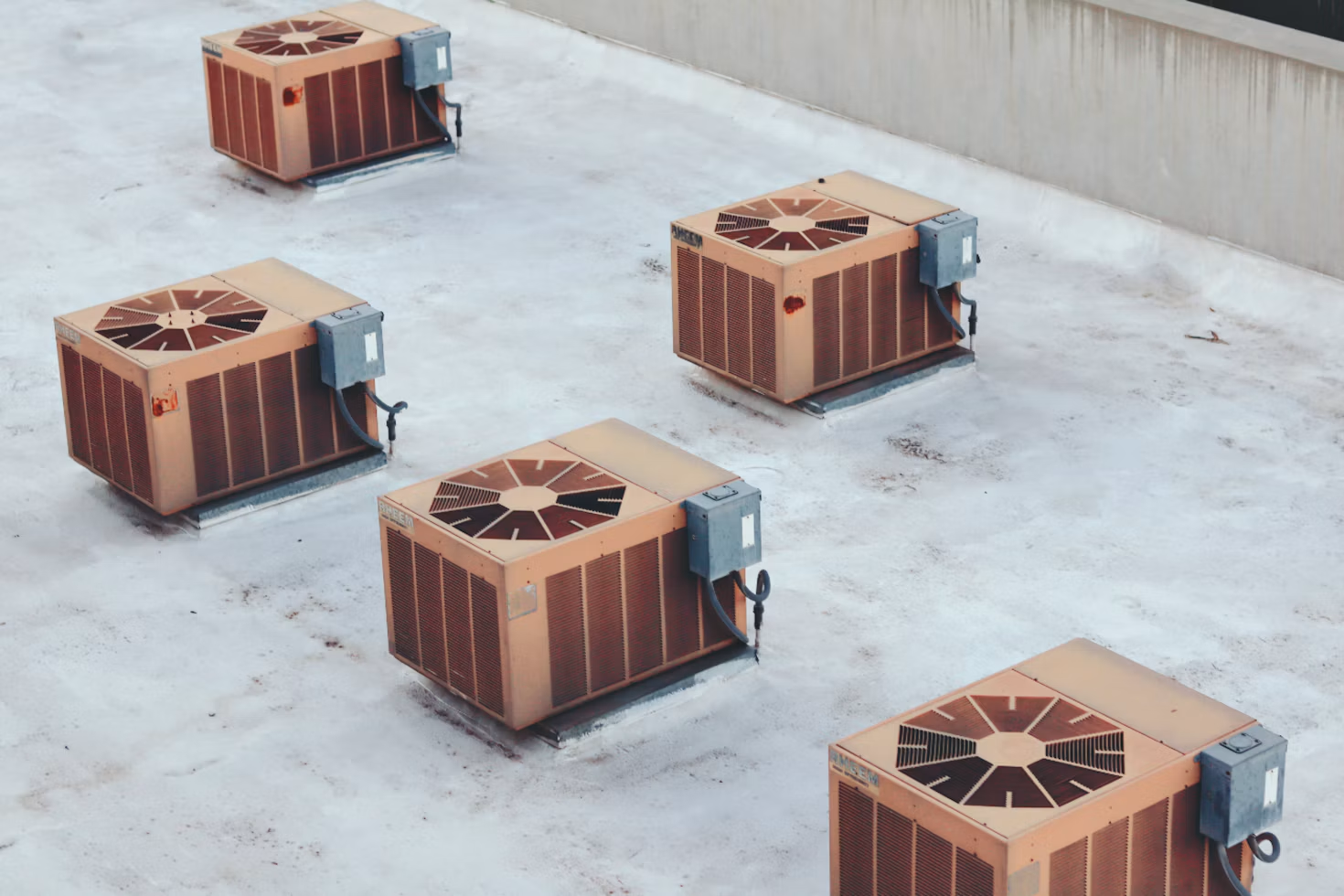
Diagnosis should move from the cheapest check to the most invasive work. Once the cause has been corrected, indoor humidity can take 24 to 48 hours to fall, so an unchanged reading during the first afternoon does not automatically mean the fix failed.
What You Can Check This Afternoon
The first step is replacing a clogged air filter, followed by moving the thermostat fan setting from On to Auto. These changes restore airflow and stop the blower from returning coil moisture to the rooms.
A wet/dry vacuum can clear the condensate drain line from its outdoor termination. If the pan has backed up, standing water should be vacuumed out, and the pan should be cleaned so it does not keep re-humidifying passing air. Damp duct interiors can then dry while the blower runs during a dry afternoon, provided the coil and pan are no longer wet.
Bathroom and range exhaust fans also need inspection. They should discharge outdoors, not into the attic, and bathroom fans should run for about 20 minutes after a shower. If these basic checks resolve the source, the hygrometer should show a gradual downward trend rather than an instant change.
Problems That Need Professional Tools
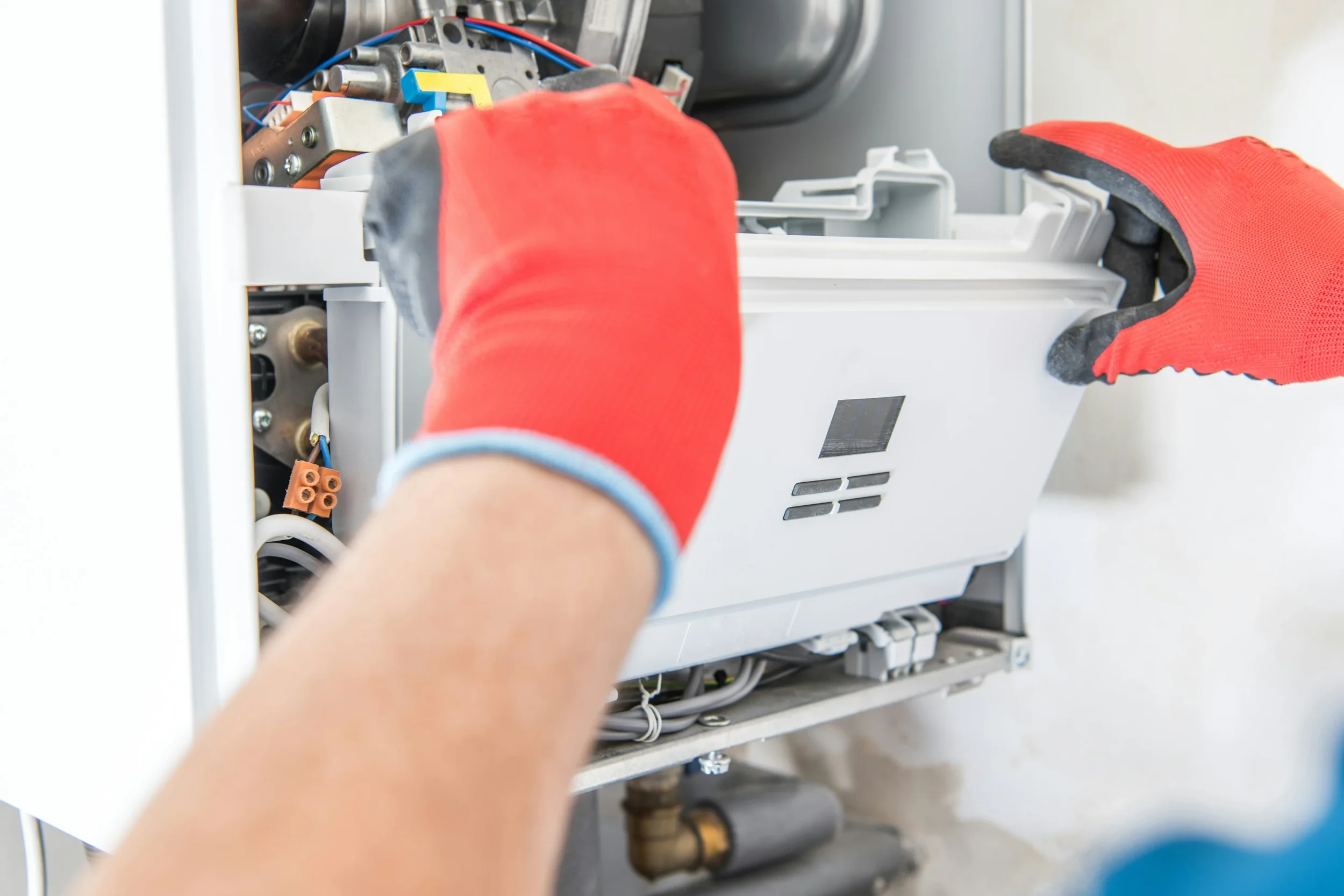
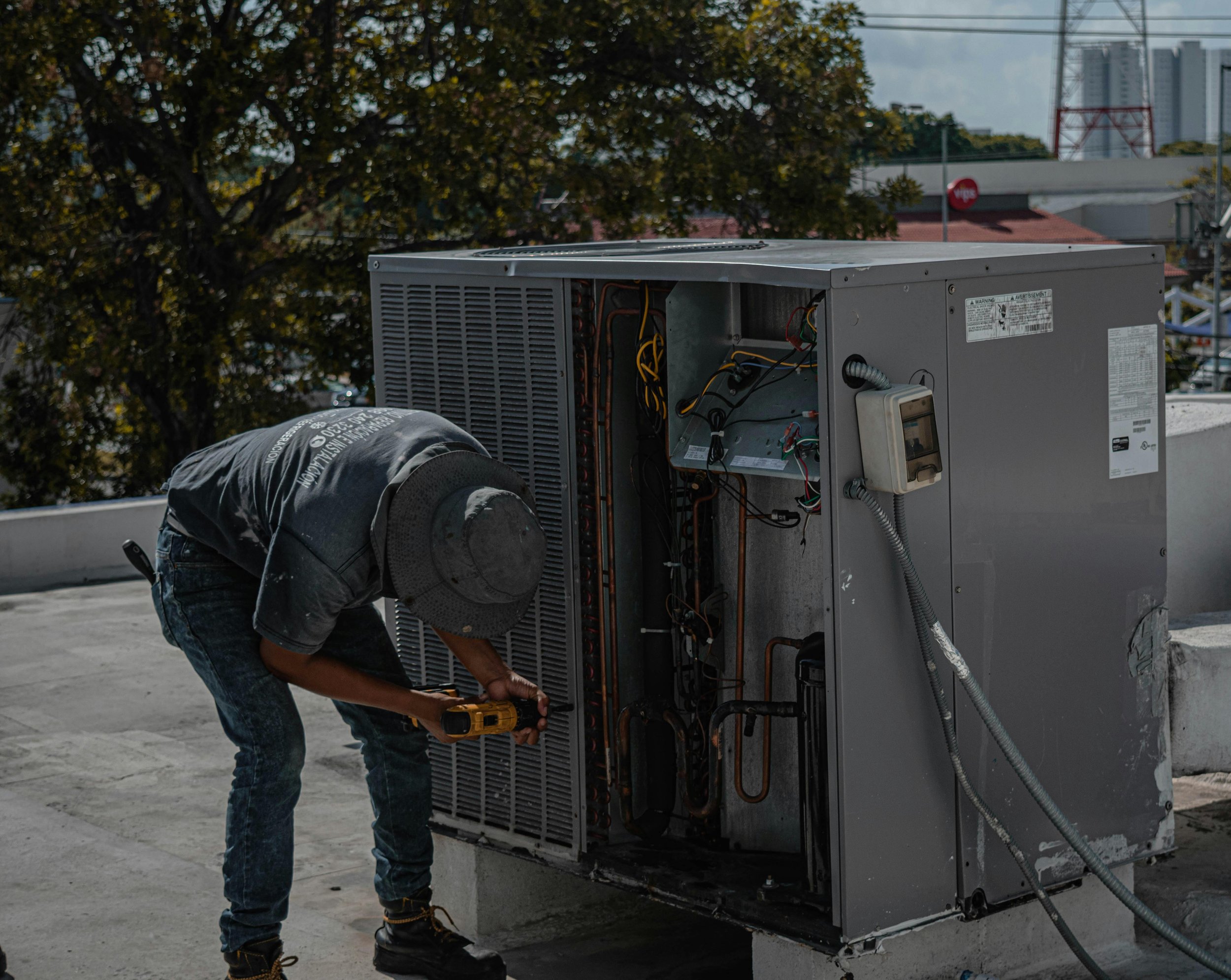
Refrigerant leak testing, charge adjustment, cleaning a coil inside a sealed cabinet, recurring frozen evaporator coil problems, duct sealing, duct insulation, and visible mold inside an air handler belong to trained technicians. Air conditioning repair in New Orleans should also include a Manual J load calculation when short cycling suggests the unit is too large.
Good diagnostic work measures humidity and static pressure instead of simply replacing parts, and trusted local comfort specialists should explain those readings, inspect drainage and airflow, and say plainly when incorrect equipment sizing is the underlying problem.
Upgrades and Maintenance That Keep Air Dry
Once filters, drainage, duct leaks, and fan settings have been addressed, the remaining choice is between better run-time control, dedicated moisture removal, and a tighter maintenance schedule.
Equipment That Pulls Real Moisture Out
A variable-speed AC compressor offers the strongest comfort improvement for a humid climate because it runs longer at a lower output. That extended coil contact removes more water without repeatedly overcooling the rooms. It sits at the higher end of equipment costs, while a two-stage system provides part of the benefit in a middle price range.
A whole-home dehumidifier connected to the return duct is the right choice when a properly sized AC still cannot hold indoor humidity below 55%. It also works during mild, muggy shoulder-season weather when the air conditioner barely runs.
For a tightly sealed home that needs controlled fresh air, an energy recovery ventilator, or ERV, limits how much outdoor moisture enters with ventilation. At the lowest-cost end, a thermostat with a dehumidify or overcool setting extends cooling cycles by lowering the temperature another degree or two when humidity rises.
A Service Rhythm Built for Storm Season
A spring tune-up should happen before the first stretch of continuous cooling. Effective air conditioning maintenance includes cleaning the evaporator coil and condensate pan, clearing the condensate drain line, and checking leaky ductwork, insulation, and airflow. During heavy pollen and humid weather, filters generally need inspection every 30 to 60 days.
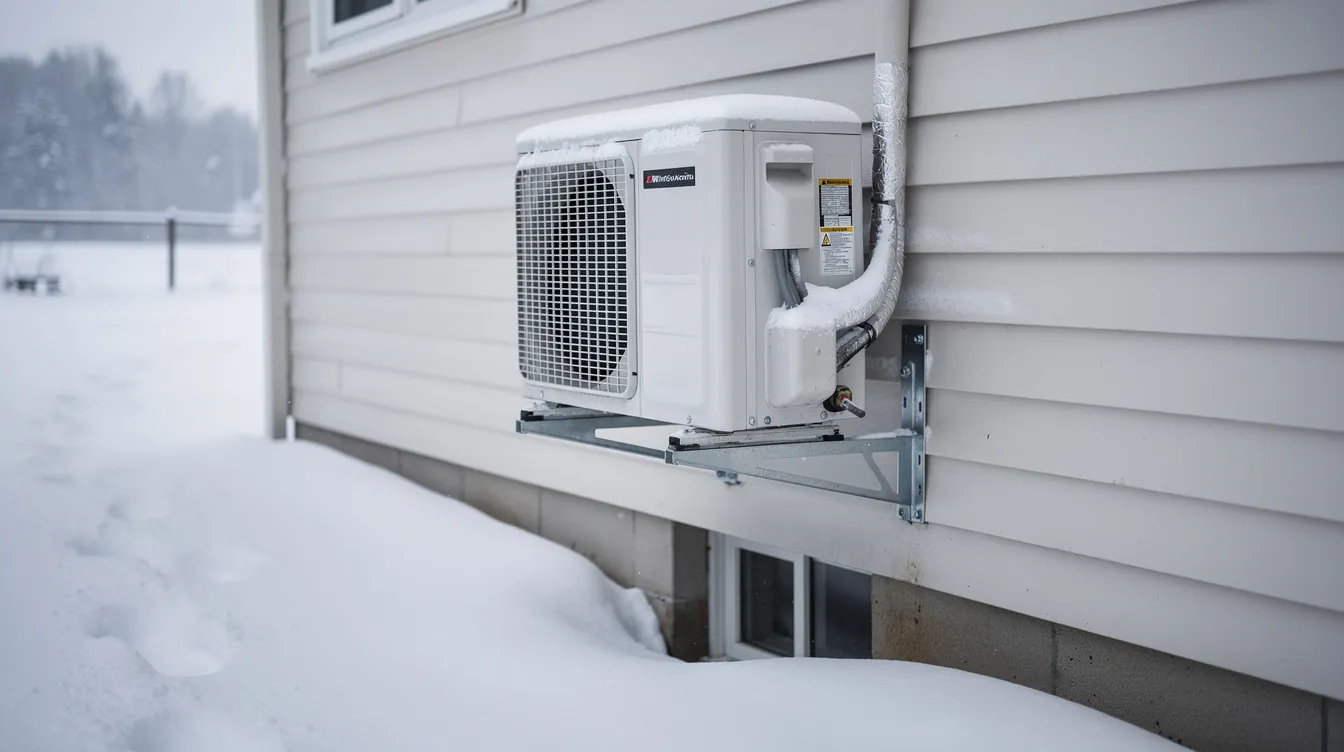
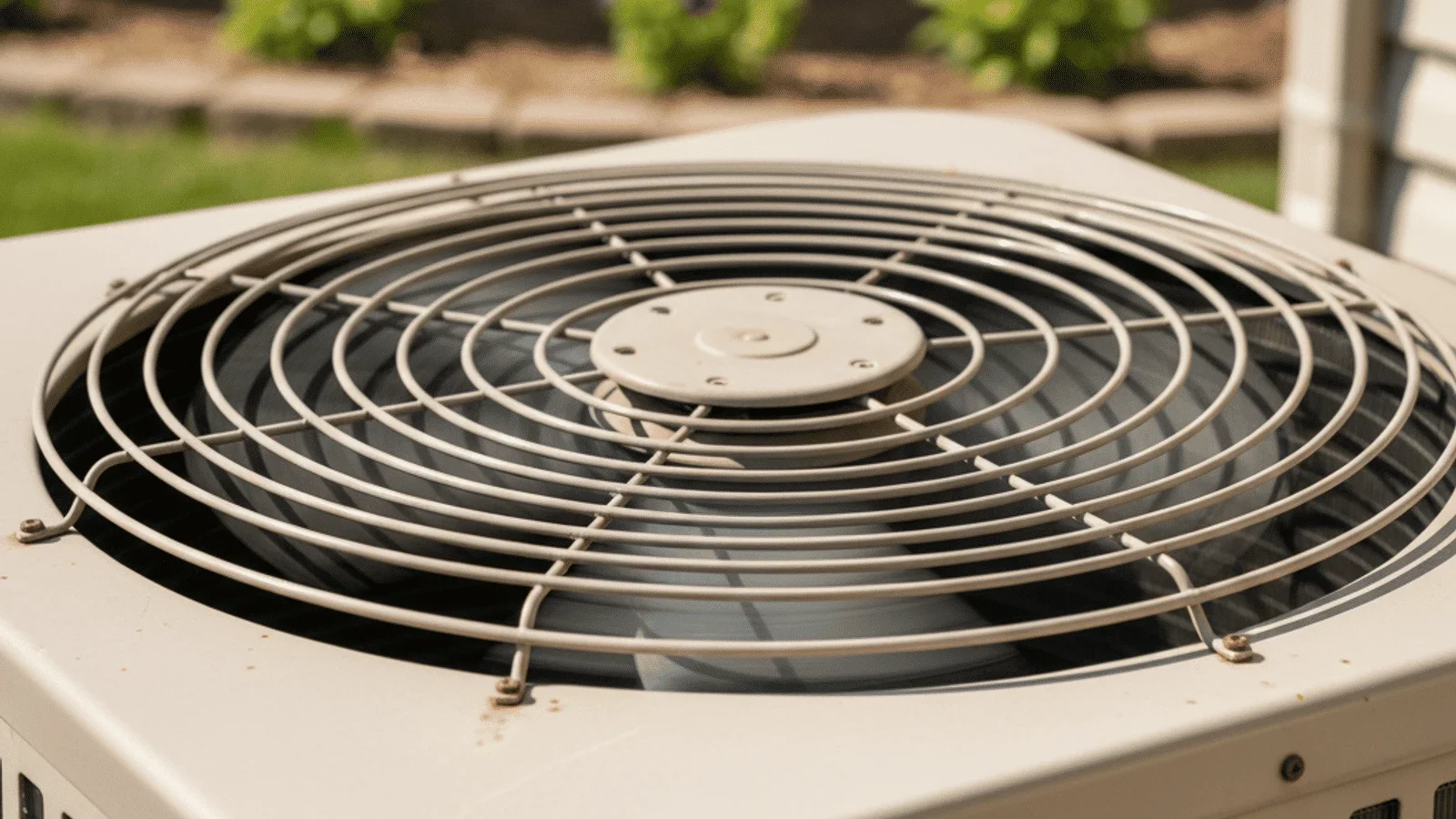
Hurricane season adds a separate risk. A long power outage stops dehumidification, allowing heat and moisture to build inside closed rooms. Once power returns, the house needs gradual drying rather than aggressive overcooling. Outdoor equipment should be checked for debris, while attic ducts and insulation need inspection for storm damage or water intrusion.
This routine protects both comfort and indoor air quality (IAQ) by catching drainage, airflow, and moisture problems before they overlap.
Comfort Through a New Orleans Summer
A hygrometer reading is the starting point for understanding why a New Orleans home feels sticky despite running air conditioning. Cooling and dehumidification are connected, but they are not the same job.
The sensible order stays simple: handle inexpensive filter, fan, drainage, and ventilation checks first; leave sealed-system faults and equipment sizing to a technician; and consider upgrades only after basic problems have been ruled out. With indoor humidity tracked over time, preventive maintenance becomes less about reacting to discomfort and more about keeping the home consistently dry through summer.
Stay up to date with our latest ideas!