How to Lower Energy Bills with an Efficient HVAC System
Learn how an efficient HVAC system can lower energy bills through better airflow, smart thermostats, regular maintenance, and optimized home comfort.
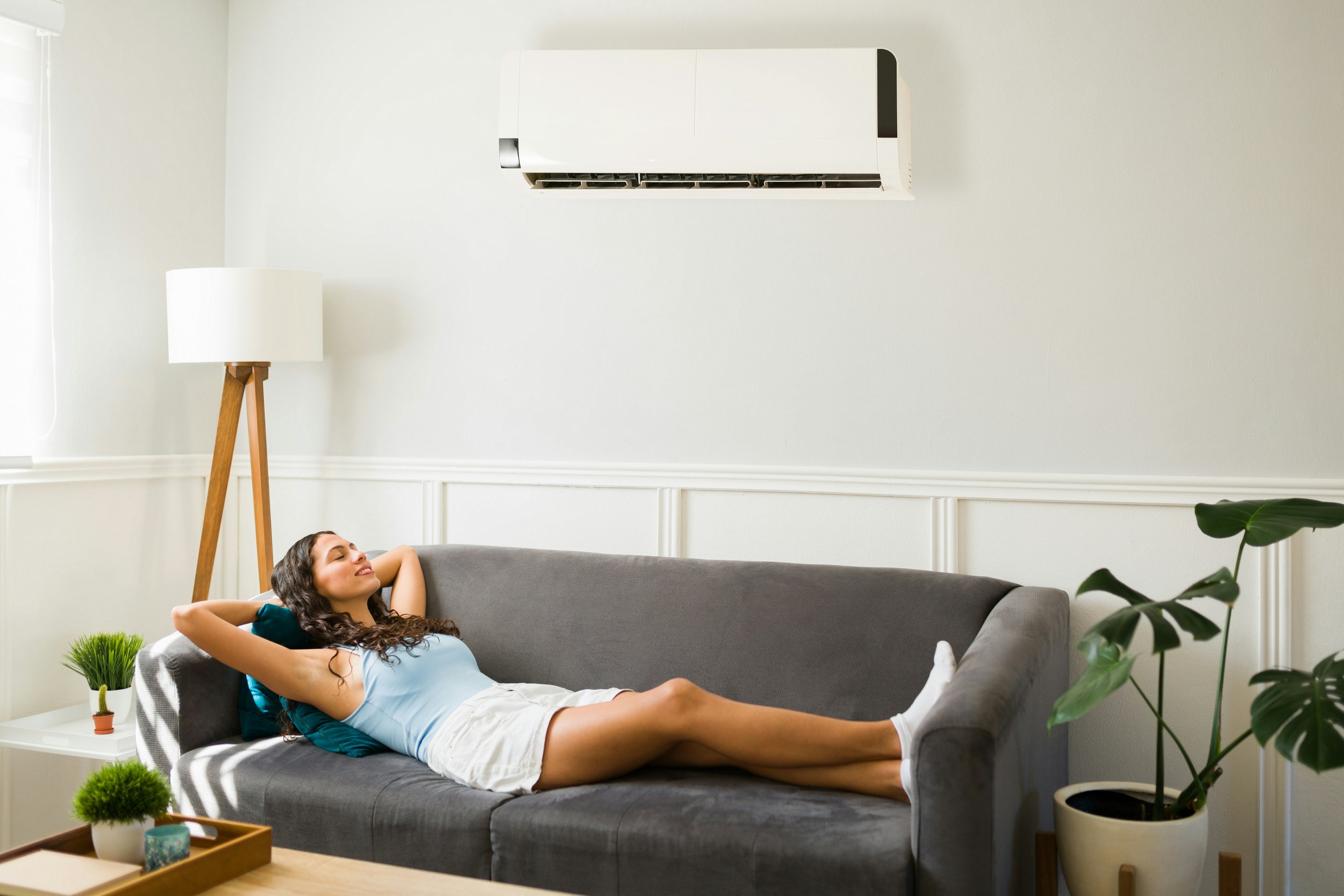
Rising energy costs have made homeowners more aware of how much their heating and cooling systems impact monthly bills. Since HVAC systems account for a significant portion of household energy use, improving their efficiency is one of the most effective ways to reduce expenses. With the right upgrades, maintenance, and usage habits, an efficient HVAC system can lower energy bills while improving comfort year-round.
Upgrade to an Energy-Efficient HVAC System
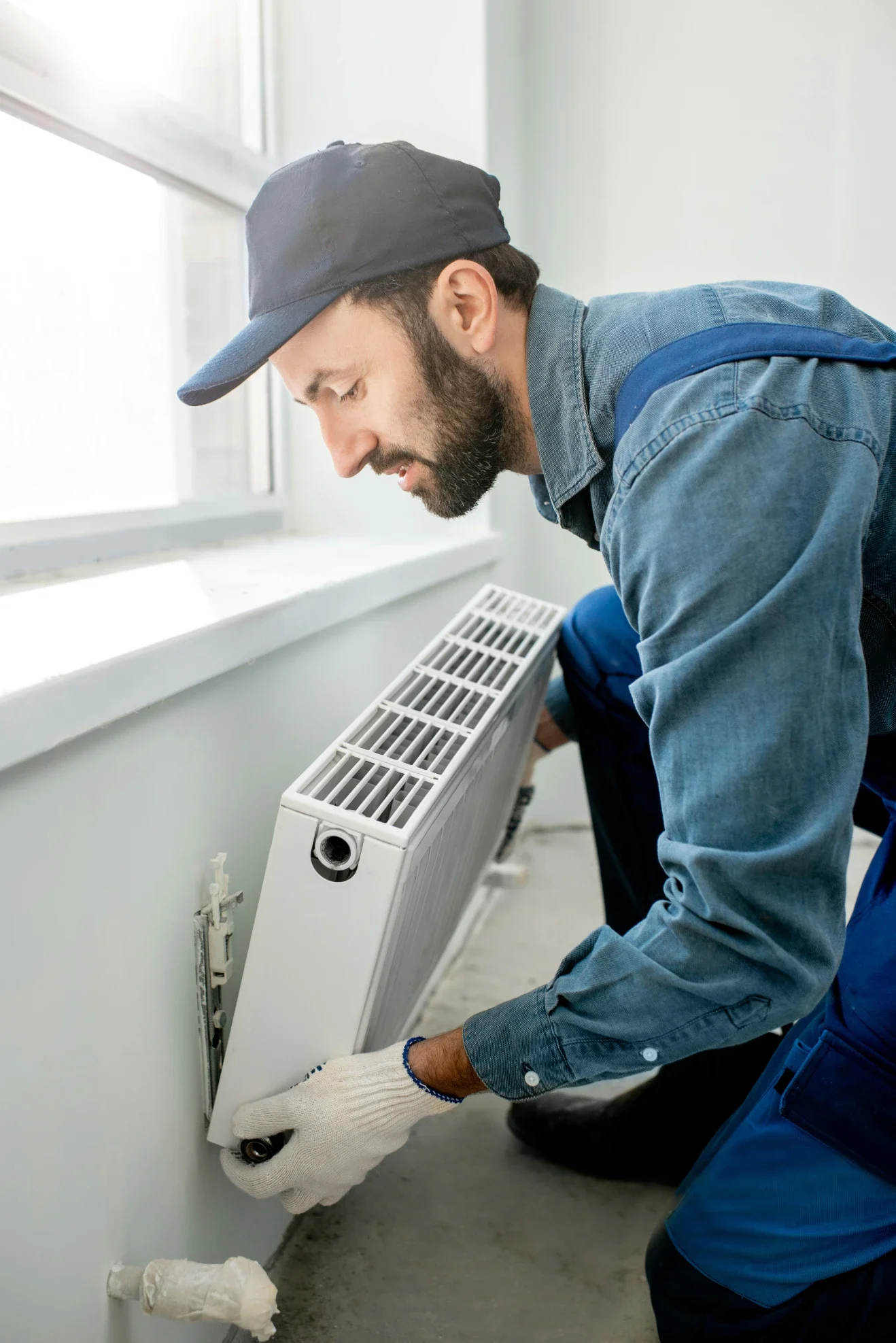
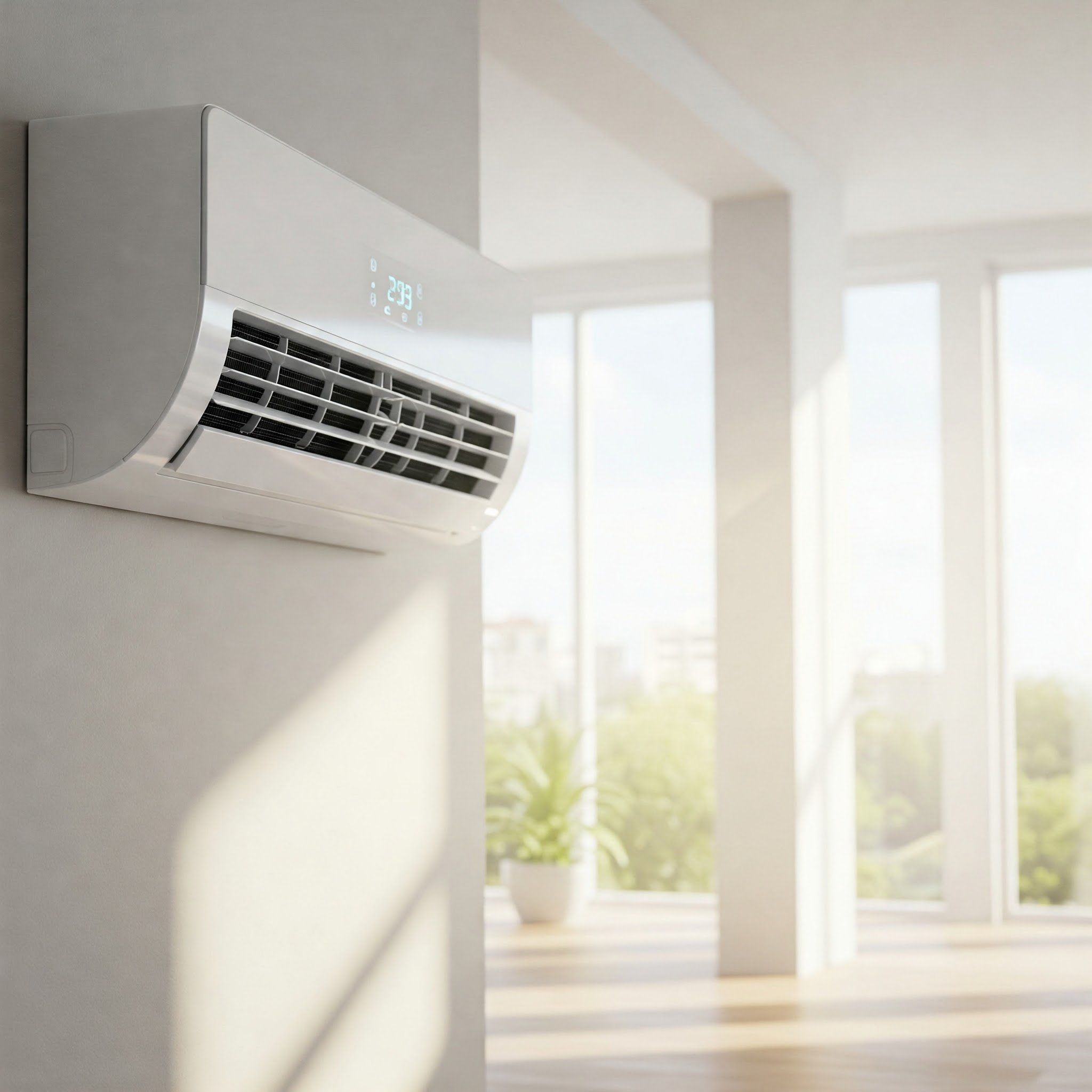
Older HVAC systems often consume far more energy than necessary. Modern systems are designed with advanced technology that delivers better performance using less power. High-efficiency furnaces, air conditioners, and heat pumps are rated with higher SEER, AFUE, or HSPF values, meaning they provide more heating or cooling per unit of energy consumed.
While replacing an HVAC system requires an upfront investment, the long-term savings on utility bills often justify the cost. Many homeowners see noticeable reductions in energy use within the first year after upgrading.
Keep Up With Regular Maintenance
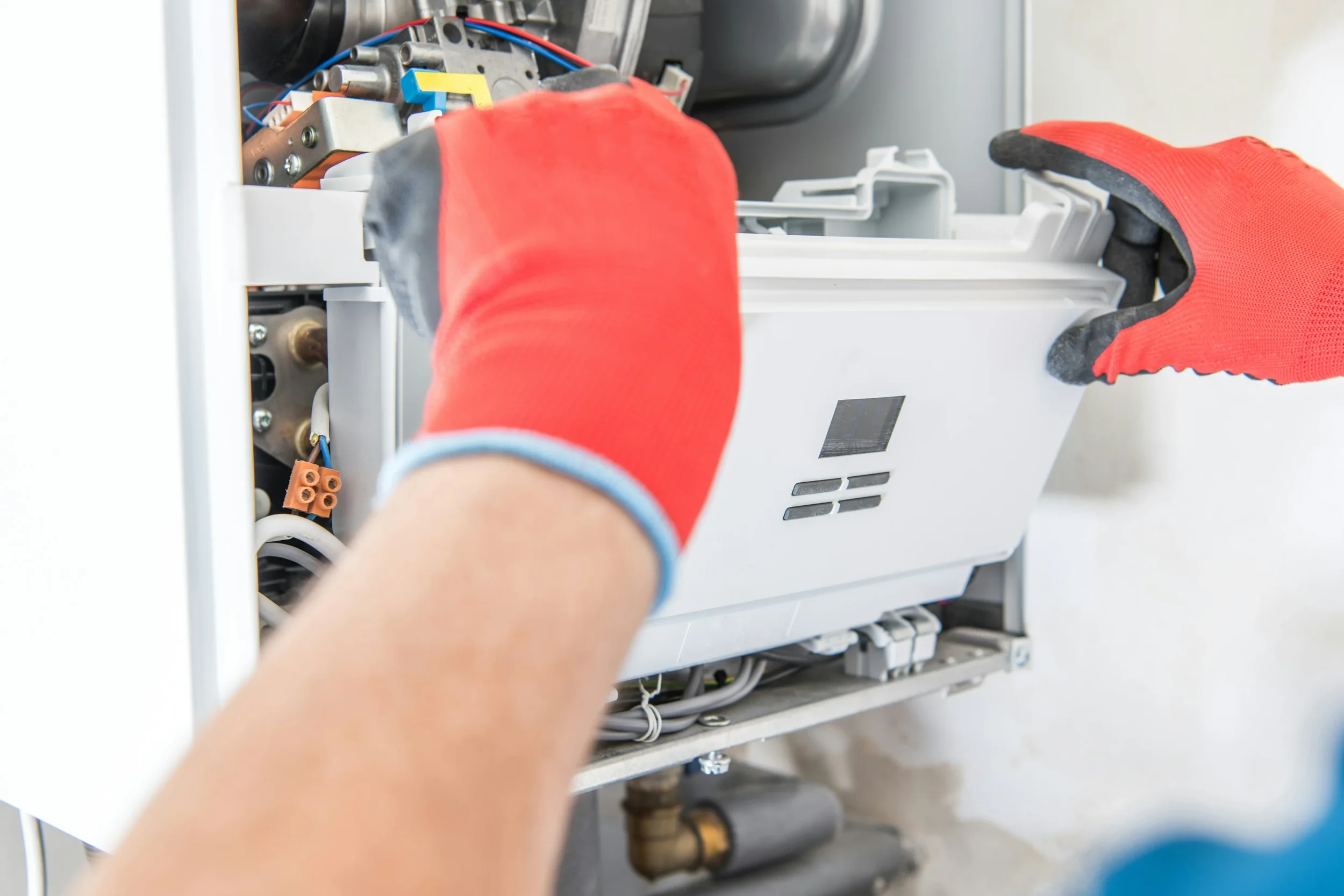
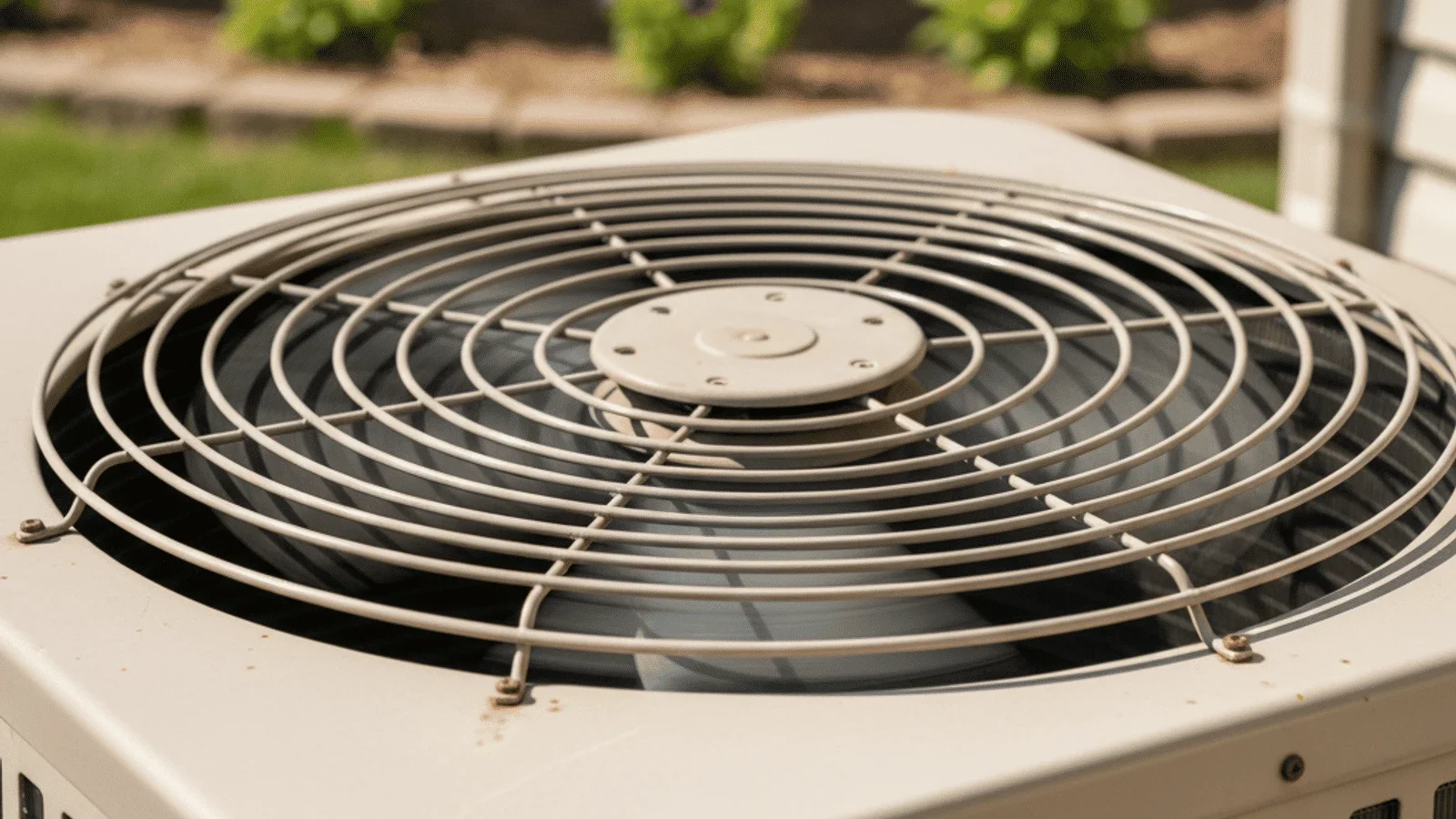
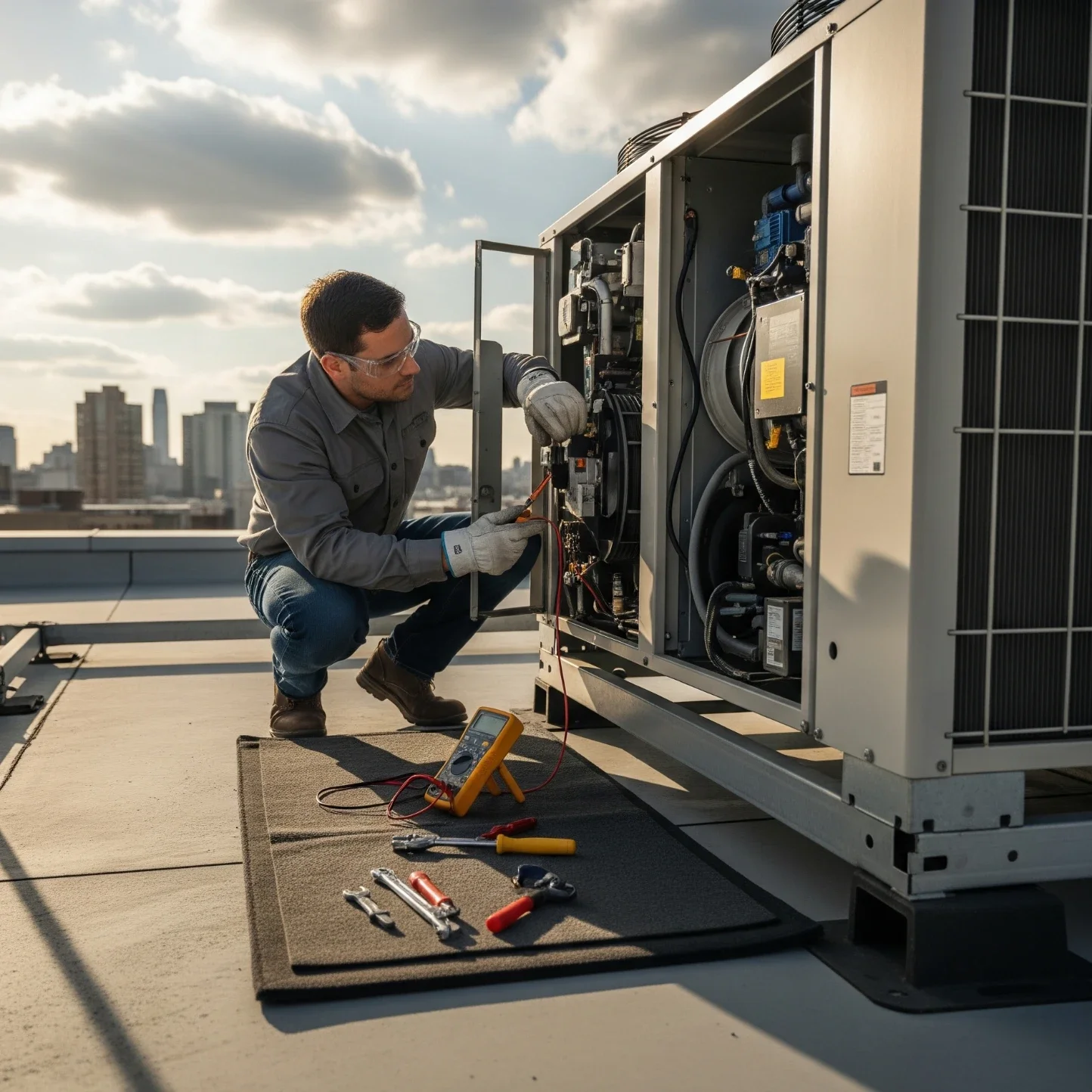
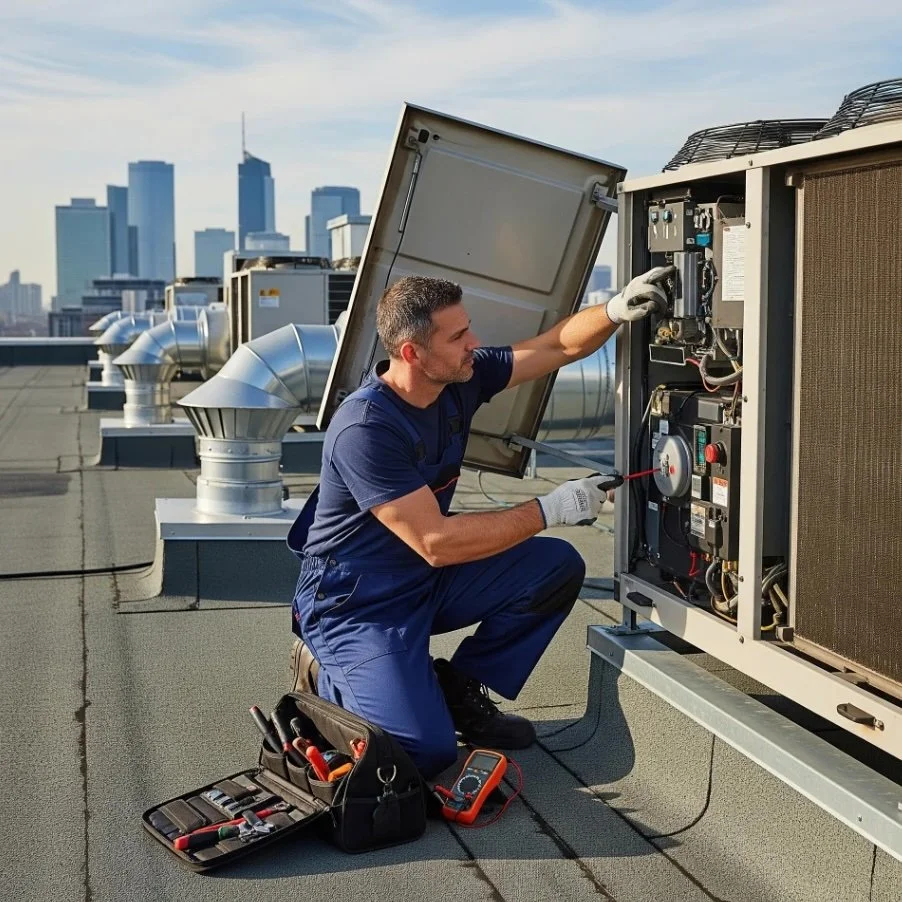
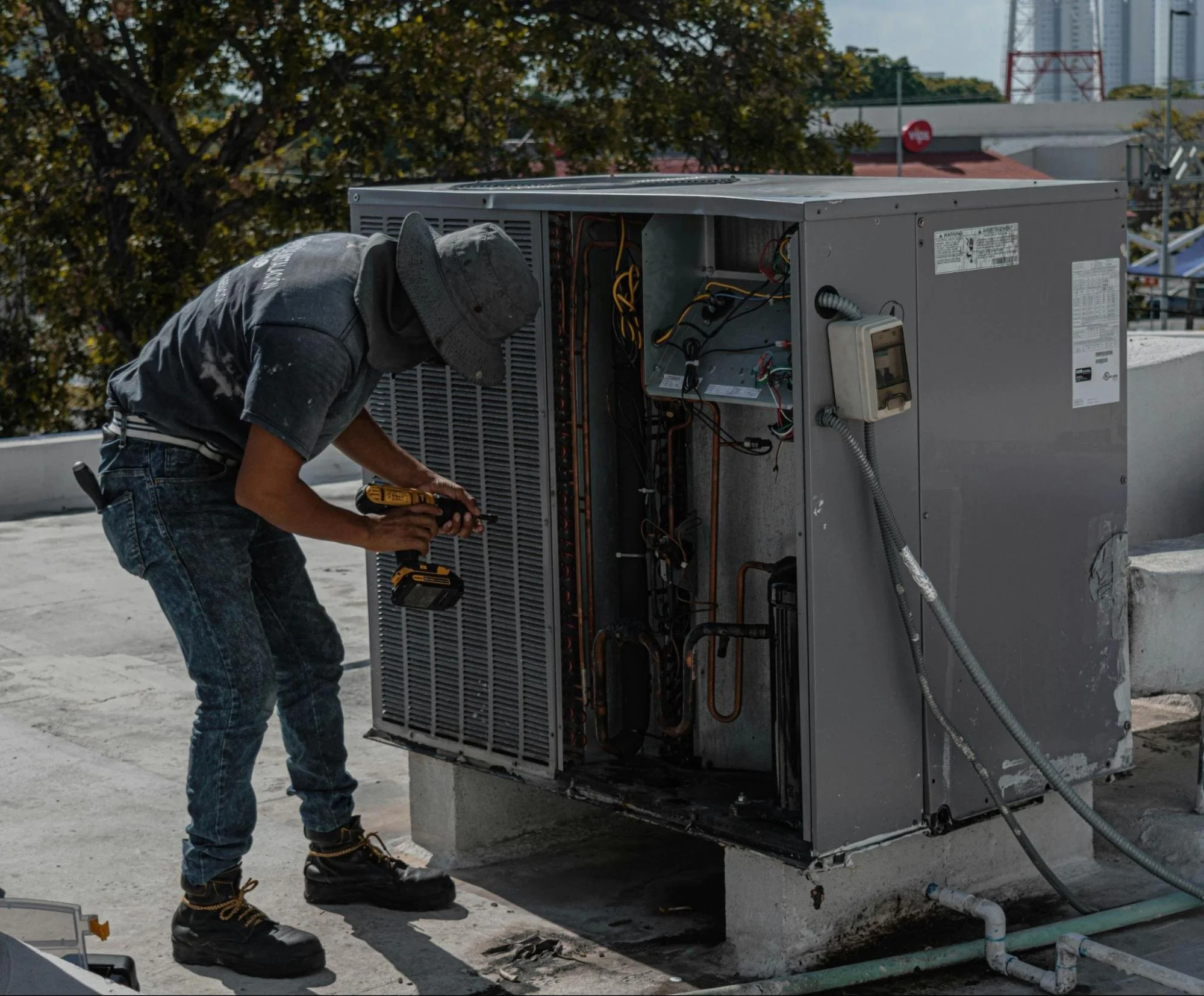
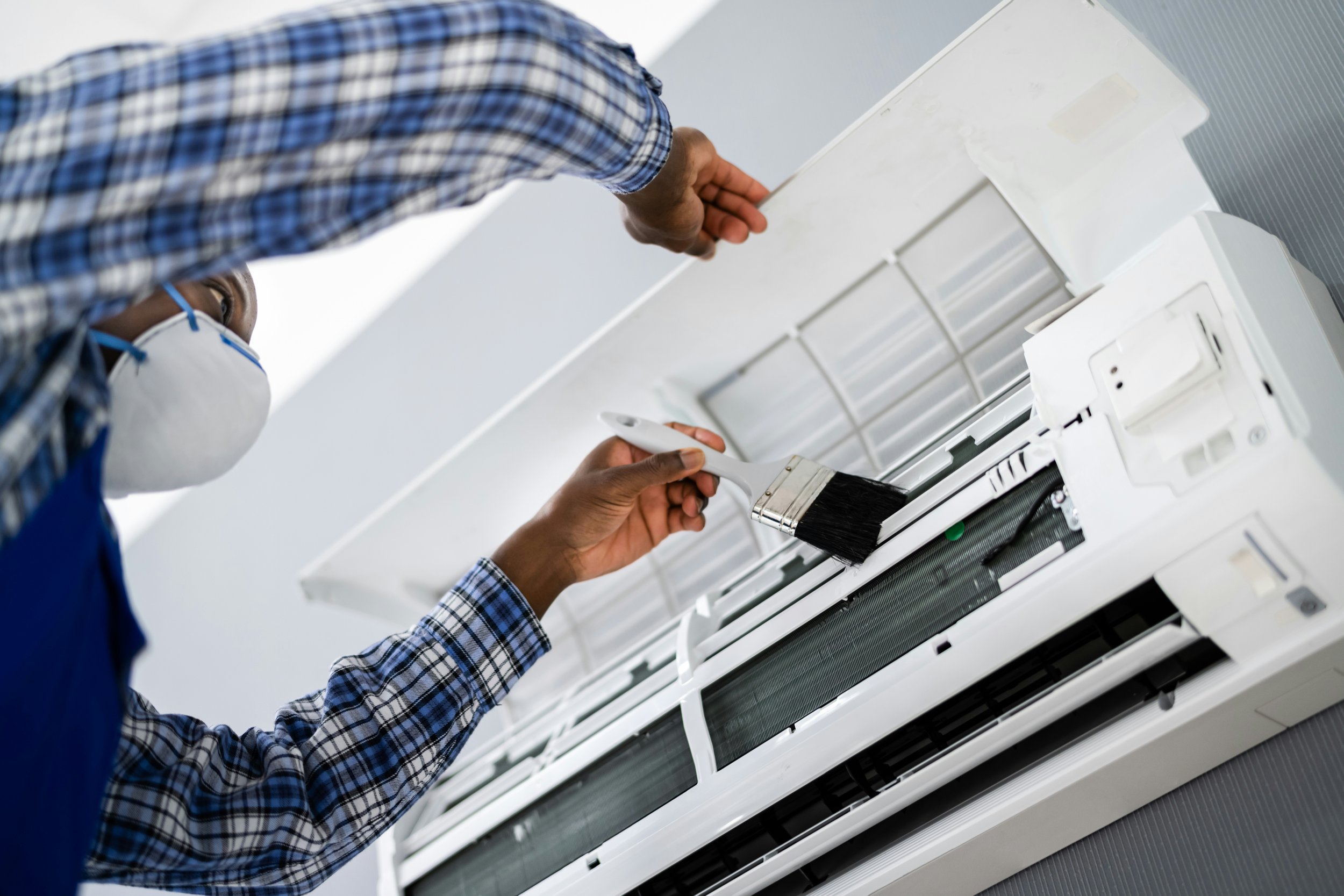
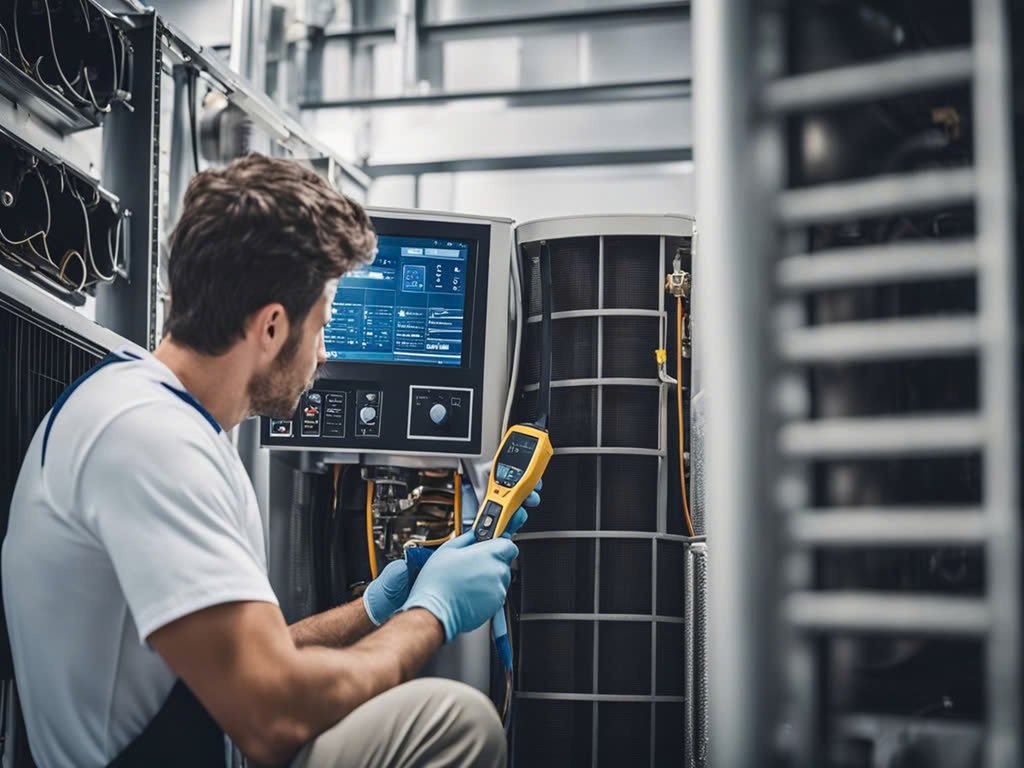
Routine HVAC maintenance plays a crucial role in energy efficiency. Dirty filters, clogged coils, and worn components force systems to work harder, increasing energy consumption and shortening equipment lifespan. Regular inspections, filter changes, and tune-ups help systems run smoothly and efficiently.
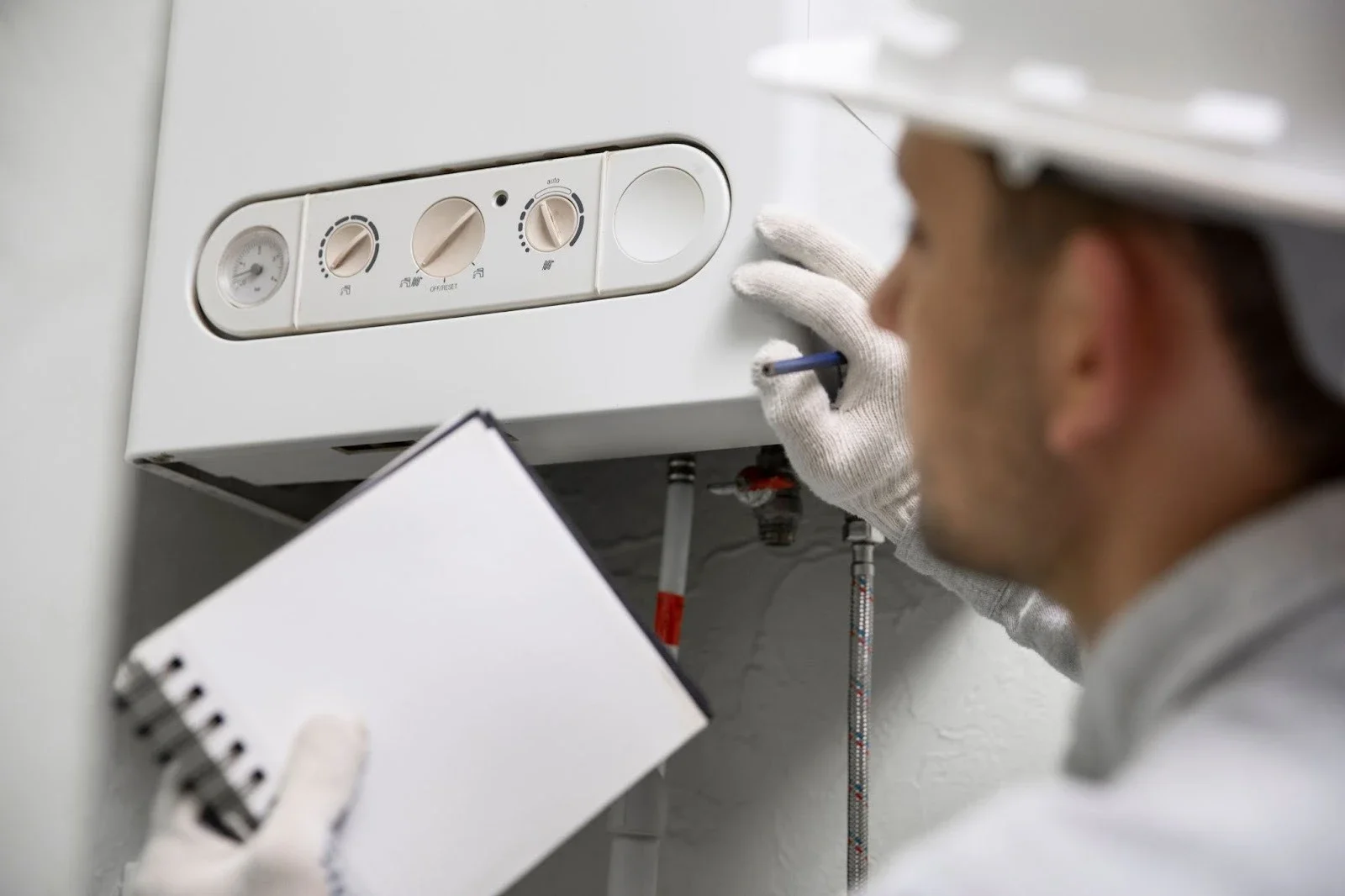
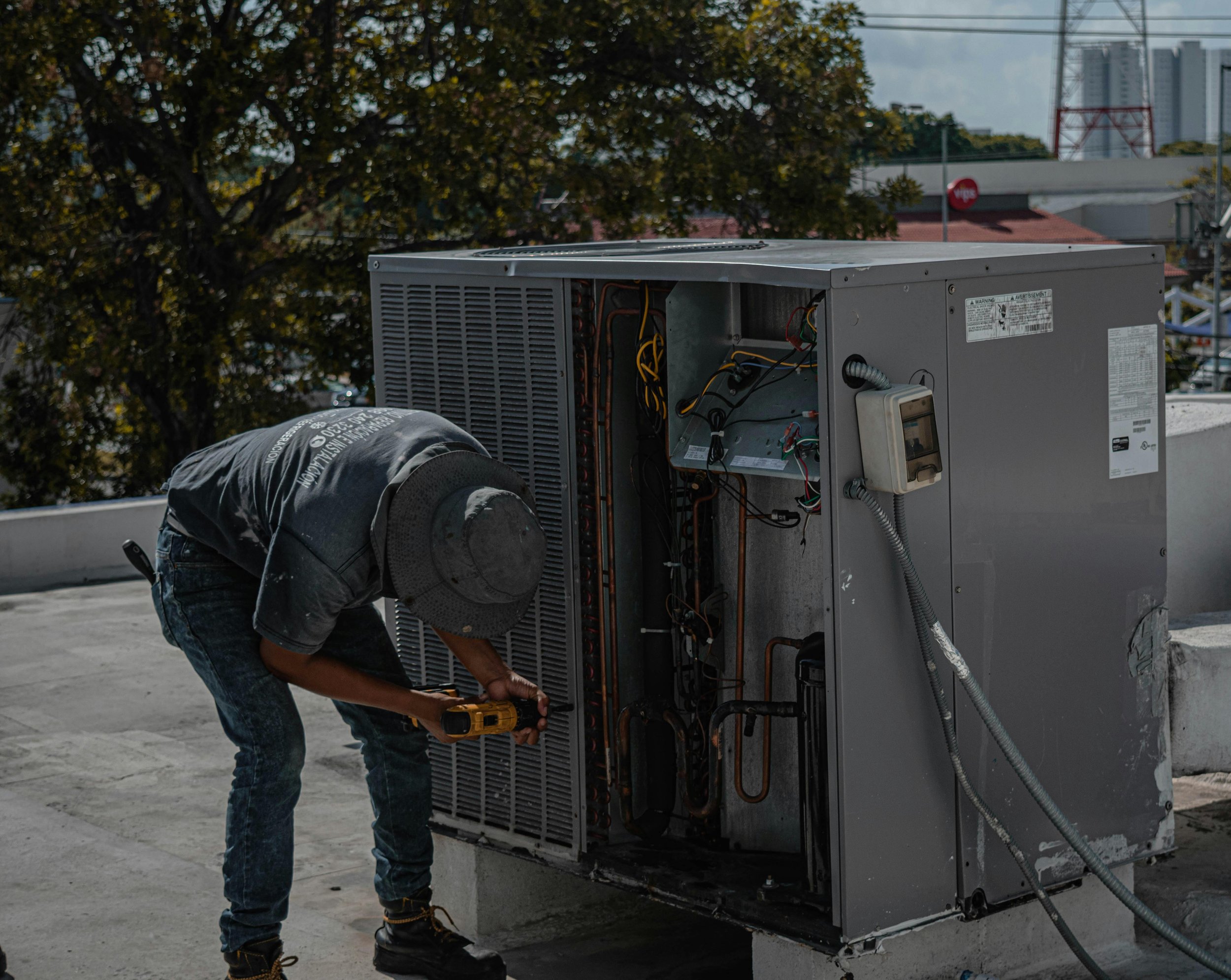
Scheduling professional maintenance at least once or twice a year—before peak heating and cooling seasons—can prevent small issues from becoming costly problems. A well-maintained system not only uses less energy but also provides more consistent indoor comfort.
Use a Smart Thermostat
Smart thermostats are one of the easiest ways to improve HVAC efficiency without major system changes. These devices learn your habits, adjust temperatures automatically, and reduce energy use when no one is home. Even simple programmable thermostats can significantly cut heating and cooling costs when used correctly.
By avoiding unnecessary heating or cooling during work hours or overnight, homeowners can reduce energy waste without sacrificing comfort.
Improve Insulation and Seal Air Leaks
Even the most efficient HVAC system will struggle in a poorly insulated home. Gaps around windows, doors, and ductwork allow conditioned air to escape, forcing the system to run longer. Sealing air leaks and upgrading insulation helps maintain indoor temperatures and reduces the workload on your HVAC system.
Proper insulation in attics, walls, and crawl spaces can lead to immediate energy savings and improve overall system efficiency.
Optimize HVAC Usage Habits
Simple behavioral changes can also have a meaningful impact on energy bills. Raising the thermostat a few degrees in summer or lowering it slightly in winter reduces energy consumption without major comfort loss. Using ceiling fans to circulate air helps maintain even temperatures and reduces reliance on the HVAC system.
Closing blinds during hot days and opening them during cooler periods can further support efficient temperature control.
Why Efficiency Education Matters
Homeowners often search online for ways to reduce energy costs and improve system performance. HVAC companies that provide clear, educational content about efficiency, maintenance, and upgrades position themselves as trusted experts. This is where HVAC SEO becomes valuable—helping businesses connect with homeowners who are actively looking for energy-saving HVAC solutions and professional services.
Final Thoughts
Lowering energy bills doesn’t require sacrificing comfort. By upgrading to an efficient HVAC system, maintaining it regularly, improving insulation, and using smart controls, homeowners can significantly reduce energy costs while enjoying a more comfortable home. An efficient HVAC system is not just an expense—it’s a long-term investment in savings, performance, and peace of mind.
Stay up to date with our latest ideas!