HVAC Upgrades That Can Improve Comfort and Energy Efficiency
Discover HVAC upgrades that can improve home comfort and energy efficiency, from smart thermostats and insulation to airflow improvements, zoning, and modern systems.
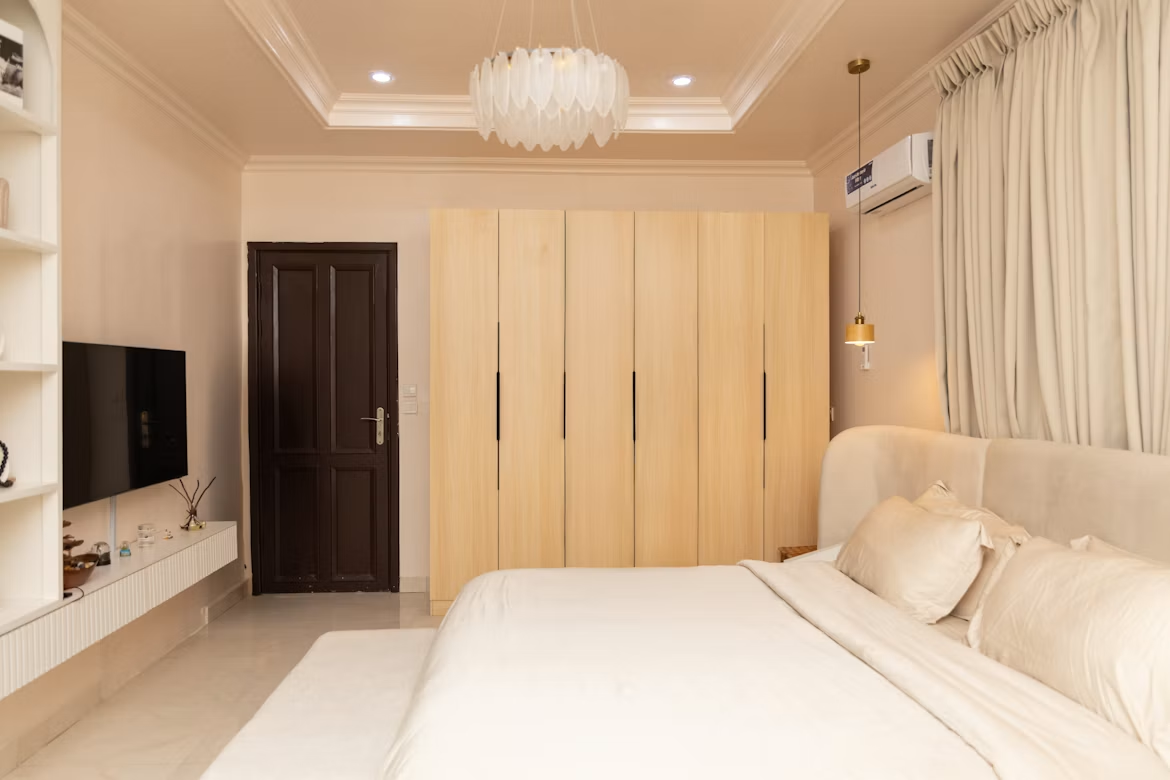
Maintaining a pleasant indoor environment is essential for productivity, health, and relaxation, yet outdated heating and cooling equipment frequently falls short of modern expectations. Older HVAC units often create uneven room temperatures, compromise indoor air quality, and drive up monthly energy costs through continuous operational inefficiencies.
Fortunately, modern climate control technology has advanced significantly over recent years, offering powerful upgrades designed to optimize overall system performance. By modernizing legacy equipment with state-of-the-art HVAC components, property managers and residents can establish year-round comfort while sharply reducing utility bills and lowering overall carbon emissions.
Smart Thermostats and Automated Climate Control
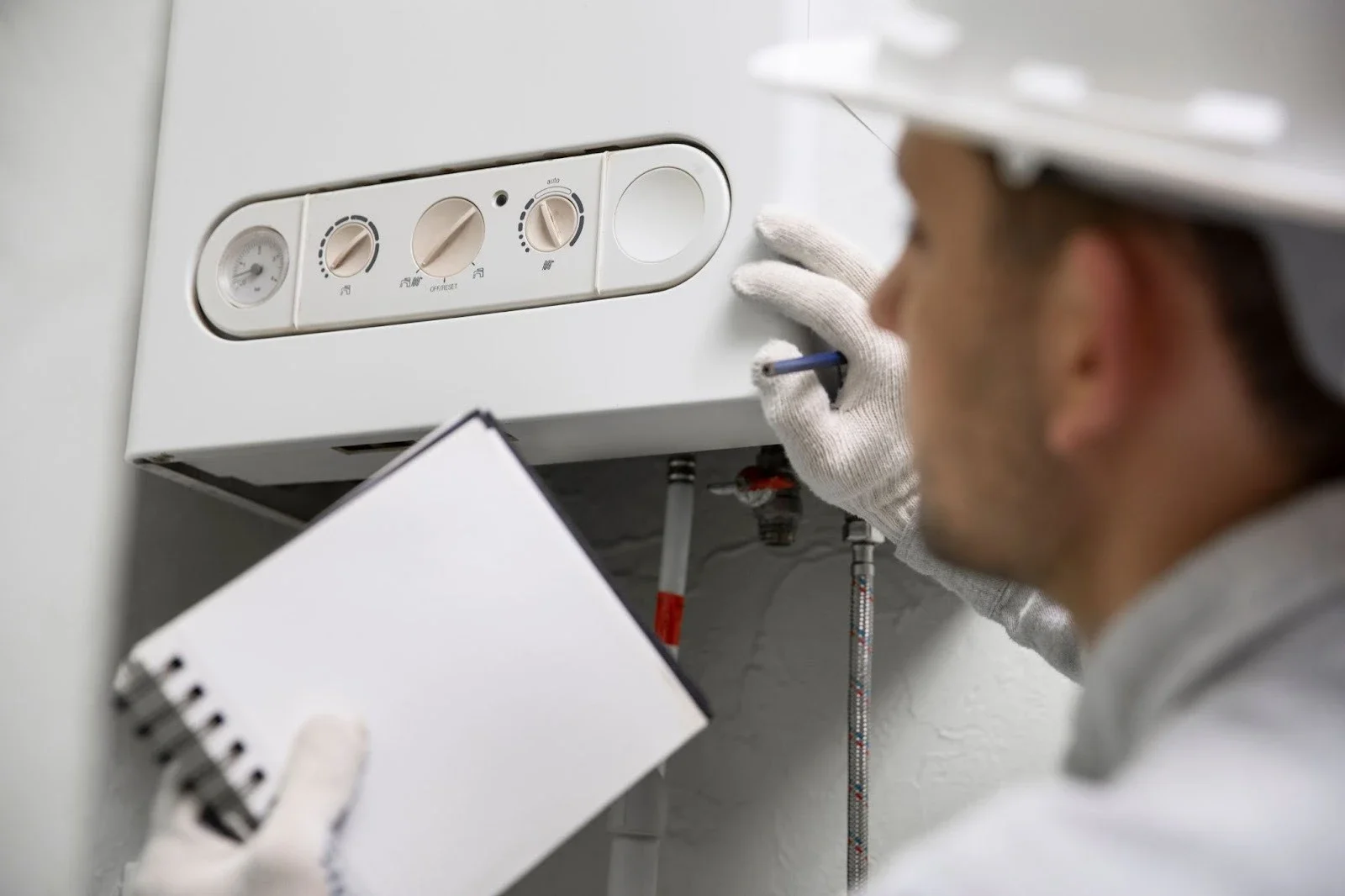
Upgrading to a smart thermostat represents one of the simplest, most cost-effective methods for improving building efficiency. Unlike standard manual devices that require constant human adjustment, intelligent thermostats analyze daily operational patterns and automatically optimize thermal settings.
Utilizing occupancy sensors and adaptive algorithms, these devices lower heating or cooling output during hours when rooms are unoccupied. Built-in wireless connectivity allows owners to track usage metrics and manage ambient settings from anywhere using intuitive smartphone applications.
Variable-Speed Compressors and Motors
For those replacing core heating and cooling equipment, transitioning to variable-speed systems provides unprecedented performance gains. Traditional single-stage heating and cooling units operate in binary cycles: they run at maximum power until reaching the set point, then shut off completely. This rapid cycling subjects components to heavy wear, creates sharp temperature fluctuations, and demands high spikes of electrical current during startup.
Conversely, variable-speed technology enables compressors and fan motors to modulate output continuously at lower, highly efficient speeds. By maintaining precise airflow matched to real-time heating or cooling demands, variable-speed systems eliminate hot and cold spots, run quietly, and deliver superior dehumidification during humid summer weather.
Advanced HVAC Zoning Systems
Multi-level properties and spacious commercial facilities frequently experience uneven temperature regulation, causing upper floors to trap heat while lower levels stay uncomfortably chilly. For homeowners and businesses across Kirkland, implementing a multi-zone climate control setup solves this inefficiency by segmenting the building into distinct thermal zones with independent thermostats. Motorized dampers within the ductwork adjust airflow automatically, sending conditioned air only to occupied spaces while restricting output to vacant areas.
This customized approach prevents wasted energy in unused rooms, accommodates varying personal comfort preferences across different zones, and reduces operational wear on central heating and cooling equipment to maximize overall system longevity. cooling units, customized zoning extends overall equipment lifespan while significantly lowering monthly operation expenses.
High-Performance Heat Pumps
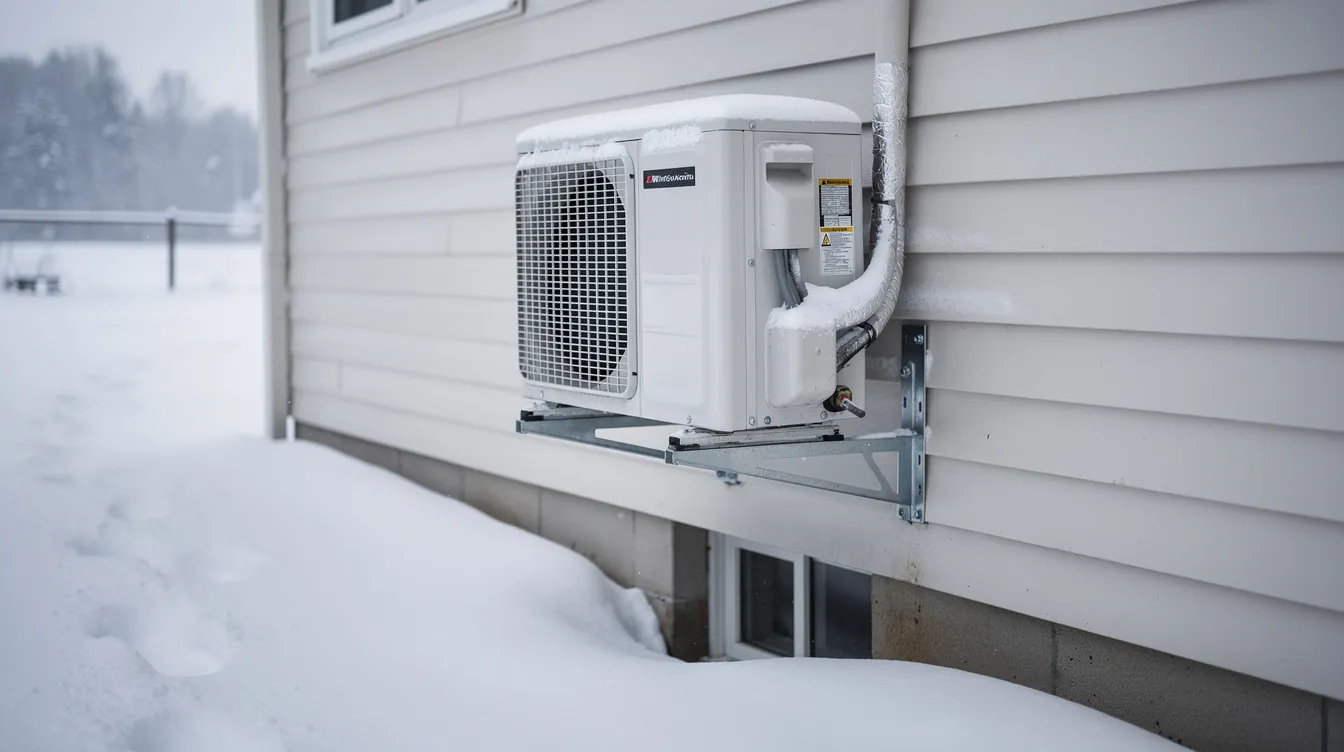
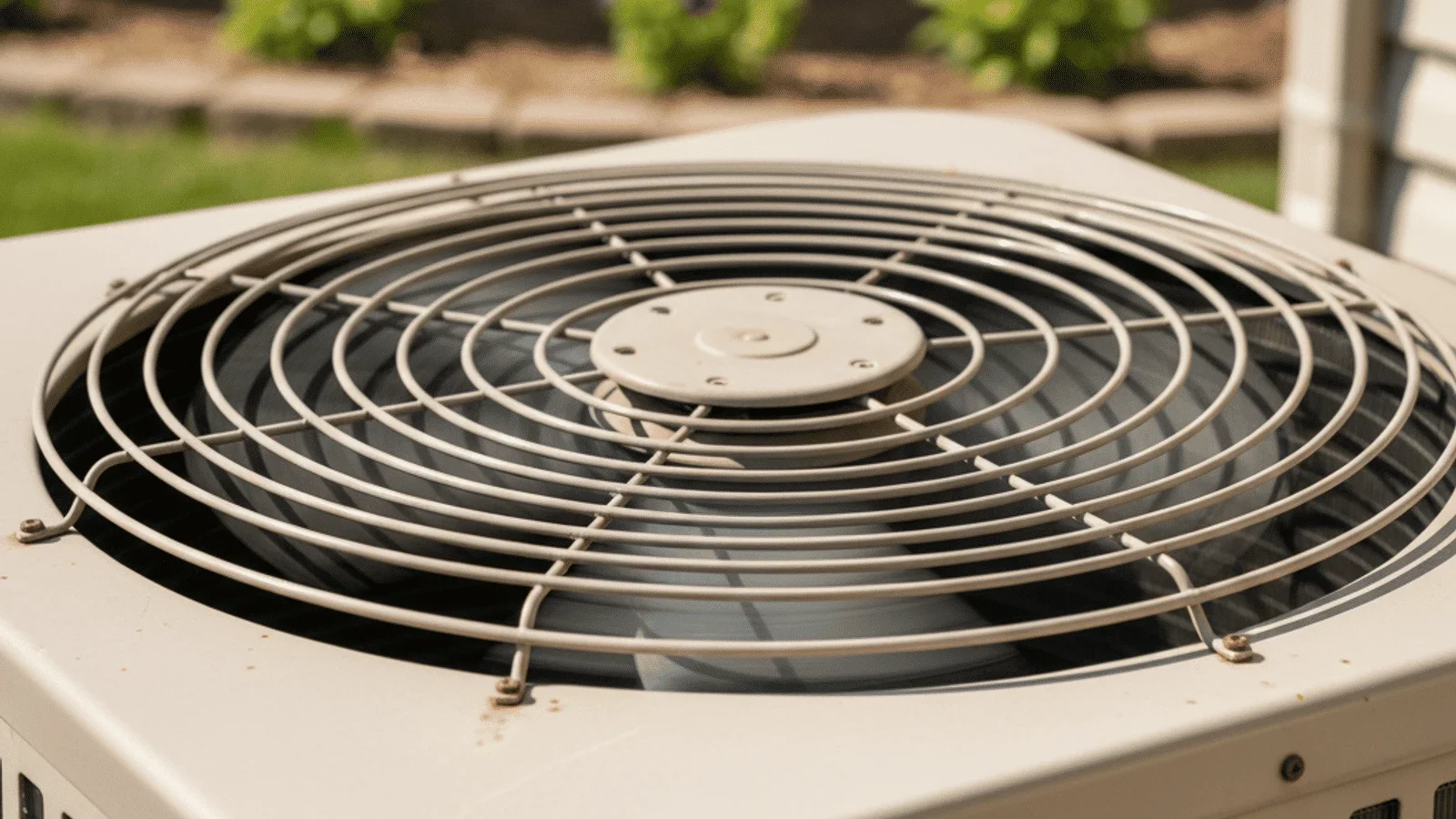
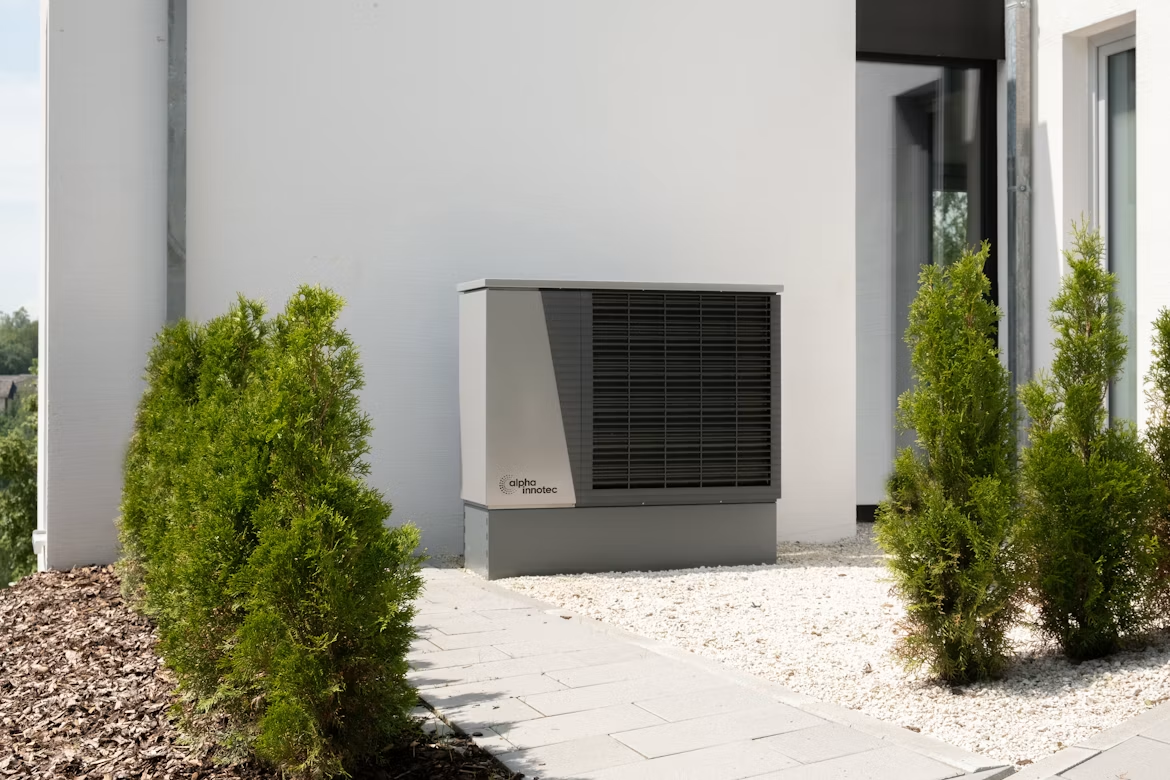
High-efficiency heat pumps represent a leading-edge alternative to traditional combustion-based heating equipment. Rather than generating thermal energy through burning fossil fuels, heat pumps move existing heat from outside air into interior spaces during cold months and reverse the process during warmer periods to provide powerful air conditioning. Because moving heat requires far less energy than producing it from scratch, modern heat pumps operate at extraordinary efficiency rates, frequently outputting up to three times more thermal energy than the electrical energy consumed.
Integrated Indoor Air Quality Solutions
True interior comfort encompasses air purity alongside temperature control. Integrating advanced Indoor Air Quality (IAQ) devices directly into existing HVAC ducting significantly cleanses the interior atmosphere. Solutions such as whole-building air filtration systems, high-efficiency particulate air (HEPA) units, and ultraviolet (UV) germicidal lamps continuously neutralize airborne bacteria, trap fine dust, and break down volatile organic compounds (VOCs).
Additionally, whole-facility humidifiers and dehumidifiers maintain relative humidity levels within the recommended 30% to 50% target range. Keeping indoor moisture balanced stops mold growth, protects wooden fixtures, and makes ambient temperatures feel noticeably more comfortable at lower thermostat set points.
Ductwork Sealing and Insulation Refinements
Even top-tier HVAC equipment loses efficiency if the distribution network suffers from physical degradation. Ductwork functions as the vital network delivering conditioned air throughout a structure; however, older duct systems frequently contain cracks, loose joints, and uninsulated sections.
The ENERGY STAR program reports that typical duct networks lose roughly 20 to 30 percent of conditioned air to leaks and poor insulation before it ever arrives at living or working areas. Professionally sealing duct joints with durable mastic sealants or specialized aerosol compounds and adding high-R-value insulation in unconditioned areas like attics guarantees that conditioned air reaches its intended destination efficiently.
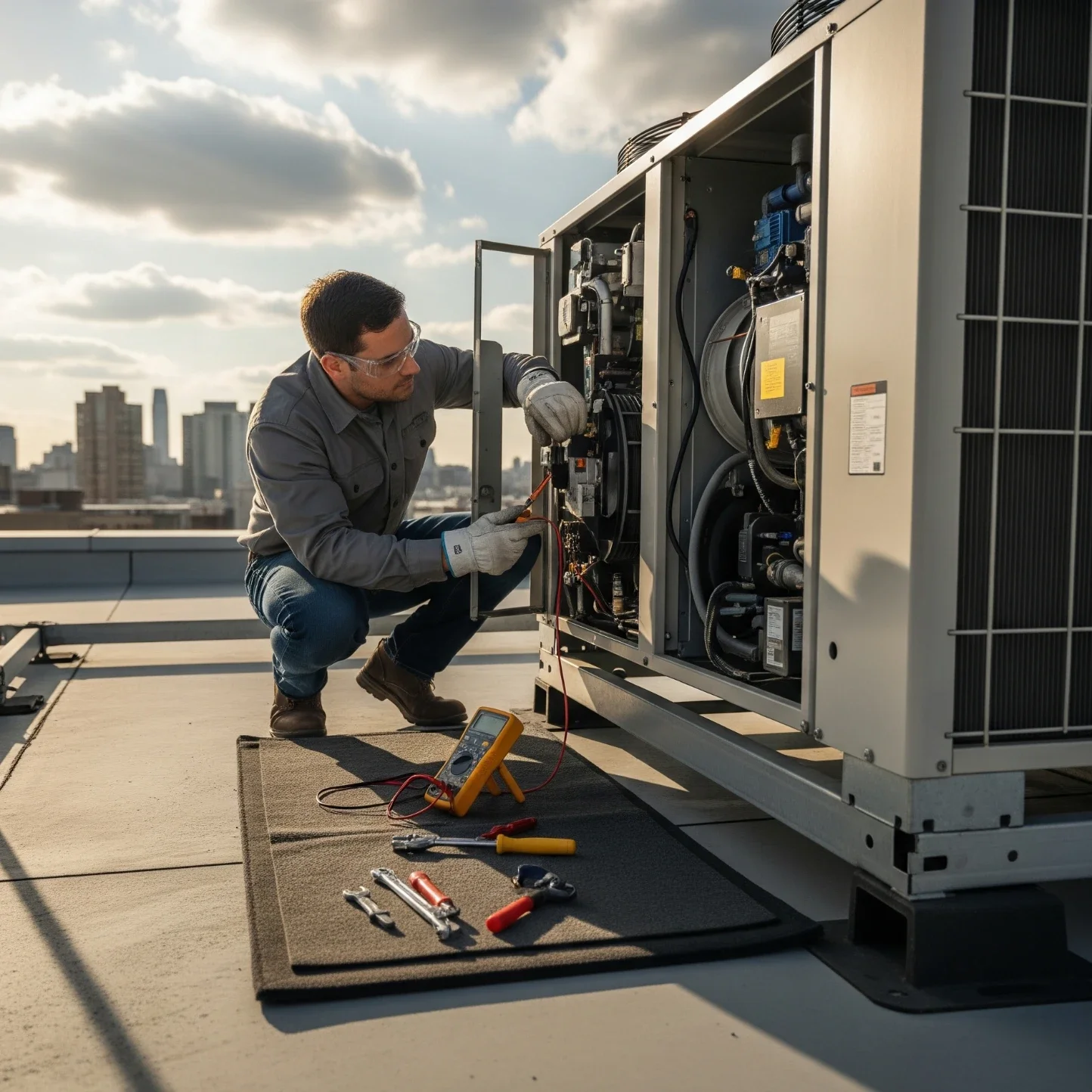
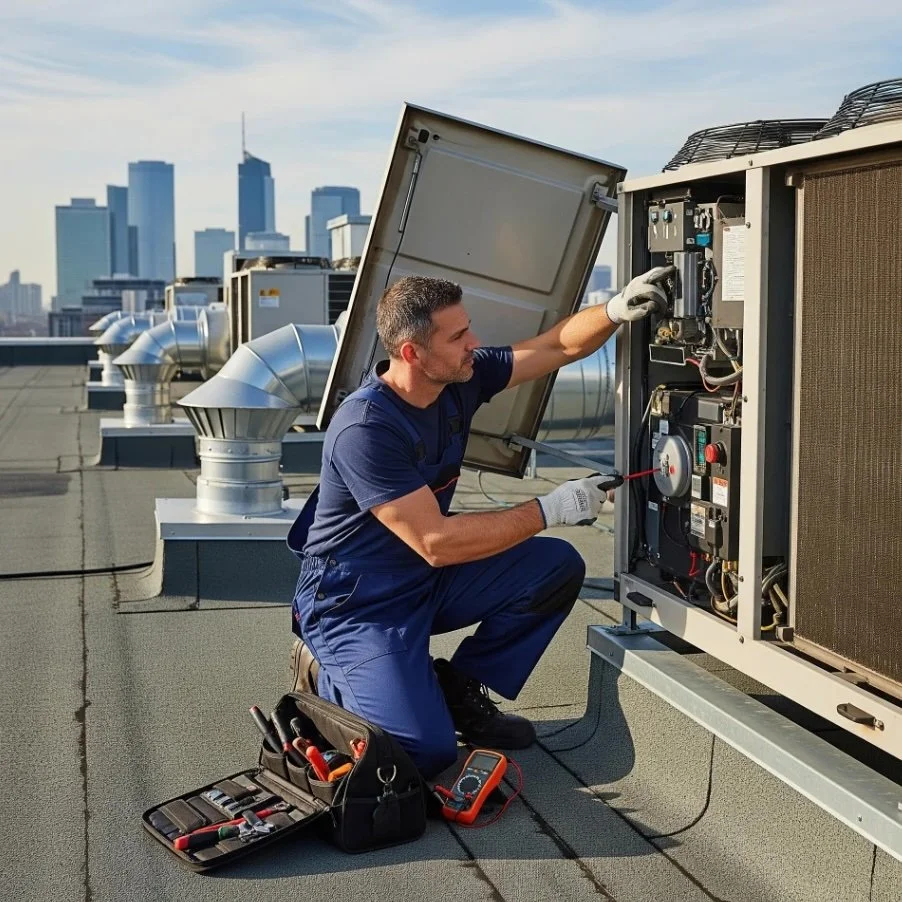
Upgrading an HVAC system provides a direct pathway toward superior indoor comfort, healthier air quality, and substantially reduced operational overhead. Whether through small adjustments like installing a smart thermostat or major overhauls such as migrating to a high-efficiency heat pump, property owners can strategically select upgrades tailored to their exact operational goals. Partnering with qualified HVAC specialists enables building owners to audit existing infrastructure and execute targeted upgrades that deliver maximum return on investment and long-term environmental benefits.
Stay up to date with our latest ideas!