How to Design the Perfect Pond for Your Landscape
Learn how to design the perfect pond for your landscape with tips on location, size, depth, plants, water features, wildlife, and maintenance.

Designing a backyard water feature transforms any outdoor space into a quiet sanctuary. A well-planned aquatic installation adds sound, movement, and visual interest to your property. Taking time to map out your goals makes the construction process smooth and rewarding.
Selecting the Right Ground Prep and Liner Materials
Building a lasting water feature requires a solid foundation that prevents leaks and resists soil shift. Incorporating ITL RCR or similar heavy-duty concrete matting gives your pond base structural armor against sharp roots and heavy water pressure. Proper ground preparation keeps your outdoor installation stable for decades without unexpected structural failures.
Soil conditions require careful evaluation before excavating your basin area. Compacted clay holds shape well, but rocky or sandy ground needs extra padding under protective membranes. Trenching perimeter edges securely anchors underlying layers against heavy rainfall and settling ground.
Underlayment fabrics cushion primary waterproof liners against sharp rocks underneath. Installing a secondary protective barrier prevents tears during routine maintenance or stone adjustments. Quality underlayment choices extend the life of your entire installation.
Choosing the Ideal Location for Your Backyard Water Feature
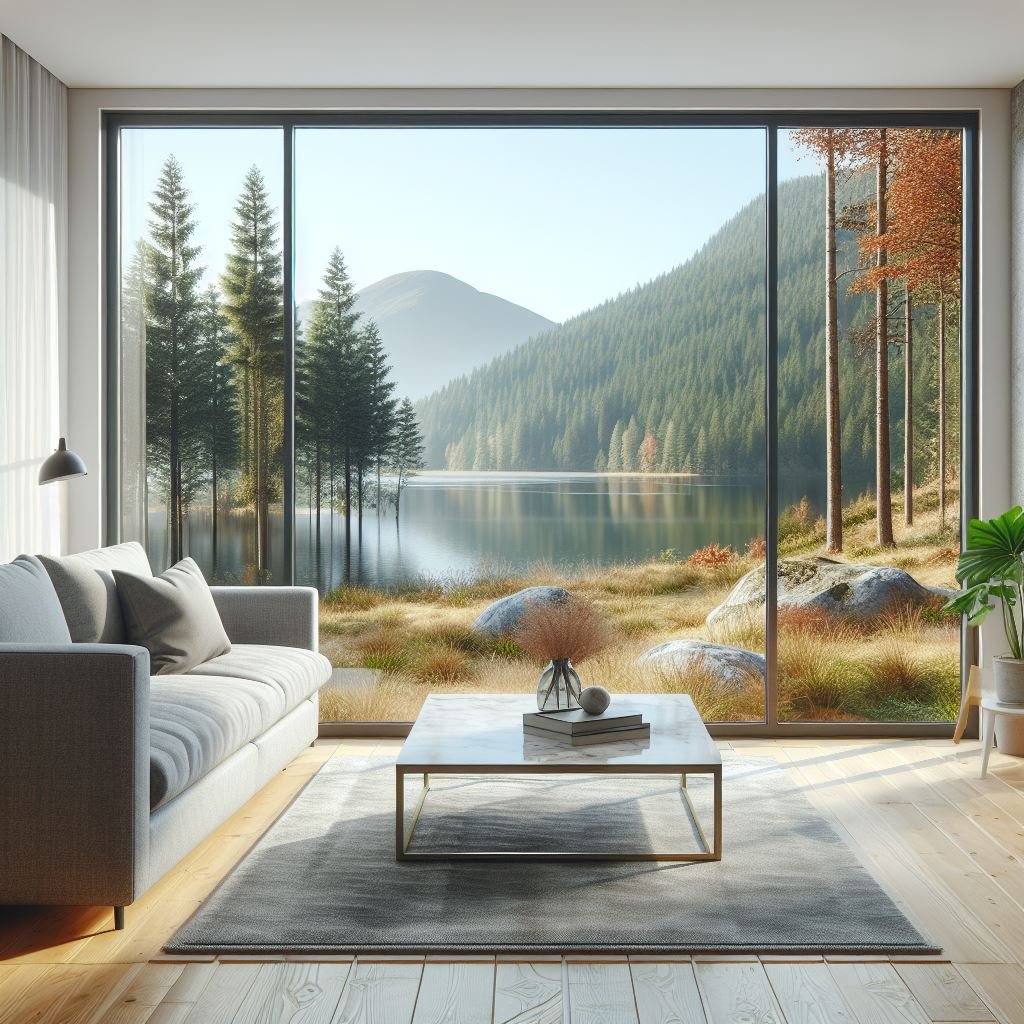
Placement shapes how often your family enjoys the new installation. Recommendations from Landscaping Network suggest placing the water feature where views remain clear from indoor living areas. Watching moving water from your kitchen or living room extends your enjoyment through every season.
Sunlight exposure directly controls water quality and vegetation health. Reports from Garden Design warn that placing basins under large deciduous trees causes leaf debris to build up and spark algae growth. Insights from This Old House note that direct sunlight promotes excessive algae growth, whereas dense shade slows aquatic plant growth.
Wind patterns and utility lines dictate proper placement across your property. Locating your basin away from low ground prevents rain runoff from washing lawn fertilizers into the water. Checking local utility maps before digging protects underground lines.
Determining Scale and Depth for Your Property
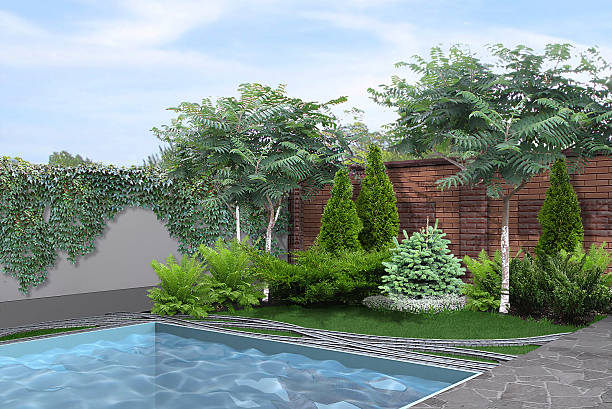
Sizing your water feature depends on your available space and aesthetic goals. Coverage from Homedit highlights how modern backyard installations organize entire yard spaces rather than serving as tiny accents. Larger basins establish a clear focal point and balance surrounding patio furniture or flower beds.
Depth decisions impact fish safety and seasonal water temperatures. Shallow shelves support marginal bog plants, whereas deeper center pockets give fish shelter from predators. Consider these key factors when planning your basin dimensions:
Depths of 24 inches or deeper protect fish from freezing during winter.
Tiered shelf ledges create stable spots for shallow water plants.
Broad surface areas require pumps capable of high flow rates.
Deep center pockets prevent rapid water temperature spikes in summer.
Small water bodies require frequent monitoring. Designing a slightly larger basin creates a stable aquatic ecosystem.
Embracing Modern Ecosystem Design Trends
Current design choices favor low-maintenance systems that mimic natural streams. Design trends published by Cal Aqua Pros show that modern builds focus on ecosystem-style setups and natural swimming zones. These functional designs prioritize real-world enjoyment over delicate ornamentations.
Natural filtration methods balance water quality without constant chemical treatments. Research from Bob Vila shows that biological plant zones and rock beds keep water clean naturally without chlorine or synthetic additives. Native water lilies and submerged greens absorb extra nutrients before algae can take hold.
Integrating biofalls creates dynamic water movements and boosts beneficial microbial colonies. Splash sounds block background street noise and create a peaceful backyard atmosphere.
Incorporating Aesthetic Stonework and Edging
Stone choices define the visual border between lawn areas and open water. Styling features from Trendir show that contemporary ponds act as serene focal points blending natural beauty with personal style. Smooth river rocks create gentle entry slopes, flat flagstones form clean edges for sitting, and large fieldstones frame outer perimeters.
Stacking natural rocks along internal ledges hides artificial liner materials completely. Mixing 3 or 4 distinct rock sizes creates an organic look that mimics mountain streams. Placing large boulders near waterfall drops adds height and dramatic sound to your outdoor retreat.
Mortared stone caps provide stable footing along deep edge ledges. Mortar keeps heavy stones from slipping into the basin during wet weather.
Installing Efficient Filtration and Water Circulation
Proper pump capacity maintains clear water and healthy oxygen levels for fish. Sizing your pump to circulate the total water volume every 60 minutes keeps clarity high year-round.
Dual filtration systems combine physical skimmers with biological waterfalls for clear results. Skimmers catch floating leaves before debris sinks to the basin floor. Biological filter mats house beneficial bacteria that convert fish waste into helpful plant food.
Energy-efficient pumps cut monthly electricity costs even when running 24 hours a day. Skimmer baskets require cleaning once every week during peak autumn leaf fall.
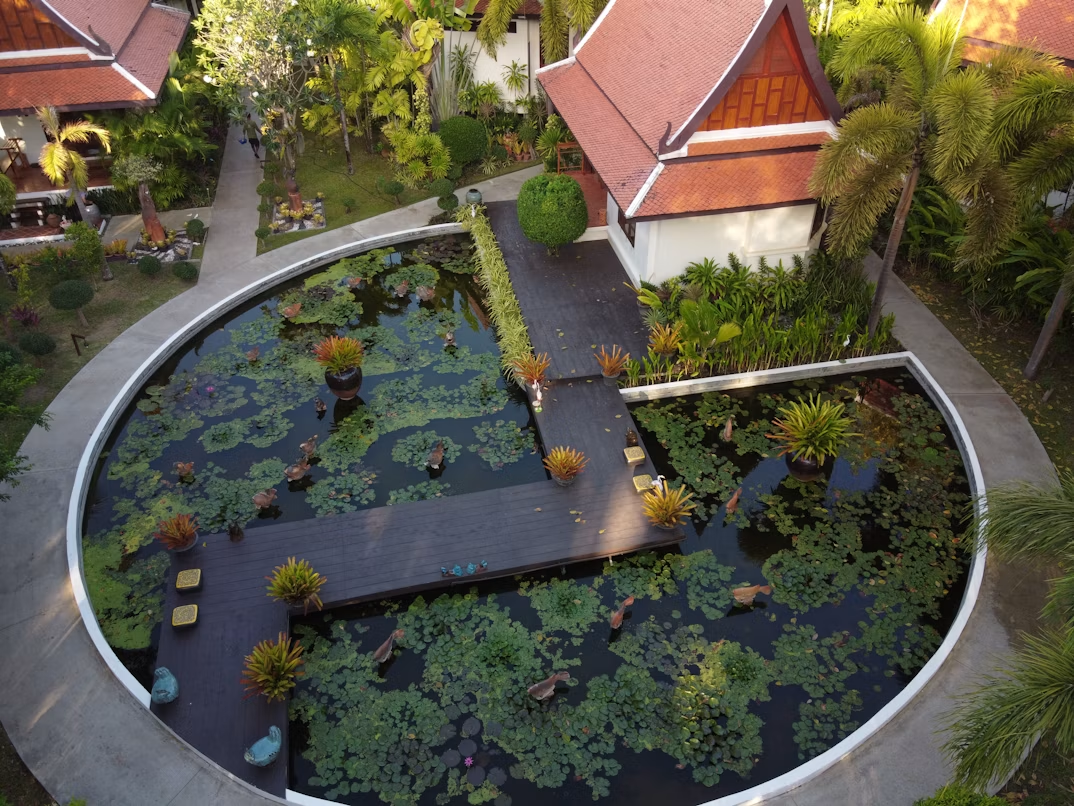
Creating a custom pond brings natural serenity directly to your doorstep. Thoughtful planning, quality materials, and balanced planting turn your yard into an inviting space for relaxation. Start your project today to craft an enduring water feature your family will cherish.
Stay up to date with our latest ideas!