Explore how modern playground design blends visual appeal, child safety, and long lasting materials to create engaging and durable play spaces.

There was a time when playground safety was not even an afterthought, much less a concern. Look up photos of kids playing on play structures in the early 1900s, and you’ll see sky-high wood platforms and bars and steep metal slides. The idea was simply that kids should challenge themselves and that physical risk made them tough. Now, of course, city planners and school boards agree that kids should challenge themselves. But they also bring balance to include safety, durability, and even aesthetics. Here’s why:
Pretty Playgrounds Attract More Visitors
It’s undeniable. Parks with playgrounds that have appealing colors and features draw the eye and encourage people to visit. However, if you’re driving past a dull gray plot, with a structure that looks shoddy, and no real plant life to speak of, you’re unlikely to stop. Your kids certainly won’t want to run and play in a space that doesn’t seem warm and inviting. Indeed, most people would just drive by and look for another nearby park in which to take refuge.
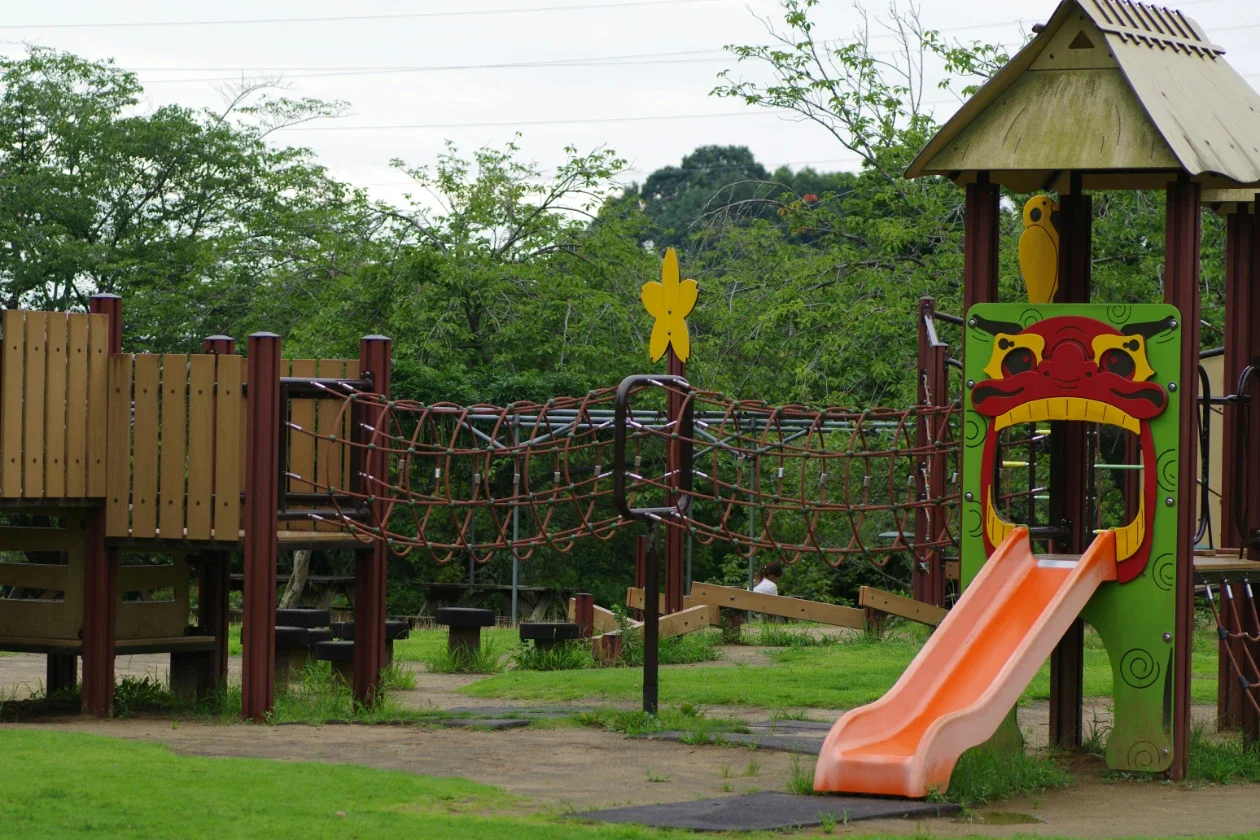
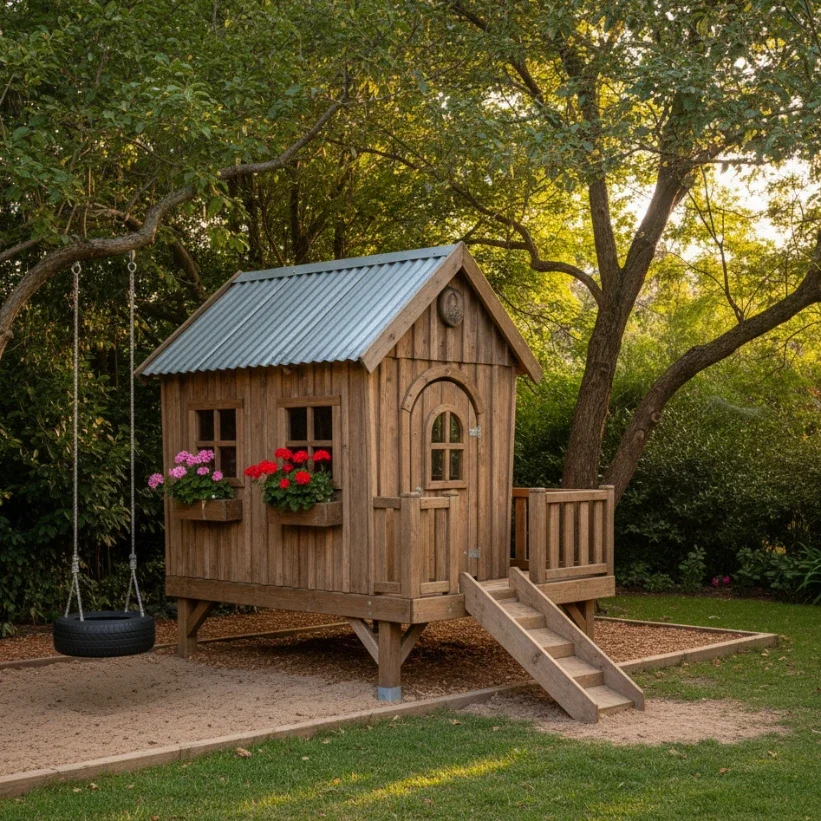
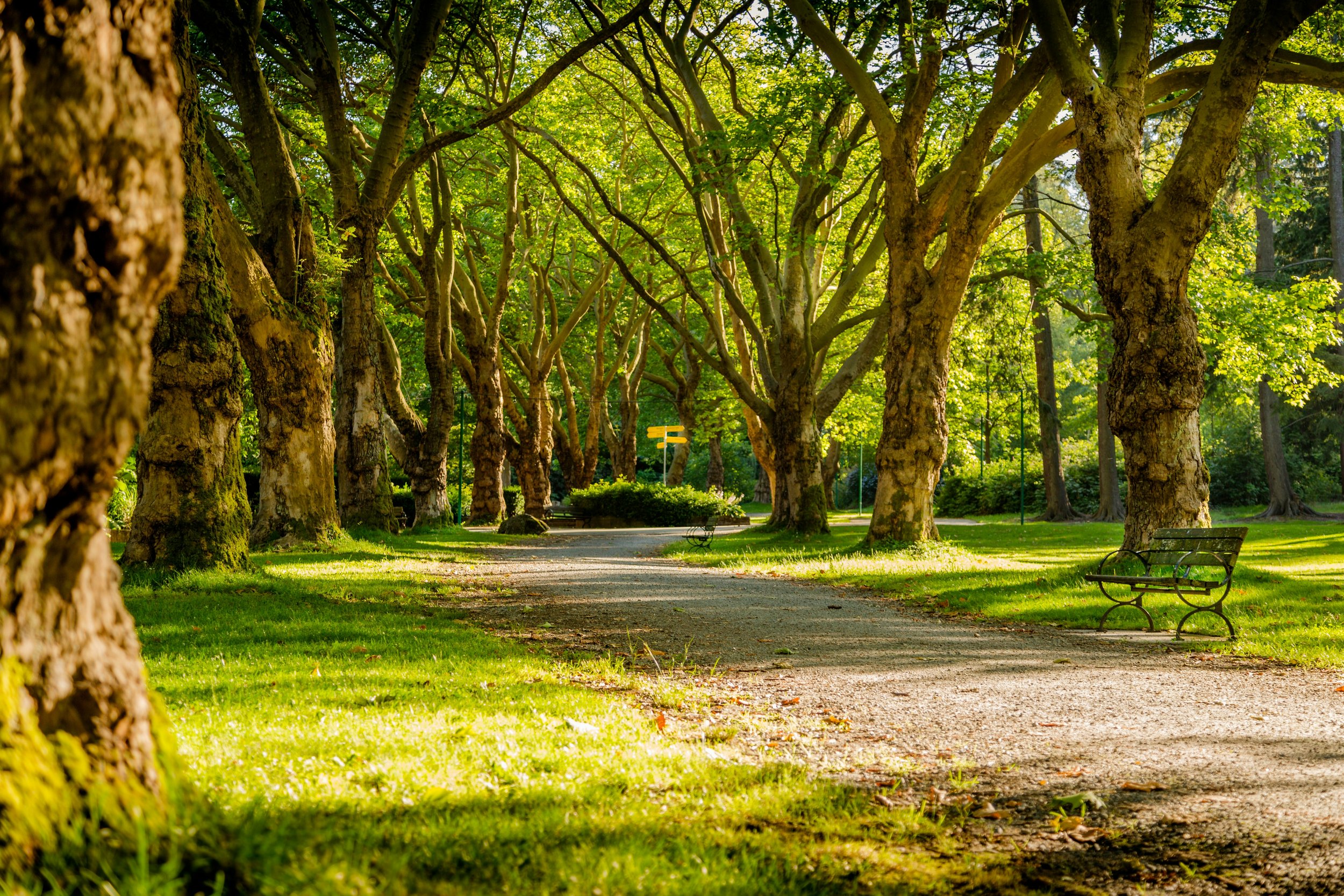
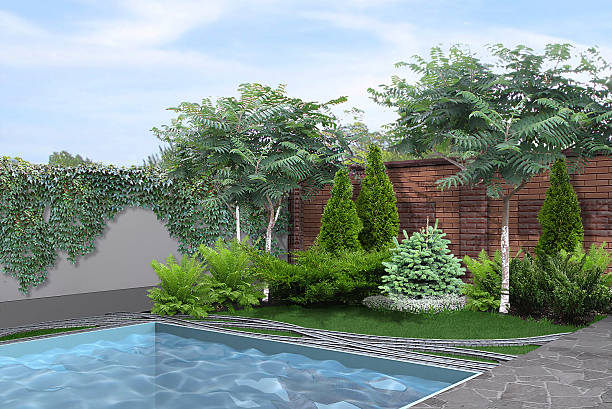
For this reason, more and more playground designers, city planners, and school boards have realized that play spaces start with aesthetics. You’re appealing to both the parent and the child, and the beauty should include everything from the colors of the commercial playground equipment to the swing sets. Bring in pretty native flowers, trees that will offer shade in a few years, and even a water feature, and you have a place that urges people to stop and stay awhile.
Safety and Risk Can Be Balanced for Kids’ Benefit
In addition to being merely attractive at first sight, playground designers are finding the balance between challenge and safety. Yes, there was a time when playgrounds were obviously unsafe. But there’s a benefit to children to engage in healthy risk-taking. What often followed that era was a reaction that took safety too far. Platforms were too short, opportunities to climb and swing weren’t enticing enough, and kids lost interest fast.
More modern park planners have learned to integrate challenges balanced with safety. This can mean tall rock climbing walls with soft landings at the bottom or tall platforms with sturdy protective rails. Parallel bars may swing, so kids feel like they’re pushing themselves a bit harder to move from one to the next. One of the reasons kids love playgrounds is that they introduce ways for them to take risks. Parents, of course, want their kids to be safe. Fortunately, playgrounds can please both.
Playground Materials Can Be Both Safe and Durable
City budgets have been shrinking across the country for decades, as have school budgets. This shift has led many planners to cut corners when it comes to materials. Sure, the structures may still be safe, but they don’t often last as long as more expensive plastics and metals. Many playgrounds built just 10 or 20 years ago have cracked and broken-down slides and swings that are falling apart. Platforms may even be coming loose, with missing nuts and bolts.
It doesn’t have to be this way. Schools and cities can opt instead for high-quality modular playground structures that can be installed quickly and moved as necessary. These modular sections also allow planners to expand, build, and grow the park as budgets increase or new funding comes in. And, when you work with the right manufacturer, you’ll still get materials made with quality and safety in mind. Plus, they’re often ADA-compliant, so everyone can play.
Surfaces Matter for Kids of All Abilities
Speaking of ADA compliance, many playgrounds failed to meet the minimum standards for children of all abilities for generations. Children with disabilities, whether physical or cognitive, often had no play spaces to join other kids. This left them in the shadows of other children, who also suffered from not having kids with different abilities to play with and learn from. One of the major problems with older playgrounds was that the surface materials didn’t accommodate many children.
Now, many playgrounds have poured-in-place rubber or other flat surfaces that are both safe and durable. Wheelchairs can venture across the entire play space, and kids who need canes or walkers have a level surface. Even parents or grandparents with balance issues can move through the space with confidence. Plus, the soft yet durable materials mean all kids can take tumbles without seriously injuring themselves.
Nature in the City Fosters Good Health Outcomes
Finally, one of the best ways to create an appealing park is to incorporate nature into its features. Far too many inner-city parks treated the space as an afterthought. The planners likely figured plants, flowers, and water features weren’t a necessity in a space filled with brick and concrete. People who needed nature could simply venture out to a more natural space to get their fix there. The problem with this line of thought is that parks without nature are less likely to attract visitors.
In contrast, bringing in nature makes a park both more aesthetically appealing and better for the health outcomes of your community. Because everyone benefits from green spaces, planners have begun to incorporate plants, small plots of grass or other ground cover, and fast-growing trees. You’ll also notice more water features, sandboxes, and other ways to get kids and parents more access to the natural elements. This shift makes parks more aesthetically appealing and healthier in general.
In the end, parks really have become a haven for people living in cities and rural areas across the country. They’re great meeting places for residents who need to socialize, safe refuges for people stopping on their way to somewhere else, and comfortable resting places for busy parents. And in recent years, more planners have designed parks to meet the needs of all visitors, making playgrounds prettier, safer, and longer-lasting. So the United States can take pride in a legacy of beautiful parks.
Stay up to date with our latest ideas!