The Verandah Effect: How Queensland's Outdoor Living Tradition Can Transform Any Home
Discover how Queensland's outdoor living tradition can transform any home by creating functional, comfortable, and inviting indoor outdoor spaces.
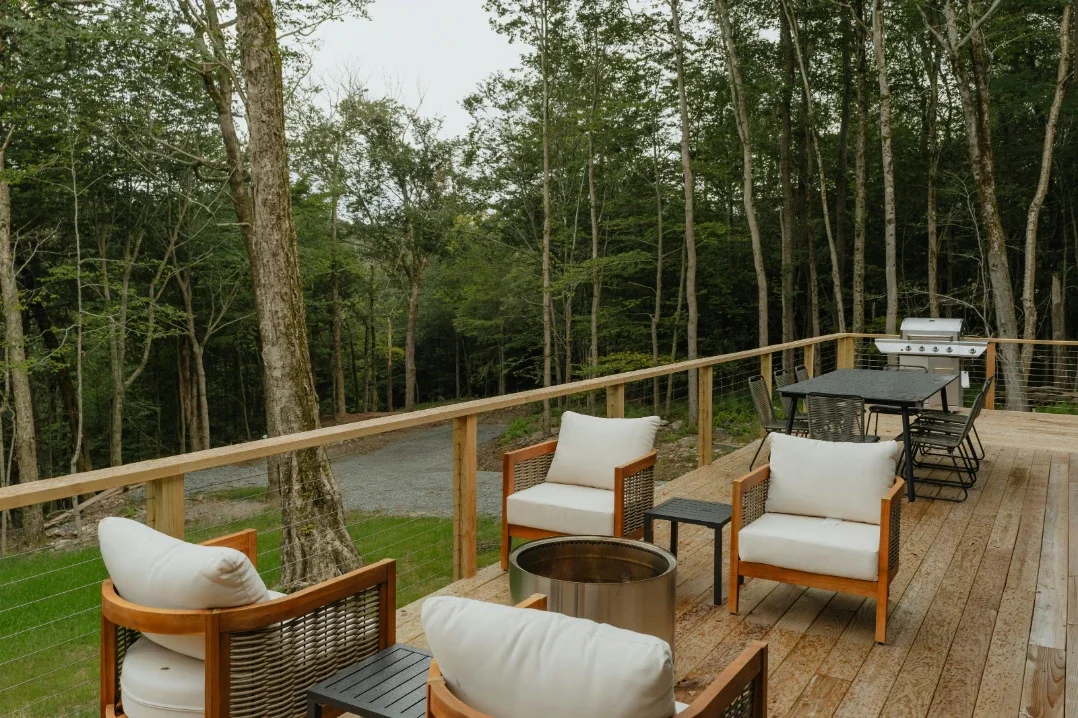
There is a particular feeling you get walking onto a well-designed verandah. The light changes. The temperature drops a few degrees. The street feels both close and far away at the same time. For more than a century, Queensland homeowners in northeastern Australia have built their entire approach to domestic life around that feeling, and the results are quietly some of the most liveable houses in the world.
The verandah is not a porch, not a deck, not exactly a patio. It is a covered outdoor room attached to the house, sized generously enough to actually live in, and built to handle the heat, humidity, and storms of a subtropical climate. It is also one of the most useful design ideas a homeowner anywhere can borrow. You do not need a Brisbane cottage or a Gold Coast beach house to apply the principles. You just need to think differently about where your home ends and the outdoors begins.
This guide walks through the three distinct verandah traditions of Queensland, the materials and styling decisions that make them work, and a practical set of ideas for bringing the verandah effect to any climate or home size.
What the Australian verandah actually is
The Australian verandah arrived in its modern form in the late nineteenth century, when colonial builders adapted European cottage forms to a hotter, wetter climate. The result was a deep, shaded perimeter that wrapped around the main house and acted as a thermal buffer. Air moved through the verandah before reaching the indoor rooms, lowering the temperature inside by several degrees on a hot day. The roof overhang shielded interior walls from direct summer sun. In wet seasons, the verandah let people open windows and doors without flooding the floorboards.
What started as a climate-control feature became a way of life. Families ate breakfast on the verandah, hung washing on it, played cards on it, slept on it in the heat of summer. The verandah is where the parties happened, where the children played, where the dog dozed in the afternoon. Even the architectural language picked up the importance: a verandah is not a feature attached to a Queenslander cottage, it is part of the house itself.
The modern Queensland verandah has evolved in different directions depending on where in the state you find it. Brisbane verandahs are typically raised, narrower, and oriented toward sociability with the street. Gold Coast verandahs are built for coastal exposure, with weather-resistant materials and screens designed for wind. Cairns verandahs are the deepest of the three, built for the wet tropics, with broad eaves, louvred shutters, and the kind of greenery that only thrives in a humid climate. Each is worth examining in turn.
Three Queensland verandah traditions worth borrowing
Each Queensland city has shaped the verandah in response to its own climate and built environment, and the three resulting traditions are different enough that no single template fits the state. The Brisbane verandah is built for socialising in a humid subtropical climate. The Gold Coast verandah is built for coastal exposure and weather durability. The Cairns verandah is built for the deep tropics. Borrowing from one or all three depends on the climate you are designing for.
The Brisbane verandah
The classic Brisbane verandah sits at the front of a raised timber Queenslander cottage, often elevated three to six feet off the ground for ventilation and flood resilience. It is usually narrower than its tropical cousins, around six to eight feet deep, and runs the full width of the house. The flooring is hardwood timber, usually spotted gum or blackbutt, oiled rather than sealed so it can be refreshed year by year. The ceiling is tongue-and-groove timber, often painted in a soft sky blue (a colonial tradition believed by some to keep insects away, by others to mimic the colour of the daytime sky).
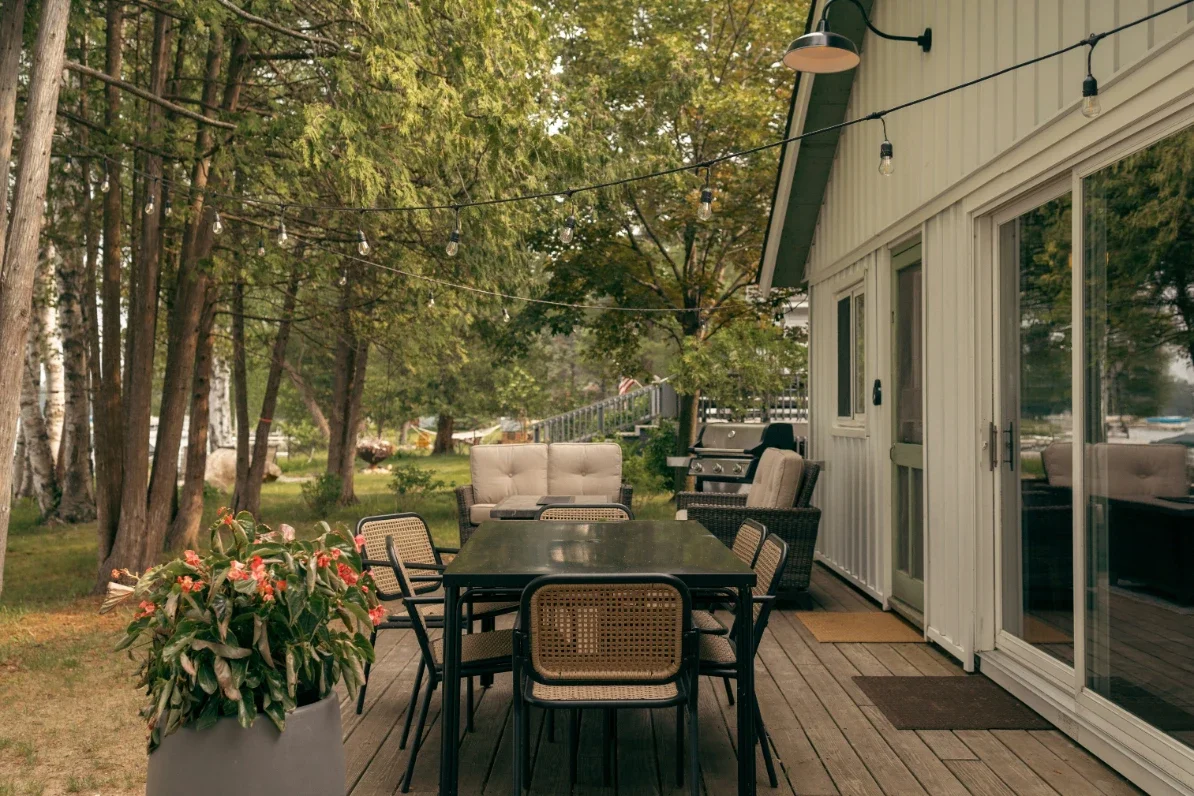
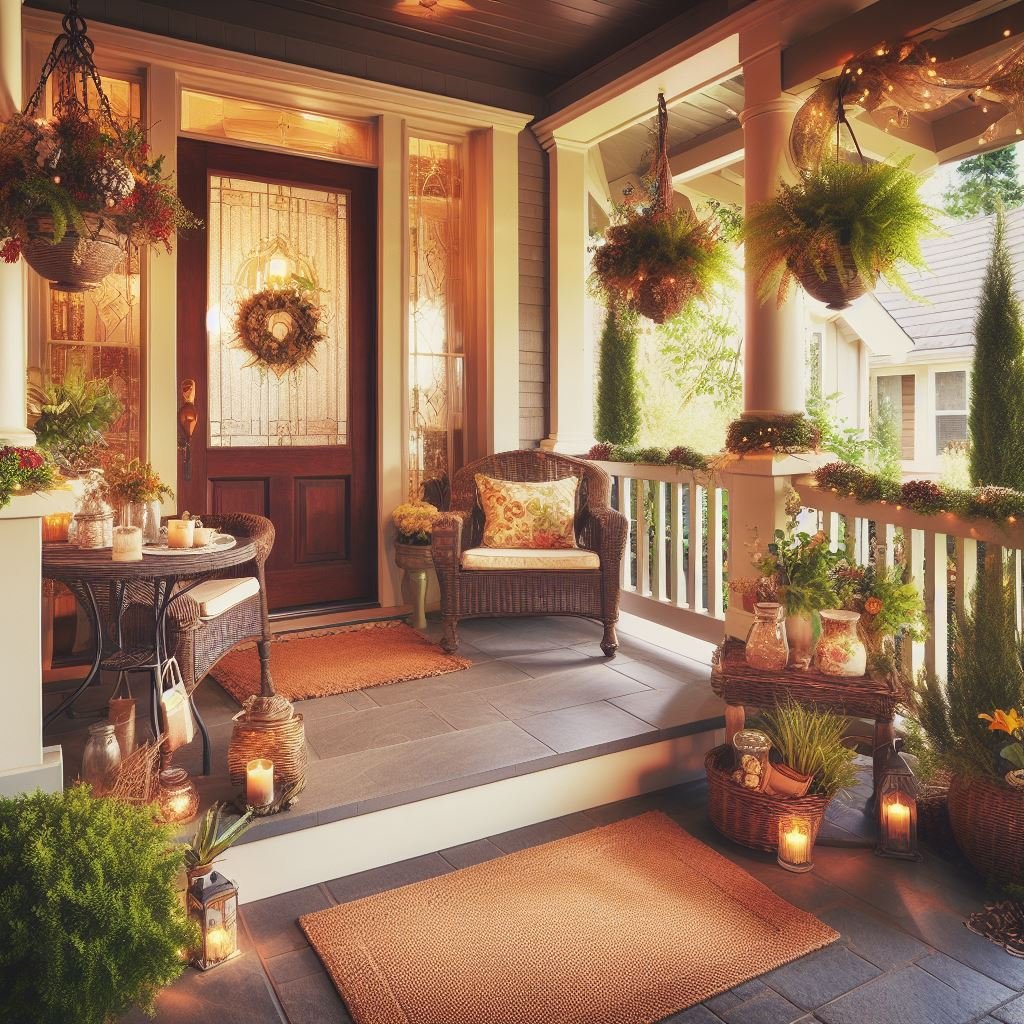
The Brisbane verandah is built for socialising. Wicker chairs, a small side table, ceiling fans, and a string of festoon lights are the typical styling. Plants are usually limited to a few large pots: a hibiscus, a frangipani, a fiddle-leaf fig if the shade is right. The lattice or balustrade is usually painted white, with cast-iron detailing on heritage homes and powder-coated steel on newer builds.
Brisbane is also experiencing a steady stream of arrivals from Sydney and Melbourne who are renovating heritage cottages and reinventing them for modern living. Working with experienced Brisbane removalists who understand the access challenges of raised Queenslanders (narrow staircases, tight doorways, original timber flooring) is worth doing for the move itself, not least so the heritage features arrive in the same condition they left in.
The Gold Coast verandah
The Gold Coast verandah is a different animal. Built on coastal blocks, often as part of newer architecturally designed homes rather than heritage cottages, it is designed for salt air, strong UV, and the occasional storm surge. The materials are tougher: composite decking or weather-rated hardwood like spotted gum or ironbark, powder-coated aluminium framing, marine-grade stainless steel hardware. The ceiling is often a tongue-and-groove cement sheet rather than timber, because timber struggles closer to the surf line.
The styling is lighter and simpler than the Brisbane version. Outdoor furniture is low-slung and built for all-weather use: powder-coated aluminium frames, weatherproof cushions, a glass-topped coffee table that does not corrode. Lighting is recessed or wall-mounted. Greenery leans toward salt-tolerant species: pandanus, frangipani, banksias, native grasses. The whole effect is closer to a beach-club lounge than a cottage porch.
Gold Coast homes are particularly sensitive to how they are set up after a move. Outdoor furniture, in particular, should not sit in the driveway absorbing salt spray while the rest of the house is being unloaded. Coordinating with reliable Gold Coast removalists who understand the local climate makes a real difference here, because they can sequence the unload so weather-sensitive pieces go straight under cover.
The Cairns verandah
The Cairns verandah is the deepest of the three, often eight to twelve feet wide, sometimes more. It is built for the wet tropics, where the rain comes in horizontal sheets and the humidity rarely drops below sixty percent. The roof has broad eaves and a low pitch to handle heavy downpours. Louvred shutters or screens close in the verandah during storms and open it back up the moment the weather clears.
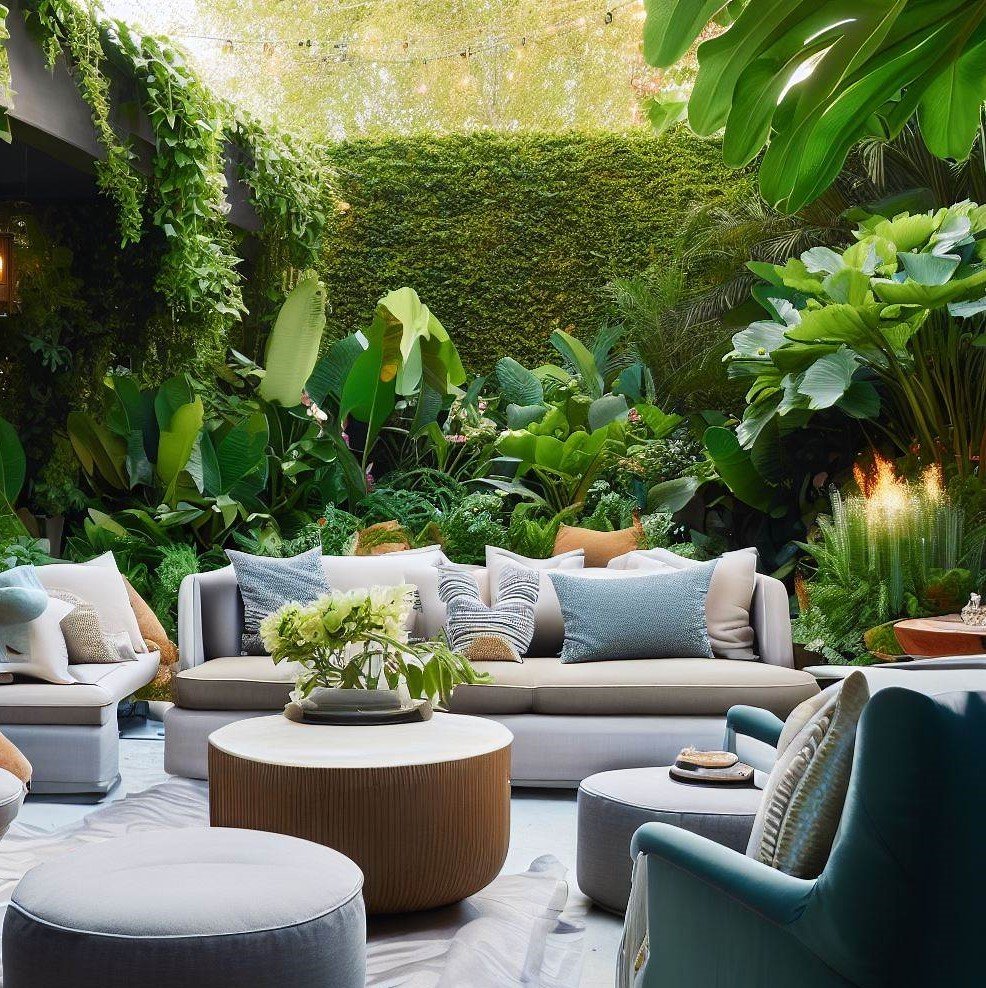
The materials lean dark and tropical: deep-stained hardwood decking, dark timber ceiling boards, woven cane or rattan furniture, dark powder-coated steel. Lighting is soft and warm: lanterns hung from the rafters, table lamps with rattan shades, candles in storm glasses. Greenery is lush: monstera, philodendron, palms, ferns in oversized baskets, sometimes a small water feature for the cooling effect.
Cairns homes have particular needs around climate and timing. Furniture from cooler southern cities often arrives wrong for the tropics: leather that will not cope with humidity, dense upholstery that holds moisture, dark woods that warp in the wet season. Booking experienced Cairns removalists in advance gives families the chance to decide what comes north with them and what is better sold or stored before the move, which is one of the quieter but more useful planning decisions a tropical homeowner can make.
Materials that hold up to outdoor living
If you are building or refurbishing an outdoor room of your own, the Queensland verandah tradition has a clear set of material recommendations that translate to almost any climate.
For decking, hardwoods like spotted gum, ironbark, and ipe outperform pine and cedar in heat, humidity, and UV. Composite decking is a worthwhile alternative for homeowners who want low maintenance, but the quality varies wildly: buy the densest, most fade-resistant version you can afford.
For ceilings, tongue-and-groove timber gives the warmth that defines the look. In coastal or tropical climates, primed and painted cement sheet is the more durable option. Both should be installed with a slight gap or vent at the wall junction to allow air to circulate.
For screens and shutters, marine-grade aluminium and powder-coated steel hold up best to coastal salt. Operable louvres are worth the extra cost because they let you fine-tune airflow throughout the day. Bug screens are non-negotiable in humid climates.
For furniture, choose materials in this order: powder-coated aluminium, teak, all-weather wicker, marine-grade stainless steel. Avoid raw iron unless you commit to repainting every two years. Cushions should be in solution-dyed acrylic outdoor fabric, not indoor fabric repurposed.
For lighting, three layers are the rule. Ambient (overhead, soft, dimmable). Task (table lamp or wall-mounted reading light). Accent (string lights, lanterns, candles). The ambient layer matters most. Get it right and the verandah works at every hour of the day.
Five styling principles that translate to any climate
The Queensland verandah tradition rewards close study not because every home should mimic it, but because the underlying principles work anywhere there is a porch, balcony, patio, or even a side yard worth styling. Five of them stand out:
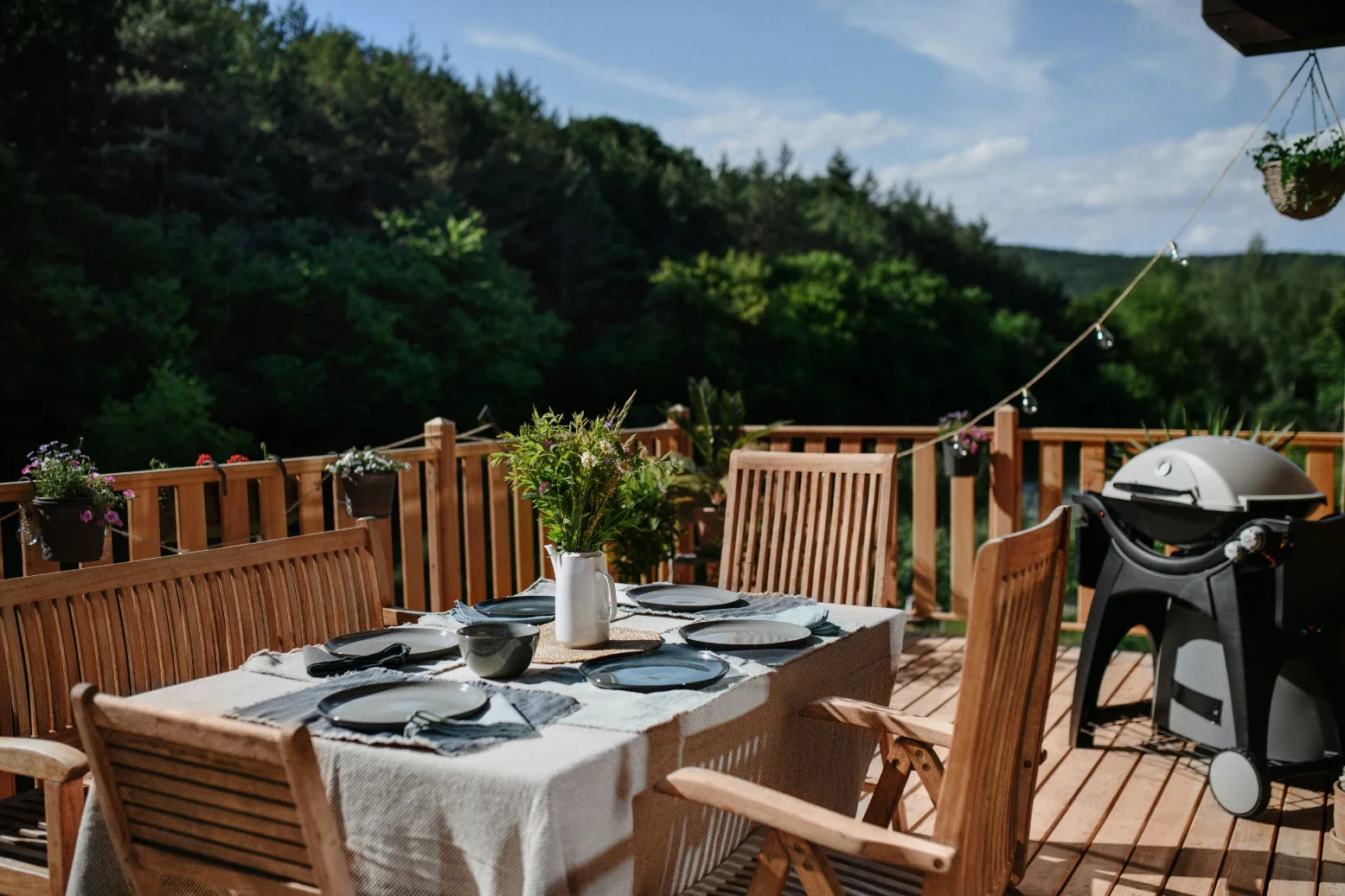
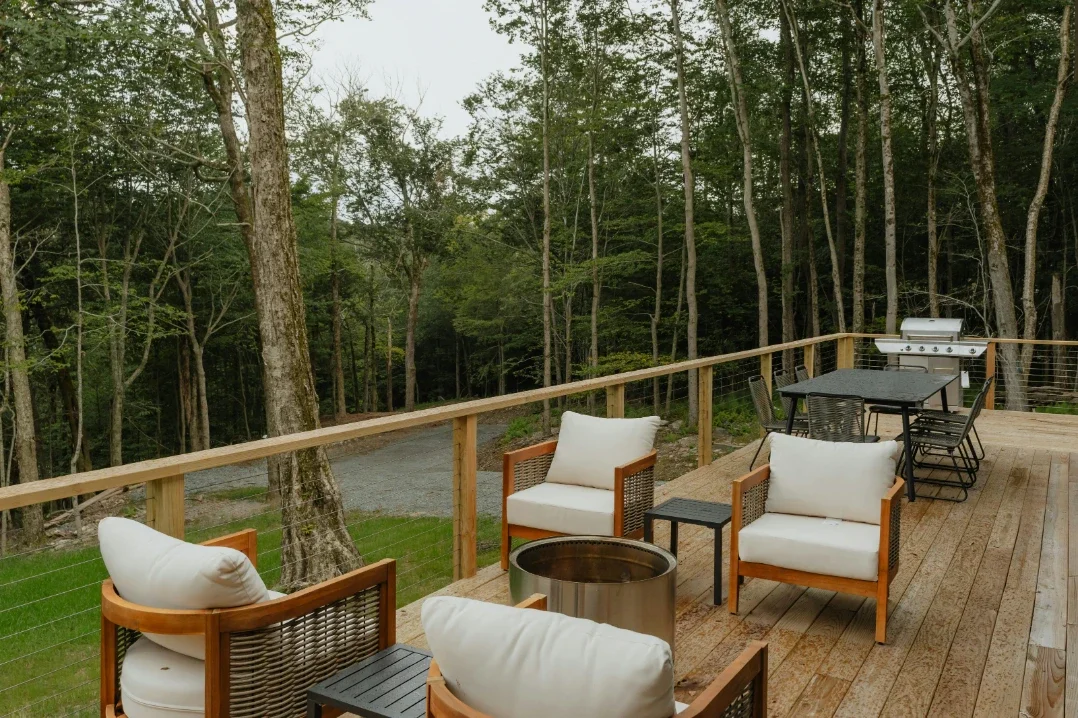
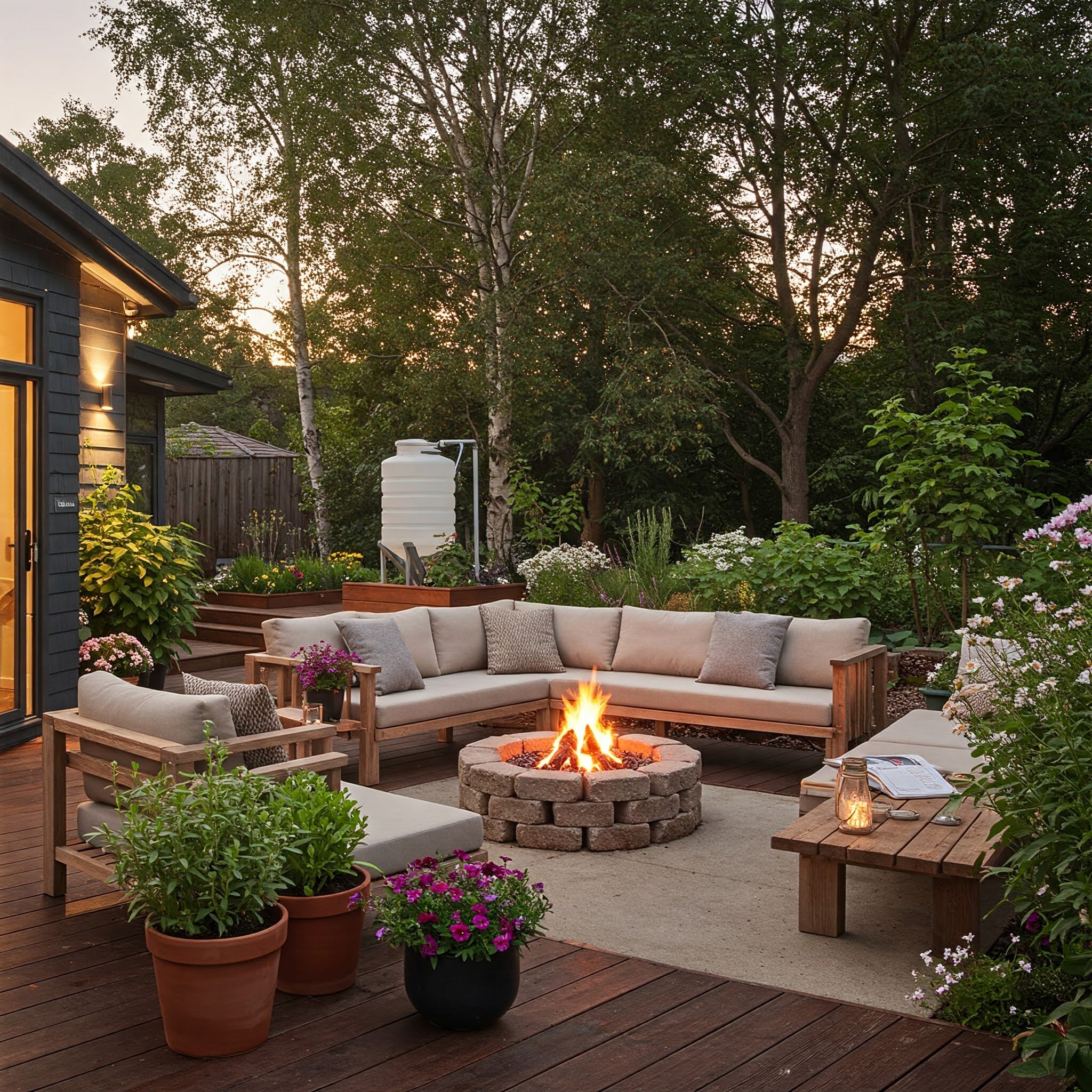
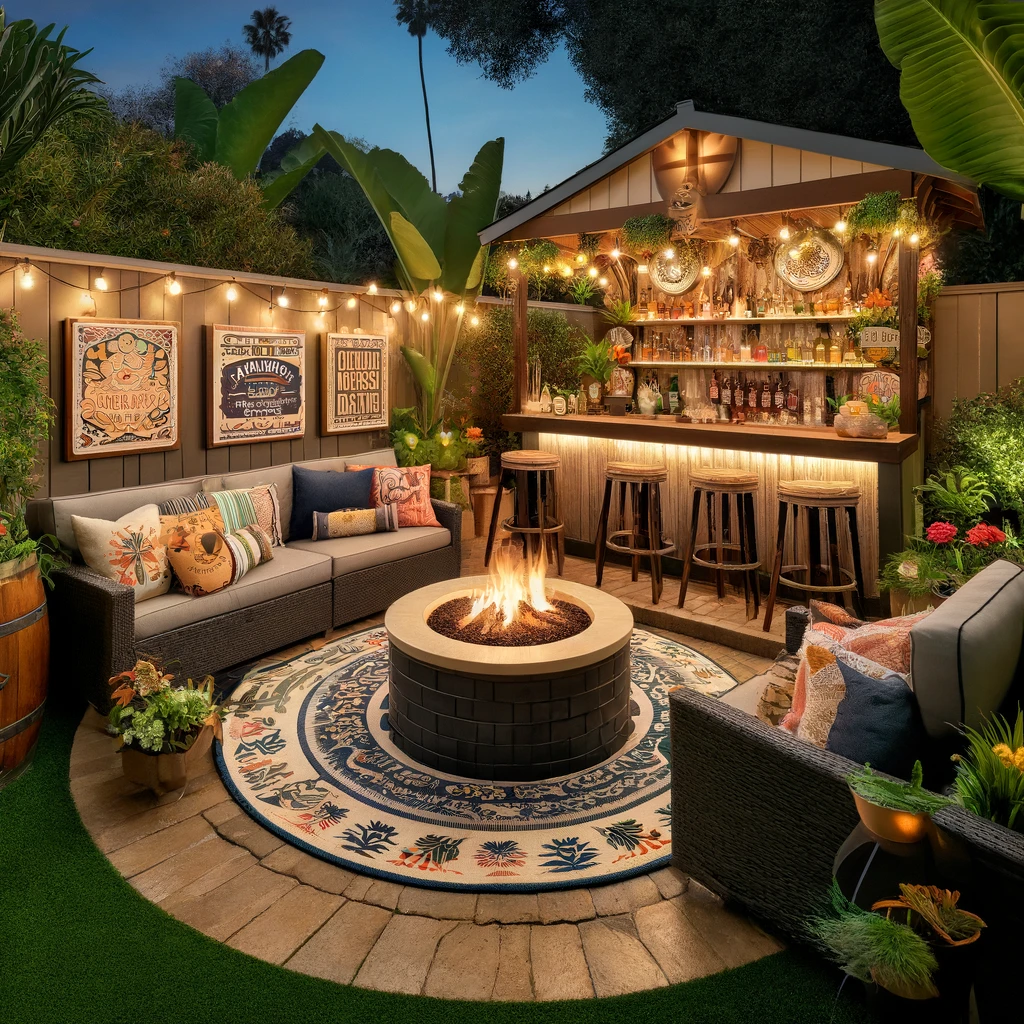
Treat the outdoor space as a room, not a transition. Furniture should be sized for comfort, not just for show. A real chair, a real table, a real rug rated for outdoor use. The space should be inviting enough to spend an hour in.
Layer light from at least three sources. A single ceiling fixture is not enough. The combination of overhead, table, and accent lighting is what makes the space usable from morning to evening.
Pick materials that age with character. Oiled hardwood, living brass, weathered teak, aged copper. The verandah look improves with use rather than degrading.
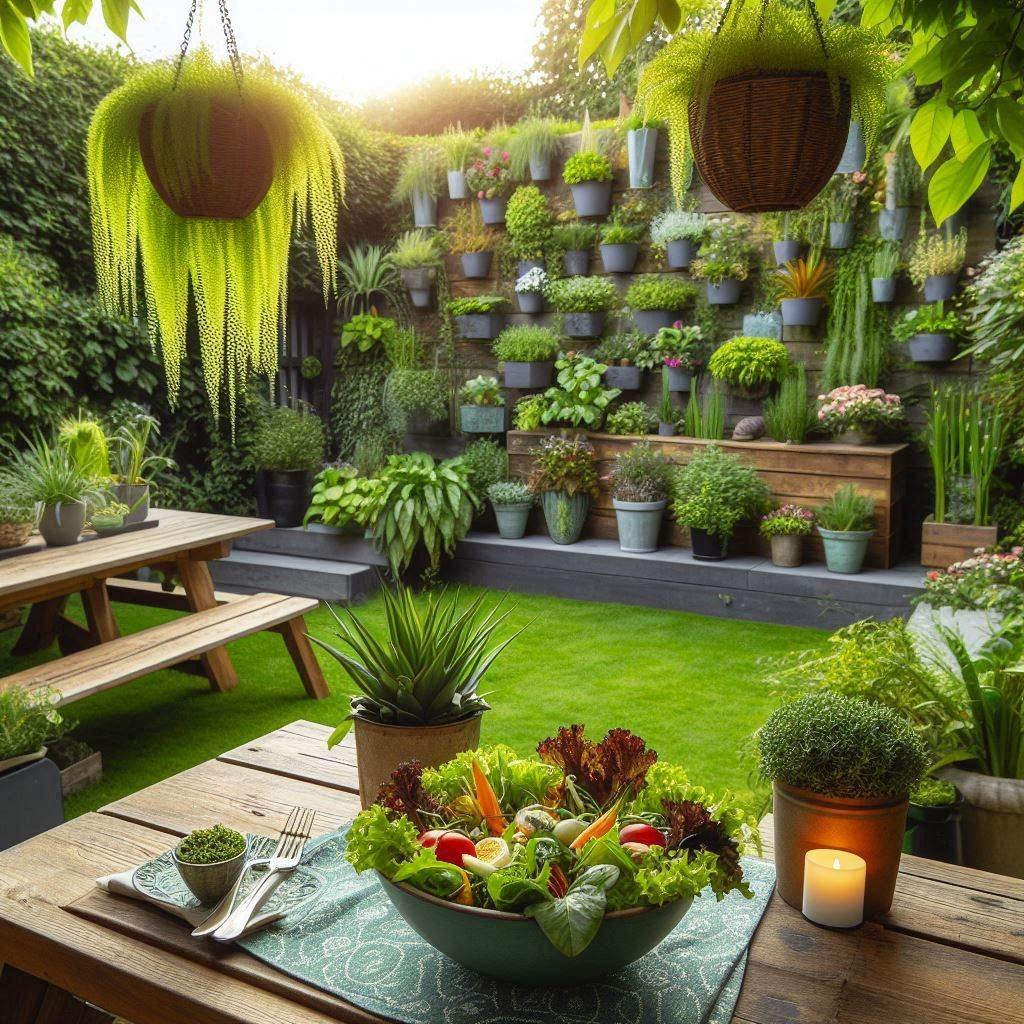
Build greenery into the architecture, not on top of it. A row of pots all the same size and finish reads as design. A scattered collection of mismatched containers reads as clutter. Pick a vessel style and repeat it.
Make airflow part of the plan. Ceiling fans, operable louvres, removable screens, and bi-fold doors all matter. The most beautifully styled outdoor room will go unused if it is too hot, too cold, or too windy to enjoy.
Bringing the verandah feel inside
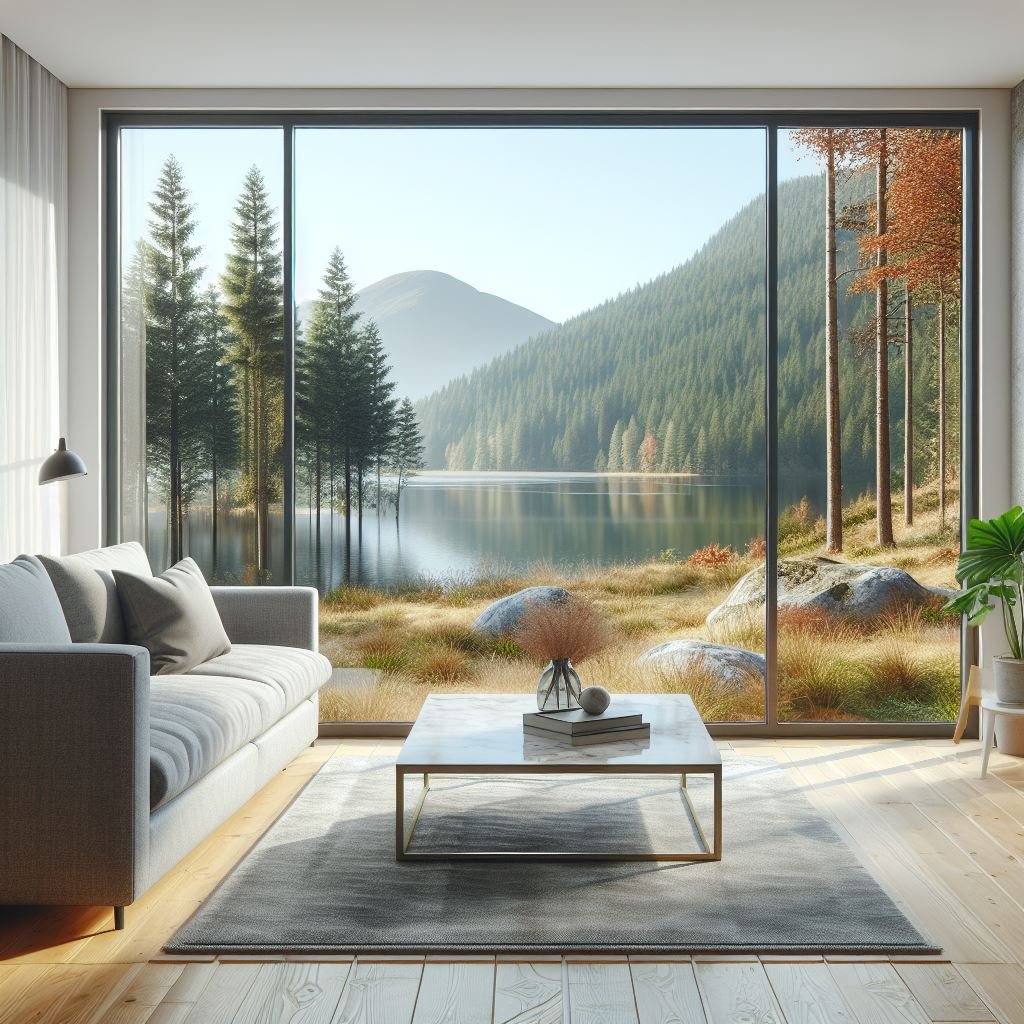
You do not need a verandah to apply the verandah philosophy. The same principles that make a Queensland outdoor room work can transform the way an interior space relates to the world outside it. Replace heavy curtains with sheer linen panels that filter light without blocking it. Add a single oversized indoor plant near a window so the greenery reads as part of the room. Install bi-fold or sliding doors where the budget allows, especially between a living room and a back garden. Choose a chair that sits a few feet inside the window, deliberately positioned to look out. These small moves bring the indoor-outdoor flow into a home that does not have a deep covered porch to play with.
For renters and apartment dwellers, a balcony of any size can be styled by the same rules. One quality chair. One small side table. One outdoor rug. One large potted plant. One layer of soft lighting. That five-element formula is the difference between a balcony that gets ignored and a balcony that becomes a favourite reading spot.
A note on budget
You can build a credible verandah feel at almost any budget. The most important spend is on the floor and the lighting, because those two elements set the mood of everything else. A modest hardwood deck with three good light sources will outperform a luxury composite deck lit by a single bulb every time. After that, prioritise the chair you actually want to sit in over a matching set you do not. One excellent armchair and a side table beat a four-piece patio set in cheap aluminium. Plants are the cheapest upgrade by far: a pot, a bag of potting mix, and a frangipani cutting from a neighbour will give you more atmosphere for twenty dollars than most of what you can buy at a homewares store.
A worthwhile project
The verandah is not a quick project, and the Queensland version took more than a century to evolve into its current form. Borrowing from it is more useful than copying it wholesale. Pick the elements that suit your climate, your home, and your lifestyle. Build slowly. Choose materials that improve with time. Layer the lighting. Let the greenery do real work in the styling.
Done well, the result is a part of the home that becomes a daily refuge. Done very well, it changes how you live in the rest of the house. The Queensland tradition shows what is possible. The translation to your own home is the satisfying part.
Stay up to date with our latest ideas!