How to Choose the Right Water Pump for Agricultural Irrigation?
Learn how to choose the right agricultural irrigation pump by comparing water flow, pressure, power requirements, pump types, and farm needs.
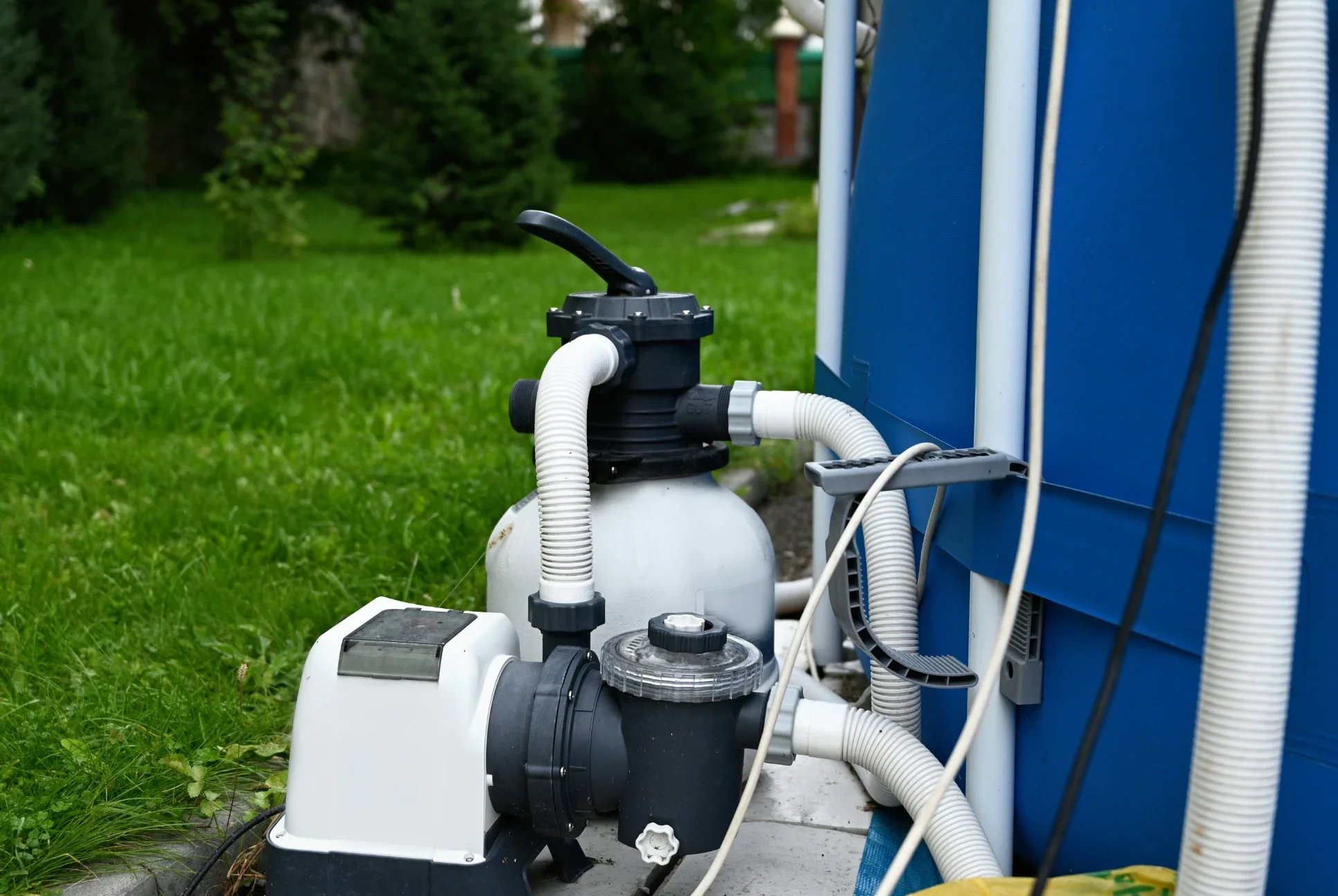
Picking the wrong water pump for your farm costs more than money. It costs you yield and time, and in dry Australian summers, it can cost you an entire crop. Yet farmers buy the wrong pump constantly-usually because they focus on price first and pressure specs last. Choosing the right water pump for agricultural irrigation starts long before you look at a product page; it starts with understanding what your land actually needs: how much water it requires, how fast, from how deep, and across what distance. Australia's diverse farming conditions-from the flat irrigation plains of the Riverina to the elevated paddocks of the Atherton Tablelands-mean there's no single pump that works everywhere. So the question isn't just "which pump is popular?" but "which pump matches my specific setup?" This article walks you through the decisions that matter most, in the order they matter.
Understanding Your Farm's Water Demands
Understanding Your Farm's Water Demands
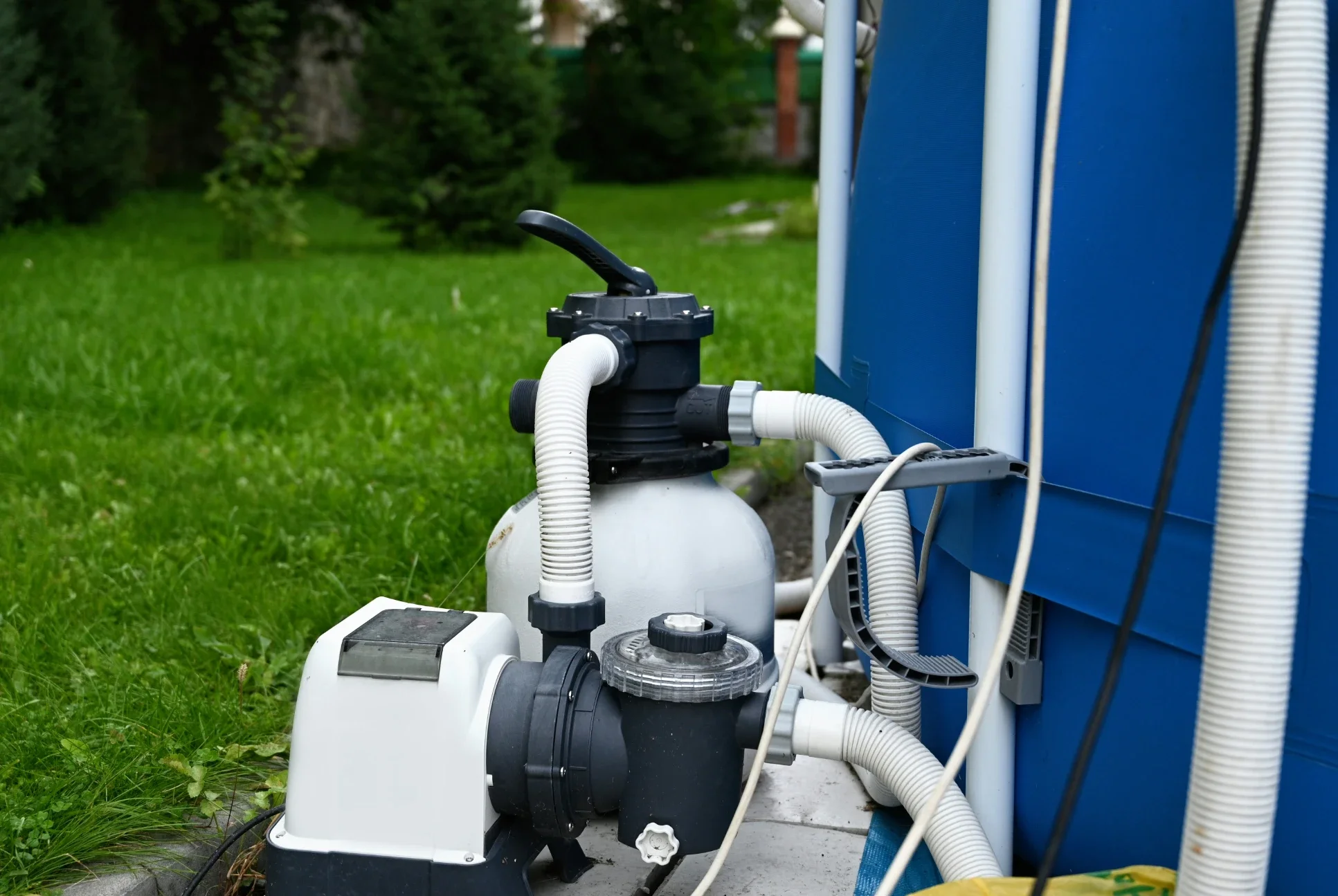
Before comparing pump specifications, start with the actual water requirements of your property. Flow rate, measured in liters per minute, shows how much water your irrigation system needs to move, while total dynamic head, or TDH, shows how much pressure the pump must overcome to deliver that water effectively. Once you know these figures, you can compare different transfer pump capacities using sources like https://www.chainsawspares.com.au/ebay-store-3/water-pumps-hoses-fittings/transfer-pumps/ or similar resources that provide information on different pump types and specifications, helping you better understand which capacity may suit your irrigation setup.
TDH includes the vertical lift from the water source, friction loss through pipes and fittings, and the pressure required by your sprinklers or drip system. If you underestimate it, the pump may have to work near its maximum capacity for long periods, increasing energy use and wear. If you overestimate it, you may end up paying for a larger pump than your farm actually needs. Measuring these requirements carefully before buying will help you choose a pump that is properly matched to the job.
Flow Rate and Head Pressure Explained
Flow rate and head pressure work against each other on a pump's performance curve. As head pressure rises - meaning the pump has to push water higher or farther - flow rate drops. Every pump ships with a performance curve graph in its documentation, and honestly, that graph is the most important piece of paper you'll read during the whole buying process. It shows you exactly where the pump operates well and where it starts to struggle. A centrifugal pump rated at 700 liters per minute at zero head might only deliver 400 liters per minute at 20 meters of head; that's the figure that matters if your header tank sits 20 meters above your water source. Match your required flow rate at your actual TDH to a point on the performance curve that sits in the middle of the working range, not at the far right edge. Running a pump near its maximum head is a fast route to overheating and blown seals.
Water Source Depth and Distance
Your water source type determines the category of pump you can even consider. Surface water from a dam, creek, or channel suits a self-priming centrifugal pump positioned near the bank, provided the suction lift doesn't exceed about 7 to 8 metres - the practical limit before cavitation becomes a serious headache. Bore water or deep well water almost always calls for a submersible pump installed down the shaft, because no surface pump can reliably pull water from depths beyond that threshold. Distance matters almost as much as depth. A long horizontal run of poly pipe from pump to paddock adds friction head - roughly 1 to 2 metres of TDH for every 100 metres of 50mm pipe at moderate flows, though that figure shifts with pipe diameter and flow velocity. Factor both the vertical and horizontal runs into your TDH calculation before settling on a model, or you'll end up with a unit that simply can't push water to the far end of your property.
Types of Water Pumps Used in Australian Agriculture
Australia's farming sector uses several distinct pump types, and each suits a different combination of water source, power supply, and application scale. The two broadest splits are pump design -centrifugal versus submersible-and power source - diesel versus electric. Smaller properties irrigating vegetable beds or orchards often run a single-phase electric centrifugal pump on mains power. Broad-acre operations drawing from remote bores or rivers lean toward three-phase electric submersibles or diesel-driven surface pumps when grid power isn't available. Choosing the right water pump for agricultural irrigation means matching both variables design and power to your farm's physical layout and its access to infrastructure. Getting one right and the other wrong still leaves you with a system that performs below what your crops actually need.
Centrifugal Pumps vs. Submersible Pumps
Centrifugal pumps are the workhorse of surface irrigation across Australia. They're relatively affordable, straightforward to service, and easy to shift between locations on the property. Self-priming models can pull water from a dam or creek with minimal setup. But the trade-off is real: they can't handle suction lifts beyond 7 to 8 metres; they need priming before first use, and they're fully exposed to weather unless you build a proper pump shed. Submersible pumps live underwater, inside the bore or submerged in the dam, pushing water up to the surface rather than pulling it. That push action makes them far more capable at depth, and they run quietly because the water itself acts as both coolant and sound buffer. The catch is that servicing one means pulling it from the shaft, which on a deep bore requires either a pump puller or a contractor. For reliable bore irrigation, a quality submersible is almost always the right call.
Diesel vs. Electric-Powered Options
Diesel pumps win on portability and independence from the grid. If you're irrigating a paddock 2 kilometers from your nearest power outlet, a diesel-driven centrifugal pump on a skid frame is genuinely practical. Modern diesel pump sets are also reasonably fuel-efficient at steady load. The real costs, though, are fuel storage, routine servicing—oil changes, injector checks, and air filters-and the noise factor if you're running the pump near livestock or residences. Electric pumps are quieter, cheaper per kiloliter of water moved, and need far less routine attention. Single-phase models suit smaller operations on mains power; three-phase electric submersibles are the standard for large-scale bore irrigation where three-phase supply is available. And solar-powered pump systems have grown considerably across Australian farms since 2020, pairing a submersible or surface pump with a photovoltaic array to cut ongoing fuel and energy costs entirely. For remote water points, it's a genuinely practical option worth sweating over.
Matching Pump Specs to Your Crops and Budget
Different crops have different water demands, and those demands directly shape the pump capacity you need. Drip irrigation for a market garden might require a modest flow rate at low pressure. 80 to 150 liters per minute at 20 to 30 meters of head is enough for many small vegetable operations. Overhead sprinklers across a pasture block or fodder crop need considerably more. A 1,000- to 1,500-liter-per-minute pump isn't unusual for a broad-acre setup running multiple sprinkler banks at once. Over-specifying wastes capital; under-specifying means the system never hits its created application rate, and your crops get less water than the agronomist calculated. So budget honestly for the full system—not just the pump. A quality pump paired with undersized poly pipe, cheap fittings, or a poorly created layout will underperform regardless of its rated capacity. Spend on a well-matched system rather than on the most expensive pump in isolation.
Conclusion
Choosing the right water pump for agricultural irrigation comes down to four things: knowing your flow rate requirements, calculating your total dynamic head accurately, matching pump type to your water source, and pairing the power source to your existing infrastructure. Australian farms vary too widely in scale, terrain, and water access for a single recommendation to cover every situation. But any farmer who works through these four questions methodically ends up with a pump that does what the farm needs, runs within its working range, and lasts the distance rather than one that looked good on a price tag and failed at the first hot summer.
Stay up to date with our latest ideas!