How to Choose a Rug That Complements Architectural Style?
Learn how to choose a rug that complements your home's architectural style, with tips on size, patterns, colors, materials, and overall visual balance.
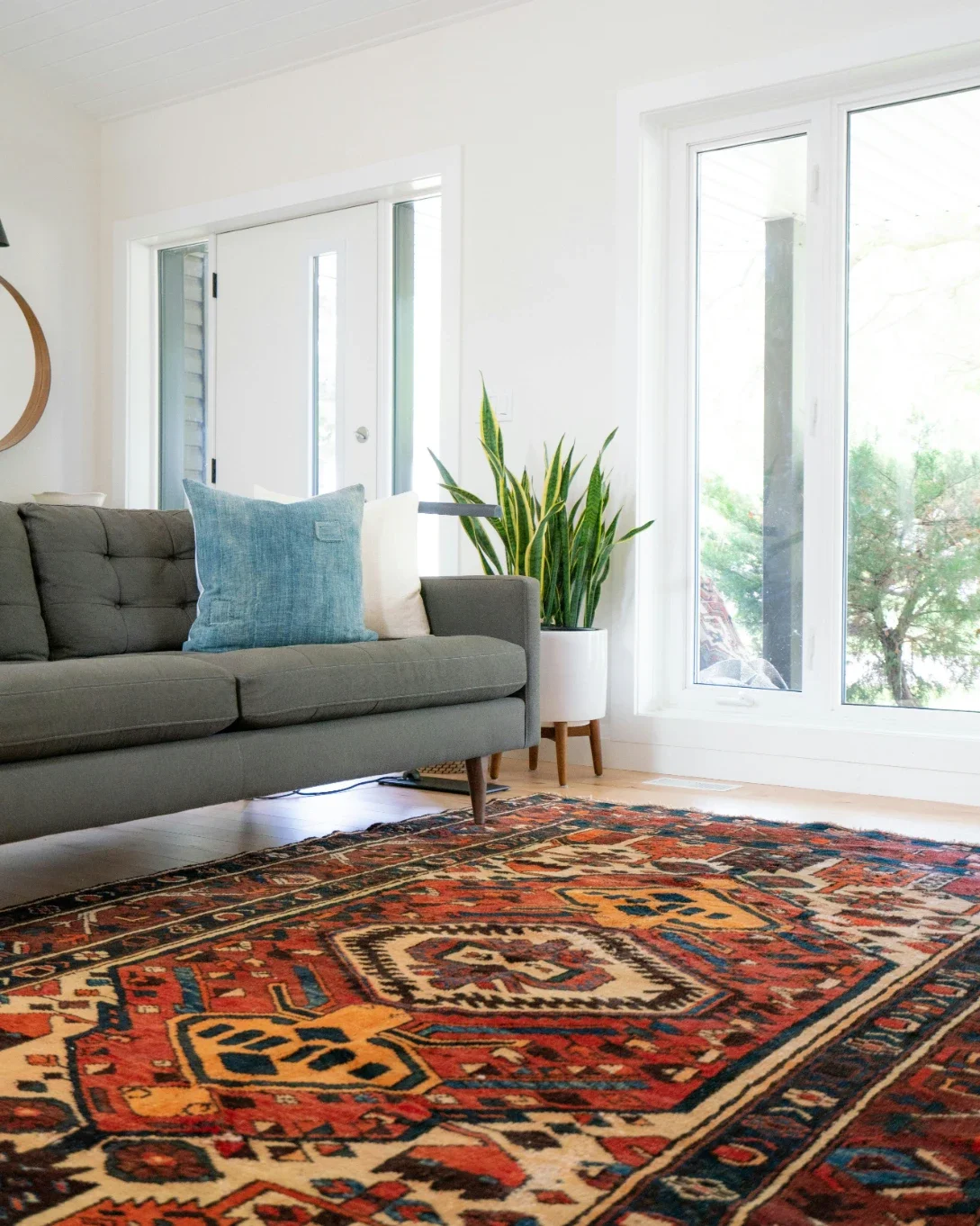
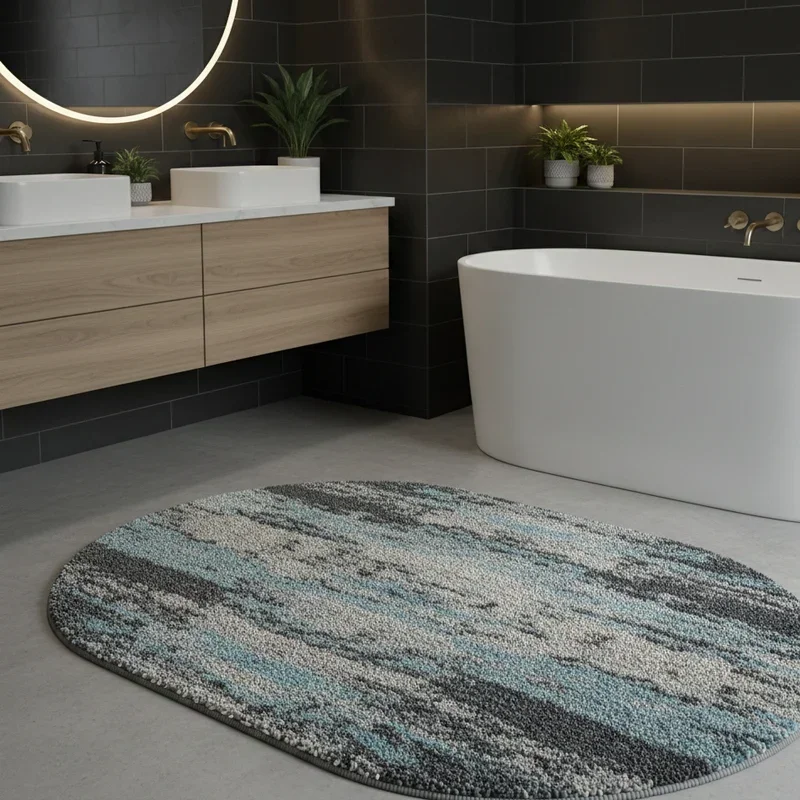
To choose the best rug that complements architectural style, you should focus on the rug’s material, design, and color. Low-pile rugs with geometric patterns and neutral colors are perfect for modern architecture.
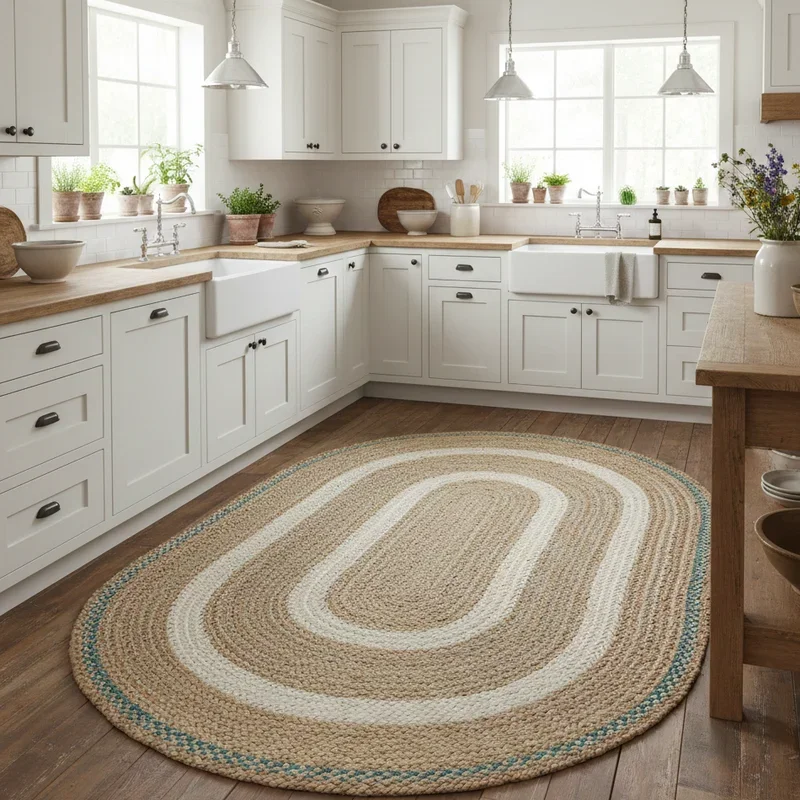
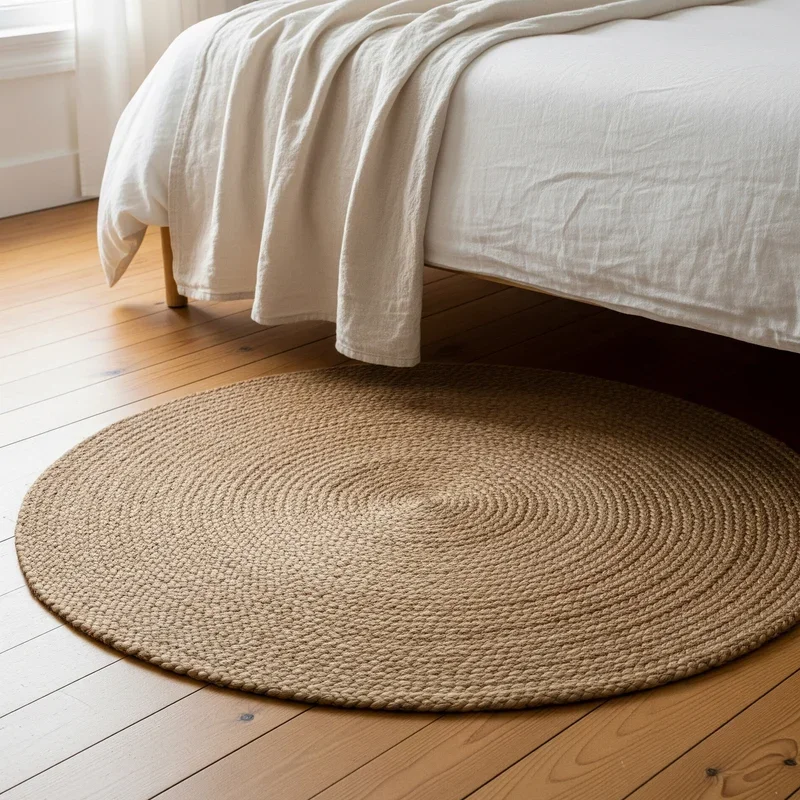
Traditional homes need handmade rugs that have medallions in vibrant colors. Farmhouse architectural style works well with natural fibers like jute or sisal in earthy tones. Coastal home styling looks best with light, faded rugs that are sandy neutrals or muted blue in color.
Quick Tips:
Choose the colors and textures according to your existing decor.
Pick simple patterns and designs for detailed rooms and use bold patterns in minimal areas.
A rug should anchor the furniture and work well with the room’s dimensions.
Modern and traditional elements should work well to add character to the home without making it look cluttered.
Why Should Architectural Style Guide Your Rug Choice?
Architectural style should direct your rug choice because the wrong rug will disconnect the room instead of making it look anchored. A home with clean modern lines with less detailing and minimal decoration looks cluttered with a well-patterned rug.
A traditional home with crown molding and arched doorways gives a basic feel with an unfinished, low-key rug. It is better to aim for balance. Before shopping, always consider the ceiling height, trim details, and window style. This gives you the clarity of what actually goes well with your room.
What Type of Rug Works Best With Different Architectural Styles?
The best type of rug depends on the architectural style, but the selection should complement the current decor rather than matching it.
Modern: Clean, abstract, geometric, and soft-textured rugs with simple architectural lines work well.
Mid-Century modern: Go for warm colors, natural shapes, geometric patterns, and antique designs with natural materials.
Traditional: Persian and Oriental rugs with floral patterns and medallion designs can look best with moldings, paneling, and woodwork and old classic furniture.
Transitional: Simple traditional patterns and soft colors can tie classic architectural detailing with modern furniture.
Farmhouse: Look for natural, relaxed, vintage, and textured rugs that work well with wood floors and casual furniture.
Rustic: Earthy colors, tribal patterns, and worn materials and textured rugs can work well with stone, wood, and other natural materials.
How Do You Choose the Right Rug Size for Architectural Style?
The size of the rug should depend on the size of the room and the seating arrangement. This is because a well-sized rug ties a room together, whereas a wrong-sized rug can make a room look cramped and small.
Before choosing a rug size:
It is important to take measurements of the room and the furniture instead of depending only on the open-plan space.
The rug should visually balance the main furniture of the room.
Leave the floor visible so the room does not look compact.
Moreover, in open-plan homes, you should use rugs to define the living, dining, or seating area without adding walls.
Check the space around the doorways and walkways before placing the rug.
How Should Rug Color and Pattern Relate to Architecture?
A rug should complement the architecture instead of perfectly matching it. You can take ideas from the existing colors, materials, and decorative details, then select a rug that gives the appropriate amount of balance.
Let’s discuss more in detail:
Pull colors from the room: Take color ideas from flooring, walls, furniture, wood, stone, or any other architectural decor.
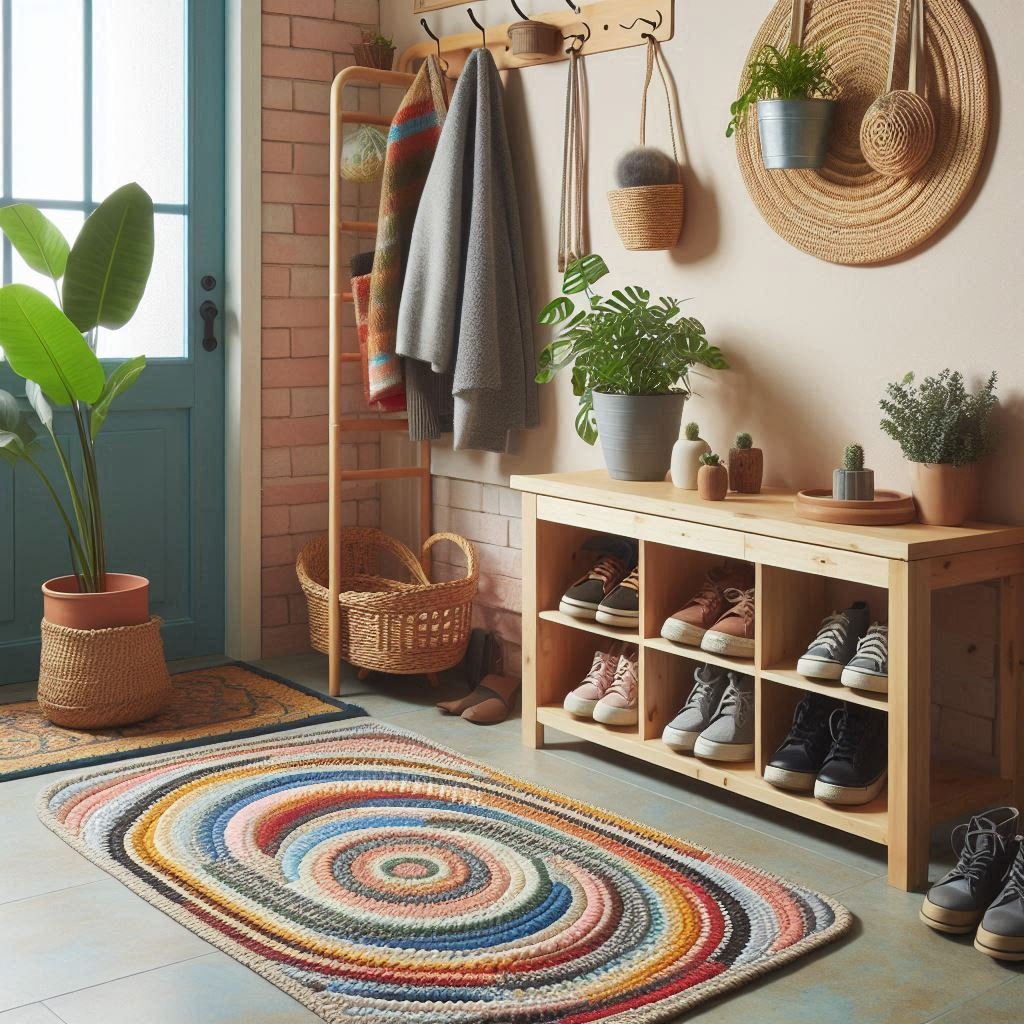
Balance pattern with detail: Lighter patterns work well in rooms with heavy detailing, and bolder patterns go well in rooms with less detailing.
Use contrast: A traditional rug can create contrast with modern architecture, and a modern rug can contrast with traditional architecture.
Consider pattern scale: Large architectural areas are appropriate for bolder patterns, while small architecture works well with simple designs.
Avoid overmatching: Matching every color or shape constantly will make the home look more planned than actually being layered.
What Are the Common Mistakes When Choosing a Rug for Architectural Style?
The common mistakes people usually make when selecting a rug for architectural style are:
Choosing a rug size that is too small for the seating area. Matching the rug exactly with the furniture or flooring.
Using an intricate pattern in a detailed room. Ignoring the colors and decor of the architectural style.
Buying a rug depending on its appearance rather than focusing on foot traffic and care needs.
Letting the rug match a centerpiece like a fireplace or statement wall.
Conclusion
Picking out a rug that matches an architectural style is usually about harmony instead of proper matching. Before deciding, focus on the architectural lines, colours, materials, size, furniture, and the rug's purpose.
You can visit Magic Rugs for handmade Persian rugs, Oriental rugs, vintage rugs, and many more rug categories that can make your interiors warmer and more welcoming.
FAQs
Can a modern rug work in a traditional home?
Modern rugs can work in a traditional home when placed in a room with some competing details, like bedrooms instead of living rooms or dining rooms.
What rug pattern suits open-concept homes?
Open-concept homes are perfect for simple geometric or solid-toned rugs because open-plan spaces already have a lot of visual interest. ]
Does ceiling height affect rug pile choice?
Yes, ceiling height affects the choice of rug pile. A higher ceiling works well with a plusher, higher-pile rug, while a lower ceiling looks good with a flatweave or low-pile rug.
Should rug color match trim or walls?
The rug’s color should match the trim or walls. Pick one or two accent colors from your decor or trim, rather than matching with the wall color directly.
What’s the best rug for a mid-century modern home?
The best rugs for mid-century modern homes are bold but simple, geometric-patterned, with colors like mustard, teal, or burnt orange, with a low pile.
Stay up to date with our latest ideas!