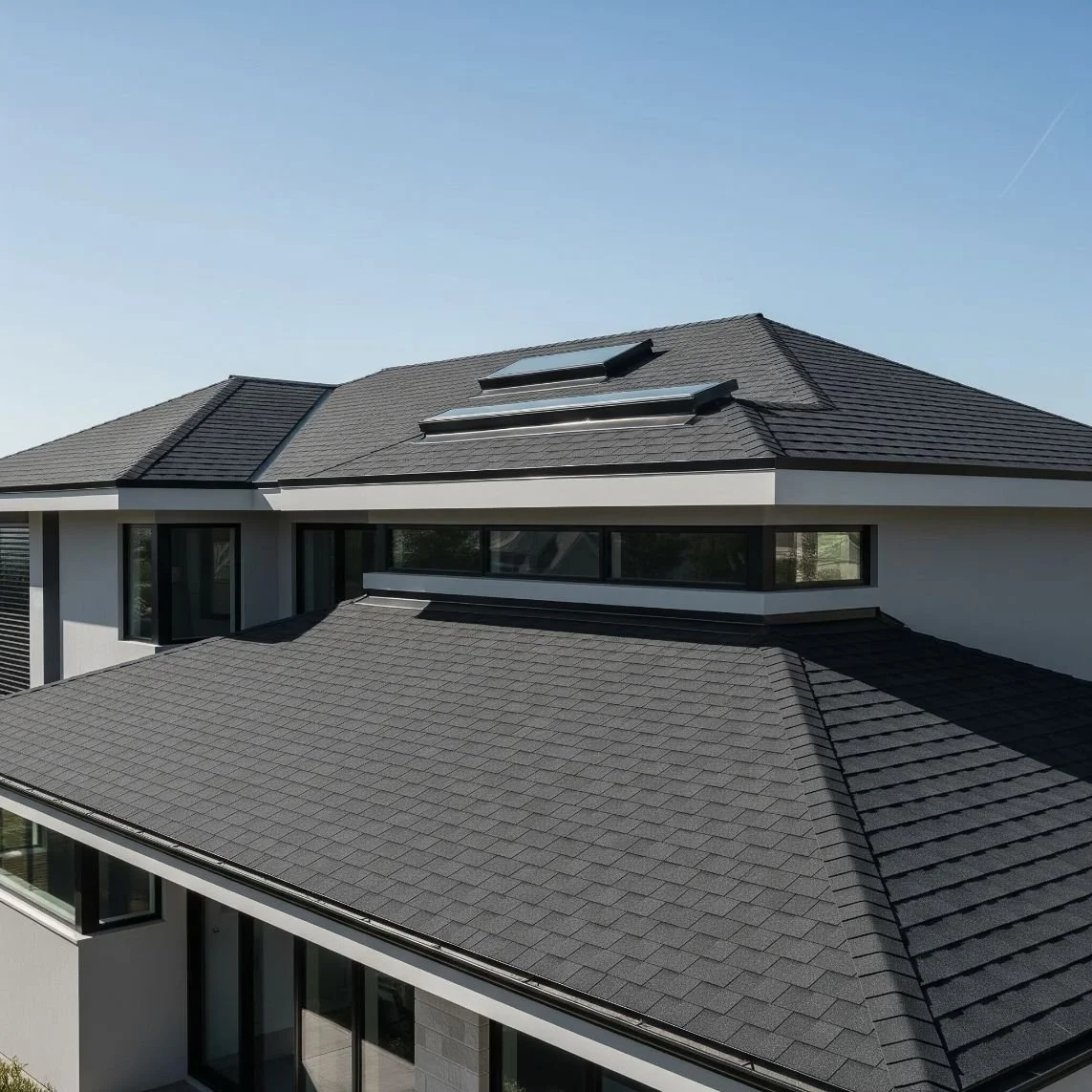
How Roof Materials Affect Durability and Maintenance
Learn how roof materials affect durability and maintenance, with insights into lifespan, weather resistance, repairs, cleaning needs, and long-term costs.
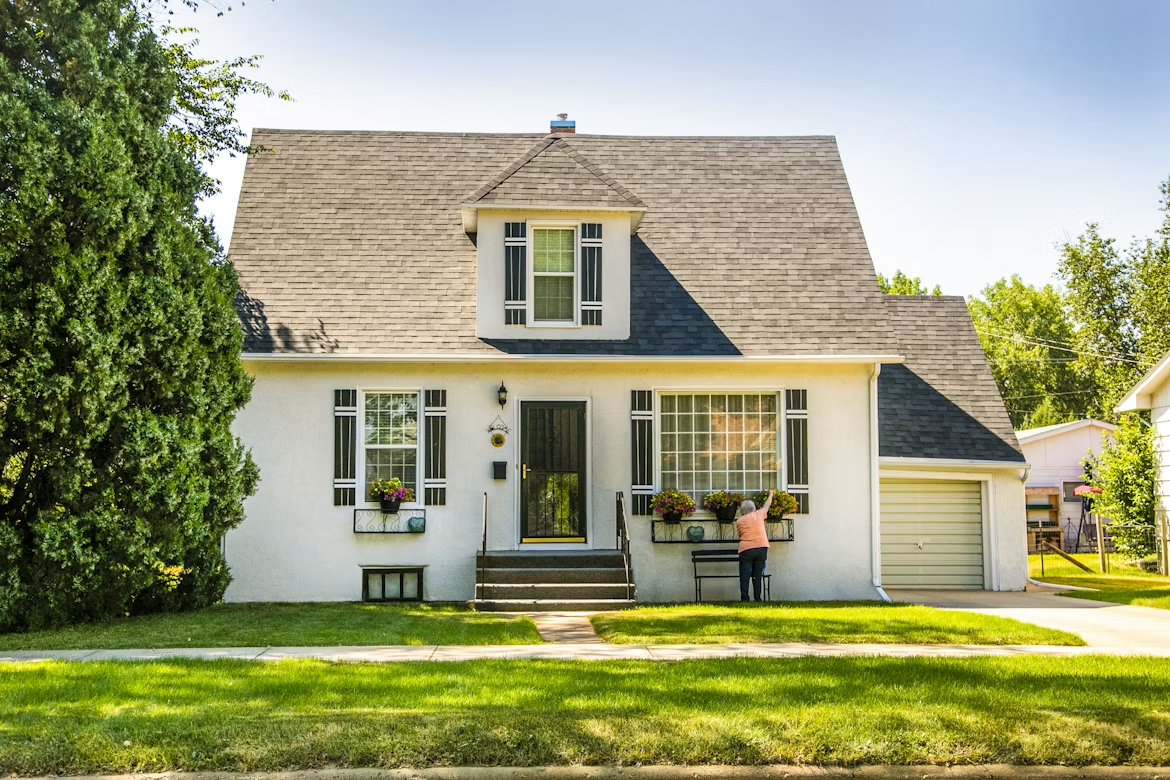
Selecting a suitable covering for a home protects the entire building from weather elements. Homeowners often weigh initial expenses against long-term performance when choosing a roof.
Different materials offer distinct advantages in strength, appearance, and upkeep demands. Understanding these differences helps property owners protect their investments effectively.
Comparing Traditional Asphalt Shingles and Natural Wood
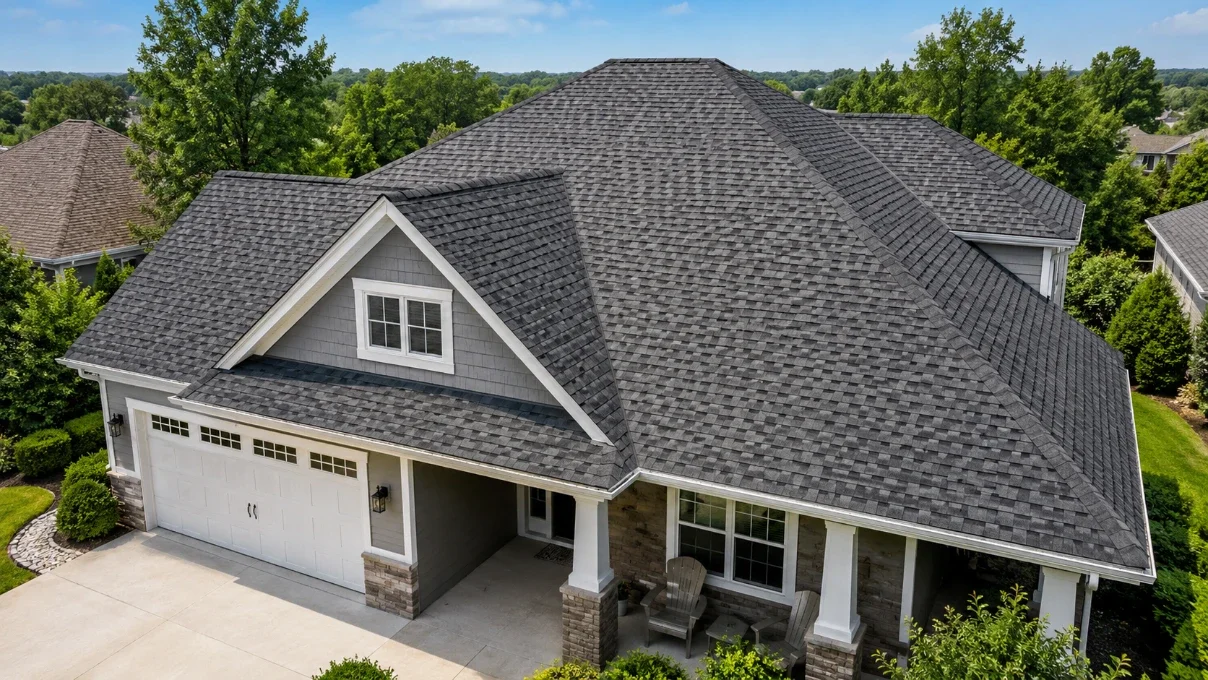
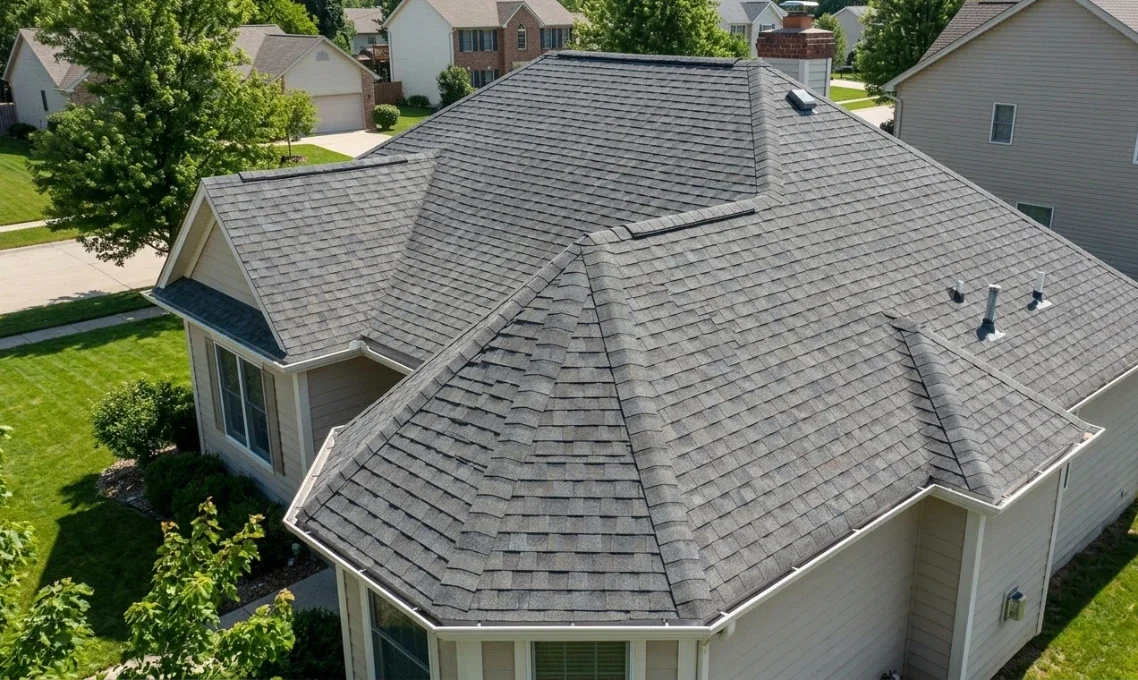
Asphalt shingles remain common due to their affordable upfront cost and simple installation. They offer decent resistance against typical rainstorms and moderate winds, making them a popular default option for residential neighborhoods.
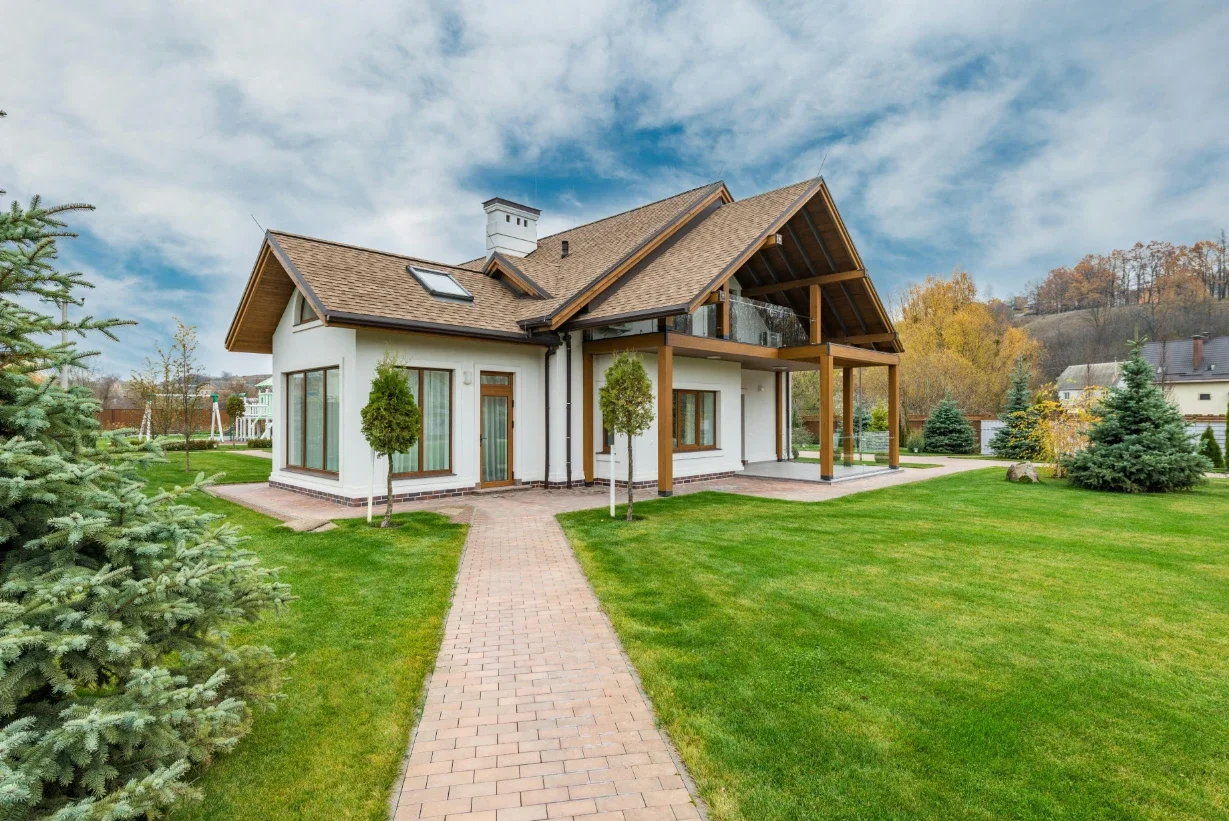
Natural wood options deliver a timeless aesthetic that synthetic materials struggle to match. Consulting with qualified cedar roofing specialists allows homeowners to discover premium options designed for maximum weather resistance. Regular inspections prevent moss buildup and protect timber from rot.
Wood shakes require consistent clearing of organic debris to avoid trapping damp air and surface moisture. Standard asphalt shingles demand less day-to-day work but usually require complete replacement sooner.
Evaluating Metal Systems for High Weather Resistance
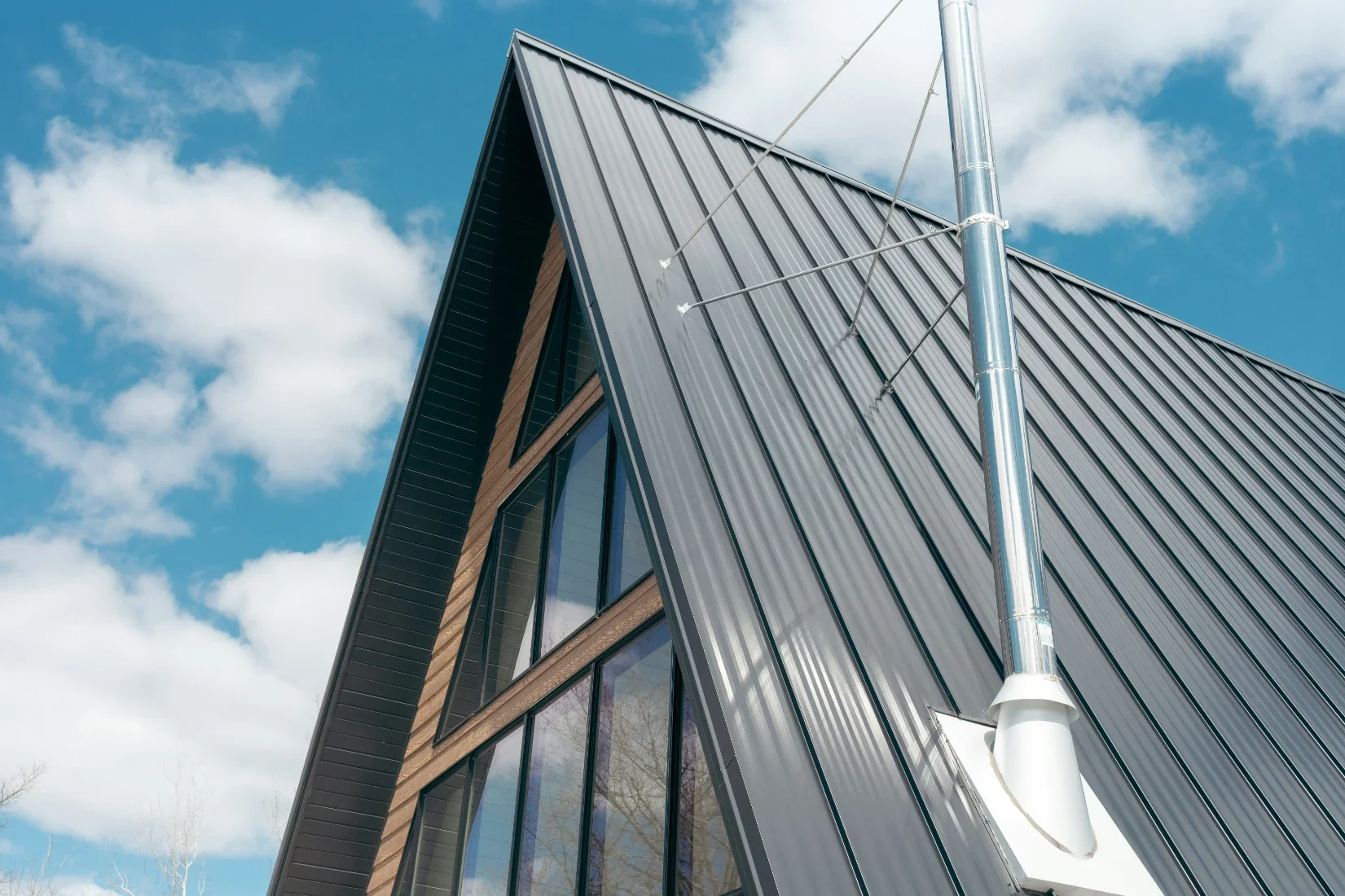
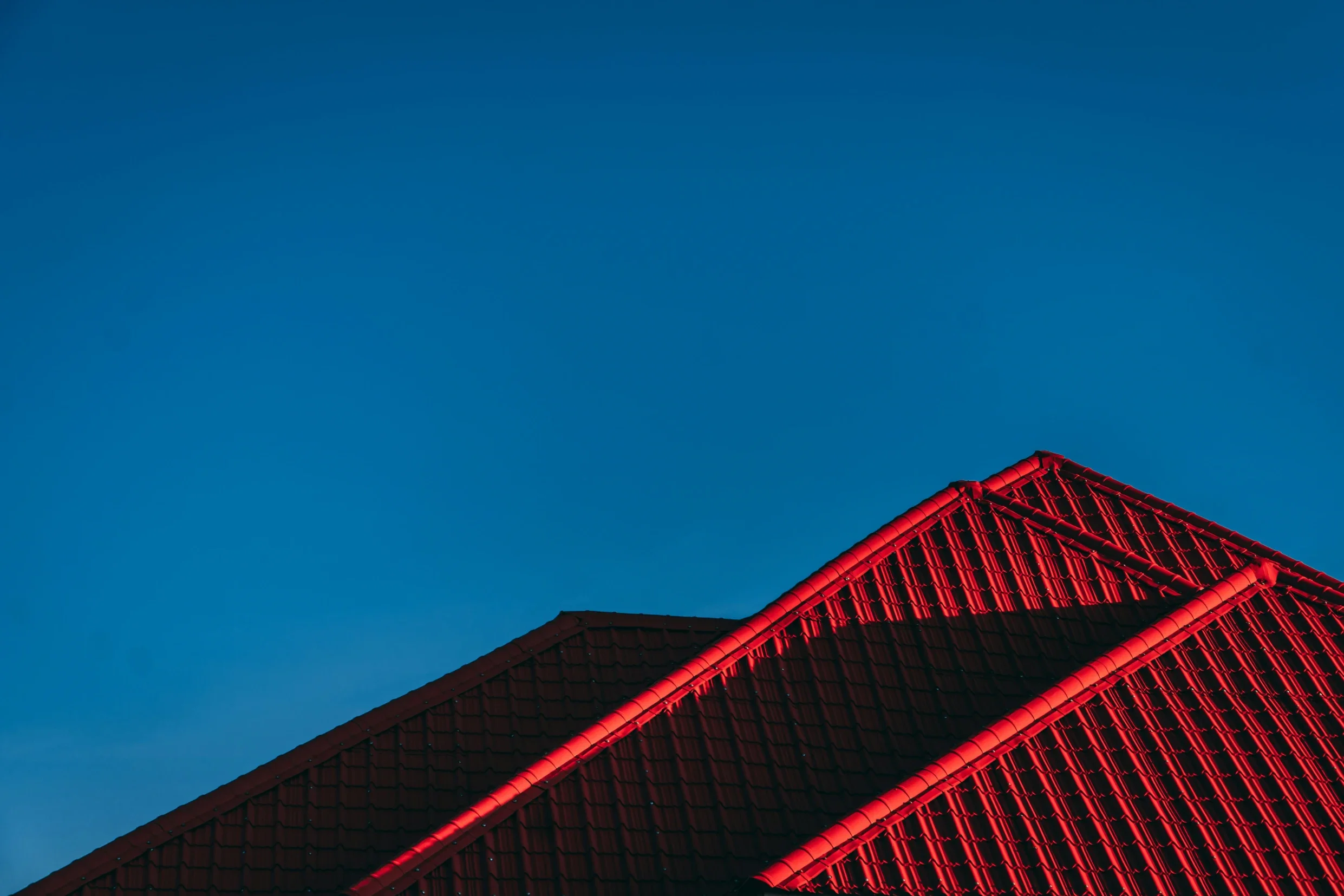
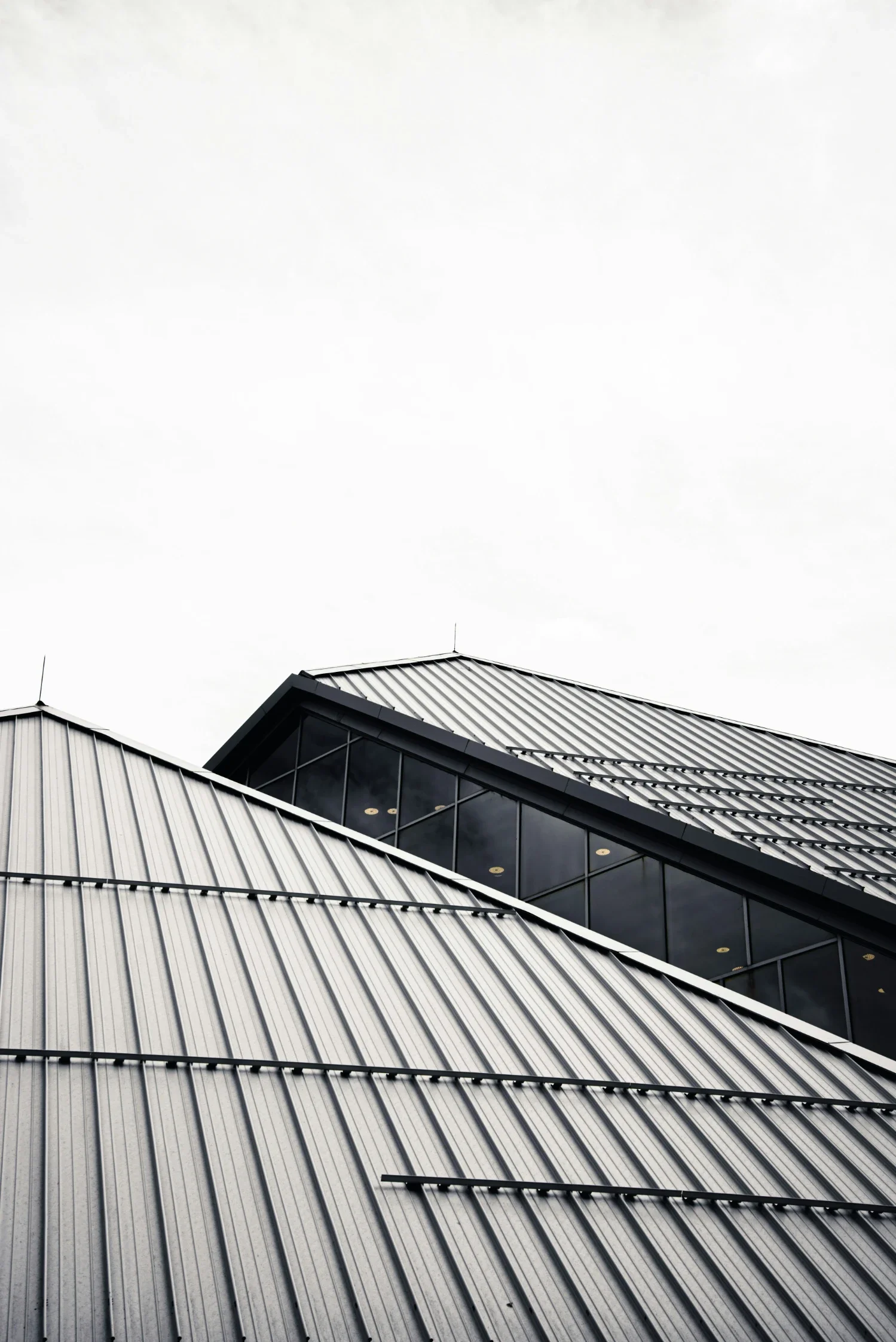
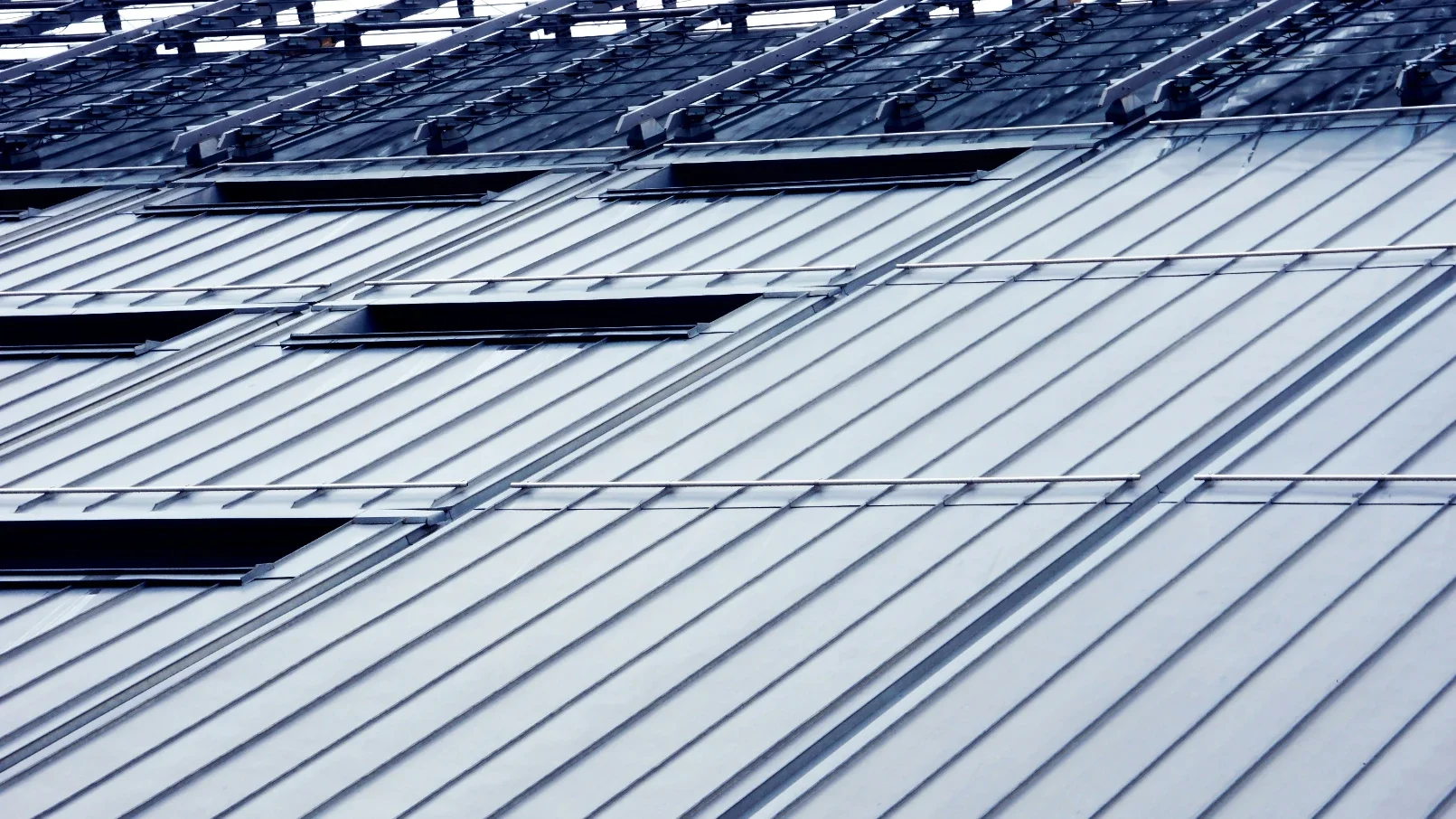
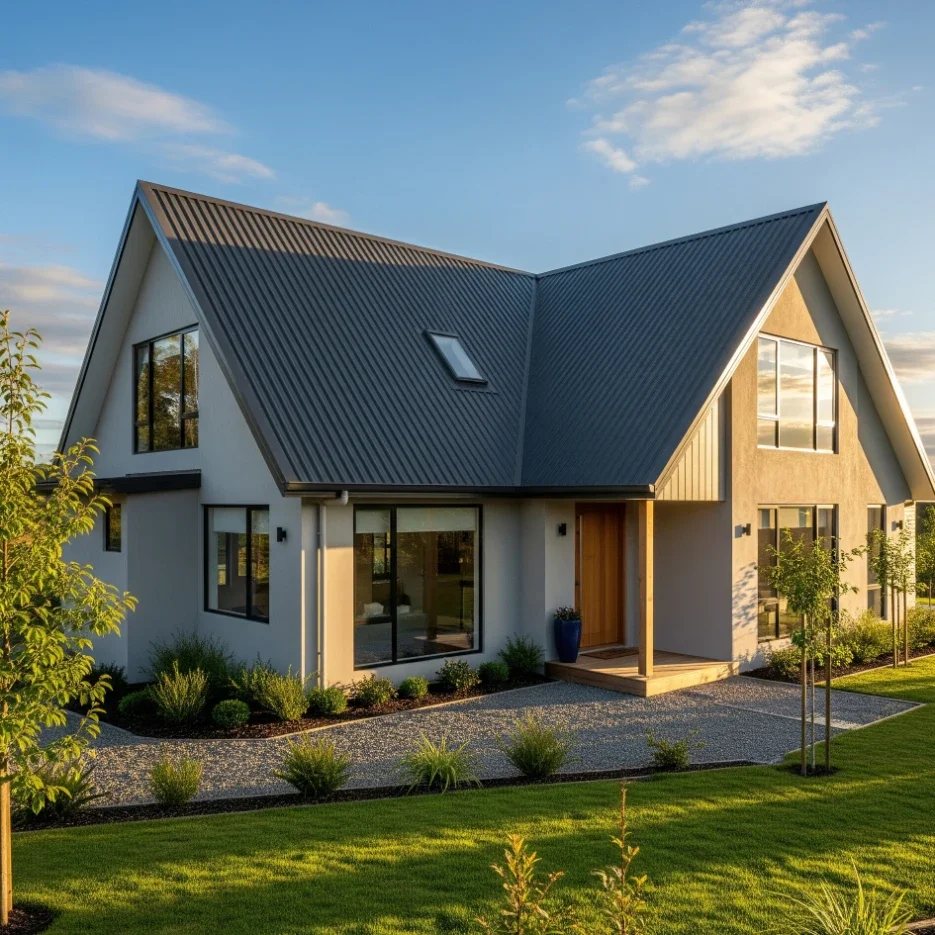
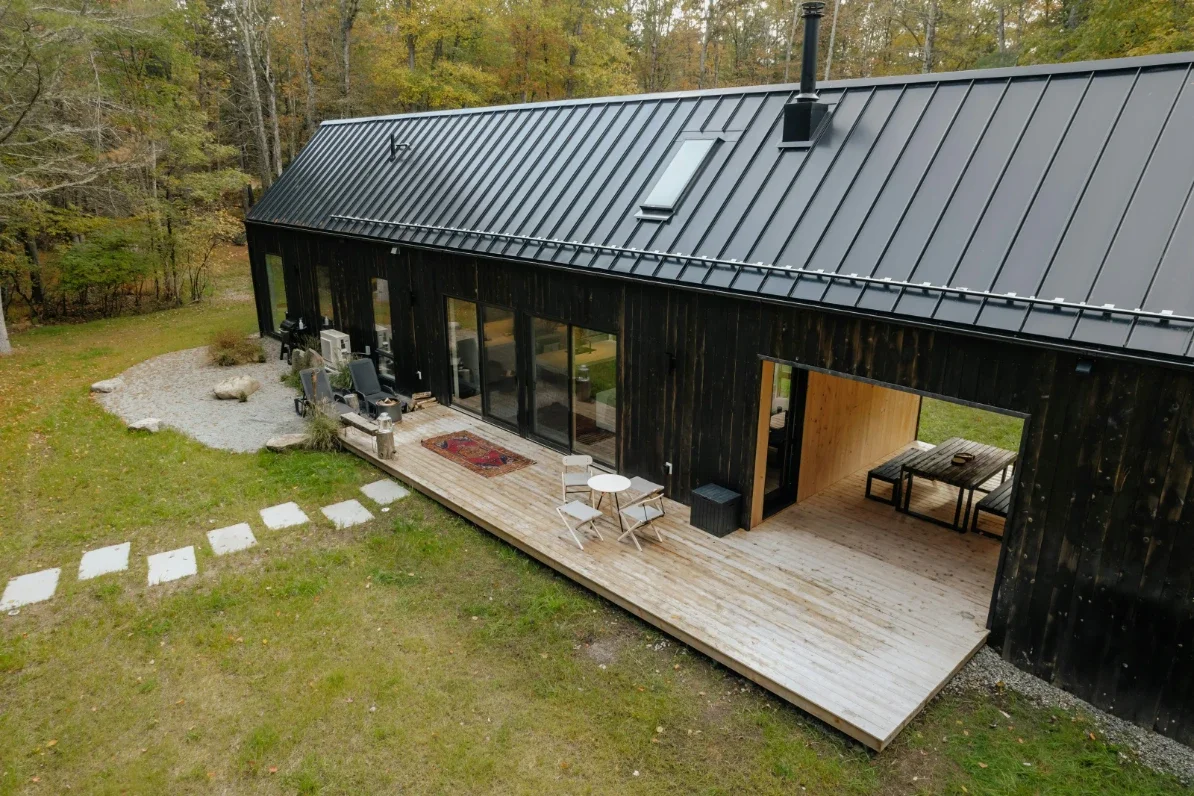
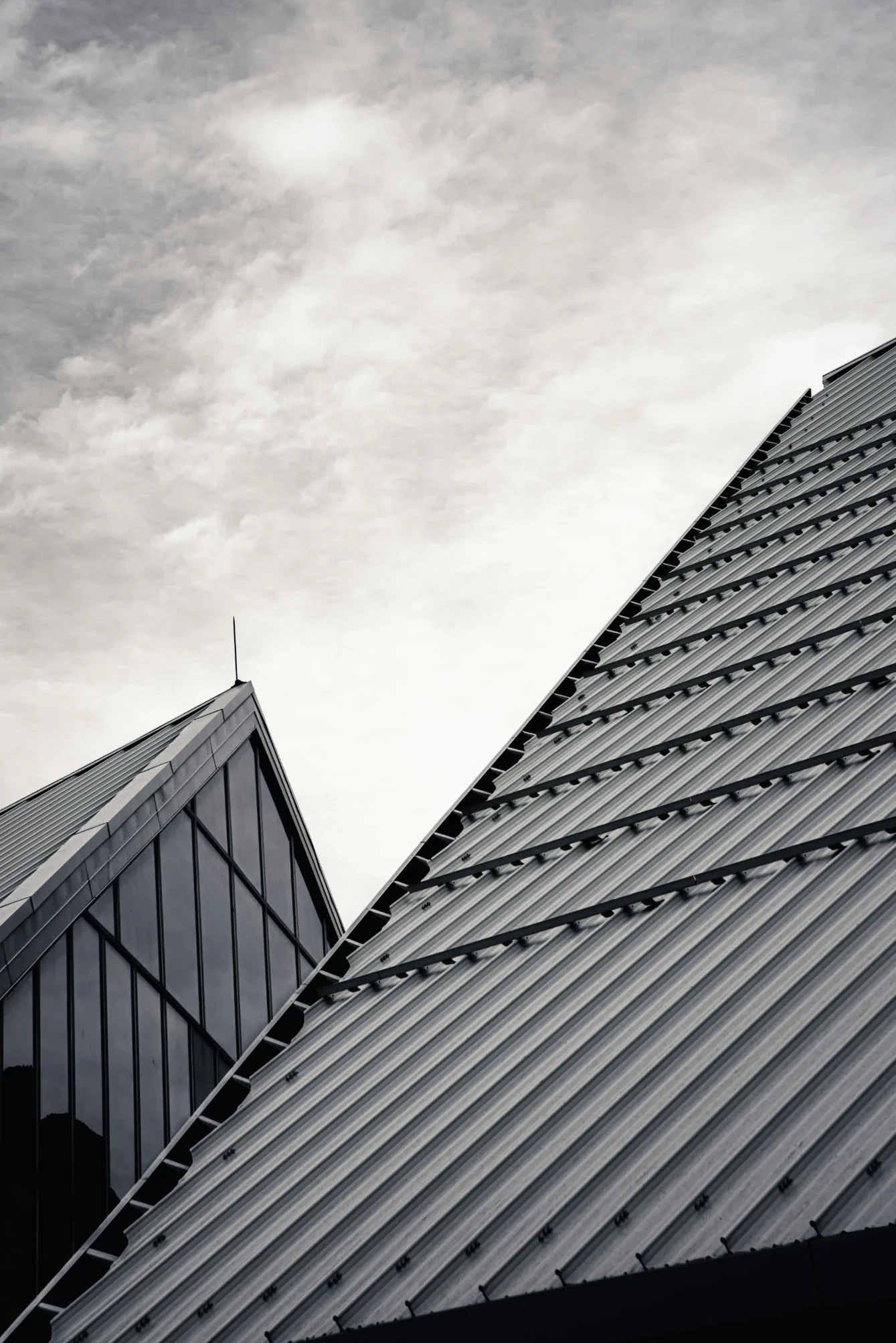
Metal panels provide exceptional strength against severe storm conditions, including heavy snowfall and high winds. These surfaces shed ice quickly during winter months, reducing structural stress on rafters.
Fasteners and sealant joints require periodic checks to verify that watertight seams remain intact. Thermal expansion causes metal sheets to expand and contract, which can loosen structural screws across many seasons.
Repainting steel panels every decade keeps rust from compromising the outer protective barrier. Aluminum panels naturally resist corrosion, making them ideal for coastal environments with salty air.
Understanding Water Shedding and Roof Slope Dynamics
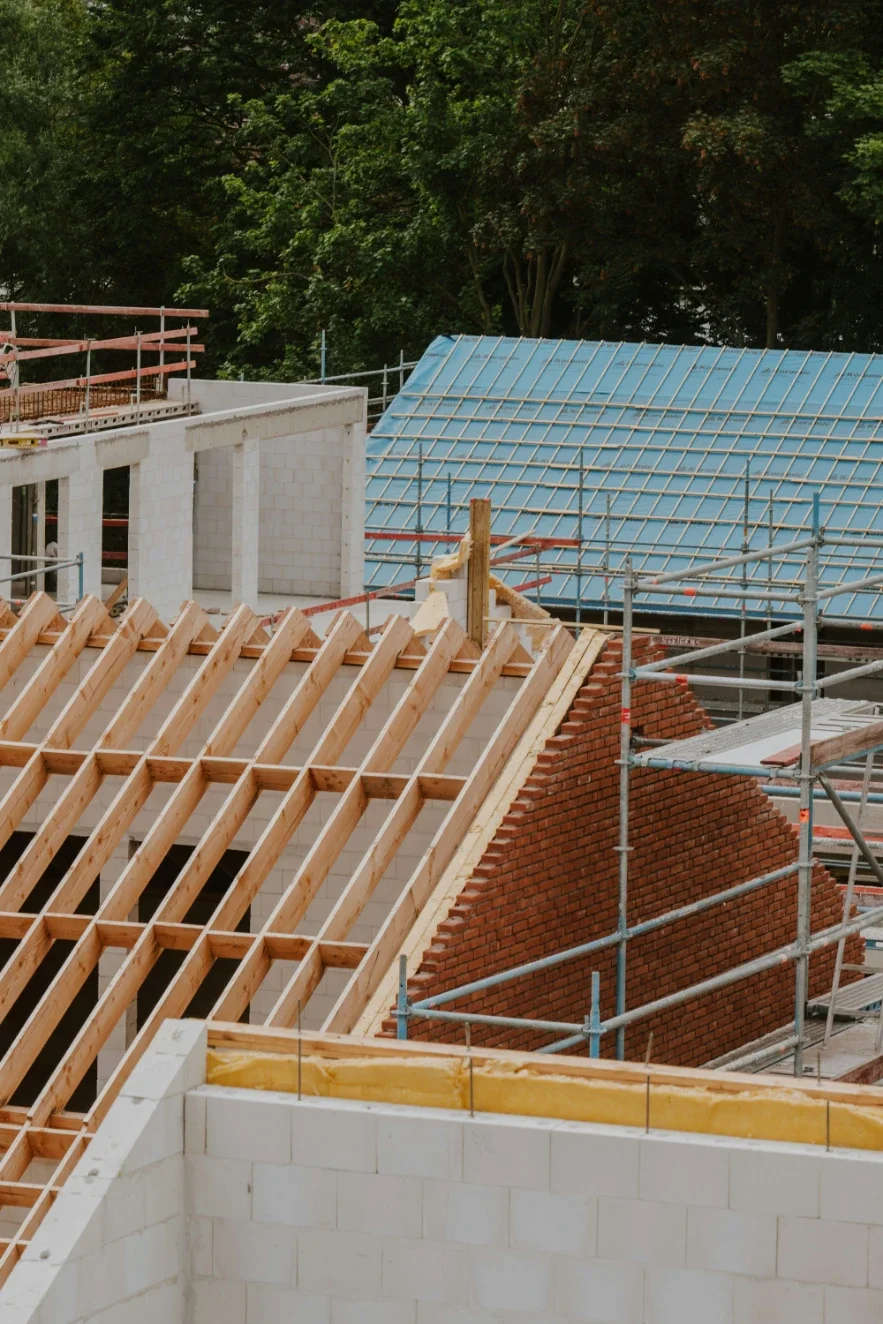
Roof pitch plays a direct role in how efficiently water drains off a building during heavy rain. Steeper angles allow gravity to pull runoff away rapidly, reducing the risk of pooling water on shingles.
A government housing guide recommends assessing roof pitch alongside material properties when picking outer coverings to guarantee proper water shedding and moisture protection. Flat or low-slope structures demand specialized membrane coverings rather than overlapping shakes.
Proper drainage design prevents water from seeping beneath outer layers and damaging internal roof decking. Regular gutter clearing keeps drainage channels open during heavy downpours.
Examining Clay and Concrete Tile Upkeep
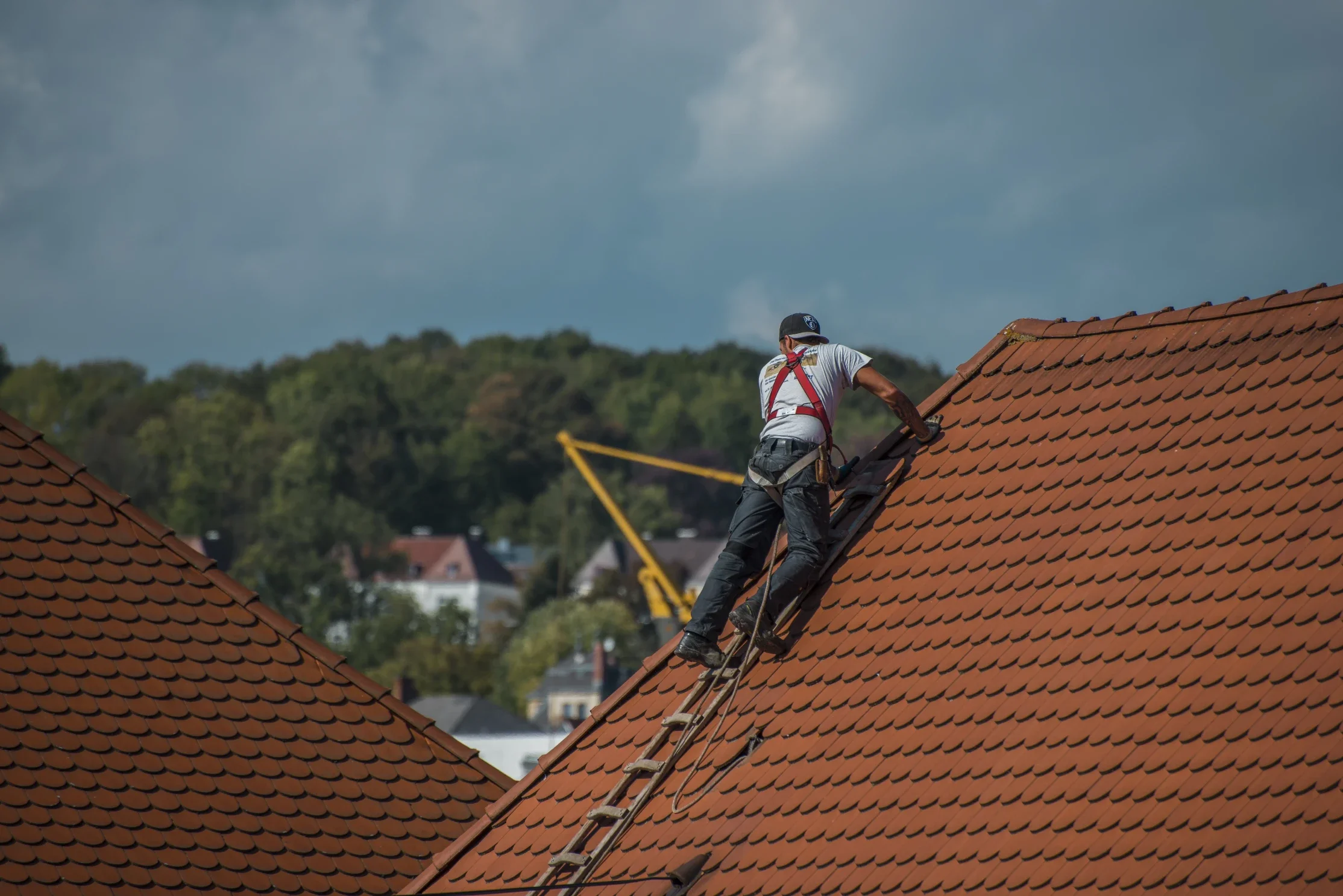
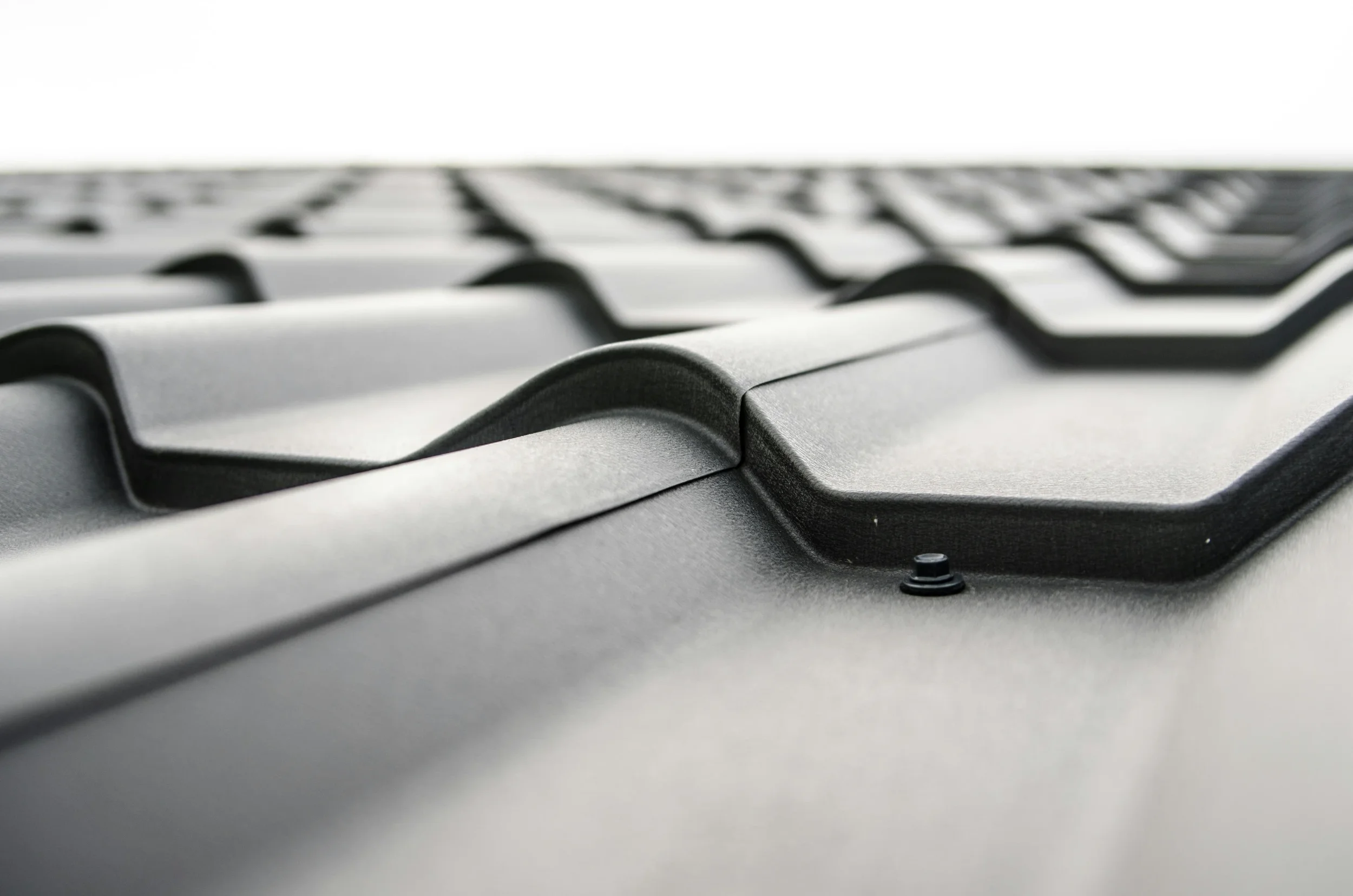
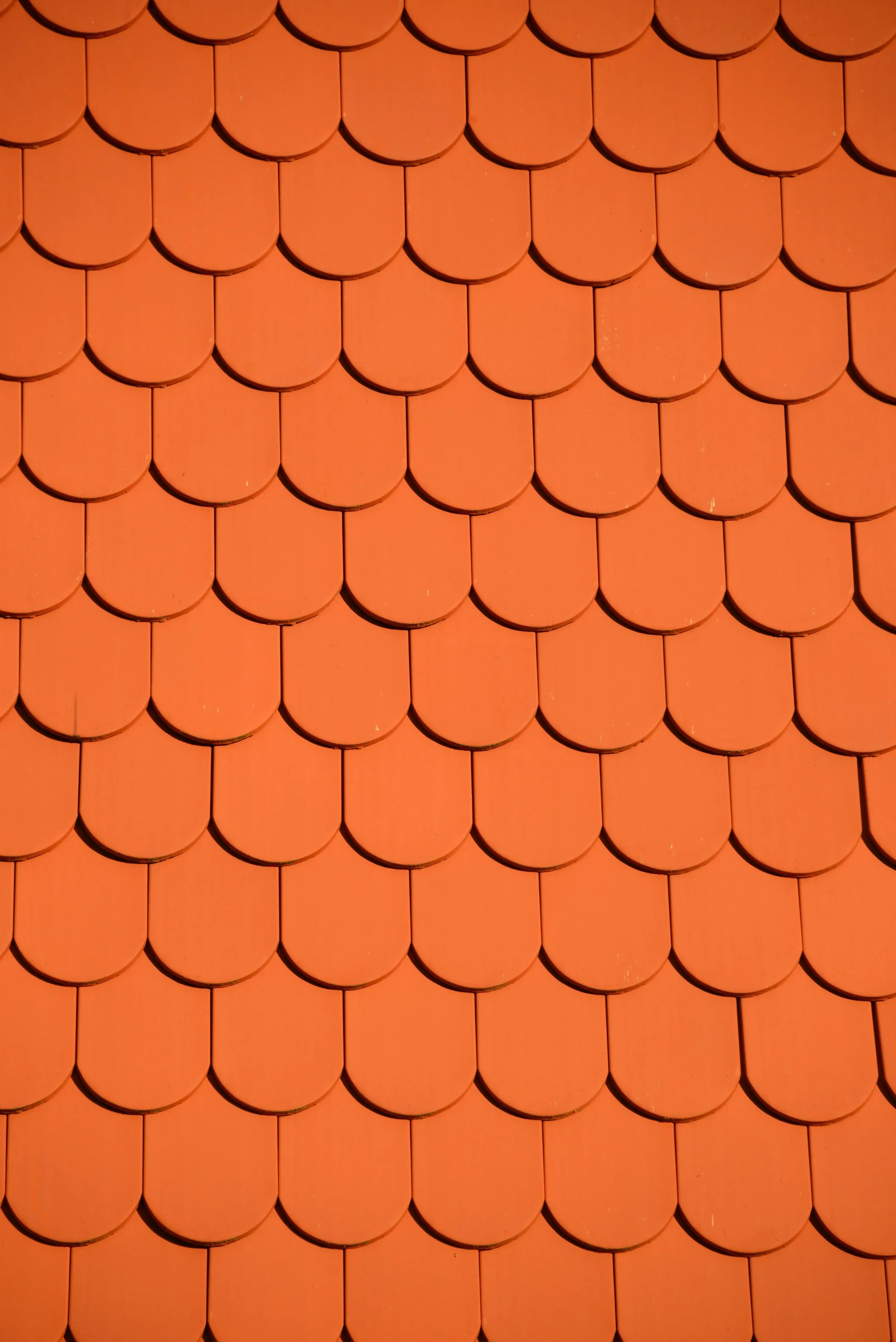
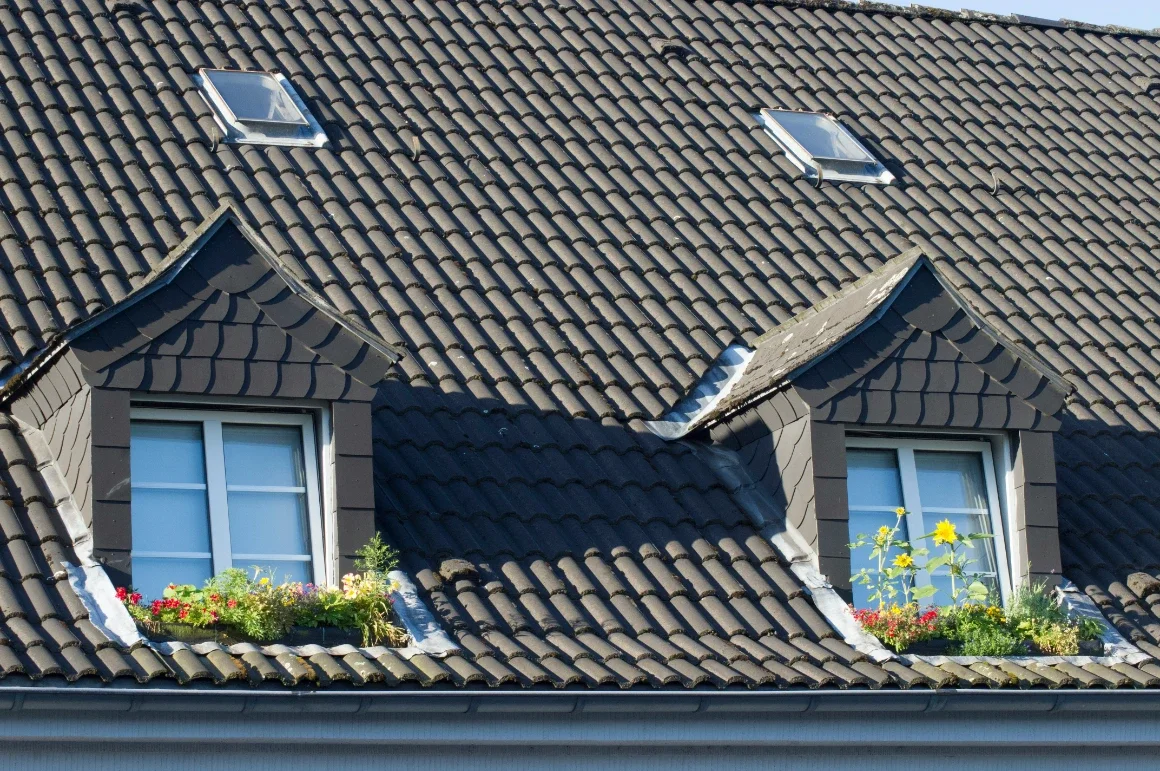
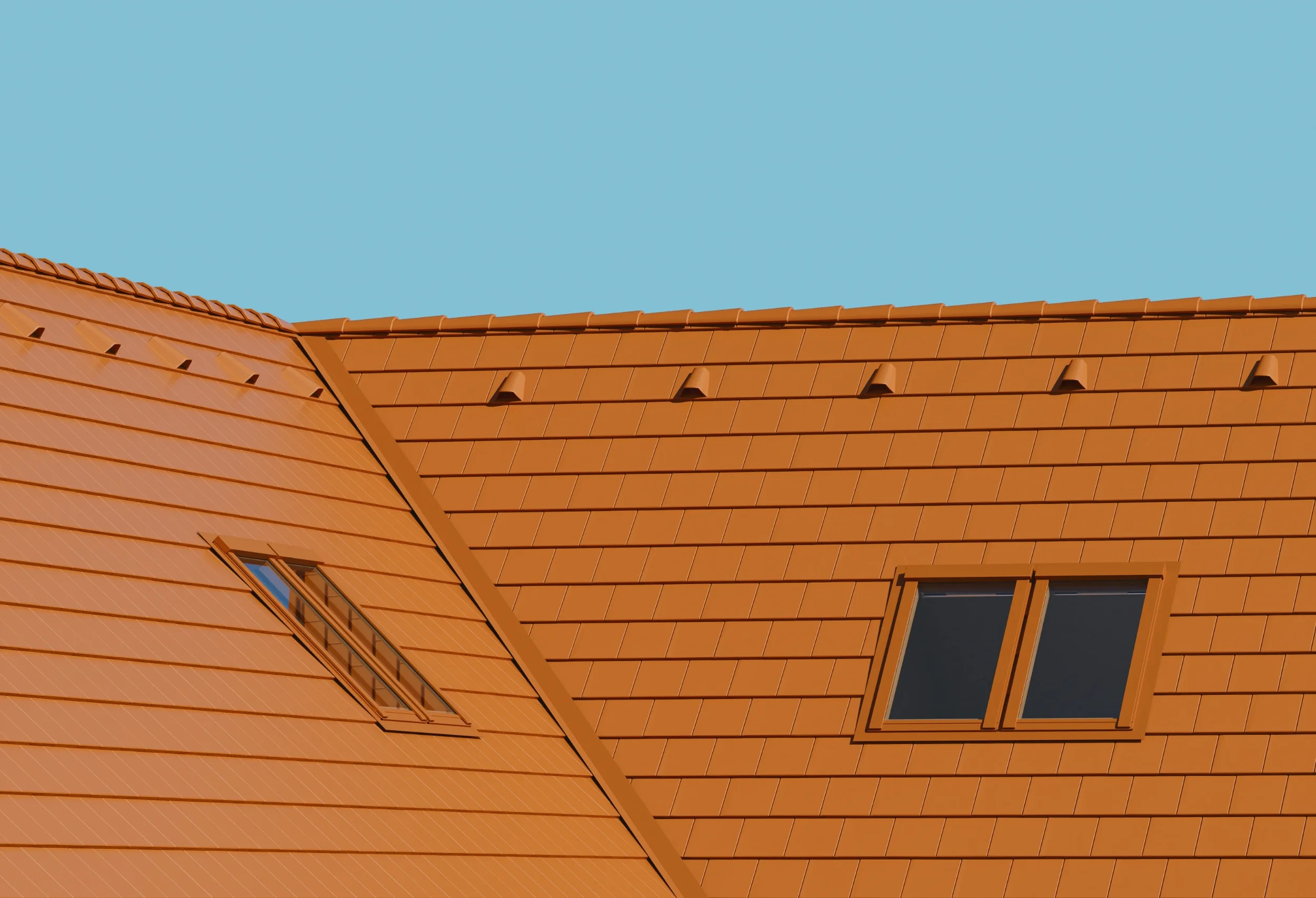
Clay and concrete tiles deliver incredible strength against intense heat and fire hazards. These heavy options can last upwards of 50 years without losing structural integrity.
Heavy tiles demand strong underlying frame support and specific maintenance routines:
Replacing broken individual tiles after severe hail impacts
Inspecting sub-layer waterproofing membranes every decade
Removing moss accumulation from overlapping joints
Walking on tile roofs during routine cleaning can easily crack the fragile surfaces. Hiring trained professionals prevents costly accidental damage during routine home maintenance.
Applying Protective Coatings to Extend Surface Life
Protective sealants add a defensive layer against ultraviolet rays and water penetration. Applying high-grade sealers extends the functional life of both wood and concrete surfaces.
Tests published in a scientific research paper confirmed that the underlying structure of a protective coating is critical to product durability and long-term reliability. Chemical composition determines how well the layer adheres to the underlying substrate under heat exposure.
Reapplying topcoats every few years prevents physical wear from exposing bare roofing material to rain. Selecting compatible sealants guarantees that the protective shield does not peel away unexpectedly.
Managing Slate Roofs for Century-Long Performance
Slate offers unmatched longevity among natural building materials, often lasting well over a century when installed correctly. Its dense stone composition resists fire, rot, and pest infestations effortlessly.
High initial costs and heavy weight represent the primary drawbacks of natural slate installations. Rafters must undergo structural reinforcement to handle the immense load before installation begins.
Maintenance involves replacing occasionally cracked slates and checking copper flashing along valley seams. Skilled slate contractors possess the specialized tools required to complete repairs safely.
Impact of Local Climate on Material Selection
Freezing winter cycles cause trapped moisture to expand, cracking porous materials like concrete or unsealed wood. Homeowners in cold regions benefit from snow-shedding metal panels or heavy-duty shingles.
Sunny southern climates require materials that resist UV degradation and reflect solar heat effectively. Lighter tiles and reflective metal surfaces reduce heat transfer into attic spaces, lowering cooling demands.
Coastal properties face constant salt spray and high wind speeds that test roof durability daily. Choosing corrosion-resistant hardware and hurricane-rated coverings protects homes against coastal storm threats.
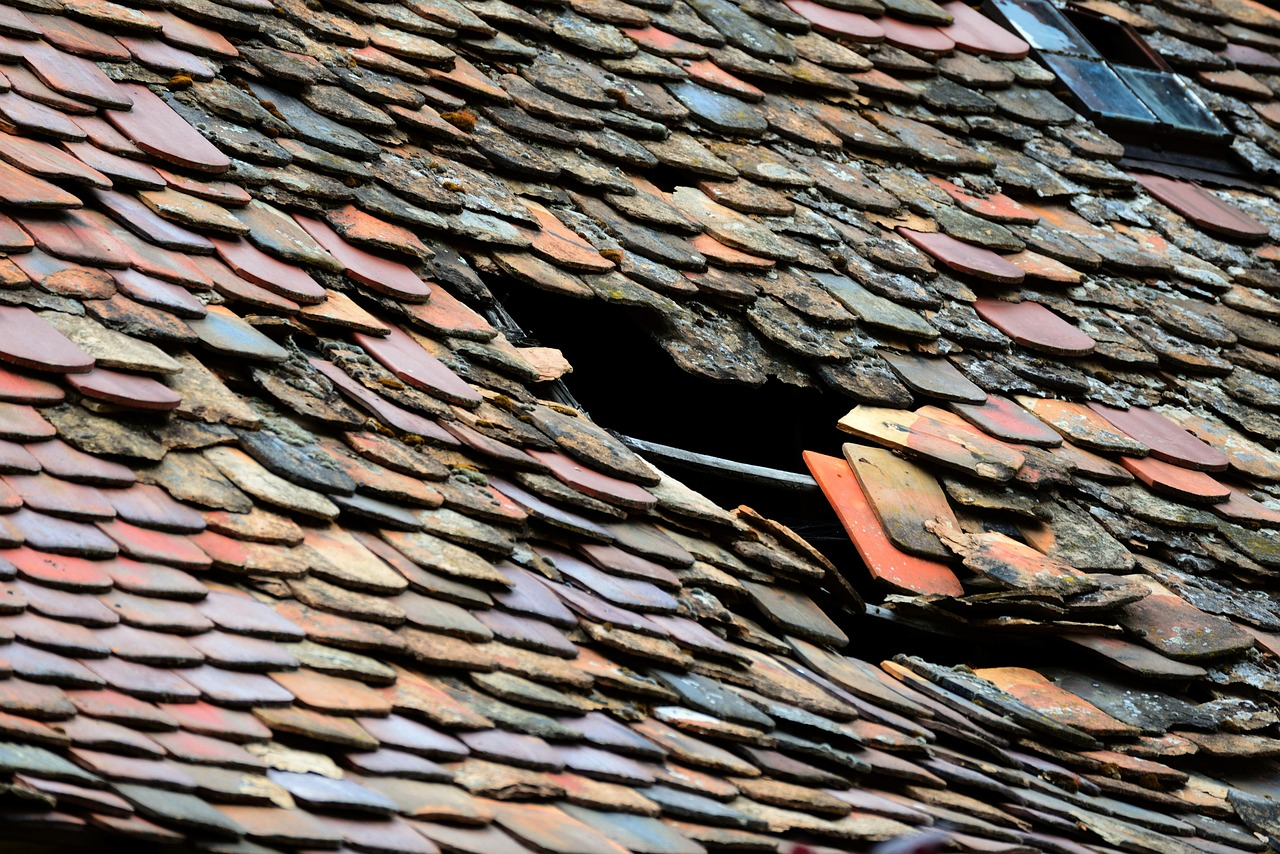
Choosing the right roof material involves balancing upfront construction costs against ongoing repair requirements. Each material option brings specific advantages depending on local weather conditions and architectural design.
Routine inspections and proactive upkeep keep protective layers intact across decades of service. Investing in suitable materials and expert care secures a home against harsh environmental elements.
Stay up to date with our latest ideas!