Stop Concrete Cracks in Garden Walkways with GFRP rebar
Learn how GFRP rebar helps prevent concrete cracks in garden walkways by improving strength, durability, and resistance to moisture and corrosion.
Keeping a home’s exterior looking sharp is a constant battle, especially when it comes to the landscaping. Few things are more frustrating than seeing a beautifully designed garden path ruined by ugly cracks and crumbling edges. While most people blame "ground settling," the real issue is often hidden inside the concrete. Traditional steel reinforcement eventually rusts when exposed to rain and soil moisture, leading to structural failure. To fix this, smart builders are moving toward GFRP rebar. This non-corrosive, high-strength composite ensures that your outdoor paving stays smooth and solid for decades, rather than just a few seasons.
The Real Reason Garden Paths Fall Apart
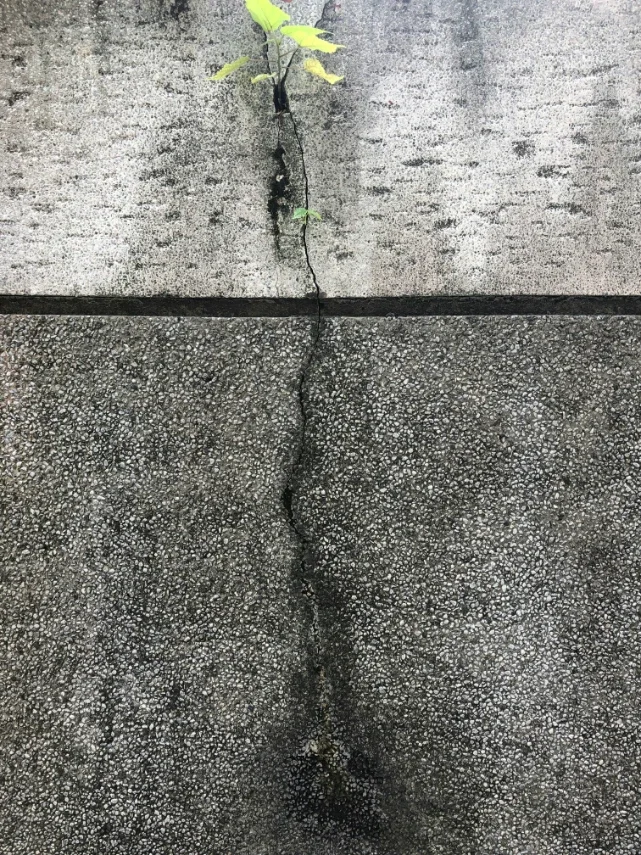
Most homeowners see a crack and assume it’s just old age. In reality, it is usually a process known as "concrete cancer." When you use standard carbon steel in a garden walkway, it is constantly attacked by water from rain and irrigation. As that steel rusts, it expands significantly, creating massive internal pressure that literally blows the concrete apart from the inside out. By switching to glass fiber reinforcement, you remove the possibility of rust entirely. Without rust, you don't get the expansion that leads to those jagged surface cracks.
Dealing with Constant Moisture and Rain
Outdoor walkways are essentially "slabs on grade," meaning they sit directly on the damp earth. In tropical climates, these slabs absorb a huge amount of moisture from both the soil below and the heavy rains above. Steel-reinforced concrete usually requires a very thick layer of concrete on top just to keep the metal dry, but even then, tiny micro-cracks eventually let water in. Since GFRP is naturally waterproof and resistant to the alkaline environment of concrete, it doesn’t need that extra "cover," allowing for sleeker, more durable path designs that won't rot under the grass.
A Lighter, Stronger Way to Build
One of the best things about using GFRP for residential projects is how easy it is to work with. It is a fraction of the weight of steel, which is a lifesaver when you are trying to move materials into a finished backyard or a tight garden space without bringing in heavy machinery that would crush your plants. Despite being lightweight, its tensile strength is actually much higher than standard steel. It provides a rigid, reliable skeleton that handles foot traffic and heavy planters without breaking a sweat, even if the ground shifts slightly over time.
Why Structural Integrity Matters for Your Finishes
A garden is an extension of your home’s interior, and the transition between the two should be seamless. However, if the foundation of your walkway fails, any expensive stone, tile, or decorative finish you put on top of it will fail too. Investing in a rust-proof base is essentially "insurance" for your landscaping. When the internal structure remains stable and doesn't expand or contract aggressively, your decorative surfaces stay level and bonded, preventing the "popping" tiles and uneven stones that often ruin high-end outdoor spaces.
Handling the Intense Tropical Heat
Sun damage is just as real as water damage. In hot regions, concrete slabs get incredibly hot during the day and cool down fast at night. Steel expands and contracts at a very different rate than concrete, which creates internal friction every time the temperature changes. Glass fiber composites are much more "compatible" with concrete in this regard. Because they expand and contract at a similar rate, the internal stress is minimized. This reduces the likelihood of the concrete "tearing" itself apart during those intense afternoon heatwaves.
Thinking About the Long-Term Costs
It’s tempting to go with the cheapest steel available, but the "life-cycle cost" tells a different story. If a steel-reinforced path cracks after five years, you have to pay for demolition, debris removal, and a total re-pour, which usually means destroying your lawn and flower beds in the process. Building with rust-proof materials from the start effectively eliminates structural repairs for 50 years or more. It’s the "build it once" philosophy that luxury property owners use to keep their maintenance budgets low and their properties looking pristine.
Simple Installation for Better Results
You don’t need a specialized engineering crew to use these materials. The process starts with a well-compacted base to prevent sinking. Then, the reinforcement grid is laid out. GFRP is actually easier to handle than steel because it can be cut with a standard circular saw and doesn't require heavy-duty benders for basic layouts. Once the concrete is poured, you have a vibration-resistant, solid foundation. This stable base is the perfect starting point for any high-end architectural accents or custom landscaping features you plan to add later.
Conclusion
A great garden walkway is a mix of smart engineering and thoughtful design. By choosing GFRP rebar, you are protecting your home from the inevitable decay caused by moisture and rust. This technical edge, provided by industry leaders like Dextra, ensures that your project is built to an international standard of durability. Once that solid foundation is in place, you have the freedom to focus on the aesthetics. By pairing this structural strength with the refined design and styling expertise of Lord Decor, your outdoor space becomes a permanent masterpiece, one that handles the elements with ease and remains beautiful for years to come.
Stay up to date with our latest ideas!