How Decorative Concrete Stamps Transform Outdoor Living Spaces
Discover how decorative concrete stamps transform outdoor living spaces by adding texture, style, and durable surfaces that elevate patios and walkways.

Concrete is no longer just a structural material hidden under finishes. With modern decorative concrete stamps, you can turn patios, walkways, and driveways into high‑end surfaces that look like natural stone, brick, or even wood — without sacrificing durability.
In this guide, you’ll learn how stamped concrete works, why homeowners and contractors increasingly choose it for outdoor projects, and what to look for when selecting stamps and supplies from GlobMarble.com.
What Is Stamped Concrete and Where Is It Used?
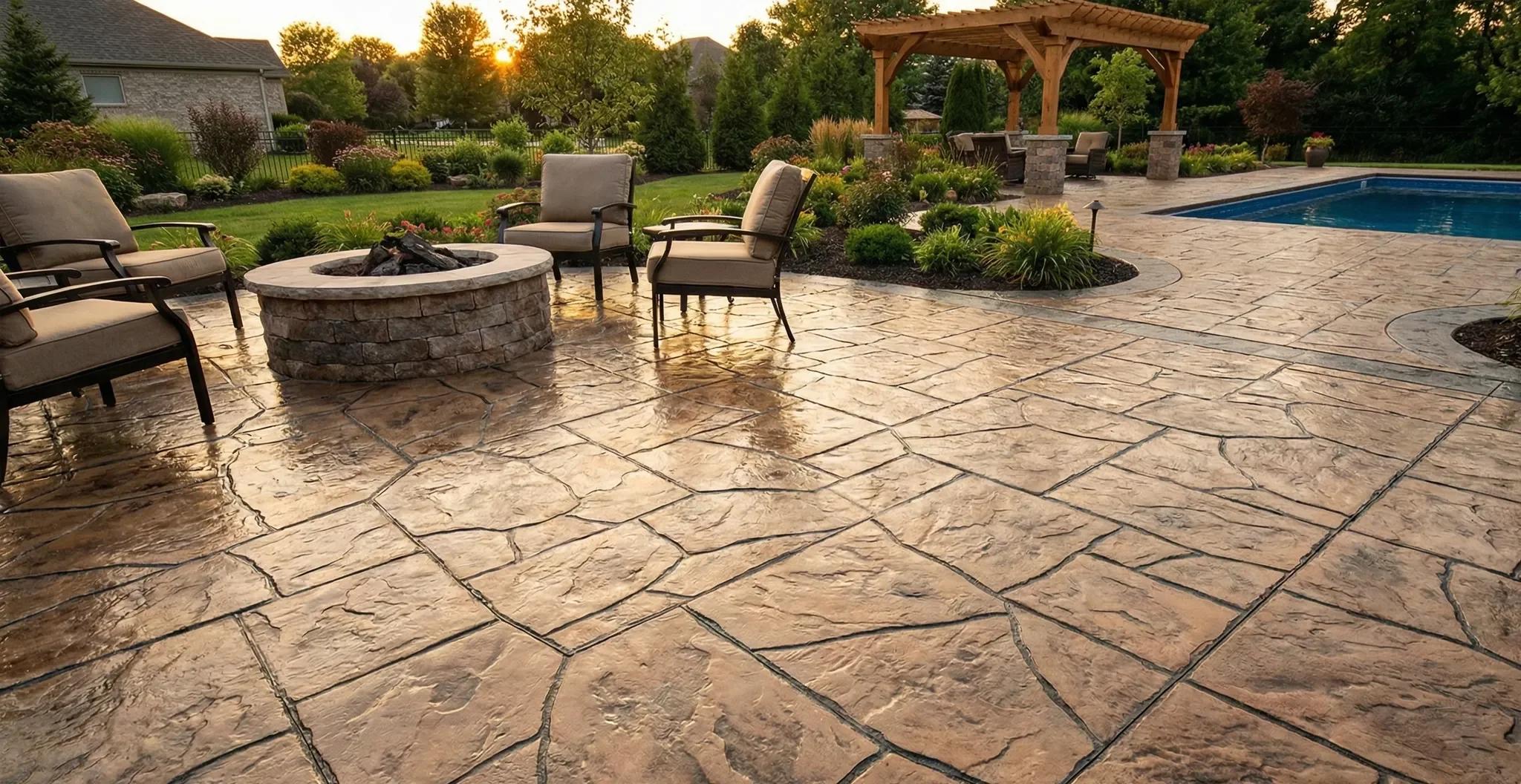
Stamped concrete is a concrete surface that is textured and patterned using specialized stamps while the mix is still plastic. The result is a durable slab that can convincingly imitate:
Flagstone and random stone
Brick and cobblestone
Wood planks and boardwalks
Slate, tile, and geometric patterns
Most often, stamped concrete is used for:
Backyard patios and pool decks
Garden and entry walkways
Driveways and parking areas
Outdoor kitchen and barbecue zones
Steps, borders, and edging elements
Because the pattern and color are integrated into the surface, stamped concrete stands up well to weather, UV, and daily wear when paired with the right release agents and sealers.
Key Advantages of Stamped Concrete for Outdoor Design
Compared to natural stone or pavers, stamped concrete offers several practical and aesthetic benefits:
1. High-End Look With Fewer Joints
Natural stone and pavers require many small units and grout lines. Stamped concrete creates a continuous surface, so joints are minimized and maintenance is simplified. With the right stamp set, you still get the depth, texture, and irregularity of real stone.
2. Design Flexibility for Any Style
Using different stamp families and coloring systems, you can match virtually any design direction:
Rustic patios that resemble reclaimed barn wood planks
Classic courtyards in cobblestone or ashlar slate patterns
Clean, seamless textures for modern minimalist spaces
Contractors can combine patterns, add decorative borders, and integrate custom accents to align with the rest of the landscape design.
3. Long-Term Durability
A properly installed stamped slab performs like quality exterior concrete. When combined with appropriate reinforcement, release agents, and high‑performance sealers, it resists:
Freeze–thaw cycles
Deicing salts
Heavy foot traffic and parked vehicles
Routine cleaning and periodic resealing help preserve both color and surface texture for years.
How the Stamped Concrete Process Works
Although every project is unique, most stamped concrete installations follow several core steps.
1. Planning the Pattern and Layout
Before any concrete is placed, the contractor determines:
Pattern type (stone, brick, wood, seamless texture, borders)
Stamp set size and quantity for the slab area
Joint layout and control joints
Color system: integral color, color hardener, stains, or a combination
A good plan prevents awkward cuts and ensures that the pattern flows naturally across the slab and around landscaping elements.
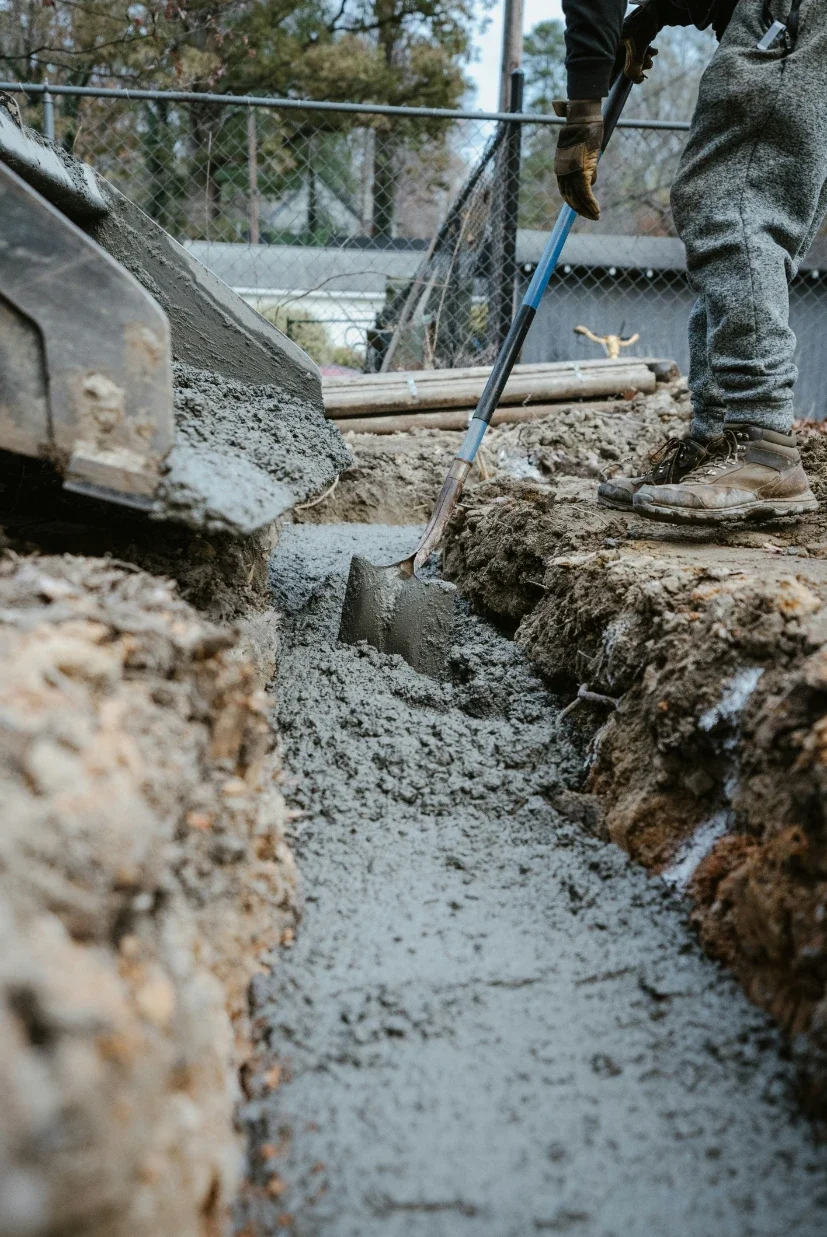
2. Placing and Finishing the Concrete
The concrete is placed to the required thickness, consolidated, and screeded. The installer then:
Floats and levels the surface
Establishes slopes for drainage
Prepares edges and steps, if part of the design
At this stage, the slab should be smooth but not polished — ready to accept color and texture.
3. Coloring and Applying Release Agent
Next, the color system is applied. This may include:
Integral pigments mixed into the concrete
Dry‑shake color hardeners on the surface
Accent colors added later with stains
A release agent — often a colored powder or liquid — is then applied. It serves two purposes:
Prevents stamps from sticking to fresh concrete
Adds depth and antique effects in the low points of the texture
4. Stamping the Pattern
With the concrete at the correct plastic state, the contractor places the stamp mats in sequence, following the layout plan. Consistent tamping pressure is essential to:
Transfer the texture cleanly
Keep pattern lines aligned
Avoid low or high spots across the slab
Special touch‑up skins, rollers, and chisels are used at edges, walls, and tight corners where full‑size mats cannot fit.
5. Cleaning and Sealing
Once the surface has cured enough, excess release agent is washed off, and any detailing is completed. After the concrete reaches the proper cure window, a compatible concrete sealer is applied to:
Enhance color depth and visual contrast
Protect against moisture, stains, and abrasion
Make routine cleaning easier
Regular resealing, according to product recommendations and climate, keeps stamped concrete looking fresh and vivid.
Why Contractors Choose GlobMarble for Stamps and Supplies
Professionals and serious DIYers who work with decorative concrete need tools and materials they can trust on every project. GlobMarble.com offers a complete ecosystem for stamped concrete work:
Concrete stamps and texture skins in stone, brick, wood, cobblestone, ashlar, and seamless patterns
Step liners and edge forms for crisp, repeatable risers and stair details
Release agents, color systems, and stains to create layered, realistic finishes
Sealers and coatings engineered for patios, driveways, pool decks, and other demanding applications
Concrete tools and accessories such as rollers, tampers, joint tools, and mixing equipment
Because GlobMarble designs and manufactures decorative concrete products at scale, contractors can build entire pattern families and color palettes that stay consistent from project to project.
Practical Tips for Successful Stamped Concrete Projects
To get the most from stamped surfaces in outdoor living spaces, consider these best practices:
Match the pattern scale to the area size so joints and stones feel proportional.
Choose slip‑resistant textures and sealers, especially around pools and entryways.
Plan for drainage and slope before pouring to avoid standing water.
Use quality release agents and clean thoroughly before sealing to prevent streaks.
Follow manufacturer instructions for cure time and sealer re‑application intervals.
When in doubt, consult the technical information and how‑to resources provided on GlobMarble.com to select the right combination of stamps, colors, and sealers for your climate and traffic conditions.
Decorative stamped concrete lets you transform ordinary outdoor slabs into memorable hardscapes that enhance both comfort and curb appeal. With the right planning, installation practices, and professional‑grade tools and materials from GlobMarble.com, patios, walkways, and driveways can become long‑lasting design features instead of afterthoughts.
Stay up to date with our latest ideas!