The Art of Aesthetics: How Luxury Glass Packaging Elevates Interior Design
Discover how luxury glass packaging enhances interior design by blending refined aesthetics, material quality, light reflection, and decorative versatility.
In the world of high-end interior design, true luxury is often defined not by the broad strokes of architecture, but by the minutiae of the finishing touches. Whether curating a boutique hotel spa, styling a vanity in a master suite, or designing a retail display, the vessels we choose to hold our products are as significant as the products themselves.
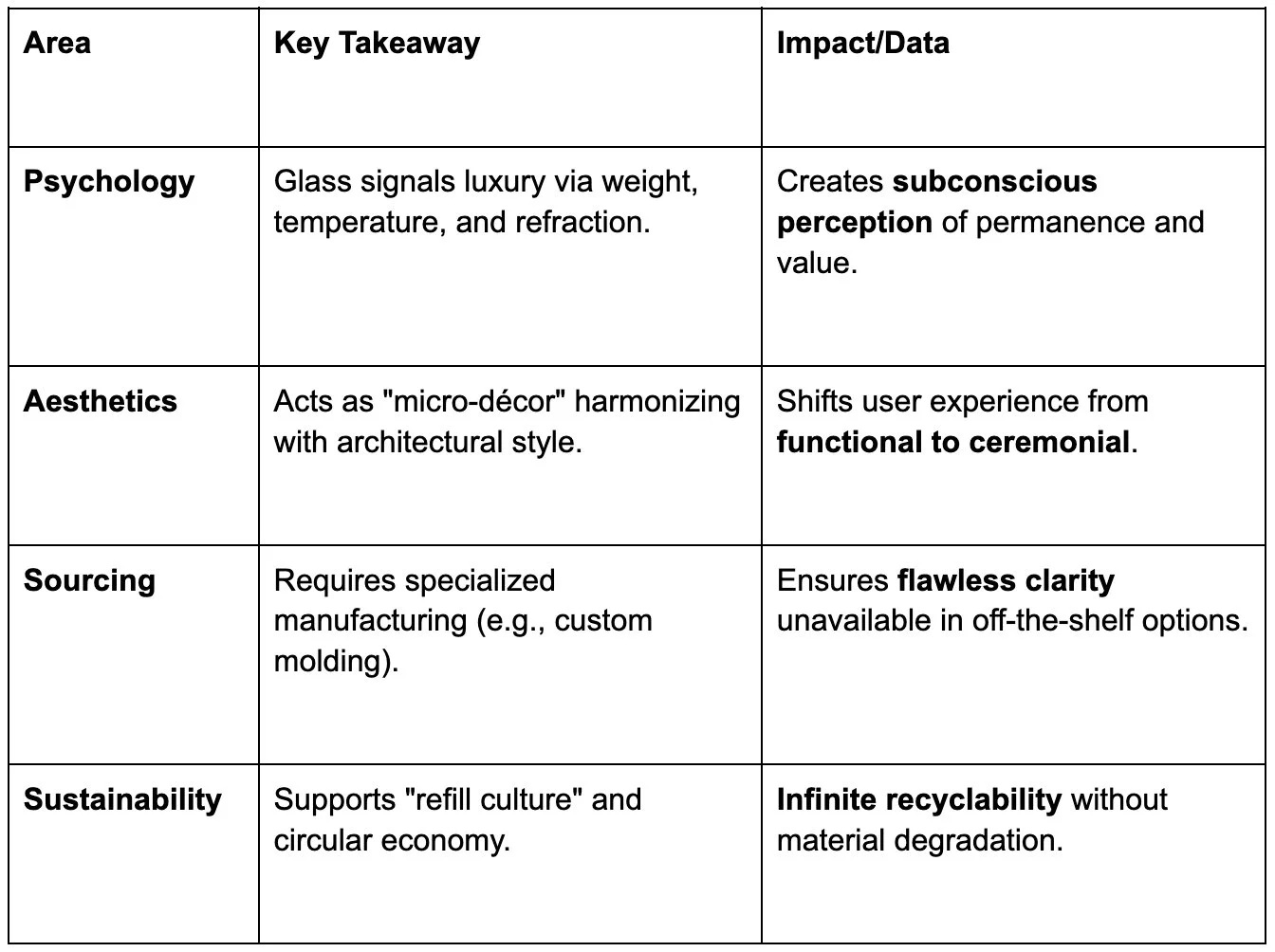
The transition from cluttered, branded plastic containers to curated, architectural glass vessels is the hallmark of a sophisticated interior. It shifts the user experience from purely functional to intentionally ceremonial.
The Foundation of Design: Sourcing the Perfect Vessel
Great design does not begin with the label or the liquid; it begins with the raw material of the container. For interior designers and estheticians, the physical bottle serves as the "canvas" for the room’s aesthetic. If the canvas is flawed, the art suffers.
The distinction of a luxury product often lies in its weight, clarity, and finish. For premium interior brands, the design process begins long before the product creates a scent—it begins with the manufacturing of the vessel itself. Sourcing from a specialized glass bottle manufacturer, such as Daxin Glass, allows designers to access high-clarity materials and custom molding techniques that standard off-the-shelf suppliers cannot offer. This foundational step ensures that the final object on the shelf is not just a container, but a piece of structural art capable of catching the light and commanding attention.
The Psychology of Materials: Glass vs. Plastic
Why does glass communicate "luxury" while plastic communicates "temporary"? The answer lies in the psychology of touch and sight.
Tactile Weight: Glass possesses a density that implies value. When a guest picks up a heavy glass dispenser, the weight signals permanence and quality.
Thermal Conductivity: Glass remains cool to the touch, providing a sensory experience that plastic, which acts as an insulator, fails to deliver.
Light Refraction: High-quality glass refracts light, adding depth and sparkle to a room. Plastic absorbs or scatters light, often appearing dull or cloudy over time.
In a spa or luxury bathroom setting, these sensory cues subconsciously tell the user that they are in a space where no detail has been overlooked.
Visual Harmony: Customization as Micro-Décor
Glass packaging offers a unique opportunity to harmonize product design with architectural intent. The vessel acts as "micro-décor," echoing the larger design themes of the room.
For a Minimalist or Industrial space, the packaging must feature clean lines, heavy bases, and perhaps a clear or smoked finish. The goal is to reduce visual noise. Conversely, for a Vintage or Maximalist aesthetic, the vessel might require cut-glass details, fluted textures, or amber tones that evoke an apothecary feel.
Customization allows the packaging to dissolve into the design rather than distract from it. When the bottle matches the fixtures and the lighting, the entire room feels cohesive.
Sustainability and The Circular Economy
Beyond aesthetics, the modern design ethos demands ethical luxury. We are moving away from the "throw-away" culture toward the "refill" culture.
Glass stands out as a material that supports the circular economy, offering infinite recyclability without degradation. In stark contrast to the environmental toll of synthetic materials documented by National Geographic, glass remains a permanent, non-toxic resource. This fundamental difference is why forward-thinking designers are returning to glass not just for its beauty, but as a critical solution to the global waste crisis.
By investing in high-quality glass vessels, designers are not only elevating the visual standard of a space but also committing to a sustainable future where packaging is reused, not discarded.
Key Takeaways
Conclusion
Elevating packaging choices transforms a space from merely "functional" to truly "curated." By prioritizing high-quality materials, partnering with expert manufacturers, and embracing the permanence of glass, designers can turn everyday objects into enduring elements of interior art.
Stay up to date with our latest ideas!