Why Unpacking After a Move Feels So Overwhelming
Unpacking often becomes more stressful than packing because of decision fatigue, clutter, and adjusting to a new environment.
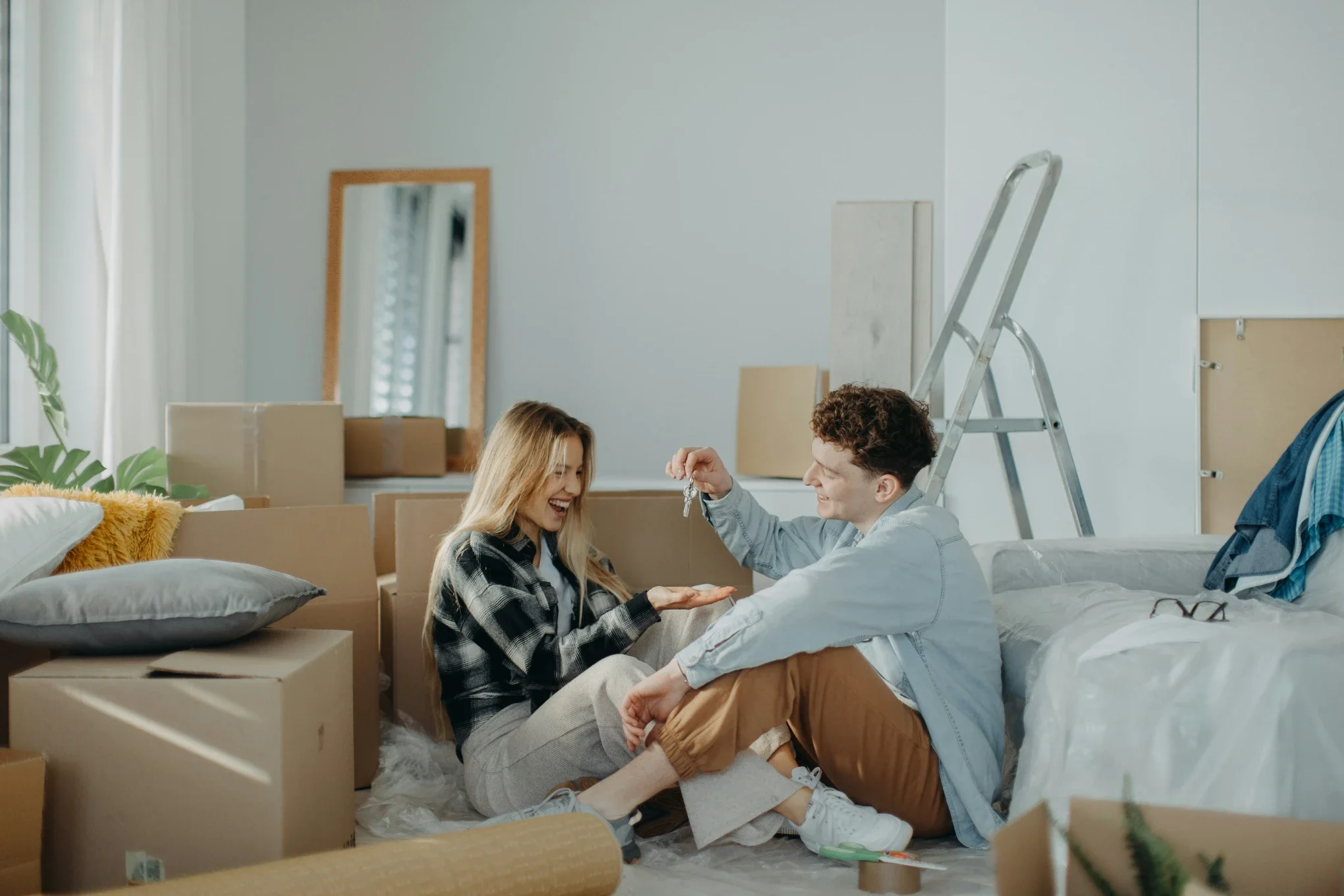
Packing has a deadline. Unpacking does not. That is the trap.
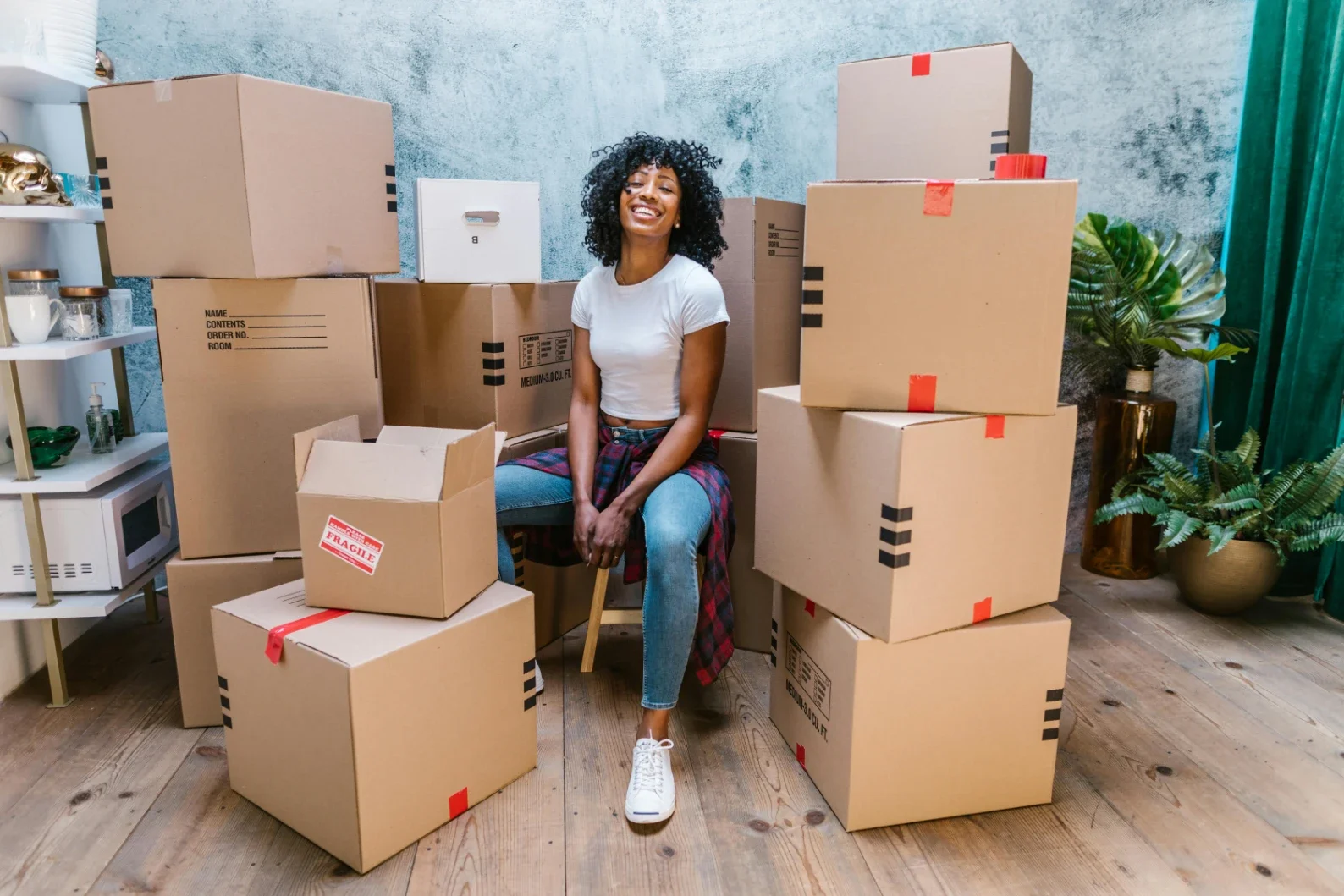
Before the move, there is pressure. The truck is coming. The lease is ending. The boxes have to be taped, labeled, and carried out. After the move, everything technically feels “done,” except the new place is full of boxes and nobody knows where the spatula is.
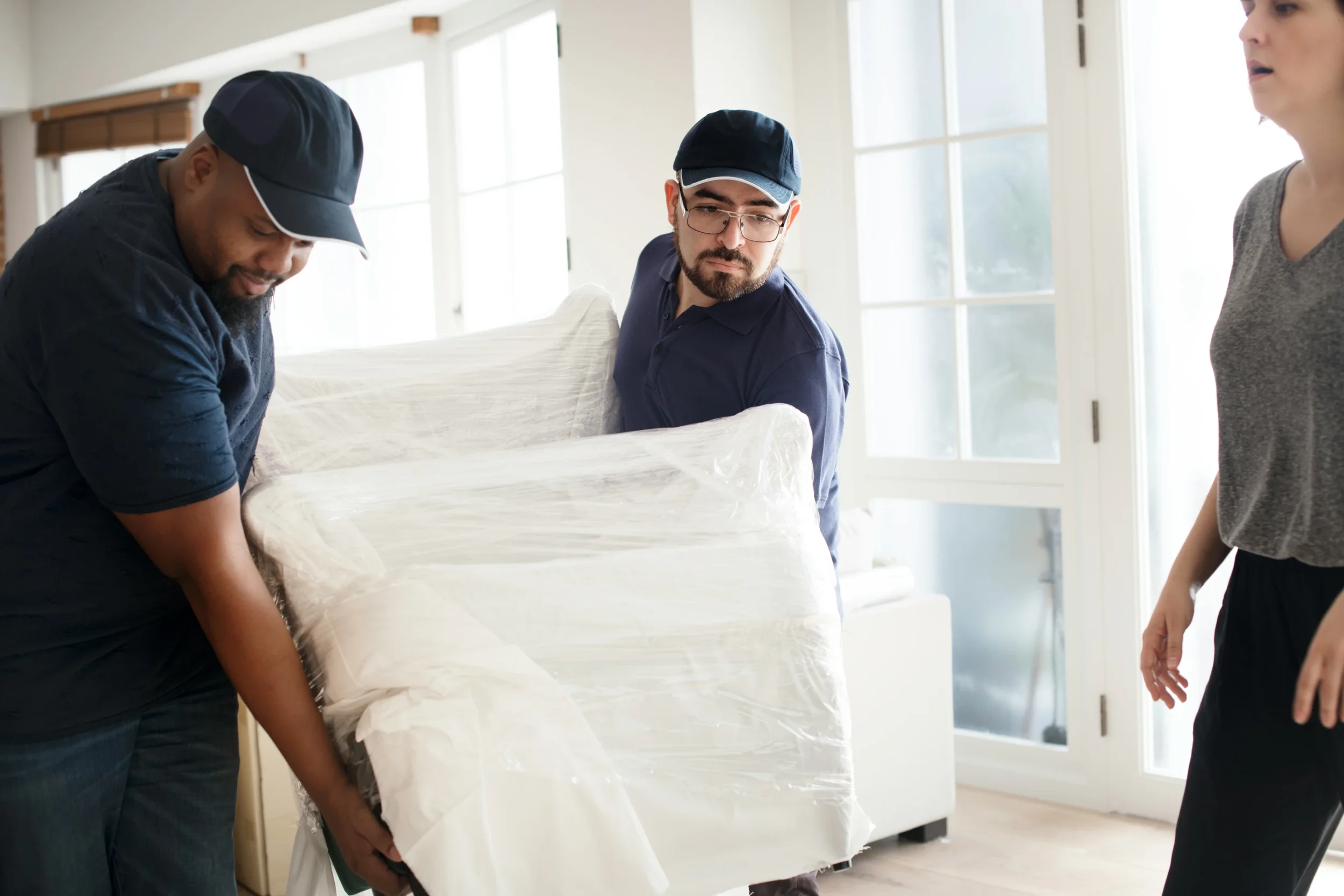
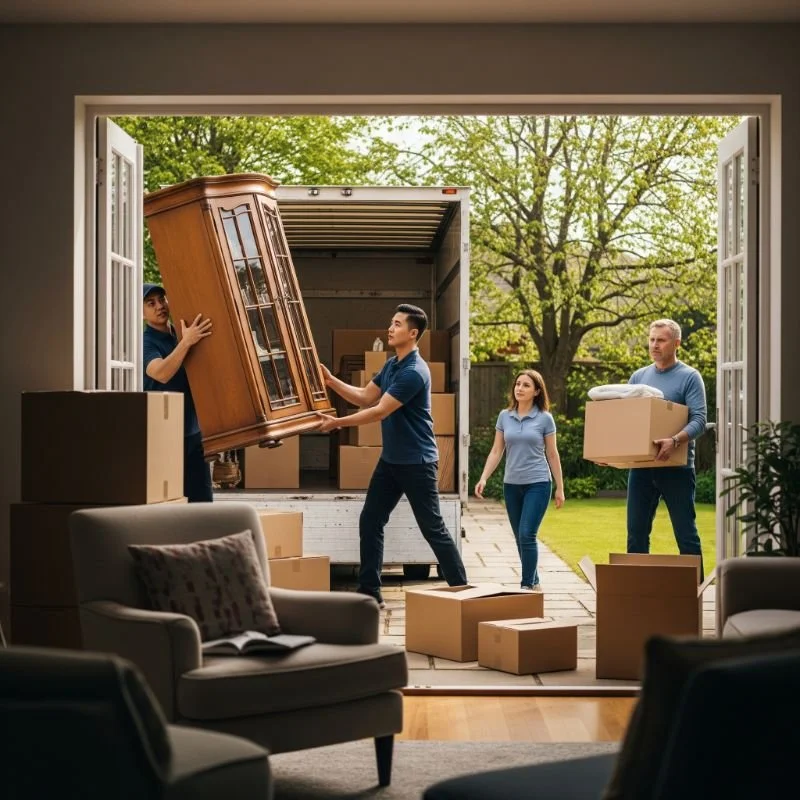
That is when unpacking after moving starts to feel weirdly heavier than expected. The hard part is no longer getting things out of the old home. It is making the new function. Working with Gentlemen's Moving Company can help with the move itself, but unpacking still asks your brain to rebuild daily life from the floor up.
Decision Fatigue Hits Immediately
Unpacking looks simple from a distance.
Open box. Put things away. Repeat.
In real life, every box asks questions.
Where should the mugs go?
Do the towels belong in this closet or the bathroom cabinet?
Should the books go on the shelf now or wait until the room is arranged?
Does this lamp even work in this home?
By the third hour, even small decisions start feeling dramatic. The American Psychological Association has written about how repeated decision-making can become mentally tiring, and unpacking is basically one long chain of tiny decisions.
That is why people start making strange choices.
A drawer becomes a temporary home for everything. A box gets pushed into the corner “for later.” The later box becomes part of the room. Nobody speaks of it again.
Clutter Feels Worse in Unfamiliar Spaces
Clutter is annoying anywhere.
In a new home, it feels louder.
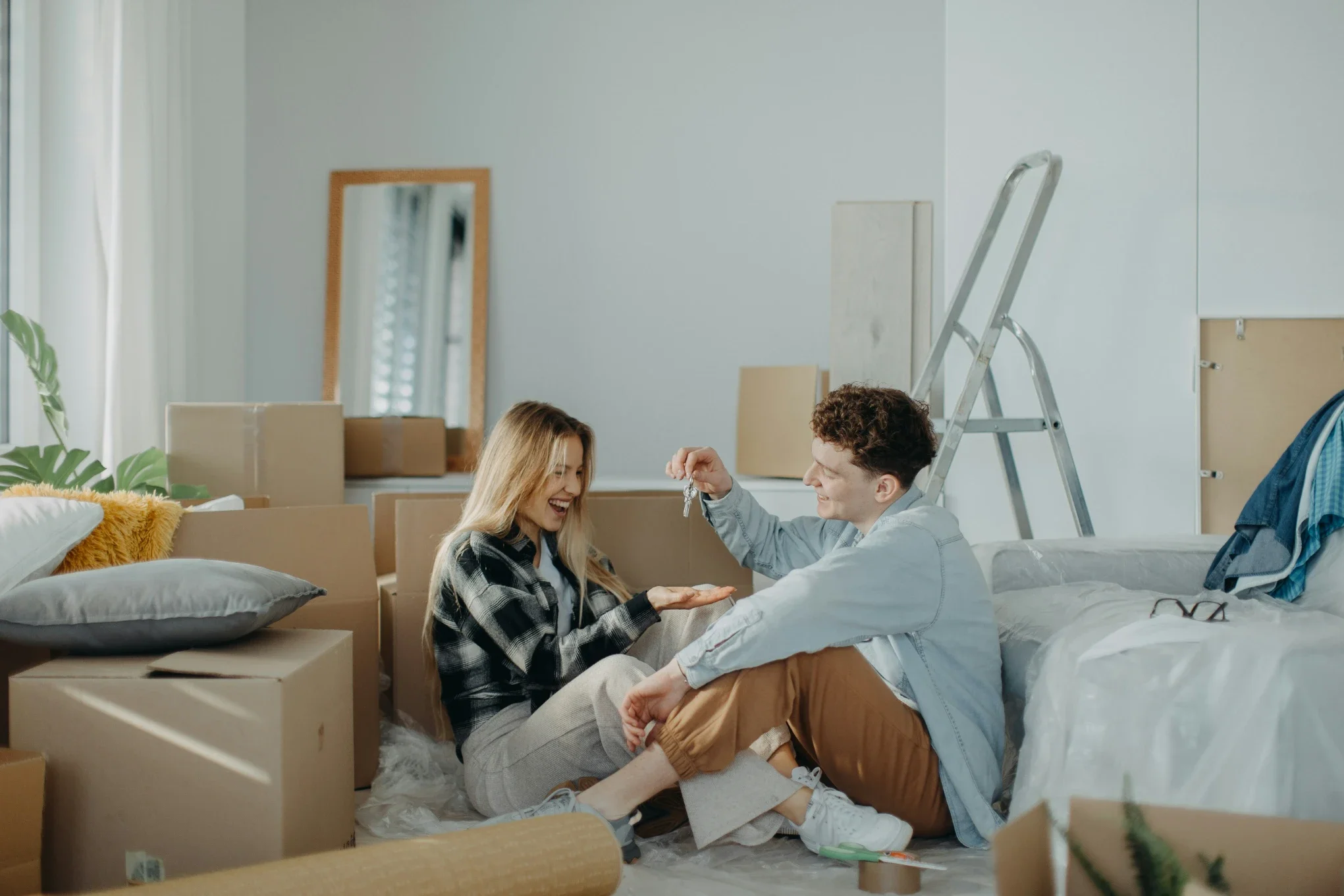
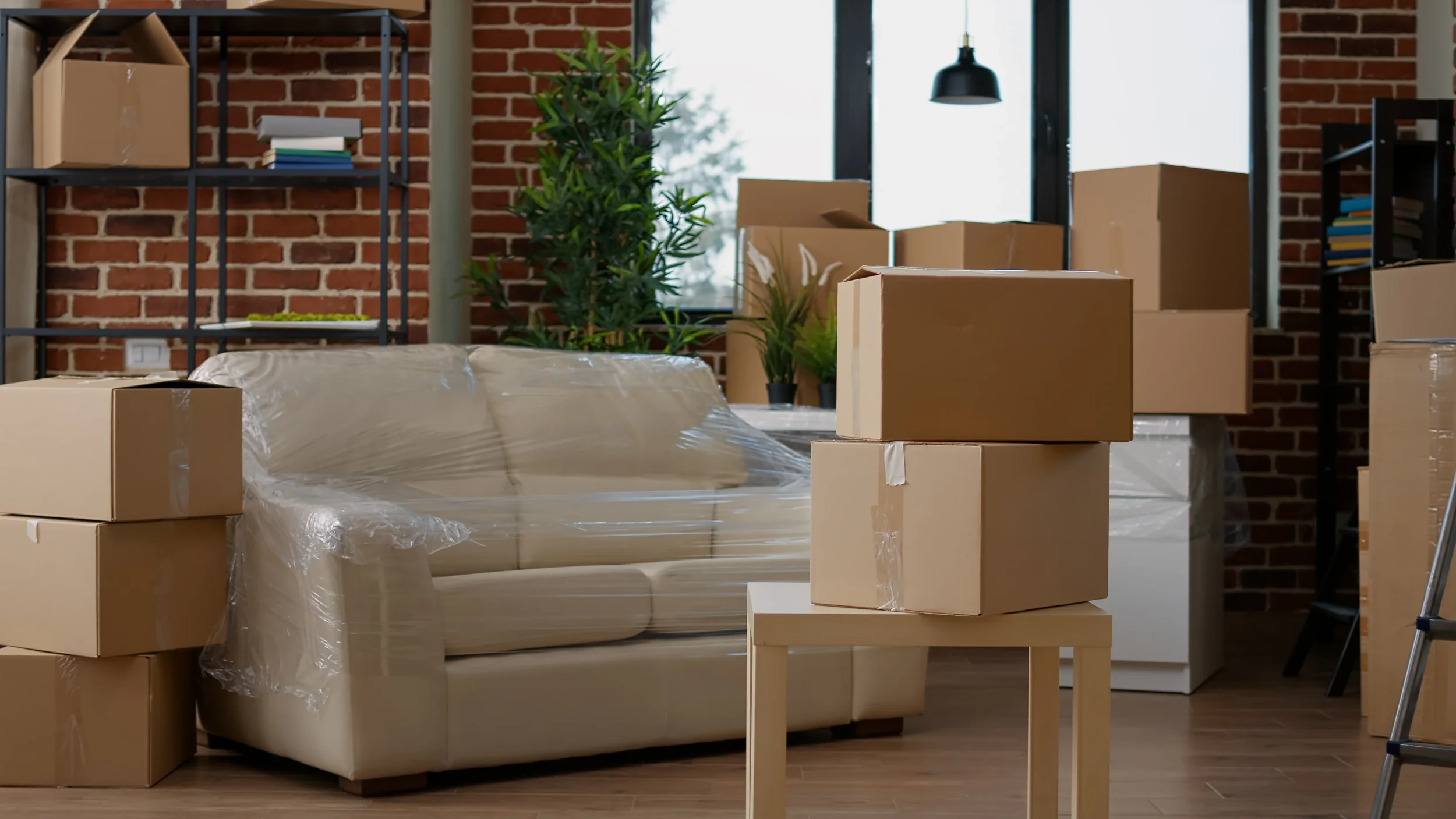
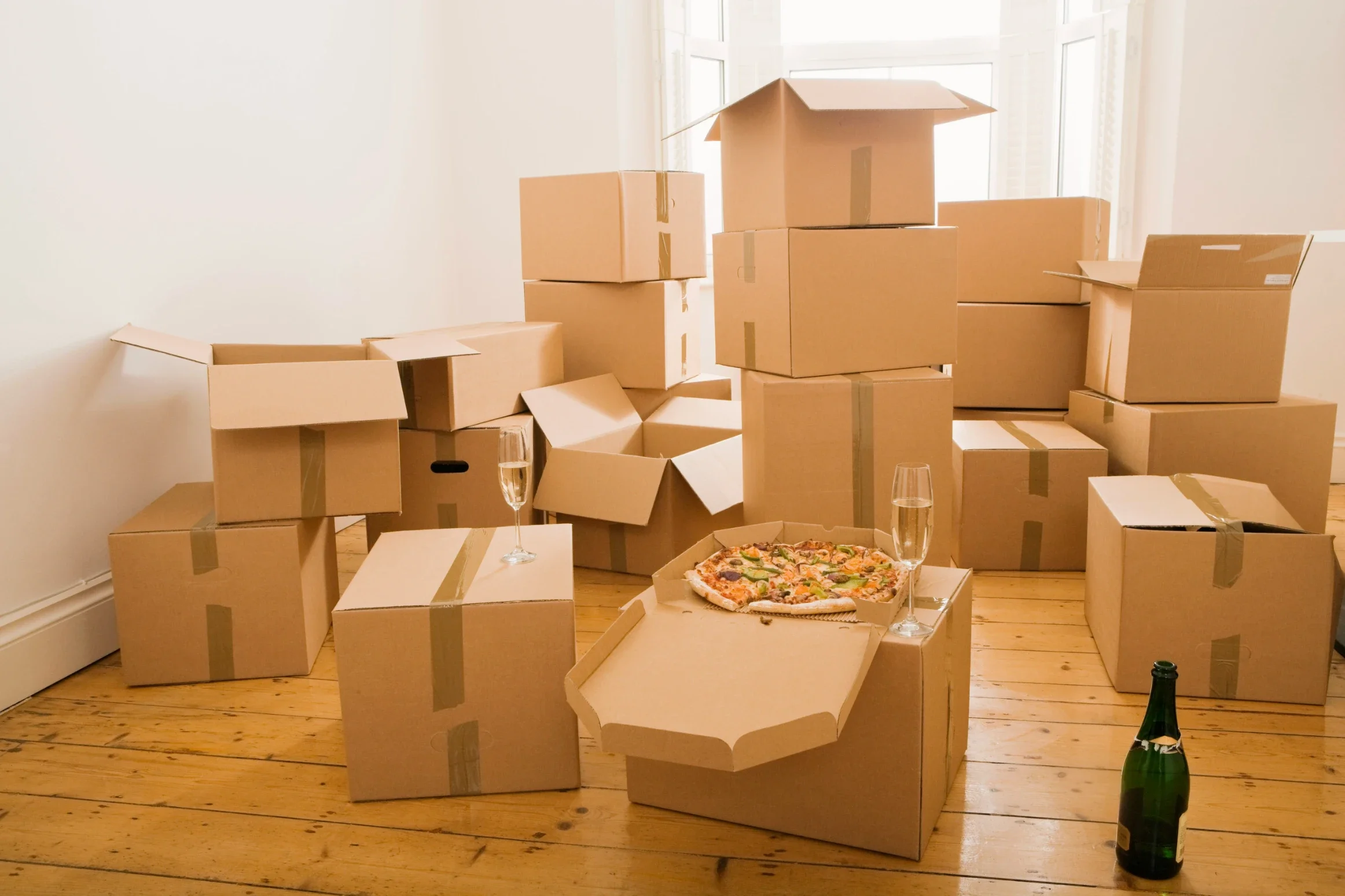
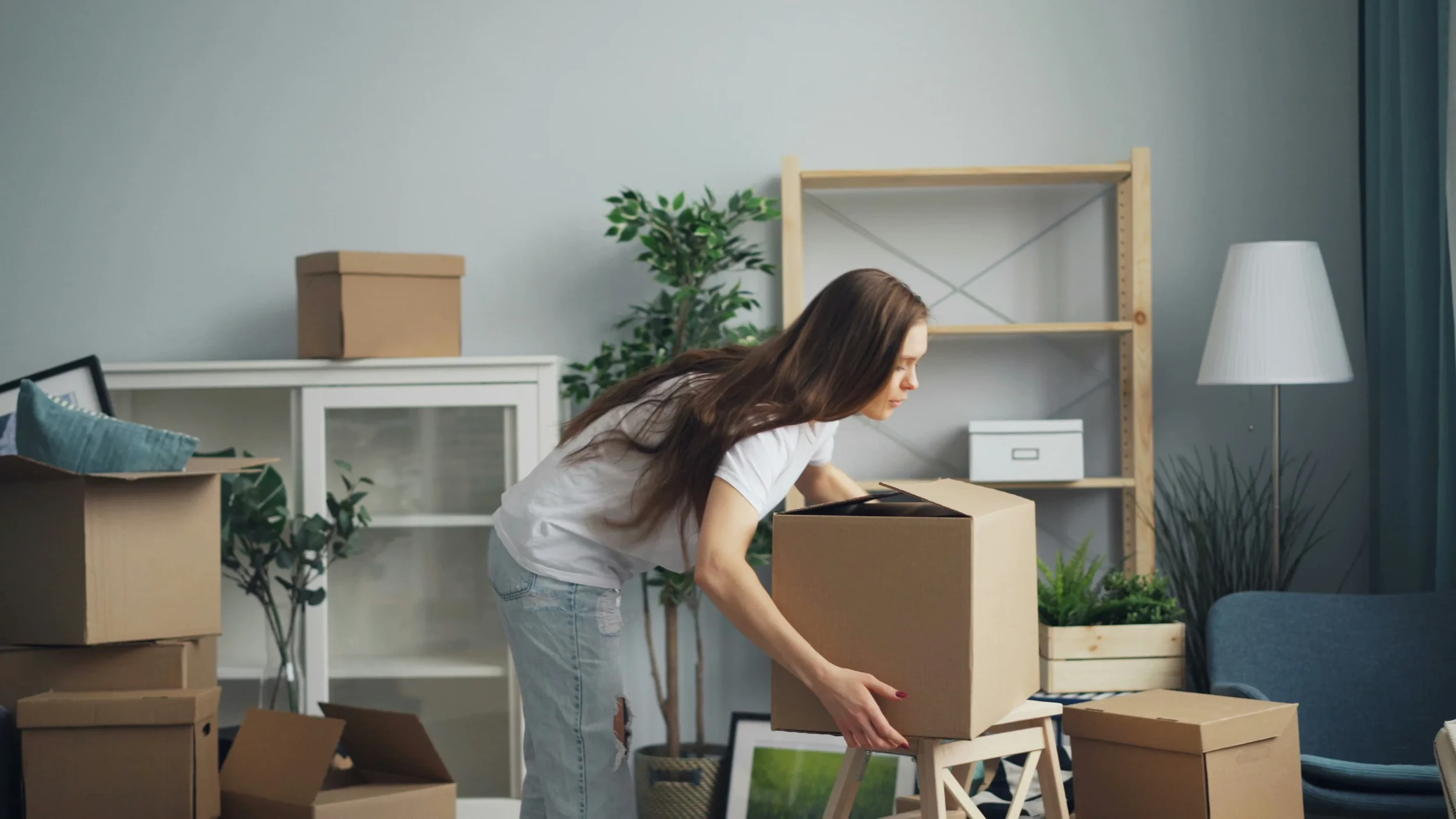
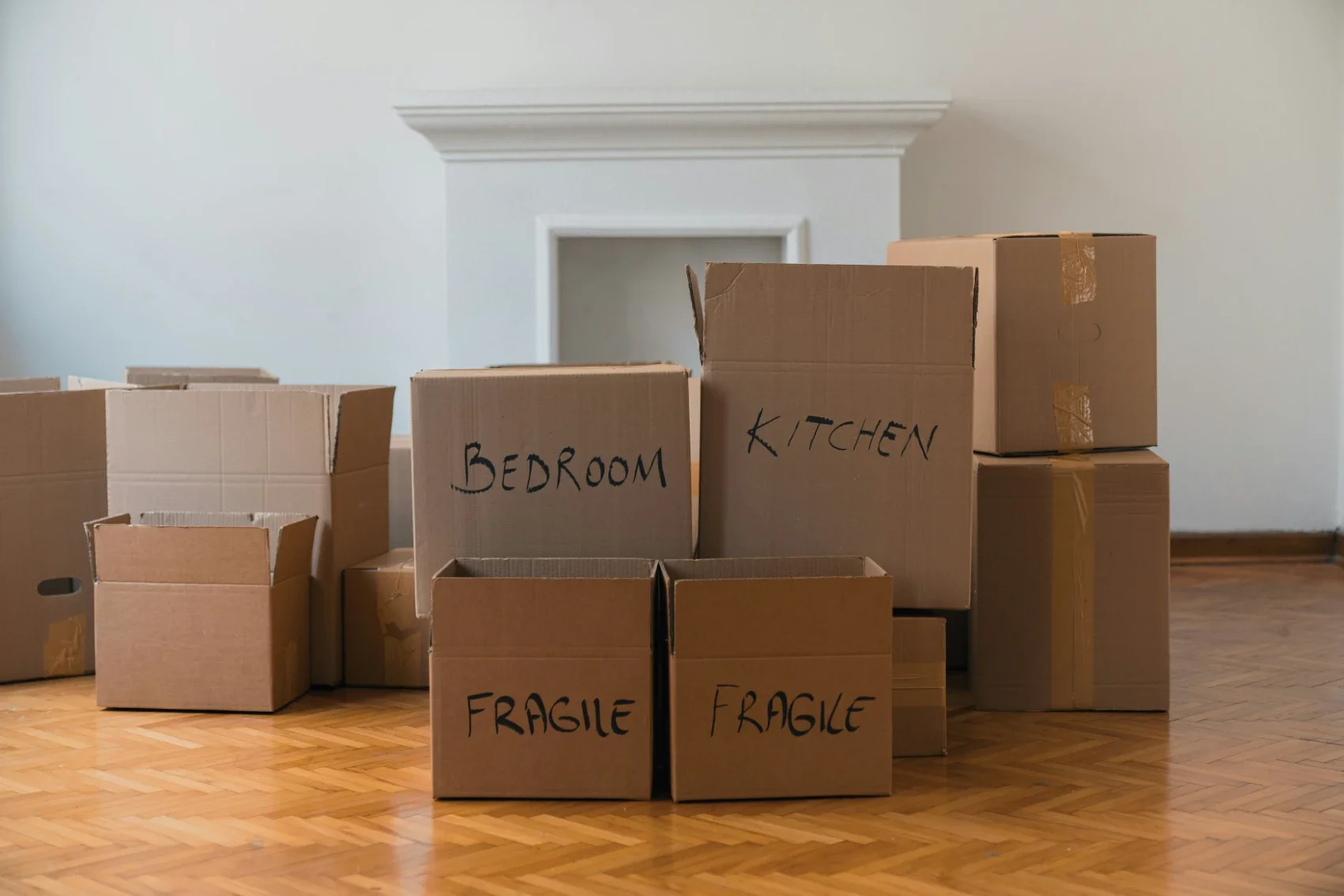
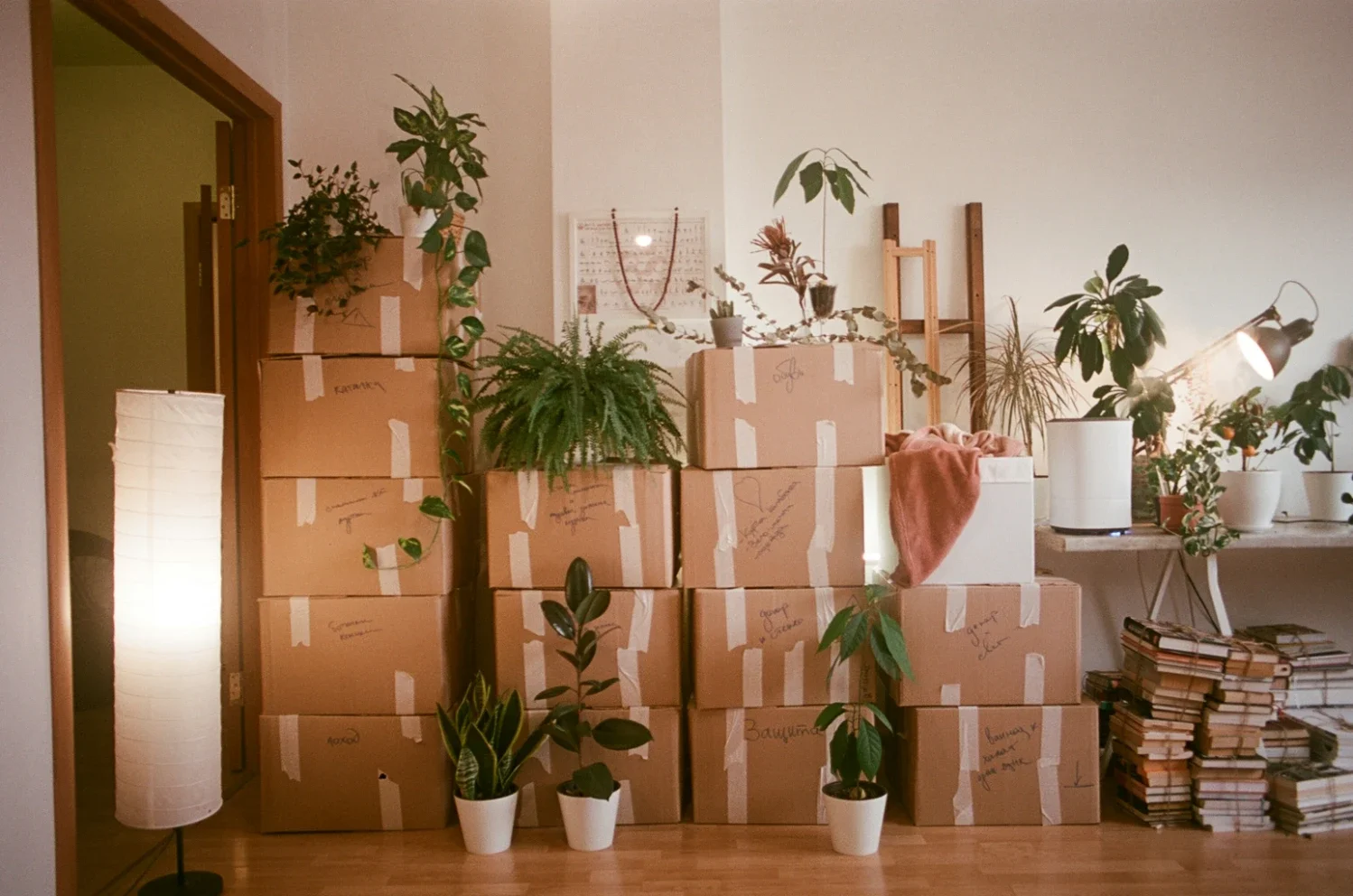
Boxes sit against walls that do not feel familiar yet. Bags pile up near doors. Half-open bins block corners. The floor disappears under wrapping paper, cords, towels, and things that have no assigned place.
It can make the whole home feel smaller than it is.
A room that looked spacious during the walkthrough suddenly feels tight because every surface is interrupted. Nothing has rhythm yet. Nothing belongs yet. Even simple tasks take longer because the home has no logic.
You open the wrong cabinet three times.
You forget where the cleaning spray went.
You cannot find scissors, even though you have seen six pairs since morning.
The CDC notes that stress can affect energy, sleep, appetite, and concentration. That matters because unpacking usually happens right when people are already tired from the move itself.
So yes, the mess feels bigger.
Your brain is also running on fumes.
People Usually Unpack in the Wrong Order
A lot of people start with whatever box is closest.
That is understandable.
It is also how chaos spreads.
Decor gets unpacked before sheets. Books get arranged while the bathroom still has no towels. A vase finds a perfect spot while the kitchen remains unusable. Suddenly, the new home looks partly styled but still cannot support a normal morning.
Unpacking should start with function.
Not beauty.
The first goal is not to make the home look finished. The first goal is to make the home livable.
Start with:
Beds
Bathroom basics
Kitchen essentials
Work or school items
Medication and documents
Chargers and daily-use supplies
Once those are handled, the home starts working. After that, everything feels less urgent.
Decor can wait.
Your toothbrush should not.
New Homes Rarely Feel Functional Right Away
A new home takes time to learn.
Even when the move is exciting, the first few weeks can feel awkward. The light switches are in strange places. The closet does not hold what you thought it would. The kitchen cabinets have a different rhythm. The bedroom feels too bright in the morning or too quiet at night.
Nothing is wrong.
It is just unfamiliar.
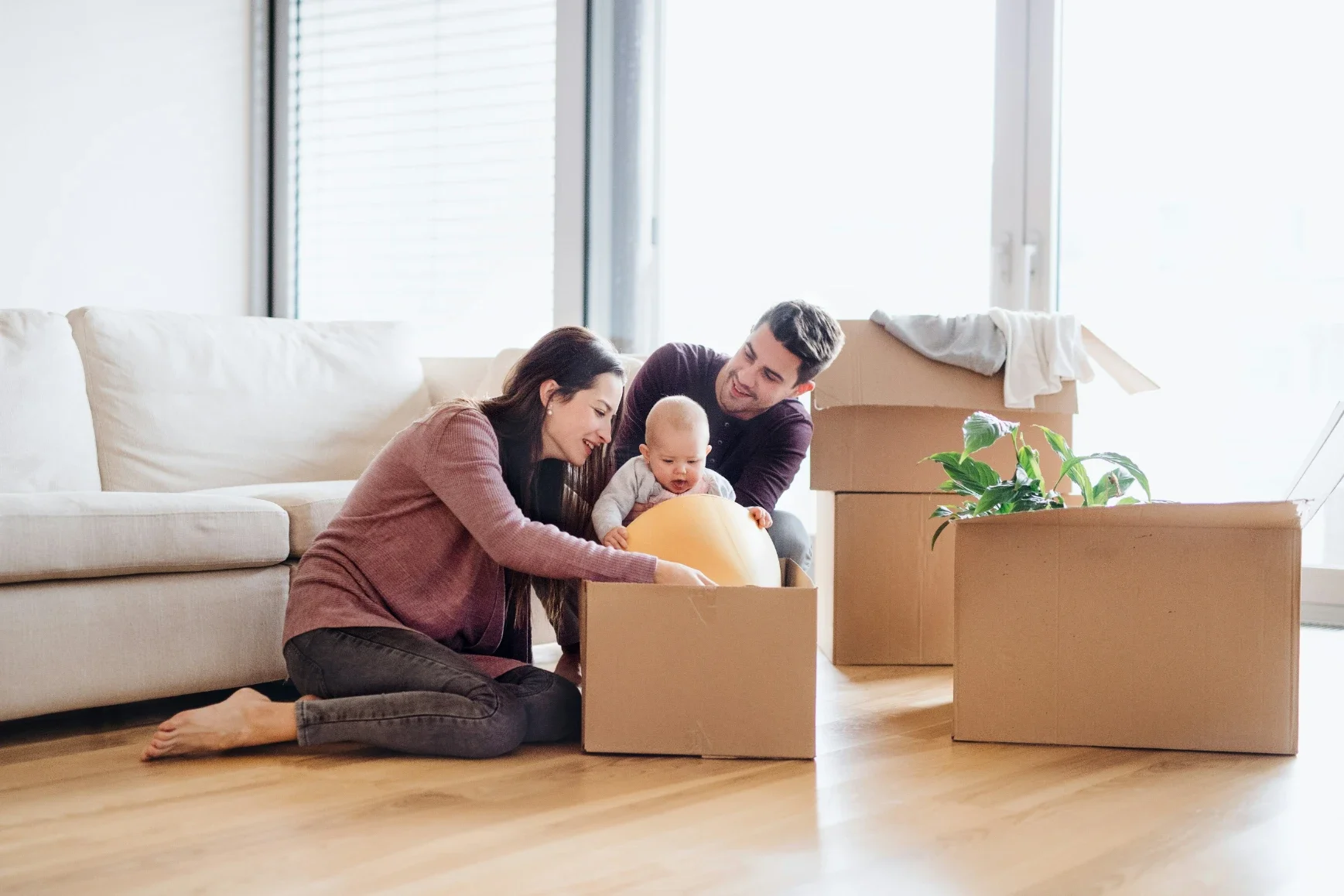
People underestimate that part. They expect relief after moving day, and sometimes they get it. But they also get a temporary sense of dislocation. The home is yours, but it does not yet know your habits.
Storage systems need adjusting. Routines need rebuilding. The daily path from bed to bathroom to coffee to keys has to be learned again.
That is why relocation can feel mentally tiring after the physical move ends. You are not just unpacking objects.
You are teaching a new space how your life works.
Small Organization Habits Make a Huge Difference
You do not need a perfect unpacking system.
You need a system that keeps the mess from multiplying.
One-room-at-a-time unpacking helps because it gives the home pockets of order. Even if the rest of the place is still chaotic, one finished bedroom or bathroom can make the whole move feel less overwhelming.
Good moving organization tips are usually simple:
Open essentials first
Break boxes down as you empty them
Keep donation items separate
Do one room before starting five others
Label shelves or bins temporarily if needed
Set a timer instead of unpacking until you collapse
Gradual unpacking works better than marathon unpacking for many people. The brain handles smaller stages more calmly.
A finished bathroom feels better than six half-finished rooms.
A usable kitchen feels better than decorative progress.
Order builds momentum. Small wins count.
Final Thoughts
Unpacking is often harder than people expect because it comes after the deadline has passed.
The pressure is gone, but the work is still there. Boxes need decisions. Rooms need purpose. Daily routines need to be rebuilt. That combination can make even a good move feel mentally heavy.
A slower, more organized approach helps. Start with essentials. Make one room functional. Give the new home time to become familiar.
Unpacking is not only about putting things away.
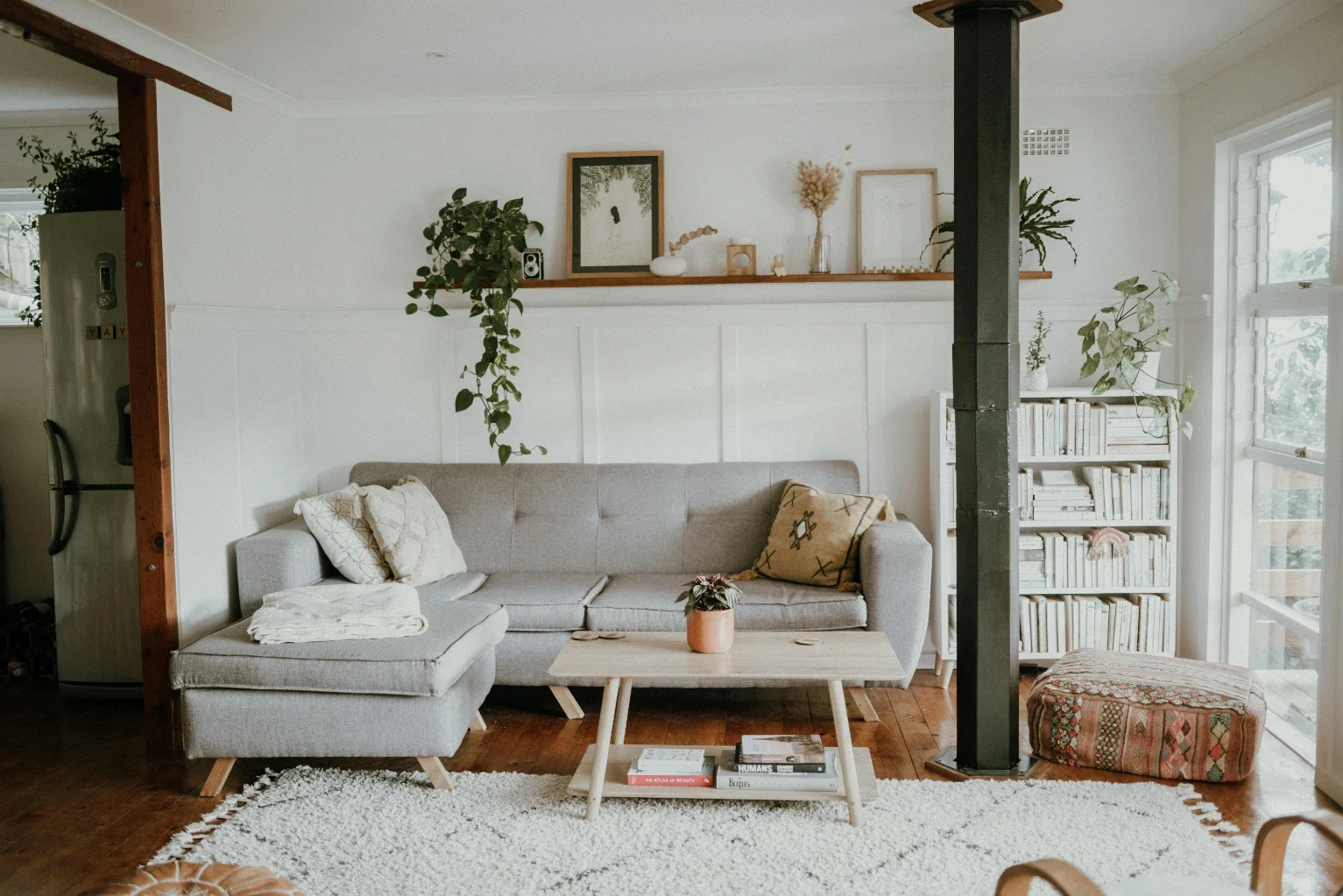
It is about making the place feel like yours.
Stay up to date with our latest ideas!