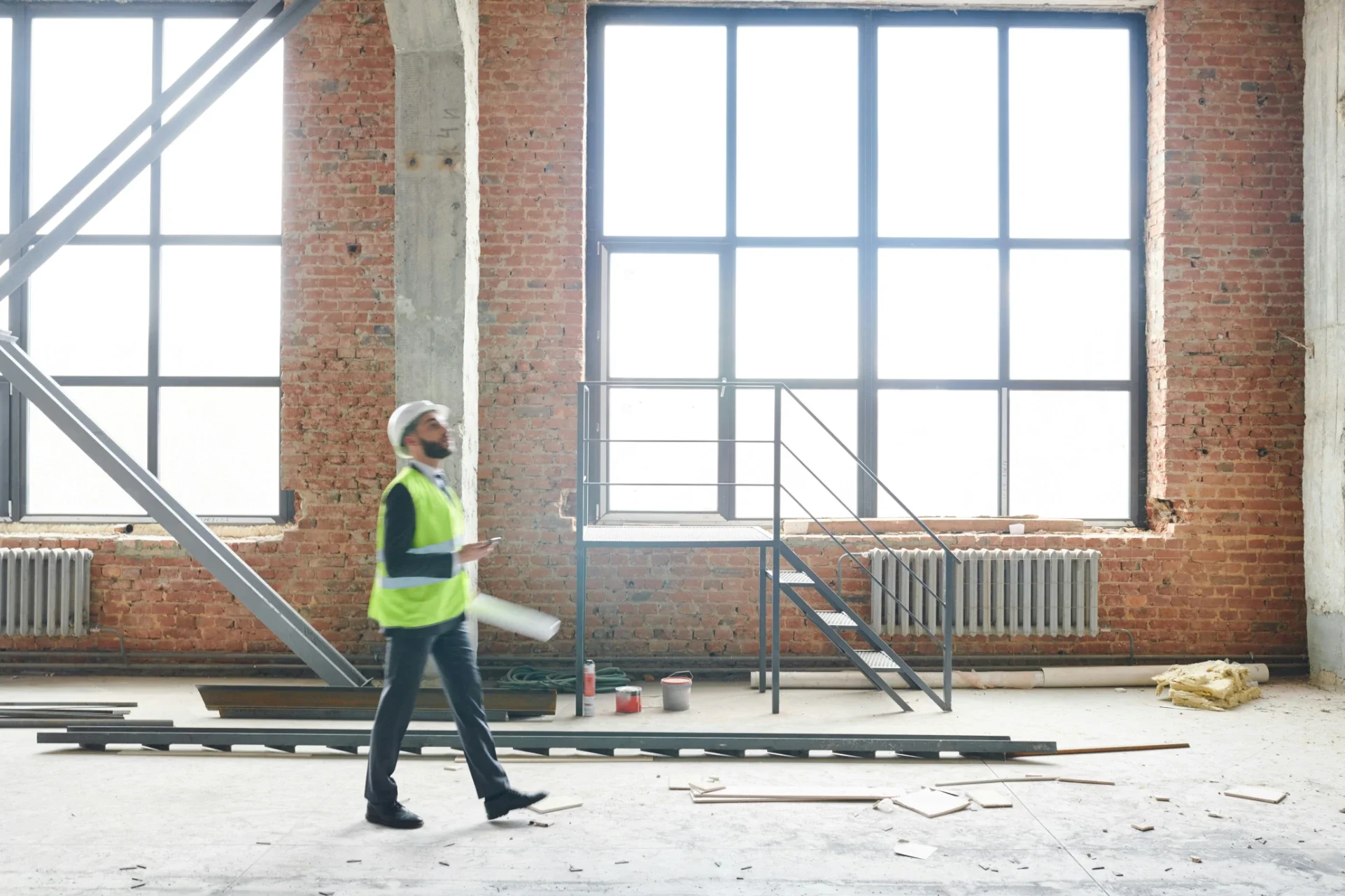
How to Use Exposed Steel Beams and Steel Frame Windows to Achieve an Industrial-Chic Interior
Learn how to use exposed steel beams and steel frame windows to create an industrial chic interior with character, light, and modern style.
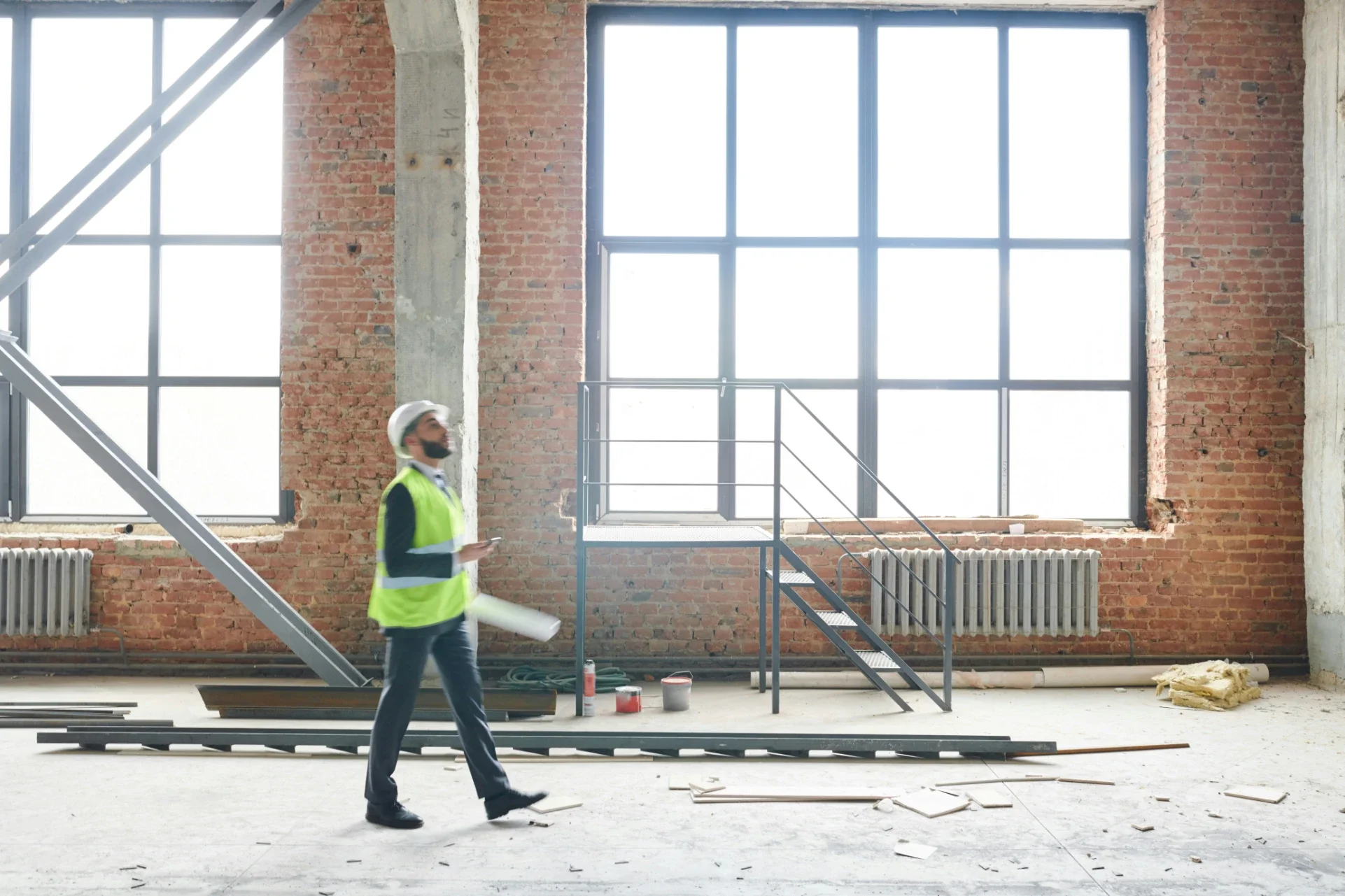
Industrial-chic design has moved far beyond the loft apartments and converted warehouses where it was born. Today, homeowners across the world are deliberately introducing raw, structural materials into their living spaces not to disguise them, but to celebrate them. At the center of this aesthetic are two elements that designers keep returning to: exposed steel beams and steel frame windows. Together, they bring a sense of honest, structural beauty that no amount of decorative trim or feature wallpaper can replicate.
If you've been drawn to the moody drama of a room with visible metalwork, this guide will walk you through exactly how to achieve it from understanding the design logic to making practical decisions about materials, finishes, and complementary furnishings.
Why Steel Works So Well in Interior Design
Before diving into the how, it's worth understanding the why. Steel has a visual authority that comes from its structural role. When you see an exposed steel beam overhead or a grid of slim steel window frames dividing the view, your eye reads those elements as purposeful and honest they're not decorations pretending to be structural, they are structural.
This authenticity is precisely what draws people to industrial-chic design. In a world of fast furniture and disposable interiors, there's something deeply satisfying about a material that means business.
Steel is also extraordinarily versatile aesthetically. Depending on finish and context, it can read as rugged and masculine, sleek and minimal, or warmly patinated and vintage. The same material that appears in a raw, mill-finish workshop also appears in the refined grid windows of a Parisian apartment. That range is rare, and it's a major reason steel has transcended the industrial aesthetic to become a staple of high-end residential design.
Exposed Steel Beams: What You Need to Know
The Two Types of Exposed Beam Situations
When working with exposed steel beams in a home, you're generally dealing with one of two scenarios:
1. Revealing existing structure. In older buildings, or in homes that have undergone renovation, structural steel may already exist behind drywall or ceiling cladding. Removing that concealment a process that requires careful assessment of any fire protection requirements can reveal dramatic existing bones.
2. Adding new steel elements. In new builds or major renovations, steel beams can be introduced as part of the structural design, or installed as purely decorative elements. Decorative steel profiles (often hollow sections) are increasingly popular for homeowners who want the look without a structural intervention.
Finish Options and Their Visual Effects
The finish you choose for your steel beams sets the entire mood of the space:
Raw/mill finish: Dark grey, slightly rough, industrial in the truest sense. Works well in loft-style spaces and pairs naturally with concrete floors and reclaimed wood.
Brushed or satin steel: Smoother, cooler, more contemporary. A good choice for spaces that want industrial influence without full commitment to the raw aesthetic.
Painted steel: Matte black is the most popular choice, lending graphic clarity and a sophisticated edge. Deep charcoal and forest green are emerging as alternatives that feel warmer.
Rust-patinated (Corten-effect): A warm, amber-brown tone that ages beautifully. Works especially well in homes with natural materials and earthy color palettes.
Proportion and Placement
The visual impact of exposed beams depends heavily on proportion. A single large beam running the length of a room creates a strong central axis. A grid of smaller beams (more typical in mezzanine or storage level designs) creates texture and rhythm overhead.
For residential ceilings under 2.7 metres, be cautious: beams that feel dramatic in a warehouse can feel oppressive in a standard-height room. In these cases, slimmer steel profiles, or beams painted to match the ceiling, will give you the visual interest without closing the space down.
Steel Frame Windows: Transforming How Your Home Connects with Light
If exposed beams are the skeleton of industrial-chic design, steel frame windows are the eyes the way the aesthetic meets the outside world.
The Defining Characteristics
What makes steel frame windows so distinctively beautiful is their slim sightlines. Because steel is far stronger than aluminium or timber at equivalent dimensions, the frames that hold the glass can be dramatically thinner. The result is a window that maximises the glass area and creates that characteristic grid-like pattern of narrow black lines.
This slimness is why steel frame windows work so well in both heritage buildings (where they echo the original Crittal-style factory windows) and in contemporary architecture (where their precision reads as refined and intentional).
Interior Applications Beyond the Obvious
Most people first think of steel frame windows as exterior elements — the full-height glazing that opens a kitchen to a garden, or the bank of industrial-style windows along a side wall. But the most interesting applications are often internal:
Internal glazed partitions: Steel frame glass walls between a home office and a living space, or between a kitchen and a utility room, bring light deep into a floor plan while maintaining a sense of separation. The industrial grid pattern becomes a feature in its own right.
Shower enclosures: A steel frame shower screen is one of the most accessible ways to introduce this aesthetic into a bathroom. The effect is striking, and the practicality is excellent.
Door frames and pivot doors: Steel framed glass doors, especially as room dividers or at the entry to a kitchen-diner, add architectural weight and a hotel-like sense of arrival.
Thermal Performance: A Modern Solution to an Old Problem
Early industrial steel windows had a significant weakness steel conducts heat and cold far more readily than timber or masonry, leading to condensation and poor energy performance. Contemporary steel frame systems have addressed this with thermal break technology: an insulating material inserted between the inner and outer faces of the frame, dramatically reducing heat transfer. For any new installation, specifying a thermally broken system is non-negotiable.
Designing the Complete Industrial-Chic Room
The Essential Palette
Industrial-chic spaces work best when the colour palette is restrained. A base of:
Neutral walls: Off-white, warm grey, or raw plaster
Dark steel: The beams and window frames providing the graphic punctuation
Natural materials: Timber, leather, linen, stone providing warmth and texture
Against this foundation, steel elements read with maximum clarity. Add colour through furniture and soft furnishings rather than walls, keeping the structural elements as the visual anchors.
Complementary Materials
The materials that pair best with steel in a residential setting are those that provide contrast warmth against coolness, organic against geometric:
Reclaimed or engineered timber: Either as flooring, furniture, or wall panelling. The grain and natural variation offset the precision of the metalwork beautifully.
Concrete: As polished floor, worktop, or feature wall. Shares the industrial DNA of steel while offering a softer, more matte surface.
Brick: Exposed brick and steel have a long history together. Whether original or reclaimed, brick brings texture and warmth that prevents a space from feeling clinical.
Leather: Aged leather furniture is the natural companion to industrial metalwork. The two materials share a quality of improving with time and honest use.
Lighting: The Detail That Makes or Breaks It
Industrial-chic interiors are best served by lighting that reflects the aesthetic: pendant lights with metal shades, Edison-style filament bulbs, and adjustable arm wall lights. Recessed downlighting alone will flatten the drama of exposed beams; you want to create pools of warm light that play against the metalwork and cast shadows that emphasise the structure.
From Aesthetic Inspiration to Structural Reality
It's worth understanding that the beauty of exposed steel beams and steel frame windows in residential interiors traces back directly to the engineering heritage of commercial steel construction. The same structural principles that make steel the material of choice for large-scale commercial metal buildings its exceptional strength-to-weight ratio, design flexibility, and long-term durability are precisely what allow architects and designers to use it so expressively in residential settings. Slim frames, long spans, and honest exposure of structure: these are design gifts that steel's engineering properties make possible.
When you choose to introduce steel elements into your home, you're not just following a trend. You're connecting your living space to a material with a genuinely extraordinary structural story.
Stay up to date with our latest ideas!