Why DIY Electrical Work Can Undermine Even the Best Home Renovation
Learn why DIY electrical work can undermine even the best home renovation by creating safety risks, code issues, and costly fixes down the line.

Some of the worst electrical problems we see are in the nicest homes.
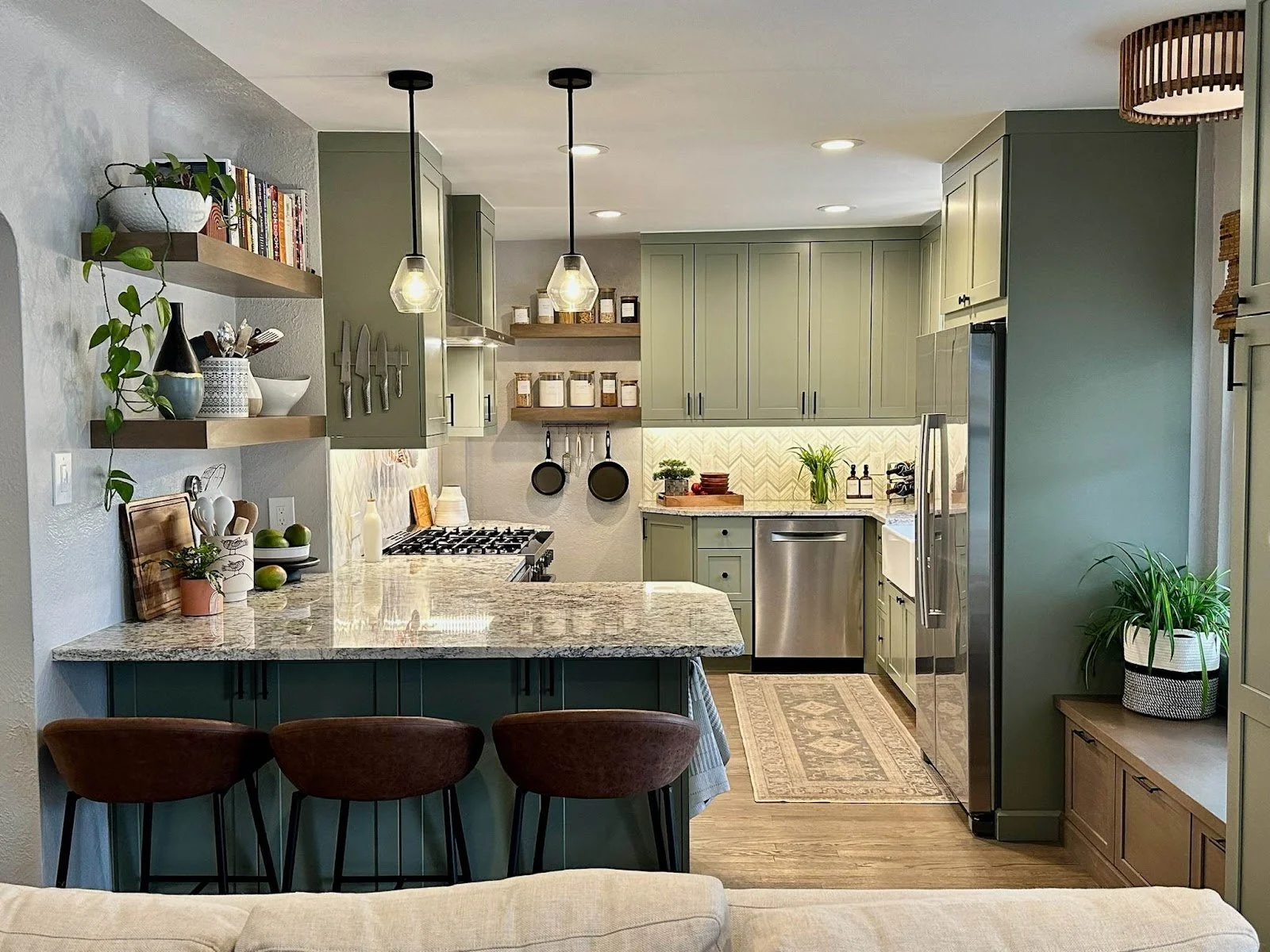
New floors. Custom cabinets. Fresh lighting. Everything looks finished. And then the homeowner calls because something smells hot, a breaker won’t stop tripping, or a room keeps losing power.
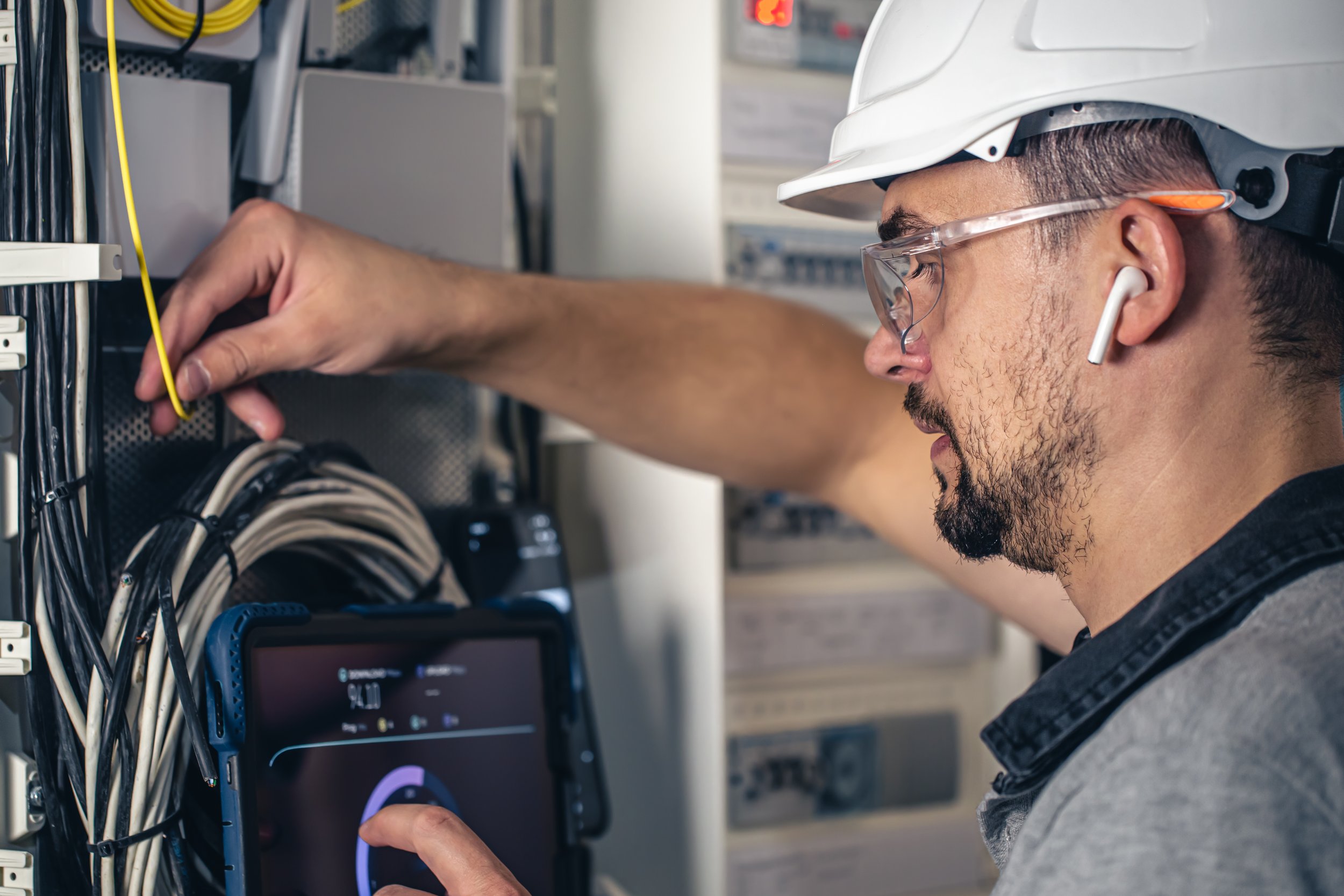
“It usually starts with, ‘We just remodeled,’” says Sergey Nikolin, co-founder of Product Air Heating, Cooling, and Electric LLC. “And then we start opening things up.”
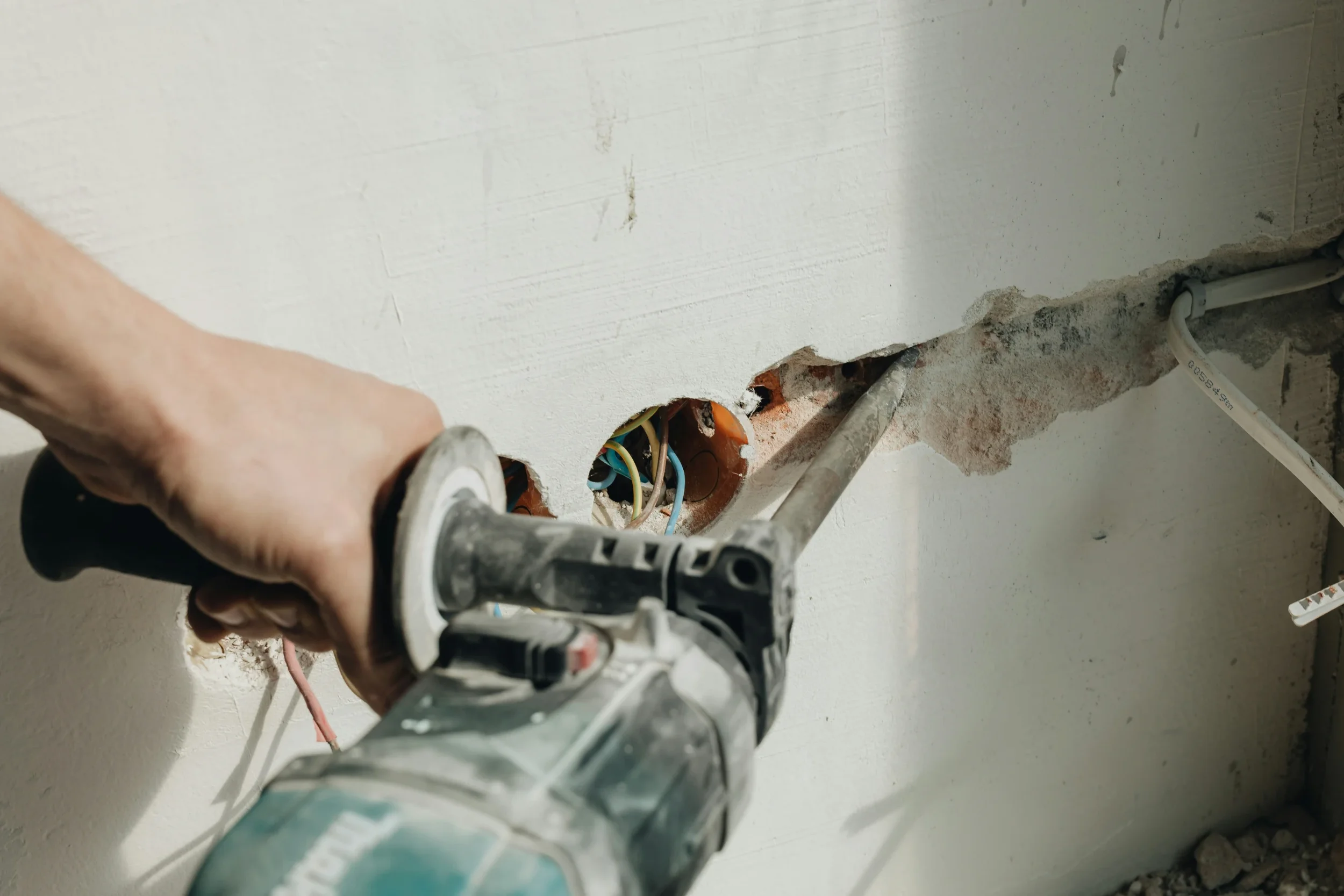
What’s behind the walls doesn’t always match what’s on the surface.
Why People Try to Do Electrical Work Themselves
Most homeowners don’t set out to do something unsafe.
They’re already deep into a renovation. Budgets are tight. Someone watched a video. An outlet looks simple. A breaker swap looks quick.
“It worked when I tested it” feels convincing.
The problem is that electrical systems don’t fail politely.
Electricity doesn’t care that the kitchen looks great now.
What We Actually See After DIY Electrical Work
There’s a pattern to these calls.
Wrong wire size.
Breakers that don’t match the wiring.
Connections that feel “tight enough.”
Panels that have been changed three times by three different people.
“We get a lot of calls that start with sparks,” Sergey says. “Or melted wires. Or someone saying, ‘I think I shut the power off.’”
That last one matters more than people think.
The Risk Isn’t Cosmetic (It’s Physical)
Modern renovations add load. That’s unavoidable.
More lighting. More outlets. Bigger appliances. Heat pumps. EV chargers. Smart systems running all the time.
When electrical work isn’t done correctly, the danger isn’t that something looks sloppy. It’s that heat builds where you can’t see it.
Loose connections create resistance.
Resistance creates heat.
Heat sits inside walls.
That’s how fires start.
“It’s not dramatic at first,” Sergey explains. “It’s quiet. That’s what makes it dangerous.”
Why Problems Don’t Show Up Right Away
This is what tricks people.
Everything works. For months. Sometimes longer.
Lights turn on. Outlets have power. The renovation feels done.
But heat damage is slow. Oxidation takes time. Insulation breaks down gradually.
“That’s why people say, ‘It was fine until it wasn’t,’” Sergey says.
By the time the issue is obvious, fixing it usually means undoing finished work.
The Permit and Insurance Problem Nobody Thinks About
DIY electrical work doesn’t just create safety issues. It creates paperwork problems later.
Unpermitted work gets flagged during inspections. Insurance companies don’t like homeowner-performed electrical work. And if something goes wrong, that detail matters.
“If insurance finds unpermitted electrical work after a fire, that’s a problem,” Sergey says. “They don’t like paying those claims.”
Neither do buyers.
How DIY Electrical Work Can Undercut a Renovation’s Value
Buyers notice electrical issues fast.
Panels that don’t make sense. Work that doesn’t match the rest of the house. No permits. No records.
Even if the renovation looks great, doubt creeps in.
“What else was done this way?” is the question buyers start asking.
That’s when price negotiations happen or deals fall apart.
Electrical Work Isn’t a Finish (It’s Infrastructure)
Most people wouldn’t pour their own foundation or modify a load-bearing wall because they understand the risk.
Electrical systems are no different.
They support everything else. And renovations almost always ask more from them.
“Modern upgrades need modern infrastructure,” Sergey says. “You can’t just keep adding load and hope it works out.”
Hope is not a strategy with electricity.
Where DIY Makes Sense and Where It Doesn’t
Painting. Trim. Hardware. Fixtures.
Those are reasonable DIY projects.
Electrical work is different. It’s invisible, technical, and unforgiving.
When it’s wrong, it doesn’t just fail. It undermines the entire renovation.
The Real Takeaway
A renovation isn’t finished when it looks good.
It’s finished when it’s safe, documented, and built to last.
“Doing it right once saves people from fixing it twice,” Sergey says.
And that’s usually the difference between a renovation that holds its value and one that quietly causes problems later.
Stay up to date with our latest ideas!