What Design Styles Work Best With Infrared Saunas?
Explore the best design styles for infrared saunas, from modern and minimalist to rustic and spa inspired, to create a relaxing, cohesive home retreat.
Infrared saunas are no longer just a luxury feature tucked away in high-end homes. They’ve become a practical and stylish addition to modern living spaces. Thanks to their compact design and ease of installation, they fit naturally into a wide range of interiors.
But adding a sauna is not just about function. It’s also about how well it blends with your home’s overall design. The right pairing can turn a simple wellness feature into a seamless part of your space. Let’s explore which design styles work best with infrared saunas and how to make them feel like they truly belong.
1. Minimalist Interiors
Minimalism and infrared saunas go hand in hand. Clean lines, neutral colors, and uncluttered spaces create the perfect backdrop for a sauna.
Most infrared saunas already feature simple wooden finishes and sleek glass elements. These details naturally align with minimalist design. When placed in a calm, open area with soft lighting and minimal decor, the sauna feels like an extension of the room rather than an added feature.
Keeping surrounding elements simple, like a neutral mat or a single plant, helps maintain that clean and balanced look.
2. Scandinavian Design
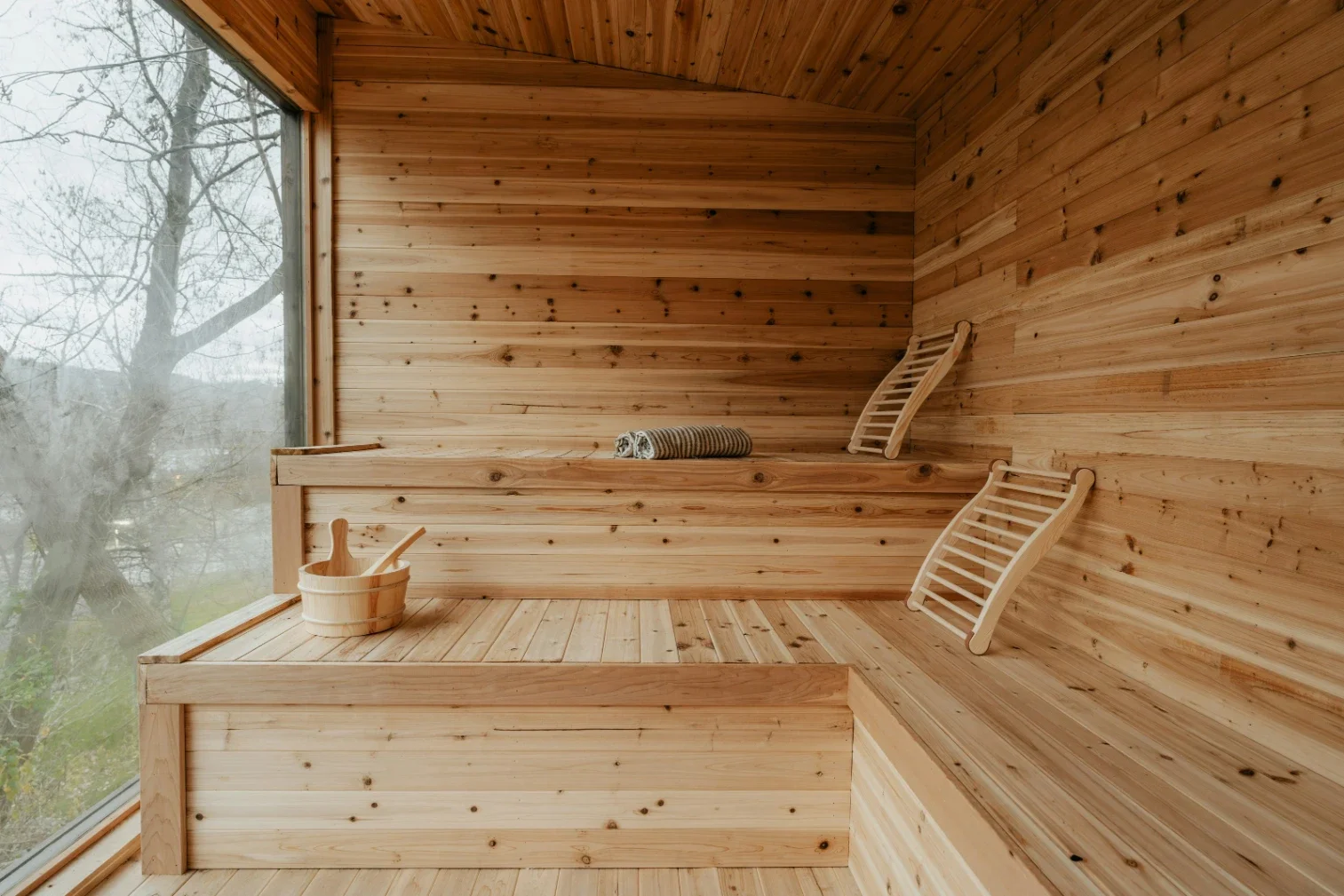
Scandinavian interiors are one of the most natural matches for infrared saunas. This style focuses on warmth, simplicity, and natural materials, which mirrors the core aesthetic of a sauna.
Light wood tones, soft textiles, and a connection to nature all work beautifully with infrared units. A sauna placed in a Scandinavian-inspired room feels intentional, almost like it was always meant to be there.
Large windows, natural light, and cozy elements like wool throws or soft lighting can enhance the overall atmosphere and make the space feel even more inviting.
3. Modern Luxury Spaces
Infrared saunas also fit perfectly into modern luxury interiors. In these spaces, the focus is on clean design combined with high-end finishes.
Glass panels, dark wood tones, and integrated lighting can give the sauna a more elevated look. When paired with materials like marble, stone, or polished concrete, the result feels refined and spa-like.
The best infrared saunas combine advanced features with premium design. Choosing a well-crafted unit ensures it complements the space rather than standing out in a mismatched way.
4. Spa-Inspired Bathrooms
One of the most popular placements for infrared saunas is within spa-style bathrooms. This design approach focuses on relaxation and creating a retreat-like experience at home.
Soft lighting, warm tones, and natural textures help create a calming environment. Adding elements like rainfall showers, wooden accents, and greenery enhances the feeling of a private spa.
In this setting, the sauna becomes a central feature. It blends naturally with the rest of the space while elevating the overall experience.
5. Industrial Design
Industrial interiors might not seem like an obvious match, but they can work surprisingly well with infrared saunas.
Raw materials like exposed brick, metal, and concrete create a strong contrast with the warmth of wood found in saunas. This contrast can actually make the sauna stand out in a good way, adding balance to the space.
To make it work, it helps to keep the design cohesive. Choosing a sauna with darker wood tones or black accents can tie it into the industrial aesthetic more smoothly.
6. Contemporary Open Spaces
Open-plan homes offer a lot of flexibility when it comes to placing an infrared sauna.
In contemporary layouts, saunas can be integrated into corners, home gyms, or even bedroom suites. The key is to maintain visual flow. Using similar materials, colors, or finishes helps the sauna feel like part of the overall design.
Because these spaces are often multifunctional, it’s important to choose a sauna that doesn’t overpower the room. This is where selecting saunas becomes important, as many modern designs are created specifically to blend into living spaces without taking over.
7. Nature-Inspired and Biophilic Design
Biophilic design focuses on bringing elements of nature indoors, which makes it an ideal match for infrared saunas.
Wood, plants, natural light, and organic textures all complement the sauna’s look and purpose. Placing a sauna near greenery or in a room with plenty of sunlight can enhance the overall wellness feel.
This style creates a strong connection between the space and relaxation, making the sauna feel like a natural extension of that environment.
Conclusion
Infrared saunas are more versatile than many people expect. They can fit into a wide range of design styles, from minimal and Scandinavian to modern luxury and industrial spaces.
The key is to think about balance. When the materials, colors, and layout align, the sauna becomes part of the home rather than an afterthought.
Whether you’re designing a calm retreat or upgrading a modern space, choosing one of the saunas and placing it thoughtfully can transform both the look and feel of your home. It’s not just about adding a feature. It’s about creating an experience that fits seamlessly into your lifestyle.
Stay up to date with our latest ideas!