Open-Plan Living: How to Choose the Right Appliances for a Connected Home
Learn how to choose the right appliances for open plan living, balancing performance, design, noise control, and seamless integration in a connected home.

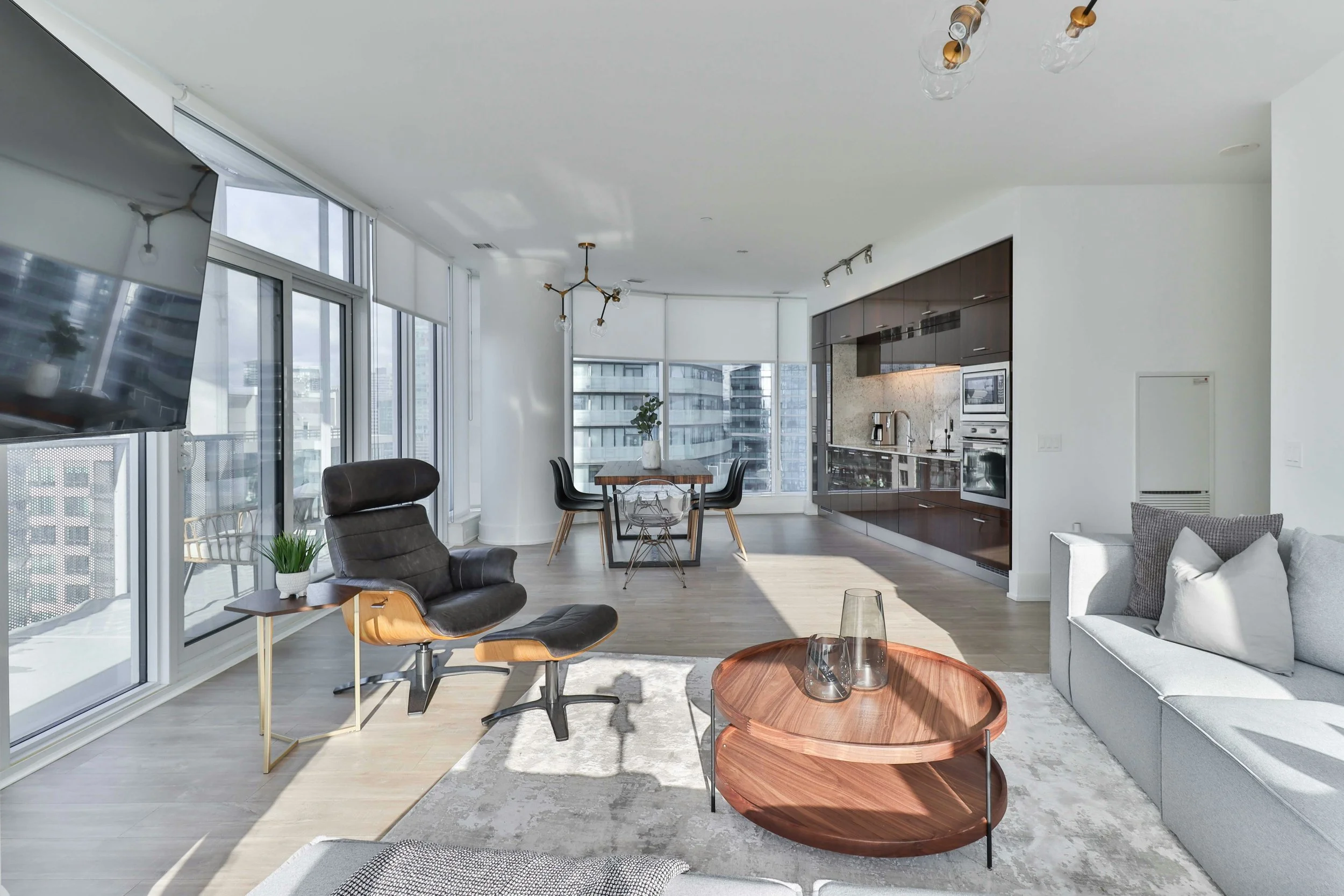
The open-plan home has redefined the way families live, cook, and connect. But when the kitchen, dining room, and living space share the same air and the same sightlines, every appliance decision is important.
A dishwasher that was tolerable behind a closed door becomes the dominant sound in the room. A range hood that was adequate in an enclosed kitchen struggles to clear smoke before it reaches the sofa. A refrigerator finish that looked fine in isolation now either anchors the entire aesthetic or undermines it.
Choosing appliances for an open-plan home is fundamentally different. It requires thinking beyond capacity and price, to how each machine performs acoustically, mechanically, and visually within a connected living environment. If you are beginning that research, manufacturers like GE Appliances offer appliances across every kitchen category, including refrigeration, cooking, ventilation, and dishwashing, to show what good choices actually look like in practice.
The Dishwasher: Quiet Performance Is Non-Negotiable
In an enclosed kitchen, dishwasher noise is a minor inconvenience. In an open-plan home, it becomes the dominant sound during dinner or a film, and it is one of the most common regrets homeowners express after a renovation.
Understanding the dBA scale
Dishwashers are rated in dBA, a logarithmic scale of sound intensity. The difference between a 50 dBA machine and a 44 dBA machine is not modest, but it is roughly perceived as twice as loud.
For open-plan homes, use these thresholds as your filter:
44 dBA or lower - fully open layout
46 dBA - semi-open space with some physical separation
50 dBA and above - belongs behind a closed door
Premium dishwashers today reach 37 to 39 dBA - quiet enough that normal conversation can be easily continued without disturbance.
The rating is only half the story
The engineering behind a quiet dishwasher matters as much as the number. Look for multiple insulation layers around the tub, anti-vibration mounts on the motor, and sound-dampening blankets on the door. A dishwasher installed unlevel or missing its anti-vibration padding will perform noticeably louder than its specification suggests, regardless of the rating on the box.
What else to evaluate
Beyond noise, assess wash performance against how your household actually loads the machine. Third rack designs that accommodate flat items like spatulas free up the main racks for larger loads. Adjustable tine configurations flex between tall pots and delicate glassware. Soil sensors that automatically adjust water usage and cycle length based on the actual load deliver both performance and efficiency - the machine runs only as hard as the dishes require.
For island installations, consider dishwasher drawer models. These open upward rather than outward - important in a traffic zone where a swinging door interrupts the flow of a dinner party. Two-drawer configurations also allow small loads to run independently, reducing energy and water consumption over time.
The Range Hood: Size It for the Space, Not Just the Cooktop
Ventilation is the most technically underspecified element of open-plan kitchen design. Cooking aromas that dissipate quickly in an enclosed room travel freely through connected living spaces, absorbing into upholstery and soft furnishings in ways that are difficult to reverse.
How to calculate the CFM you actually need
Most homeowners never know this calculation, but here it is:
Multiply your kitchen's length × width × ceiling height to get its volume in cubic feet
Multiply that figure by 15 (minimum air changes per hour for a kitchen)
Divide by 60 to arrive at the required CFM rating
A 20 × 16-foot kitchen with 10-foot ceilings has a volume of 3,200 cubic feet and needs a minimum of 800 CFM.
Additional adjustments to make:
Gas ranges: add 1 CFM per 100 BTUs of total burner output
Electric or induction cooktops: add 100 CFM per linear foot of cooktop width
Each foot of duct run: add 1 CFM
Each elbow bend: add 25 CFM
External exhaust cap: add 40 CFM
Always round up to the next available model size - hood manufacturers measure CFM under ideal conditions, and real-world performance with ductwork runs 10 to 20 per cent lower.
Ducted vs. recirculating
Ducted extraction - which physically exhausts air outside the home - is the only appropriate choice for open-plan kitchens. Recirculating hoods manage grease particles but cannot remove heat or moisture. In a connected living space, retaining heat and humidity affects comfort across the entire floor plan.
The visual dimension
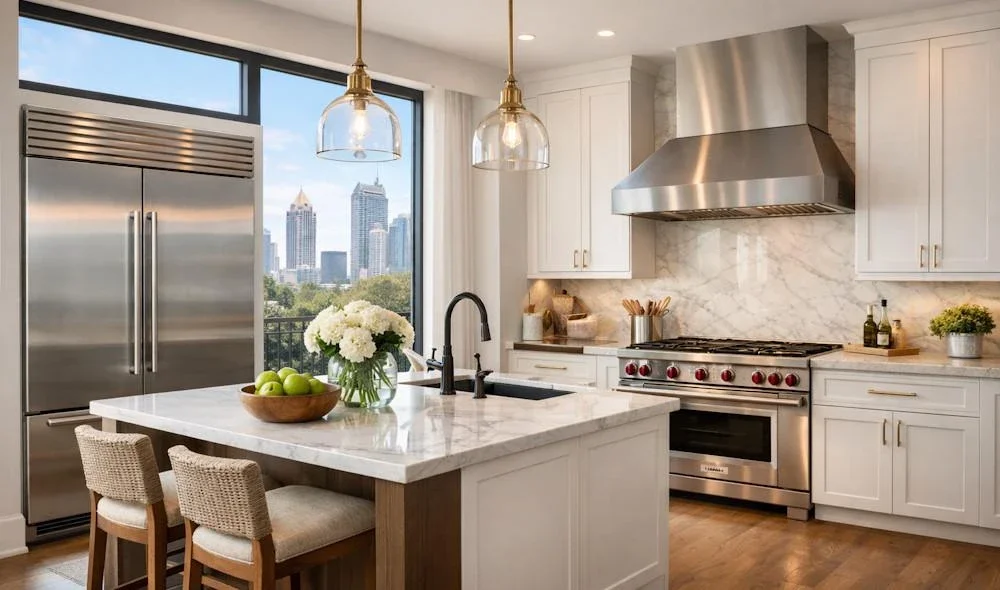
A large stainless canopy hood makes a strong architectural statement above an island, but can feel heavy in a residential setting. Slimline hoods integrated into custom cabinetry offer powerful extraction without visual dominance. Downdraft systems retract into the countertop when not in use, eliminating the hood as a visual element entirely - though they require higher CFM ratings and ducting planned into the floor structure from the outset.
Features worth prioritising: variable speed fan control, auto-sensing modes that detect heat and smoke and adjust fan speed accordingly, washable grease filters, and integrated lighting that doubles as task illumination for the cooktop.
The Refrigerator: Finish, Format, and Placement
In an open-plan home, the refrigerator is never just a refrigerator. It occupies a prominent visual position within the entire living space - its finish, scale, and placement either anchor the aesthetic or undermine it.
Choosing the right finish
Stainless steel - durable and timeless, but reads as cool and utilitarian; works beautifully in some settings, feels discordant in warmer ones
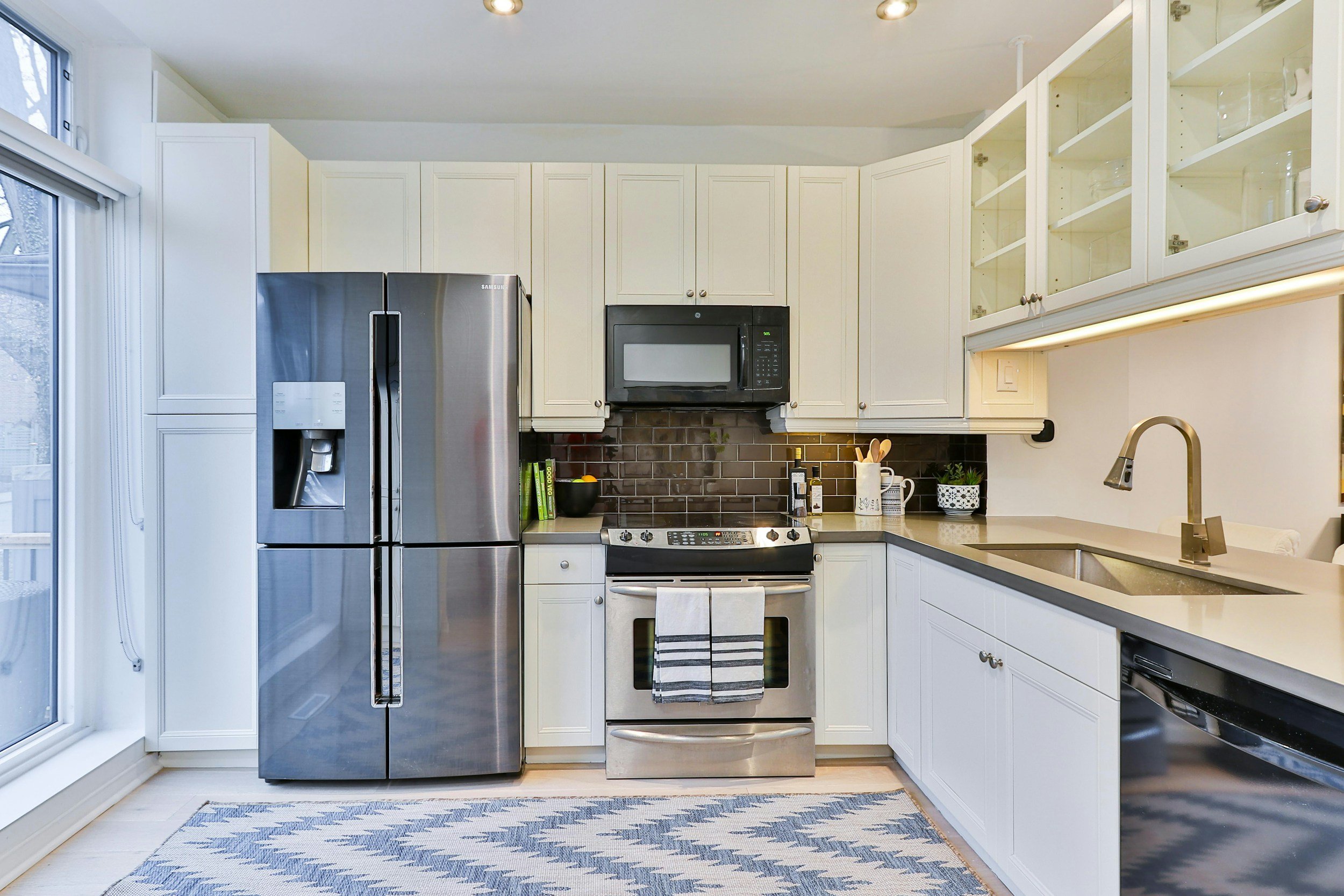
Matte black or slate - offers depth and sophistication while receding visually in a way stainless does not
Panel-ready - accepts custom cabinetry fronts to match surrounding joinery; the refrigerator disappears into the kitchen entirely; requires cabinetry coordination at the planning stage and carries a higher initial cost, but the result in an open-plan space is unmatched
Choosing the right format
French door refrigerators have become the dominant choice for open-plan kitchens. They offer wide refrigerator access at eye level without requiring the full door-swing clearance of a single-door model - a meaningful advantage in an island-centred layout where traffic flows on multiple sides.
Counter-depth models align flush with surrounding cabinetry rather than protruding into the room, significantly improving visual integration. The reduced depth does trade some internal volume, so assess your household's actual storage habits honestly before committing to this format.
Smart features worth taking seriously
Internal cameras allow you to check refrigerator contents remotely - most useful in the grocery aisle when you cannot remember whether you already have an ingredient. Expiration tracking and recipe suggestion features actively reduce food waste. For a busy household, these represent a genuine and recurring return on investment, not novelties.
Integrated Appliances: Think Beyond Individual Machines
One of the most significant shifts in open-plan kitchen design has been the move toward treating appliances as a coordinated system rather than individual purchases.
When a refrigerator, dishwasher, range, and hood share a design language - consistent finish, coordinated controls, compatible smart home integration - the kitchen reads as a designed environment rather than an assembled collection of machines.
The practical benefits go beyond aesthetics. Appliances within the same ecosystem can share diagnostic data, flag maintenance needs before they become breakdowns, and integrate with whole-home automation in ways that mismatched machines cannot. A range that communicates with a compatible hood to automatically increase extraction at high heat is a small example - but across the daily rhythms of a busy household, these automatic adjustments accumulate into a meaningfully easier kitchen experience.
Warming drawers, beverage centres, and under-counter wine fridges built into island cabinetry further reduce the number of visible freestanding appliances. Every machine that disappears into the cabinetry is one fewer visual interruption in a space where design continuity is everything.
The Appliance Decision Is a Design Decision
In an open-plan home, appliances are not chosen after the design is resolved. They are part of the design, as consequential to the success of the space as the flooring, the cabinetry, or the lighting.
The dishwasher's noise level affects how the family experiences the living room. The hood's CFM rating determines whether the home smells like last night's dinner. The refrigerator's finish determines whether the kitchen feels cohesive with the rest of the home or at odds with it.
Approached with this understanding, appliance selection becomes one of the most rewarding decisions in a renovation - the point at which the practical and the beautiful converge, and the kitchen begins to work as hard as the rest of the home looks.
Stay up to date with our latest ideas!